REVIEW · WARSAW
Warsaw: Jewish Heritage 4-Hour Private Tour
Book on GetYourGuide →Operated by PT Team · Bookable on GetYourGuide
Warsaw remembers, and this tour teaches you how. I love the stop at Umschlagplatz, with its wagon-and-wall memorial shape and the engraved names, and I love the Jewish Cemetery on Okopowa, where the stories connect to major figures like Ludwik Zamenhof. A possible drawback: you’ll move through solemn Holocaust sites at a steady pace, so if you want a purely reflective, slow walk, this may feel intense.
You get a private group with hotel pickup, plus transportation, so you can focus on the meaning instead of the logistics. Guides such as Wojciech or Ziggy are noted for mixing clear historical context with human stories, and for adjusting to your questions and pace without turning it into a lecture.
In This Review
- Key highlights at a glance
- A 4-hour private tour that fits Warsaw’s real rhythm
- Hotel pickup and the kind of guide who can pace the story
- Próżna Street and the idea of Jewish Warsaw before the war
- The ghetto area and the story of resistance in 1943
- Monument to the Ghetto Heroes: what the site communicates
- Umschlagplatz: the deportation platform you don’t want to rush
- Walking the route of martyrdom and struggle: how the guide ties it together
- Okopowa Street and the Jewish Cemetery: a place to recognize names
- The Footbridge of Remembrance and the ghetto wall fragments
- Nozyk Synagogue: a surviving anchor amid loss
- If you have more time, POLIN Museum can extend the story
- Price and value: what $42 per person buys you
- Who should book this Jewish heritage tour in Warsaw
- Should you book Warsaw Jewish Heritage for 4 hours?
- FAQ
- FAQ
- How long is the Warsaw Jewish Heritage private tour?
- Is this a private tour or a group tour?
- What sights are included in the 4-hour route?
- Is transportation included?
- Where does the guide meet me?
- Are entry fees included for museums or attractions?
- What languages is the guide available in?
- Is there free cancellation?
- Is payment due at booking?
- Can I visit POLIN Museum during the tour?
Key highlights at a glance
- Trail of Jewish Monuments: follow the physical clues to everyday life, culture, and tragedy
- Umschlagplatz tribute: a memory stop designed like the ghetto boundary and a railway wagon
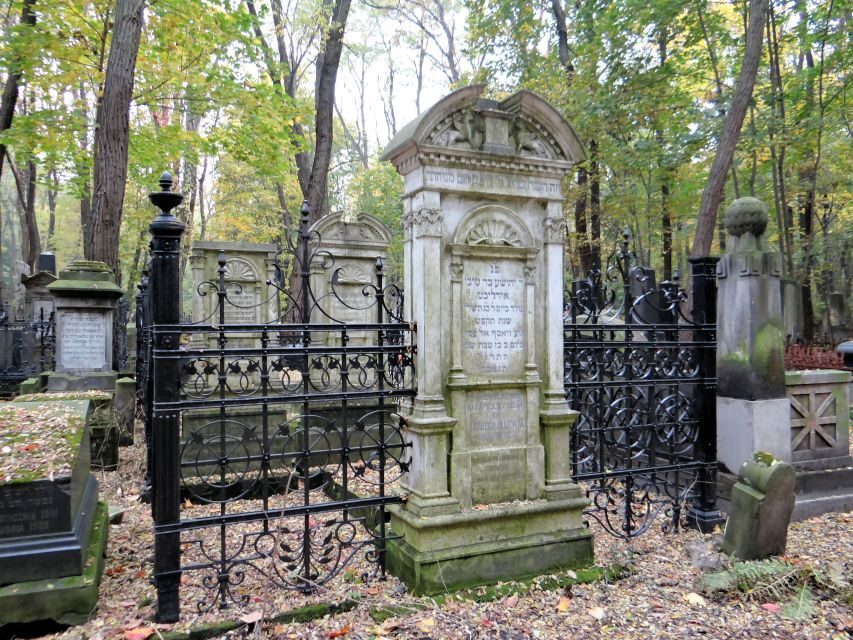
- Okopowa Jewish Cemetery: one of Europe’s largest kirkuts, with internationally known burials
- Ghetto Heroes area: Monument to the Ghetto Heroes and the story of the 1943 uprising
- Footbridge of Remembrance & wall fragments: see how neighborhoods were split, then marked again in public space
- Nozyk Synagogue: a surviving landmark that helps you picture prewar continuity
A 4-hour private tour that fits Warsaw’s real rhythm
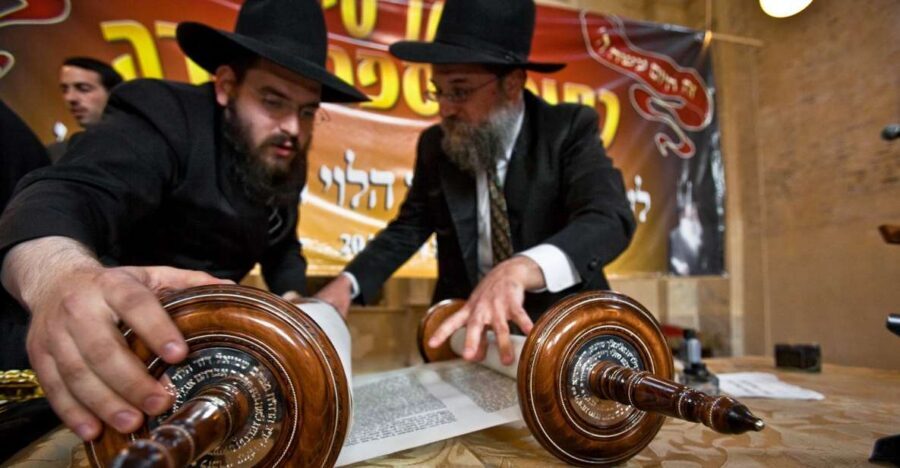
Four hours in Warsaw is short enough that you need a plan, and smart enough that you can still feel the city’s layers. This tour works because it’s built around walking routes and tight stops rather than long detours. You get a local guide and transportation included, so you’re not spending your energy on transit timing while you’re processing heavy history.
I also like the private setup. Even if your group is just you and one companion, you can ask questions and steer a little. That matters for Jewish heritage tours, because everyone comes with different backgrounds and different levels of knowledge. A good guide can meet you where you are, then push you gently toward clearer understanding.
One more practical point: entry fees are not included. That’s normal for a tour like this, but it means you should expect that some stops may require your own tickets or optional add-ons if you want to go inside.
You can also read our reviews of more private tours in Warsaw

Hotel pickup and the kind of guide who can pace the story
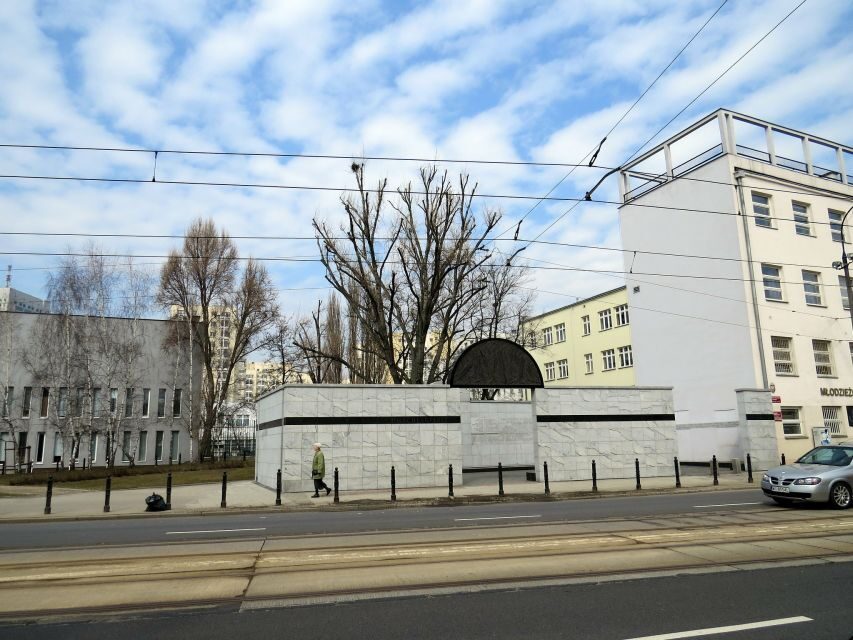
Your guide meets you in the hotel lobby with your name, and you start with enough structure to get your bearings fast. From there, the tour stays tightly timed, with transportation between key areas and enough walking to connect the dots between sites.
The best thing a private guide can do here is balance emotion and facts. The route includes locations linked to deportation and mass murder, but the goal isn’t shock for shock’s sake. With guides like Wojciech or Ziggy, the emphasis tends to be on clarity: what happened, why it mattered, and how Warsaw’s Jewish community shaped the city long before the Holocaust.
The multilingual option is a bonus if you’re traveling with friends or family. You can get the live guide in Spanish, English, German, Russian, Polish, French, Italian, or Portuguese.
Próżna Street and the idea of Jewish Warsaw before the war
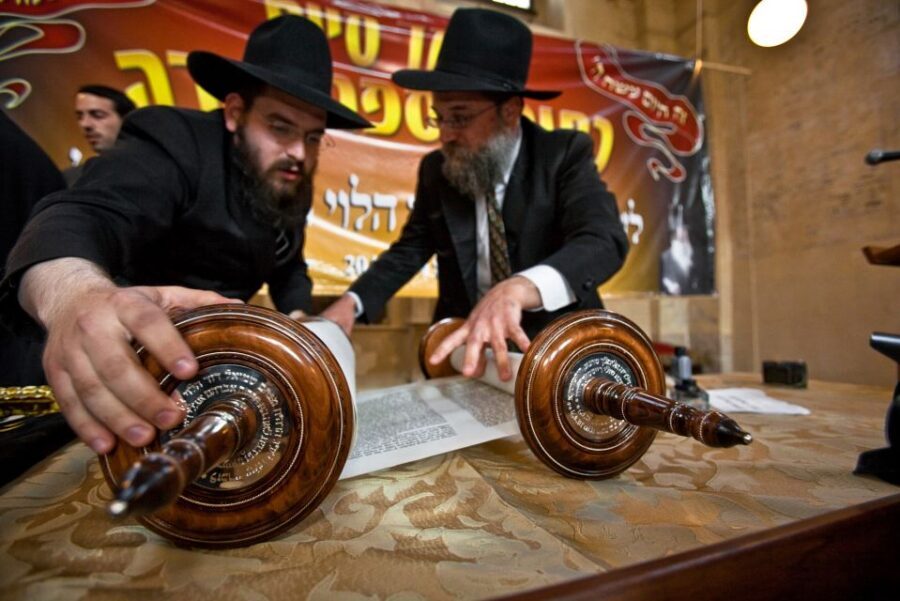
Many ghetto-and-Holocaust tours start with the collapse. This one makes room for the earlier story first, including Próżna Street, where the atmosphere of Jewish Warsaw has been preserved. That early context changes everything. When you hear about Warsaw’s Jewish culture before WWII, the later brutality doesn’t feel like a sudden plot twist. It feels like a forced erasure of something real.
You’ll learn that Warsaw wasn’t a side character in European Jewish life. Before the war, it was one of the largest centers of Jewish culture, and the guide connects that influence to everyday life, architecture, art, and literature. Even in a modern city, those connections help you read what you’re seeing. You start noticing that history isn’t only in museums—it’s written into streets and the way buildings survived, vanished, and were later marked.
If you care about culture and not just tragedy, this prewar framing is a real value. It keeps the tour human.
The ghetto area and the story of resistance in 1943
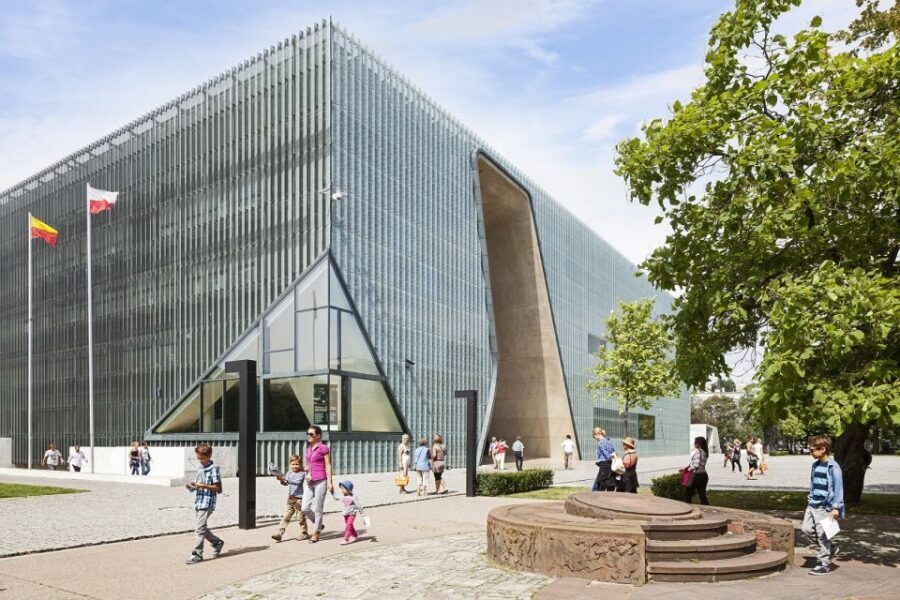
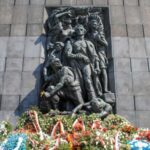
After the introduction, you move into the space where the ghetto existed. This is where the route becomes more physically direct and the language becomes more precise. You’ll see the Monument to the Ghetto Heroes and hear about the 1943 Ghetto Uprising, when a few hundred Jews resisted Nazi power despite overwhelming force.
That focus on resistance is important. It pushes you to look beyond the stereotype of victims with no agency. The uprising story is stark, but it also restores dignity by showing people fighting back with what they had—strategy, courage, and stubborn refusal to disappear quietly.
You’ll also follow the Memorial Route of the Martyrdom and Struggle of Jews, noticing commemorative stones that point to key figures and moments. In a short tour, you might not absorb every name, but you’ll walk away understanding the shape of the story.
Monument to the Ghetto Heroes: what the site communicates
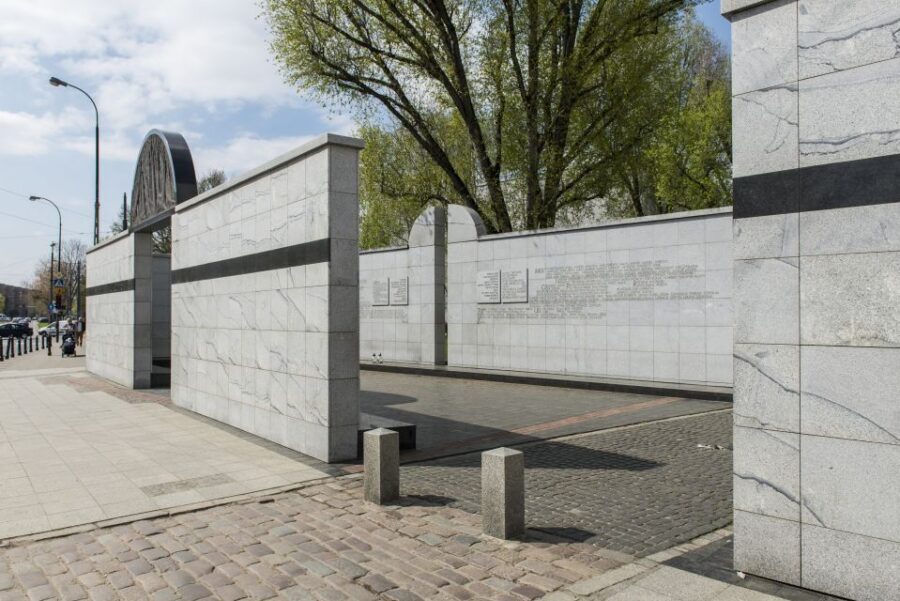
The Monument to the Ghetto Heroes works because it gives a public place to private memory. When you stand there, the point is not just to learn dates. It’s to connect the uprising to Warsaw’s physical geography and to the reality that these were neighborhood streets, not abstract battlefields.
I like that this stop encourages you to look around. Even if the original surroundings changed, the monument anchors the story in place. You start thinking: people lived, hid, planned, and fought here. That mental shift makes the next stops hit harder, in the right way.
If you’re the type who wants time to sit with what you’re seeing, you might feel the pace is brisk, because this is a 4-hour format. Still, the guide can usually slow down at the most emotional spots.
You can also read our reviews of more historical tours in Warsaw


Umschlagplatz: the deportation platform you don’t want to rush
No part of this tour is easy, and Umschlagplatz is the emotional center. You stop at the memorial and you pay tribute to those who were sent to extermination camps and never returned. The memorial’s shape matters: it resembles the walls of the ghetto and a railway wagon, turning the concept of confinement and transport into a physical form you can walk around.
You’ll also learn that more than four hundred names of victims are engraved on the walls. That detail changes the feeling of the place. It stops being a statistic and becomes a list of real people—families, neighbors, individuals with names you can’t pronounce without thinking of the life behind the name.
One practical tip: if you want to photograph, do it respectfully and only when the guide isn’t explaining a point. And be prepared for a moment where you may just stand and take it in rather than listening.
Walking the route of martyrdom and struggle: how the guide ties it together
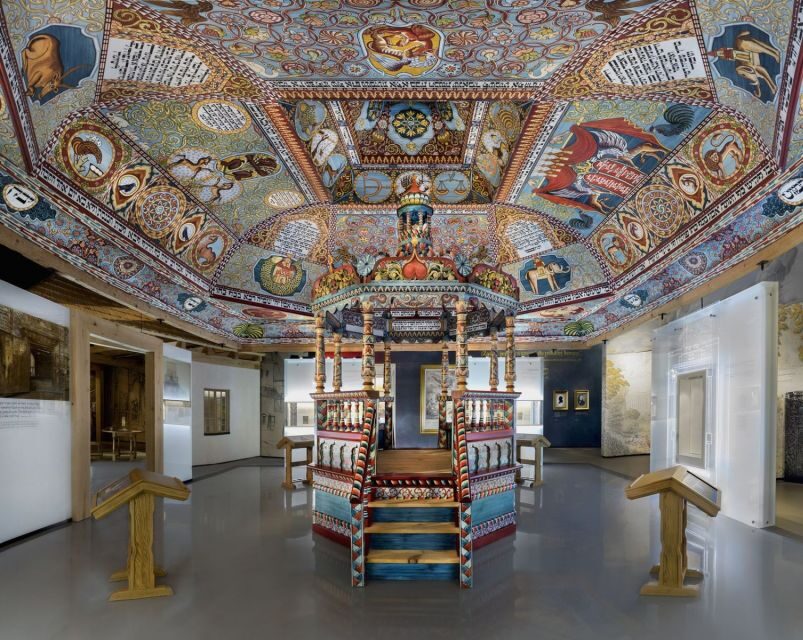
As you move along the Memorial Route of the Martyrdom and Struggle of Jews, you’ll notice commemorative stones that mark stories of major figures of the Warsaw ghetto. These are designed to guide you through fragments of a larger narrative. In other words, this is not a straight museum wall where everything is explained for you.
That’s also why a private guide matters here. They can explain what you’re seeing in the pavement and what those markers meant to people at the time. Without that context, the memorial route can feel like a series of stops. With it, it becomes a connected story.
Okopowa Street and the Jewish Cemetery: a place to recognize names
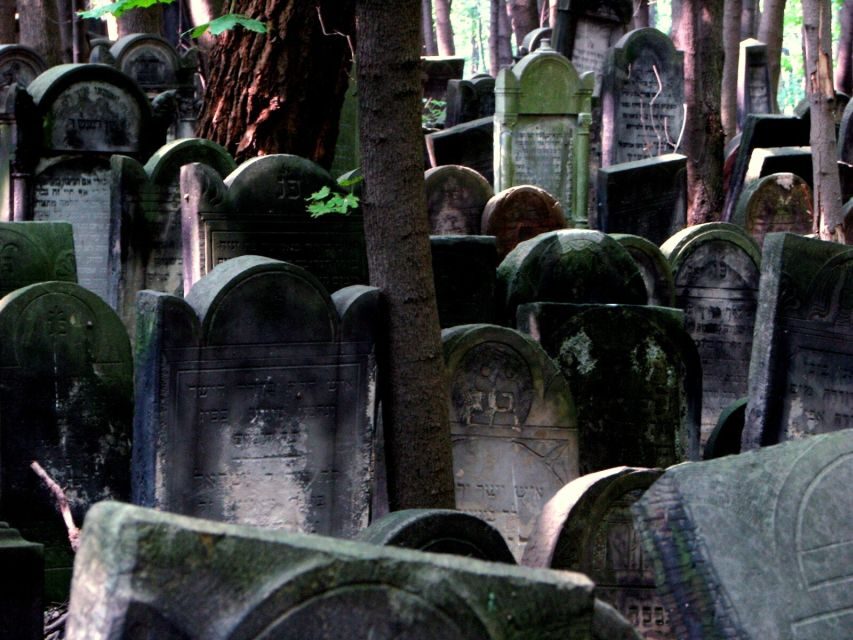
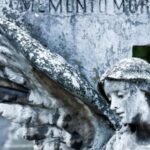
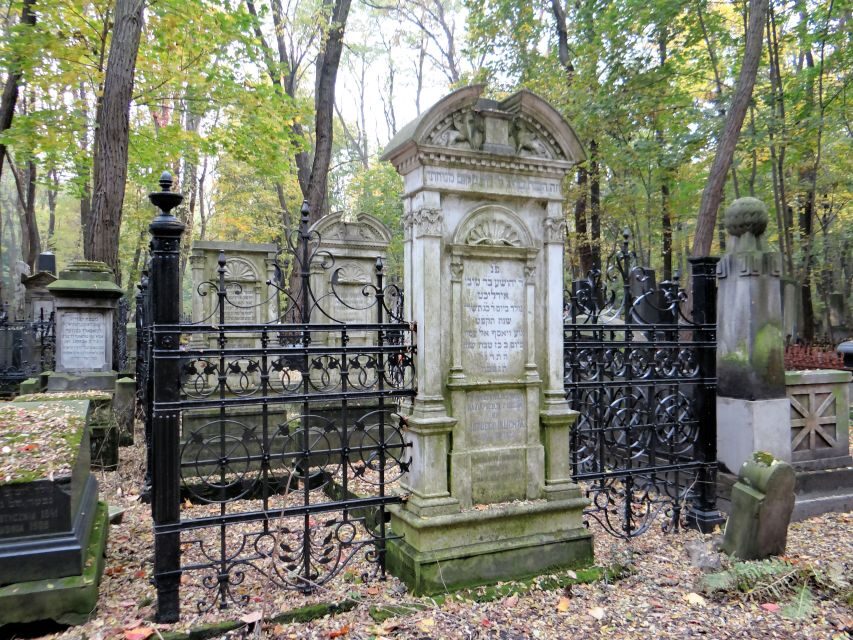
Then comes one of my favorite stops: the Jewish Cemetery on Okopowa Street. It’s described as one of the largest kirkuts in Europe, and you’ll understand why it’s such an essential site for memory. This isn’t just a cemetery you walk through. It’s a record of community life, learning, and identity preserved in stone.
As you explore, the guide points out burials of eminent persons. Among the names you can expect to hear are Ludwik Zamenhof, the founder of the Esperanto language, and writer Ischok Leib Perec. Hearing those names here is powerful because it reminds you that Jewish life in Warsaw wasn’t only religious. It also produced ideas, language, and literature that traveled far beyond Poland.
One more standout: you stop by the symbolic grave of Janusz Korczak, known as a protector of children. During WWII, he was murdered in Treblinka along with the children in his care, in a gas chamber. The tour keeps the focus on who he was and what his story symbolizes.
This is the kind of stop where you’ll probably remember the names after the tour ends.
The Footbridge of Remembrance and the ghetto wall fragments
Next you’ll see the Footbridge of Remembrance over Chłodna Street, which connects the area between the ‘small’ and ‘large’ ghetto. The tour explains that the bridge today includes a multimedia art installation designed to remind visitors of the tragic events of that period.
Why this works: you’re literally crossing a line that once divided people. The bridge becomes a bridge between past and present, turning a formerly brutal separation into a place for reflection. It also helps you understand that the ghetto wasn’t only about one street. It was about geography, access, and controlled movement.
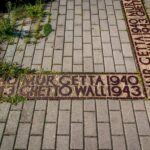
You’ll also stop at fragments of the Jewish ghetto wall and notice iron slabs set into pavements marking the former ghetto boundaries. These are subtle details, but a good guide makes them meaningful. You start seeing the city as a map of decisions made by oppressors—decisions that restricted daily life until daily life stopped being free.
Nozyk Synagogue: a surviving anchor amid loss
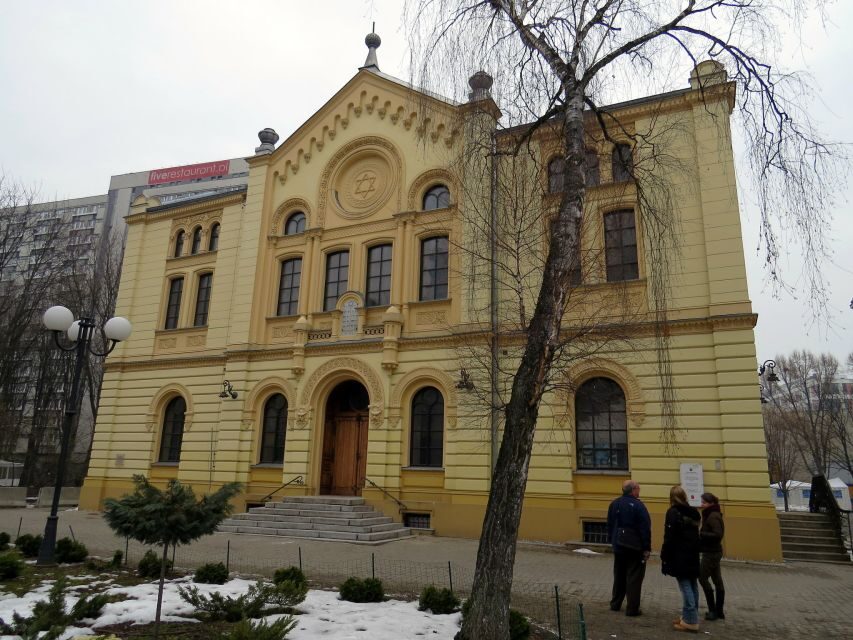
A short tour needs at least one moment of architectural continuity, and Nozyk Synagogue is that. You’ll see it built in Neo-Romanesque style, and the guide explains that it survived the Holocaust period.
This stop doesn’t erase what happened. Instead, it helps you picture the prewar world with more realism. When a landmark survives, it becomes a reference point. It says: the community was here long enough to build something lasting, and history wasn’t only destruction.
Even if you don’t spend long here, the effect lingers. It adds a sense of continuity to the narrative of rupture.
If you have more time, POLIN Museum can extend the story
If your schedule allows, you can add time for the POLIN Museum of the History of Polish Jews. The tour suggests exploring it with your guide’s guidance on what else you can discover on your own after the tour.
This is a smart option because four hours can only cover so much. POLIN is well-suited for deeper context, but the key is sequencing: this tour helps you understand the geography and the major sites first, which makes museum exhibits easier to interpret afterward.
Price and value: what $42 per person buys you
At around $42 per person for a 4-hour private tour, the value comes less from the cost of the “time” and more from what you’re getting: a structured route, included transportation, and a guide who can explain sensitive history with care.
Here’s how I think about value for tours like this:
- If you tried to self-guide, you’d likely spend extra time hunting for locations and figuring out how they connect.
- If you hired a private guide for a similar amount of time without transportation, you’d probably still lose time to moving through the city.
- Because entry fees aren’t included, you’re paying mainly for interpretation and logistics, not museum ticketing.
Given the number of major sites in the route, the price feels reasonable. It’s also a good “first pass” tour if you want a clear outline before adding a museum visit.
Who should book this Jewish heritage tour in Warsaw
This tour is a strong fit if you want a guided route through key Jewish sites in Warsaw without spending days planning. It’s also ideal if you like your history explained through places—streets, walls, memorials, and surviving buildings—rather than only through books.
You’ll especially enjoy it if you’re interested in:
- Jewish Warsaw before WWII, including cultural life and influence
- The ghetto area and the 1943 resistance story
- Memorial sites like Umschlagplatz with engraved names and strong symbolism
- Cemetery history and notable individuals, including Janusz Korczak
Consider skipping (or pairing with extra time) if you want a slow, contemplative pace with fewer stops. This itinerary is designed for coverage in four hours, so you’ll likely stay on your feet and move between locations at a steady rhythm.
Should you book Warsaw Jewish Heritage for 4 hours?
I’d book this tour if you want a clear, place-based overview of Warsaw’s Jewish heritage and Holocaust history, delivered in a private format with hotel pickup and transportation. The strongest reason is how the route moves from prewar identity to ghetto history to memorial geography, with stops like Umschlagplatz, the Jewish Cemetery on Okopowa, and Nozyk Synagogue doing real interpretive work.
If you’re emotionally steady and want structure, this is a high-value way to spend one morning or afternoon in Warsaw. And if you have extra time after, line it up with POLIN Museum for deeper context.
FAQ
FAQ
How long is the Warsaw Jewish Heritage private tour?
It lasts 4 hours.
Is this a private tour or a group tour?
It’s a private group tour.
What sights are included in the 4-hour route?
The route includes Jewish monuments and key heritage sites such as Umschlagplatz, the Monument to the Ghetto Heroes, the Jewish Cemetery on Okopowa Street, the ghetto area, Próżna street, the Footbridge of Remembrance over Chłodna street, fragments of the ghetto wall with boundary markers, and Nozyk Synagogue.
Is transportation included?
Yes. Transportation is included as part of the experience.
Where does the guide meet me?
The guide meets you at your hotel lobby and waits with your name.
Are entry fees included for museums or attractions?
Entry or admission fees are not included.
What languages is the guide available in?
The live guide is available in Spanish, English, German, Russian, Polish, French, Italian, Portuguese.
Is there free cancellation?
Yes, free cancellation is available up to 24 hours in advance for a full refund.
Is payment due at booking?
You can reserve now and pay later, so you can keep plans flexible by booking without paying immediately.
Can I visit POLIN Museum during the tour?
The tour suggests exploring POLIN Museum if you have more time, with guidance from your guide on what you can discover afterward.