REVIEW · WARSAW
From Warsaw: Auschwitz-Birkenau Small Group Tour with Lunch
Book on GetYourGuide →Operated by AB Poland Travel · Bookable on GetYourGuide
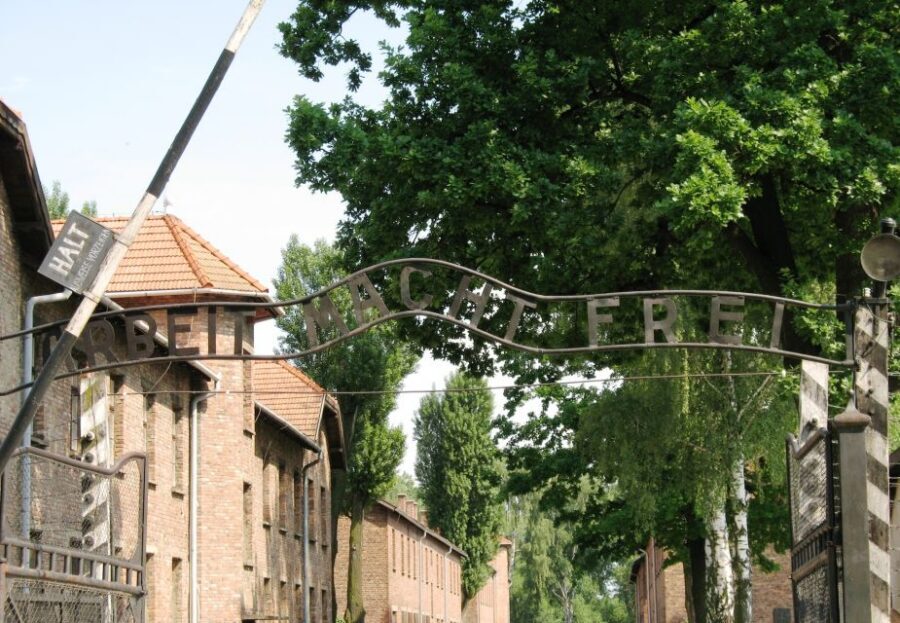
Auschwitz-Birkenau hits hard, fast—and this small-group tour is built to move at a clear pace. What I like most is the guided access to Auschwitz-Birkenau Memorial and Museum and the focus on seeing key original features like the Arbeit Macht Frei gate, railway ramp areas, and watchtower viewpoints. You also get lunch at a local restaurant, which helps you keep moving during a very long day.
The main drawback to consider is timing. The drive from Warsaw is long, and if your departure is later, you may end up with lunch before the most outdoor-heavy portion of the visit—exactly when you’d usually want full attention and time to read the panels.
In This Review
- Key points at a glance
- A long day from Warsaw: what 12 hours really feels like
- Entering Auschwitz-Birkenau with a guided plan that saves your brain
- The outdoors are where the details live: pacing and panel-reading reality
- Museum rooms and artifacts: what you’ll gain from the inside stops
- Lunch at a local restaurant: simple fuel, not a highlight
- Skip the ticket line and small-group logistics: why $350 can make sense
- Who this tour fits best (and who might want a different style)
- Should you book Auschwitz-Birkenau from Warsaw with lunch?
- FAQ
- FAQ
- How long is the Auschwitz-Birkenau tour from Warsaw?
- Is lunch included?
- What language is the tour guide in?
- How big is the group?
- Do I need to skip the ticket line?
- Where do I meet the driver in Warsaw?
- Is pickup available from hotels in Warsaw?
- What ID do I need to bring?
- Is the booking refundable?
Key points at a glance
- Small group (up to 8) keeps the experience calmer and easier to hear the guide.
- Live English guide plus a skip-the-ticket-line setup saves time for the grounds.
- Focus on original sites like railway ramp areas and watchtower reminders, not just museum rooms.
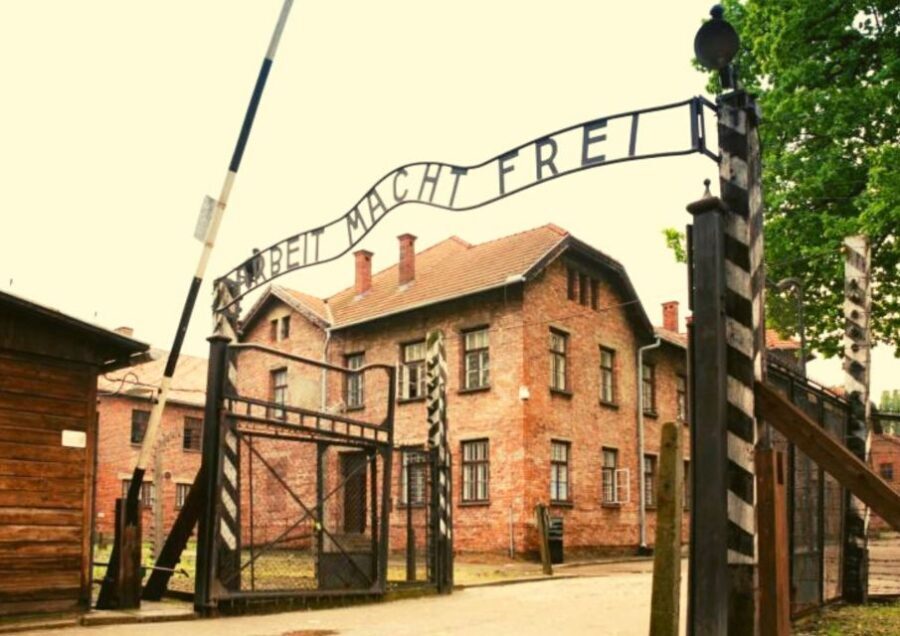
- Arbeit Macht Frei gate is a concrete, photo-stopping reference point for the story.
- Lunch included (basic meal) means you don’t have to hunt for food during the rush.
- Hotel pickup/drop-off in Warsaw center reduces stress on both ends of the trip.
A long day from Warsaw: what 12 hours really feels like
This is a 12-hour, one-day trip, with transportation out of Warsaw and a full guided visit in Oświęcim (the Auschwitz-Birkenau area). The drive time is the big factor you can’t ignore. Even if everything runs on time, you’re committing to a day that starts with sitting in a vehicle and ends with fatigue—so plan your energy accordingly.
The trip includes hotel pickup and drop-off in Warsaw city center, and the meeting point is set in front of the lobby entrance at the Warsaw Marriott Hotel. Pickup is optional in some cases, but if you want the easiest start, take the pickup option. Either way, you’ll want to arrive ready with your passport or ID card, since that’s required for entry.
Group size matters on this route. With a maximum of 8 participants, you should have a better chance of keeping pace with the guide and hearing instructions without that big-bus chaos. It’s not a “sit and watch” tour—expect walking, standing, and moving through multiple outdoor and indoor areas.
One practical tip: wear shoes that are ready for uneven surfaces and long stretches. This isn’t the kind of tour where you can comfortably do it in lightweight sneakers and expect it to feel good.
A few more Warsaw tours and experiences worth a look


Entering Auschwitz-Birkenau with a guided plan that saves your brain
Once you reach the memorial site, you enter Auschwitz-Birkenau Memorial and Museum for a guided tour lasting about 3.5 hours. The guide’s job here isn’t to entertain you. It’s to structure what you’re seeing so it connects: origins of the camp, what prisoner life was like, and how the Nazi murder system worked on an industrial scale.
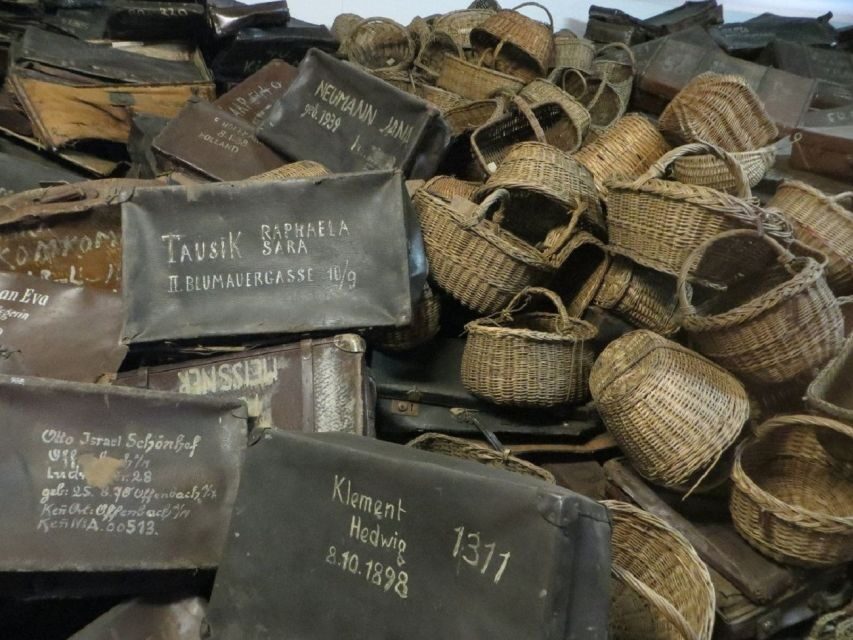
You’ll see personal artifacts and hear poignant stories about former inmates. That combination matters because artifacts give you something physical to focus on, while the stories help you understand what those objects meant to real people. The emotional weight is intense either way, but guided framing helps you avoid the “I saw a lot, but I don’t know what I’m looking at” feeling.
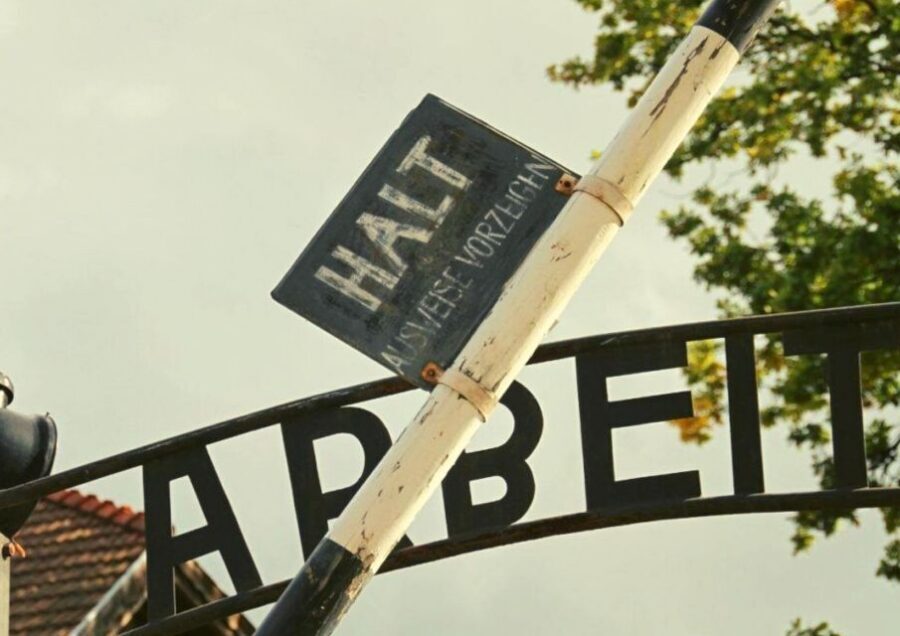
The tour also highlights key, unforgettable markers like the Arbeit Macht Frei gate. That phrase isn’t just a landmark for photos. In the context of the tour, it becomes an example of propaganda—using words to mask cruelty and control.
During this part of the experience, you’ll hear that more than 1.3 million Jews and prisoners from Poland, France, and Italy were murdered by the Nazis. Hearing that number in a guided format tends to land better than reading it alone, because it’s tied to specific locations and the people connected to them.
A note on expectations: the tour is guided in English, and it’s designed for flow rather than wandering. If you’re the type who likes to stop every few minutes and read every panel cover-to-cover, you’ll still find plenty to absorb—but you’ll want to accept that you can’t slow down everywhere.
The outdoors are where the details live: pacing and panel-reading reality
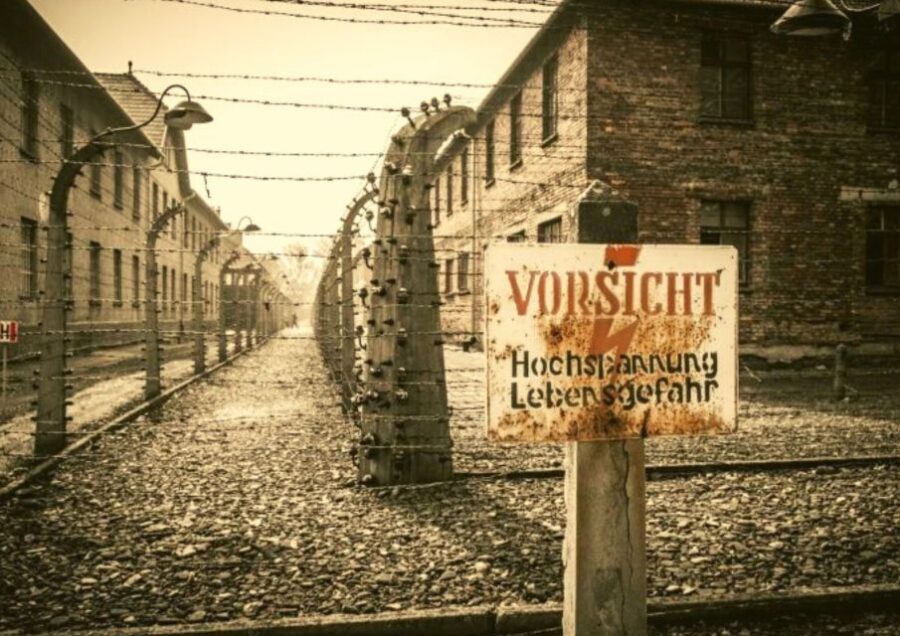
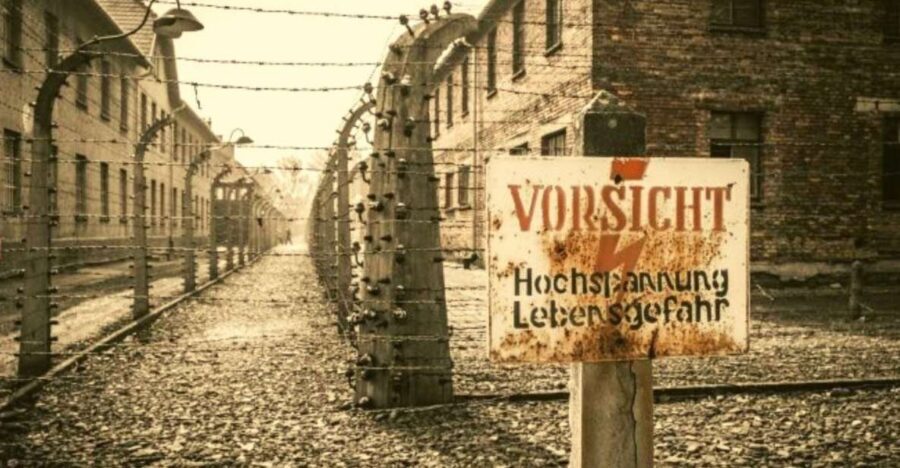
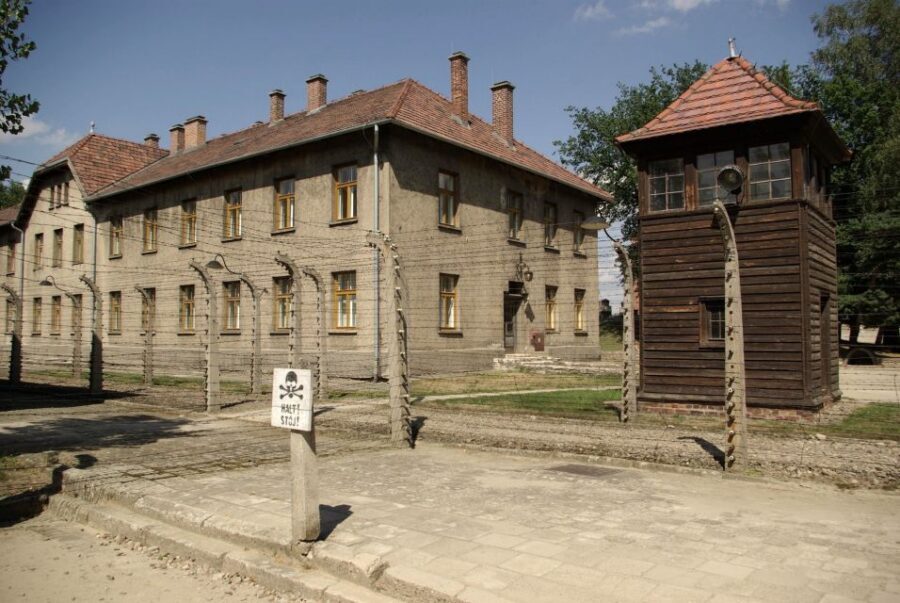
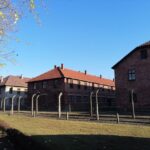
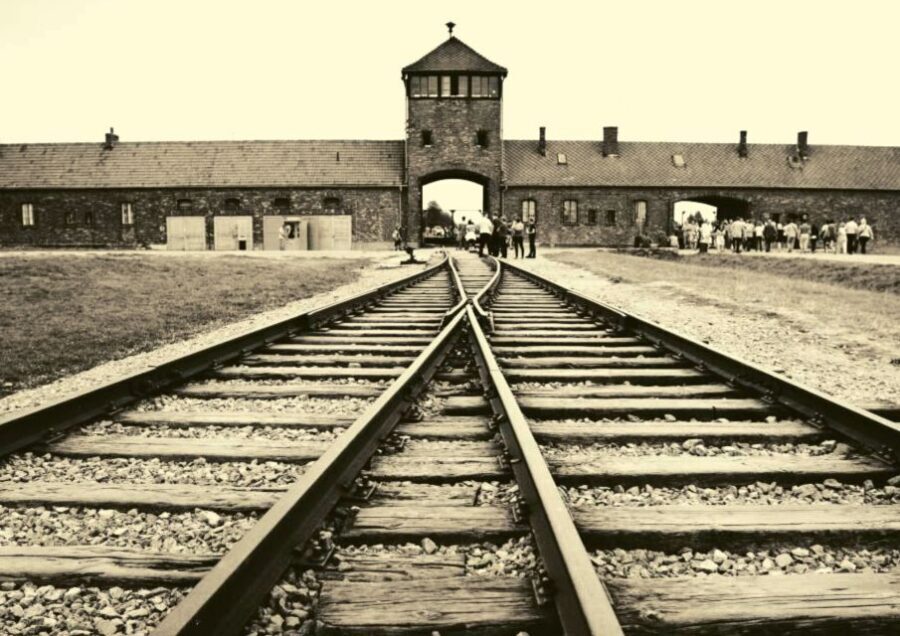
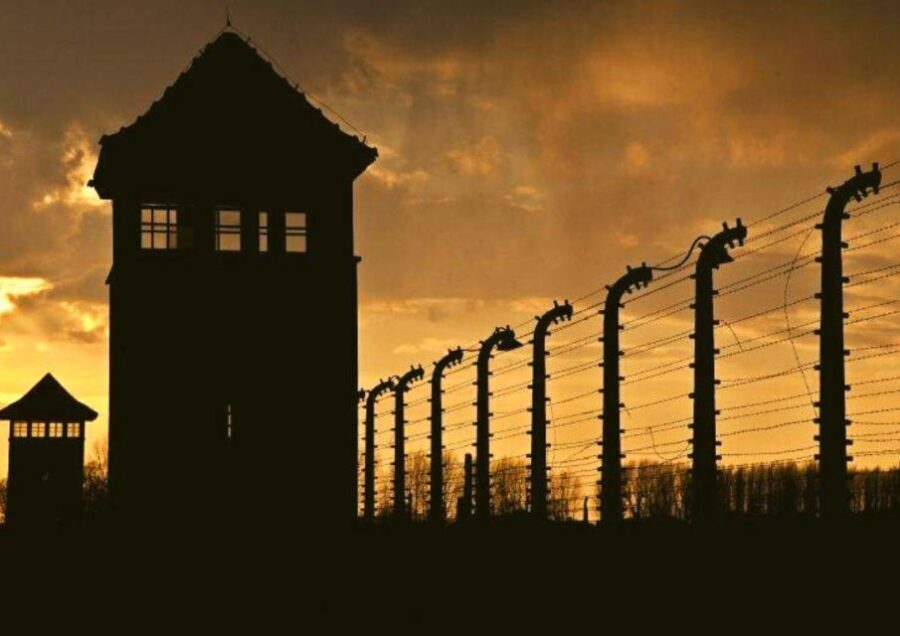
A huge portion of the experience is outdoors, spread across original camp sites. That’s where you’ll spot reminders like railway ramp areas, watchtowers, and other structures that shape how the space functioned.
This outdoor time is often the most challenging part of the day—not emotionally (though that’s true too), but physically and mentally. Many people find that outdoor sections move faster because there’s a lot of ground to cover and the guide wants the group together. If you’re trying to read every sign at length, it can feel like you’re always a step behind.
I’d plan to do this in two modes. First, follow the guide and let the tour connect locations to the story. Second, save your slower reading for the stops where the pace gives you a breather. You’ll get more out of the day if you don’t force yourself into a single style of attention.
Some travelers also use audio guides for flexibility. In feedback connected to this tour type, I saw a pattern: people often love the audio portion when it helps explain what they’re seeing, but outdoor time can overwhelm your ability to listen and read everything at once. Your best approach is to choose one main channel. If you’re using audio, set yourself up to listen for the key moments, not every sentence.
Museum rooms and artifacts: what you’ll gain from the inside stops
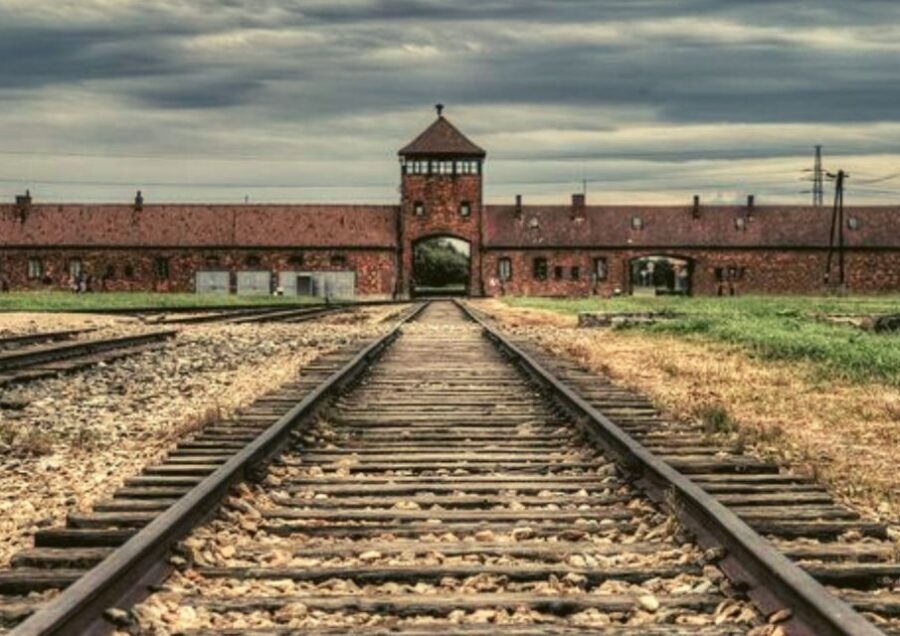
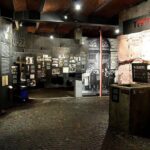
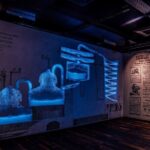
Alongside the outdoor grounds, the museum portion includes period photos and personal artifacts that bring the past to life. This is where the tour can shift your mindset from “I’m walking through a place” to “I’m seeing evidence, faces, and objects.”
Indoor time is also where the guide’s explanations tend to feel most useful. You can step into context: the origins of the camp, how prisoners were processed, and how daily life worked under impossible conditions. The museum structure helps you sort facts and locations, which is exactly what you need when the outdoors start blending together.
Look at the artifacts with patience. Even if you feel emotional, it helps to approach with the question: what did this object mean for its owner? Not just what happened to them, but how did the camp reduce a person to a number and a function.
This is one of those days where you’ll likely remember specific items later, not every sentence from the guide. So don’t pressure yourself to memorize. Let the objects do the anchoring.
Lunch at a local restaurant: simple fuel, not a highlight
Lunch is included and served at a local restaurant for about 1 hour. The meal is basic, with options you might see like pierogi, chicken soup, or schnitzel, plus water. That’s a good deal for a day that otherwise has very limited time for searching.
Still, I’d treat lunch as practical fuel, not part of the “experience.” In feedback tied to this kind of day trip, I saw complaints about meal simplicity and about water being included as the main drink. In other words: you shouldn’t plan to turn lunch into a long sit-down break.
If you know you’ll get hungry on the road, consider bringing a small snack you can eat before departure. The schedule depends on your pickup time, and the drive can compress your day. If your group departs later, lunch can land earlier than you expect—right before outdoor time where you’ll want clear focus.


Skip the ticket line and small-group logistics: why $350 can make sense
This tour costs $350 per person, and value here comes down to what’s included, not just the total number. You’re paying for transportation from Warsaw city center, hotel pickup and drop-off, admission fees, and a guided tour in English, plus lunch.
A big part of the value is time. Skipping the ticket line sounds small, but on a high-demand site it can reduce stress and keep you from losing minutes you can’t replace. On top of that, the small group size (up to 8) reduces the chaos you’d expect from a larger bus tour.
Transportation also matters here. It’s a long haul, and the route is not something you want to figure out while trying to stay emotionally ready for the memorial. A smooth ride and thoughtful stops for basics (like restrooms) can make the difference between “a difficult day” and “a difficult day plus avoidable discomfort.”
Is it worth it? For me, the price makes sense if you want a guided structure and a straightforward plan from Warsaw without juggling tickets, schedules, and transport. If you’re budget-focused, you might find cheaper DIY options—but you’d be trading away the guided time structure and the low-stress logistics.
Who this tour fits best (and who might want a different style)
This kind of small-group guided day trip is best for travelers who want clarity. You’ll likely enjoy it if you prefer a plan, you want a live guide in English, and you care about seeing specific original areas without spending your day trying to piece routes together.
It’s also a good option if you want the memorial day to be emotionally supported by someone who can guide your attention to the right moments. Auschwitz-Birkenau is not a place where “winging it” usually feels satisfying.
You might want a different approach if you strongly need maximum flexibility. Because the day runs on a fixed schedule with a guided pacing, you can’t expect unlimited time at every spot. If you want to read every panel deeply at your own tempo, you may find the time pressure difficult.
Should you book Auschwitz-Birkenau from Warsaw with lunch?
If your priority is a guided, small-group day with hotel pickup and lunch included, this is a practical choice. The biggest win is that the day is structured so you can focus on what matters: seeing key sites with context and leaving with a clearer understanding of what you experienced.
Still, choose your timing carefully. If you don’t like long vehicle days or you’re sensitive to rushing through outdoor areas, go in with realistic expectations and wear comfortable shoes. Pack for a day that’s physically demanding even if you’re emotionally prepared.
If you want a memorial visit that is organized, not stressful, and guided from start to finish, this is the kind of tour that makes that easier.
FAQ
FAQ
How long is the Auschwitz-Birkenau tour from Warsaw?
The full experience runs about 12 hours for the day.
Is lunch included?
Yes. Lunch is included at a local restaurant and includes a basic meal such as pierogi, chicken soup, or schnitzel, plus water.
What language is the tour guide in?
The live tour guide speaks English.
How big is the group?
This is a small group limited to 8 participants.
Do I need to skip the ticket line?
Yes. The tour includes skipping the ticket line.
Where do I meet the driver in Warsaw?
Meet the driver in front of the lobby entrance at the Warsaw Marriott Hotel.
Is pickup available from hotels in Warsaw?
Yes, pickup in Warsaw city center is available, and pickup from your hotel is optional.
What ID do I need to bring?
Bring a passport or ID card.
Is the booking refundable?
No. The activity is listed as non-refundable.