REVIEW · WARSAW
Warsaw: Small-Group Tour to Treblinka Extermination Camp
Book on GetYourGuide →Operated by AB Poland Travel · Bookable on GetYourGuide
Treblinka is history you can’t skim. This small-group outing from Warsaw combines an English-language camp museum visit with time walking among the ruins of the penal labor camp, plus the story of the 840 prisoners who tried to escape in 1943.
I especially like the calm, structured pace: a driver gets you there, the guide explains what you’re seeing, and you still get a lunch stop before returning to Warsaw.
One drawback to keep in mind: this is an emotionally heavy visit, and the walking is real (ruins and uneven ground). The tour is wheelchair accessible, but you’ll still want to plan for a serious day, not a sightseeing break.
In This Review
- Key things to know before you go
- Treblinka in one day: what you’ll actually experience
- From Warsaw pickup to Treblinka: the ride matters
- The camp museum in English: learning the system before the ruins
- Walking the penal labor camp ruins: scale without theatrics
- The 1943 escape story: why it changes how you remember Treblinka
- Nazi “Final Solution” context: making the meaning clear
- Lunch stop and the return to Warsaw by about 15:30
- Price and value: is $164 worth it?
- Who should book this trip, and who should think twice
- Tips to get the most from your visit
- Should you book Treblinka with this operator?
- FAQ
- How long is the Treblinka tour from Warsaw?
- Where are the pickup and drop-off locations in Warsaw?
- What’s included besides the camp visit?
- Is the tour guided in English?
- Is there a lunch stop?
- What’s the cancellation policy and payment option?
Key things to know before you go
- Small group size (up to 8): you get more room for questions without a loud crowd.
- English guide who contextualizes: you’re not just looking at buildings; you’re understanding the system.
- Museum first, ruins second: you build meaning, then you see the physical footprint.
- The 1943 escape story: learning about the 840 escapees adds a human thread to the site.
- Lunch included and timed in: you won’t end up hunting for food mid-visit.
- You’re back by mid-afternoon: the whole day fits into a single, manageable block.
Treblinka in one day: what you’ll actually experience
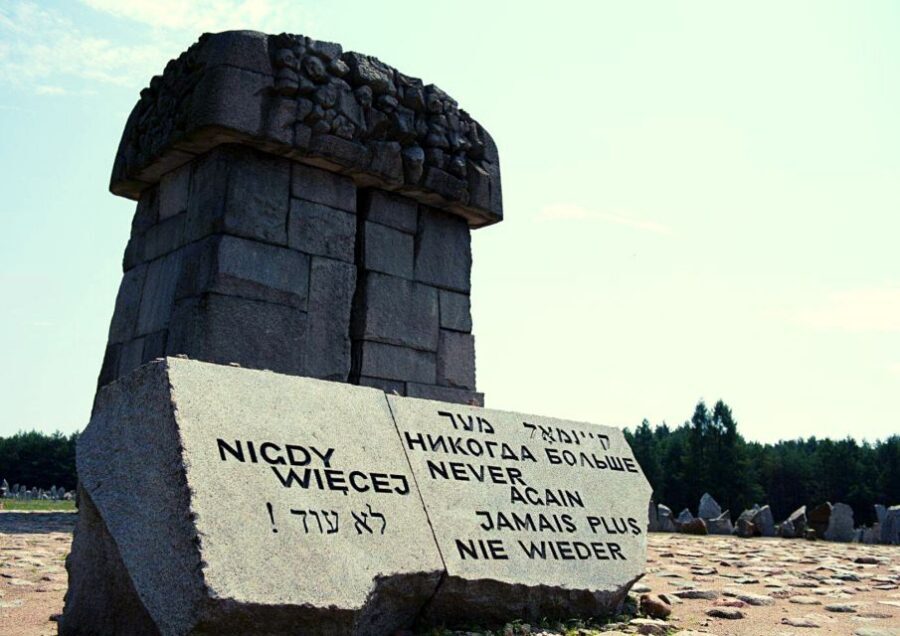
This is a focused, single-day trip from Warsaw to Treblinka, built around one purpose: helping you understand how Treblinka functioned within the Nazi system. You’ll start with the camp museum, then move outdoors to walk among the ruins of the penal labor area.
The tone is respectful and direct. Expect the guide to explain the camp’s organization and the “Final Solution” as it was carried out at Treblinka. This is not a “quick stop.” It’s a concentrated visit meant to be processed, not rushed.
You can also read our reviews of more tours and experiences in Warsaw.



From Warsaw pickup to Treblinka: the ride matters
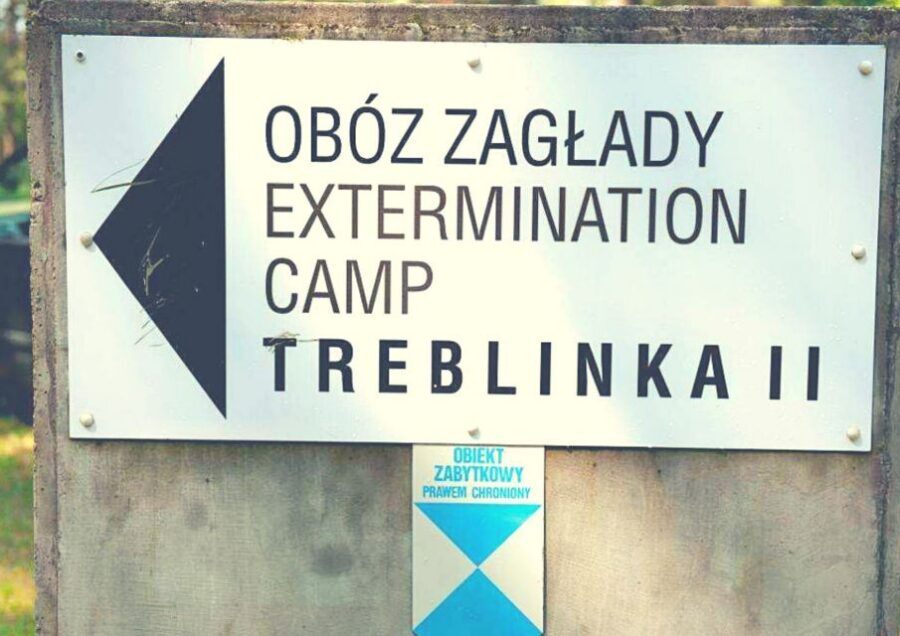
You’ll depart from central Warsaw with pickup options at Śródmieście, Marszałkowska 98–100. After that, the drive to Treblinka takes about 1 hour, and the trip is handled by an English-speaking driver with transportation by car or minibus.
That matters more than you might think. On a day like this, fewer logistics means fewer stress points. You’re not trying to navigate transit, find parking, or time your own return. You can just settle in, get oriented, and let the guide take over when you arrive.
One small comfort upgrade: the tour includes free Wi‑Fi, which is handy if you’re planning ahead (offline maps, messages, or just charging your devices before the long walk).
The camp museum in English: learning the system before the ruins
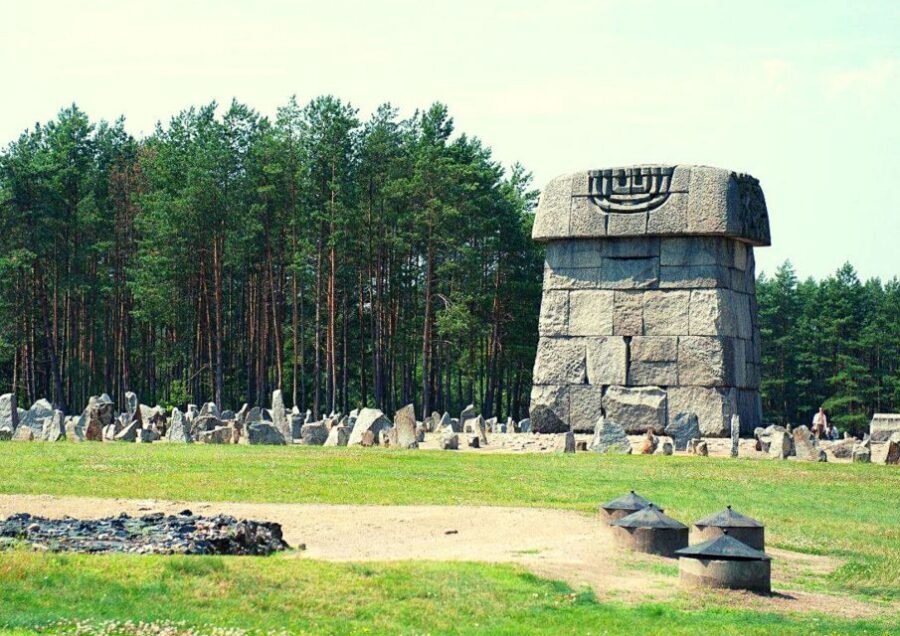
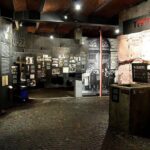
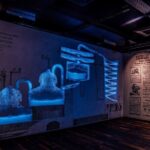
At Treblinka, the visit begins in the museum. This is where you get the backbone of what you’re seeing: the way the camp was organized and how its role connects to the broader Nazi plan.
I like this order. Museums help you place what would otherwise look like random remnants of a place. By the time you walk outside, you’re not only seeing location and size—you’re understanding function.
The tour runs as an English-language guided visit, and you’ll get time—about 2 hours—to take it in at a human pace. If you like asking questions, a small group helps. In past tours with this provider, guides have been praised for clear, contextual explanations and for being patient with questions. One guide name that stands out is Jacek, noted for grounding the history and answering follow-up questions.
Practical tip: this museum is where you’ll likely do most of the “mental reading.” Give yourself room to sit with details. If you tend to skim, slow down here. The payoff comes later outdoors.
Walking the penal labor camp ruins: scale without theatrics
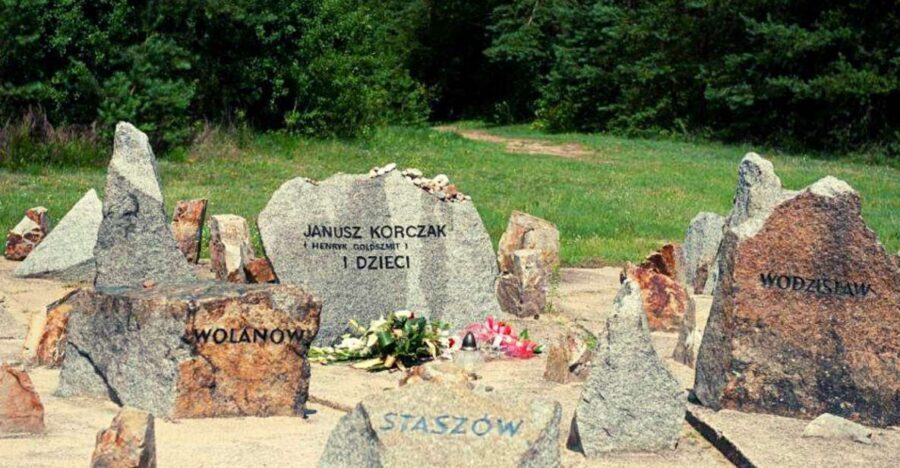
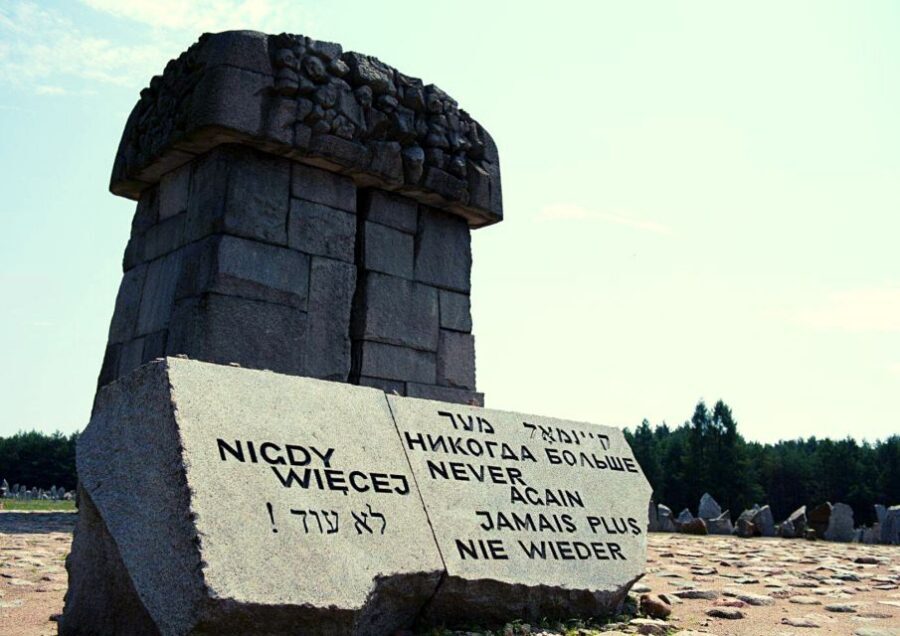
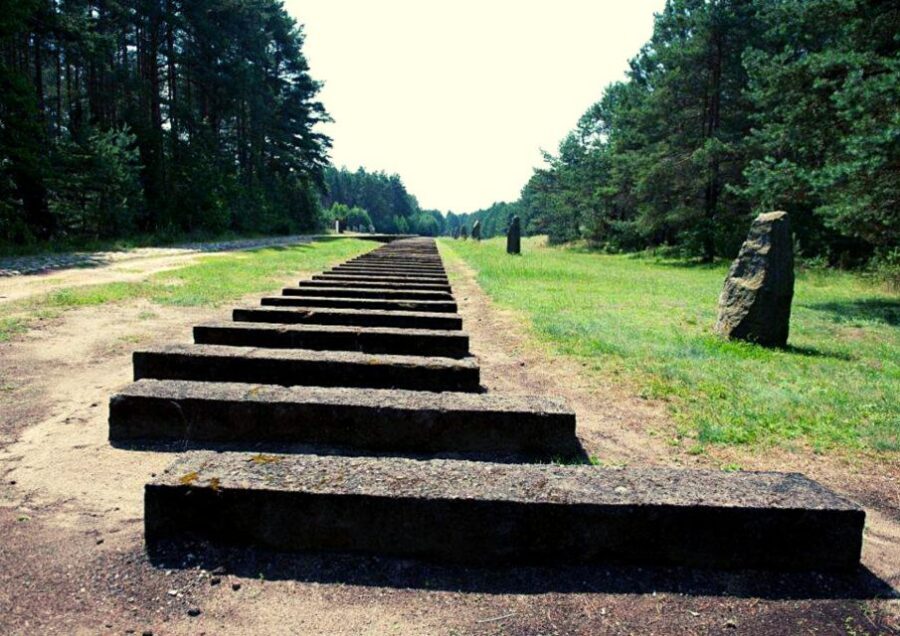
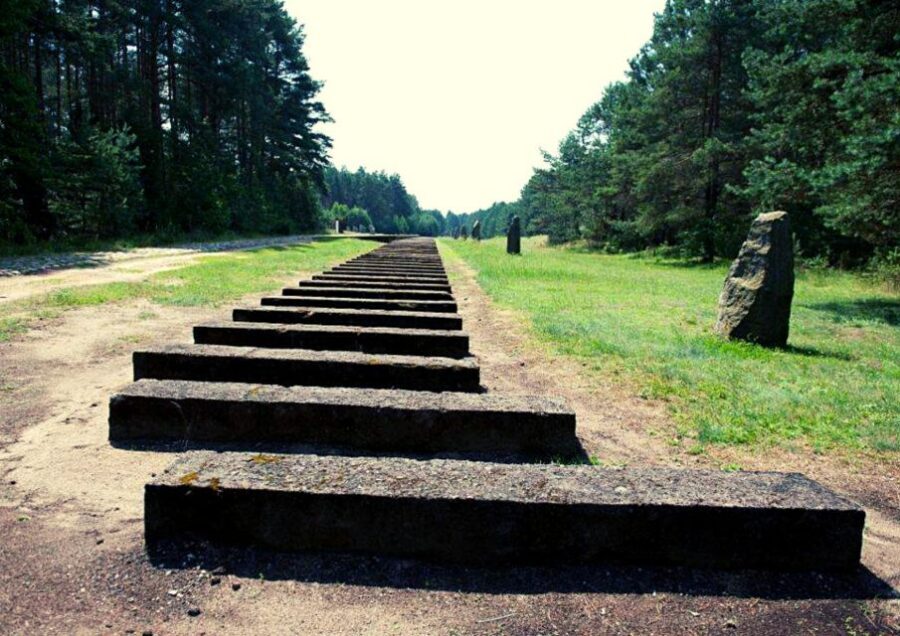
After the museum, you walk among the ruins of the penal labor camp area. This is where the visit shifts from explanation to physical reality.
You’ll see the site where around 20,000 inmates were held between 1941 and 1944. The wording matters: it’s not just “an old place.” It’s a space tied to confinement and forced labor over time. Walking there gives the history a geometry. It helps you understand how prisoners experienced space—how close life and control were, how constrained movement becomes when a camp system is designed for domination.
Because this is a ruins walk, you should expect ground that isn’t smooth like a modern walkway. Wear shoes you’re comfortable in for walking on uneven surfaces. Even if you don’t feel physically “challenged,” your mind will likely stay engaged the whole time.
The tour keeps this part structured so you don’t feel like you’re wandering. You’re moving through an area with guide-led meaning, which helps the experience stay coherent rather than overwhelming.
The 1943 escape story: why it changes how you remember Treblinka
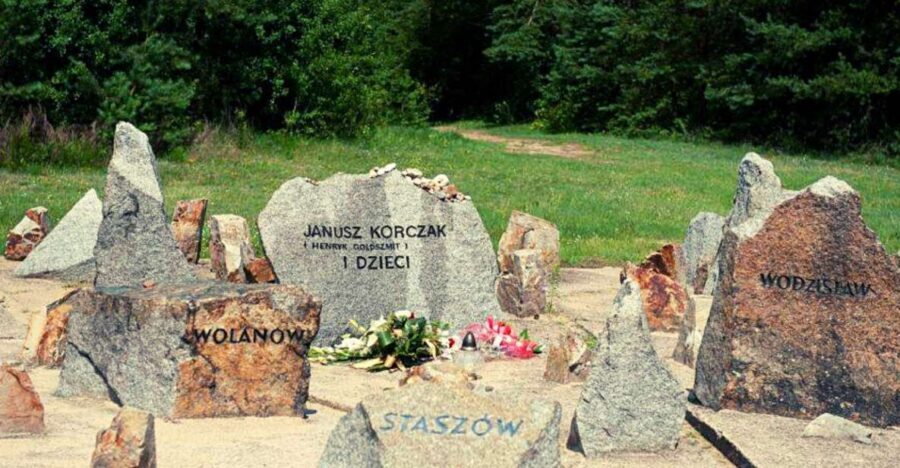
One of the most powerful parts of the outing is hearing the story of the 840 prisoners who attempted escape in 1943. It’s a specific detail, and that specificity helps. You leave with more than general knowledge; you carry a concrete episode tied to courage, risk, and the awful reality of the odds prisoners faced.
In many Holocaust sites, visitors can get stuck in a single mental lane: numbers, dates, and broad descriptions. Adding the escape story creates a different kind of understanding. It shows agency within terror—how people still tried to break the system, even when the system was built to crush hope.
This part of the guide work is also where small-group structure helps again. When you have time to ask questions and get clarifications, you’re more likely to process the story instead of just receiving it like a speech.
If you’re the type who reads everything fast, consider listening slower. Let the story land. That’s often what turns a “historical visit” into something that stays with you.





Nazi “Final Solution” context: making the meaning clear
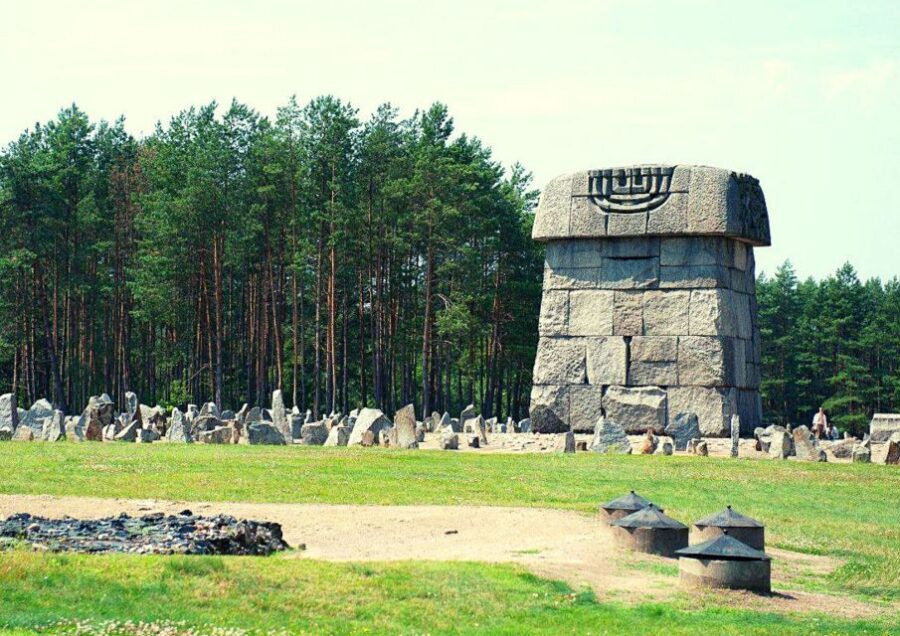
As you move through museum and site, the guide explains the Nazi “Final Solution” as it was enacted at Treblinka. That phrasing can feel heavy even before you arrive, and that’s appropriate. The camp’s function wasn’t accidental. It was systematic.
I appreciate how this tour frames context as you go—rather than dumping a lecture all at once. The structure (museum first, ruins second, escape story integrated through the visit) helps you connect the dots between the place and the policies.
You’ll also get a clear sense of organization. The tour experience is designed to show how the system worked at ground level—what a camp was built to do, and how it processed people through steps meant for destruction. That’s hard material. It’s also essential if you want your understanding to be more than a caption on a wall.
Lunch stop and the return to Warsaw by about 15:30
About halfway through the day, you pause for lunch at a local restaurant. Lunch lasts about 1 hour and includes a basic main course and water.
This is a good setup for a day like this. A timed lunch prevents the common travel problem of “we’ll grab something later” turning into a rushed meal at the wrong time. Here, you get a proper break built into the schedule.
If you have a preference for something fancier, the tour notes that a fine dining option is available at an additional cost. If you want to keep the day simple, the included lunch does the job.
Then you return to Warsaw, with the tour ending around 15:30. That return time is part of the value: you won’t lose your entire evening to transit. You can go back, decompress, and plan the rest of your day with clarity.
Price and value: is $164 worth it?
At $164 per person for a 6-hour, small-group day trip, the price looks fair when you break it down.
Here’s what you’re paying for beyond the ride:
- pickup from central Warsaw (Śródmieście, Marszałkowska 98–100)
- transportation by car/minibus
- an English-language guide-led visit at the camp
- entrance fee for Treblinka
- lunch (main course plus water)
- free Wi‑Fi
- a small group capped at 8 participants
If you tried to do this on your own, you’d have to solve transport, entrance logistics, and guide interpretation. Guide-based context is the key part here, because Treblinka isn’t a “self-guided only” site in the way some museums are. You’ll get more meaning per minute when someone can explain the system and the escape story while you’re standing where events unfolded.
So for many people, this is a value-driven choice: not because it’s cheap, but because it’s complete.
Who should book this trip, and who should think twice
This tour fits best if you:
- want an English guided explanation rather than trying to piece it together alone
- prefer a small group format where questions are welcome
- can handle a serious, emotional site with the respect it deserves
- want a full Treblinka day trip without sacrificing the rest of your Warsaw time
Think twice if you:
- don’t do well with intense historical content presented in detail
- need a very light, purely scenic day (this is not that)
- expect the ruins walk to be effortless. It’s short enough to be manageable for many, but it’s not a flat promenade.
Wheelchair access is noted, which is important. Still, it’s smart to plan your comfort level for a visit that’s more about attention and meaning than about relaxed sightseeing.
Tips to get the most from your visit
You’ll get more from this tour if you go in with a simple mindset: listen closely, ask questions when you truly have them, and don’t race your own feelings.
A few practical habits help:
- Wear comfortable shoes for walking among ruins.
- Bring layers. Museums and outdoor areas can feel different temperature-wise.
- If you’re arriving with a lot of expectations, leave some room for the guide’s structure to shape your understanding.
Also, consider journaling after. The day is heavy. Writing down a few key points from the museum and the 1943 escape story can help it make sense later, when you’re back in Warsaw and your emotions have settled.
Should you book Treblinka with this operator?
If you want a guided, small-group Treblinka visit with English interpretation, this is a strong choice. The format is efficient: museum learning, ruins walking, lunch, and return to Warsaw by mid-afternoon.
I’d book if you value context and pacing. The standout quality in the guide experience—especially the way guides like Jacek explain history clearly and stay respectful—makes a real difference at a site like Treblinka. You’ll leave with a fuller understanding of the camp’s organization, not just images.
If you’re sensitive to heavy material, you can still consider it, but go in with realistic expectations: this isn’t casual sightseeing. It’s a deliberate day of learning and remembrance.
FAQ
How long is the Treblinka tour from Warsaw?
It runs for about 6 hours in total.
Where are the pickup and drop-off locations in Warsaw?
Pickup and drop-off are listed at Śródmieście, Marszałkowska 98–100.
What’s included besides the camp visit?
Transportation, an English-guided tour of Treblinka, the entrance fee, a basic lunch (main course and water), and free Wi‑Fi are included.
Is the tour guided in English?
Yes. The driver and the tour guide are English-speaking, and the Treblinka visit is in English.
Is there a lunch stop?
Yes, there’s a local restaurant lunch stop with an included main course and water.
What’s the cancellation policy and payment option?
You can cancel up to 24 hours in advance for a full refund. There’s also a reserve now & pay later option.