REVIEW · WARSAW
Warsaw: Warsaw Historical Group Tour with Pickup & Drop-Off
Book on GetYourGuide →Operated by Local rent a Car · Bookable on GetYourGuide
Warsaw moves quickly. In 3 hours, you get a guided route that ties together palaces, parks, and the darkest WWII sites. I especially like the convenience of hotel pickup and the way the tour builds around UNESCO Old Town landmarks instead of random photo stops.
My second favorite part is the contrast: a calm stroll in Łazienki Park followed by the emotional weight of the Jewish Ghetto and WWII memorials. The guide also has room to connect the dots, so you’re not just seeing names—you’re understanding what they meant.
One heads-up: the tour packs a lot into a short time. Expect a steady pace and multiple walks, and in bad weather it can feel like you’re rushing between stops.
In This Review
- Key highlights you should care about
- A smart way to start in Warsaw (without losing half your day)
- Hotel pickup and the Royal Route: how you get your bearings fast
- Łazienki Park and the royal summer residence: a calmer pause
- Old Town UNESCO monuments: the walk that ties the city together
- The Jewish Ghetto stops: Polin, the Heroes Memorial, and what Umschlagplatz means
- WWII memorials by bus: Tomb of the Unknown Soldier, Warsaw Uprising, Katyn
- Praga District (traffic permitting) and Brotherhood of Arms
- Dąbrowski Bridge viewpoint: a final perspective before drop-off
- Price and value: why $58 can actually make sense here
- Who this tour fits best (and who should pick something else)
- Guide quality: why names matter here
- Should you book this Warsaw Historical Group Tour?
- FAQ
- How long is the Warsaw tour?
- Do I get hotel pickup and drop-off?
- What’s included in the price?
- Are meals included?
- Are entrance fees included?
- Does the tour skip the ticket line?
- Is the tour wheelchair accessible?
- What language is the guide?
- What should I wear?
Key highlights you should care about
- Hotel pickup and drop-off make this an easy first-day win
- Royal Route + Old Town UNESCO monuments give you Warsaw’s main storyline
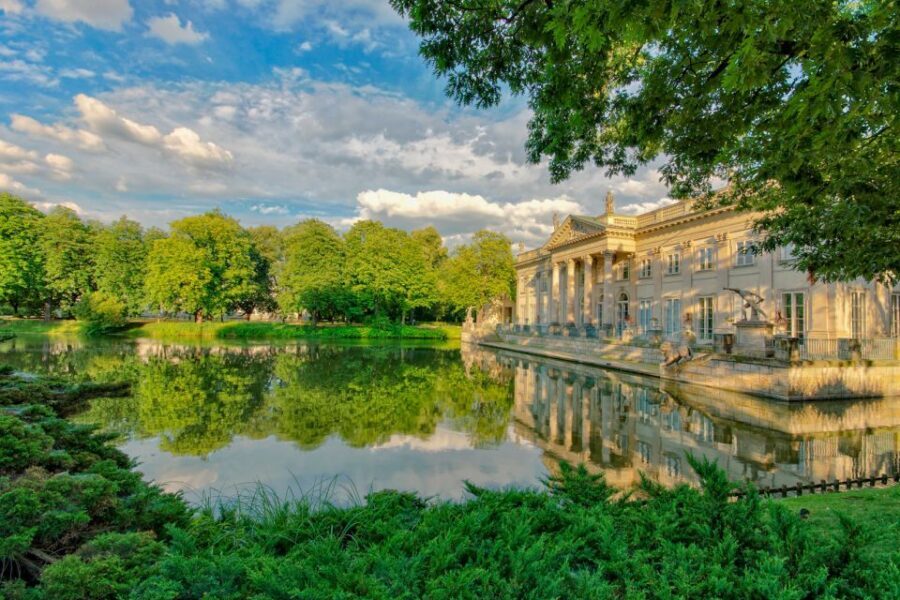
- Łazienki Park royal summer residence views add a lighter pace
- Jewish Ghetto to Umschlagplatz area brings WWII history to street level
- Tomb of the Unknown Soldier and Warsaw Uprising + Katyn memorials deepen the context
- Dąbrowski Bridge perspective rounds out the day with a great city viewpoint
A smart way to start in Warsaw (without losing half your day)
If you’re short on time, this tour is a practical use of it. You start with pickup from your Warsaw hotel, then you’re quickly out the door on an air-conditioned bus. For a city like Warsaw—big history, lots of neighborhoods—that’s a win. You don’t spend your morning figuring out transit, walking in circles, or arguing with your map.
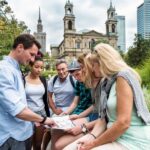
The pacing also matters. The tour isn’t a “sit and listen forever” plan. It’s a mix of drive-by scenes and three walks, including Old Town and park time. That mix helps you build a mental map of the city fast.
And the best part: it’s priced so you’re mostly paying for guiding and transport, not museum tickets. With no museum admissions included, you can keep expectations aligned—this is a guided look at major sites and monuments, not a ticket-heavy museum marathon.
You can also read our reviews of more historical tours in Warsaw

Hotel pickup and the Royal Route: how you get your bearings fast
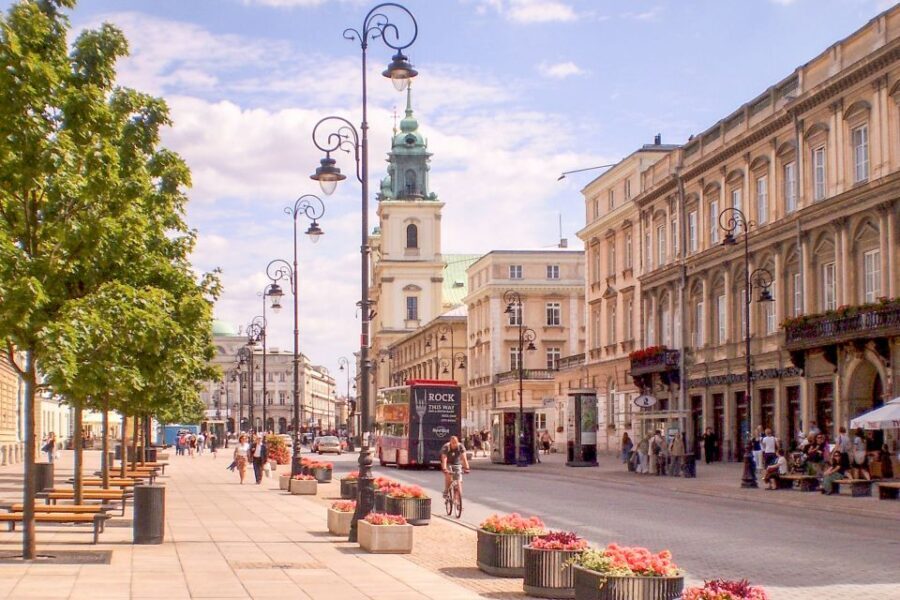
Right after pickup, you travel along the Royal Route of Warsaw, which is basically the city’s grand “main timeline” corridor. This is where you start seeing aristocratic residences, major monuments, and the kind of urban planning that shaped how Warsaw looked and felt.
Why this first drive matters: it sets scale. When you later walk in Old Town and then shift to WWII sites, the city stops feeling like disconnected postcards. You start to recognize the shape of Warsaw—how central areas relate to later districts.
A practical bonus: you’re on a new, air-conditioned bus, so you’re not baking in summer or freezing in winter while you wait between stops. Some visitors are clearly glad for this kind of comfort when weather turns ugly.
Łazienki Park and the royal summer residence: a calmer pause
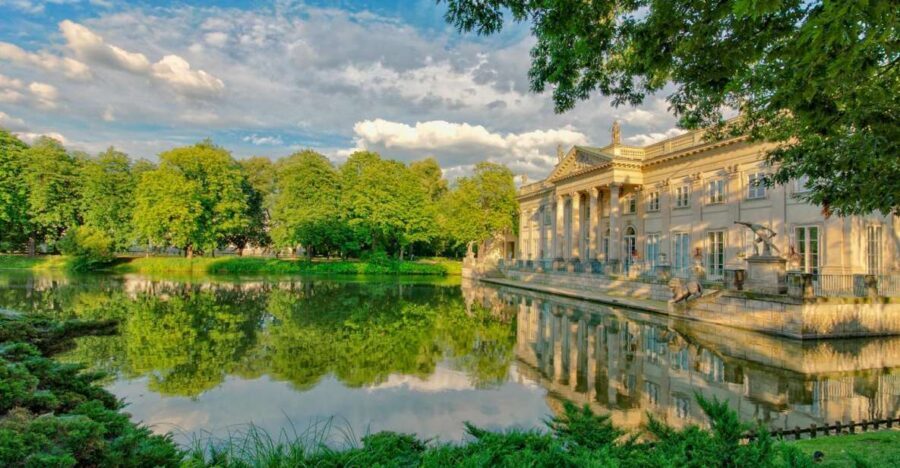
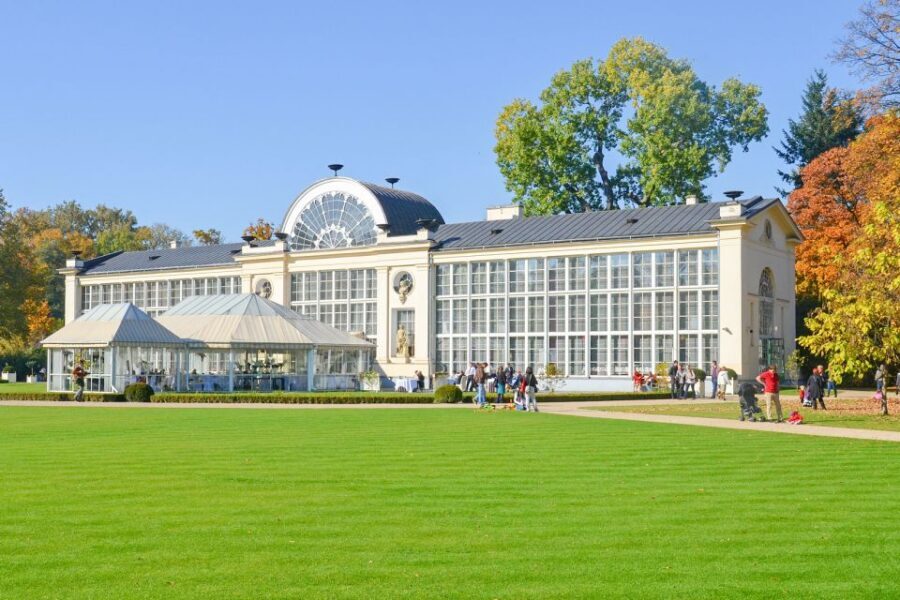
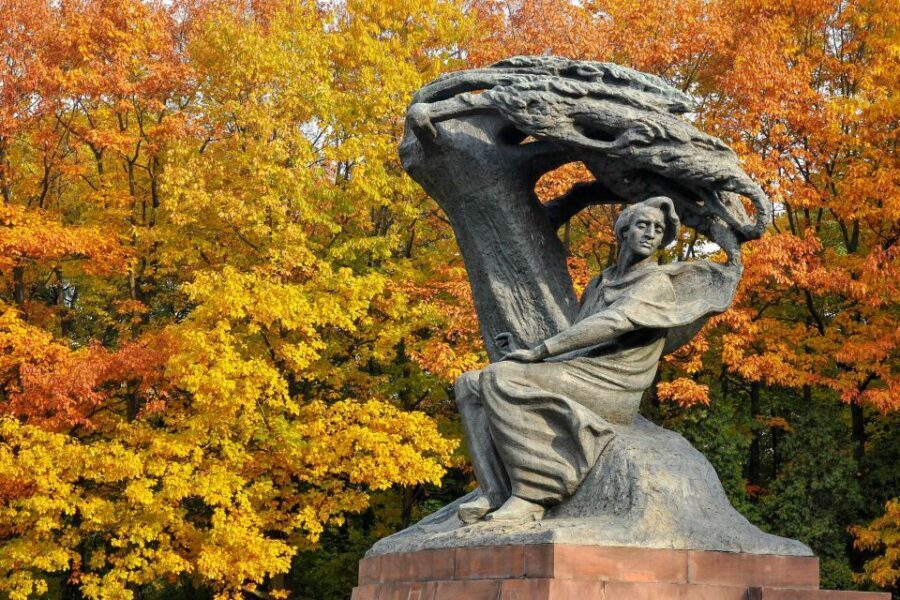
Then comes one of Warsaw’s best mood-shifters: Łazienki Park. Instead of jumping straight into heavier history, you get a more open, green break—plus a look at the summer residence of the last King of Poland.
Even if you only spend part of the park time, it helps to reset your brain. Old Town is tight and dense. Łazienki gives you space, sightlines, and that “how life must have worked here in better times” feeling. It also makes the contrast later—between ceremony and catastrophe—hit harder.
This stop is also ideal for photos, but don’t treat it like a speedrun. If you’re walking along at a comfortable pace, you’ll get better light and better views than if you sprint ahead and miss what your guide is pointing out.
Old Town UNESCO monuments: the walk that ties the city together
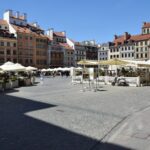
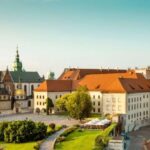
After the park, you head into the UNESCO World Heritage Old Town area for a classic guided walk. This is where Warsaw’s centerpiece sites show up in a tight circuit: the Royal Castle, St. John’s Cathedral, and the tombs of the Jagiellonian and Vasa dynasties.
Here’s what I like about this portion as a visitor: it gives you “official Warsaw” in walkable chunks. You see how power and belief were displayed in architecture and ceremony. It’s not abstract. It’s carved into what you can literally stand in front of.
A notable bonus from real-world experience: people often feel an emotional jolt here because Warsaw’s story includes massive destruction and rebuilding. When you’re guided through Old Town’s layout and major landmarks, you can better appreciate what it took to restore the city’s historical core.
Potential drawback: this is one of the stops where pace matters. If you fall behind, you can miss guide context while you scramble to catch up for the next view. Come prepared to walk briskly and keep moving.
The Jewish Ghetto stops: Polin, the Heroes Memorial, and what Umschlagplatz means
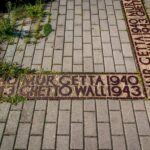
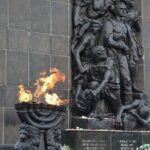
Then the tour shifts into WWII memory, and you’ll feel it immediately. You enter the area of the former Jewish Ghetto to look at the Polin Museum and Memorial to the Heroes of the Ghetto. From there you continue to the Museum of the History of Polish Jews area and the location of Umschlagplatz, where Jews were assembled for deportation to the death camps.
Even with no museum admissions included, these are not “just outside” type stops. Your guide’s job is to give the geography and the meaning. That’s what turns names into understanding.
Two things to keep in mind so the experience lands well:
- This part is emotionally heavy. Give yourself a minute between points to process what you’re seeing.
- The information is dense in a short time. If you like to take photos, do it fast, then listen. The explanation is the point here.
This is also one of the sections that people consistently praise for being handled with energy and clarity. Guide styles vary, but the overall structure is designed to help you grasp the logic of what happened—where people were moved, how the city functioned under occupation, and why these locations matter.



WWII memorials by bus: Tomb of the Unknown Soldier, Warsaw Uprising, Katyn
Next you move by bus to several major monuments tied to Poland’s wartime losses and national remembrance:
- Tomb of the Unknown Soldier
- Monument to the Warsaw Uprising
- Monument to the Victims of the Katyn Massacre
This sequence works well because it expands the story beyond one event. Warsaw becomes a web of occupation, resistance, and aftermath. The guide can connect these memorials to the larger timeline so you don’t experience them as isolated statues on traffic-heavy roads.
The key value here is orientation. Many visitors know WWII broadly but can’t place Poland’s specific arcs quickly. Monuments are a fast way to learn the landmarks of memory—especially when someone is explaining them in plain, story-like chunks.
Praga District (traffic permitting) and Brotherhood of Arms
After that, the tour drives through the gritty Praga District, traffic permitting, and you’ll see the Monument of Brotherhood of Arms.
This part is less about “one perfect view” and more about helping you understand that Warsaw isn’t only its postcards. Praga brings a different texture—industrial edges, older street patterns, and a sense of neighborhood character that you miss if your plan only covers the center.
The Brotherhood of Arms monument adds another layer: it shifts from wartime suffering into international solidarity. That contrast helps the overall tour feel balanced instead of relentlessly dark.
Dąbrowski Bridge viewpoint: a final perspective before drop-off
To end, you get a unique look from Dąbrowski Bridge before being dropped back at your hotel.
That viewpoint matters because it’s a mental reset. After walking through history-heavy areas and reading the emotional geography of monuments, you get to look at the city as a functioning place again. It makes the day feel complete rather than abrupt.
And with the hotel drop-off included, you don’t have to plan your exit while you’re still absorbing everything you learned.
Price and value: why $58 can actually make sense here
At $58 per person for a 3-hour tour, the value comes from four things that add up:
- Hotel pickup and drop-off (you’re not paying time or transit stress)
- English live guide (the explanations are the product)
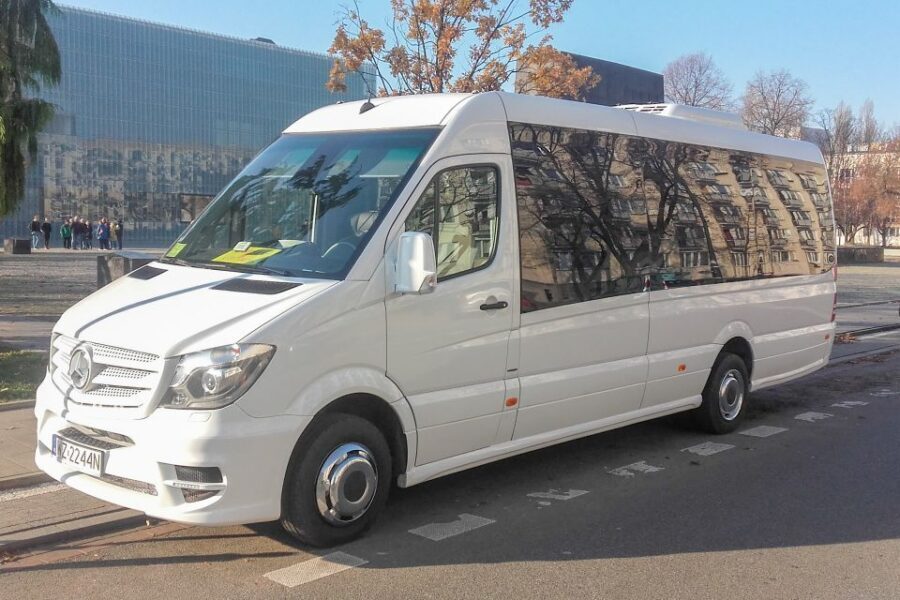
- Transportation by a new air-conditioned bus
- Multiple walking stops that you can’t easily string together on your own in a short window
Also, this tour avoids the common “cheap tour, expensive admissions later” trap. The tour notes that there are no museum entrances included. That means you’re not surprised by ticket costs while you’re on a schedule.
If you’re comparing options, this is best framed as a guided orientation session plus major memorial stops—not as a deep museum day. For an intro to Warsaw, that’s exactly how a short, targeted tour should work.
Who this tour fits best (and who should pick something else)
This experience is a great match if you:
- Want a first-time overview of Warsaw’s core areas
- Like your history delivered with street-level locations and clear explanations
- Prefer pickup/drop-off so you can spend energy sightseeing, not navigating
- Are okay with a pace that’s more “see the key things” than “linger all day”
You might want a different plan if you:
- Want long, slow museum time (this one explicitly has no museum admissions)
- Are sensitive to emotionally intense WWII subject matter and need a lighter option
Guide quality: why names matter here
From the feedback, one thing is clear: the guide makes a big difference. People praised guides such as Christopher, Olaf, and Leo for engaging delivery and strong command of Warsaw’s story. Others highlighted humor and warmth, like Alice and Dorothy, which helps in a tour that mixes beauty with tragedy.
Also, a practical note from real experience: accent clarity can vary. If you’re picky about hearing details in English, it may be worth choosing a departure time when you expect the group to stay together and communication stays smooth.
Should you book this Warsaw Historical Group Tour?
Yes, if you want a short, high-impact introduction that hits Old Town UNESCO landmarks, Łazienki Park, and major WWII memorial geography—with hotel pickup and drop-off.
I’d especially recommend it as your day-one or day-two plan. It gives you the city structure you need to enjoy whatever you do next: lingering in Old Town on your own, returning to a memorial with more time, or exploring neighborhoods like Praga further.
Just go in with the right expectations: this is a guided route with walking and bus segments, and the WWII portion is serious. If you’re ready for that mix—and you like getting your bearings quickly—this tour is an efficient, meaningful way to see Warsaw.
FAQ
How long is the Warsaw tour?
It lasts about 3 hours.
Do I get hotel pickup and drop-off?
Yes. Pickup is included from your hotel in Warsaw, and you’ll also be dropped off at the end.
What’s included in the price?
Hotel pickup/drop-off, English guide services, transportation by a new air-conditioned bus, and three walks during the tour.
Are meals included?
No meals are included.
Are entrance fees included?
No. The tour notes that there are no museum entrances on this route, and entrance fees are not included.
Does the tour skip the ticket line?
Yes, it includes skip-the-ticket-line.
Is the tour wheelchair accessible?
Yes, it is wheelchair accessible.
What language is the guide?
The live guide is in English.
What should I wear?
Wear appropriate clothing for the weather, since the tour includes walking parts.