REVIEW · WARSAW
Warsaw: Warsaw Ghetto Private Walking Tour with Hotel Pickup
Book on GetYourGuide →Operated by PolinTours · Bookable on GetYourGuide
That history walks with you here. This private tour uses real locations and a tightly told story to explain how Warsaw’s ghetto was created, sealed, and then destroyed. I like that it doesn’t stay abstract: you’ll stand where key Nazi decisions were carried out and hear what daily life meant for the people trapped there.
Two big wins: first, the guide experience—many bookings highlight the same kind of style: clear chronology, on-the-spot answers, and help from maps and period photos. Second, the mix of stops—ghetto street traces and wall fragments, the symbolism of Umschlagplatz, and the only synagogue in Warsaw that survived the Second World War and is still in use.
One thing to plan for: the price isn’t bargain-basement, and while hotel pickup is listed as included/optional, the day’s easiest meeting can depend on what’s confirmed. Also, the synagogue requires a separate payment on the spot.
In This Review
- Key highlights I’d prioritize
- Warsaw Before the Ghetto: A City That Was Rewritten in Years
- Creation and Compression: How 400,000 People Were Crammed into 4 Square Kilometers
- Walking the Ghetto Footprint: Last Street Traces and Wall Fragments
- Umschlagplatz: The Collection Point and Its Cold Symbolism
- The Uprising Years: Why Arms Became a Choice in 1943
- The Synagogue That Survived: What Continued After WWII
- Tour Flow in Real Time: How 3 Hours Gets You the Core Story
- Price and Value: Is $84 Worth It for a Private Ghetto Walk?
- Who Should Book This, and Who Might Want a Different Option
- Should You Book This Warsaw Ghetto Private Walking Tour?
- FAQ
- How long is the Warsaw Ghetto Private Walking Tour?
- What does the tour price include?
- Is hotel pickup actually guaranteed?
- Where is the meeting point?
- What languages are offered?
- Do I need to pay extra for the synagogue?
- What should I bring and wear?
- Is the tour suitable for kids or limited mobility?
Key highlights I’d prioritize

- Front-row places tied to the ghetto’s establishment, liquidation, and aftermath
- Umschlagplatz symbolism explained—how the “collection point” concept worked
- Wall fragments and the last street to help you picture what no longer exists
- The surviving synagogue visit, still operating after WWII
- Heroic resistance context through the Warsaw Ghetto Uprising story
- A licensed private guide (often praised by name, like Marzena) who keeps the pacing sharp for 3 hours
Warsaw Before the Ghetto: A City That Was Rewritten in Years
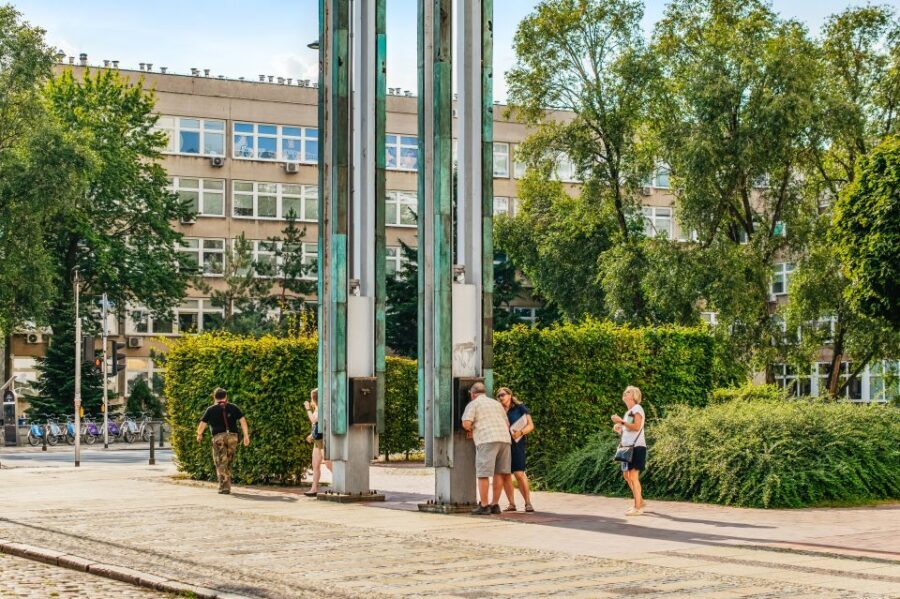
Start with the scale. Before WWII, Warsaw held one of Europe’s largest Jewish communities, about 30% of the city’s population. In less than three years, that community was not just attacked—it was largely erased by policy, deportation, and mass murder.
What makes this tour hit is the way it links people to place. You’re not just hearing dates; you’re getting the logic of how Nazi control worked step by step, from confinement to liquidation. And because the story moves chronologically, you can track cause-and-effect instead of getting lost in horror facts.
You can also read our reviews of more walking tours in Warsaw



Creation and Compression: How 400,000 People Were Crammed into 4 Square Kilometers
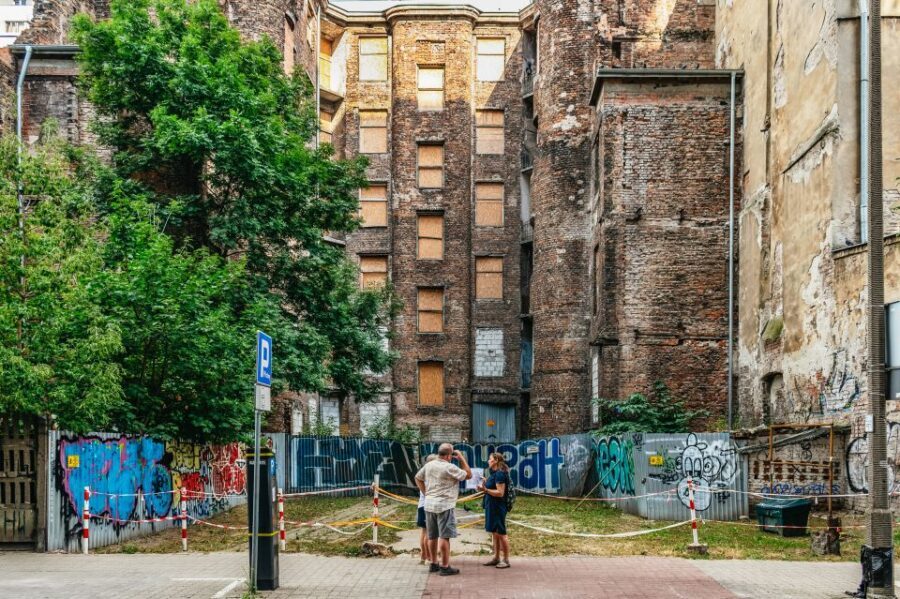
In 1940, the Nazis established the ghetto in the heart of Warsaw. The numbers are staggering: more than 400,000 Jews from Warsaw and surrounding areas were forced into about 4 square kilometers. That kind of forced density wasn’t incidental—it was part of a system designed to destroy life from the inside out.
Your guide will connect the “how” to what people lived through: exhaustion, hunger, and disease took around 100,000 lives inside the ghetto. Then, once the machinery of killing shifted to deportation, more than 300,000 were sent to extermination at Treblinka.
This is where I think a guided walk is worth it. Alone, it’s easy to see landmarks and miss the meaning. With a guide, the streets you’re standing on become evidence of policy in action—how the supposed logic of destruction was put into practice.
Walking the Ghetto Footprint: Last Street Traces and Wall Fragments
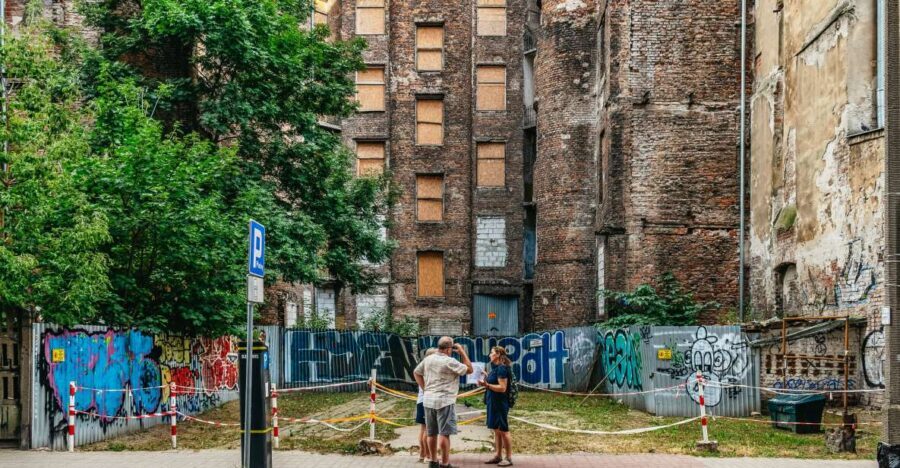
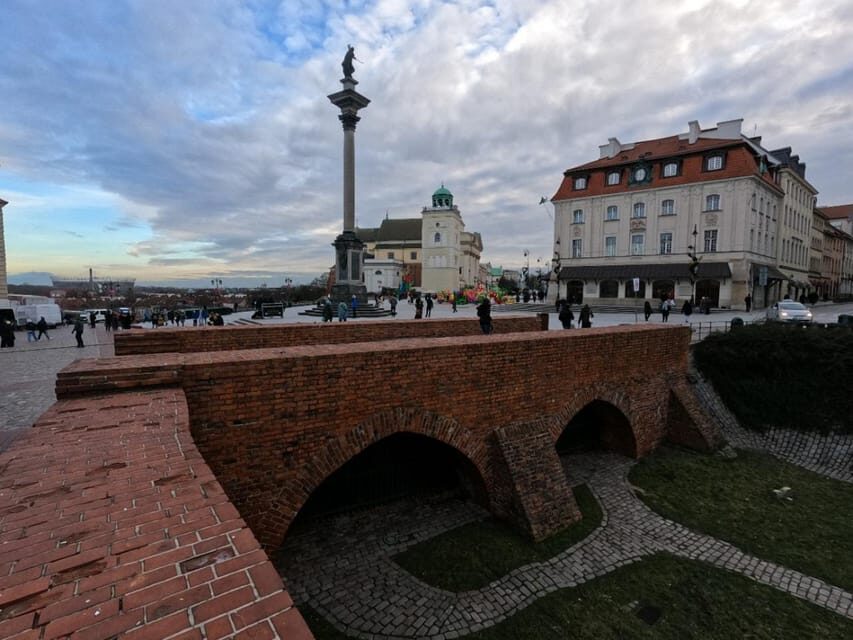
One of the best parts of this experience is that it refuses to let you stay in the museum mindset. You’ll explore fragments of ghetto walls and street traces that help you picture how the area worked when those boundaries were real.
You also visit what’s described as the last street of the ghetto. Even if modern Warsaw looks different in every direction, your guide will help you line up what existed then versus what’s there now. That “spot the difference” skill matters, because it turns a map concept into something your body understands.
A quick reality check: outdoor portions can be uneven, and you’ll want comfortable shoes. The tour is also not suitable for people with mobility impairments, so if that affects you, it’s better to plan a different kind of access.
Umschlagplatz: The Collection Point and Its Cold Symbolism
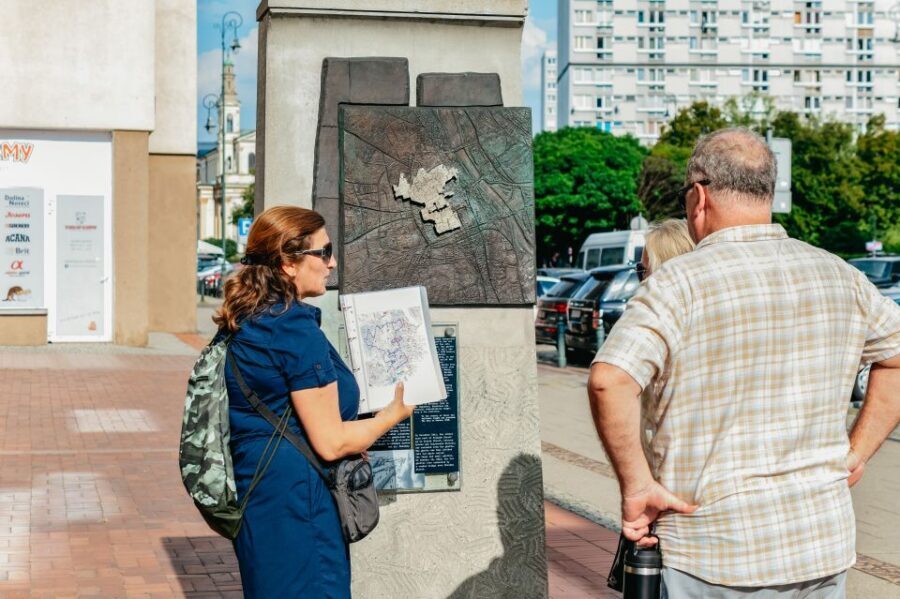
The tour highlights Umschlagplatz, and for good reason. It’s not just a place name—it’s a concept. The Nazis used the idea of a “collection point” to organize mass deportation, and that bureaucratic language hides something brutally physical: people being sorted, processed, and sent away.
What your guide will do here is connect the symbolism to the real mechanism. You’ll hear how deportation planning fit into the broader “final solution” plan and how the system transformed human lives into movement schedules. If you want a single stop where the tour’s themes crystallize, it’s this one.
This section also helps you understand why everyday life in the ghetto was shaped by fear and uncertainty. When people know the next stage is not “resettlement” but extermination, even small acts become weighted.
The Uprising Years: Why Arms Became a Choice in 1943
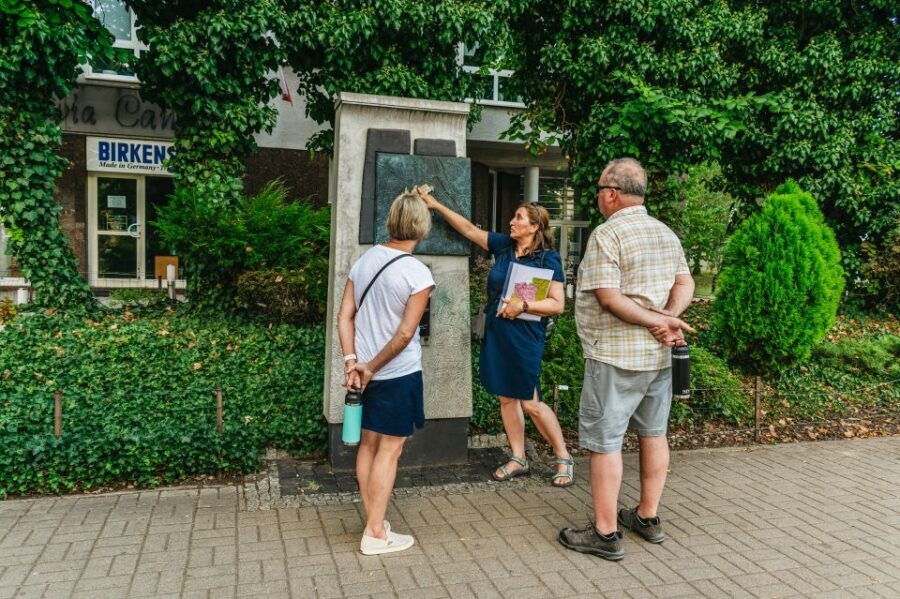
By 1943, the Nazis attempted to completely liquidate the ghetto. The result was the Warsaw Ghetto Uprising, and the tour puts you right in the emotional logic of why resistance happened even when the odds were impossible.
The story is specific: the unequal struggle between rebels and German troops lasted nearly one month. In revenge, the Nazis destroyed the ghetto completely.
Your guide will also connect this to survivors and what remained after the dust settled. One name that comes up is Władysław Szpilman, known through The Pianist story. Even if you only know him from film, this part helps you understand why the human memory of the ghetto is so tied to those few survivors who carried facts, evidence, and testimony forward.
Be ready for this to feel heavy. The tour aims for respect and clarity, not shock for shock’s sake.
You can also read our reviews of more private tours in Warsaw



The Synagogue That Survived: What Continued After WWII
A major highlight is a visit to the only synagogue in Warsaw that survived the Second World War and is still in operation. That alone makes the stop different from the outdoor “trace” feeling of the rest of the walk.
You’ll learn why surviving buildings mattered after the war, when so much was erased by violence and deliberate destruction. It’s also a reminder that Jewish life didn’t only exist in the past tense—some institutions and communities continued, even after attempted annihilation.
There’s one practical note: the synagogue has a separate entrance payment listed as 20 PLN (or about 5 EUR / 5 USD), and it’s not included in the tour price. Bring cash if you can, since that’s what the tour info recommends.
Tour Flow in Real Time: How 3 Hours Gets You the Core Story
The tour lasts about 3 hours, which is a sweet spot if you want depth without burning an entire day. It also helps you pace emotionally: you start with establishment and compression, move through deportation symbolism, then land on resistance and survival.
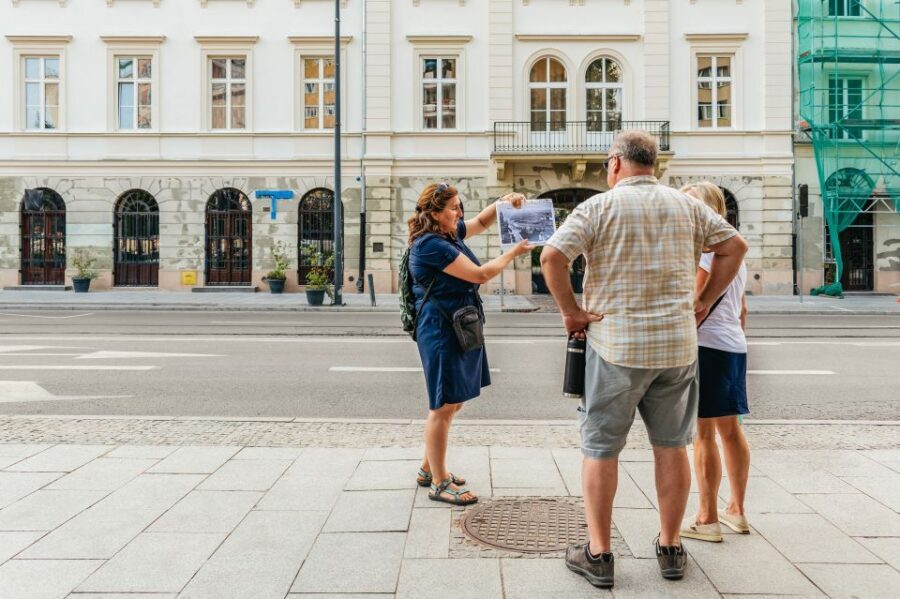
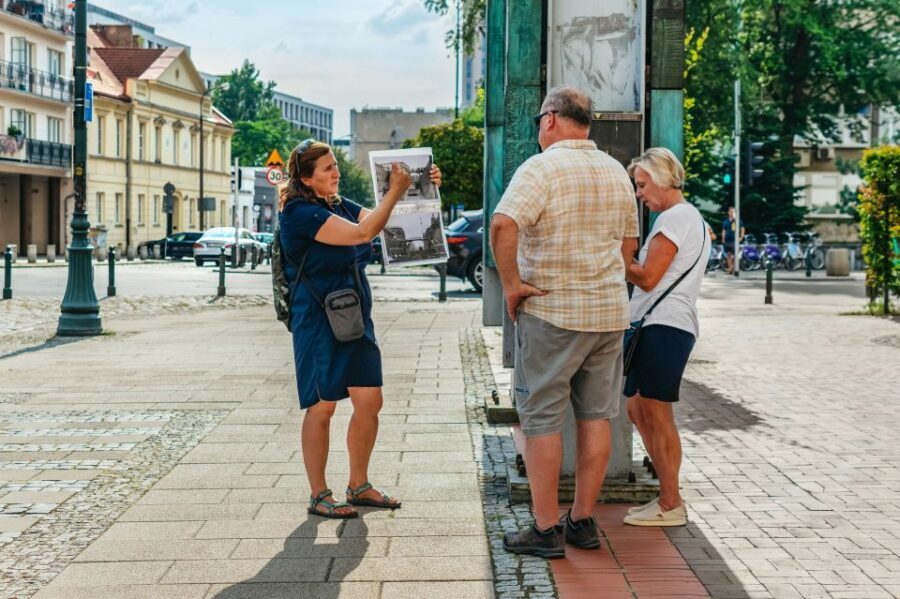
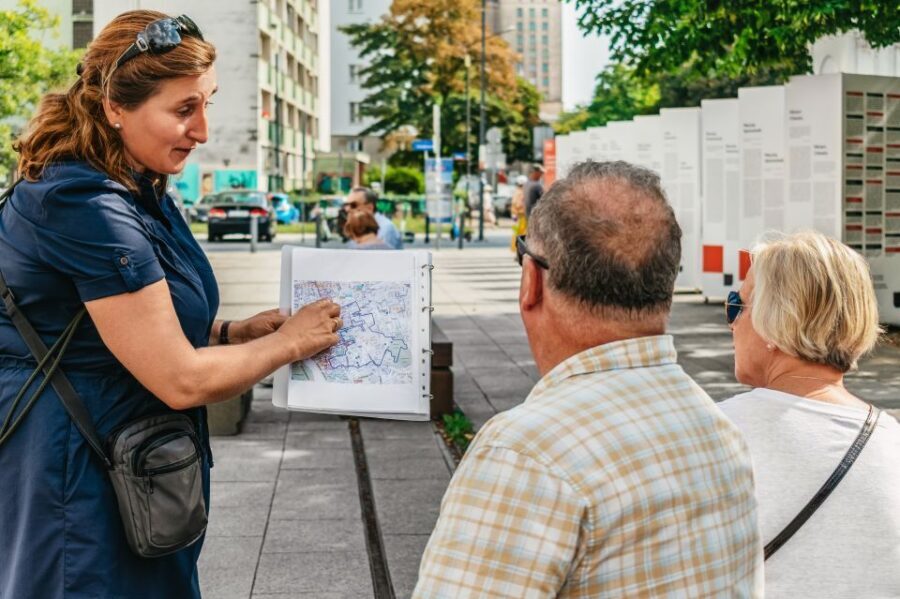
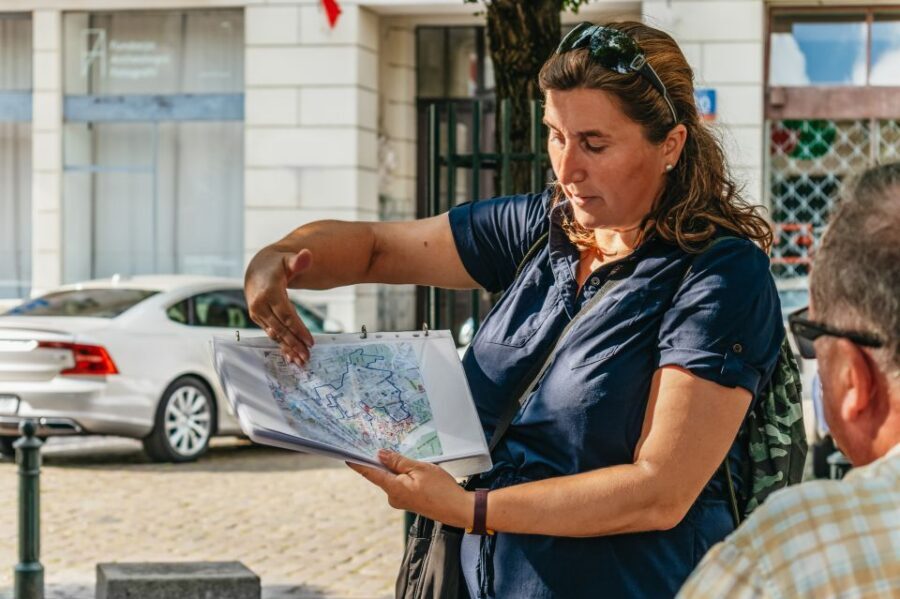
Because it’s a private group, the guide can slow down when questions need room. Many bookings emphasize that the guide doesn’t just recite facts; she/he builds the narrative like a path you’re walking, often using maps and old photos to show what changed and what stayed recognizable.
Logistics are simple but not trivial:
- Comfortable shoes matter.
- Bring a hat and a head covering or kippah (the tour notes this).
- Sunscreen and cash help.
- Large luggage isn’t allowed, so travel light.
If you’re also planning other WWII-related stops in Warsaw, this tour pairs well because it gives the “why” behind what you’ll see next. One review detail that sticks: some groups finish near the POLIN Museum, which can make a smooth follow-on visit if you have the time.
Price and Value: Is $84 Worth It for a Private Ghetto Walk?
At $84 per person for a 3-hour private tour with licensed guiding, the price sits in the “not cheap, but not out of line” zone—especially in a city where serious history demands a serious guide. What you’re paying for is not just walking time. You’re paying for interpretation of sites that are hard to read on your own and for a structured story that connects multiple key locations.
Here’s what’s included in the value:
- Licensed tour guide
- Car-based transportation (and hotel pickup/drop-off is part of the offering, though pickup is described as optional depending on confirmation)
- City plan and info booklets
What costs extra:
- Synagogue entrance payment (20 PLN / ~5 EUR / ~5 USD)
- Food and drinks
In my view, the best “value test” for this kind of tour is whether it makes the place clearer, not just busier. This one aims to do that by giving you the bigger framework: how the ghetto was established, how liquidation unfolded, why the uprising happened, and what survived in the built environment.
If you care about understanding how policy turns into streets and schedules, this is a strong use of money in Warsaw.
Who Should Book This, and Who Might Want a Different Option
This tour is ideal if:
- You want a structured, respectful story told in the places where it happened
- You appreciate context, not just dates
- You’d rather ask questions than wander and guess
It’s also a good fit for couples and small groups who want control over pace and questions. The private format matters here because the topic is demanding; you don’t need a rigid group shuffle.
It may not be the right call if:
- You need mobility-friendly routes (the tour states it’s not suitable for people with mobility impairments)
- You’re traveling with kids under 14 (it’s not suitable under that age)
- You’re looking for a casual “photo walk” rather than history and testimony-focused guidance
Should You Book This Warsaw Ghetto Private Walking Tour?
If you’re in Warsaw and you want the ghetto story told in a way that makes locations make sense, I’d book it. The core strength is the combination: real traces on foot, the deportation-point symbolism at Umschlagplatz, the resistance through the Warsaw Ghetto Uprising, and the rare, ongoing presence of a synagogue that survived.
My only caution is practical: confirm what your day’s starting point and pickup look like. Use the listed meeting point at Prozna st. 9 if you want zero surprises, and plan cash for the synagogue entrance.
For a single 3-hour investment that will shape how you read Warsaw for the rest of your trip, this is one of the most direct choices you can make.
FAQ
How long is the Warsaw Ghetto Private Walking Tour?
It runs for 3 hours.
What does the tour price include?
It includes a licensed tour guide, transportation by car, city plan and information booklets, and hotel pickup and drop-off.
Is hotel pickup actually guaranteed?
Pickup is listed as optional. You can also use the meeting point at Prozna st. 9, looking for the guide holding a PolinTours sign.
Where is the meeting point?
The meeting point is Prozna st. 9 (between Bistro Charlotte Menora and Strefa Restaurant). The guide will hold a PolinTours sign.
What languages are offered?
The live tour guide is available in English and German.
Do I need to pay extra for the synagogue?
Yes. The synagogue entrance is not included, and you’ll pay 20 PLN (or 5 EUR or 5 USD).
What should I bring and wear?
Bring comfortable shoes, a hat, a head covering or kippah, sunscreen, and cash.
Is the tour suitable for kids or limited mobility?
It’s not suitable for children under 14 and it’s not suitable for people with mobility impairments.