REVIEW · WARSAW
Warsaw: Ghetto, Jewish Cemetery & POLIN Museum Private Tour
Book on GetYourGuide →Operated by Rosotravel Poland · Bookable on GetYourGuide
Warsaw’s ghetto story is heavy. This private tour turns key WWII locations into a clear, guided route. I especially like the way you pass ghetto boundary markers and monuments, and then connect them to daily life, the uprising, and what happened at Umschlagplatz. A small consideration: the subject matter is intense, and most of what you’ll learn is about persecution, hunger, and loss.
What makes the experience feel practical is the format. You can choose a 2-, 3-, or 5-hour version based on how much time you want to spend on the ghetto sites, the old cemetery in Muranów, and the POLIN Museum. I also like that the guide is private and licensed, with language options including English, French, German, Italian, Spanish, Polish, and Russian, so the storytelling lands in your own language.
In This Review
- Key takeaways before you go
- Walking the former Warsaw Ghetto on streets you can still picture
- Warsaw Ghetto Uprising, from the Monument to the departure point at Umschlagplatz
- Choosing 2, 3, or 5 hours: how each option changes the experience
- The 2-hour option: ghetto streets and the main monuments
- The 3-hour option: add the old Jewish Cemetery in Muranów
- The 5-hour option: ghetto + Muranów cemetery + POLIN Museum
- Old Jewish Cemetery in Muranów: scale you feel, not just numbers
- POLIN Museum with skip-the-line: what you gain, and what you don’t
- Private guide in your language: why it matters on tough topics
- Value check: is $112 per person worth it?
- Meeting point and practical tips that prevent last-minute stress
- Should you book this Warsaw ghetto and POLIN tour?
- FAQ
- What is included in the 2-hour option?
- What’s included in the 3-hour option?
- Does the 5-hour tour include POLIN Museum?
- Is the cemetery far from central Warsaw?
- Which languages are available for the guide?
- Where do we meet the guide?
- Does skip-the-line mean you avoid security checks?
Key takeaways before you go
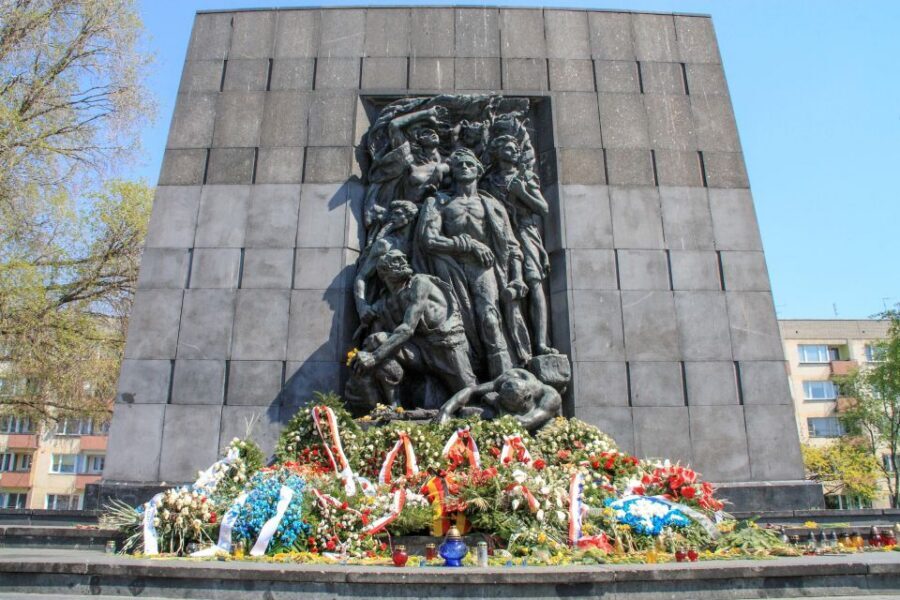
- Monuments + boundaries on a walking route: you see what survived and what’s marked on the ground.
- Warsaw Ghetto Uprising landmarks: you’ll learn the story tied to specific places like the Monument to the Ghetto Heroes.
- Mila 18 location, shown in context: the Anielewicz Mound at Mila 18 is part of the resistance story.
- Old Jewish Cemetery in Muranów is huge and direct: established in 1809, with over 200,000 resting places.
- POLIN Museum time-saving is real (with limits): skip-the-line is for the ticket office, not entrance/security.
- Private, language-fluent guidance: the narration matters a lot for a subject this dense; you can ask questions as you walk.
Walking the former Warsaw Ghetto on streets you can still picture
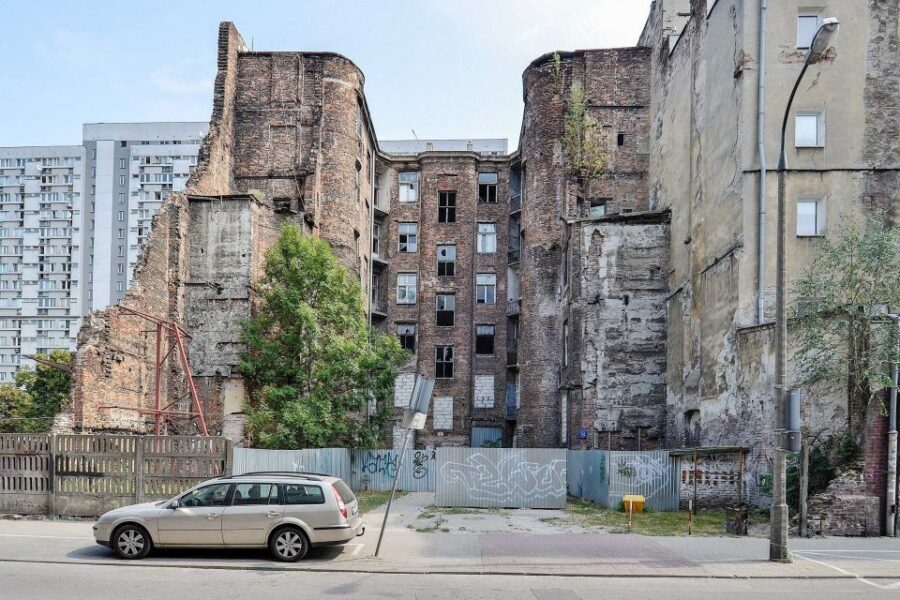
This tour works because it doesn’t treat the ghetto as an abstract concept. You walk through the modern city while your guide explains what the area meant under Nazi occupation. That contrast is powerful: today you’re on normal streets, but you’re learning how those blocks were reshaped into a confinement zone.
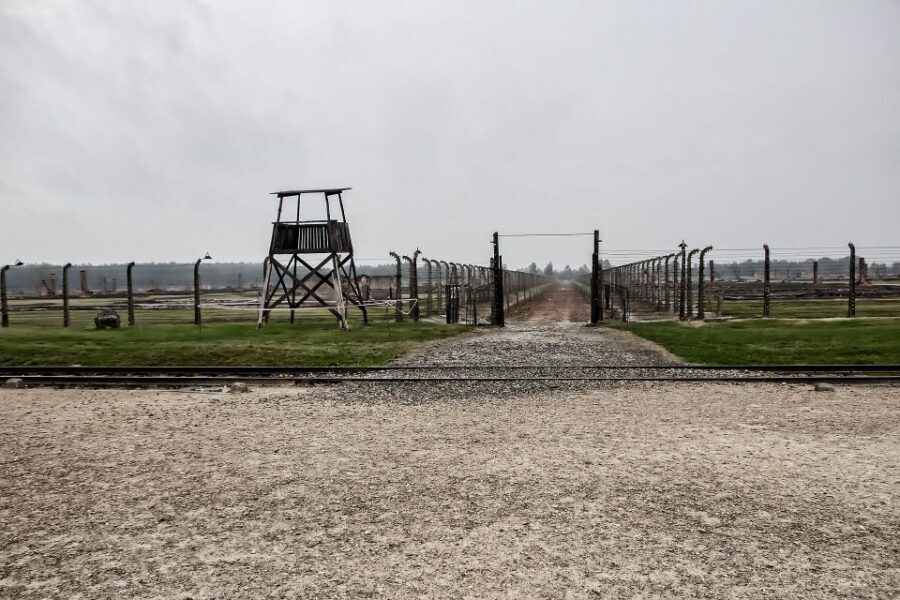
A big part of the experience is the sequence. It’s not just a list of names. You start at a clear meeting point near the Field Cathedral of the Polish Army (Długa 13/15), then move through the former ghetto area with the guide pointing out traces of the boundary. Those boundary markers give you a way to understand scale. When your guide explains that more than 400,000 Jews from Warsaw and nearby areas were imprisoned there, the route stops feeling “short” and starts feeling precise.
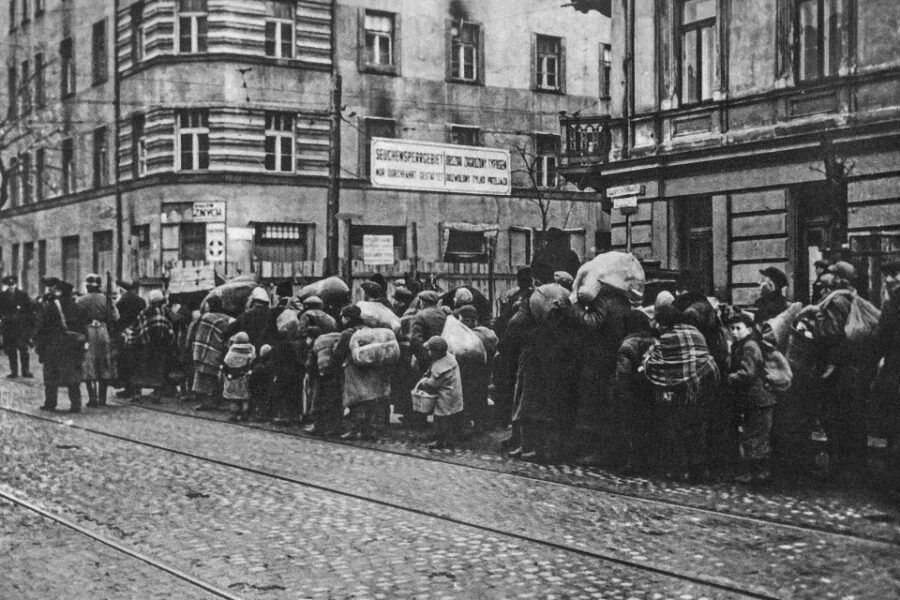
You’ll also see the Monument to the Ghetto Heroes, which connects directly to the Warsaw Ghetto Uprising. For me, the value here is that the monument isn’t floating in isolation. It comes with context: why the uprising mattered, what it tried to achieve, and what the Germans’ policies meant for people trapped in that system.
The walking pace is also important. This is a history tour, not a speed-walk. The goal is to keep you oriented as you move—so you can connect what you see on the street to what you’re being told in real time.
You can also read our reviews of more private tours in Warsaw



Warsaw Ghetto Uprising, from the Monument to the departure point at Umschlagplatz
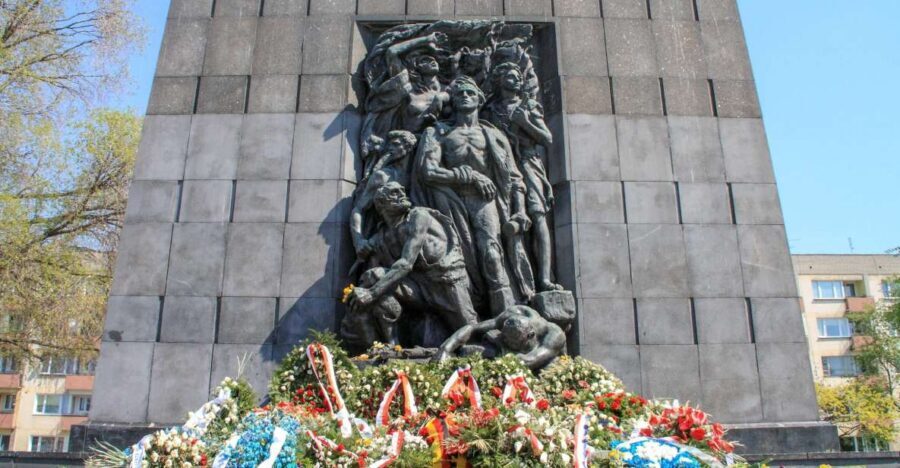
The hardest part of this story is also the most unavoidable: how the persecution turned into mass murder. The tour doesn’t soften it. Instead, it builds a line of events that helps you understand cause and effect.
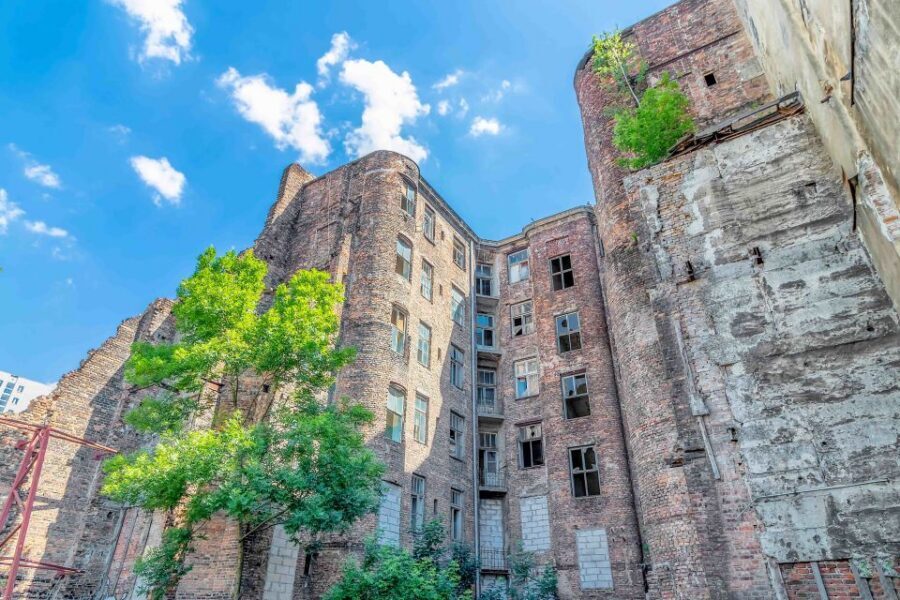
One of the most meaningful stops is the Anielewicz Mound at Mila 18. It’s described as a hidden shelter for a Jewish resistance group. That detail helps you picture resistance as something lived and organized, not only remembered. The guide’s job here is tough: to make the place concrete without turning it into a “cool history stop.”
Then you reach Umschlagplatz, marked as the departure point for Jews transported to the Treblinka Concentration Camp, where more than 300,000 Jewish people died. Seeing that monument after you’ve heard about the boundary and the uprising changes how it lands. It stops being a single point of tragedy and becomes the final step in a system you’ve been walking through.
This is one reason I think the tour is worth choosing in a private format. You can ask questions as they come up, and the guide can adjust explanations on the spot. In the reviews, people specifically praise guides like Iwona for strong language and clear, understandable explanations, which matters a lot when the topic is complex and emotionally heavy.
Choosing 2, 3, or 5 hours: how each option changes the experience
You don’t have to do everything to make this tour worthwhile. The best choice depends on how much you want to cover before you move on to other things in Warsaw.
The 2-hour option: ghetto streets and the main monuments
The 2-hour walking tour focuses on the former ghetto area, including the key monuments and memorial points tied to the uprising. You’ll learn about daily life inside the ghetto, and you’ll also hear about hunger, disease, and death—alongside heroism and rebellion.
Important practical note: tickets to the Jewish Cemetery and POLIN Museum are not included in the 2-hour tour. So if you want either cemetery time or POLIN, choose a longer option.
This version is a good fit if you:
- want a guided route through the most important outdoor sites
- have limited time but still want the story stitched together in order
- prefer not to do museum time on the same day
The 3-hour option: add the old Jewish Cemetery in Muranów
The 3-hour extended tour adds a visit to the old Jewish Cemetery in Muranów (with public transport support, so you won’t be stuck walking a long distance). This is where the tour shifts from streets and monuments into places of memory you can linger in.
This is a great option if you want the WWII narrative plus the human scale of the cemetery: not just what happened during the war, but also the generations represented in that landscape of graves.
You can also read our reviews of more museum experiences in Warsaw





The 5-hour option: ghetto + Muranów cemetery + POLIN Museum
The 5-hour tour is the “big day” version. It combines:
- POLIN Museum (with skip-the-line ticket office access)
- the former ghetto sites
- the Muranów cemetery visit
If you choose the full option, plan for a day that ends with a deeper understanding of Polish Jewish history before, during, and after the war. People often spend more time in POLIN than they expect, and the 5-hour structure gives you room to do it without rushing through the museum highlights.
Old Jewish Cemetery in Muranów: scale you feel, not just numbers
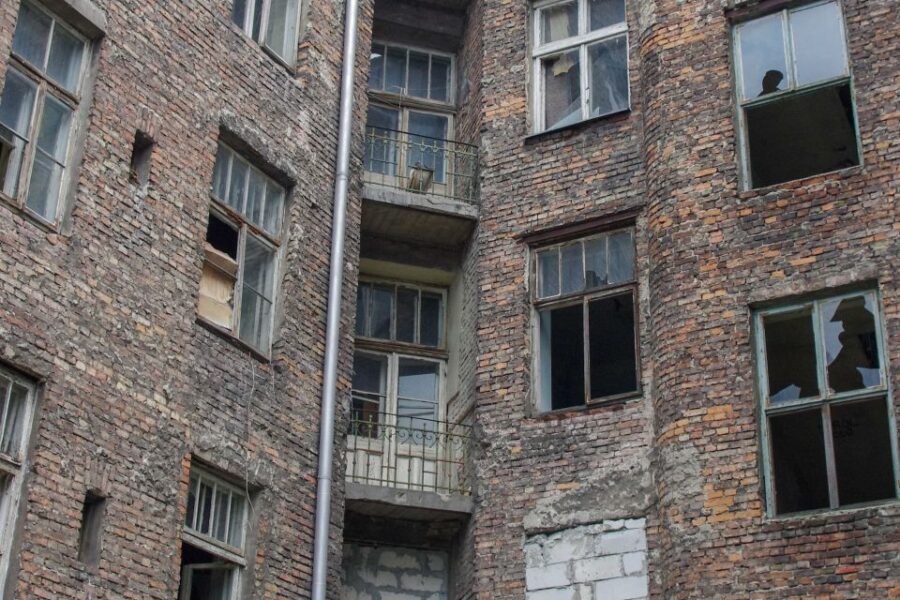
The Muranów cemetery visit is one of the most affecting parts of this tour because it’s not about dramatic landmarks. It’s about quiet weight and scale.
The cemetery was established in 1809 and is described as one of the largest in Europe, with over 200,000 people buried there. Your guide points out graves connected to spiritual leaders, political activists, honored creators of Jewish culture, and also thousands of nameless victims of World War II.
What I like about having a guide here is the meaning-making. A cemetery can feel like “rows of stones” if you don’t know how to read what you’re seeing. With a guide, you learn what to pay attention to: the types of people remembered, and how the cemetery connects wider Jewish life to the specific losses of the war.
Also, you’ll appreciate the planning of getting there. Because the cemetery is outside the city center, the tour provides public transport support (on the 3- and 5-hour options). That’s a small detail, but it saves time and keeps the day from turning into a logistics problem.
My practical advice: bring a respectful mindset and go slowly. This is not a quick photo-stop. If you rush, you lose what the cemetery is trying to teach.
POLIN Museum with skip-the-line: what you gain, and what you don’t
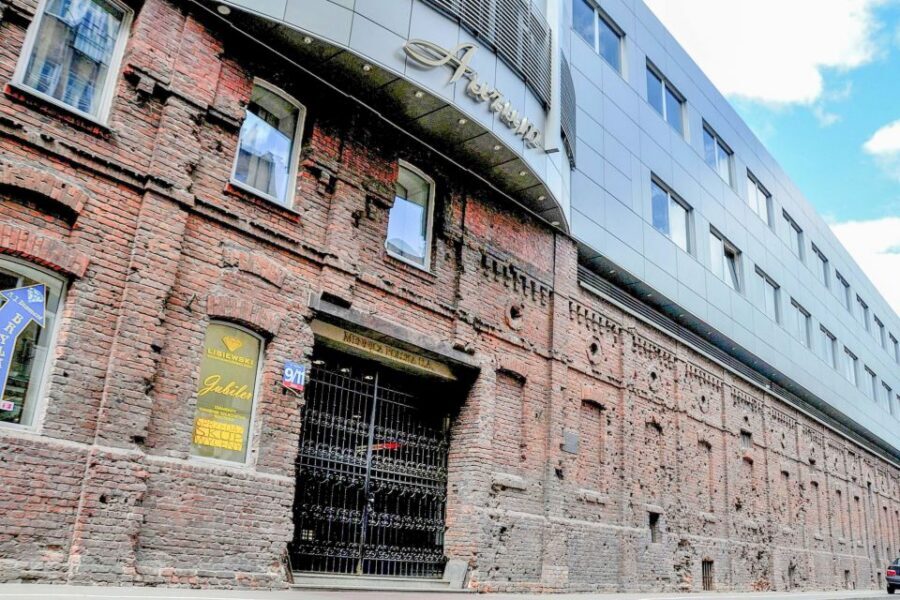
POLIN is the kind of museum where the storytelling is structured, modern, and big-vision. That’s exactly why this tour’s timing matters.
On the 5-hour option, you get skip-the-line tickets for the POLIN Museum. The fine point: it skips the line at the ticket office, but not the entrance and security checks. So you still need time to go through the standard museum entry process once you’re there.
Inside, the admission covers:
- the main exhibition
- the ongoing temporary exhibition
- the Heritage Gallery
If you’re choosing the full 5-hour day, I’d think of POLIN as the “framework” part of your visit. The ghetto route gives you the physical geography and major WWII events. The cemetery adds personal human scale and continuity. POLIN then stitches it together into a broader story of Polish Jews before, during, and after the war.
There’s also a clear value reason to include POLIN on a guided day: the museum can be overwhelming without an interpretive guide. One review noted how long they stayed in POLIN because it was so engaging and educational. The 5-hour structure helps you avoid that feeling of being forced to rush.
Private guide in your language: why it matters on tough topics
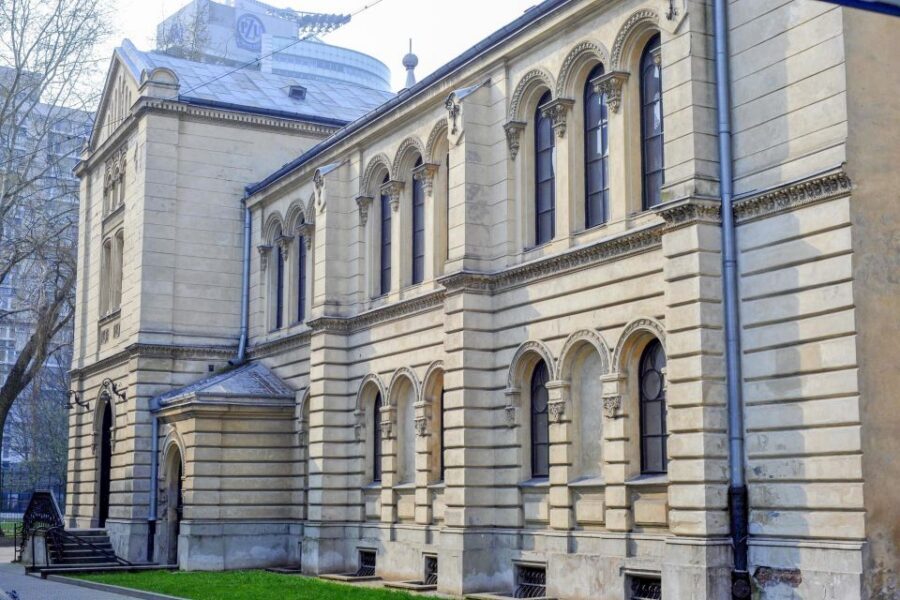
This tour is built around a private group and a 5-star licensed guide fluent in your chosen language. Languages listed include Spanish, English, French, German, Italian, Polish, and Russian.
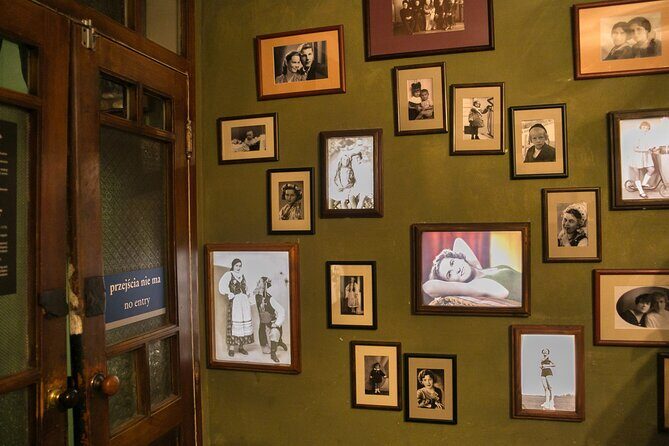
Why that matters on a ghetto/history tour is simple: you can’t fake nuance. The difference between a basic summary and a real explanation shows up in wording, pacing, and the guide’s ability to handle your questions. In the reviews, people praised guides for cultural/historical depth, for taking the time to answer questions, and for excellent language skills. One comment even highlights that the guide used photos and street-level context to show places that no longer exist.
If you want an experience that feels like a conversation more than a lecture, private guidance is a strong fit here. And since the subject matter is intense, it’s a relief to have the information come across clearly.
Value check: is $112 per person worth it?
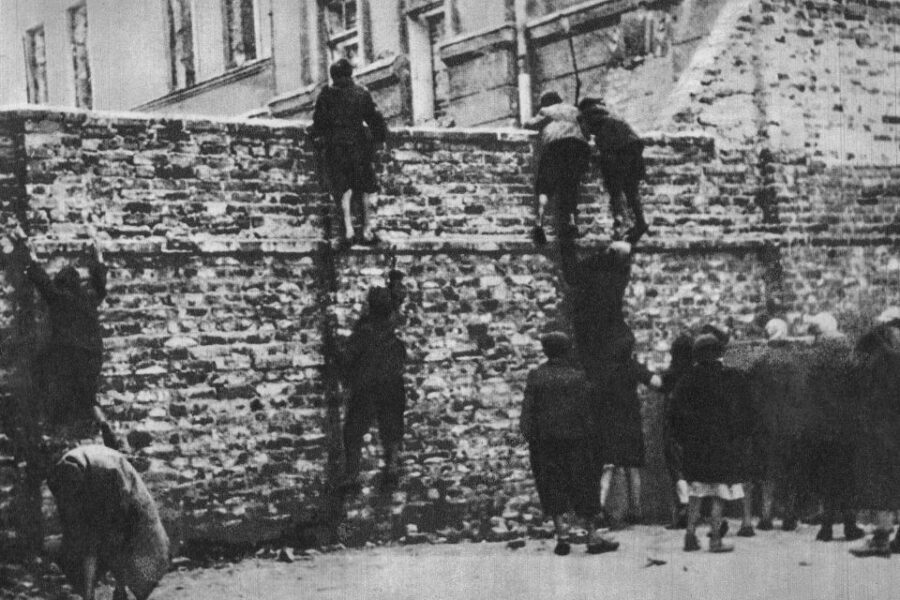
At $112 per person, this tour sits in the mid-range for Warsaw private history experiences. The value comes from what’s actually included.
For the 3- and 5-hour options, the tour includes entry fees to the Warsaw Jewish Cemetery along with a 1-way public transport ticket (because the cemetery is outside the city center). That’s not just a minor inclusion. It saves you the time and hassle of figuring out how to get there on your own.
For the 5-hour option, you also get skip-the-line tickets for POLIN Museum. Again, that’s about time saved at the ticket office so you can spend more of the day on the exhibits, not on queues.
What lowers value slightly is the trade-off in the shortest option. In the 2-hour tour, cemetery and POLIN tickets are not included. If those are must-dos for you, the 2-hour version can feel incomplete, even if it’s still strong for the ghetto walking part.
Another practical value point: pickup from accommodation is only available in the Old Town, and only within about 1.5 km of the meeting point. If you’re staying farther out, you’ll likely make your own way to the meeting point.
So here’s the balanced verdict: if you want more than just outdoor monuments, the longer options look like the better value per hour—especially the 5-hour one if POLIN is on your list.
Meeting point and practical tips that prevent last-minute stress
Your guide meets you next to the anchor monument in front of the main entrance to Katedra Polowa Wojska Polskiego (Field Cathedral of the Polish Army), at Długa 13/15, 00-238 Warsaw.
If you’re in the Old Town and within 1.5 km, pickup can be arranged. Otherwise, you’ll meet at the landmark.
One more small but important tip: check your email the day before the tour. The operator notes that important information is sent there. That’s usually where you’ll see the final details your guide needs for timing and smooth entry.
Wear comfortable shoes. This is a walking day through multiple memorial sites. Even when the pace is careful, you’ll be on your feet.
Should you book this Warsaw ghetto and POLIN tour?
Book this tour if you want a structured way to understand the Warsaw ghetto—without trying to piece it together yourself from scattered signs. I think it’s especially worth it if:
- you care about WWII chronology and want places tied to the story
- you want the Monument to the Ghetto Heroes, Mila 18 (Anielewicz Mound), and Umschlagplatz explained in context
- you’d rather see the Muranów cemetery with guidance than on your own
- POLIN Museum is part of your plan and you like the idea of skip-the-line ticket office access for the 5-hour option
- you prefer a private, language-fluent guide who can answer questions as you walk
Skip it or switch options if you only want quick outdoor coverage and you’re not planning to visit the cemetery or POLIN. In that case, the 2-hour version can work, but it won’t include those key indoor stops.
FAQ
What is included in the 2-hour option?
The 2-hour version is a private walking tour focused on the former Warsaw Ghetto sites and monuments. Tickets for the Jewish Cemetery and POLIN Museum are not included in this option.
What’s included in the 3-hour option?
The 3-hour option adds a visit to the old Jewish Cemetery in Muranów (3-hour option only). It includes entry to the cemetery with a 1-way public transport ticket.
Does the 5-hour tour include POLIN Museum?
Yes. The 5-hour option includes POLIN Museum tickets with skip-the-line access for the ticket office, plus visits to the former Warsaw Ghetto and the old Jewish Cemetery in Muranów.
Is the cemetery far from central Warsaw?
Yes, the Jewish Cemetery in Muranów is outside the city center. The tour provides tickets for public transport to reach it on the 3- and 5-hour options.
Which languages are available for the guide?
The tour offers live guides fluent in Spanish, English, French, German, Italian, Polish, and Russian.
Where do we meet the guide?
Meet your guide next to the anchor monument in front of the main entrance to Katedra Polowa Wojska Polskiego (Field Cathedral of the Polish Army), Długa 13/15, 00-238 Warsaw.
Does skip-the-line mean you avoid security checks?
Skip-the-line tickets skip the line at the ticket office, but not at the entrance and security checks. Admission covers the main exhibition, the ongoing temporary exhibition, and the Heritage Gallery.