REVIEW · KRAKOW
From Krakow: Auschwitz-Birkenau Tour with Transportation
Book on GetYourGuide →Operated by Pavel Travel Paweł Rosół · Bookable on GetYourGuide
One day, heavy facts, clear logistics. This Auschwitz-Birkenau trip is interesting because you get round-trip transportation from central Krakow and time inside both Auschwitz I and Birkenau, without juggling tickets or schedules. On many departures with drivers like Ollie or Peter, the day runs with a calm, practical flow.
I like the simple pick-up setup at the K+R stop on Pawia Street 18 (opposite Mercure Hotel) and the booklets available in multiple languages, which help you follow what you’re seeing even when it gets emotionally heavy. The main drawback to plan around is time: the on-site visit is capped (up to about 2.5 hours), so you won’t see everything at both camps in one pass.
In This Review
- Key Things That Make This Tour Work
- Auschwitz-Birkenau from Krakow: What You’re Actually Signing Up For
- Getting There: Pawia Street K+R Pickup and the Air-Conditioned Ride
- The Judenrampe Stop: A Short Moment with Heavy Context
- Auschwitz Museum Time: Permanent Exhibitions and How to Use 2.5 Hours
- Birkenau Memorial at Your Pace: Small Time, Big Impact
- How the Guide and Booklets Help (Even on a Self-Guided Visit)
- Price and Value: Is $38 Worth It?
- Who This Tour Suits Best—and Who Should Rethink It
- Should You Book This Auschwitz-Birkenau Day Trip from Krakow?
- FAQ
- How long is the Auschwitz-Birkenau tour from Krakow?
- Where do I meet the tour in Krakow?
- Is entry to both Auschwitz and Birkenau included?
- Do I need a guide to enter, or is it self-guided?
- What should I bring and what’s not allowed?
- Are photos allowed everywhere in the museum?
Key Things That Make This Tour Work
- Central Krakow meeting point with clear instructions to wait at the K+R stop on Pawia Street 18
- No ticket-line entry, plus rental informational booklets (up to 19 languages, depending on option)
- A quick, focused stop at Judenrampe (about 20 minutes) before you enter the camps
- Comfortable, air-conditioned coach travel that includes a return ride with time to reset
- Strong emphasis on self-paced walking through Auschwitz and Birkenau, not a rigid script
- A real-world warning built in: your on-site pace is set by the memorial, not the provider
Auschwitz-Birkenau from Krakow: What You’re Actually Signing Up For
This is a long, serious day trip. You’ll leave Krakow and ride to Oświęcim (Auschwitz’s area), then spend your time at Auschwitz and Birkenau. The key point is the format: it’s designed to remove friction (transport, entry, booklets), while letting you experience the grounds in your own rhythm.
That matters because Auschwitz-Birkenau isn’t the kind of place where one-size-fits-all pacing works. Some buildings and exhibits hit fast. Others take longer because you keep reading, comparing, and trying to understand what you’re looking at. With a self-paced visit, you can slow down where you need to, then move on when you’re ready.
The flip side is that the day trip has a time cap. Even if everything runs smoothly, you still have limited hours inside the memorial area. If you’re hoping for a thorough, slow read of everything at both sites, you’ll want to treat this as a high-impact introduction—not a full, exhaustive tour.
You can also read our reviews of more tours and experiences in Krakow.
Getting There: Pawia Street K+R Pickup and the Air-Conditioned Ride
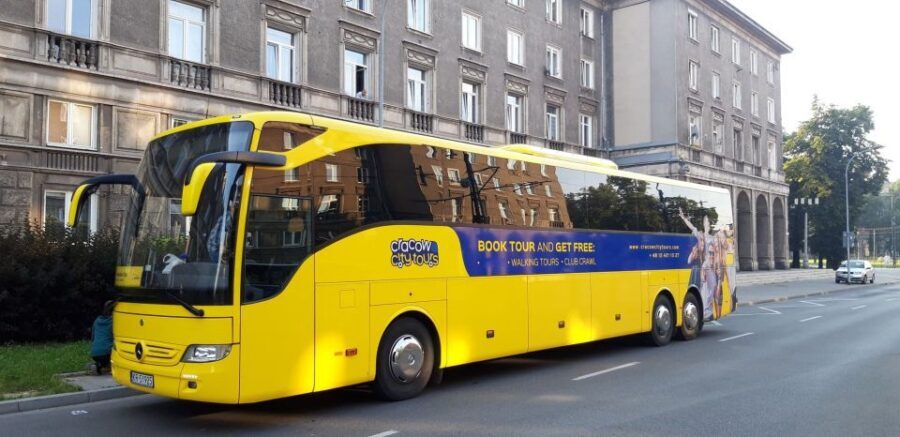
Pickup is one of the biggest “day-trip stress reducers” here. You meet at the Kiss & Ride (K+R) stop on Pawia Street 18, directly opposite Mercure Hotel. The instruction is specific for a reason: you’re asked to wait on the street side, not inside the hotel or any nearby shopping area.
Here’s what that means for you on the morning:
- Arrive a few minutes early and stay close to the meeting point.
- Expect a call by name from the tour leader once they arrive.
- Plan for crowds at the same stop—there can be lots of people waiting at once, so patience helps.
Departure time can shift. The tour notes that in some cases departures may change—sometimes by several hours—because of operational or scheduling adjustments, and you’ll be notified one day in advance. So if you’ve got another booking later that same day, don’t stack things too tightly.
Once you’re onboard, you’re in an air-conditioned coach. Several drivers were described as friendly and supportive, and some even built in small practical touches like a stop for drinks or a chance to buy snacks before you reach the camps. That might sound minor, but at the end of a long day, it can be the difference between running on fumes and staying steady.
The Judenrampe Stop: A Short Moment with Heavy Context
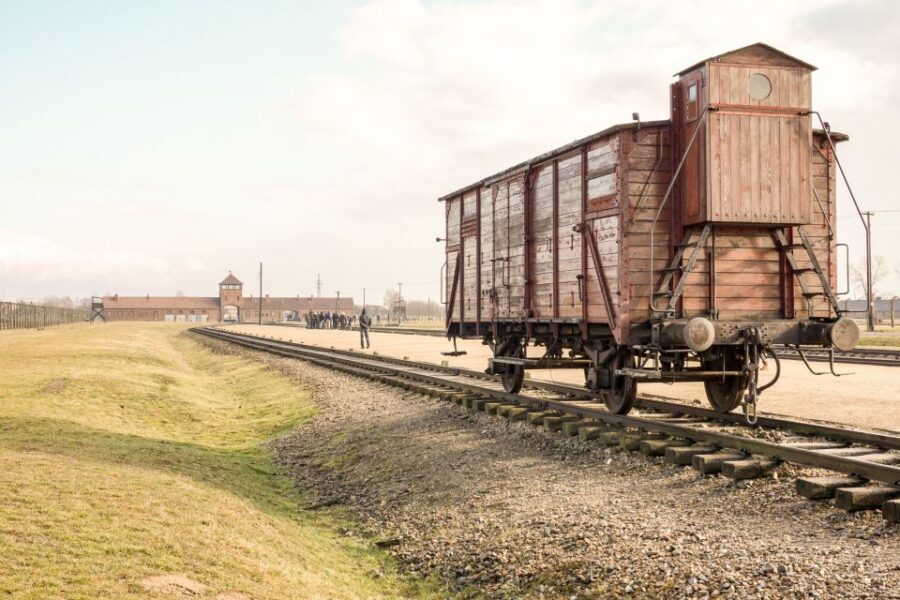
Before you get deep into the memorials, you make a short visit stop at Judenrampe (about 20 minutes). This is one of those moments that sets the tone fast.
Why it’s worth taking seriously: it connects the geography of the camps to how arrivals worked. Even if you only have a short stop here, it helps you read what comes next with more clarity. You’ll likely understand the memorial grounds better once you’ve anchored your mind on that historical context.
Practically, this stop also breaks up the ride. It gives you a few minutes to regroup before the main museum and memorial time starts.
Auschwitz Museum Time: Permanent Exhibitions and How to Use 2.5 Hours
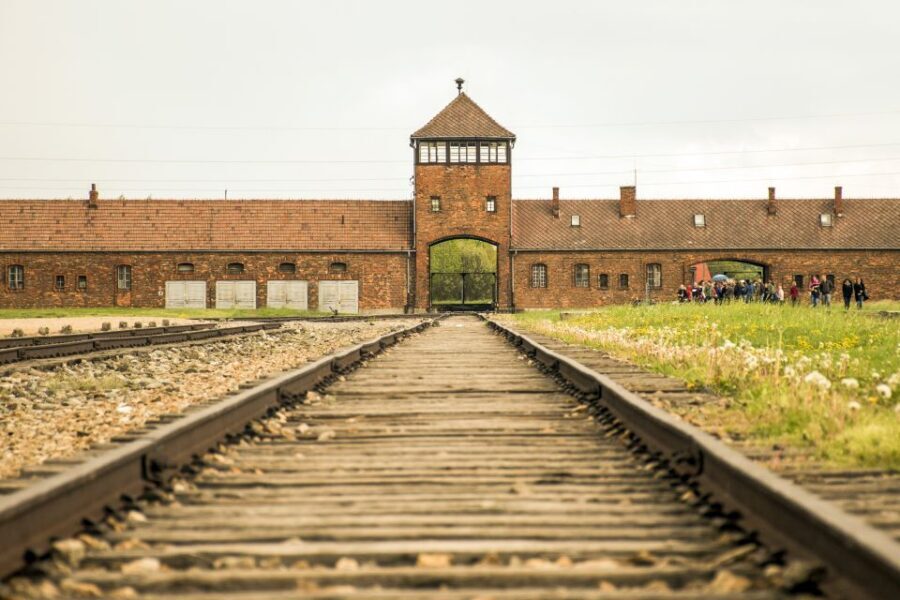
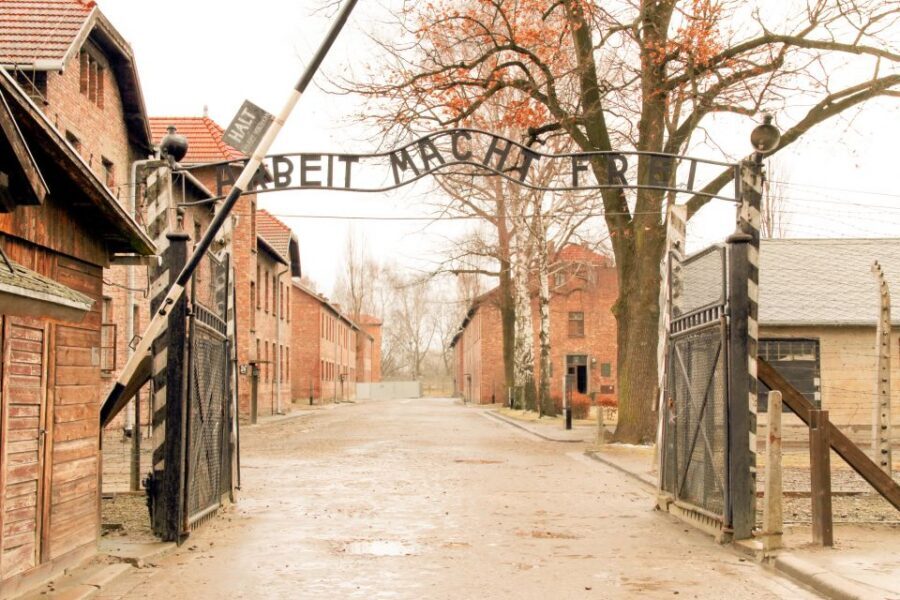
The Auschwitz portion is where the permanent exhibitions do most of the work. This tour includes entrance to both camps, and the on-site time is described as lasting up to 2.5 hours (with additional break time noted). In reality, that means you’ll be moving with purpose, not wandering all day.
What you’ll likely experience during that window:
- Permanent exhibitions on the grounds that cover camp history, forced deportations, and the system of persecution.
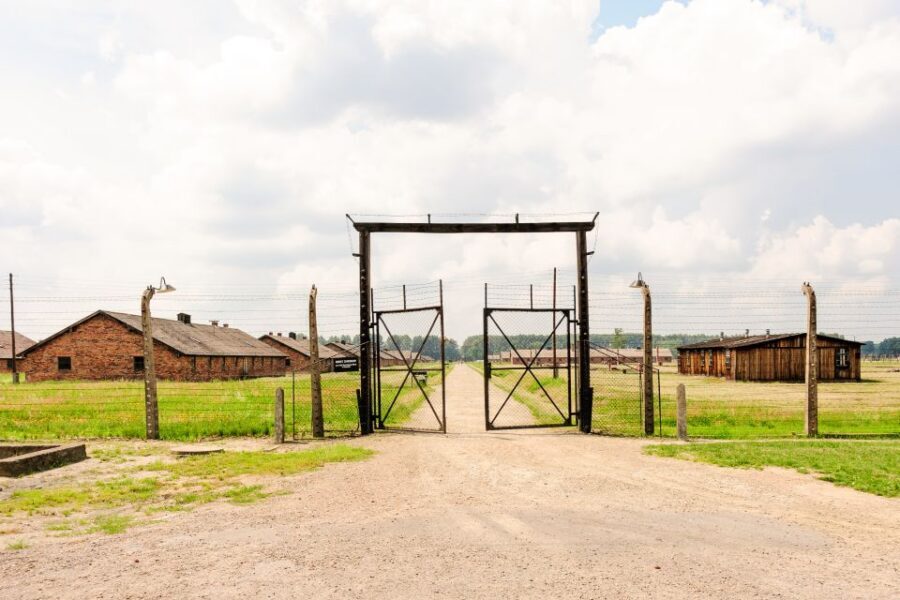
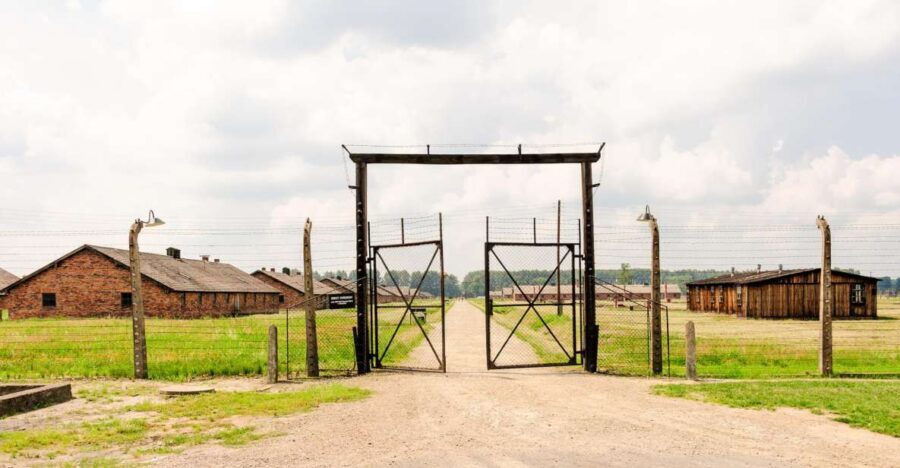
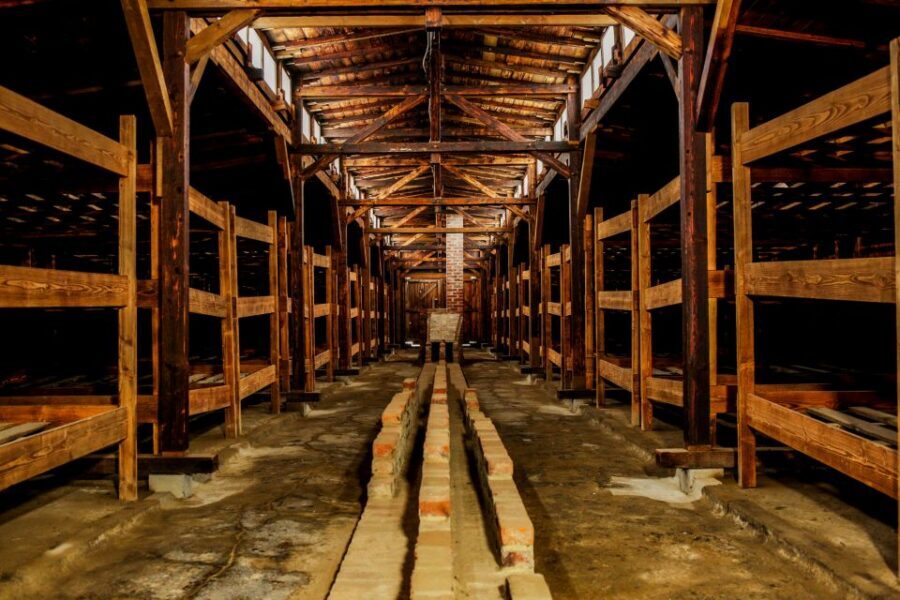
- Remnants you can still recognize from the historic site, including prisoner barracks.
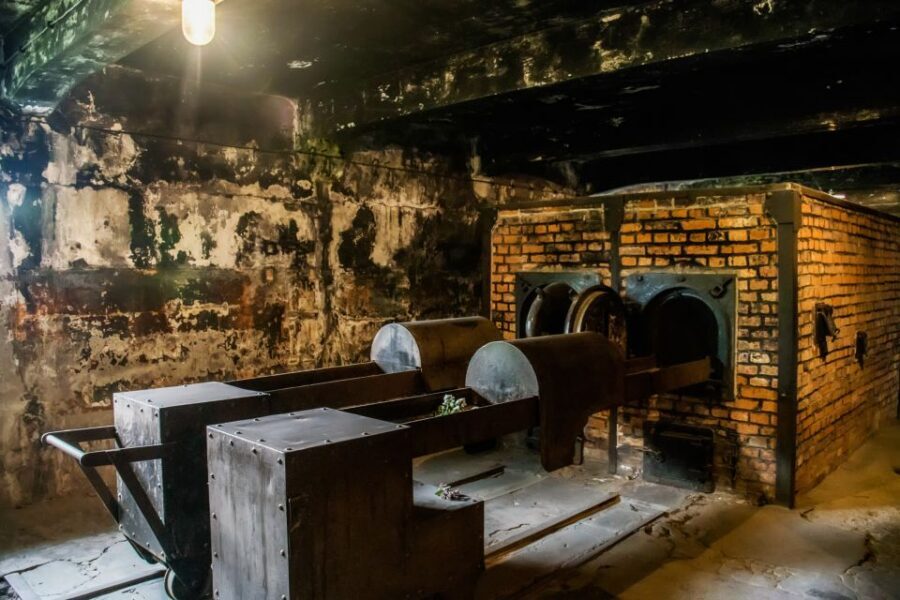
- The notorious areas tied to mass killing, including the gas chambers (as described in the tour highlights).
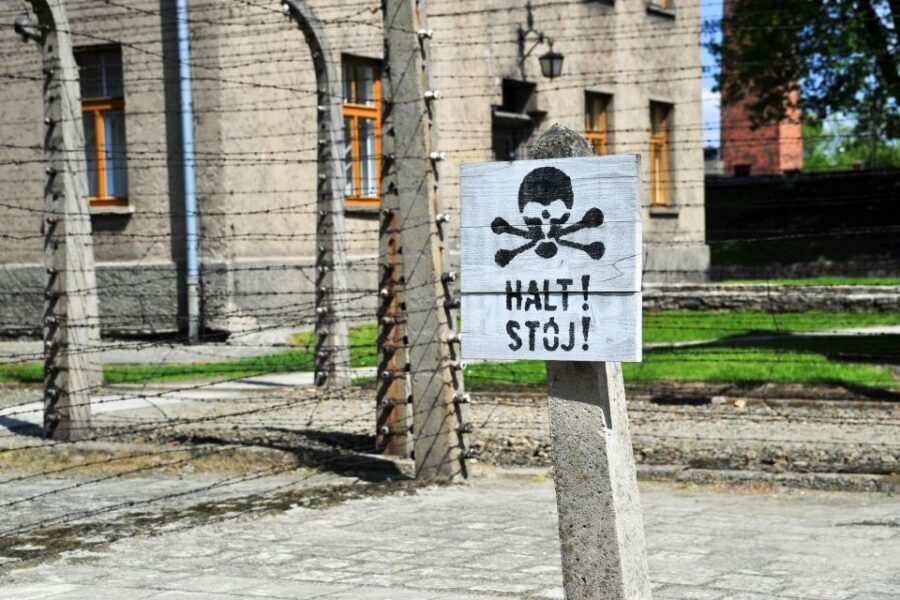
A key practical consideration: there are places where photos aren’t allowed. So don’t plan on turning your visit into a camera walk. Plan on taking notes, reading what you can, and letting the information boards do the heavy lifting.
For how to use your limited time, I’d suggest this mindset:
- Start by reading the big story first (the permanent exhibition themes).
- Then pick one or two areas that you want to sit with longer.
- Don’t try to capture everything. This isn’t that kind of place.
Several people pointed out that the total time means you can’t see everything at both sites. That’s not a flaw—it’s the reality of a day trip. Your goal should be meaningful coverage, not ticking boxes.
Birkenau Memorial at Your Pace: Small Time, Big Impact
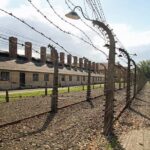
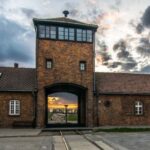
After Auschwitz Museum time, you’ll also visit Birkenau. This is the sprawling, open landscape of Auschwitz II, and it hits differently than the museum buildings. The tour format here matters: you’re given time to explore, rather than being marched through every room in a set order.
If you’re self-paced, you need a strategy. With limited hours, choose what matters most to you:
- Spend time where it’s easiest to understand what you’re looking at (exhibit context, readable signs).
- Don’t rush across the site just to say you walked it.
- If you feel overwhelmed, pause. You’re allowed to take breaks.
A few reviews mention an added support tool like an audio guide for parts of Auschwitz II. That may not appear on every departure, but if you’re offered something like that, use it. It can help connect what you’re seeing to what you’re reading, especially if you want a steady narrative while walking.
Emotionally, Birkenau can be harder to process because the scale is so visible. That’s why the self-paced element helps. You can slow down when your brain needs it and keep moving when you can handle it.


How the Guide and Booklets Help (Even on a Self-Guided Visit)
Even with a self-paced on-site visit, the tour still needs human help to make the logistics work. You get:
- A meeting-and-transfer team who calls your name and keeps the day on track.
- Informational booklets available in 19 languages (depending on your option).
- A visit flow that takes you from the coach to the museum grounds and then back again.
And in many experiences, the tone matters as much as the content. Reviews highlighted guides and drivers who explained guidelines clearly, handled the group instructions well, and helped people get through security and entry without wasting time.
You’ll also benefit from practical prep. For example:
- Bring your passport or ID card. Entrance can be refused if your name doesn’t match what’s on your booking and ID.
- Avoid sleeveless shirts (this is explicitly noted as not allowed).
- Don’t plan on bringing pets (not allowed).
One more reality check: the pace and duration of the tours are determined by the memorial’s visitor service. The provider can’t control how long your break or transitions take once you’re on-site. So even if the morning timing is tight, the ending can vary.
Price and Value: Is $38 Worth It?
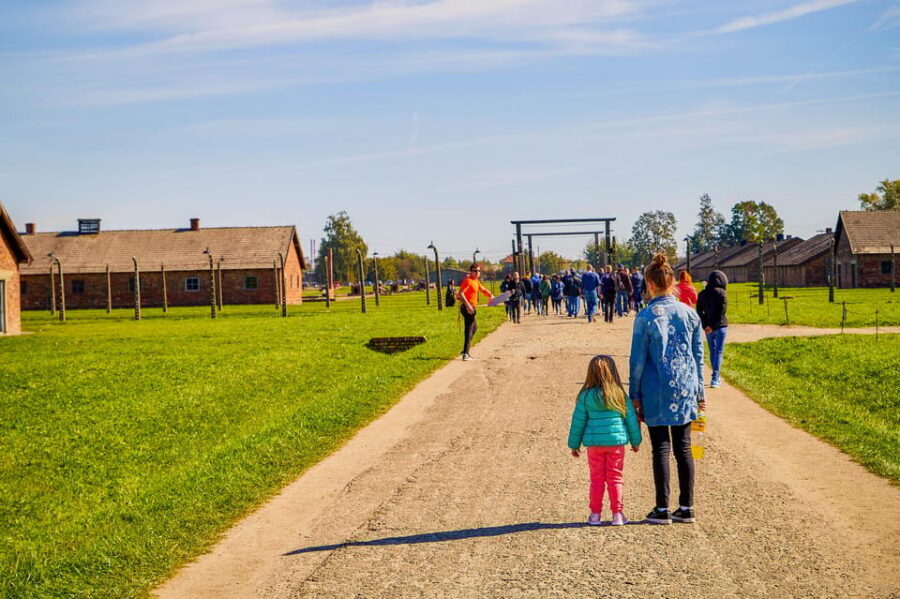
At around $38 per person for the Krakow-to-Auschwitz-Birkenau day trip with transportation and entrance, this sits in the “good value” zone for most first-timers—if your expectations match the time limit.
Here’s why it feels like good value:
- You’re paying for the hard parts: round-trip transport, skip-the-ticket-line entry, and access to both Auschwitz and Birkenau.
- You’re not spending time figuring out routes, transfers, and ticket logistics on your own.
- The booklets add a layer of understanding without forcing a single speaking style on everyone.
Here’s when the value is less ideal:
- If you’re the type who needs long, slow reading time, up to 2.5 hours at the camps may feel too short.
- If you’re booking other events the same day, timing changes can mess with plans.
So I’d frame it like this: it’s a strong deal if you want a structured, smooth day trip with enough time to learn and see key parts, not if you want a full, unhurried deep study of every exhibit.
Who This Tour Suits Best—and Who Should Rethink It
This works best for:
- First-time visitors from Krakow who want an easy, no-fuss way to reach both sites.
- People who prefer self-paced exploration on-site.
- Anyone who wants the visit to be heavy and meaningful, but logistically simple.
It may be a poor match for:
- Anyone with mobility impairments, since the tour notes it’s not suitable.
- People who need a very long visit window to absorb everything slowly.
- Anyone hoping for a flexible day with multiple other stops; departure times and on-site timing can shift.
If you’re traveling with a teen, this can be a solid balance. One review noted it felt like the right amount of time for a teenager because it gives structure without dragging the day on. Just remember: even with that balance, it’s still emotionally intense.
Should You Book This Auschwitz-Birkenau Day Trip from Krakow?
Yes, if your priority is getting there smoothly, skipping the ticket line, and spending your time inside Auschwitz and Birkenau with enough structure to not feel lost. The central pickup, air-conditioned transport, and booklets in multiple languages make the day feel manageable, even though the subject matter is not.
Book it if:
- You want a straightforward plan from Krakow.
- You’re okay with a time cap and focus on core sights and exhibits.
- You want the option to walk at your own pace while still being guided on the important logistics.
Skip it (or choose a different format) if:
- You’re determined to spend much longer inside both sites.
- You need a fully guided, slow-moving experience with deeper explanations in real time.
- You’re sensitive to schedule unpredictability on the travel day.
If you do book, come with ID ready, wear sleeves that comply, and protect your energy for a full day of walking and reading. You’ll get value from the efficient transport—but you’ll also get something harder to measure: clarity about what happened here, and why it matters.
FAQ
How long is the Auschwitz-Birkenau tour from Krakow?
The duration is listed as 7 to 8 hours. Time at the memorials is controlled by the visitor service, and the provider notes it can’t influence break durations.
Where do I meet the tour in Krakow?
You meet at the Kiss & Ride (K+R) stop on Pawia Street 18, directly opposite the Mercure Hotel. Wait at the street-side K+R stop, not inside the hotel or a shopping center.
Is entry to both Auschwitz and Birkenau included?
Yes. The tour includes entrance to both Auschwitz and Birkenau, with a visit lasting up to 2.5 hours.
Do I need a guide to enter, or is it self-guided?
The format described is independent exploration on-site. A live guide is only included if you select a guided-tours option.
What should I bring and what’s not allowed?
Bring a passport or ID card. Not allowed: pets and sleeveless shirts.
Are photos allowed everywhere in the museum?
No. The tour notes that there are spots where taking pictures is not allowed.