REVIEW · WARSAW
Warsaw: Jewish History Guided Walking Tour in English
Book on GetYourGuide →Operated by Walkative Tours · Bookable on GetYourGuide
Cold streets, heavy stories, real places. This walking tour traces Jewish Warsaw through the good years and the worst ones, using Chłodna Street and Waliców Street to put the ghetto’s geography into your head. I like the way the guide connects big events to exact corners you can stand on, and I love the stop at the Nożyk Synagogue, the only surviving pre-war synagogue in Warsaw. One drawback to plan for: it’s outdoors for the full 150 minutes, so weather can be a genuine factor.
The best part is how the tour balances grief with context. You’ll hear how Jewish life shaped the city for centuries, including involvement in 19th-century struggles and Polish uprisings, then how Warsaw’s Jewish culture exploded in the interwar years before the Holocaust. I also like the practical storytelling touches—maps and photos—because they make the vanished buildings feel less abstract. If you’re taking this during a cold morning, dress like you actually expect to stand outside and listen for a long time.
Finally, consider the group dynamic. This is a joining-style walking tour (not a private group), so you’ll share pacing with others, and in rare cases the tour’s flow can feel a bit rigid. Still, with strong guides like Andrzej, Christopher, Jacek, and Agneska showing up in different runs, the overall experience tends to feel focused, thoughtful, and worth your time.
In This Review
- Key Highlights Worth Your Time
- What This Tour Is Really For: Turning Streets Into Meaning
- Meeting Point at Grzybowski Square and How to Not Waste Time
- Chłodna Street: When a Bridge Tells You About Boundaries
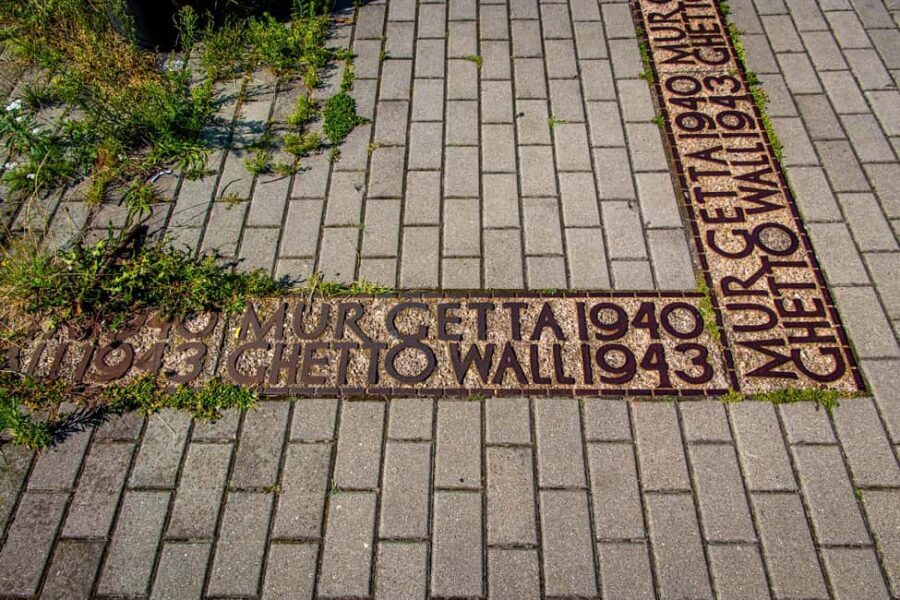
- Waliców Street: Learning the Ghetto Border by Standing at It
- The Nożyk Synagogue: A Pre-War Room You Can Still Walk Into
- From Occupation to Uprising: Why the Tour Mentions Poland’s Wider Struggles
- Interwar Jewish Warsaw: The Part That Refuses to Be Background Noise
- Emotional Tone, Guide Style, and Why Humor (Sometimes) Helps You Listen
- Weather and Comfort: Dress Like You’re Staying Outside
- Price, Value, and Who This Fits Best
- Practical Notes Before You Go
- Should You Book This Warsaw Jewish History Walking Tour?
- FAQ
- FAQ
- How long is the Warsaw Jewish History Guided Walking Tour?
- What is the price per person?
- Where do I meet the guide?
- Is the tour in English?
- Does the tour include hotel pickup?
- Which major places does the tour cover?
- Is this tour mostly outdoors?
- Can I cancel and get a refund?
- Can I arrange a smaller private tour instead of the joining group?
Key Highlights Worth Your Time
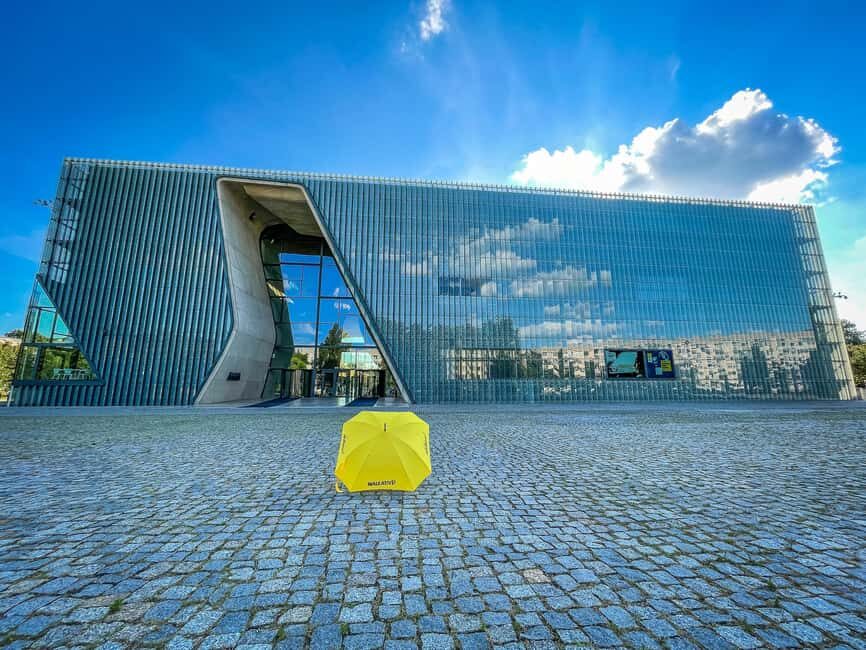
- Nożyk Synagogue: the only surviving pre-war Warsaw synagogue, visited as a living historical anchor.
- Chłodna Street bridge site: you’ll learn where a bridge helped connect parts of the ghetto, turning a street into a lesson about movement and separation.
- Waliców Street as the border: the ghetto boundary becomes easier to understand when you stand on the line the guide explains.
- Warsaw Uprising context: the tour links Jewish experience to the wider city timeline, so the story doesn’t stay stuck in one decade.
- Interwar cultural life: you get more than tragedy—you learn how artists, actors, writers, and journalists helped make Jewish Warsaw culturally intense.
- Resilience and today’s community: the tour ends by bringing the focus forward, toward a young, active Jewish presence.
What This Tour Is Really For: Turning Streets Into Meaning
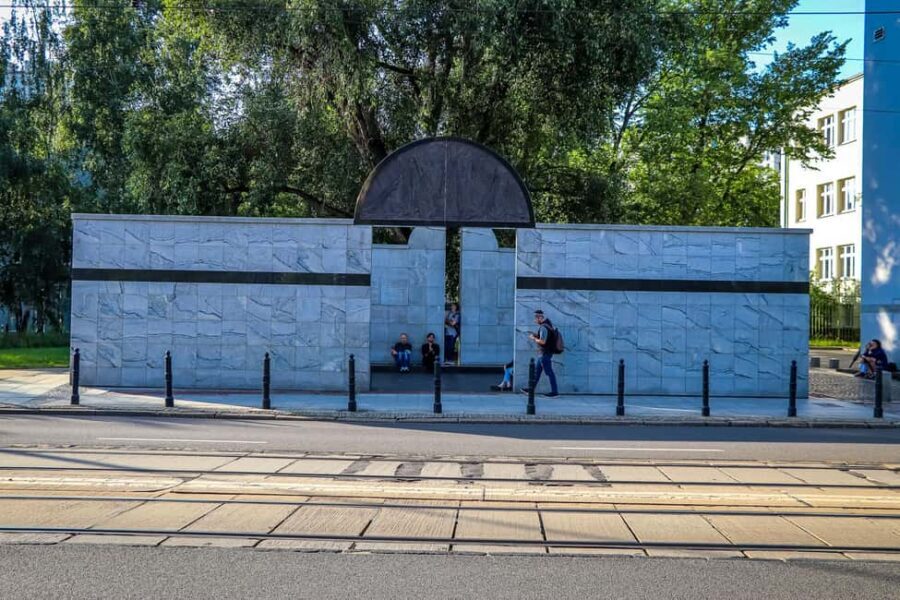
This isn’t a “check the box” sightseeing walk. It’s a guided route built around the idea that Warsaw’s Jewish story isn’t only in museums or documents—it’s also in the street grid you’re standing on. The key value for you is mental clarity: where things were, how they related, and why those locations mattered.
You’ll cover roughly 150 minutes on foot, led in English by a local guide. The price is $26 per person, which is a pretty fair deal when you consider that you’re paying for both live interpretation and a guided route through the most emotionally charged parts of the city.
The tone matters too. This is an emotional history tour—set up for respectful attention, not casual chatting. At the same time, many guides (and the reviews about them) point out that you still get pacing, explanations that make sense, and moments that help you keep listening without getting mentally overloaded.
You can also read our reviews of more walking tours in Warsaw


Meeting Point at Grzybowski Square and How to Not Waste Time
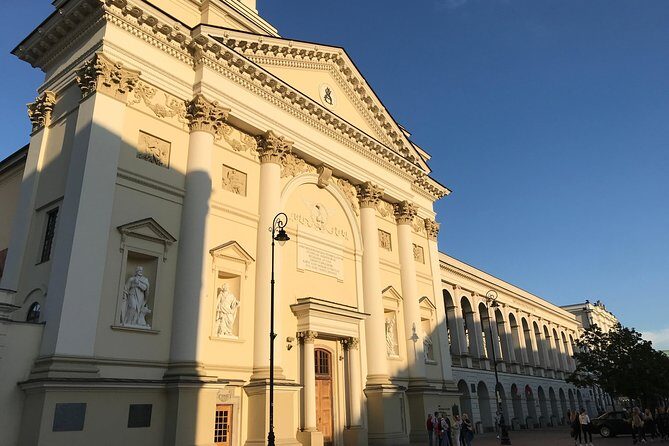
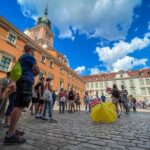
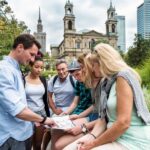
You meet next to the All Saints Church at Grzybowski Square. Look for a yellow umbrella—it’s the simple way to get the group immediately.
No hotel pickup or drop-off is included, so you’ll want to arrive a little early and get your bearings. I’d also plan to wear shoes you trust, because you’re outside for a long stretch and you’ll be standing at several stops.
If you’re hoping to join and then casually drift toward your own pace after the first few minutes, this tour might not fit your style. It’s designed as a guided walk with a continuous story, so arriving on time helps you catch the narrative thread.
Chłodna Street: When a Bridge Tells You About Boundaries

One of the most interesting parts of the route is the walk along Chłodna Street, including a stop at the site of the bridge that joined parts of the ghetto. That may sound like a small detail, but it’s exactly the kind of detail that makes history feel real.
Here’s what I think makes this stop powerful for you: bridges are about connection, and in a ghetto context, connection always comes with rules, control, and consequences. When the guide explains how parts of the ghetto related to each other, you start to understand that segregation wasn’t just a fence line—it shaped routes, daily movement, and survival.
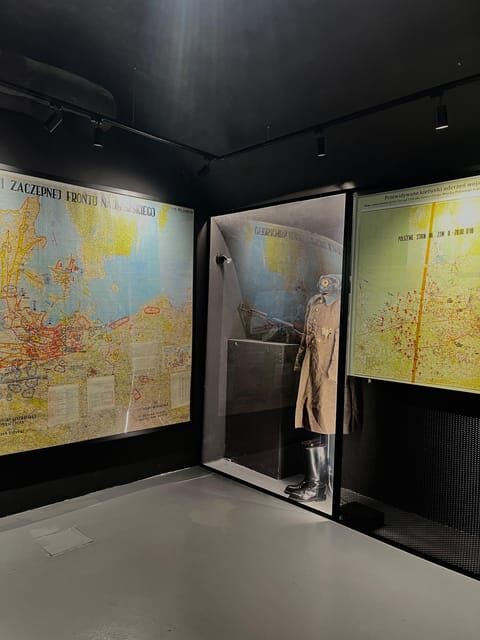
This is also where good guiding makes a difference. In several runs, guides are described as bringing photos and maps, which helps you keep track of what’s vanished and what you can still see. If you’re someone who likes to picture the past, this portion will likely feel like the tour’s turning point.
Waliców Street: Learning the Ghetto Border by Standing at It
Next comes Waliców Street, described as once marking the ghetto border. This is another place where the guide’s explanation matters more than the scenery itself.
On a street level, you might miss the meaning of a location if you only rely on what’s visible today. The guide helps you connect the idea of a border to what people actually experienced: where daily life stopped, where fear began, and how the city’s layout shaped the ghetto as an environment.
Waliców Street also ties into bigger Warsaw events, including the Warsaw Uprising context. The tour doesn’t treat the Jewish story as sealed off from the rest of the city. You’ll learn how the timeline intersects with the uprising and what that meant for civilians caught in overlapping crises.
The Nożyk Synagogue: A Pre-War Room You Can Still Walk Into
The highlight stop for many people is the visit to the Nożyk Synagogue, noted as the only surviving pre-war Warsaw synagogue. That distinction alone makes it unforgettable, but the tour’s approach makes it more than a monument photo.
If you’ve ever visited a site that survived when so much else didn’t, you know it changes your sense of scale. This synagogue gives you a tangible “before” that you can compare to the later destruction the guide discusses across WWII and the Holocaust.
Even if you already know basic facts, the guide’s storytelling tends to do something practical: it frames the synagogue as part of the living fabric of the community, not just a relic. That’s why this stop works even for people who arrive with limited background—your understanding gets anchored to an actual place.
You can also read our reviews of more guided tours in Warsaw
From Occupation to Uprising: Why the Tour Mentions Poland’s Wider Struggles
A key strength of this tour is that it doesn’t confine Jewish history in Warsaw to one tragic storyline. You’ll hear about the 19th century, including how Jews joined other residents in struggles against occupying powers and participated in Polish uprisings.
This matters for you because it adds texture. When the story later reaches WWII and the Holocaust, the guide can show that Jewish life in Warsaw wasn’t only about persecution. It included agency, politics, and shared involvement in broader civic events.
You’ll also hear about Jewish community life through multiple phases: centuries of participation in city life, then the interwar years, then the catastrophic interruption. That structure helps you understand that the Holocaust was not something random and sudden—it arrived after a long, complex history.
Interwar Jewish Warsaw: The Part That Refuses to Be Background Noise
One of the most valuable components is the tour’s focus on what Warsaw’s Jewish community built during the Interwar Period. The guide describes how hundreds of artists, actors, writers, and journalists called the city home, and how the cultural life in those years stood out as something special.
I like that this tour doesn’t rush past that era. It keeps the tragedy from becoming the only lens. For you, that means the scale of destruction hits harder, because you can mentally hold onto what was lost: not just people, but creativity, institutions, writing, performance, and public life.
This part also pairs well with the synagogue stop. When you’ve learned about the culture and then you’re standing near a surviving pre-war synagogue, the past doesn’t feel like a single sad chapter. It feels like a world that existed right up until it was shattered.
Emotional Tone, Guide Style, and Why Humor (Sometimes) Helps You Listen
This tour deals with brutal events. Still, several guides are described as using a careful mix of respect and engagement—sometimes including humor or lightness, even on a difficult subject.
It doesn’t mean the topic is softened. It means your attention is managed. When a guide like Andrzej or Christopher encourages questions and keeps the group moving with clarity, you don’t drift into numbness. You stay with the story long enough to understand it.
Also, one practical theme shows up repeatedly: many guides are described as answering questions directly, even staying afterward to continue conversation. If you’re the kind of person who needs to process as you go, this tour can help more than a headset-only audio experience.
Weather and Comfort: Dress Like You’re Staying Outside
A very consistent practical point: you’re outside for the full two and a half hours. Cold weather shows up in the reviews over and over, with people recommending you dress appropriately.
Plan for this. Bring a warm layer you can tolerate standing in. Consider gloves and something that blocks wind. If you arrive underdressed, you’ll spend mental energy trying to stay warm, which makes listening harder.
It’s also worth remembering that this is a walking tour. Even if the route isn’t described with distance numbers, you should expect regular movement between stops, plus standing time while the guide explains.
Price, Value, and Who This Fits Best
At $26 per person for 150 minutes with a local guide, this tour reads as good value—especially because the subject matter requires interpretation. Historical sites aren’t self-explanatory, and the places you visit are tied to streets and structures that have changed or disappeared. You’re paying for that translation into meaning.
This tour suits you best if:
- you want a guided route through the most important Warsaw Jewish history sites in a single afternoon-length outing
- you like context that connects centuries of community life to WWII and the Holocaust
- you prefer English live explanation (and not just reading plaques on your own)
It might be less ideal if:
- you want a private, quiet experience with minimal group interaction (this is a joining-style walking tour)
- you’re sensitive to cold and don’t like long outdoor listening sessions
Practical Notes Before You Go
A few details from the way the experience is described:
- You’ll join a general walking tour, and the reservation price covers the reservation fee and the guide’s payment.
- The tour is English-language with a live guide.
- If you want a smaller private tour, you can contact the supplier after booking and they’ll help organize it.
If you care about deeper interaction, a private version might help. If you’re fine sharing the group and focusing on the core route, the standard format should work well.
Should You Book This Warsaw Jewish History Walking Tour?
If you’re visiting Warsaw and you care about Jewish history with real street-level grounding, I think this is a strong booking. The combination of Nożyk Synagogue (a rare surviving pre-war site) plus the street-specific lessons about Chłodna and Waliców makes it feel precise, not vague.
Book it if you can handle a serious topic and you’re willing to dress for the weather. Skip it if you want a light, casual overview or if you strongly prefer indoor stops with a break built into the schedule.
For most people, the price feels fair for the length, the live guide, and the fact that you’re seeing places that shaped the story.
FAQ
FAQ
How long is the Warsaw Jewish History Guided Walking Tour?
It lasts 150 minutes (about 2.5 hours).
What is the price per person?
The price is $26 per person.
Where do I meet the guide?
Meet next to the All Saints Church at Grzybowski Square, and look for a yellow umbrella.
Is the tour in English?
Yes, the tour is in English.
Does the tour include hotel pickup?
No. Hotel pickup and drop-off are not included.
Which major places does the tour cover?
The tour includes the Nożyk Synagogue, plus stops tied to Chłodna Street and the Waliców Street area (including the ghetto border context and related WWII history).
Is this tour mostly outdoors?
Based on the experience descriptions, you should expect to be outside for the entire 2.5 hours, so dress for cold weather if needed.
Can I cancel and get a refund?
Yes. You can cancel up to 24 hours in advance for a full refund.
Can I arrange a smaller private tour instead of the joining group?
The tour notes that you can contact the supplier after booking to help organize a smaller private option if you prefer that format.