REVIEW · WARSAW
Warsaw: POLIN Museum of the History of Polish Jews Ticket
Book on GetYourGuide →Operated by Museum of the History of Polish Jews · Bookable on GetYourGuide
This museum turns a big subject into something you can actually follow. POLIN lays out 1,000 years of Polish Jewish life in interactive galleries, so the story feels concrete instead of abstract.
I especially liked the interactive installations and the way the museum uses objects and visuals to make daily life feel close. I also really appreciated the audio guide technology, which helps you keep moving through the exhibits without constantly guessing what you’re looking at.
One consideration: this is not a quick stop. Even with a good pace, you should plan time for a detailed, at times intense experience, and the museum won’t fit into a half-day.
In This Review
- Key Things I’d Prioritize at POLIN
- Where POLIN Fits in Your Warsaw Day
- Your Ticket: What You Actually Get for $12
- Entering the Core: Security Scan and the Best Way to Start
- Gallery by Gallery: How the Museum Walks Through 1,000 Years
- 1) Early Communities to Medieval Life
- 2) Daily Life, Community Autonomy, and Cultural Change
- 3) Modernization and New Political Currents
- 4) The Holocaust and How It Changes Everything
- 5) Postwar Survival, Recovery, and Cultural Revival
- 6) Reconstructed Spaces and Artifact Highlights
- How Long You Need (and How to Avoid Museum Burnout)
- Lunch Break: Where to Reset Without Losing Time
- Accessibility and Practical Rules That Affect Planning
- Who This Works Best For
- Should You Book POLIN in Warsaw?
- FAQ
- Is the POLIN museum ticket valid for more than one day?
- How long should I plan to spend at the museum?
- What’s included with the $12 ticket?
- Is a guided tour included?
- What language is the audio guide available in?
- Do I need to go through security scanning before I enter the main exhibition?
- Can I leave the museum for lunch and return the same day?
- Is the museum open every day?
- Are there rules for luggage?
- Are young children allowed, and do they pay?
Key Things I’d Prioritize at POLIN
- Plan for 2 to 3 hours minimum just for the core exhibition, and longer if you want to take it all in
- Use the audio guide actively; it works very well for understanding what each area is telling you
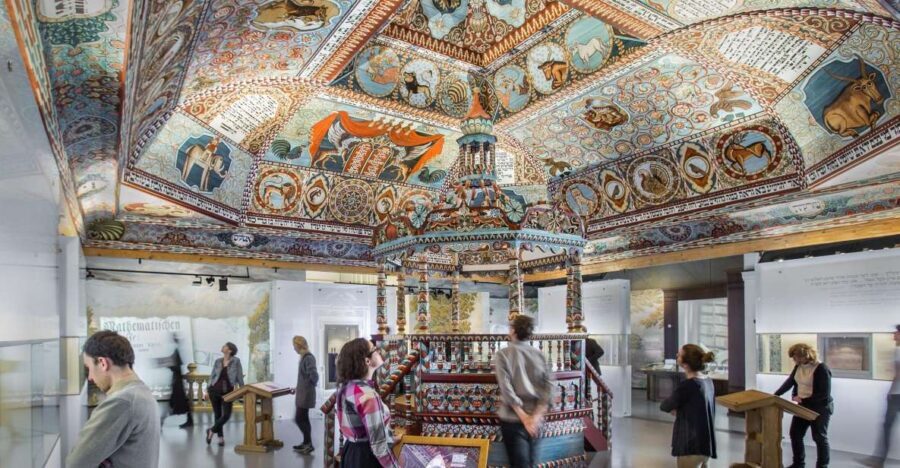
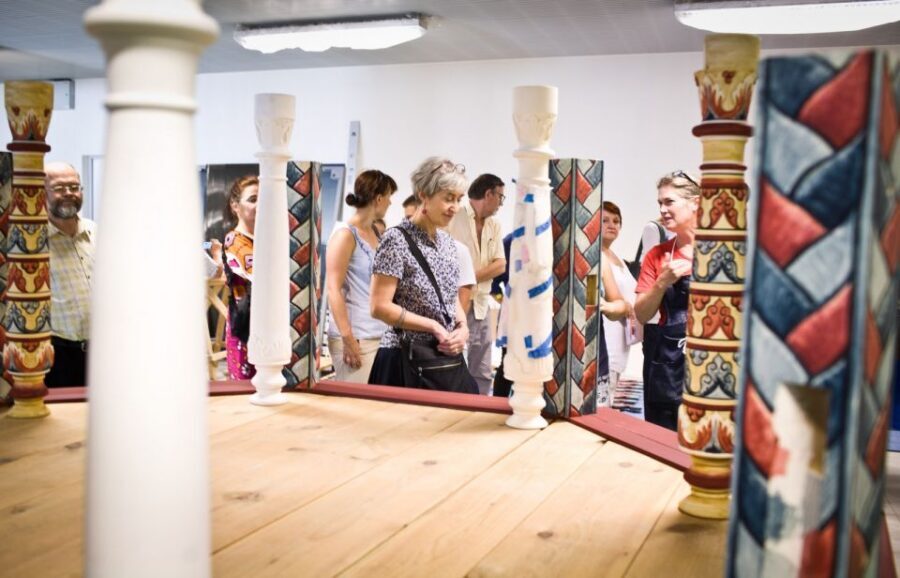
- Look for the reconstructed synagogue ceiling as a major visual highlight
- Expect the Holocaust section to be heavy, and treat it as part of the larger 1,000-year story
- Don’t skip the postwar revival themes, because they change how you understand the whole museum
- Give yourself a lunch break so you can keep your head clear for the later galleries
Where POLIN Fits in Your Warsaw Day
POLIN Museum of the History of Polish Jews is one of those places that makes Warsaw feel more complete. You’re not just seeing history; you’re walking through how Jewish life in Poland formed over centuries, changed under different governments, and then was shattered during the Holocaust. After that, the museum also tracks the story of rebuilding and revival.
This is also a great choice if you want context before you move on to other sites in Poland. A lot of visitors pair POLIN with Auschwitz-Birkenau from nearby days. If you’re doing that, POLIN helps explain how Jewish community life existed in Poland before the catastrophe, and how Nazi persecution hit not only individuals but also the structure of religious, social, and political life.
The museum’s design supports self-paced travel. You can leave for lunch and come back the same day, but remember the museum admits guests last entry time is cut off: you must be finished entering at least 2 hours before closing. So it pays to book a time slot that gives you breathing room.
A few more Warsaw tours and experiences worth a look


Your Ticket: What You Actually Get for $12
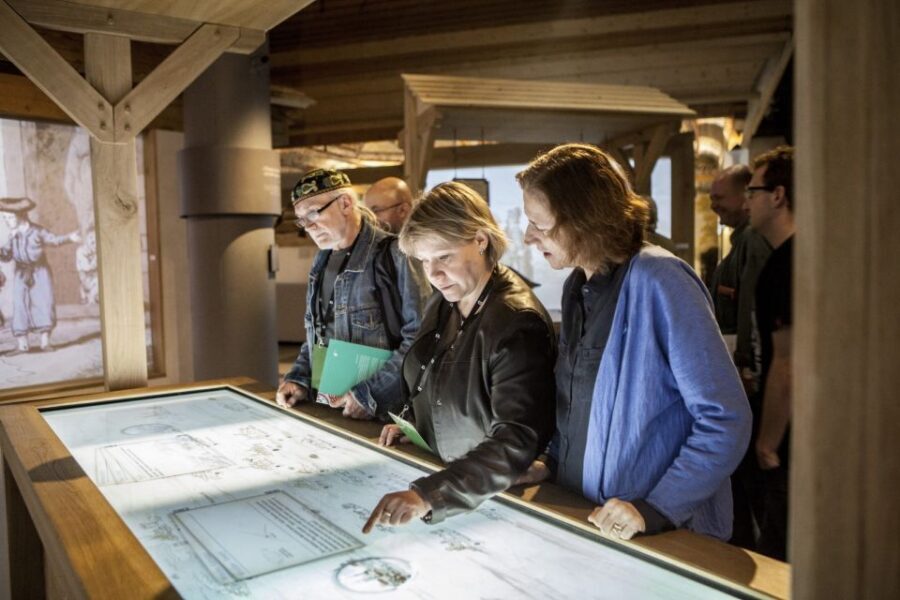
At about $12 per person, this ticket is strong value because it includes the main exhibit access plus an audio guide. You’re not paying for a quick guided overview. You’re paying for time and tools—audio, visuals, artifacts, and hands-on features—so you can control how much you read and how long you pause.
A few details matter for planning:
- You get access to the permanent exhibition.
- You may also get access to a temporary exhibition if one is running during your visit.
- You’re fully responsible for your pacing. There’s no guided tour included.
If you’re the type who likes to move steadily (reading labels, using audio, and staying in an area long enough to absorb it), budget at least a half-day. If you’re a faster museum walker, you can still enjoy it in a shorter window, but you’ll likely miss some of the quieter parts.
And one practical note: the museum requires an electronic security scan before you enter the core exhibition area. So don’t show up sprinting from the tram. Build in a few minutes.
Entering the Core: Security Scan and the Best Way to Start
Before you step into the main exhibition, you’ll go through an electronic scanning process. It’s not complicated, but it’s one more reason to arrive calm and on time.
After that, the museum’s flow starts working for you. The audio guide helps you make sense of each room without turning the whole place into a scavenger hunt. One visitor even described the audio guide as smart enough to recognize where you are and automatically deliver the right narrative. That kind of setup is a big deal in a museum this big, because it reduces the chance you spend your energy just figuring out the system instead of understanding the story.
My advice for your first minutes: don’t try to read everything. Start with the audio, look around, and let the story build. When you feel grounded in the timeline, you’ll naturally start reading more closely as you go.
Gallery by Gallery: How the Museum Walks Through 1,000 Years
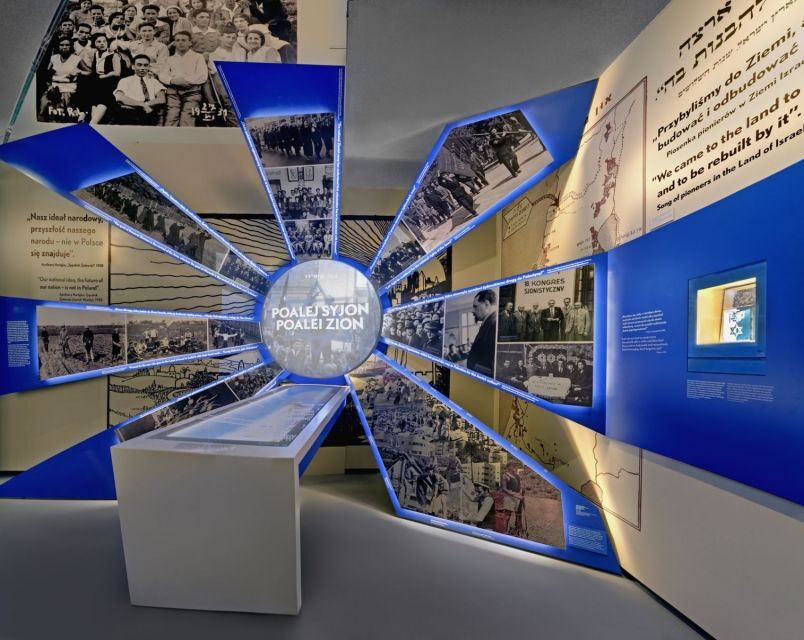
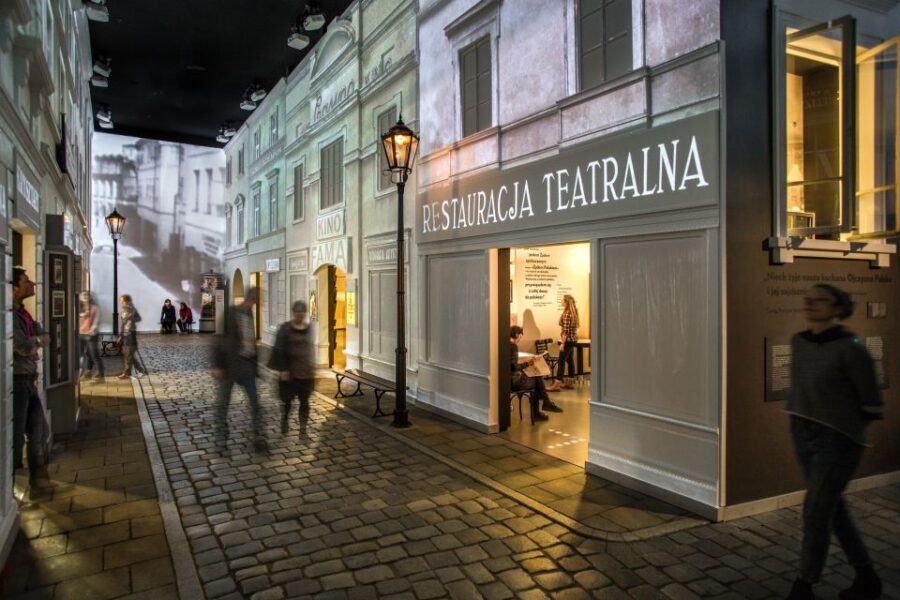
POLIN is organized into eight different galleries, which is a good structure for a 1,000-year timeline. The museum uses a mix of visual storytelling, audio material, and artifacts. You can move at your own pace, and the installations are designed to keep you engaged without turning history into a gimmick.
Here’s the overall arc you’ll experience as you work through the galleries:
1) Early Communities to Medieval Life
The opening sections cover the arrival and growth of Jewish communities in Poland. This part can be surprisingly detailed, and if you’re most interested in modern history, you might feel like the early centuries take longer than you expected. That’s not a flaw in the museum—it’s simply the nature of a museum trying to show continuity, not just catastrophe.
What I like about starting here is that it makes later events harder to dismiss as random tragedy. You see the social and religious framework that existed before persecution intensified.
You can also read our reviews of more historical tours in Warsaw

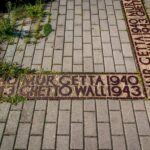



2) Daily Life, Community Autonomy, and Cultural Change
As you move forward, the museum shifts from origin stories to how Jewish communities functioned in real life—religious practice, social roles, and relationships within broader Polish society. This is where the interactive parts help. Instead of only reading dates, you’re confronted with how identity worked in practice.
You’ll also see the museum highlight the role of individual Jewish figures in Polish society. That’s a valuable change of pace, because it stops the story from feeling like it’s only about institutions.
3) Modernization and New Political Currents
Later galleries track Jewish modernization and the pressures that came with broader changes in Europe. Reviews point out that this part can be thought-provoking, including the ways people tried to maintain identity while adjusting to new political realities and changing city life.
If you like history that explains behavior—how people respond to change—this is likely to hit for you. It’s also a good antidote to visiting expecting only one story beat. POLIN does not treat the Holocaust as the only chapter worth understanding.
4) The Holocaust and How It Changes Everything
Eventually, the museum turns to the Holocaust and how it devastated Jewish life in Poland. The museum is explicit about how the Holocaust impacted political, social, and religious diversity—not just individual lives.
One important detail: at least part of the Holocaust content sits in what’s described as the museum’s Terror section. Even if you find the visuals straightforward, the material is intense. If you’re bringing tissues, you’re probably not overreacting. And if you’re sensitive to heavy topics, give yourself time to process rather than rushing through.
Also, the museum’s approach isn’t only tragedy. You’ll still feel the weight of what was destroyed, but the surrounding context makes it clearer what was lost.
5) Postwar Survival, Recovery, and Cultural Revival
The museum doesn’t stop at World War II. It also shows how culture and community life were revived after the war. That part matters because it refuses to leave you with only a closed chapter.
If you’ve ever felt museum fatigue after Holocaust-focused visits, this is one reason people leave POLIN grateful but not only crushed. It ends with the idea that Jewish life in Poland—and the memory of it—didn’t vanish overnight.
6) Reconstructed Spaces and Artifact Highlights
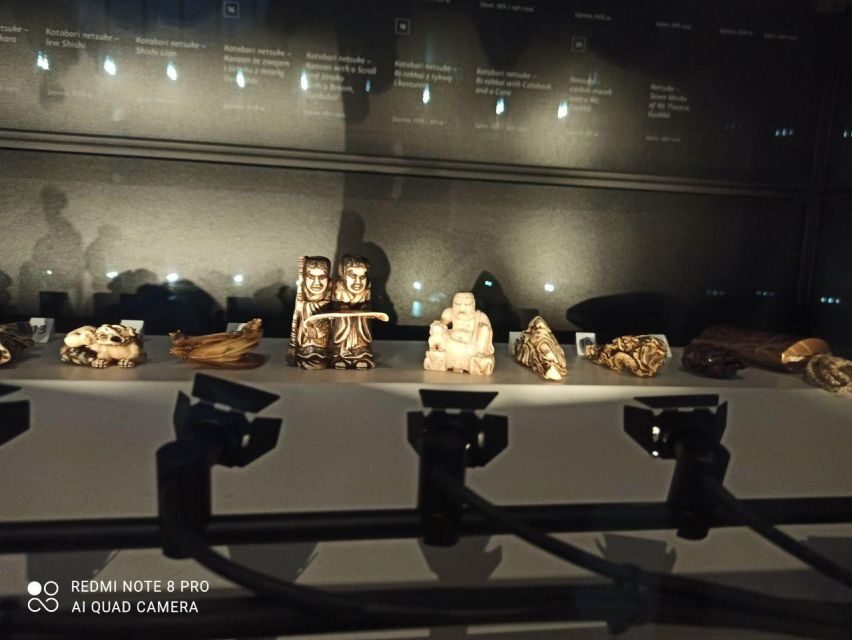
Throughout the galleries, look for major visual anchors. One standout specifically mentioned is the reconstructed synagogue ceiling. These kinds of features give you a physical sense of place—something your brain can hold onto when the story becomes complicated.
How Long You Need (and How to Avoid Museum Burnout)
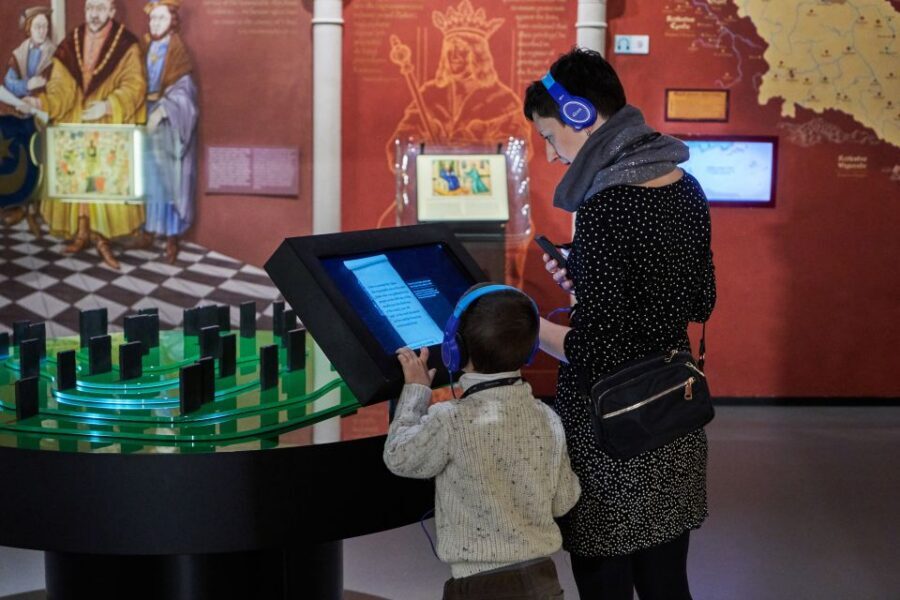
The museum’s estimated time for the core exhibition is about 2 hours, but you’ll see why that’s only a baseline. People reporting longer visits often did so because the exhibits are designed for self-paced reading and interaction.
Here’s a realistic guide:
- If you’re focused and move quickly, aim for 2 to 3 hours.
- If you want to actually absorb, read, and pause for installations, plan 4 hours or more.
- If you’re the type who watches every audio segment and keeps stopping to take in details, it’s easy to stretch to 5 hours or even longer.
A few comfort tips help with longer visits:
- Wear comfortable shoes. This museum can turn into a long walk even though it’s one building.
- There are places to sit and rest throughout, which helps you stay steady rather than exhausted.
- One reviewer mentioned times when the sound environment felt busy due to school groups. If you prefer quieter spaces, choose a slightly earlier time slot when possible.
Also, some people find the audio guide amazing while others feel distracted if they want to read wall text at the same time. My approach would be: use audio for the main narrative, then skim the labels, and only slow down when something catches your attention.
Lunch Break: Where to Reset Without Losing Time
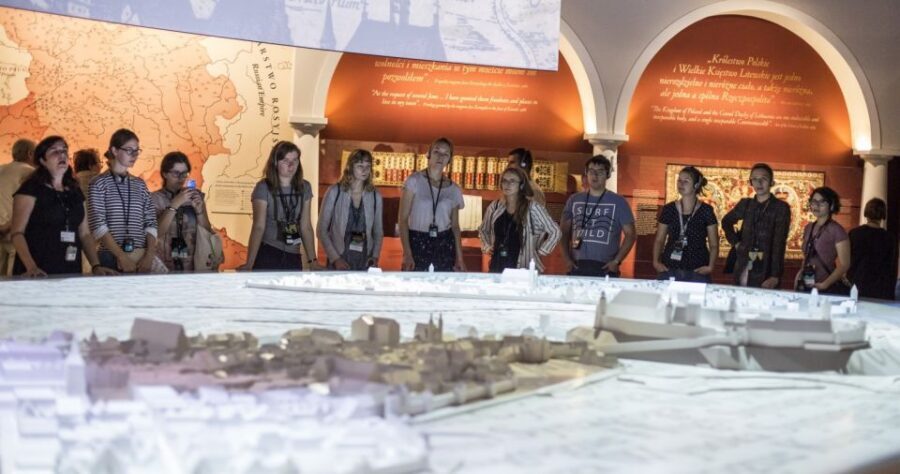
One underrated advantage: you can leave the museum to eat and then return the same day, as long as you still meet the closing entry rule. That’s a smart setup. After intense sections, you need your brain to cool off.
The on-site restaurant is described as cafeteria-style, with good quality food and generous portions. It sounds like a comfortable option when you don’t want to gamble on timing outside the museum.
If you’re planning for the full experience, lunch is not a detour. It’s part of finishing strong.
Accessibility and Practical Rules That Affect Planning
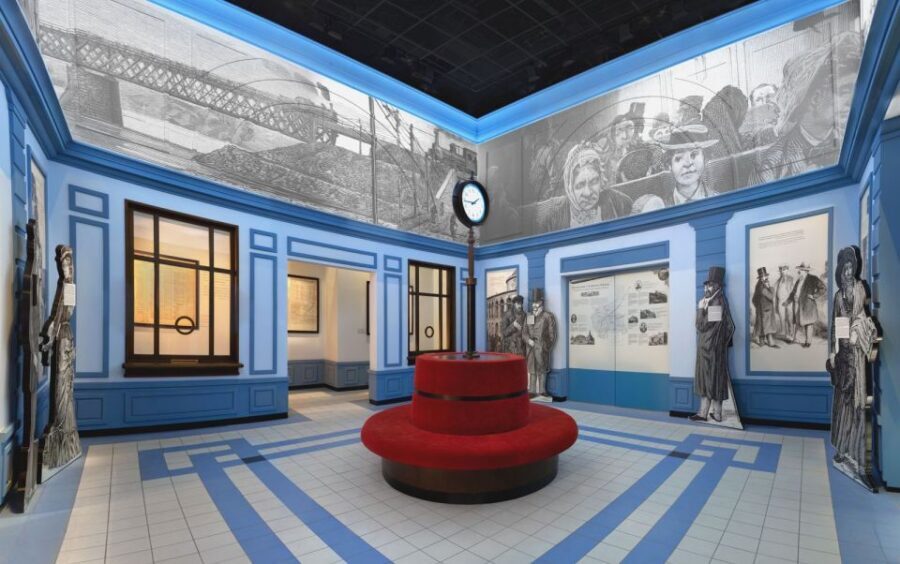
POLIN is wheelchair accessible, which is great to know before you go.
Two rules you should take seriously:
- Oversize luggage isn’t allowed. If you’re traveling with a big bag, plan how you’ll handle it so you don’t get stuck at the door.
- You must undergo electronic scanning before entering the core exhibition area.
And schedule-wise:
- The museum is closed on Tuesdays.
- The museum stops admitting guests 2 hours before closing, so you shouldn’t wait until the end of the day to start.
Who This Works Best For
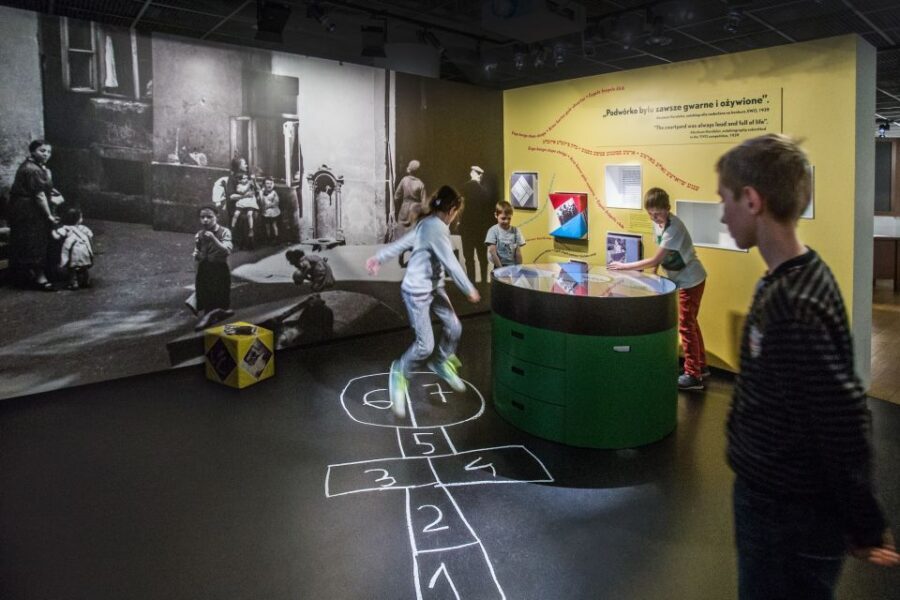
POLIN fits best if you like museums that teach through stories and objects—not just through timelines and posters. You’ll also appreciate it if you care about Polish history beyond politics headlines, because Jewish life is shown as a real part of the country’s social fabric.
It’s also a strong choice if you want to understand the Holocaust in context. The museum frames the catastrophe as something that hit an already complex and long-developed community life.
If you only want a short, single-topic visit focused purely on the Holocaust, you might find parts of the earlier timeline feel slower. But even then, you may still benefit from the context—because it changes how the later sections land.
Should You Book POLIN in Warsaw?
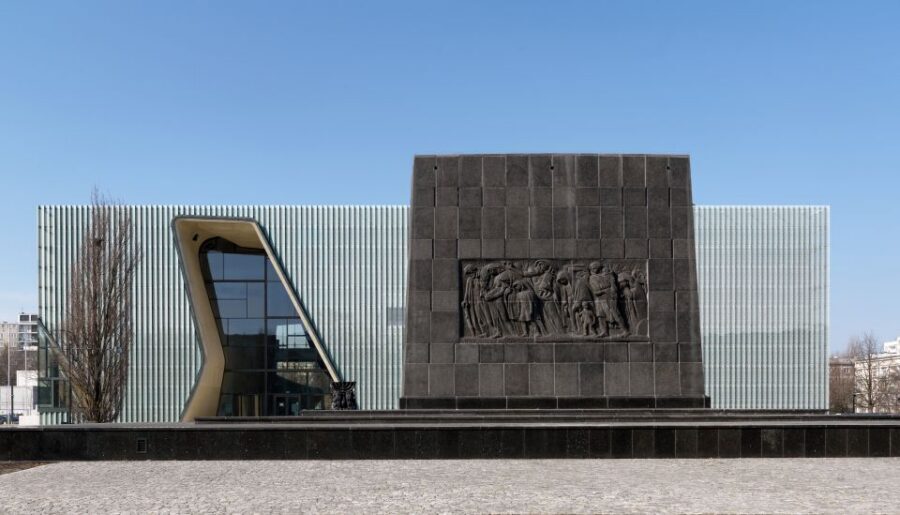
Yes, I think you should book POLIN if you can give it real time. For the price, the audio guide, and the design that helps you follow a complex 1,000-year story, the value is hard to beat.
Book it especially if:
- You want a museum that explains how life worked before catastrophe.
- You’re comfortable with emotionally heavy material and want context, not just shock.
- You like interactive exhibits that guide you without a scripted group tour.
Skip it or shorten your plan if:
- You’re strictly time-limited and can’t spare at least 2 to 3 hours.
- You’re mainly looking for a very narrow Holocaust-only experience.
Either way, do yourself a favor: choose a time slot that lets you enter comfortably, plan a lunch reset, and wear shoes you’ll still be happy in after a few hours. This place rewards a calm, steady pace.
FAQ
Is the POLIN museum ticket valid for more than one day?
No. Your ticket is valid for one day only. You can enter at your convenience that day, but admittance to the core exhibition closes 2 hours before closing.
How long should I plan to spend at the museum?
The core exhibition is estimated at 2 hours. Many visitors suggest 2 to 3 hours for a solid visit, and longer if you want to see everything and take your time.
What’s included with the $12 ticket?
Your ticket includes access to the permanent exhibition, access to a temporary exhibition (if available), and an audio guide.
Is a guided tour included?
No. A guided tour is not included.
What language is the audio guide available in?
The museum offers materials in Polish and English.
Do I need to go through security scanning before I enter the main exhibition?
Yes. Due to security restrictions, every guest must undergo electronic scanning before entering the core exhibition.
Can I leave the museum for lunch and return the same day?
Yes. You can leave to have lunch and return as long as it’s still within the same day.
Is the museum open every day?
No. POLIN is closed on Tuesdays.
Are there rules for luggage?
Oversize luggage is not allowed, due to security and museum regulations.
Are young children allowed, and do they pay?
Children aged 7 or younger may enter for free. Children 12 or younger must be supervised by an adult at all times.