REVIEW · WARSAW
Secrets of Warsaw 4-hour Bike Tour
Book on GetYourGuide →Operated by Station Warsaw · Bookable on GetYourGuide
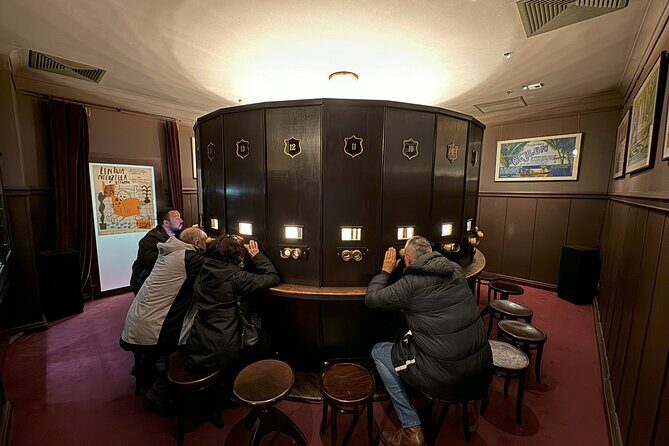
Warsaw changes when you pedal off the main routes. I like that this tour mixes pre-war backstories with quick hits of modern skyline, so the city feels layered in a way you miss on foot. The standout for me is the stop at the Warsaw Fotoplastikon, which turns history into something you can actually watch.
I also like the variety of settings: parks, river life, and architectural contrasts packed into a ride that still feels fun. If your guide is Marcin, you’ll likely get a steady flow of context plus humor that makes the serious parts easier to hold in your head.
One drawback to plan for: you’re on a bike for the full 210 minutes, so this is not the time for casual wobbling. You’ll want to dress for weather and be ready to follow bicycle road rules, since the guide can refuse anyone who isn’t fit to ride safely.
In This Review
- Key highlights that make this tour worth it
- A 3.5-hour Warsaw bike tour where old and new share the same road
- Price and what you actually get for $57
- Where you start near Old Town (and how to not waste time)
- Krasiński Park to Stare Nalewki: the pre-war mood begins fast
- Bank Square, Lubomirski Palace, and Congress Hall: quick stops that add meaning
- Fotoplastikon: the best reason to choose this specific tour
- Skyscrapers and the seat of government: Centrum Bankowo Finansowe to the Sejm
- Over Świętokrzyski Bridge and toward the National Stadium
- Skaryszewski Park and the lake pause: nature time without going off-plan
- E. Wedel chocolate factory break: a sweet reset that’s still part of the story
- Brzeska to Port Praski: riverfront energy and city beach time
- Metropolitan Cathedral of Saint Mary Magdalene and into Praga
- Most Na Prage: the skyline payoff from the newest bridge
- Who should book Secrets of Warsaw (and who should skip it)
- Should you book this tour?
- FAQ
- How long is the Secrets of Warsaw 4-hour Bike Tour?
- What is included in the price?
- Where does the tour meet?
- Is the tour guided in English?
- Is this tour suitable for children?
- Are food and drinks included?
- Can I bring my own bike or ride if I am not confident?
- What rules are there about alcohol and drugs?
Key highlights that make this tour worth it
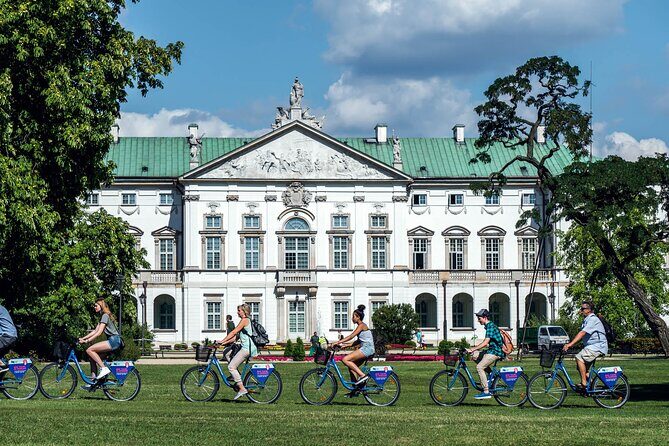
- Fotoplastikon ticket included: a real “time machine” stop, not just another photo break
- Old Town meeting point, easy to find: near Sigismund’s Column and close to the Royal Castle Square area
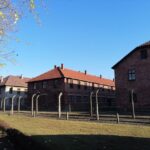
- Off-beat stories in the Jewish district area: you’re guided through places tied to pre-war Warsaw memories
- Parks and riverfront in one loop: Krasiński Park, Skaryszewski Park, and Port Praski give you real breathing space
- Bridge-and-skyline payoff: the newest bridge view brings old Warsaw and the modern river city together
- A guide who keeps going: even bad weather or a flat tire won’t automatically derail the tour
A 3.5-hour Warsaw bike tour where old and new share the same road
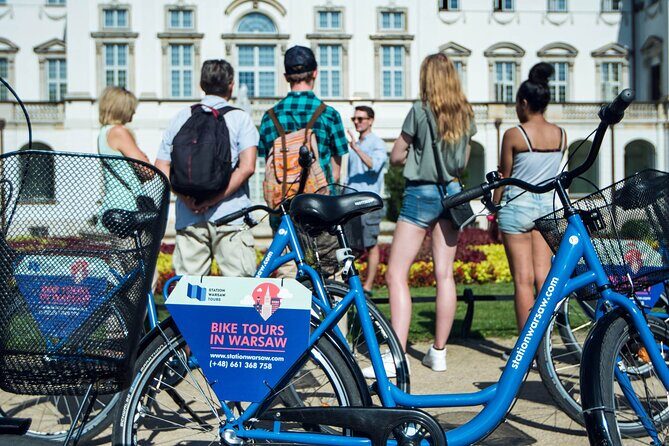
This is the kind of Warsaw experience that’s hard to recreate on your own because it’s not just about seeing famous spots. You’re riding between them fast enough to keep momentum, but with enough stops to make the stories land.
The big idea is contrast. You’ll go from reminders of pre-war neighborhoods and WWII-era memory to the feel of modern Warsaw with skyscrapers and government buildings. Then you get a payoff along the Vistula River, where the city’s new public spaces show up as clearly as its historic edges.
And yes, it’s a bike tour—so the pace is active, not museum-slow. The tour runs 210 minutes (about three and a half hours), so it fits nicely between longer walking plans without turning your day into a marathon.
You can also read our reviews of more cycling tours in Warsaw
Price and what you actually get for $57
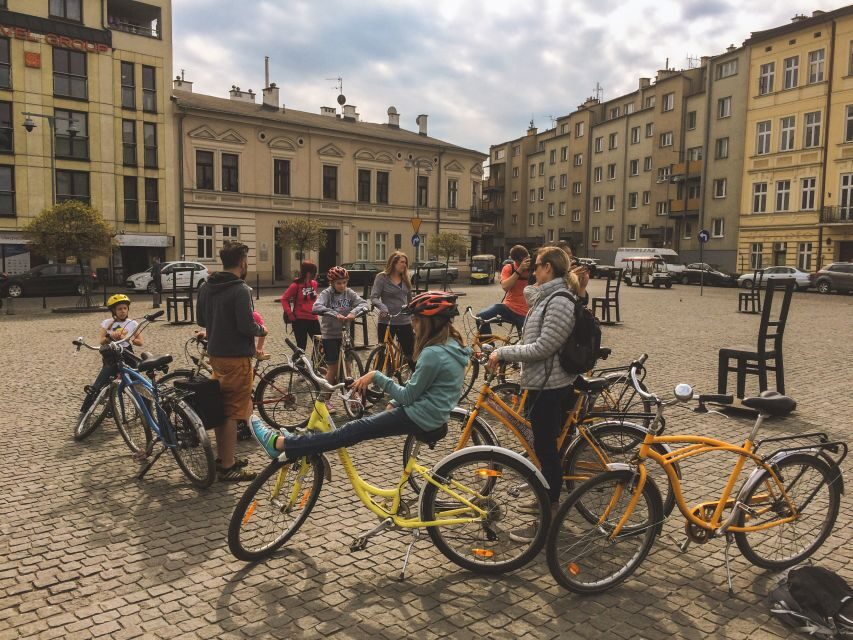
At $57 per person, the value is mostly in what’s included. You’re getting bike rental, an English live guide, and the Fotoplastikon ticket. If you’d otherwise rent a bike and buy that entry separately, the price starts to look fair fast.
What’s not included matters too: there’s no refreshments stop baked in, and snacks aren’t included. There is a chocolate factory break, but plan on that as a meal-ish pause you pay for yourself if you want more than just a quick sugar hit.
If weather is bad, you’ll also want to be ready for the reality that rain gear costs extra (a poncho is available for a small fee). If you hate getting damp, bring a light waterproof layer from home and let the poncho option be your backup.
Where you start near Old Town (and how to not waste time)
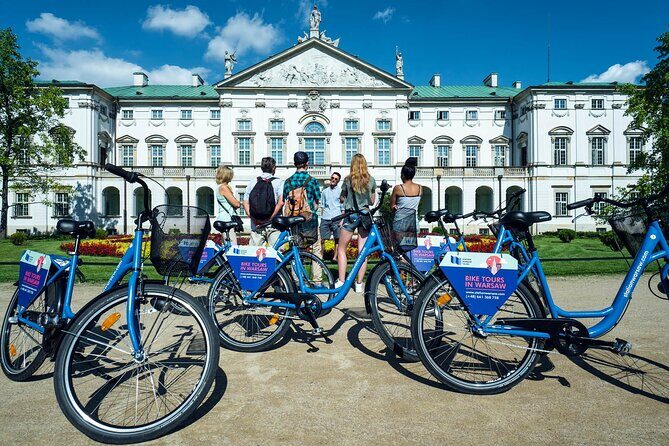
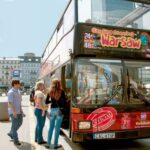
You’ll meet at 16/18 Koźla Street, about a kilometer from Sigismund’s Column in the Old Town near the Royal Castle Square area. The nearest metro station is Metro Ratusz Arsenał, roughly 1.2 km away.
I’d plan to arrive a few minutes early. Not because you’ll be waiting long, but because Warsaw’s streets can feel a bit twisty before you get your bearings on a bike.
Also, this tour needs you ready to ride. You’ll confirm you can cycle, and the guide can refuse participation if you seem unsafe or unwilling to follow bike rules. That’s not just formality—it’s how the tour stays smooth for everyone.
Krasiński Park to Stare Nalewki: the pre-war mood begins fast
The tour’s story starts right away after the meeting. You roll out from the Krasiński Park area and then head into the Stare Nalewki part of town, with Bank Square nearby on the route.
This is where the tour leans into the idea of Warsaw’s “before” moments. You’re not only passing streets—you’re getting guided context for what you’re seeing, including reminders tied to the lost Jewish district. Even if you’ve studied Warsaw before, the bike pace helps you feel how neighborhoods connect.
The practical part: this is a short ride segment (about 10 minutes here), so it’s not exhausting. It’s more like warming up your eyes—learning what to look for before you move into the longer, more scenic sections.
Bank Square, Lubomirski Palace, and Congress Hall: quick stops that add meaning
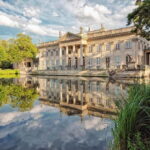
From Bank Square, you continue on to Lubomirski Palace, then Congress Hall. Each is a brief stop (around 10 minutes of riding/pausing around the site), but the point isn’t to linger like a guided museum.
Instead, the guide’s job is to tie the buildings to the city’s storyline: who shaped Warsaw, what changed, and what kind of power and identity gets written into architecture. When you only have minutes, you learn to look at details that you would normally walk right past.
The minor drawback? If you’re the type who loves long, slow sightseeing, you might wish you had more time here. But that trade-off is exactly what makes the tour fit 3.5 hours without feeling rushed overall.

Fotoplastikon: the best reason to choose this specific tour
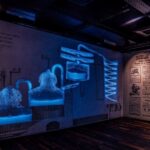
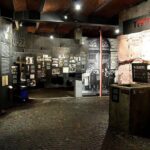
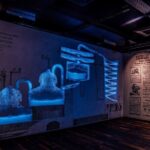
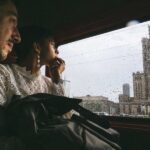
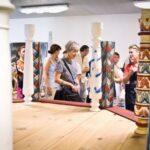
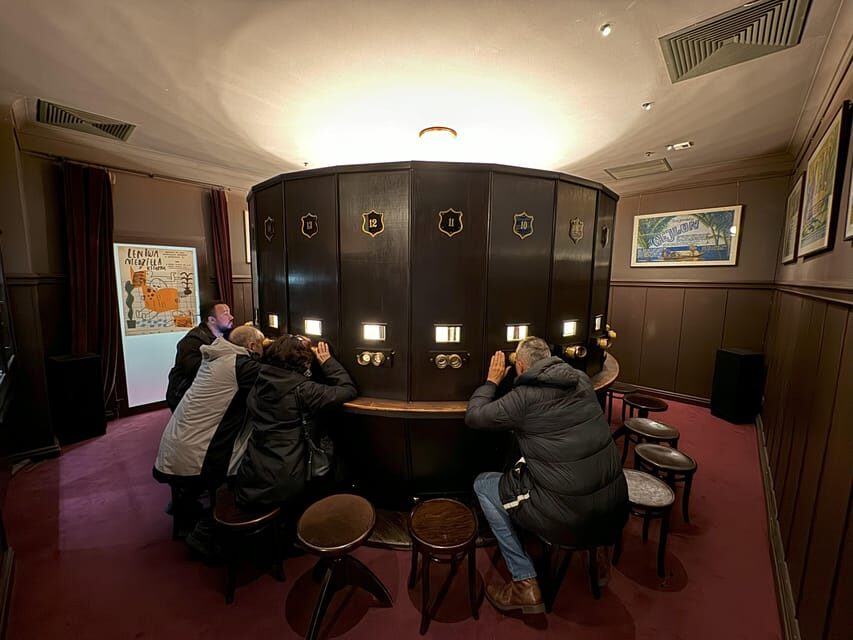
The Warsaw Fotoplastikon stop is the centerpiece. It’s built as a kind of “time machine” and the tour gives it a full 30 minutes, including time to visit.
This is one of those experiences that works even if you’re not a museum person. You’re not reading a plaque—you’re watching pre-war Warsaw come back to life. The result is memorable because it turns history into something visual and immediate.
Practical tip: this is an indoor-ish experience compared with open-air riding, so if you’ve layered up for weather, pay attention to whether you’ll need to adjust your clothing before you get back on the bike.
If you want a single moment that makes the rest of the ride make more sense, this is it.
Skyscrapers and the seat of government: Centrum Bankowo Finansowe to the Sejm
After Fotoplastikon, you move into central Warsaw energy. You’ll bike past Centrum Bankowo Finansowe, then reach Sejm of the Republic of Poland.
These stops matter because they show Warsaw’s modern face sitting beside older political gravity. It’s an easy shift to make by bike: you can go from imagery and stories about the past to the buildings that represent today’s institutions without changing neighborhoods all day.
Along the way you’ll also pass Otwarty Jazdów and a major sight: the John III Sobieski Monument. These are also quick segments (typically 10 minutes of riding/pausing), but they break the route into chunks so you don’t just keep moving and forget what you’re looking at.
If you’re photographing, this area is strong for skyline and architectural shots. If it’s windy, keep a firm grip and remember: bike photo stops should be quick, not chaotic.
Over Świętokrzyski Bridge and toward the National Stadium
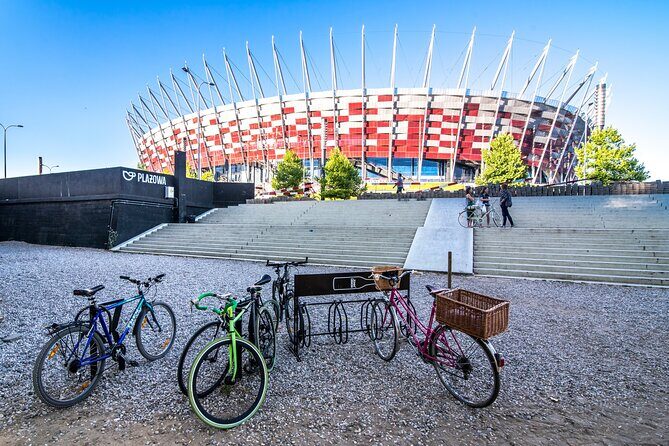
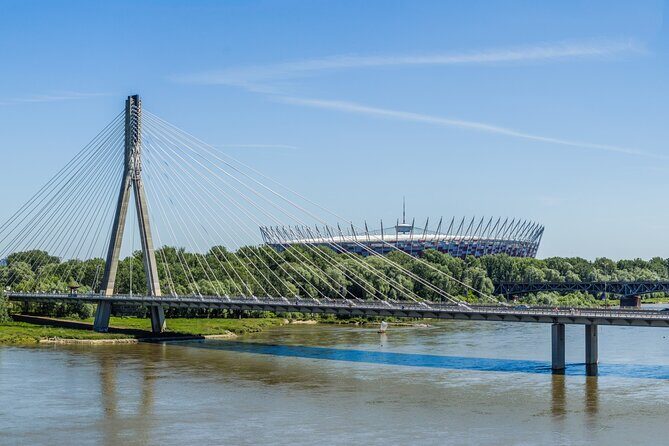
Then comes the river crossing: Świętokrzyski Bridge, followed by Poniatowka and a stretch toward PGE Narodowy.
This is where Warsaw starts to open up visually. The ride creates that classic “now I see why the river matters” feeling because the Vistula isn’t just scenery here—it shapes where people gather and how the city presents itself.
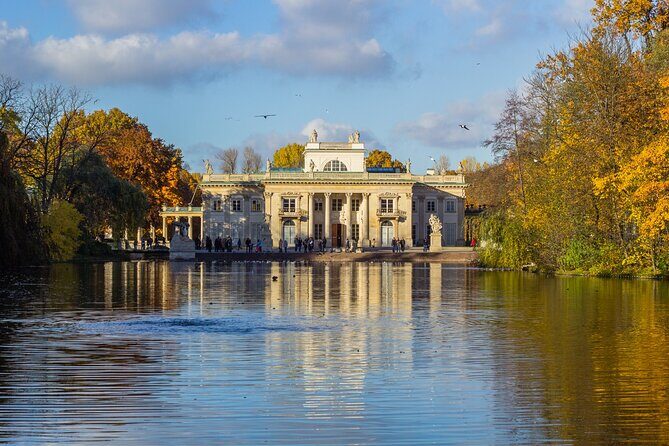
The tour also includes time in Royal Łazienki Park around this phase (so even though not every stop is named on the street, you’ll get that park rhythm). Parks on a bike tour hit differently than parks on foot—you cover distance, but you still feel the shift in air, shade, and mood.
A plus: the National Stadium area gives you a sense of scale. A consideration: if you prefer quiet streets, you may find parts of this zone busier than the park sections.
Skaryszewski Park and the lake pause: nature time without going off-plan
Next up is Skaryszewski Park, the tour’s long nature moment. It’s the second-largest park in the city, and the ride time here gives you a chance to breathe between the city’s big landmarks.
The tour includes time around the park’s lake, which gives you a visual break from buildings and road lines. I like these moments because they reset your focus: after talking history and politics, your brain gets a reset before the ride turns back toward the river.
The practical angle: park riding can be smoother, but check your tires after any pothole-heavy road segments earlier in the loop. Bikes do fine, but Warsaw streets can surprise you.
E. Wedel chocolate factory break: a sweet reset that’s still part of the story
You’ll stop at E. Wedel for a 30-minute break. This isn’t just a snack stop. Wedel is described as Poland’s oldest chocolate factory, so the brand becomes another thread tying “Warsaw identity” together—food as culture.
You’ve got time here to sit, regroup, and decide whether you want something more than a quick bite. I think the best way to use this break is simple: drink something, check your gear, and enjoy the pause before the ride heats back up toward Praga.
If you hate making choices under time pressure, this stop is a good one because the tour doesn’t keep you moving every few minutes.
Brzeska to Port Praski: riverfront energy and city beach time
After the Wedel break you head through Brzeska, then toward Port Praski—the river area that brings back the “Warsaw along the water” vibe.
Here’s where the tour leans into the living city. You get that sense of a place where people hang out outdoors, with the riverbanks and a lively beach atmosphere part of the experience.
This section is also valuable because it transitions you from park calm to urban motion without flipping the day’s tone. It feels like a natural third act rather than a random detour.
Metropolitan Cathedral of Saint Mary Magdalene and into Praga
Then you pass Metropolitan Cathedral of Saint Mary Magdalene and move deeper into the area associated with Praga.
Praga is known in the tour’s framing for mystery and creative energy, and the ride through this part of the city is meant to feel more like authentic local Warsaw than postcard Warsaw. Even with only a brief stop here, the guide’s storytelling helps you notice what you might otherwise miss—how the city’s edges tell their own story.
If you like neighborhoods more than monuments, this is one of the parts you’ll likely remember.
Most Na Prage: the skyline payoff from the newest bridge
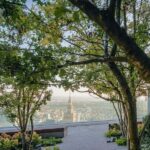
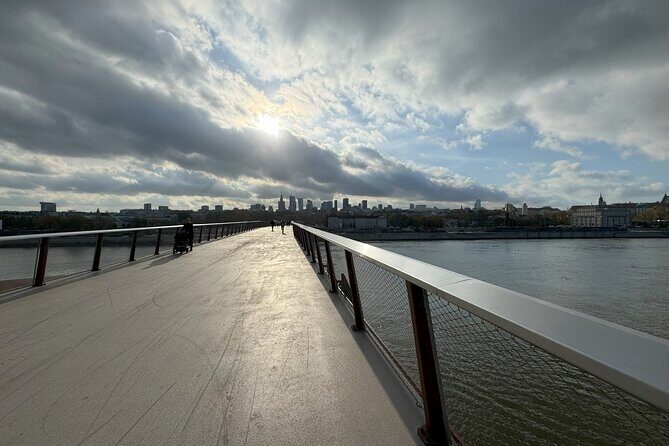
The tour ends with big views from Most Na Prage (the newest bridge on this route). This is the moment where the ride’s contrasts pay off: skyline, river, and old-and-new Warsaw all sharing the same frame.
I love how bike routes can create view “reveals” that walking routes often can’t. You crest, turn, and suddenly the city opens out—then you glide into the finish back toward Station Warsaw Tours.
If it’s clear weather, this is a prime time for photos. If it’s gray or windy, the view still works, but you’ll want to keep your hands steady and your camera ready.
Who should book Secrets of Warsaw (and who should skip it)
This is a great fit for you if you want:
- a guided mix of history and modern Warsaw
- a bike-friendly way to reach multiple districts without planning
- a must-do stop like Fotoplastikon without spending extra ticket time searching
Skip it if:
- you aren’t comfortable riding a bike for a 210-minute tour
- you’re traveling with kids under 10 (this tour isn’t suitable for them)
- you want a slower, museum-first day with lots of free time
It’s also not for you if you’re planning to drink during the day. Alcohol and drugs aren’t allowed, and the guide may refuse participation if you seem unfit to cycle.
Should you book this tour?
If your goal is to understand Warsaw as a city of layers—pre-war to WWII memory to today’s skyline—this tour is a strong choice. The combination of bike travel, park time, riverfront atmosphere, and a real attraction stop at Fotoplastikon makes it more than just a scenic spin.
I’d book it when you want structure but still feel like you’re moving like a local. If you’re the type who likes long pauses, then pair it with a separate half-day for deeper walking.
Either way, come ready to ride, bring weather protection, and let the route do the work of showing you Warsaw’s contrasts in one smooth circuit.
FAQ
How long is the Secrets of Warsaw 4-hour Bike Tour?
The tour duration is 210 minutes (about 3.5 hours).
What is included in the price?
Bike rental, an English local guide, and a ticket to the Warsaw Fotoplastikon are included.
Where does the tour meet?
The meeting point is 16/18 Koźla Street, about 1 km from Sigismund’s Column in the Old Town near the Royal Castle Square. The nearest metro station is Metro Ratusz Arsenał (about 1.2 km away).
Is the tour guided in English?
Yes, the live tour guide speaks English.
Is this tour suitable for children?
No. It is not suitable for children under 10.
Are food and drinks included?
No. Refreshments along the way are not included.
Can I bring my own bike or ride if I am not confident?
The participant must confirm they can ride a bicycle. If the guide considers you unfit to cycle for safety reasons, you may be refused participation, and that refusal is not grounds for a refund.
What rules are there about alcohol and drugs?
Alcohol and drugs are not allowed. Drinking alcohol just before or during the tour is forbidden.