REVIEW · WARSAW
Life Behind the Iron Curtain Warsaw Walking Tour
Book on Viator →Operated by Warsaw UnDiscovered · Bookable on Viator
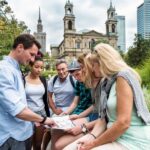
Warsaw hides communist clues in plain sight. This walking tour gives you a small group experience (up to 10 people) plus family-told stories from guides such as Olivia and Agnieszka, so the Polish People’s Republic feels real, not textbook. In about 2 hours 30 minutes, you’ll connect major buildings and street scenes to how everyday life worked under communism.
The main drawback is physical: it’s not recommended if walking long distances is difficult. Also, the stop at the Palace of Culture and Science ends at the building, and the viewing terrace costs 28 PLN extra.
In This Review
- Quick hits before you go
- A practical way to read Warsaw’s communist-era street plan
- Constitution Square and the planned city center idea
- Marszałkowska Street: where parades and marches belonged
- The Ministry of Agriculture building and socialist realism in plain terms
- Mysia 3 and the Free Speech Memorial: censorship and espionage
- Nowy Świat 6/12 and the Communist Party HQ context
- Cedet and the Central Department Store problem: buying everyday things
- Warsaw Central Railway Station: local and international travel under communism
- Palace of Culture and Science: the ending, the symbolism, and the terrace fee
- Guides like Olivia and Agnieszka make the era feel close
- Price and value: what $28.57 buys you in a 2.5-hour walk
- Who should book this Warsaw Iron Curtain walking tour
- Should you book this Life Behind the Iron Curtain Warsaw tour?
- FAQ
- How long is the Life Behind the Iron Curtain Warsaw Walking Tour?
- What language is the tour offered in?
- What does the ticket include?
- Where does the tour start?
- Where does the tour end?
- Is admission included for the Palace of Culture and Science terrace?
- Is the rest of the tour’s admission included?
- How many people are in the group?
- Is the tour suitable if I have walking difficulties?
- Is free cancellation available?
Quick hits before you go
- Max 10 travelers for a tighter, question-friendly walk.
- English mobile ticket plus a pre-tour info pack with useful links and recommendations.
- Socialist realism explained on the spot at the Ministry of Agriculture building.
- Censorship and espionage at Mysia 3, tied to the Free Speech Memorial.
- Former command-and-control sites like Nowy Świat 6/12 and the Communist Party HQ context.
- Everyday life themes, from shopping hassles to how train travel worked.
A practical way to read Warsaw’s communist-era street plan
If you only visit Warsaw’s museums, you miss a big part of the message. This tour teaches you how to read the city the way people had to: by noticing where power sat, how movement worked, and what everyday errands felt like.
What I like most is that the walk is structured around specific places, not vague themes. You start at Constitution Square and work your way through the city’s big arteries and institutions, ending at the Palace of Culture and Science—symbolic, controversial, and impossible to ignore once you know what to look for.
One smart extra: you get a full info pack before you go (FAQ, useful links, and more), plus visual aids. That makes the tour easier to follow, even if you’re new to Polish history.
You can also read our reviews of more walking tours in Warsaw

Constitution Square and the planned city center idea
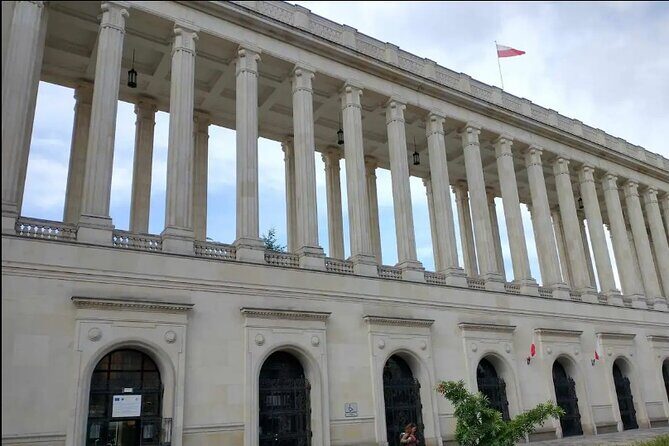
You meet at Plac Konstytucji (Constitution Square). This is a fitting starting point because it sets the story of a planned political image—where the Polish People’s Republic wanted its new “center” to be.
The stop is about 20 minutes, and it’s more than a photo moment. You’ll be guided through how this space was intended to matter, and you’ll learn what it represents in the wider urban design of the era. It’s the kind of beginning that helps you stop thinking of Warsaw as only “old vs. new” and start thinking “designed messaging.”
Practical tip: arrive a few minutes early so you can get your bearings fast at the square before the walk starts.
Marszałkowska Street: where parades and marches belonged
From Constitution Square, you move along Marszałkowska Street, a wide thoroughfare built for political display. You’ll spend about 20 minutes here, looking at the kind of scale and street rhythm that fit parades and marches.
This is where the tour’s big value shows up: it connects the physical width of a street to how power wanted to be seen. Even if you’re not studying architecture, you start spotting how the city’s layout shaped behavior—movement, crowding, and attention.
If you like walking tours that help you understand “why a place is built that way,” this stretch delivers. And if you’re more sensitive to heavy topics, keep in mind this part sets the tone: the era here is political first, everyday second.
The Ministry of Agriculture building and socialist realism in plain terms
Next is the Ministry of Agriculture and Rural Development building, with about 15 minutes on site. You’ll learn why this building is a strong example of socialist realism, and you’ll hear what characterizes the style and why buildings were made this way.
The key is that you’re not just told a label. You’re shown how style can function like policy—how architecture can communicate authority, certainty, and a worldview. It’s a good stop for visual learners, because the guide’s explanation is tied to what you can actually see.
This is also a nice pacing shift. The tour moves from public space to institutional space, and that helps you understand the hierarchy: where politics performed in public, and where it operated behind doors.
Mysia 3 and the Free Speech Memorial: censorship and espionage
On Mysia Street, you reach one of the tour’s most emotionally charged moments: the Free Speech Memorial stop at Mysia 3. You’ll spend around 20 minutes here, talking about censorship and espionage.
This part isn’t handled lightly. The point is to show how surveillance and control weren’t abstract concepts—they affected communication, safety, and trust. You’ll also hear stories that bring it closer to real life, and in particular, guides like Olivia have a reputation for connecting the topic to personal or family experiences, which helps the history land.
Possible consideration: expect the subject matter to feel serious. If you prefer tours that stay strictly “what happened, then facts,” this may feel heavier than you want. But if you’re trying to understand Poland as it is today, this is the kind of context that makes the rest click.

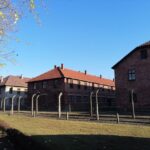
Nowy Świat 6/12 and the Communist Party HQ context
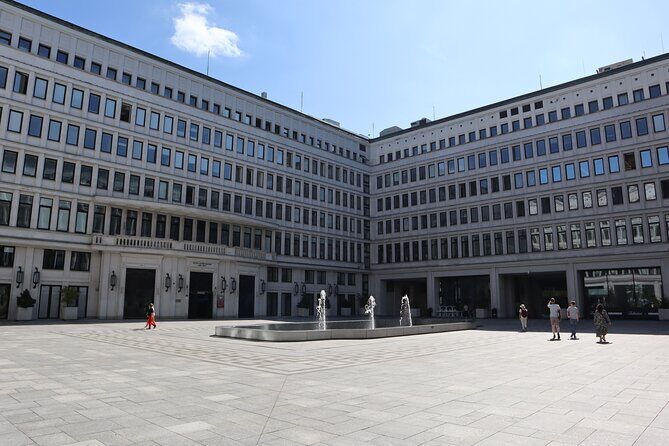
At Nowy Świat 6/12, the tour focuses on how the country was managed during the Polish People’s Republic. Around 15 minutes here, you’ll learn why this building matters: it housed the Communist Party HQ context for governing at the highest level.
This stop is powerful because it reverses the usual tourist habit of seeing buildings as scenery. Instead, you’re asked to see them as command centers—places where decisions moved from paperwork to people’s lives.
I also like that the tour keeps tying “big power” back to the city’s everyday flow. You’re not stuck thinking only about leaders and institutions. You’re seeing how power had a physical address, and how that address sat within the urban map you’re walking.
Cedet and the Central Department Store problem: buying everyday things
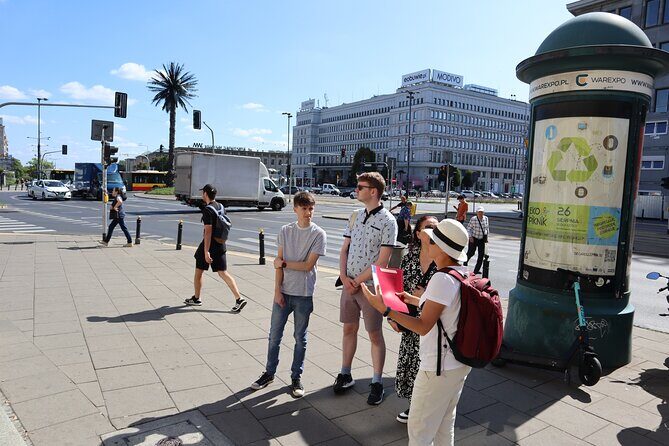
Next comes the Central Department Store Cedet. This is about one of the hardest aspects of life in the Polish People’s Republic: how difficult it could be to buy everyday items.
You’ll stand in front of the former store for about 15 minutes, and you’ll learn why everyday shopping was such a challenge. The tour frames this as more than inconvenience—it connects shortages and systems to how people had to plan, wait, and adapt.
This is a great stop if you want the tour to explain not just politics, but daily routines. It also makes your later conversations in Warsaw more grounded. Instead of just asking what changed after communism, you can ask what people had to live with before change.
Warsaw Central Railway Station: local and international travel under communism
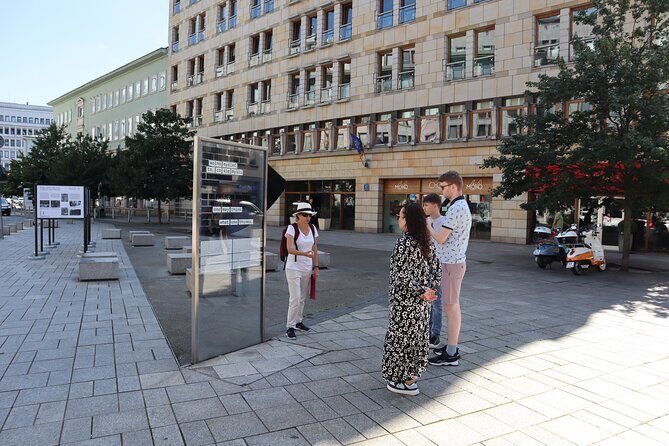
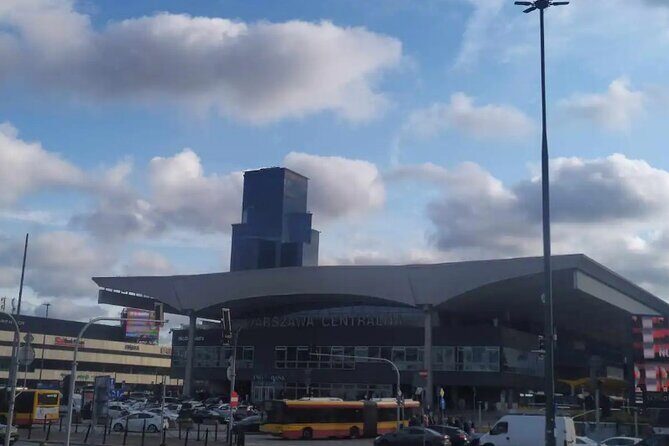
Then you look at Warsaw Central Railway Station and Downtown Railway Station, with about 15 minutes for this part of the walk. The guide focuses on local, regional, and international travel in those times.
Rail matters because it’s both practical and symbolic. A station is where people go for work, family visits, and travel beyond the city, and that makes it a useful lens on freedom and movement during the era.
For many people, the most valuable part here is comparison. When you understand how travel routes and access worked, you understand more about what everyday life felt like—and what it meant to go somewhere else.
Palace of Culture and Science: the ending, the symbolism, and the terrace fee
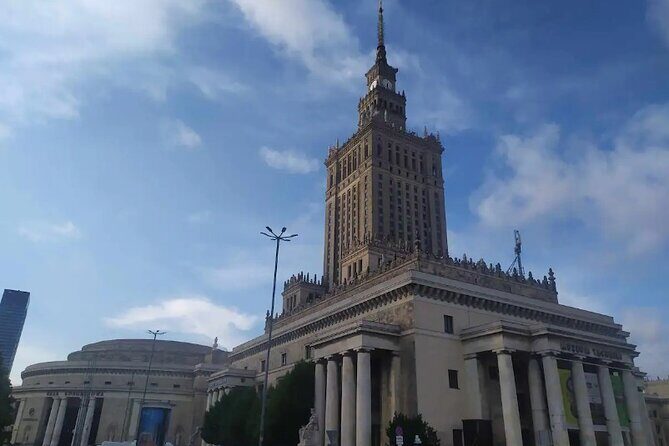
The tour finishes at the Palace of Culture and Science area, with about 30 minutes in the final stretch. The building is treated as symbolic yet controversial, and you’ll get the key facts you need to make sense of it.
Important practical detail: the viewing terrace entry fee is not included. If you want the terrace, plan on paying 28 PLN. This matters for budgeting, because that last stop is often where people decide to spend a bit more time looking out over the city.
This is also the perfect ending point. You’ve spent the walk learning how different sites worked—public squares for display, institutions for control, and memorials for repression. Then you end at a building people still argue about, so your understanding of the era doesn’t feel locked in the past.
Guides like Olivia and Agnieszka make the era feel close
The tour’s strongest ingredient isn’t just where you go. It’s how the guide explains what those places meant.
In the guides’ style, there’s a clear pattern: they use easy storytelling, real-life accounts, and references to what people could miss on their own. Olivia, for example, has a reputation for sharing family history passed down from parents and grandparents, and for pointing out street and building signs that tourists often overlook. Agnieszka also gets praise for cheerful delivery and lots of city-specific knowledge, with stories that help the period feel lived-in rather than distant.
You’ll likely come away with a set of mental notes you can reuse after the tour: what to look for, what questions to ask, and how to connect the Polish People’s Republic era to Warsaw you see today.
Price and value: what $28.57 buys you in a 2.5-hour walk
At $28.57 per person for about 2 hours 30 minutes, this sits in the affordable end for an organized walking tour. The price also includes things that often get forgotten in cheap tours: a full info pack before you go, visual aids, and recommendations for more places to visit and places to eat or drink.
The value equation becomes even better because the walk focuses on multiple major sites, all with free admission at each stop except the optional terrace. For many travelers, the real cost is time and attention—and this tour is designed to use both efficiently.
Two smart budget thoughts:
- If you want the Palace of Culture terrace view, add 28 PLN.
- Wear shoes that can handle a few blocks comfortably, since this is a walking-focused experience.
Who should book this Warsaw Iron Curtain walking tour
This is a good match if you want history you can see. You’ll get the most out of it if you like understanding the logic of a city—where power was placed, how it moved people, and how control shaped daily life.
It’s also a strong pick if you’re comparing communist-era experiences across Europe. The way the tour frames different systems can help you notice similarities and differences instead of lumping everything together.
You might want to skip it—or choose another format—if walking long distances is a problem for you. The tour is short enough for many people, but it still requires steady movement.
Should you book this Life Behind the Iron Curtain Warsaw tour?
Yes, if you want a focused, city-reading walk that connects architecture and street scenes to real daily life under communism. At a small group size, in English, with a pre-tour info pack and visual aids, it’s an efficient way to get context before you wander on your own.
Book it especially if you care about the human side of history: censorship, espionage, and how ordinary shopping and travel felt. If that doesn’t interest you—or if you can’t manage walking—then you may be happier with a different kind of Warsaw tour.
FAQ
How long is the Life Behind the Iron Curtain Warsaw Walking Tour?
It’s about 2 hours 30 minutes.
What language is the tour offered in?
The tour is offered in English.
What does the ticket include?
You get a full info pack about Warsaw prior to your tour (FAQ, useful links, and more), visual aids, and recommendations about more places to visit and where to eat and drink.
Where does the tour start?
It starts at Constitution Square (Plac Konstytucji), 00-647 Warszawa, Poland.
Where does the tour end?
It ends near the Palace of Culture and Science area, close to Emilii Plater 54, 00-901 Warszawa, Poland.
Is admission included for the Palace of Culture and Science terrace?
No. The viewing terrace entry fee is not included and costs 28 PLN.
Is the rest of the tour’s admission included?
The other listed stops show admission ticket free.
How many people are in the group?
The tour has a maximum of 10 travelers.
Is the tour suitable if I have walking difficulties?
Most travelers can participate, but it is not recommended for travelers who have problems with walking long distances.
Is free cancellation available?
Yes. You can cancel up to 24 hours in advance for a full refund.