REVIEW · WARSAW
Warsaw Old Town Guided Tour with Antek & Friends | small groups
Book on Viator →Operated by Walking Poland | Warsaw · Bookable on Viator
Old Town reads like a living timeline. I like the way the tour kicks off at Sigismund’s Column, using it to explain how Warsaw became Poland’s capital. I also love the Royal Gardens stop, which gives you a riverside view of the Castle’s main façade after a 2020 revitalization.
One thing to plan for: this walk includes some weighty subject matter. The route moves from photogenic streets into the ghetto boundary markers and ends at the Warsaw Uprising Monument, so come with a calm mindset and comfy shoes.
In This Review
- Key points you’ll feel on the ground
- Getting your bearings: Sigismund’s Column and the Warsaw identity story
- Krakowskie Przedmiescie: the Royal Route context you’ll carry all day
- The Royal Castle: where kings ruled and a parliament once met
- Royal Gardens after 2020: the view most people skip
- Rynek Starego Miasta: UNESCO square, rebuilding after WWII, and the Mermaid
- Marie Sklodowska-Curie birth house: a quick stop with serious cultural weight
- Warsaw Ghetto boundary markers: Jewish heritage and the realities of history
- Warsaw Uprising Monument: why the tour ends where it does
- Price and value: what you’re really paying for
- Who should book this guided walk (and who might prefer a different plan)
- Should you book Warsaw Old Town Guided Tour with Antek & Friends?
- FAQ
- Where does the tour start?
- Where does the tour end?
- How long is the walking tour?
- Is the tour offered in English?
- Do you need to buy tickets for the stops?
- How many people are in the group?
- How does the pay-what-you-wish part work?
- Can you cancel and get a full refund?
Key points you’ll feel on the ground
- Small groups, capped at 20, led by Antek and friends (an easier pace to ask questions).
- English guidance plus a mobile ticket, so you’re not hunting for paper.
- Ticket-free admissions at each stop, meaning you’re paying for the guided experience, not entrance fees.
- Royal Castle + Royal Gardens with a clear view toward the main façade and a special emphasis on the gardens.
- Old Town charm paired with context, from the reconstructed UNESCO square to ghetto and Holocaust-related learning points.
- Ends at the Uprising Monument, so the story of Warsaw lands where it matters.
Getting your bearings: Sigismund’s Column and the Warsaw identity story
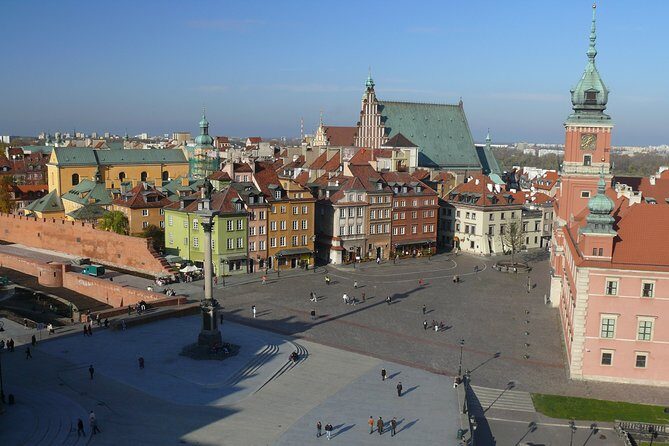
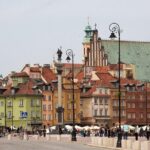
You start at Sigismund’s Column in Castle Square (Plac Zamkowy). It’s a strong start because it’s not just a photo moment; the guide uses this spot to frame the big idea: how Warsaw became Poland’s capital and the two storylines that shape the city’s identity. That’s the trick with good urban tours. Instead of showing you landmarks one by one, you get a mental map for what those landmarks are trying to tell you.
The timing is short (about 15 minutes), but it sets the tone for everything that follows. If you usually get lost in Old Town crowds, this kind of “first chapter” help matters. You’ll know what to look for as you walk onward.
Practical note: since the tour begins in a central historic area, you’ll likely find it easy to connect public transport to the meeting point. It also helps that the guide’s pacing is built for a two-hour loop, not a half-day endurance hike.
You can also read our reviews of more guided tours in Warsaw



Krakowskie Przedmiescie: the Royal Route context you’ll carry all day
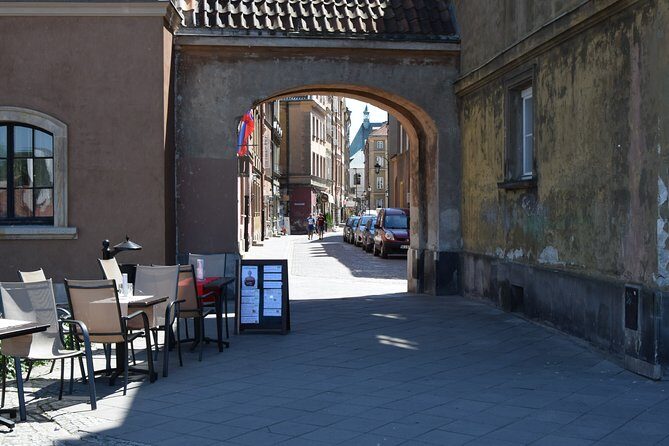
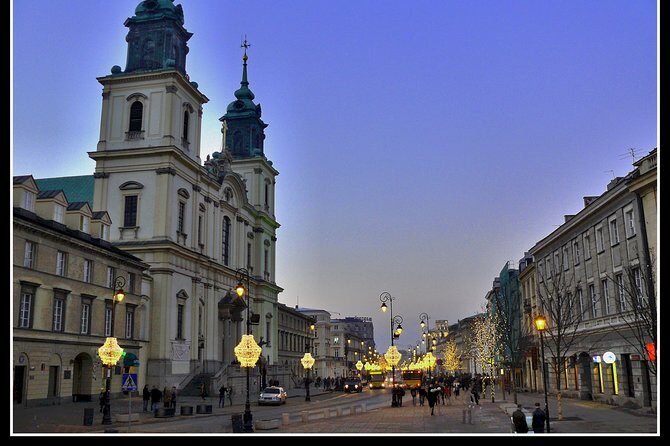
This is a walk that treats Warsaw’s main corridors like more than scenery. One highlight calls out Krakowskie Przedmiescie (The Royal Route), and the way the tour is structured suggests you’ll see this axis as part of the story of power, place, and national identity.
When I’m looking for a walking tour, I want something that gives me a reason to pay attention at street level. This is one of those tours. Instead of saying, Nice buildings, you get a framework for understanding why these buildings and squares matter to modern Warsaw.
The Royal Castle: where kings ruled and a parliament once met
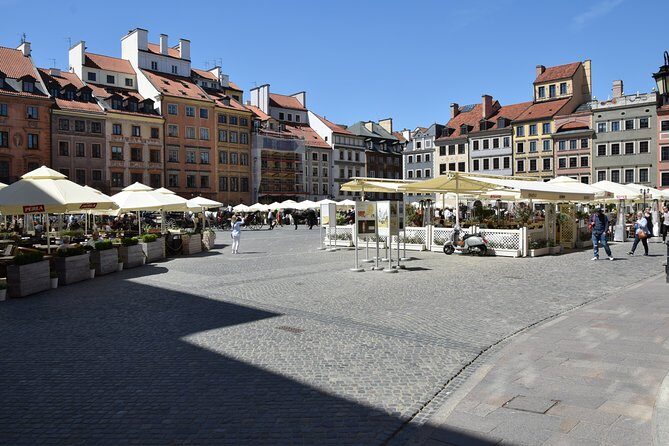
A short walk brings you to the Royal Castle in Warsaw. This stop is about more than the Castle’s presence. It’s tied to two specific threads: it’s described as a place where Poland’s kings ruled and where the parliament of the kingdom convened. That focus turns the building into a context machine. You’re not just looking at walls; you’re learning what kind of decisions happened there.
You also get a glimpse that matters for first-time visitors: the tour steps you into the Castle’s Royal Gardens for a riverside view of the Castle’s main façade. Even if you only catch this from a quick angle, it helps you understand why people photograph this façade from particular positions. The route is designed so you see the Castle’s face like someone who actually knows where to stand.
Admission is free for this stop, which is a nice bonus. You’re paying for interpretation and routing, not for a stack of tickets.
Royal Gardens after 2020: the view most people skip
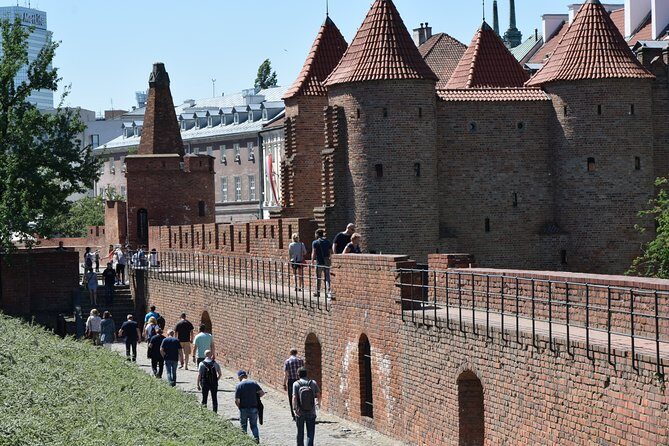
The next stop is specifically the Warsaw Royal Castle Gardens, and the tour makes a point that “most tourists never make it down” to them. That’s exactly the sort of nudge I like. Old Town is easy to over-focus on the obvious squares. The gardens pull you toward a calmer, lower-key vantage point.
The gardens were revitalized in 2020, and the guide uses that moment to help you see them as a living space, not a leftover backdrop. You admire the Castle façade from here, but you do it in a way that feels more like a viewpoint than a chore.
Time is about 20 minutes. That’s enough to relax your eyes and reset after a heavier story later in the day—without eating up too much of your two-hour schedule.
Rynek Starego Miasta: UNESCO square, rebuilding after WWII, and the Mermaid
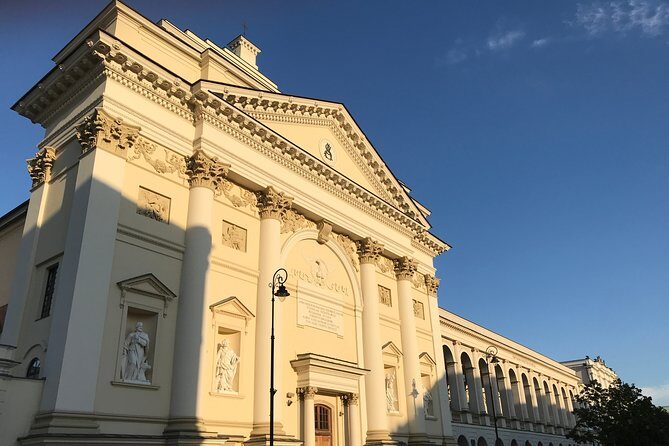
Then you hit Rynek Starego Miasta, the beautifully reconstructed Old Town square that’s recognized as UNESCO-listed. This is where Warsaw’s “post-war rebuilt center” feeling becomes visible. The guide explains that the square was rebuilt after WWII, so those colorful townhouses and café-front scenes aren’t just charming—they’re part of a larger story about recovery and identity.
You’ll also see the iconic Mermaid statue, plus the town layout that makes the square so photogenic. The tour’s job here is to connect the atmosphere to meaning. Yes, it’s a place for photos and coffee breaks, but the guide helps you see it as a statement of continuity, not only as a backdrop for sightseeing.
This stop lasts around 20 minutes. It’s long enough to take in the square’s scale and details, but not so long that you’ll feel stuck in the busiest corner of the Old Town.






Marie Sklodowska-Curie birth house: a quick stop with serious cultural weight
Next comes a shorter visit at Muzeum Marii Sklodowskiej-Curie, the birth house of Marie Sklodowska-Curie. It’s only about 10 minutes on this walk, so don’t expect this to replace a full museum visit.
What it does offer is a sharp connection between Warsaw’s historical core and a figure tied to global science. If your time in Warsaw is limited, this is a smart way to add depth without derailing the flow of the tour. You leave with at least the basic location and context, and you can decide later if you want a deeper visit on your own.
Admission is listed as free for this stop, which helps keep your trip budget predictable.
Warsaw Ghetto boundary markers: Jewish heritage and the realities of history
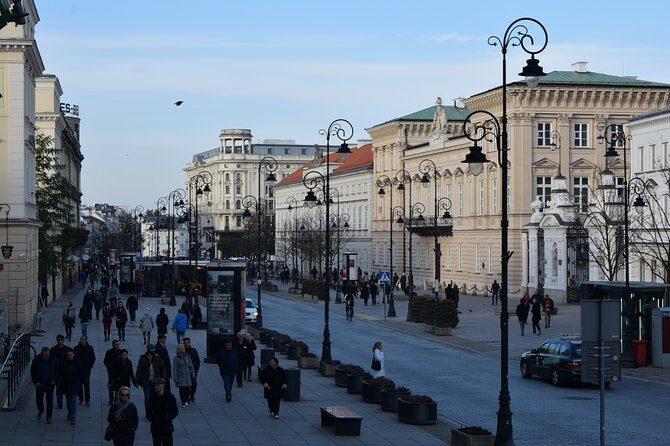
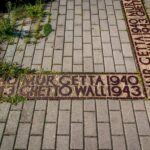
This is the emotional turning point of the route. The tour brings you to Warsaw Ghetto boundary markers, and it’s explicit about what you’ll learn: Jewish heritage in Warsaw, the ghetto, the Holocaust, and the actual situation. That wording matters. It signals that the guide is aiming for understanding, not just a quick stop-and-snap.
This segment lasts about 10 minutes, so the goal isn’t to give you everything. It’s to give you a guiding thread so you can interpret what you see. For me, that’s where a good guide earns their fee: they help you frame a place so you don’t treat it like a background for photos.
My practical advice: if you tend to get emotionally affected by this kind of topic, give yourself a moment during the stop to slow down and absorb. Also, if you’re traveling with kids, decide in advance whether this content is appropriate for their maturity level.
Warsaw Uprising Monument: why the tour ends where it does
The final stop is the Warsaw Uprising Monument, and the tour calls it essential to understanding Warsaw as a city and society. That’s a big claim, but it fits the way the walk is built: Old Town beauty first, then context, then the monument that pulls the story together.
This last section is about 20 minutes. It’s enough time to stand, listen, and connect the earlier parts of the route to what the monument represents within Warsaw’s broader story. The pacing also keeps the ending from feeling rushed, which is important with a subject this heavy.
Location-wise, the tour ends at the Uprising Monument about 8 minutes away from the meeting point and about 5 minutes from the Old Town. Translation: you can finish here and still be close to the historic center for your next activity, dinner, or a quiet walk afterward.
Price and value: what you’re really paying for
The listed price is $13.25 per person, and the tour lasts about 2 hours. That’s the baseline.
But the bigger value comes from how this tour is structured. After you book, it functions as a general pay-what-you-wish style walk. The amount you pay covers a reservation fee and the guide’s payment. If you want a smaller private tour, the provider says you can ask and they’ll organize it.
Here’s how I’d think about that as a traveler: you’re not buying museum tickets. The stop list shows admission ticket free for each site on the itinerary. You’re paying for routing, timing, and—most importantly—someone local (Antek and friends) translating Warsaw for you at street level.
One more value point: the group size is capped at 20 travelers, and the meeting and end points are walkable. Small-group tours often feel more personal and less like cattle herding, and this one is set up to keep that control.
A quick caution based on a common booking headache: double-check that your confirmation matches this specific Old Town guided tour experience. If you accidentally join the wrong free walking group variation, you could end up waiting in the wrong place.
Who should book this guided walk (and who might prefer a different plan)
This tour fits best if you want a guided storyline rather than a checklist. If you like learning how place names, squares, and major buildings connect to the identity of a city, you’ll get a lot out of it—starting at Castle Square and ending at the Uprising Monument.
It also works well if your time in Warsaw is tight. Two hours is long enough to cover Old Town highlights and still include the darker history points that make Warsaw feel real. You’ll also get a break for photos and just-standing-around moments in the square and gardens.
Consider a different approach if you want a purely sightseeing-friendly walk with zero emotional weight. The ghetto markers and uprising monument are core parts of this route, and they’re not treated as optional add-ons.
Should you book Warsaw Old Town Guided Tour with Antek & Friends?
I’d book it if you want a small-group, English-guided walk that connects Warsaw’s prettiest sights to the heavier stories that shaped the city. The big wins are the start at Castle Square (it helps you understand what you’re looking at), the Royal Gardens viewpoint, and the way the ending at the Warsaw Uprising Monument gives the whole walk a clear purpose.
I’d skip it if your ideal Warsaw day is strictly casual, light, and photo-only. This one is for people who want meaning as well as monuments.
FAQ
Where does the tour start?
The meeting point is Sigismund’s Column, Plac Zamkowy, 00-001 Warszawa, Poland.
Where does the tour end?
The tour ends at the Warsaw Uprising Monument, Plac Krasińskich, 00-263 Warszawa, Poland.
How long is the walking tour?
It runs for about 2 hours.
Is the tour offered in English?
Yes, it’s offered in English.
Do you need to buy tickets for the stops?
The tour information lists admission tickets as free for the stops included in the experience.
How many people are in the group?
The maximum group size is 20.
How does the pay-what-you-wish part work?
When you book, you join a general pay-what-you-wish style tour. The amount you pay covers a reservation fee and the guide’s payment, and you can choose how much to reward the guide.
Can you cancel and get a full refund?
Yes. Free cancellation is available if you cancel at least 24 hours before the experience’s start time.