REVIEW · WARSAW
From Warsaw: Guided Tour to Auschwitz-Birkenau and Krakow
Book on GetYourGuide →Operated by EuropaAdventure · Bookable on GetYourGuide
Auschwitz and Krakow in one ticket. The day runs on a clear plan: train to Krakow, then a guided visit to Auschwitz-Birkenau, followed by free time in Krakow’s center. I like this setup because it avoids hotel shuttles and keeps you moving with fewer decision points.
Two things I especially like: starting at Warsaw Central Railway Station (so you’re not hunting pickup vans), and getting a guided tour at Auschwitz-Birkenau that focuses on what you’re looking at—barracks, guard towers, and cremation sites—without turning it into a quick photo stop. One drawback: it’s a 16-hour day, with early starts and lots of walking in emotionally intense spaces, so you really need stamina and a flexible mindset.
If you want a full day that connects WWII history to Poland’s present in a practical way, this is a strong option. Just plan your clothing, pack light, and mentally prepare for an unforgettable visit to the memorial.
In This Review
- Key things to know before you go
- Warsaw Central to Krakow: the logistics that actually matter
- Where Krakow fits in (and why the timing is useful)
- Krakow Old Town in two hours: how to use your free time well
- Auschwitz-Birkenau guided tour: what you’ll see and how to prepare
- The best part isn’t speed—it’s the tone and clarity
- A note on walking, weather, and your body
- Skip-the-line tickets: why it’s worth paying for time
- What the schedule feels like: a 16-hour day with real tradeoffs
- Food breaks: don’t bet on finding the perfect meal
- Trains, vans, and comfort: what you can control
- What to pack: ID, bags, and the little rules that can ruin your day
- The A4 bag rule
- Price and value: does $181 make sense for this day?
- Who should book this tour (and who should skip it)
- Final verdict: should you book this Warsaw to Auschwitz and Krakow day?
- FAQ
- Where does the tour start in Warsaw?
- How long is the whole experience?
- How do you get from Warsaw to Krakow and back?
- What do you do in Auschwitz and Birkenau?
- How long is the guided time at each part of Auschwitz?
- Does the tour include skip-the-line tickets?
- Are there bag restrictions for entering the museum?
- Is this tour suitable for wheelchair users or mobility impairments?
Key things to know before you go
- Start at Warsaw Central: fewer pickups, easier logistics, and a smooth handoff to the Krakow meeting point.
- Auschwitz timing is the hard part: your group’s visit depends on the museum’s available guided slots, so don’t plan tight add-ons.
- You’ll cover both Auschwitz I and Auschwitz II-Birkenau: about 2 hours at the first part and about 1 hour at the second.
- Skip-the-line helps, but you still wait through security: it mainly saves time at the entrance process.
- Pack for weather and walking: bring water and something for rain; Birkenau is outdoors and can feel cold in shoulder season.
- Comfort matters: no big bags, limited mobility for many surfaces, and long transit time each way.
Warsaw Central to Krakow: the logistics that actually matter
This tour is built around one smart choice: you begin at Warsaw Central Railway Station. That means you skip the usual frustration of collecting strangers at different hotels across town. If you’re already near the center, this is a huge time-saver and it lowers the stress level before a day like this.
The train ride is listed as about 2.5 hours each way, with a return to Warsaw at the end of the day. You’ll receive train details by email after booking, including carriage and seat numbers. That matters because it keeps you from roaming platforms half-asleep.
One practical tip: the tour day runs early. Some schedules ask you to be at the station very early (for example, around 5:15 AM for one departure pattern). So set your alarm like you’re going to catch a flight, not like you’re going on a leisurely tour.
You can also read our reviews of more guided tours in Warsaw


Where Krakow fits in (and why the timing is useful)
After you arrive in Krakow, you get a short break before heading toward Auschwitz. You’ll also have a clear meeting point that’s about a 7-minute walk from the station, plus instructions and a map. This is the part that makes the day feel manageable: you’re not stuck guessing where to go next.
Krakow itself gets free time later too—about 2 hours after the Auschwitz visit. That timing is deliberate. Krakow’s old center is easiest to enjoy in a concentrated window when you already have a long day behind you. You can do a walk, find the main square, and still make it back for the return train.
Krakow Old Town in two hours: how to use your free time well
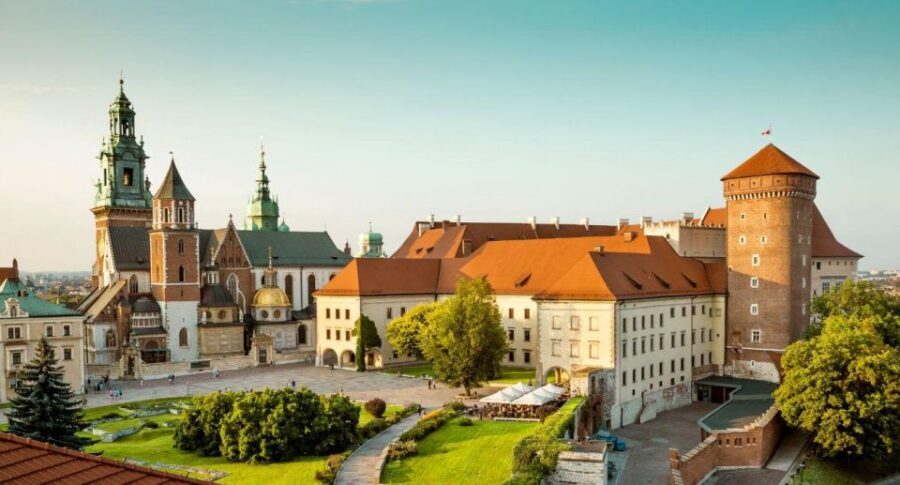
Your Krakow window isn’t a “see everything” plan. It’s more like a first taste—enough to feel the city’s shape and history without turning the day into an overbooked marathon.
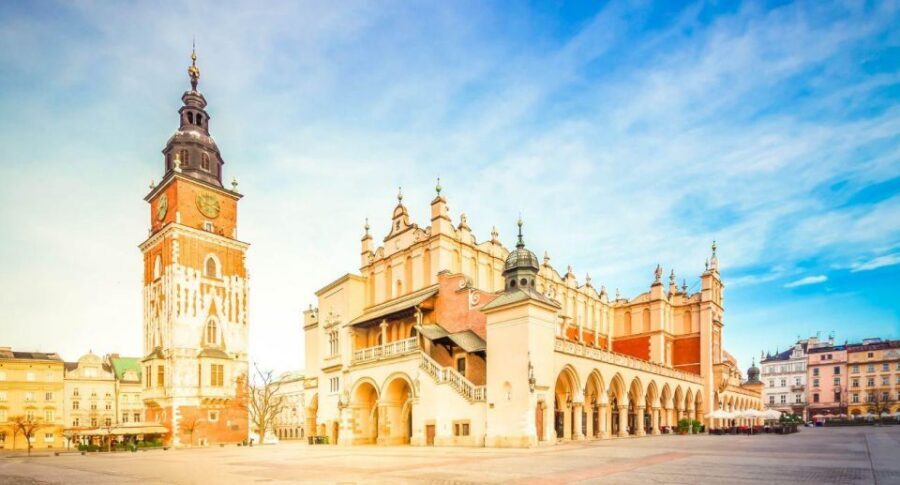
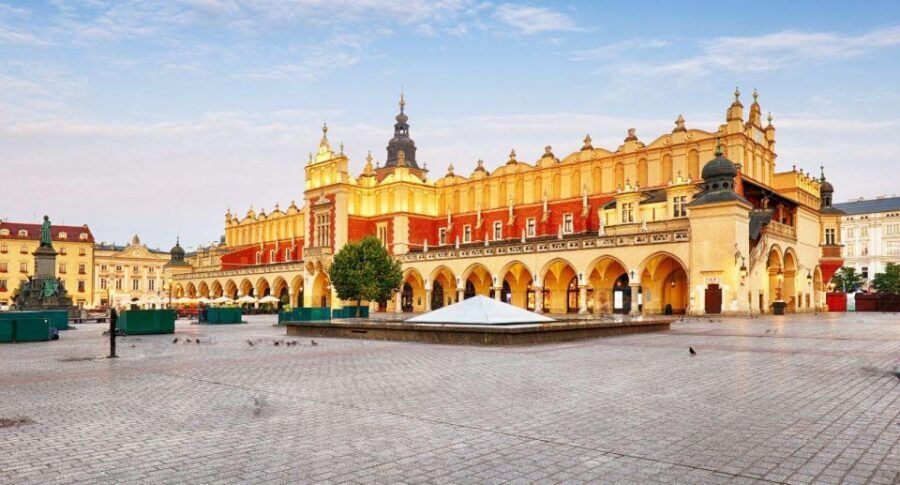
The highlight is the Old Market (Rynek Główny), described as the biggest medieval market square in Europe and a UNESCO World Heritage Site. Even if you only do a slow loop, you’ll quickly understand why this square anchors Krakow’s tourism. From there, you can branch into nearby streets and public spaces at your own pace.
Here’s how I’d use the time:
- Keep your main square stop early, when you still have energy.
- Pick one or two nearby landmarks rather than trying to hit a long list.
- If it rains (and it can), aim for covered stops close to the square.
This “soft landing” matters after Auschwitz. You’re shifting from a memorial setting to a living city, so give yourself movement that feels normal—cafes, streets, and people-watching—without rushing.
Auschwitz-Birkenau guided tour: what you’ll see and how to prepare
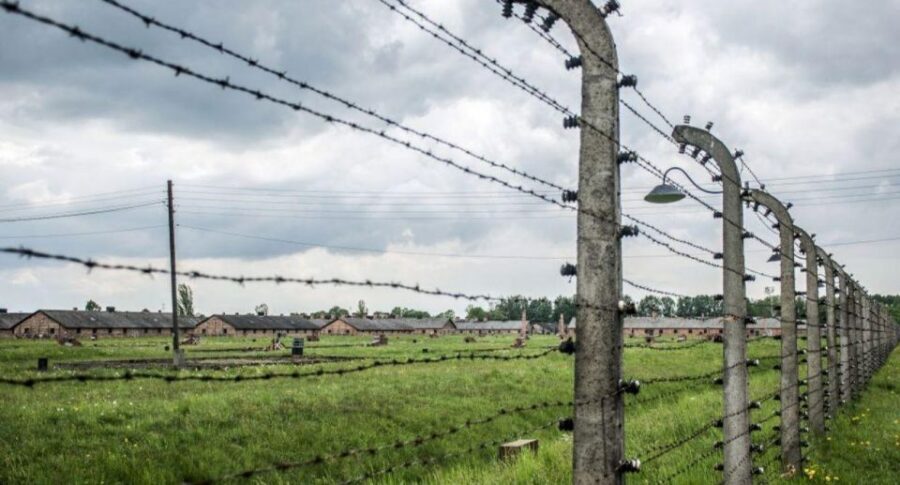
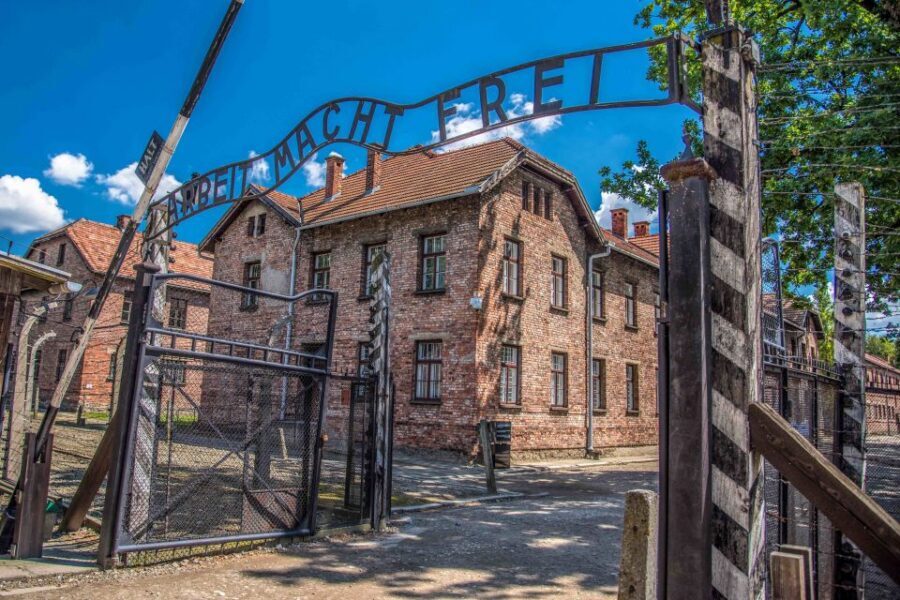
Let’s be clear: Auschwitz-Birkenau is heavy. This tour doesn’t turn it lighter. What it does well is help you see the site in context with a guided tour led by a live guide.
The visit includes the two major sections:
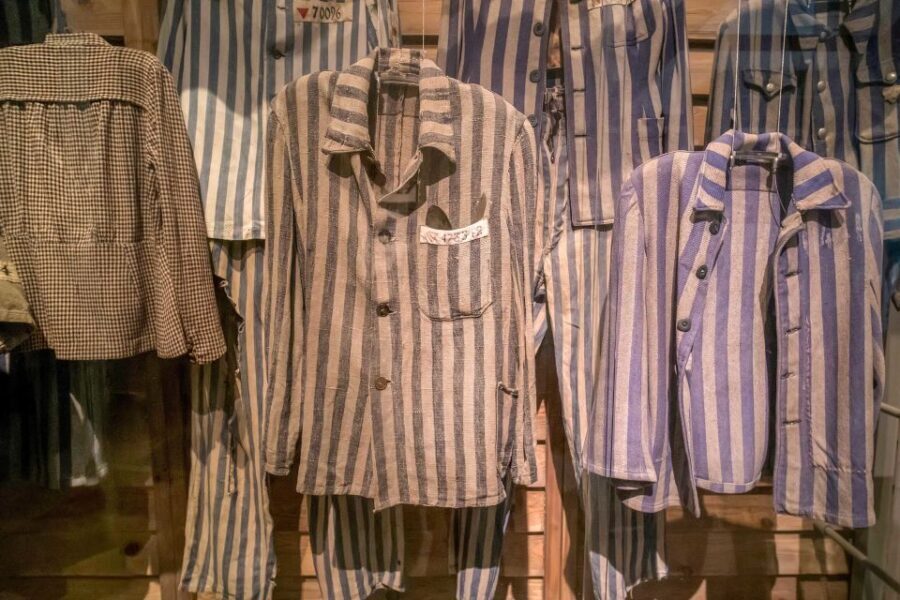
- Auschwitz I, originally set up mainly for political prisoners.
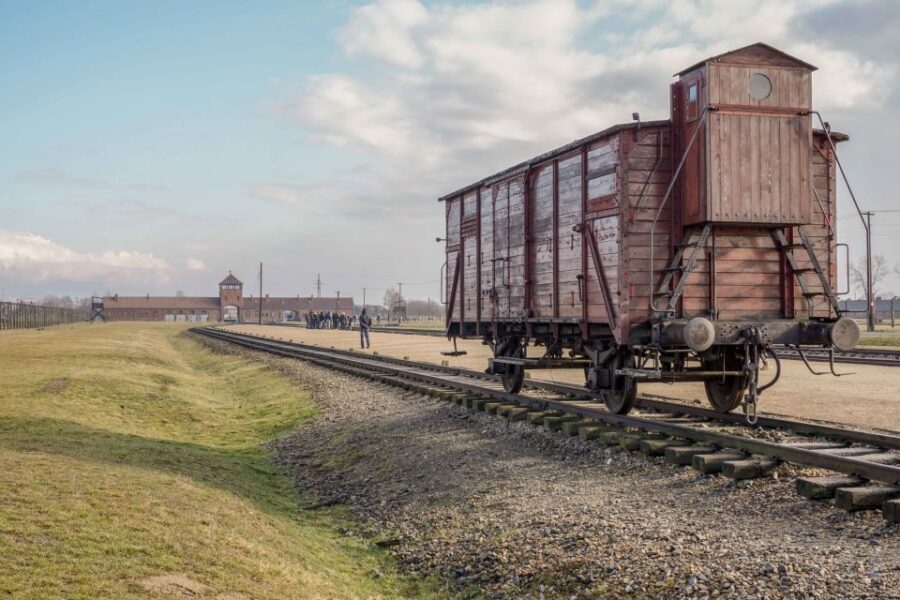
- Auschwitz II-Birkenau, which was largely used for the extermination of Jews and Roma.
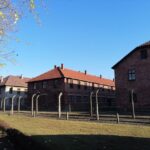
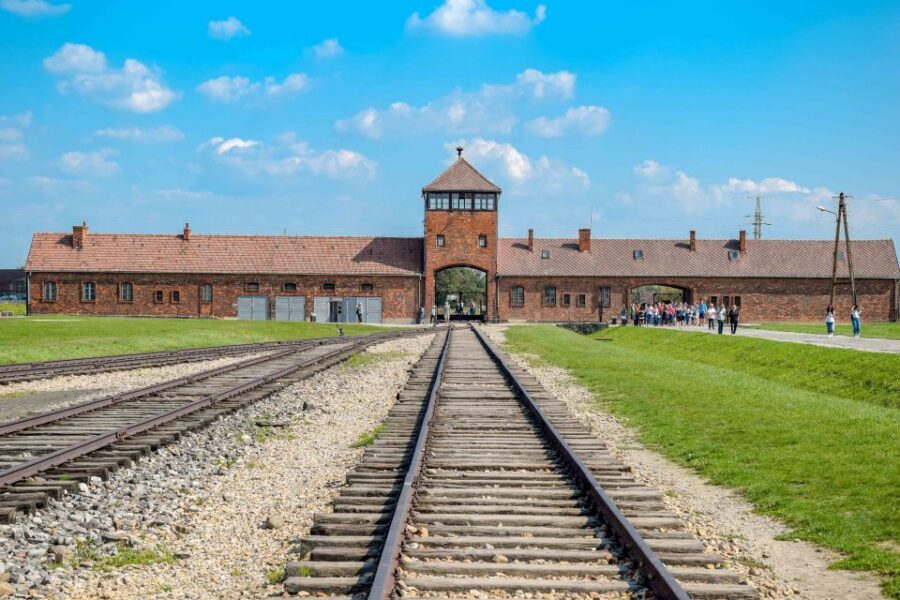
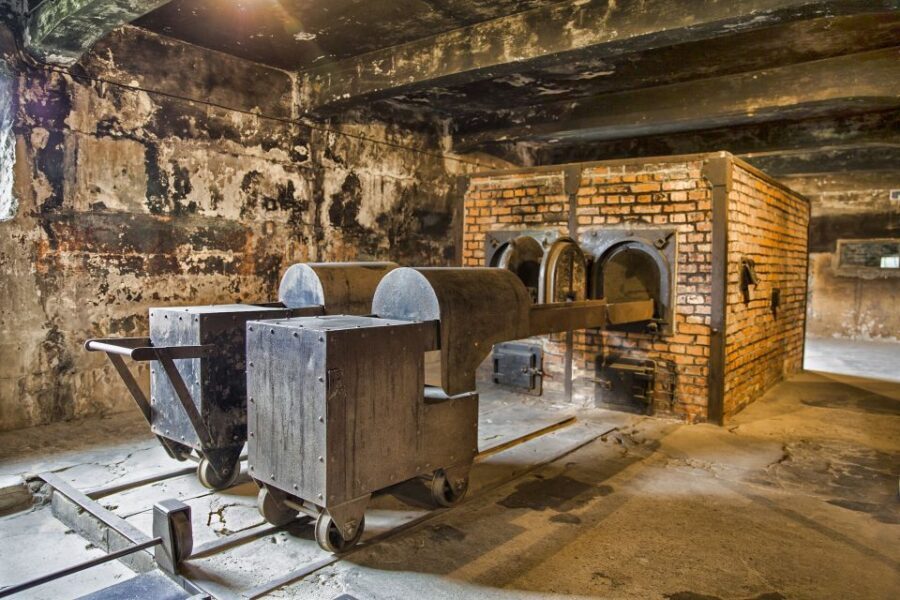
Your guide-led walk is about 2 hours at Auschwitz I and about 1 hour at Birkenau. You’ll see features like barracks, guard towers, and cremation sites. You’ll also get historical explanation that connects those structures to the systems of persecution.
The best part isn’t speed—it’s the tone and clarity
The experience depends heavily on the guide’s approach. The names that have shown up on past departures include people like Ewa, Bart, Magdalena, Alexandra, Anna, and Jakub (mentioned as a likely name). Different personalities, but a consistent pattern: the guides aim for respectful factual explanation, with room for questions.
Some guides are described as sensitive with a careful tone. Others are described as able to answer extra questions and explain how things fit together. That matters because at Auschwitz, your eyes will want to “fill in blanks” fast. A good guide helps you make sense of what you’re seeing without turning the visit into a blur.




A note on walking, weather, and your body
This site involves walking and uneven surfaces. Birkenau especially is outdoors for much of the route, so you can feel cold or wet depending on season. One departure-style detail that comes up often: you should be ready for rain. You can buy umbrellas and raincoats at the entrance, but it’s better to come prepared.
Also, plan your physical setup:
- Wear comfortable shoes with good grip.
- Bring a bottle of water.
- Bring tissues.
- Use sunscreen if the day is bright—yes, even on a day like this.
Skip-the-line tickets: why it’s worth paying for time
The tour includes skip-the-line entrance tickets for Auschwitz and Birkenau. On paper, that sounds like a small perk. In practice, it’s the kind of thing that can make a long day feel less chaotic.
You’ll still go through on-site processes (including checking personal documents), and you shouldn’t expect this to be instantaneous. But saving time at the entrance can help protect the schedule for the guided portion—especially since your Auschwitz tour slot can depend on availability.
If you’re thinking about doing Auschwitz on your own, the hard part isn’t only getting there. It’s organizing the timing and keeping the visit structured. This tour handles that piece for you.
What the schedule feels like: a 16-hour day with real tradeoffs
This is a 16-hour experience. That number isn’t just about hours on the clock. It’s about transitions: train, brief Krakow stop, then the longer drive to the memorial, then the return train after you’ve mentally and physically spent the day.
The total is manageable only if you accept a basic reality:
- You won’t “linger” everywhere.
- You’ll need patience during movement days.
- Your day depends on the museum’s guided schedule slot.
One other detail that’s worth knowing from real-world timing: coordination sometimes changes slightly (for example, meeting times or handoff expectations). The tour provides emails with detailed instructions and train information, so keep an eye on messages and confirm anything that affects your exact arrival timing.
Food breaks: don’t bet on finding the perfect meal
There aren’t long, sit-down meal periods built into this kind of day plan. You get breaks, but you shouldn’t assume you’ll have time for a relaxed lunch.
My advice: pack something you can eat on the go, especially water and easy snacks. That small preparation can prevent a late-afternoon crash when your body wants to stop, not your mind.
Trains, vans, and comfort: what you can control
Between Krakow and Auschwitz, you use a car/mini-van/bus for about 1.5 hours one way (as described in the tour flow). On the train, you’ll have assigned carriage and seats based on the ticket details provided after booking.
Comfort can vary by vehicle and by how full the day runs. Some departures have trains described as delayed or without ideal comfort factors like air conditioning. That’s not guaranteed, but it’s a reminder to travel with a small “comfort kit”: water, something to cover up with, and a way to keep warm.
Also, communication can be uneven depending on the driver. A few departures are praised for being friendly and professional. Others mention that explanations during the drive weren’t always loud enough to hear well. Either way, you’ll still have instructions for meeting points and schedules, but don’t rely on the vehicle guide for every detail. Use the email instructions and ask questions when you can.
What to pack: ID, bags, and the little rules that can ruin your day
This day has a few “small but serious” requirements. Bring a passport or ID card. Your Auschwitz visit is tied to your personal details, and the tour requires you to provide your full name and contact details as part of booking.
Also important: your ID documents and tickets are personal and may be checked both on the train and at the museum entrance. So don’t travel with a missing card like it’s no big deal.
The A4 bag rule
You’re not allowed to enter the museum with bags bigger than an A4 sheet size. The tour notes that you can leave larger items on the bus during sightseeing. That means you should pack like a minimalist:
- essentials only in a small bag
- water and snacks where allowed
- layer clothing for changing conditions
This is one place where arriving prepared beats improvising. Auschwitz is not the place to be stuck reorganizing your daypack while others move forward.
Price and value: does $181 make sense for this day?
At $181 per person, you’re paying for more than transportation. This price covers:
- return train between Warsaw and Krakow
- transfer by vehicle between Krakow and Auschwitz
- a guided Auschwitz-Birkenau tour
- skip-the-line entrance tickets
- free time in Krakow
So the math isn’t only “train plus bus.” It’s also professional guiding for a site that benefits from structure and historical context. If you tried to piece this together alone, you’d spend time coordinating tickets, timing, and the guided portion.
That said, the value depends on your willingness to commit to a full day. If you hate early mornings and long transit days, no price is worth the fatigue. If you’re okay with that tradeoff, the bundled logistics are exactly what you’re paying for—and it usually shows in how smoothly the day flows.
Who should book this tour (and who should skip it)
I think this tour fits best if you want:
- a day that covers Auschwitz-Birkenau with real guidance, not only wandering
- an organized trip from Warsaw without hotel pickup hassle
- a quick Krakow experience afterward, centered on the Old Town
It’s not a good match if you have mobility challenges. The tour notes it’s not suitable for people with mobility impairments or wheelchair users. The memorial site requires walking and navigating spaces that aren’t designed for easy mobility.
If you’re traveling with kids, it may still work depending on your child’s tolerance for long days and the emotional weight of the content. But walking and restricted bag rules can be demanding.
Final verdict: should you book this Warsaw to Auschwitz and Krakow day?
Book it if you want a structured, guided Auschwitz-Birkenau visit and a practical way to reach it from Warsaw without wrangling taxis or complicated timing. The combo of train logistics, skip-the-line entry, and a guide-led route through Auschwitz I and Birkenau is a real efficiency win.
Skip it (or look for a different format) if you can’t handle long days, heavy content without support, or if mobility constraints make the memorial route difficult. Also, don’t overpack your schedule before and after the day—timing can shift depending on the guided tour availability at the museum.
If you come prepared with water, tissues, comfortable shoes, and a small bag that follows the rules, you’ll be set up for the hardest day of your trip to be the most meaningful one.
FAQ
Where does the tour start in Warsaw?
It departs from Warsaw Central Railway Station.
How long is the whole experience?
The total duration is 16 hours.
How do you get from Warsaw to Krakow and back?
You take the train both ways, with a return ticket included (about 2.5 hours each direction).
What do you do in Auschwitz and Birkenau?
You visit the Auschwitz-Birkenau Memorial and Museum with a guided tour, walking through Auschwitz I and Auschwitz II-Birkenau.
How long is the guided time at each part of Auschwitz?
The tour includes about 2 hours at Auschwitz I and about 1 hour at Auschwitz II-Birkenau.
Does the tour include skip-the-line tickets?
Yes, it includes skip-the-line entrance tickets to Auschwitz and Birkenau.
Are there bag restrictions for entering the museum?
Yes. You can’t enter with bags larger than an A4 sheet size. Larger items can be left on the bus during sightseeing.
Is this tour suitable for wheelchair users or mobility impairments?
No. It’s not suitable for wheelchair users or people with mobility impairments.