REVIEW · WARSAW
World War 2 in Warsaw walking tour in English
Book on GetYourGuide →Operated by Orange Umbrella Tours Warsaw · Bookable on GetYourGuide
Warsaw’s WWII pain is walked, not guessed. This 150-minute English tour traces key sites—Nazi districts, the former Jewish Ghetto, and the 1944 Warsaw Uprising—with war photographs and very personal family stories folded into the route. I like the fact that it stays focused on what happened on these exact streets, not just broad timelines.
Two things I really like: the guides are Polish locals born and raised in Warsaw, and the group stays small enough for real questions. A possible drawback is the subject matter is heavy, and on some tour days the cold can be intense, so plan to dress like you mean it.
If you want to understand how Warsaw was broken—and how people fought back—this is one of the best ways to do it. Just be ready for a serious walk where details matter, and don’t expect a casual sightseeing chat.
In This Review
- Key points that make this tour work
- Street-level WWII context you can feel in your feet
- Meeting Point: finding the Orange Umbrella by the 20-meter column
- Former Nazi German District and Adolf Hitler Square
- The former Jewish Ghetto area: uprising, courage, and cost
- Execution sites and Polish Resistance strongholds in 1944
- War photographs and family stories: why the guide style matters
- Small groups, group pace, and why the walk feels doable
- Practical value: how $20 translates to real understanding
- What to wear and how to get the most out of a winter walk
- Who should book this Warsaw WWII walking tour
- Should you book this tour or choose something else?
- FAQ
- FAQ
- How long is the World War 2 in Warsaw walking tour?
- Is the tour guided in English?
- Where do I meet the guide?
- How much does it cost?
- Is it a small group tour?
- Will I be walking the whole time?
- Is the tour wheelchair accessible?
- What places related to WWII does the tour cover?
- Is there a cancellation option and pay-later booking?
Key points that make this tour work
- Orange Umbrella meeting point: find the guide by the tall column with a statue on top.
- Local Warsaw guides: Polish guides with firsthand cultural context and strong English delivery.
- Photo + story format: war images and family memories connect history to real human choices.
- Core WWII sites on foot: Nazi German District, former Adolf Hitler Square, Jewish Ghetto area, execution sites, and 1944 resistance strongholds.
- Small group feel: you join other tourists, but it’s not a cattle-car experience.
- Practical pacing: reviews note the walk is manageable, with no sense of a race, even when the topic is intense.
Street-level WWII context you can feel in your feet
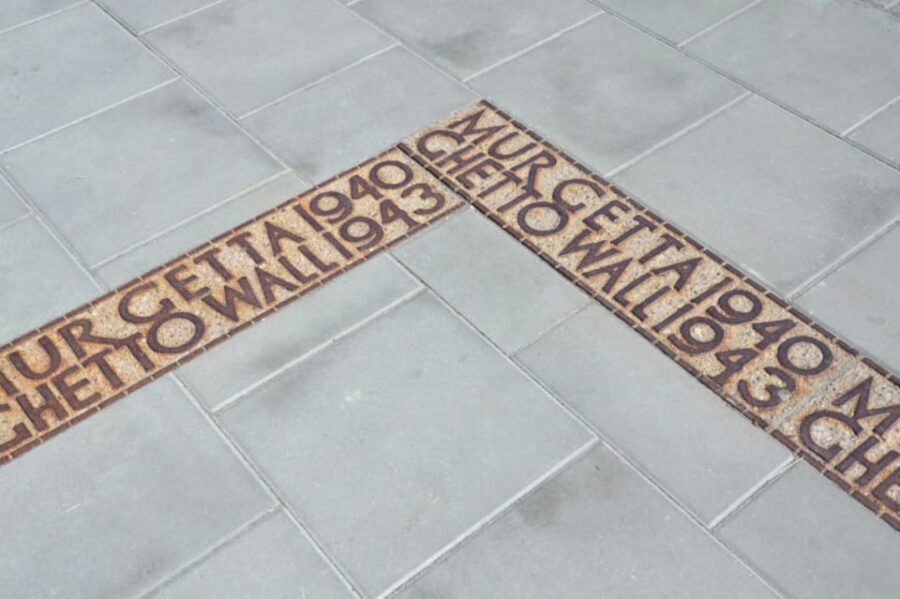
Warsaw in World War II wasn’t just damaged. It was targeted, reshaped, and policed day after day. Walking this story is different from museum time, because the city’s layout turns into evidence.
You’ll move through areas tied to Nazi control and Polish resistance, and the tour helps you see why certain places mattered. The guides focus on events tied to Warsaw’s two uprisings—first the 1943 Jewish Ghetto Uprising and then the 1944 Warsaw Uprising—so the story doesn’t blur into one long tragedy. It stays organized around what happened and where.
Even if you already know the headline dates, the street-level approach makes it easier to connect cause and effect. Think of it like reading a crime scene: the photos and names give shape to what otherwise could feel abstract.
You can also read our reviews of more walking tours in Warsaw


Meeting Point: finding the Orange Umbrella by the 20-meter column
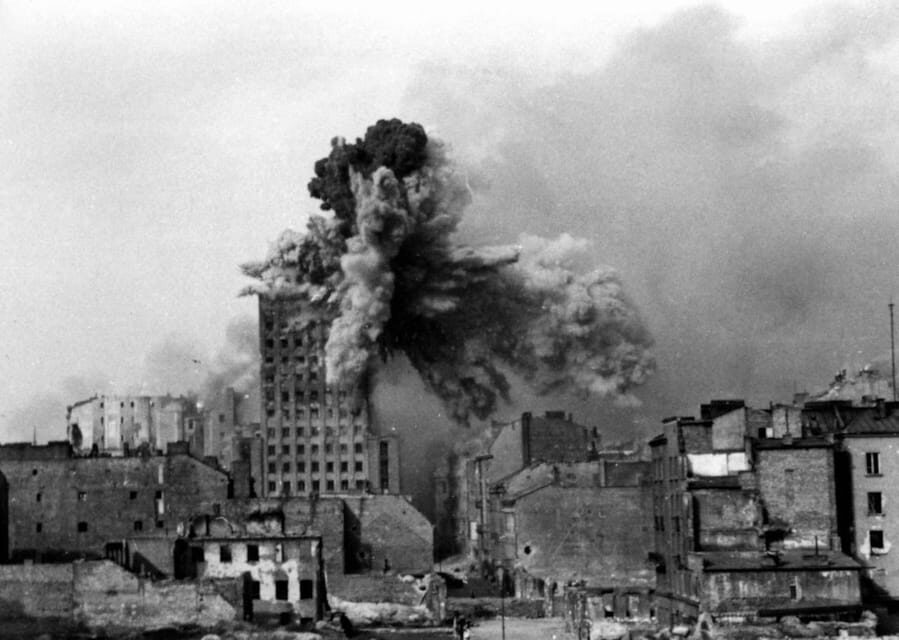
Your tour starts at a clear landmark: look for a guide holding an Orange Umbrella standing close to the 20-meter-high column with a statue on top. This is the kind of meeting point that helps you get oriented fast, especially if it’s cold and you’re concentrating on not freezing.
Once you’re with the group, the tone usually shifts quickly from travel mode to history mode. That’s part of why this tour works: the guide doesn’t waste time getting you to the first meaningful stop.
If you’re arriving early, hang nearby and give yourself a few minutes to spot the umbrella. One missed meeting can snowball into a stressful start.
Former Nazi German District and Adolf Hitler Square
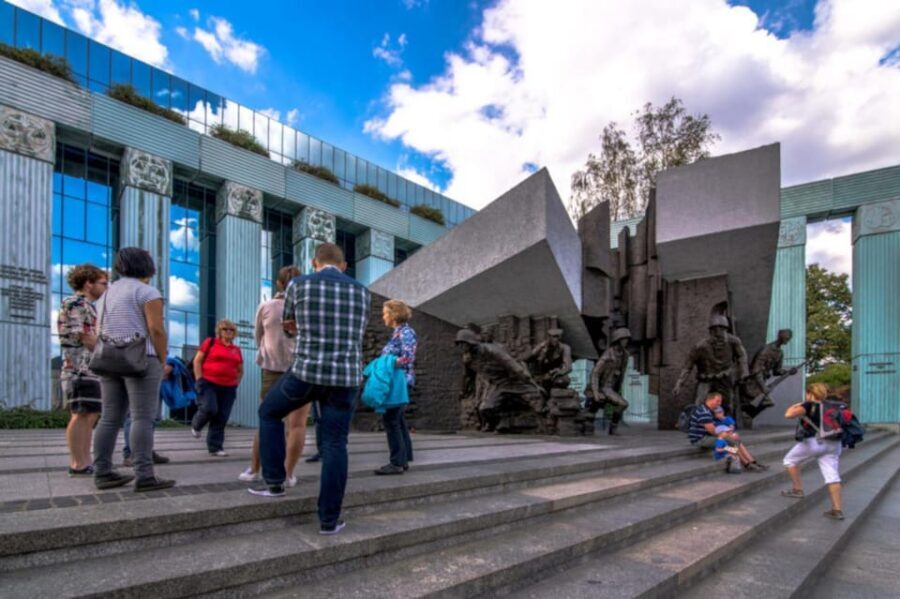
This is where the tour starts helping you read Warsaw as a forced political stage. You’ll see the former Nazi German District and the area connected to what used to be Adolf Hitler Square. These aren’t just famous names; they’re tied to how the occupiers controlled space, movement, and daily life.
The guides connect the geography to the system behind it—bombing, occupation pressure, and the constant presence of SS power. You don’t just hear what happened; you’re guided toward understanding how that power shaped everyday behavior, fear, and survival.
A big strength here is the way the guide explains context without turning it into a lecture dump. You’ll likely get short bursts of explanation, then a photo or family account that makes the point land in a human way.
The former Jewish Ghetto area: uprising, courage, and cost
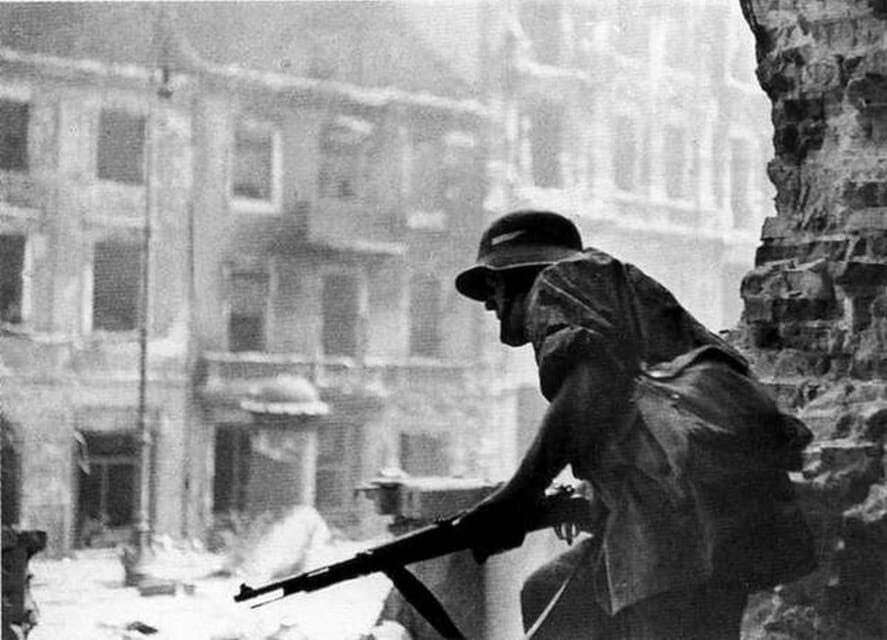
Next, the walk turns toward the former Jewish Ghetto and the 1943 Jewish Ghetto Uprising. This portion matters because it frames resistance as something chosen under impossible pressure, not as a vague “then they fought back” moment.
The tour approach emphasizes what daily life looked like under brutal constraints, and why the uprising became both an act of defiance and a desperate attempt to change fate. The war photographs and personal stories used here are designed to slow you down—so you don’t just pass by a place and move on.
One practical thing: this part of the tour tends to feel emotionally heavier than the earlier stops. If you handle intense topics better with breaks, keep an eye on your energy and don’t feel you have to power through on adrenaline.
Execution sites and Polish Resistance strongholds in 1944
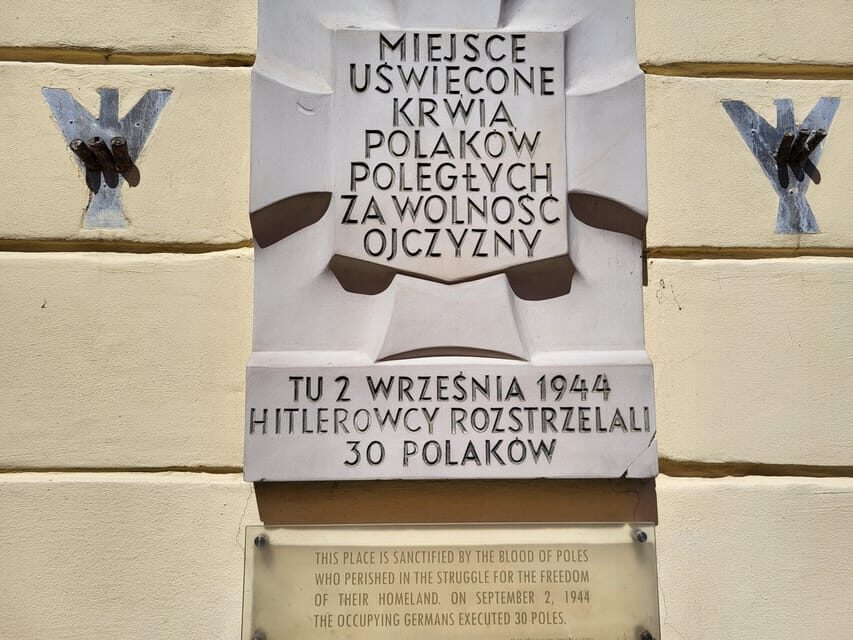
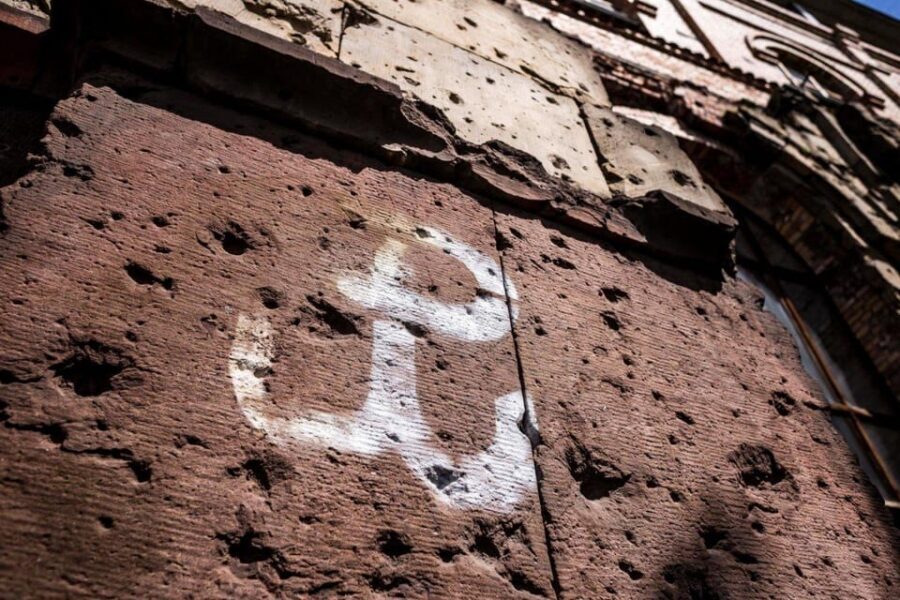
The most gripping shift comes when the route addresses execution sites and the strongholds of Polish Resistance tied to the 1944 Warsaw Uprising. These stops anchor the story in the final phase of the occupation, when resistance efforts became more organized, more visible, and more costly.
The guides explain the resistance networks in a way that helps you understand how people could keep fighting even while the city was being crushed. If you’ve ever wondered how uprisings could start and keep going amid chaos, this is the section that answers it with specifics tied to location.
The guide’s use of old photographs and personal family accounts is especially powerful here. Photos help you picture what the street looked like at the time, while family stories keep the focus where it belongs: on individual decisions made under threat.
If timing allows, you might also encounter an additional solemn moment around the city center, such as the changing of the guard at the Tomb of the Unknown Soldier. It’s the kind of stop that some guides may weave in, and it works as a quiet reset after the hardest material.





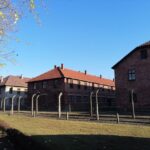
War photographs and family stories: why the guide style matters
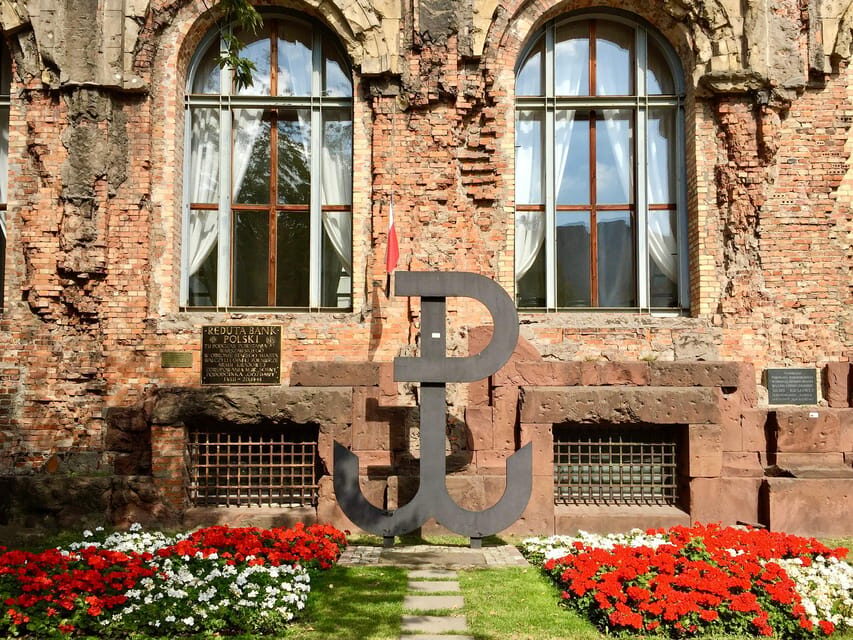
A walking tour can tell you facts. This one tries to make the facts stick by pairing them with visual evidence and personal memory. That combination is a major reason the tour earns consistently high marks.
Guides on this tour are often named in feedback as standout presences—Magda, Goska, Gosia, Piotr, Iga, Eliza, Arek, Martin, Andrew, Albert, and Peter are all examples of how engaging the guiding can be. People highlight that these guides speak clearly, keep the group moving at a workable pace, and answer questions without brushing them off.
Another pattern in the praise: guides manage to keep the mood serious without making it joyless. One guide-level detail worth noting is how some guides use a steady blend of historical facts and human-scale stories, sometimes even with a light touch that doesn’t soften the horror.
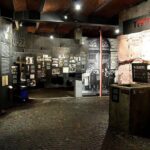
And yes, the visuals matter. One of the strongest comments focuses on how pictures helped explain what Warsaw looked like before, during, and after the war. That’s huge for retention, because your brain can connect images to street locations.
Small groups, group pace, and why the walk feels doable
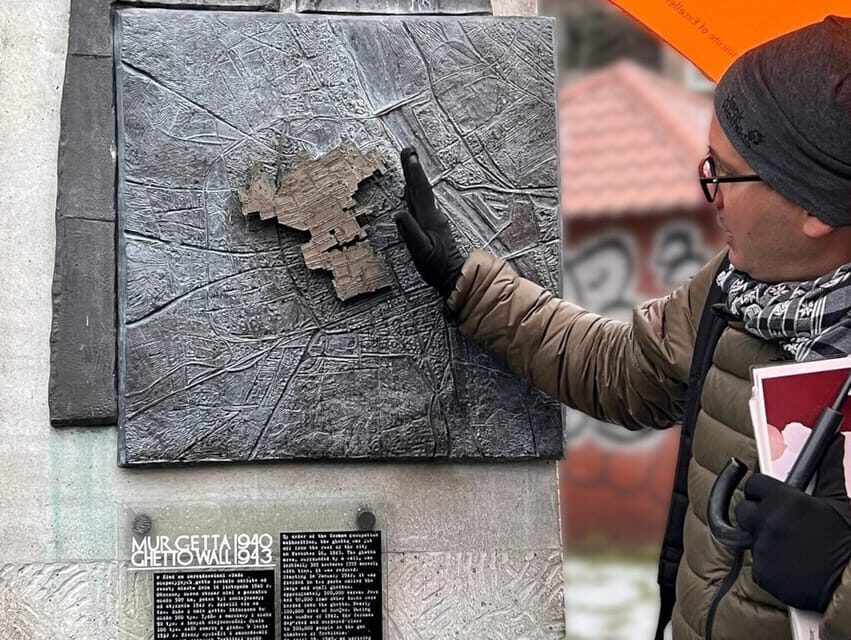
This tour runs for about 150 minutes, and it’s designed as a guided walk rather than a long bus tour with occasional stops. The small group format helps you ask questions and keeps the guide from speaking into the void.
The pace is also a point people bring up. Reviews mention the walk is not a sprint, and the route avoids rough ground and difficult steps. That means you’re more likely to stay present for the story instead of spending mental energy navigating obstacles.
That said, you will be joining a group of other tourists. So don’t expect a private one-on-one experience. If you like to talk a lot, go in with a question list, and you’ll get more out of it when your moment comes.
Practical value: how $20 translates to real understanding
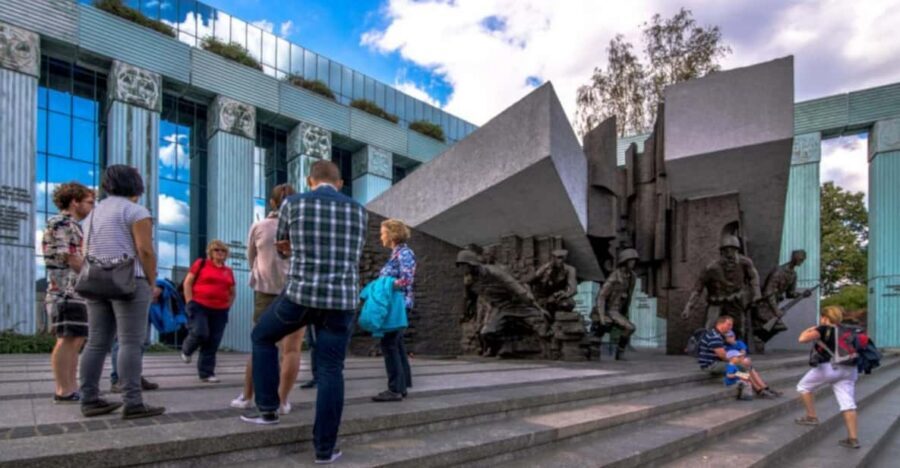
At around $20 per person for 150 minutes, you’re paying for more than someone walking you from point A to B. You’re paying for synthesis: the guide turns complicated Warsaw WWII history into a route you can remember.
Here’s what makes the price feel fair. The tour includes a professional local guide, uses war photographs, and brings personal family stories into the narrative. It’s not only sightseeing—it’s guided interpretation tied to specific WWII locations.
In short, you’re buying time with someone who can explain why these sites matter, not just what they are. That’s the real value in a history walking tour: guidance that makes the city’s scars understandable.
What to wear and how to get the most out of a winter walk
Even on perfect days, this is an outdoor walk. Reviews show that cold weather can be brutal, with some tour dates around minus teens to minus 20 Celsius. The good news: guides like Magda and Goska are noted for caring for the group and keeping morale up.
My practical advice is simple:
- Dress for a long stop-and-go outdoor experience, not for a quick stroll.
- Bring gloves you can still use if you need to handle a phone or camera.
- Consider a warm layer you can keep on even when the guide starts talking more intensely.
Also, if you’re sensitive to noise or traffic, be aware that one feedback note suggests traffic can occasionally make it harder to catch a small piece of the story. If that’s your concern, lean in when the group pauses and keep your attention on the guide.
Who should book this Warsaw WWII walking tour
Book this tour if you want WWII in Warsaw explained through the places where it happened. It’s especially good for history lovers who like context tied to streets, not just dates on a page.
It also works well for mixed groups. One review notes the tour worked for a father and teenage son, which is a sign the guide style is able to keep younger minds engaged while still being respectful and serious.
If you’re coming with limited WWII knowledge, that can be fine too. The guides are set up to explain the big structure of what happened in Warsaw, then tighten the story with photos and personal accounts. You don’t need a degree in European history to follow along.
Skip it if you’re not up for heavy topics. This tour includes execution sites and resistance fighting during the 1944 uprising, and the tone stays grounded. If you want light entertainment, this isn’t it.
Should you book this tour or choose something else?
If your goal is to understand Warsaw’s WWII reality—Nazi occupation, Jewish resistance, and Polish uprisings—this walk is a smart use of your time. At 150 minutes, it’s long enough to build a real narrative, but not so long that you’re trapped in history fatigue all day.
I’d book it when:
- You want the story tied to specific locations.
- You prefer guided interpretation over self-guided reading.
- You value a local Polish perspective delivered in clear English.
I might choose something else if:
- You want a purely museum-based experience with climate control.
- You’re traveling with someone who struggles with emotionally heavy history.
FAQ
FAQ
How long is the World War 2 in Warsaw walking tour?
The tour lasts about 150 minutes.
Is the tour guided in English?
Yes, it’s a live tour with an English-speaking guide.
Where do I meet the guide?
Meet near the 20-meter-high column with a statue on top. Look for the guide holding an Orange Umbrella close to that column.
How much does it cost?
The price is $20 per person.
Is it a small group tour?
Yes, it’s designed for small groups, though you will join other tourists as part of the group.
Will I be walking the whole time?
Yes, it’s a walking tour with a route through multiple WWII-related sites around Warsaw.
Is the tour wheelchair accessible?
Yes, it’s listed as wheelchair accessible.
What places related to WWII does the tour cover?
You’ll see key sites connected to World War II in Warsaw, including the former Nazi German District, the former Adolf Hitler Square, the former Jewish Ghetto, execution sites, and Polish Resistance strongholds connected to the 1944 Warsaw Uprising.
Is there a cancellation option and pay-later booking?
You can cancel up to 24 hours in advance for a full refund, and there is also a reserve now & pay later option.