Warsaw’s Old Town story is easy to miss. This 2-hour walk ties together the UNESCO-listed Old Town and the Royal Route with clear, human-scale explanations—especially about how the area was rebuilt after World War II. I love that Lukasz (Warsaw City Tours by Lukasz) keeps the pace tight and conversational, and I also like the very practical stop selection: major landmarks plus a few quieter, historically loaded corners. One thing to consider: it’s a short tour, so you’ll see a lot of highlights, but you won’t get long stays inside every building.
The best part is the small group. Numbers cap at just 10 people, so you’re not shouting over a crowd, and Lukasz can actually answer questions as you walk. It’s also English-taught with a mobile ticket, and most people can participate with no special skills needed.
If you’re paying about $36.04 per person, you’re mostly buying guidance and timing—not paid admissions. The listed stops are free entry, so the value is in the context and the route flow from Castle Square toward the Saxon Gardens and then the Tomb of the Unknown Soldier.
In This Review
- Key points before you go
- Meeting at Sigismund’s Column: the fast way to get bearings
- Castle Square and the Royal Castle walls: how Warsaw was rebuilt
- Old Town Market Square, St. John the Baptist, and St. Anne’s Church
- Royal Route on foot: President’s Palace, Raffles Europejski, and key streets
- Convents and academia: St. Joseph of the Visitationists and the University of Warsaw
- Chopin in stone: Holy Cross Church, Saxon Gardens, and the Tomb of the Unknown Soldier
- Price and what $36.04 buys you in real terms
- Should you book this Warsaw Old Town and Royal Way walk with Lukasz?
- FAQ
- How long is the tour?
- Is the tour private?
- Is it offered in English?
- Do I need to pay admission tickets for the stops?
- Where does the tour start and end?
- What is the cancellation policy?
Key points before you go
- Small-group focus (max 10): more time for questions, fewer bottlenecks
- Royal Route + UNESCO Old Town: you get the big picture in one loop
- Chopin touchpoints: St. Joseph’s and Holy Cross Church help connect music to places
- Churches that survived the war: St. Anne’s Church is a centerpiece stop
- A finish that works for the rest of the day: ending at the Tomb of the Unknown Soldier keeps you close to central sights
Meeting at Sigismund’s Column: the fast way to get bearings
You start at Sigismund’s Column at Castle Square (Plac Zamkowy). Even before you move, you’re in the right mental frame: this is where Warsaw’s Royal story begins, and it’s also the kind of spot you can use to orient the rest of your day.
I like how this start point helps you “read” what you see as you go. Castle Square isn’t just pretty stonework. It’s a natural hub for understanding why the Old Town matters and why so much of it was reshaped over time. Lukasz points you toward the Royal Castle and the city walls area, which gives you reference points that make later stops feel connected instead of random.
Logistics are simple here. You’ll have a mobile ticket, and you’ll be walking in a central, transit-friendly part of the city. The tour is offered in English, confirmation comes at booking, and service animals are allowed.
You can also read our reviews of more tours and experiences in Warsaw.


Castle Square and the Royal Castle walls: how Warsaw was rebuilt
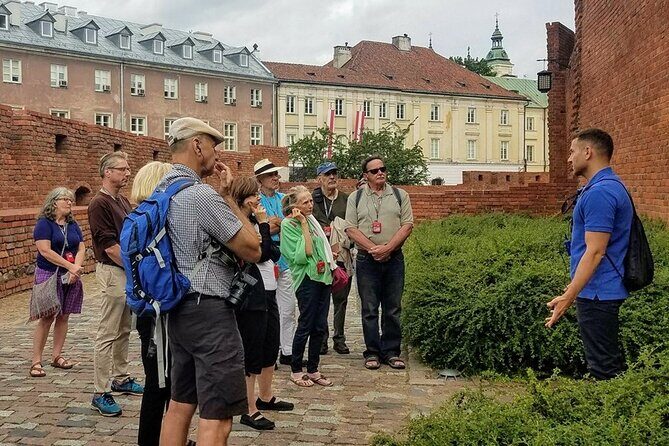
From the meeting spot, the walk quickly becomes a story about place and memory. Sigismund’s Column stands as Warsaw’s oldest monument in the area, and Lukasz uses it as a launch pad into the deeper narrative: how the Old Town was rebuilt and why the rebuilding matters today. You’re not just looking at facades—you’re learning what survived, what was reconstructed, and what that means for identity.
This is also where the Royal Route starts to feel real in your feet. You’ll see the Royal Castle area and the city walls surroundings early, so by the time you reach the Old Town core, you’re able to understand the layout rather than just take in visuals.
Here’s a practical tip: if you arrive even a few minutes early, take a slow look around. Castle Square is the kind of space where, once you grasp the orientation, everything after makes more sense—especially the way streets, squares, and churches “push” you into the Royal Route flow.
Old Town Market Square, St. John the Baptist, and St. Anne’s Church
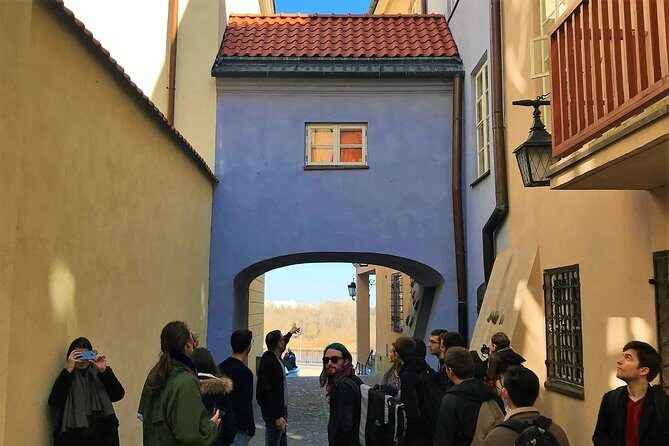
Once you head into the Old Town center, you’re moving through layers of Warsaw’s public life. The first “heart” stop is the Archcathedral Basilica of St John the Baptist. This is described as the most important church in Warsaw, and standing near it helps you understand why religious buildings are not just spiritual stops here—they’re political and cultural anchors too.
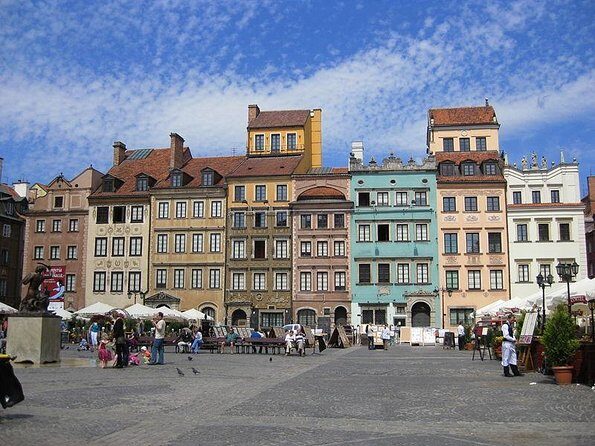
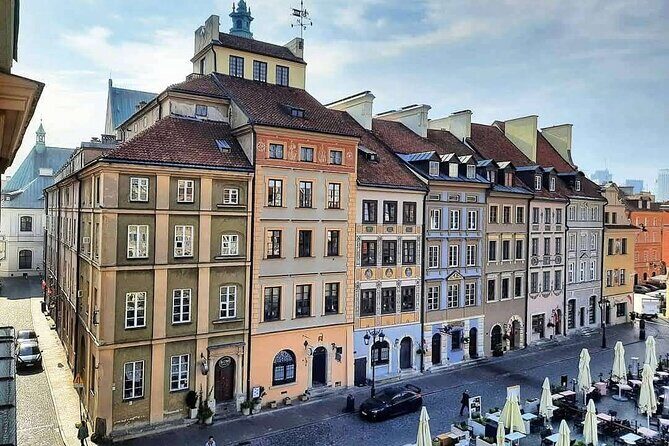
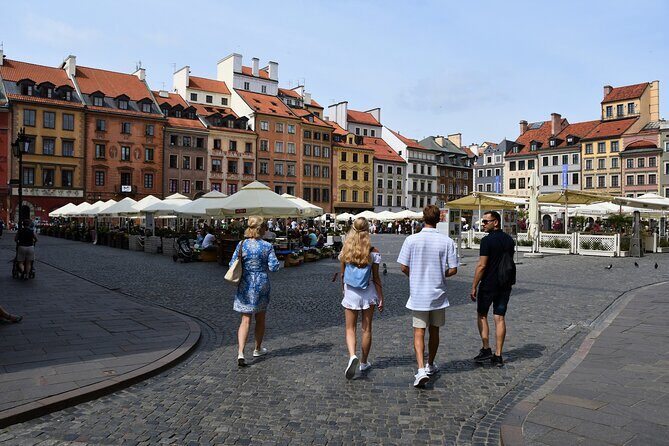
Then you reach Rynek Starego Miasta, the Old Town Market Square. This is the oldest square in Warsaw, and the kind of place where the history feels architectural: buildings wrap around you, and the square shape guides sightlines. If you’ve been to European old towns before, you’ll notice the difference. Here, the rebuilt character is part of the emotional effect. The square works best when you remember what Lukasz explains about reconstruction, because you can see the story in how the space is laid out.
Next comes St. Anne’s Church. Lukasz treats it like more than a stop for photos. The point is survival: it’s one of Warsaw’s greatest churches and it endured World War II. That detail gives the church weight. You’ll likely find yourself looking longer, because the building becomes a physical record, not just a landmark.
One small drawback: since the tour moves quickly from church to square, you’ll want to decide ahead of time what you care about most—architecture, war-era resilience, or the Chopin connection that comes later. The route is balanced, but it’s still a fast sampler.
Royal Route on foot: President’s Palace, Raffles Europejski, and key streets
After the Old Town core, the tour keeps you on the Royal Route and widens the lens from churches and squares to state and everyday prestige. One of the most interesting stops is Palac Prezydencki (President’s Palace). You’ll also hear about Frederick Chopin’s first public performance taking place here. That’s a rare kind of site: a government building that doubles as a milestone in music history.
Right around this stretch you’ll also pass Raffles Europejski Warsaw, a famous historical hotel dating back to the 19th century. Even if you don’t go inside, it helps connect Warsaw’s identity beyond the Old Town. This is where you feel the city as it developed into a modern capital while still honoring the Royal Route story.
The route also includes Church of St Joseph of the Visitationists, one of the oldest convents in Warsaw. Convents can be easy to treat as background scenery, but in this walk Lukasz brings them into the conversation of long-term city history—how religious communities shaped neighborhoods and continuity across different eras.
In a tour this short, the advantage of these stops is pacing. You get a broad spectrum—religious power, civic power, cultural power—without feeling like you’re sprinting across town. You’re also not stuck with only the most obvious photo spots.
Convents and academia: St. Joseph of the Visitationists and the University of Warsaw
Two stops make this section feel more “lived-in” than museum-like. First, Church of St Joseph of the Visitationists connects you to old Warsaw through the convent tradition. Second, you’ll walk past the University of Warsaw (Uniwersytet Warszawski), the historical campus tied to the city’s intellectual heritage.
This is where the tour quietly helps you understand why Warsaw’s story didn’t revolve only around palaces and churches. Education and religious life are different kinds of institutions, but both are long-running, shaping the rhythms of the city. If you’re the kind of person who likes to travel by layers, this part gives you that.
It’s also a good moment to ask questions, because the group is small. Lukasz can tailor explanations on how these sites fit into the larger Royal Route and Old Town setting, especially once you’ve already seen the war survival details at St. Anne’s.
If you’re sensitive to crowds, this is a decent section to be glad about. Small group size matters most right when you’re moving past major landmarks and there’s usually foot traffic in the area.




Chopin in stone: Holy Cross Church, Saxon Gardens, and the Tomb of the Unknown Soldier
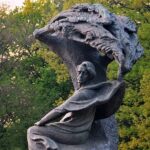
The tour’s cultural thread tightens around Frederick Chopin near the end. You’ll stop at Holy Cross Church (Kosciol Swietego Krzyza), noted here as the resting place of Chopin’s heart. That detail changes how you look at the church. It becomes less about general sightseeing and more about connecting a specific piece of biography to a specific building.
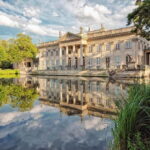
Then you reach Saxon Gardens, the oldest public park in Poland. This is your visual reset after the tighter church streets. You’ll see the Great Fountain and rococco style sculptures, and the park setting helps you breathe while still feeling connected to central Warsaw. For a 2-hour tour, ending with park space is a smart choice. It keeps you from finishing exhausted and lets you continue exploring on your own with better energy.
The finale is the Tomb of the Unknown Soldier. It’s one of Poland’s most important memorials dedicated to the country’s history, and the location gives you a clean emotional and geographic bookend. You also end at the Tomb (plac Marszałka Józefa Piłsudskiego 1-3), which is a practical advantage: it’s close to get back toward the Old Town, Royal Route, and the city center. In other words, you’re not dropped somewhere awkward far away.
Price and what $36.04 buys you in real terms
At about $36.04 per person for roughly 2 hours, this isn’t a long, slow deep-dive. It’s a focused orientation-and-context walk. The value comes from three things you can feel while you’re there:
- The small cap (10 people): you get actual interaction with Lukasz, not just a recorded script over a crowd.
- Clear route logic: it connects Castle Square to the Old Town core, then swings along the Royal Route toward the finish.
- Context for reconstruction and survival: you learn why the rebuilt Old Town matters, and you get the war-resilience detail at St. Anne’s Church.
One more value point: the tour’s listed admission is free for every stop mentioned. So you’re not juggling ticket costs for each location; you’re paying primarily for the guidance, timing, and the way Lukasz links sites together.
This makes it a great first-choice tour if you want to understand Warsaw’s layout and key themes quickly.
Should you book this Warsaw Old Town and Royal Way walk with Lukasz?
I’d book it if you:
- Want a short, high-impact introduction to the UNESCO Old Town and the Royal Route
- Like explanations that connect history to what you’re actually standing next to
- Appreciate a small group where you can ask questions
- Want a guided route that also covers Chopin-linked sites and war survival details without turning into a marathon
I might skip it if you:
- Want lots of time inside multiple buildings (this is about walking and context, not long interior visits)
- Prefer a totally self-guided day with zero structure
FAQ
How long is the tour?
It lasts about 2 hours.
Is the tour private?
Yes. It’s a private tour/activity, and only your group participates.
Is it offered in English?
Yes, it’s offered in English.
Do I need to pay admission tickets for the stops?
The stops listed on the route show admission ticket as free.
Where does the tour start and end?
It starts at Sigismund’s Column on Castle Square (Plac Zamkowy) and ends at the Tomb of the Unknown Soldier at Plac Marszałka Józefa Piłsudskiego 1-3.
What is the cancellation policy?
There is free cancellation. You can cancel up to 24 hours in advance for a full refund. If you cancel less than 24 hours before the start time, you won’t get a refund.