REVIEW · WARSAW
Warsaw: Historic Private Tour in Retro Fiat
Book on GetYourGuide →Operated by Warsaw Private Tours WPT1313 · Bookable on GetYourGuide
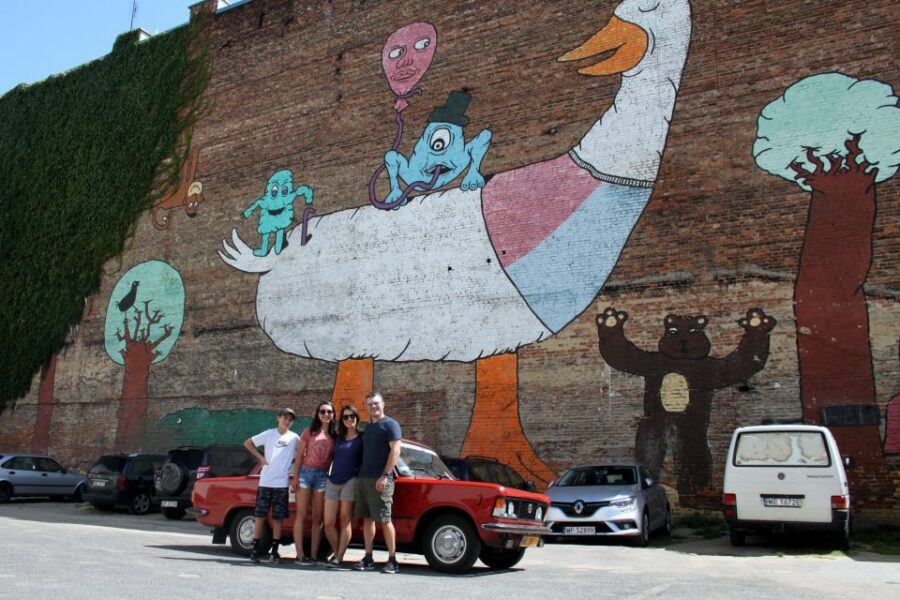
A ride in a retro Fiat changes the mood fast. You get a front-seat view of Warsaw’s big turning points—Old Town, Praga, the ghetto remains, and the story of a city rebuilt—without spending half your day in taxis or crowds. The mix of retro 125p Fiat charm and serious WWII history keeps it from feeling like a textbook.
I really like two things here. First, the Praga District portion isn’t just scenic; it’s tied to the grim memory of the Jewish ghetto remains and what that meant for ordinary people. Second, the private setup means your guide can shape the pacing around what you care about, and guides such as Jureg, Karol, Martin, Pavel, Olga, or Alexander have been highlighted for bringing these sites to life in clear, English-friendly explanations.
One thing to consider: this is half driving, half walking. If you’re hoping for a mostly “sit and see” tour, the comfort level depends on your walking tolerance, plus the route can shift with traffic.
In This Review
- Quick highlights that make this tour worth your time
- The retro Fiat 125p: more than just cute transportation
- Old Town and the bigger Warsaw picture you might miss on your own
- Praga District: Warsaw’s different side (and why it matters)
- Seeing the Jewish ghetto remains without turning it into a checklist
- Warsaw Uprising landmarks: how the story gets more urgent
- Stalin-era rebuilding: the city you see today, explained
- How the half-walking setup really works (and how to adapt)
- What’s included: small extras that feel like good value
- Price and logistics: when $105 feels fair, and when it might not
- Who this tour suits best
- Guides can shape the whole experience
- Should you book this Warsaw retro Fiat tour?
- FAQ
- How long is the Warsaw private tour in the retro Fiat?
- Is this tour private?
- Where does pickup happen?
- What transportation will I use?
- How much walking is involved?
- What’s included in the tour price?
- Are meals included?
- What language is the tour guide?
- Can the route change during the tour?
Quick highlights that make this tour worth your time
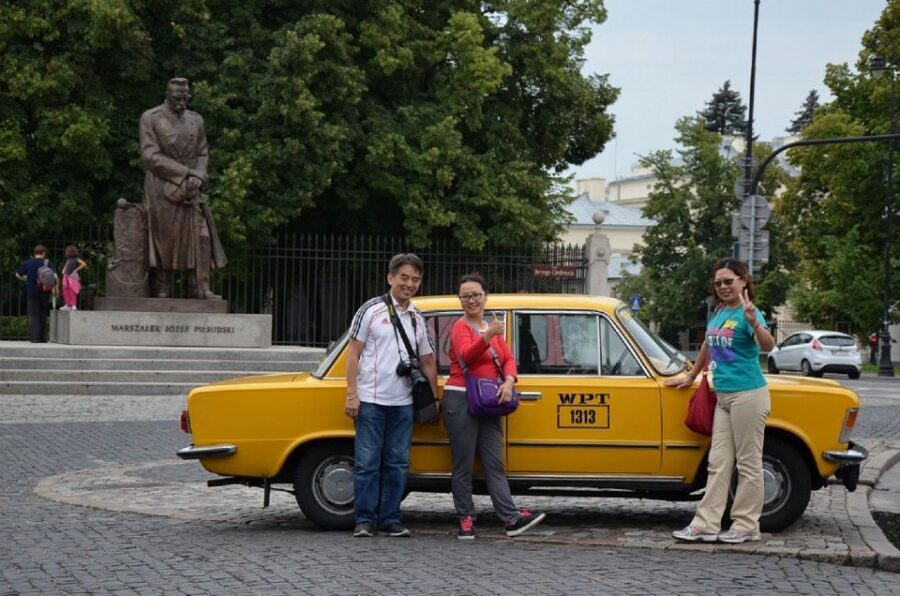
- Retro 1980s-era Fiat 125p makes transit part of the fun, not just a means to an end
- Praga District stop links UNESCO-listed neighborhoods to Warsaw’s wartime story
- Jewish ghetto remains are handled carefully, with historical context built into the route
- Warsaw Uprising landmarks help you understand what the city was up against in WWII
- Stalin-era rebuilding viewpoint explains why today’s Warsaw looks the way it does
- Comfortable pace with some adaptation if you want to walk a bit less
The retro Fiat 125p: more than just cute transportation
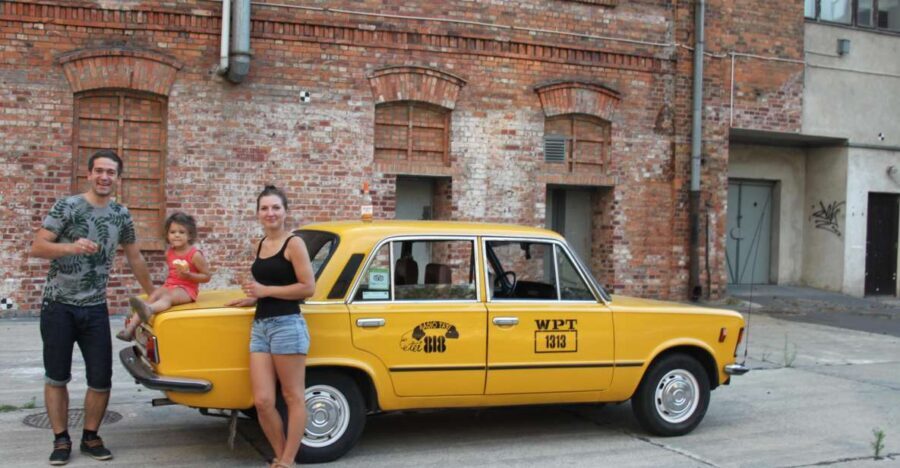
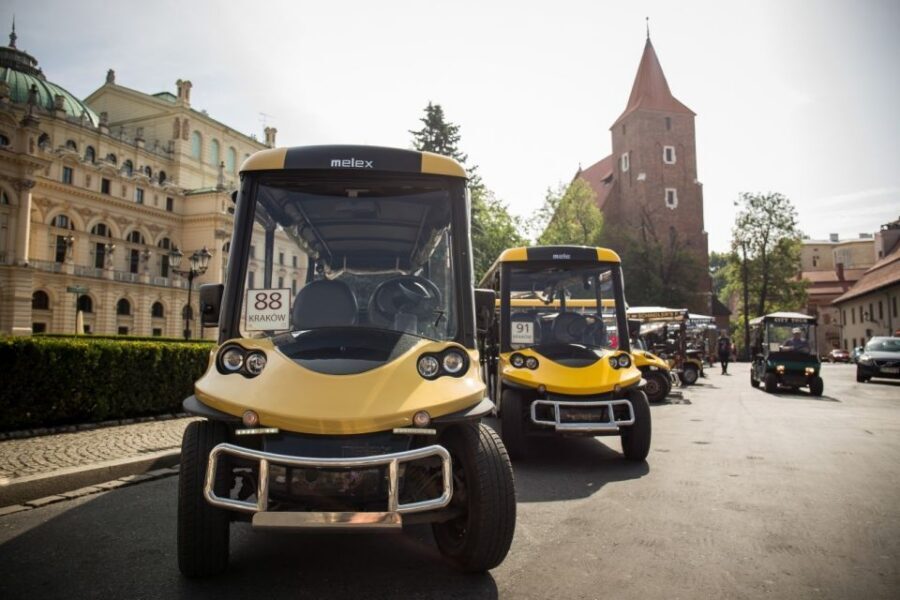
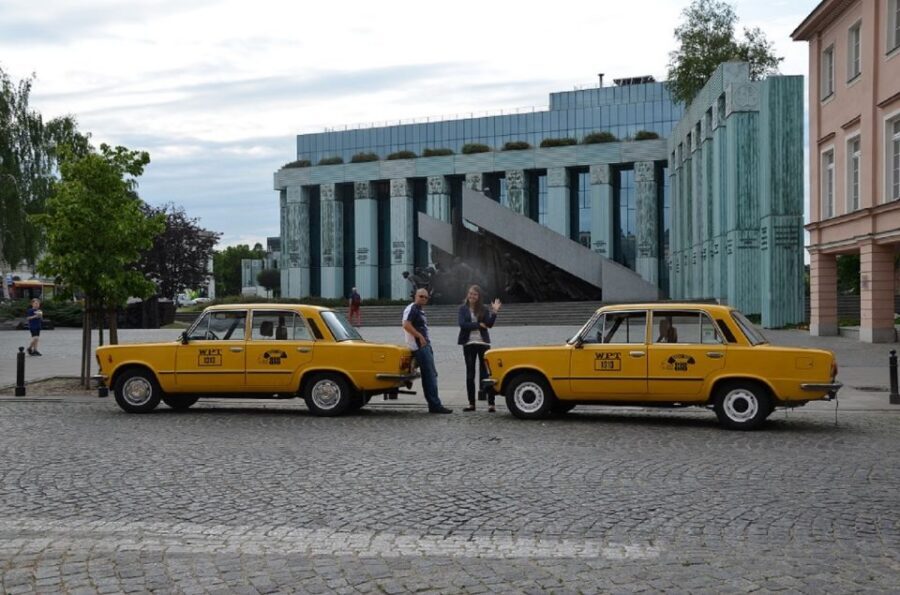
The best part of a private car tour is control. You pick up in the city center, then you’re off in a historic passenger car—specifically a retro 125p Fiat from the 1980s vibe. Yes, you’ll get plenty of looks from pedestrians. But more important, the car keeps the tour efficient so you can fit major sights into just four hours.
This isn’t a “drive-by” experience. It’s designed as half driving and half walking. That means you’ll actually stand in key spots long enough to connect what you see with what you’re hearing, instead of watching from behind a window the whole time.
If you’re traveling with a larger group (over four people), you’ll be switched to a blue vintage minivan. Same idea—historic transportation—but the vehicle changes with group size, so don’t expect the Fiat look if you’re in a bigger party.
You can also read our reviews of more private tours in Warsaw

Old Town and the bigger Warsaw picture you might miss on your own
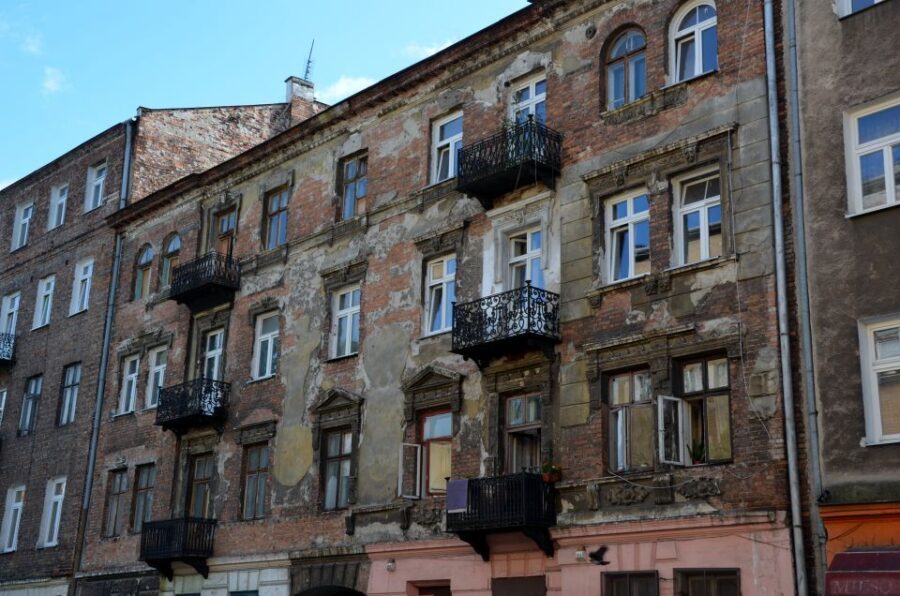
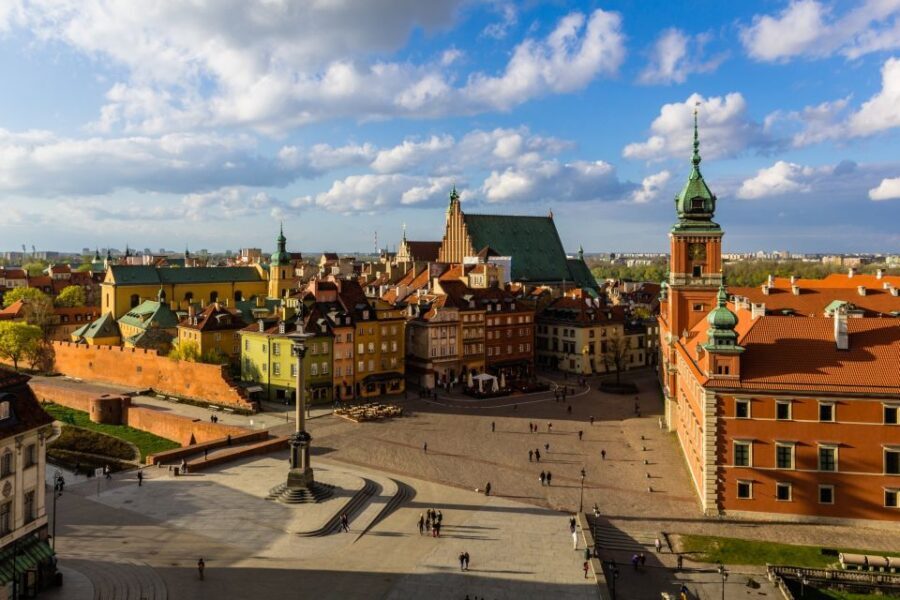
Old Town in Warsaw is famous for a reason, but it can also feel like you’re moving from one pretty façade to the next. This tour uses Old Town as a base layer, then builds outward into the neighborhoods where history gets sharper.
I like that the guide frames what you’re seeing. You’re not only learning names of monuments—you’re learning how Warsaw’s story moved through occupation, resistance, and rebuilding. Even if you’ve already done a walking Old Town loop, a car-and-walk route helps you connect the dots faster.
You can also choose an approach that matches your time. If you’re on a tight schedule, a tour like this helps you get your bearings quickly. Then you can come back later for slower wandering in the areas that grab you most.
Praga District: Warsaw’s different side (and why it matters)
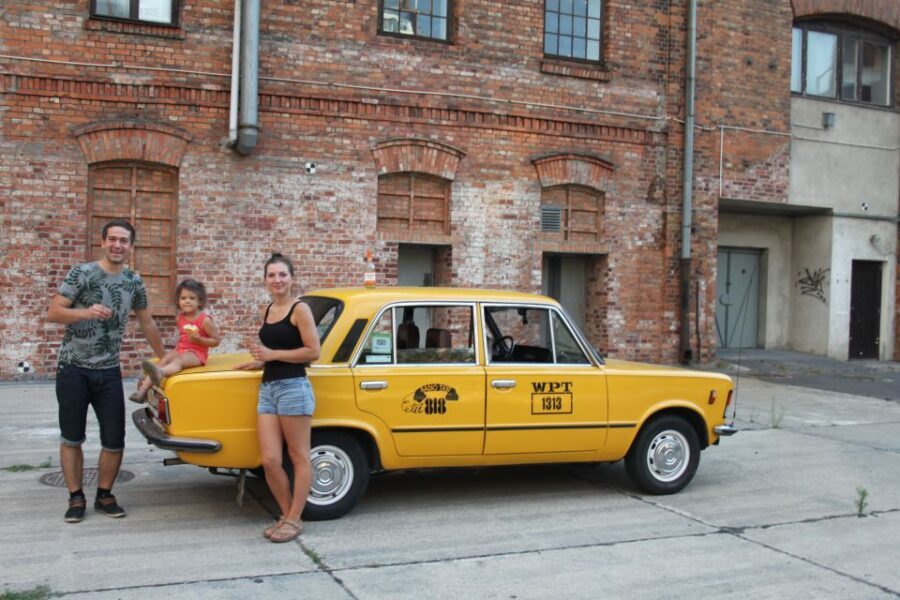
Praga is where Warsaw feels less like a postcard and more like a lived-in city. It’s also tied to UNESCO-level significance, which matters because it signals the area isn’t just “interesting” in passing—it’s recognized for its historical value.
What I’d plan for here is context. This stop is meant to connect the physical setting to the human story, especially surrounding the Jewish community during WWII. In a lot of tours, ghetto history gets reduced to a few stops. Here, it’s woven into a route that makes the geography feel meaningful.
One practical perk: Praga is often easier to experience by car first. You can see how the city’s layout shifts, then walk only where the guide asks you to. It’s a smart use of time in a city where the distances add up.
Seeing the Jewish ghetto remains without turning it into a checklist
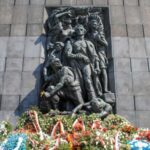
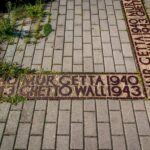
The Jewish ghetto remains are handled as the tour’s emotional core. You’re not just looking for memorial plaques; you’re learning the tragic history tied to Warsaw’s Jewish community, and specifically what’s left behind today.
This is the kind of place where the guide’s tone and pacing matter. The format here helps: you’re transported between points, then brought to specific remnants with explanation at each stop. The goal is understanding, not speed-running trauma.
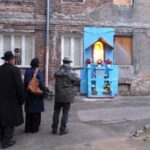
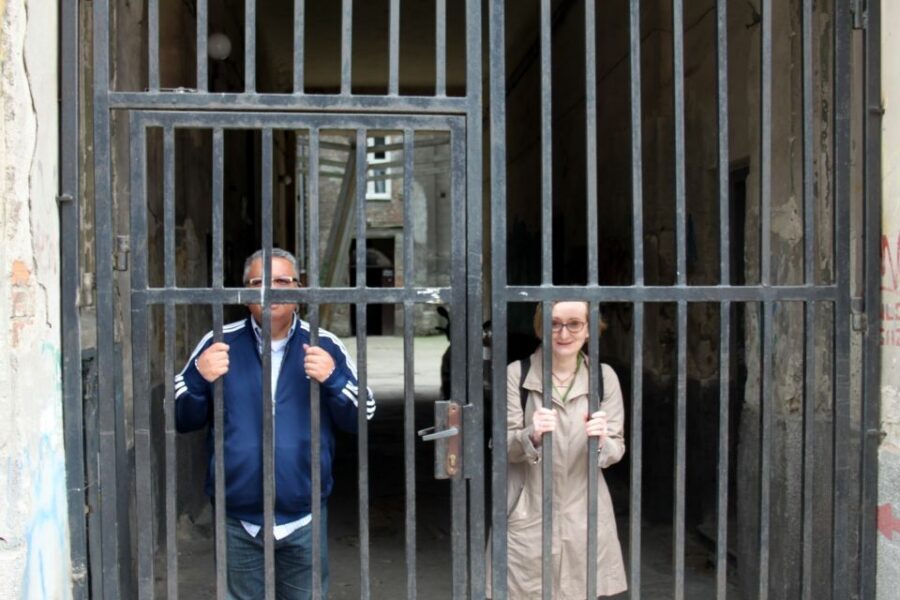
There’s also a detail worth knowing if you like thoughtful stops. One guide-led highlight mentioned is a secluded courtyard with a Jewish shrine in Praga. You probably won’t find places like that on your own unless you already know where to look, and that kind of side stop is often what makes a private tour feel worth paying for.
Warsaw Uprising landmarks: how the story gets more urgent
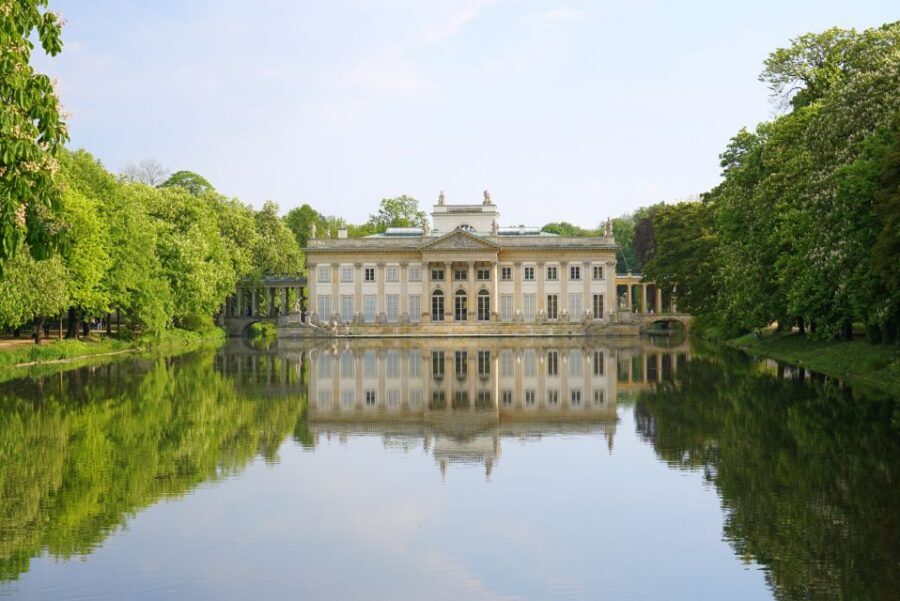
After the ghetto remains, the tour turns toward the uprising. The Warsaw Uprising is described here as the largest armed uprising of civilians during World War II. That framing is important because it stops the story from becoming only a tale of military strategy.
Instead, your guide connects the uprising to the city itself—what it meant to fight for a place where daily life had already been shattered. You’ll visit key locations while learning how the uprising unfolded and why Warsaw became such a symbol.
What I like about covering it by car is timing. You don’t have to guess which points are worth your limited energy. You also avoid the stress of bouncing around by public transit when your schedule is tight.
Still, here’s a consideration: the emotional weight can be heavy. If you prefer your history lighter, build in a little buffer time after the tour. A short walk, a pastry stop, or just a calm reset in a café goes a long way.
You can also read our reviews of more historical tours in Warsaw


Stalin-era rebuilding: the city you see today, explained
One of the most useful parts of this tour is the shift into the post-war city. After the destruction during WWII, Warsaw was rebuilt under the regime of Stalin, and the tour ends with that theme.
This is one of those “you’ll understand more if someone tells you” moments. From street level, Warsaw can look modern and orderly. But the tour’s explanation helps you see why the rebuilding decisions shaped the layout and identity of the capital.
You’ll finish the experience with a sense of cause-and-effect: what was destroyed, what was rebuilt, and how politics influenced what rose again. For me, this is where a history-focused tour earns its keep. Without it, you might just admire architecture and miss the story built into it.
How the half-walking setup really works (and how to adapt)
The tour is listed as half walking, half driving, and that’s practical for most people. It gives you time at the stops that matter while keeping the overall route moving. But your exact comfort will depend on where you’re walking and your footwear.
My suggestion: wear comfortable shoes and go in with a realistic mindset. It’s not a wheelchair-only plan, and it’s not a pure sit-down tour either. If you have mobility limits, it may still be adaptable, but it’s best to plan on some walking.
Also remember that the route can change due to current traffic situations. That’s not a failure mode; it’s normal city logistics. If you’re the type who likes everything fixed down to the minute, this might feel slightly less predictable. If you’re flexible, it’s usually seamless.
What’s included: small extras that feel like good value
At $105 per person for a 4-hour private tour, the value comes from the package, not just the car ride. You’re paying for a local guide, door-to-door pickup and drop-off in the city center, and a curated route that touches major historical themes efficiently.
Here’s what you’ll get along the way:
- Complimentary vodka shot (included)
- Polish sweet (a doughnut-style treat)
- Photos from the tour, emailed afterward
- Transport in the retro vehicle (or blue vintage minivan for larger groups)
- A private local guide in English
Meals aren’t included, so plan to grab food before or after. The nice part is you don’t need to squeeze a full meal into the tour window, which helps the tour stay focused.
The photos can also be a quiet win. In a city with lots of stops, you can end up missing shots. Having photos delivered later saves you the stress of documenting everything yourself.
Price and logistics: when $105 feels fair, and when it might not
For many visitors, private tours are worth it when you want both efficiency and context. At $105 per person, the fair part is that you’re not paying per “activity,” you’re paying for a guided route through the hardest-to-time-history of Warsaw. The pickup/drop-off also cuts down on planning headaches.
It may be less of a slam dunk if you already know exactly what you want to see and you’re comfortable using transit. In that case, you could cover some sites on your own. But if you want the connections—ghetto remains to uprising to Stalin rebuilding—this tour structure does the heavy lifting.
Also, remember you’re on a limited time budget. Four hours is not long, so you want a route that brings coherence. This one is built around major WWII-linked themes, plus Praga and Old Town positioning.
Who this tour suits best
I’d point this tour toward you if:
- You want a private English guide to connect multiple eras of Warsaw
- You prefer car-and-walk efficiency over long self-guided wandering
- You’re especially interested in WWII-era Warsaw, including ghetto history and the uprising
- You like memorable transport—like riding in a retro Fiat—without sacrificing substance
It may be less ideal if you:
- Want an entirely non-walking, sit-in-comfort plan
- Prefer only light, casual sightseeing with no heavy historical content
- Need a fully fixed route immune to traffic adjustments
Guides can shape the whole experience
One advantage of a private tour is that the guide isn’t just a script reader. In the experiences tied to this tour, different guides have been praised for making the stops feel clear and personal, including names like Jureg, Karol, Martin, Pavel, Olga, and Alexander.
That matters most in the emotionally intense segments. When you’re learning about occupation, the ghetto, and the uprising, you want someone who can guide the pace and explain without rushing.
If you have specific interests—Chopin, for example, or Soviet-era occupation details—this is the kind of tour where your guide can help prioritize what you see next, rather than sticking rigidly to a generic list.
Should you book this Warsaw retro Fiat tour?
Book it if you want a short, high-impact overview that connects Old Town, Praga, the Jewish ghetto remains, the Warsaw Uprising story, and Stalin-era rebuilding into one coherent route. The private format and city-center pickup make it easy, and the retro Fiat adds a fun layer that doesn’t steal focus from the history.
Skip it if you’re sensitive to walking time or you only want a light, purely scenic loop. Also consider booking something else if you prefer to control every stop with total independence—because the route can shift with traffic and because some stops require standing time.
If you’re in that common Warsaw situation of limited time and lots of questions, this is a strong way to get answers quickly—and in a way you’ll remember.
FAQ
How long is the Warsaw private tour in the retro Fiat?
It runs for 4 hours.
Is this tour private?
Yes, it’s a private group tour.
Where does pickup happen?
Pickup and drop-off are included in the city center, either at your hotel or another centrally located point.
What transportation will I use?
You’ll ride in a historic retro passenger Fiat 125p. If the group is over 4 people, you’ll be driven in a blue vintage minivan.
How much walking is involved?
It’s half walking and half driving, so comfortable shoes are recommended.
What’s included in the tour price?
A private local guide, hotel pickup and drop-off, transportation by the retro vehicle, a complimentary vodka shot, a Polish sweet (doughnut), tour photos emailed afterward, and a snack treat.
Are meals included?
No, meals are not included.
What language is the tour guide?
The live tour guide is English.
Can the route change during the tour?
Yes. The route might be changed a bit depending on current traffic situations.