REVIEW · WROCLAW
Wrocław: Guided City Tour with a Local
Book on GetYourGuide →Operated by Dariusz Wojciechowski Naszlaku com · Bookable on GetYourGuide
Wrocław rewards slow walking and sharp eyes. This small-group city tour uses a local guide to connect the big landmarks with the little details, from Cathedral Island (Ostrów Tumski) to the Market Square. In about three hours, you get a clear sense of how Wrocław, Silesia, and Poland all layer together in one walk.
Two things I really liked: Dariusz Wojciechowski tells the city’s story with an architect’s attention to what you’re seeing, not just dates. And the tour mixes major stops with the kind of street-level curiosities you’d miss on your own, including quirky sights like the dwarf figurines and quiet corners around the city.
One consideration: it’s a walking tour and it’s not suitable for wheelchair users, so wear comfortable shoes and expect uneven old-town streets and park paths for the full 3 hours.
In This Review
- Key Highlights You’ll Feel Right Away
- Meeting at Zaułek Solny and Getting Your Bearings
- Ostrów Tumski: Cathedral Island at Street Level
- Market Square and the Gothic Town Hall’s Details
- Baroque Flourish: Wrocław University from the Outside
- The UNESCO Centennial Hall: Modern Architecture With Human Scale
- The Train Station Stop: Why Design Lovers Will Pause
- Parks, Dwarf Figurines, and the Quirky Wrocław Moments
- How a Local Guide Changes What You Notice
- Price and What You Actually Get for $41
- Duration and Walking Pace: Your Day Plan
- What to Bring: Simple Stuff That Makes It Pleasant
- Who This Tour Suits Best (and Who Might Want a Different Option)
- Should You Book This Tour With Dariusz?
- FAQ
- Where does the tour meet?
- How long is the Wrocław guided city tour with a local?
- How much does it cost?
- What sights are included during the walk?
- Are entry tickets included for museums and monuments?
- What languages is the live guide available in?
- Is it suitable for wheelchair users?
- What should I bring?
- Are there different routes or themes to choose from?
- Is there a way to book without paying right away?
- Can I cancel for a refund?
Key Highlights You’ll Feel Right Away
- Meet at Zaułek Solny and start with context before you even move far
- Ostrów Tumski Cathedral Island up close, where the city’s spiritual center is visible
- Market Square with the Gothic Town Hall and the kind of details a guide points out
- Wrocław University in Baroque splendor as more than just a pretty facade
- The UNESCO Centennial Hall as a modern counterpoint to historic streets
- A stop at Poland’s most beautiful train station for design lovers
Meeting at Zaułek Solny and Getting Your Bearings
Most city tours start with a lot of “look up” energy. This one starts with the right kind of context. You meet at the gate called Zaułek Solny, which is a nice signal that you’re about to move through the historic center rather than just hop between distant photo spots.
What makes the start feel good is that you’re not left to guess. Before you reach the obvious landmarks, your guide frames what you’ll be seeing: how Wrocław sits within Silesia, how Polish history gets written into the city, and why different architectural styles seem to share the same streets. If you like cities that reward attention, you’ll appreciate that tone.
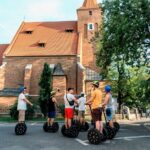
This tour is also designed for a small group. That matters because it helps you ask questions and get adjustments if your interests lean history-heavy, architecture-heavy, or just plain curiosities. You’re not competing with a crowd every time someone wants clarification on a facade or a street layout.
You can also read our reviews of more guided tours in Wroclaw



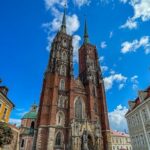
Ostrów Tumski: Cathedral Island at Street Level
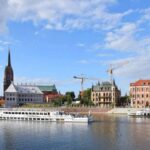
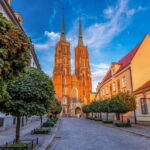
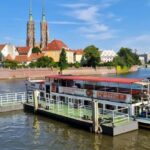
One of the tour’s anchors is Ostrów Tumski, the Cathedral Island area. This is where Wrocław feels less like a typical “main square city” and more like a place with a long pulse. Seeing a cathedral island on foot changes your viewpoint fast: bridges, river edges, and skyline angles all work together, so the city’s layout starts to make sense.
From street level, the magic isn’t only the dramatic buildings. It’s the way the area reads as a center of gravity—spiritual, historical, and civic. Your guide will help you notice how the setting and the architecture fit each other. You’ll also get a better sense of why the island matters in the broader story of Poland and Silesia.
Practical tip: this part of the walk is more “stroll and observe” than “run to the next photo.” Go slow for a few minutes. If you’re rushing, you’ll miss the subtle details your guide will point out.
Market Square and the Gothic Town Hall’s Details
Then you reach Wrocław’s Market Square, and the tone shifts to grand scale. The headline here is the Gothic Town Hall, but the real value is in what you learn to look for once a local guide slows you down.
Market Squares are often treated like photo backdrops. Here, you’ll understand why this one feels different. The guide’s style leans toward architectural “why’s”: how Gothic elements communicate power and civic pride, and how the town’s role shaped the way the square grew and operated.
If you love the feel of old Europe but hate generic narration, this is the sweet spot. You’ll come away with a sense that the square is a living record, not a set.
One small consideration: Market Square is also a busy public area. If you’re going on a day with lots of foot traffic, expect you’ll have moments where the group slows down and you wait for a clear view.
Baroque Flourish: Wrocław University from the Outside
Wrocław’s charm isn’t only in medieval stone. The tour also moves you toward the University decorated with Baroque splendor, where you can see how later styles didn’t erase the past—they layered over it.
Baroque is often described as dramatic. On the ground, it’s more practical than that. The shapes, ornamentation, and rhythm of details tell you how the city wanted to look when tastes changed. A good guide helps you read those visual cues without turning it into a lecture you tune out halfway through.
This stop is especially good if you’re the type who notices windows, staircases, and the way buildings frame streets. Your guide will help connect those details to the bigger cultural shifts behind them. That’s the difference between seeing a facade and understanding why it exists.
If you’re hoping for lots of interior time: entry tickets for museums and monuments aren’t included, so your experience here may lean exterior-focused depending on what’s open and what you decide to do next on your own.
The UNESCO Centennial Hall: Modern Architecture With Human Scale
Then comes one of the tour’s “wait, this is in Poland” moments: Centennial Hall, part of the UNESCO list. It’s a shift in vibe—from older street textures to a more modern, bold structure that feels confidently built.
This is a great stop for anyone who thinks they only like “old towns.” Centennial Hall helps you appreciate how the city evolved. You’ll learn enough to recognize what you’re looking at, instead of standing there saying, This looks important, but I don’t know why.
Even if you’re not an architecture person, the hall works because it’s a visual landmark. It creates orientation. It also gives you contrast: walking from historic areas to this kind of modern statement helps your brain organize the city.
Tip for the photo crowd: take a minute to step back and frame the building as a whole. The details are there, but the impact comes from the structure as an object in space.
You can also read our reviews of more city tours in Wroclaw
The Train Station Stop: Why Design Lovers Will Pause
One of the most memorable highlights is the visit to what the tour calls the most beautiful train station in Poland. Stations usually get treated like places to pass through. This one is different because it’s architecture as destination.
A station like this is perfect for a guided tour because your guide can point out design choices that you’d otherwise ignore. It’s not only about looks. It’s about how movement, public life, and civic pride show up in architecture.
You’ll come away with an appreciation for why people slow down here. Even if you’re not catching a train, you’ll feel like the station is performing a role beyond transportation.
The one practical thing to remember: stations are practical spaces. If you’re sensitive to noise or crowds, plan for short pauses rather than long lingering exactly where everyone else is flowing.
Parks, Dwarf Figurines, and the Quirky Wrocław Moments
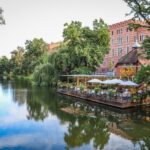
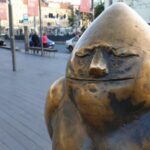
Not every great city tour is only about big monuments. This one includes time for the lighter, stranger sides of Wrocław—parks and dwarf figurines during the walking flow.
These details matter because they show Wrocław’s personality. The dwarves and small street features are an easy way to understand local humor and how the city invites playful attention. You stop treating the street as a corridor and start treating it as a canvas.
I like that the tour doesn’t force you into a “serious only” mode. You get context, then you get permission to enjoy the city on a human level. It’s also a smart way to break up the heavier history stops without losing momentum.
If you’re the type who collects stories, this section gives you extra material. Even after the tour, you’ll spot similar small details and feel more connected to the city.
How a Local Guide Changes What You Notice
The best part of this experience is how Dariusz Wojciechowski guides you. He’s not just reciting facts. He’s explaining architecture, city planning, and cultural background in a way that makes you look again.
One strong theme you’ll feel in the way he talks: history connected to the street. Instead of dumping timelines, the guide helps you notice how each site fits into the broader layers of Wrocław and Silesia within Poland. That connection makes the city feel coherent, not like a scrapbook of unrelated sights.
He also brings a map-and-guidebook author mindset. That translates into practical guidance: what to pay attention to, what to consider next, and how to keep your city walk from feeling random.
In short: if you want your time to feel “useful” rather than just “busy,” this guide approach is the difference.
Price and What You Actually Get for $41
At $41 per person for 3 hours, this tour is priced like a mid-range guided experience, but it doesn’t rely on pricey museum entries to justify itself. You’re paying for a live local guide, a small-group setting, and curated time focused on major landmarks plus the kinds of details that make a city feel real.
What’s included:
- A knowledgeable local guide (you’ll feel the depth in how he explains architecture and context)
- Small group experience
- Maps and guidebooks author-style recommendations
- Better insight into the history and culture of Wrocław, Silesia, and Poland
What’s not included:
- Entry tickets for museums and monuments
So the best way to think about value is this: you’re buying time with someone who can make the “outside views” meaningful. If you want to go inside particular sites afterward, you’ll likely add extra ticket costs yourself.
Duration and Walking Pace: Your Day Plan
This is a 3-hour city tour. That’s long enough to build a story, but short enough to avoid turning into a full-day endurance event. Still, it’s a walking tour, so plan your other activities with that in mind.
If you’re arriving in Wrocław for the first time, this is a good “set the stage” block. After this, you’ll usually feel more confident choosing what to see next—especially because your guide gives personalized recommendations based on what you care about.
If you already know the main sights and want only the highlights, you might feel you could do parts on your own. But if you care about architecture, culture, and context, the guided time tends to pay off fast.
What to Bring: Simple Stuff That Makes It Pleasant
The basics matter. Bring comfortable shoes and weather-appropriate clothing. Wrocław weather can swing, and a walking tour means you’ll feel it. Bring water if you tend to get thirsty, and dress for the time outdoors rather than the time you think you’ll spend indoors.
Also, if you’re the type who likes photos, don’t treat the whole tour like a race. You’ll have moments where stopping helps. If you’re always rushing to capture the shot, you’ll miss some of the guide’s best explanations.
Who This Tour Suits Best (and Who Might Want a Different Option)
This tour is ideal if you want:
- A guided walk that covers major historic and architectural stops
- A local perspective that connects sites to the wider story of Silesia and Poland
- A mix of well-known landmarks and playful details like dwarf figurines
- English or Polish narration, live with a real person
It’s less ideal if you need wheelchair accessibility, since it’s not suitable for wheelchair users. If you’re traveling with mobility limitations, you’ll want to look for an alternative that matches your needs.
Should You Book This Tour With Dariusz?
If you want Wrocław to feel readable—history in the right places, architecture explained, and the city’s quirks included—yes, I think you should book this. The value isn’t just the big-ticket sights; it’s the guide’s ability to make those sights click, plus the way you end with practical recommendations for what to do next.
I’d skip it only if you hate walking, need accessibility accommodations the tour can’t provide, or you’re determined to pay only for self-guided museum time. Otherwise, for a first visit or a revisit with fresh eyes, this is a strong use of a half-day.
FAQ
Where does the tour meet?
The meeting point is the gate with the name Zaułek Solny.
How long is the Wrocław guided city tour with a local?
The tour lasts 3 hours.
How much does it cost?
The price is $41 per person.
What sights are included during the walk?
The tour focuses on Cathedral Island Ostrów Tumski, Market Square with the Gothic Town Hall, the University decorated with Baroque splendor, the most beautiful train station in Poland, and Centennial Hall (UNESCO). It also includes parks and dwarf figurines.
Are entry tickets included for museums and monuments?
No. Entry tickets for museums and monuments are not included.
What languages is the live guide available in?
The live tour guide is available in English and Polish.
Is it suitable for wheelchair users?
No, the tour is not suitable for wheelchair users.
What should I bring?
Bring comfortable shoes and weather-appropriate clothing.
Are there different routes or themes to choose from?
Yes. You can choose from a range of routes that fit your needs and interests, including thematic routes and unconventional sightseeing of little-known corners.
Is there a way to book without paying right away?
Yes. You can reserve now and pay later, keeping plans flexible.
Can I cancel for a refund?
Yes. You can cancel up to 24 hours in advance for a full refund.