REVIEW · WROCLAW
Old Town Wrocław Walking Tour
Book on Viator →Operated by Walkative! TOUR · Bookable on Viator
Wrocław hides layers under your feet, and this walk turns the Old Town into a timeline. I especially loved Town Hall beer-cellar stories and architecture explanations around Rynek delivered in clear English.
One catch: group size can run bigger than you might expect, and if it’s a loud day you may find it harder to hear every detail.
In This Review
- Key highlights to look for
- Wrocław’s Old Town, explained in plain human terms
- Where the tour starts (and how to finish without stress)
- Town Hall: gothic power and the beer-cellar story
- Rynek Market Square: the buildings behind the big open space
- St. Elizabeth of Hungary Church and the 91-meter tower
- Wrocław University: baroque architecture and Nobel connections
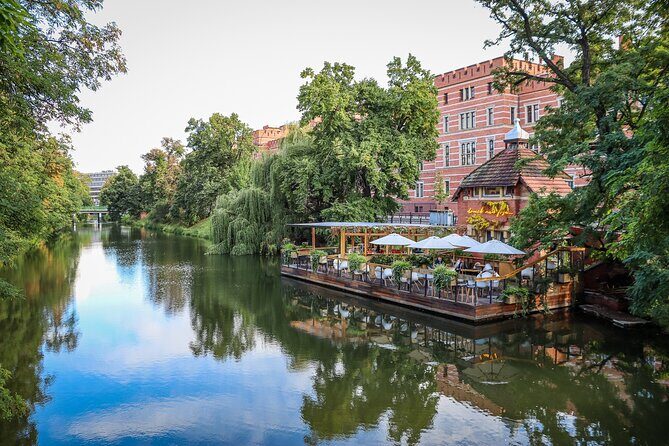
- Ostrów Tumski (Cathedral Island): 10th-century roots and Oder views
- The guide makes the difference: English, stories, and Q&A
- When hearing every word might be a problem
- How much you’re paying and why it feels fair
- Timing, weather, and what to wear
- Who this Old Town walk is best for
- Should you book this Old Town Wrocław walking tour?
- FAQ
- How long is the Old Town Wrocław Walking Tour?
- How much does the tour cost?
- Is the tour offered in English?
- How many people are in the group?
- Where do I meet and where does it end?
- What are the main stops on the walk?
- Are entrance tickets included?
- Is food included?
- Does the tour run in bad weather?
- What is the cancellation policy?
Key highlights to look for
- Town Hall focus with beer-cellar legends and a quick city history sweep
- Rynek Market Square walk that points out baroque and modernist buildings, the pillory, and Cloth Hall passages
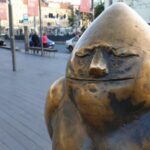
- St. Elizabeth of Hungary Church with its 91-meter tower, plus modern art and the famous Wrocław dwarfs nearby
- Wrocław University stop at a baroque setting tied to Nobel Prize connections
- Ostrów Tumski (Cathedral Island) for the 10th-century feel, gothic churches, palaces, and Oder river views
Wrocław’s Old Town, explained in plain human terms
Wrocław’s story is messy in a good way. This tour helps you sort it without turning it into homework. In about 2 hours 30 minutes, you get a route through the Old Town core and the Cathedral Island area, with a guide who connects what you’re seeing to who controlled the city over time.
That context matters here. Wrocław didn’t grow from one straight line of history. It was reshaped repeatedly, and you can still feel the layers in the buildings, the churches, and the public spaces. If you want a first pass that makes the rest of your trip easier, this is the kind of walk that gives you names and meaning fast.
You can also read our reviews of more walking tours in Wroclaw

Where the tour starts (and how to finish without stress)
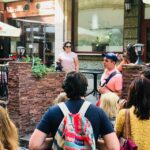
You meet at the Monument of Alexander Fredro on Rynek (Rynek, 50-438 Wrocław). It’s a central spot that’s easy to reach, and the tour also notes it’s near public transportation, which is handy if your day is already packed.
The walk ends on Ostrów Tumski (Cathedral Island). Plan on about a 15-minute walk back to get to your starting area or to connect onward. If you like finishing with views and atmosphere, Cathedral Island is a strong ending point. If you need to head straight somewhere specific right after, build that extra walking time in.
Town Hall: gothic power and the beer-cellar story
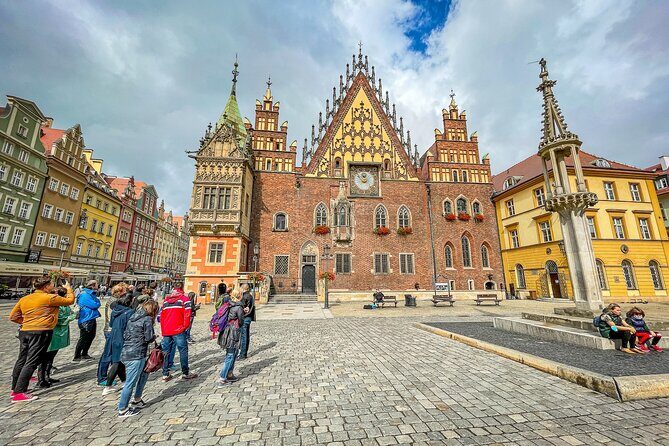
Your first stop is the Wrocław Town Hall, where the building’s gothic style sets the tone right away. The guide uses this place to kick off the big theme of the city: not just when things happened, but how different powers shaped daily life.
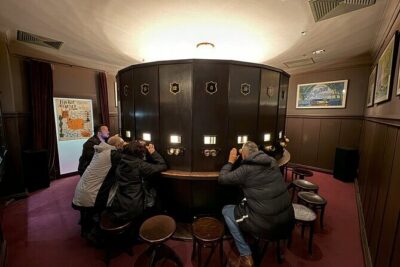
A standout is the story tied to the oldest beer cellar in Europe. Even if you’re not a beer history person, it’s a memorable entry point. It makes the Town Hall feel less like a postcard and more like a working part of the city—connected to commerce, gathering, and routine.
You’ll also get a city-history sweep here, including how Wrocław was taken over by five different countries. The tour keeps this moving at a practical pace: roughly 20 minutes on-site, with a lot of explanation built around what you can see.
What to watch for: stay alert to the guide’s points about why the Town Hall looks the way it does. The time is short, so if you want a specific photo angle, pick it early and then listen.
Rynek Market Square: the buildings behind the big open space
From the Town Hall, you step right into Rynek, Wrocław’s Market Square. This is where the city’s style shifts in a way that’s visible even when you’re just walking.
The tour points out significant structures around the square, including:
- Baroque and modernist houses
- the pillory
- the Cloth Hall and its passages
That mix is the appeal. Rynek isn’t one era frozen in time. It’s a public square that absorbed new design waves while keeping older functions in the mix. The guide’s job is to help you recognize what you’re looking at, and why it mattered.
This is another roughly 20-minute stop. That can feel short, but it’s timed well. If you’re a fast mover, you’ll finish with a sense of where everything is. If you’re slower and want more time for photos, you can always return later since Rynek is right there in the center.
Practical tip: wear shoes you can stand in. You’ll get moving, but you’ll also pause often to hear the differences between façades and details around the square.
St. Elizabeth of Hungary Church and the 91-meter tower
Next comes the Church of St. Elizabeth of Hungary, one of the Old Town’s key landmarks. The headline detail is the 91-meter tower, which gives you a strong visual anchor for this part of the city. Even from a distance, it helps you orient fast.
This stop also connects sacred architecture to modern interpretation. The tour discusses modern art connected to the church area, and then zooms in on the playful side: the Wrocław dwarfs placed next to the church.
That pairing—serious tower, modern art layer, and dwarfs nearby—turns the stop into something you’ll remember later while you wander on your own. It also keeps the tour from feeling like a lecture. You learn, but you also get variety in what you’re looking at.
Expect about 15 minutes here. That’s enough time to understand the basics and notice the dwarf references, but not enough to do a slow, independent church visit. If you want more interior time, treat the tour as your orientation and then plan a follow-up at your own pace.

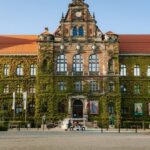
Wrocław University: baroque architecture and Nobel connections
The tour then goes to Wrocław University, described as a baroque setting. The guide uses this stop to show how learning institutions shaped the city’s prestige.
A specific detail that gets attention is the claim that the university is home to as many as 10 Nobel Prize winners. Even if you don’t know the names yet, the point is clear: this is not just an old building. It’s part of a longer academic influence.
The stop is shorter—about 10 minutes—so it’s more about the exterior and the story the guide builds around it than a deep look inside. If you’re the type who likes to photograph façades and signage, you’ll probably enjoy this quick hit.
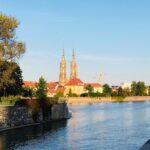
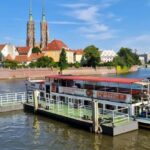
Ostrów Tumski (Cathedral Island): 10th-century roots and Oder views
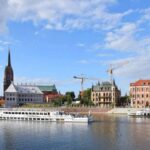
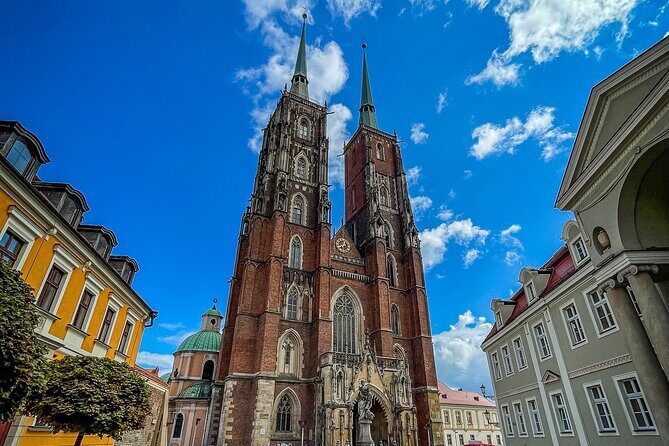
The final stretch takes you to Ostrów Tumski, also called Cathedral Island. You cross several bridges, and that matters more than you might think. The bridges act like a reset button. Once you’re on the island, Wrocław feels more medieval and more spread out.
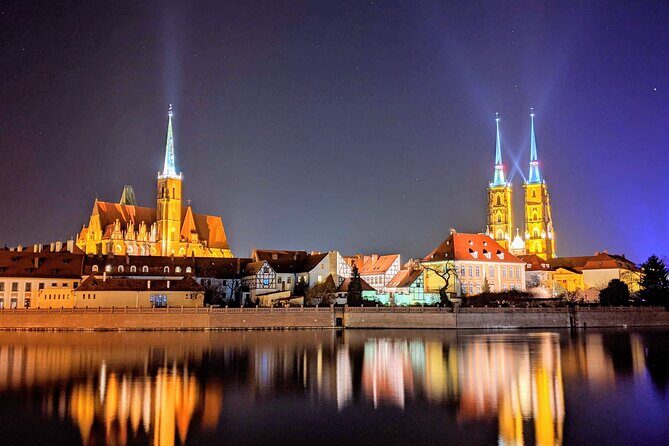
This area is presented as the oldest part of the city, dating back to the 10th century. That framing changes how you read the space. Instead of seeing only individual churches and palaces, you start to feel the island as a long-running center of meaning.
What you’ll see and discuss includes:
- gothic churches and other religious architecture
- palaces
- grand views of the Oder river
- the city’s complex Polish-German relations, tied into the broader timeline
Expect about 30 minutes for this stop, and it’s the part where the walk becomes a mini scenic break. If you like photos, this is where you can slow down a little without derailing the tour.
Small logistical note: since the tour ends here, don’t cram your last activity too tightly right after. The walk back is about 15 minutes, and it’s the kind of area where you may want to linger.
The guide makes the difference: English, stories, and Q&A
The tour is offered in English, and the overall vibe in the experience is that the guide doesn’t just recite facts. Several guides have been praised for being personable and for inviting questions. That matters because Wrocław’s history isn’t simple, and you’ll likely want to ask about names, dates, or why certain buildings look the way they do.
Guides named in feedback include people like Łukasz, Susanna, Simon, Matt, Peter, Michael, Adam, and Michel/Michal. The common thread is clarity in English and a storytelling style that connects the city to real lives, not just monuments.
You may also get helpful add-ons at the end. Some guides provide a QR code map with recommendations for places to eat and hang out, and a few also point you toward museum ideas. That’s useful because it helps you keep your second day of exploring from turning into random wandering.
When hearing every word might be a problem
Even with a strong guide, there’s a practical reality: the experience is described as small-group, capped at 15 people, but the activity info also lists a maximum of 35. On a busier run, your ability to hear can drop—especially if the guide is without a microphone.
If you’re sensitive to audio, arrive on time and position yourself where you can see and face the guide. The tour is offered in all weather conditions, so if it’s raining and everyone bunches closer, that can make sound carry differently.
How much you’re paying and why it feels fair
The price is listed at $26.60 per person for about 2.5 hours. At first glance, that’s not cheap in a city where you can walk anywhere. But value here comes from three things you don’t easily recreate on your own:
1) A structured route through the most important sights (Town Hall, Rynek, St. Elizabeth Church, University, Cathedral Island).
2) The connecting story—how Wrocław’s control shifted across multiple countries and how that shows up in architecture and public spaces.
3) Time-saving orientation. Getting bearings fast matters in Wrocław, because the city’s charm is partly the way areas relate to each other.
Another value point: the itinerary lists admission ticket free at each stop. That doesn’t mean you’ll spend zero money in Wrocław, but it does mean you’re not paying extra entry fees just to hear the story.
If you want the best return on your money: go on a day you’re not already exhausted. This tour works best when it’s early enough that you can use it to plan the rest of your sightseeing.
Timing, weather, and what to wear
The tour runs in all weather conditions, so you’ll want to bring basic rain protection if skies look uncertain. Since it’s a walking route across bridges and through open areas like Rynek, a light waterproof layer and grippy shoes can save you from the annoying part of sightseeing—slipping, soaking, and having to cut your day short.
Also, the tour says it operates regardless of weather, which is good news if your schedule is tight. Wrocław weather can change quickly, and it’s reassuring that the tour doesn’t cancel just because it’s not sunshine.
Who this Old Town walk is best for
This is a strong fit if you:
- are visiting for the first time and want a clean overview
- like history told through places, not through a slide deck
- want free-to-walk city highlights with a guide who can answer questions
- enjoy the mix of serious architecture and Wrocław’s playful details, like the dwarfs
It may be less ideal if:
- you need a super quiet experience where you can hear every word without effort
- you strongly prefer slow, deep site visits with lots of time inside churches (this tour is timed and focused on walking + explanation)
For most people, it hits a good middle ground: enough time to understand the essentials, without turning the day into a marathon.
Should you book this Old Town Wrocław walking tour?
I’d book it if your goal is to get organized context fast. The route covers the sights that shape Wrocław’s identity, from the gothic Town Hall to the airy views of Ostrów Tumski. The $26.60 price feels reasonable because you’re paying for a guided framework, not just a stroll.
But if you’re very audio-sensitive, I’d arrive early, stand where you can clearly face the guide, and don’t leave your expectations locked to a tiny group vibe. With the right position, this tour can make the rest of your Wrocław day click.
FAQ
How long is the Old Town Wrocław Walking Tour?
It’s about 2 hours 30 minutes.
How much does the tour cost?
The price is $26.60 per person.
Is the tour offered in English?
Yes. It is offered in English.
How many people are in the group?
The tour is described as a small-group experience capped at 15 people, and the maximum size listed for the activity is 35 travelers.
Where do I meet and where does it end?
You start at the Monument of Alexander Fredro on Rynek. The tour ends at Ostrów Tumski (Cathedral Island), with about a 15-minute walk back to the starting area.
What are the main stops on the walk?
The tour covers Wrocław Town Hall, Rynek Market Square, Church of St. Elizabeth of Hungary, Wrocław University, and Ostrów Tumski (Cathedral Island).
Are entrance tickets included?
The tour notes admission ticket free for the stops listed in the itinerary.
Is food included?
No. Foods are not included.
Does the tour run in bad weather?
Yes. It operates in all weather conditions, so dress appropriately.
What is the cancellation policy?
You can cancel for a full refund up to 24 hours in advance. If you cancel less than 24 hours before the start time, you won’t get the refund.