REVIEW · WROCLAW
Wrocław: Old Town and Ostrów Tumski Walking Tour in English
Book on GetYourGuide →Operated by Walkative Tours · Bookable on GetYourGuide
That first look at Wrocław feels like a puzzle. This 150-minute walk connects the Old Town’s Gothic core with Ostrów Tumski’s cathedral island, while a local guide explains how the city became what it is today.
I like that you don’t just see landmarks—you learn the stories behind them, with guides such as Daniel and Łukasz praised for pacing and turning history into something you can actually follow. You also get a very practical “how to say it” moment, plus a clear route that keeps you moving through the highlights without turning it into a lecture.
One thing to keep in mind: the tour runs about 2.5 hours on foot, and a bigger group can get a bit crowded at times. If you’re sensitive to sound, you may want to stay near the guide for the best chance of catching everything.
In This Review
- Key moments that make this tour worth your time
- Meeting at the Fredro Statue: where your bearings click in
- Why Wrocław feels confusing: name lessons and the Norman Davies angle
- Gothic Town Hall in the Rynek: the building that explains civic power
- Counting bridges like a local: how the river shapes the walk
- Ostrów Tumski cathedrals: Wrocław’s oldest heart comes into focus
- The Market Hall break: a real reset, not dead time
- Pacing and group vibe: what 150 minutes feels like in real life
- Price and value: what $19 really buys you in Wrocław
- Who should book this Old Town plus Ostrów Tumski walk
- Should you book this Wrocław tour?
- FAQ
- Where is the meeting point for the tour?
- Is the tour offered in English?
- How long is the experience?
- What is the price per person?
- Does the tour include transportation?
- Is it refundable if my plans change?
- Do I need to pay everything upfront?
- Is the walking tour wheelchair accessible?
- What should I bring?
- If I want a quick pronunciation help, will the guide cover that?
Key moments that make this tour worth your time
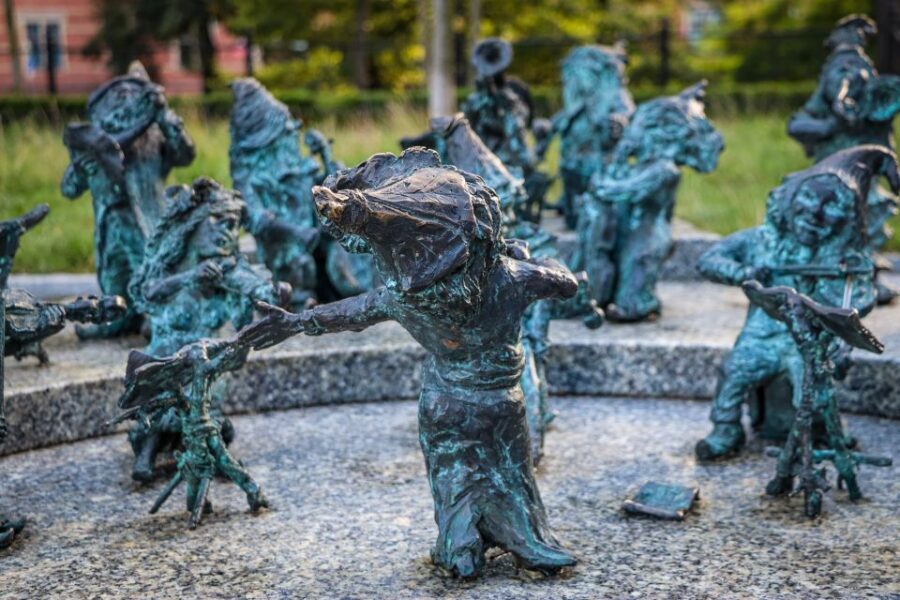
- Meet at the Fredro Statue and start in the heart of the Rynek, where the city’s story begins
- Gothic Town Hall details that most people walk past without noticing
- Bridge-counting as you head to Ostrów Tumski, so the river becomes part of the lesson
- Cathedrals on the oldest ground of Wrocław, explained in plain English
- Learn the tricky pronunciation of Wrocław and why the spelling throws people off
- A guided pace with a Market Hall pause for a break to shop or use the restroom
Meeting at the Fredro Statue: where your bearings click in
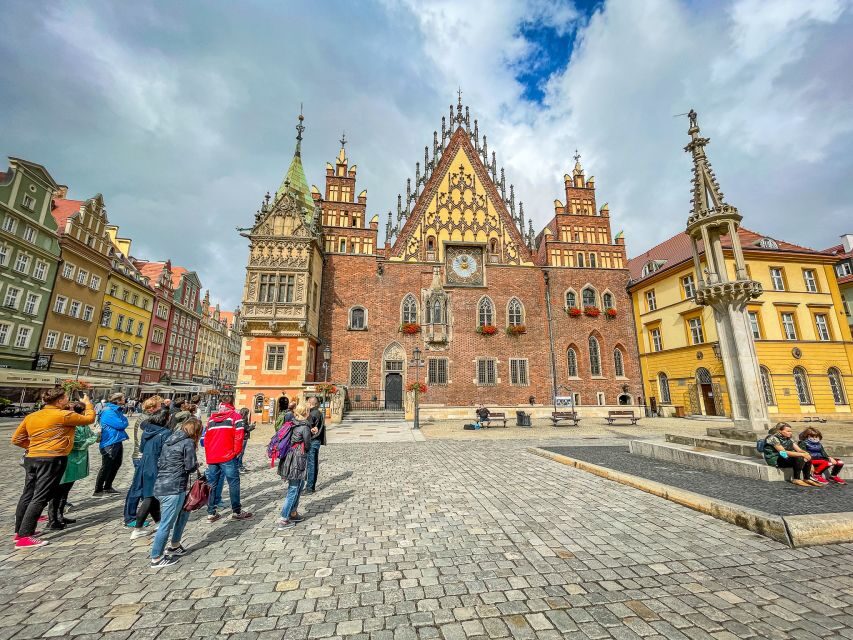
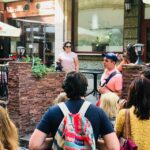
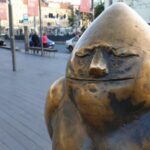
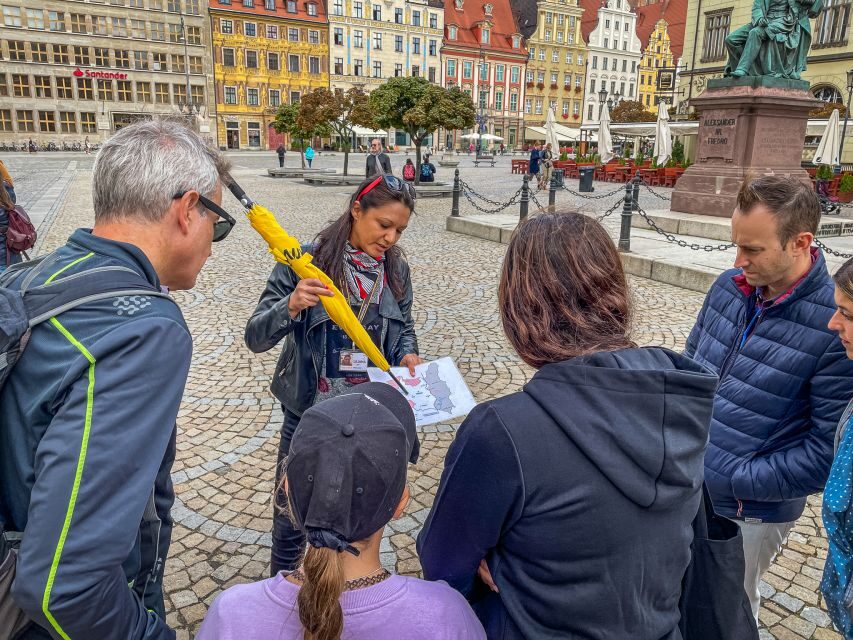
You start in the Market Square area, meeting your Walkative! guide in front of the Fredro Statue. That’s a smart choice, because Rynek is where you can orient quickly: you’re surrounded by the buildings that shaped the city’s street layout and civic life.
From that first minute, the guide sets the tone. You’ll hear how Wrocław sits in the middle of Europe and why its identity has been constantly rewritten by politics, religion, and trade. It’s the kind of framing that makes later stops feel like chapters, not random photo spots.
The practical bit: bring weather-appropriate clothing. You’ll be outside for a while, and cobblestones and colder mornings can make the walk feel longer than the map says.
You can also read our reviews of more walking tours in Wroclaw

Why Wrocław feels confusing: name lessons and the Norman Davies angle
Wrocław’s name is famous for being tricky to pronounce. Your guide will straighten that out, and you’ll also get the explanation for why it looks so confusing on the page. It sounds small, but this is one of those moments that makes you feel less like a visitor and more like you belong for a few hours.
Then comes a bigger idea—Wrocław as a “microcosm,” linked to what a well-known scholar named Norman Davies said about the city. The point isn’t just trivia. It helps you understand why Wrocław doesn’t fit neatly into one national story. You’ll hear how the city has been shaped by wars and religious struggle, by wealth from being a trade city, by the Nazi era and World War II, and by the postwar communist period. And then you’ll hear about the shift into freedom in more recent decades.
I like this setup because it prepares you for what you’ll see on the ground. When you reach Ostrów Tumski, the architecture isn’t just pretty. It feels earned.
Gothic Town Hall in the Rynek: the building that explains civic power
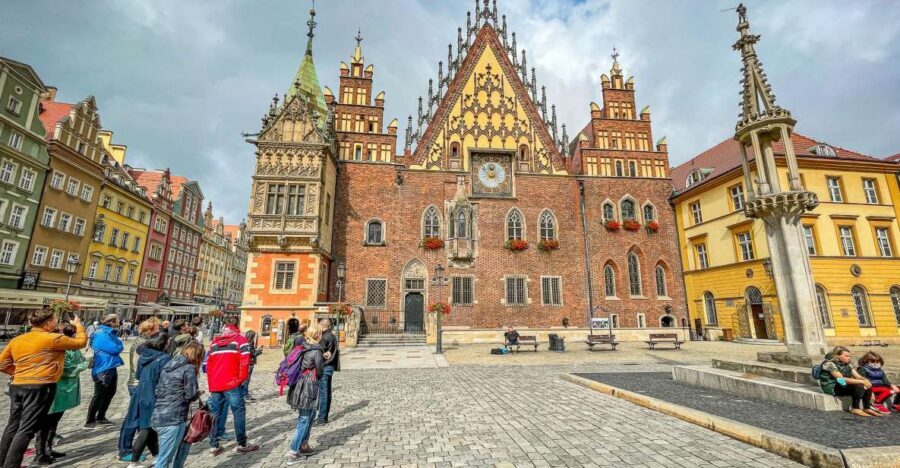
A lot of Old Towns have a big “main square building.” Wrocław’s Town Hall is the one you’ll want to look at with intention.
You’ll spend time with the Gothic details and learn how the Town Hall reflects civic pride and political muscle—how city leaders wanted their authority to be visible. Guides praised in recent tours, including Adam and Justyna, are especially good at turning architecture into a story you can picture: who built it, what it signaled, and why this kind of stone-and-skyline statement mattered.
A small practical tip: give yourself a minute to slow down and look upward. The Gothic feel is partly in the vertical lines. If you keep your eyes at eye-level, it turns into just another impressive facade. If you lift your gaze, you start noticing patterns and proportions.
Counting bridges like a local: how the river shapes the walk
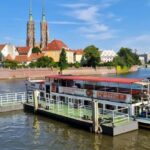
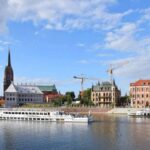
Wrocław’s bridges aren’t background scenery. Your guide will push you to treat them like part of the route, literally encouraging you to count the many bridges as you move toward Ostrów Tumski.
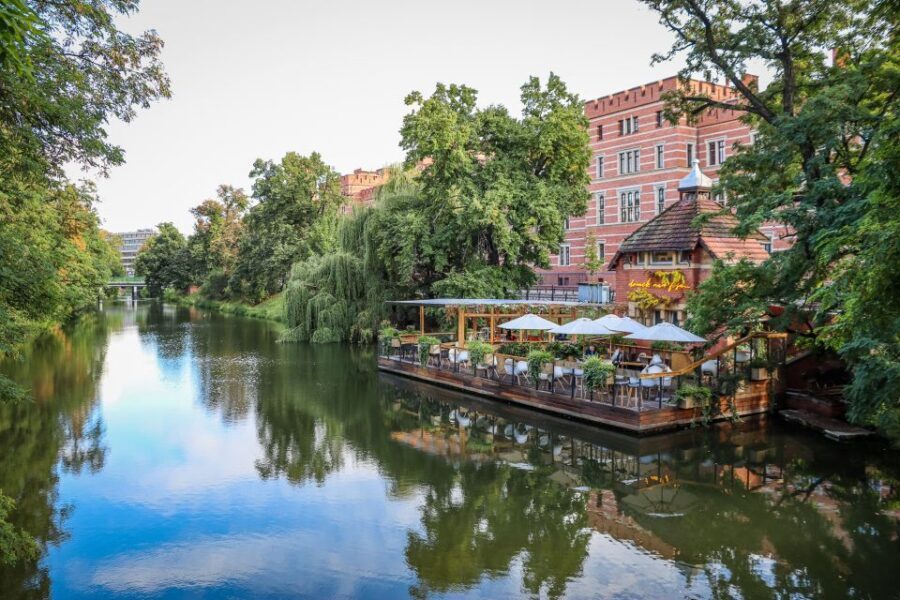
That’s a fun way to learn the city’s geography. It also helps you understand something visitors often miss: Wrocław grew around waterways and divisions of land, so “getting from place to place” has always meant crossing. When you’re on the bridges, you’re not only moving forward—you’re seeing why the city became what it is: layered, connected, and shaped by movement.
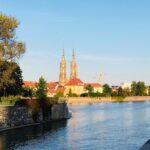
You’ll also be stepping onto Ostrów Tumski, the cathedral island. Expect that little shift in atmosphere. The river makes the difference feel physical.
Ostrów Tumski cathedrals: Wrocław’s oldest heart comes into focus
Ostrów Tumski is the oldest part of Wrocław, and the tour makes sure you don’t just skim it. You’ll see the cathedrals here and get the bigger context for why this island matters.
This is where the tour’s “microcosm” story becomes concrete. When a city has survived so many turning points—repeated changes of power, shifting borders, war and rebuilding—the oldest sacred ground tends to carry the weight of continuity. The guide helps you connect architecture to identity, explaining what you’re looking at in everyday language.
In terms of payoff: this is the stop that tends to make people pause. The island setting plus the religious buildings gives you a calm contrast to the busier feel of the Market Square area.
Two practical considerations:
- Wear shoes with grip. The ground can be uneven, and your feet will notice by hour two.
- If your guide is speaking from a slightly crowded spot, stand where you can hear best. One review mentioned that sound can be hard at times; staying closer solves a lot of that.
The Market Hall break: a real reset, not dead time
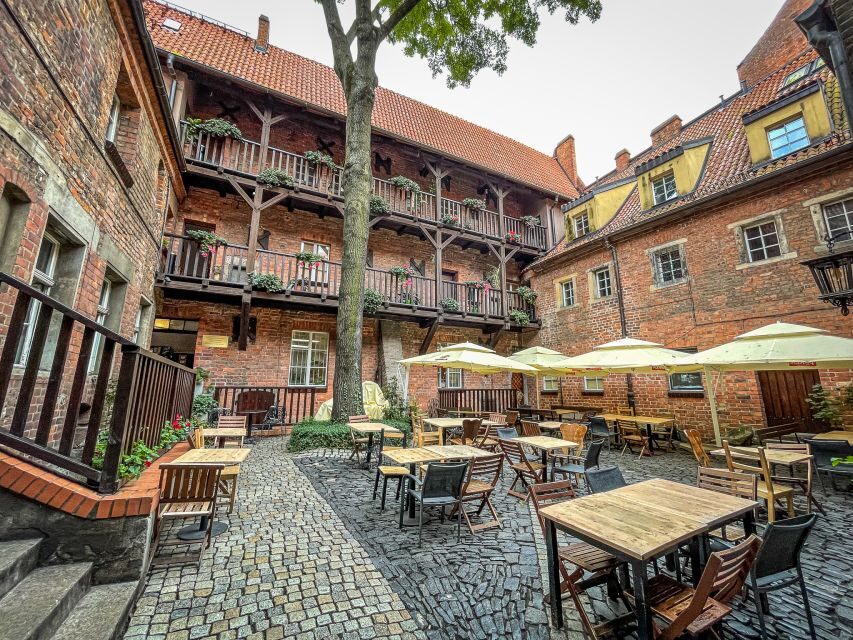
You’ll get a pause in the Market Hall area—often about 15 minutes, used for quick needs like restroom access or shopping. I like this approach because it keeps the tour from turning into one long grind.
If you’re hungry, this is also one of the smartest windows to grab something simple. One guide (Łukasz) was specifically praised for taking people to a standout food hall that even felt surprising to someone Polish. That tells me guides sometimes add a food-focused moment when the timing fits.
Even if you don’t snack, the break helps you refocus. The tour covers big themes: trade, wars, religious conflict, political shifts, and rebuilding. A short reset keeps the story from turning into noise.
Pacing and group vibe: what 150 minutes feels like in real life
This tour is listed at 150 minutes, and that’s about right for the major stops: Rynek highlights and the move to Ostrów Tumski plus the cathedral focus.
A couple of review patterns help you set expectations:
- People repeatedly praised guides like Łukasz, Damian, and Michał for pacing and clarity.
- Humor shows up a lot. Guides such as Simon and Loukas were praised for mixing light jokes with serious context.
- The pace can vary slightly. One person noted their tour ran closer to three hours. So if you have a tight schedule, keep some buffer.
About crowds: one guest flagged that the group can be a bit crowded. If you dislike close quarters, arrive early to the meeting point (so you can choose where you stand) and be patient during the busier square stretches.
For elderly visitors, at least one review confirmed that two parents had no issues. That doesn’t mean it’s effortless for everyone, but it suggests the route can be manageable if you’re generally steady on your feet.
Price and value: what $19 really buys you in Wrocław
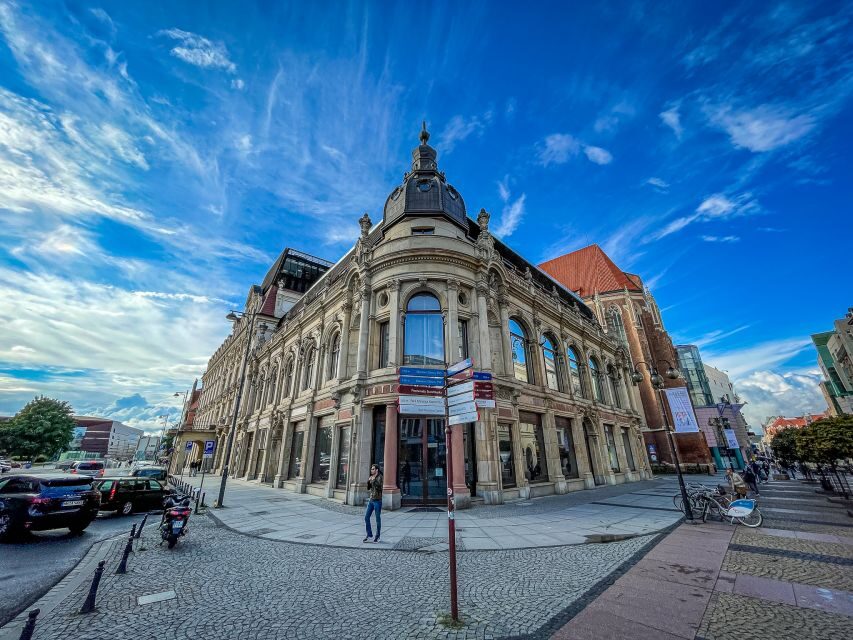
At $19 per person, this isn’t expensive for a full English walking tour that covers both the civic center and the cathedral island. The key value is that it’s not just “see this, take a photo.” You’re paying for interpretation—how a local guide connects buildings and neighborhoods to the city’s shifting past and present.
Two more points matter:
- It includes an English-speaking guide and is walking-only, with no transportation included. That means the cost goes to your time with the guide, not buses or trams.
- The tour is described as a general pay as you wish format in practice: the amount you pay covers a reservation fee and the guide’s payment. So you’re not locked into a huge fixed package.
In plain terms: if you want a guided overview you can build the rest of your trip on, this is good value. If you only want quick photos, you might find it less worth it.
Who should book this Old Town plus Ostrów Tumski walk
I’d book this if you want:
- A solid first orientation to Wrocław that explains why the city looks the way it does
- A guided look at Old Town civic life (Town Hall) plus the oldest ground (Ostrów Tumski cathedrals)
- The kind of local storytelling where history includes real turning points—war, rebuilding, political change—without drowning in facts
It’s also a nice match if you enjoy small “learning games,” like bridge counting and pronunciation help. Those may sound trivial, but they’re how you remember a place.
If you’re the kind of traveler who hates any walking around in cobblestones, plan for breaks and keep expectations realistic. The tour is outdoors for the full duration.
Should you book this Wrocław tour?
Yes, if you want an English guide to help you make sense of Wrocław fast. The combination—Rynek’s Gothic Town Hall energy plus Ostrów Tumski’s cathedral island depth—gives you a balanced city picture in about 2.5 hours.
I’d pay extra attention if you’re:
- on a tight schedule (some tours may run longer than 2.5 hours)
- easily frustrated by noise (try to position near the guide for best hearing)
- sensitive to crowds (the route is in busy areas, and group size can affect comfort)
If that sounds manageable, this tour is one of the simplest ways to feel like you understand Wrocław, not just pass through it.
FAQ
Where is the meeting point for the tour?
Meet your Walkative! guide in front of the Fredro Statue in the Market Square.
Is the tour offered in English?
Yes, it’s an English-language walking tour.
How long is the experience?
The duration is 150 minutes.
What is the price per person?
The price is $19 per person.
Does the tour include transportation?
No. Transportation is not included.
Is it refundable if my plans change?
Yes. You can cancel up to 24 hours in advance for a full refund.
Do I need to pay everything upfront?
No. You can reserve now and pay later.
Is the walking tour wheelchair accessible?
Yes, the tour is listed as wheelchair accessible.
What should I bring?
Wear weather-appropriate clothing, and comfortable shoes for walking on city streets.
If I want a quick pronunciation help, will the guide cover that?
Yes. The tour includes learning why the city name is confusing and how it is pronounced.