REVIEW · WROCLAW
Wroclaw: Guided City Walk in Spanish
Book on GetYourGuide →Operated by Viadrina Tours · Bookable on GetYourGuide
Wrocław’s gnomes make the city feel alive. This guided city walk in Spanish is a smooth way to understand why Wrocław feels half medieval, half storybook, with a route that starts in Rynek Market Square and ends in the spiritual calm of Ostrow Tumski. You’re not just passing buildings—you’re getting the legends, the quirks, and the meanings behind them.
I especially like that the tour anchors you with two big, visually obvious landmarks: the late Gothic City Hall in Rynek and the Baroque university complex connected to the Habsburg era. I also like that your guide mixes culture with practical help, including pointers on where to eat and drink—useful when you still haven’t figured out where you want to stop for dinner.
One consideration: the tour is Spanish, so you’ll get the best value if you can follow stories and explanations at conversational speed.
In This Review
- Key highlights you’ll care about
- Rynek Market Square: the late-Gothic City Hall kickoff
- The gnome-studded city: legends you’ll spot while you walk
- Wrocław University’s Baroque complex: the Habsburg-era power move
- Medieval streets of merchants and craftsmen: architecture variety on foot
- Ostrow Tumski: St. John the Baptist and the spiritual edge of old Wrocław
- Price and logistics: what $24 buys you (and when it’s a great deal)
- Who this Wrocław city walk is best for
- Should you book this Spanish guided walk with Viadrina Tours?
- FAQ
- What language is the guided city walk in?
- Where do I meet the guide?
- How long is the walk?
- What are the main stops during the tour?
- Is the tour private?
- What is included in the price?
- How does the pay as you wish part work?
- Is there free cancellation?
- Can I reserve without paying right away?
- What should I bring for the walk?
Key highlights you’ll care about
- Rynek Market Square as the perfect starting point, with the late Gothic City Hall setting the tone
- Gnome statues explained, including why you’ll keep noticing them around town
- Wrocław University’s Baroque complex, especially the main assembly hall and its Habsburg context
- Medieval streets of merchants and craftsmen, with lots of architecture styles to spot on foot
- Ostrow Tumski ending, including the Cathedral of St. John the Baptist and the area’s church-and-cloister atmosphere
Rynek Market Square: the late-Gothic City Hall kickoff
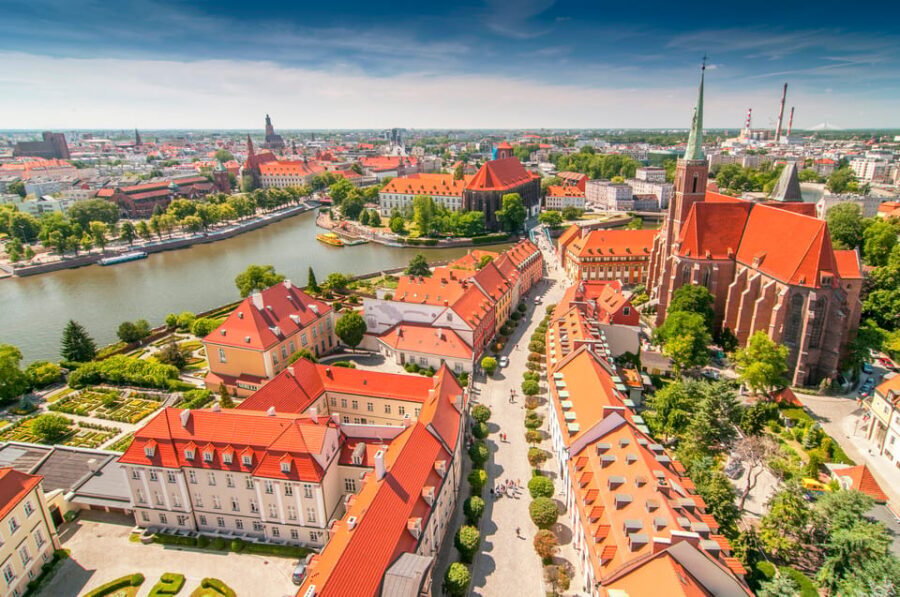
Most walking tours begin with a vague “welcome to the city.” This one starts with a place that already answers a lot of questions: Rynek, Wrocław’s Market Square. You meet in front of McDonald’s at Rynek 30 and look for your guide with a red umbrella. That meeting spot is handy because Rynek is the natural hub—easy to find, easy to orient yourself before you start walking.
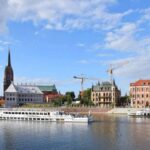
The tour opens at the late Gothic City Hall. Even if you’re not a hardcore architecture person, it’s a strong anchor for two reasons. First, it gives you a visual reference point for Wrocław’s medieval civic identity. Second, it helps your guide set up the city’s timeline—because Wrocław is old. You’re hearing about its roughly 1000-year-old development while you’re literally standing in the kind of space where people would have lived, traded, argued, and celebrated.
What makes this stop worth your time is the way the guide ties the building to stories and character. City squares are never just square-shaped. They reflect power, pride, and trade. If you keep your eyes up and watch how the square frames streets feeding outward, you’ll start to “read” Wrocław like a map rather than a list of sights.
A practical tip: wear comfortable shoes and plan to keep a steady pace. The route is designed as one continuous walk, so Rynek isn’t a quick photo-op and then goodbye—it’s where the tour earns your attention for the next couple hours.
You can also read our reviews of more walking tours in Wroclaw

The gnome-studded city: legends you’ll spot while you walk
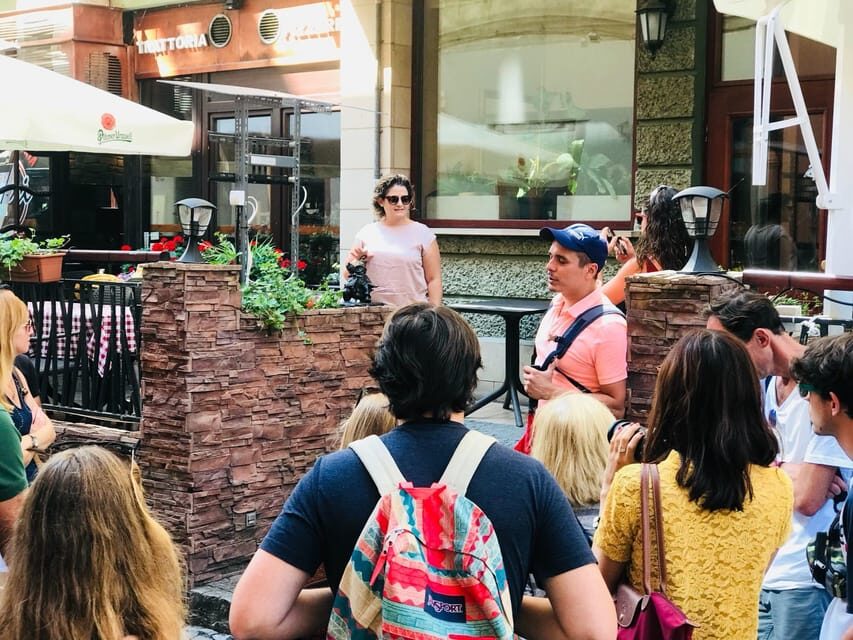
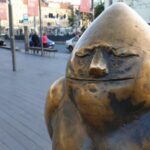
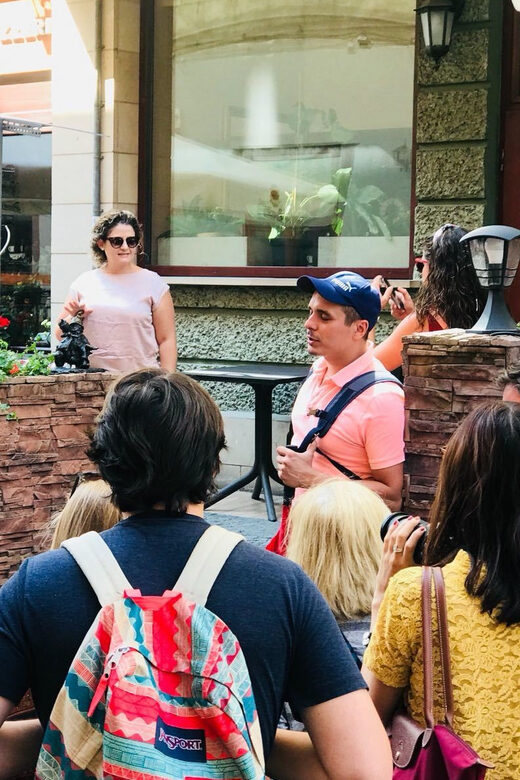
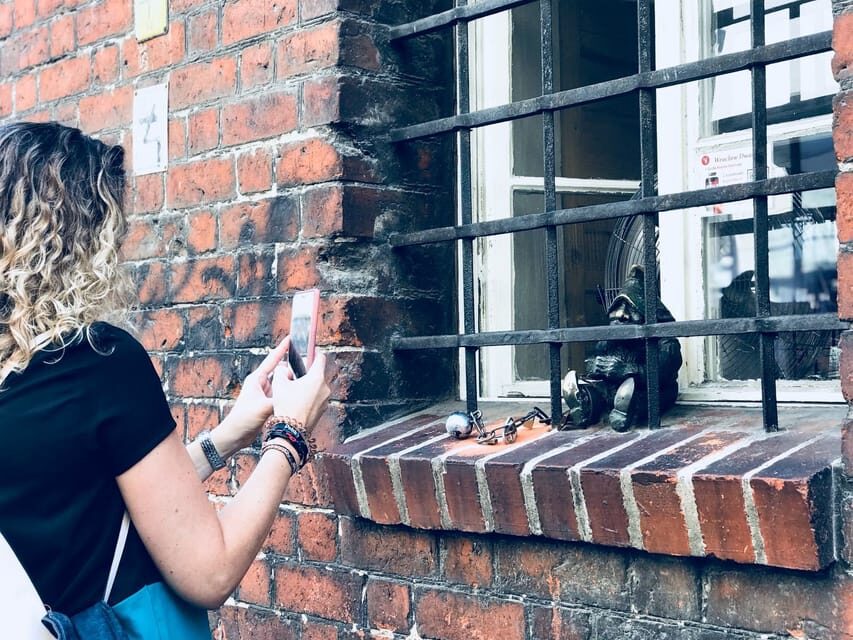
Here’s where this tour turns from informative to memorable: the gnomes. Wrocław has a reputation for little stone characters tucked into corners and facades, and your guide will actively point them out as you go. The tour doesn’t treat them like random souvenirs for tourists. Instead, the guide explains the story behind them and, especially, why there are so many.
I like this approach because it gives you an instant scavenger-hunt focus. You’ll start noticing details you might otherwise miss: where the gnomes sit, how they relate to the building, and how they fit into the neighborhood vibe. That changes the whole feel of the walk. You’re not just looking at architecture—you’re looking at personality.
Your guide also shares funny stories, quirky legends, and mysterious facts hiding behind buildings. That mix matters. Legends can easily become fluff if the guide has no structure. Here, the stories feel tied to the places, so you remember both. When the route moves from square to street, the guide’s storytelling helps you connect the dots: the city’s mixed legacy, the role of merchants and craftsmen, and the way different eras left visible layers.
Also, don’t ignore the “where to eat and drink” guidance. Even one or two good recommendations can save you from the usual decision fatigue after sightseeing. When a guide tells you what to look for locally, you’re more likely to end up somewhere that fits your day instead of somewhere that fits a generic tourist checklist.
Wrocław University’s Baroque complex: the Habsburg-era power move
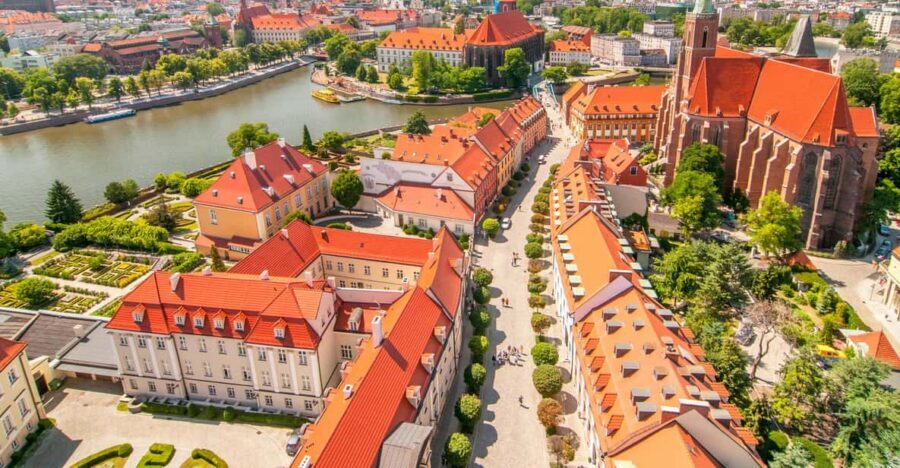
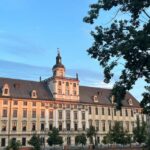
After Rynek, the walk heads toward Wrocław University. What you’re looking at isn’t just a pretty campus—it’s described as a striking example of Baroque architecture from Habsburg times, often referred to as a key pearl of that era. The tour spotlights the main assembly hall, which is the kind of interior-and-exterior landmark that tends to leave an impression because it signals status.
Why does this stop matter for you? Because it shifts the story from medieval civic life into a later era of rule and influence. Wrocław didn’t develop in isolation. Your guide frames the city as a place shaped by Poles, Czechs, Austrians, and Germans, and the university complex becomes a visible reminder of that shifting power.
If you enjoy understanding cities in layers, this is a great moment. You’re seeing how styles change as rulers, institutions, and cultural priorities change. Baroque architecture often aims for impact—bold forms, dramatic presence, and a sense of authority. Even without being able to name every stylistic detail, you can feel the intention in how a building occupies space.
One good way to get more out of it: slow down for a minute in your head and connect it to what you saw at Rynek. City Hall versus university halls—both are places where people gather, but one reflects civic trade identity and the other reflects institutional power. The contrast makes the tour’s “1000-year-old history” claim feel real.
Medieval streets of merchants and craftsmen: architecture variety on foot
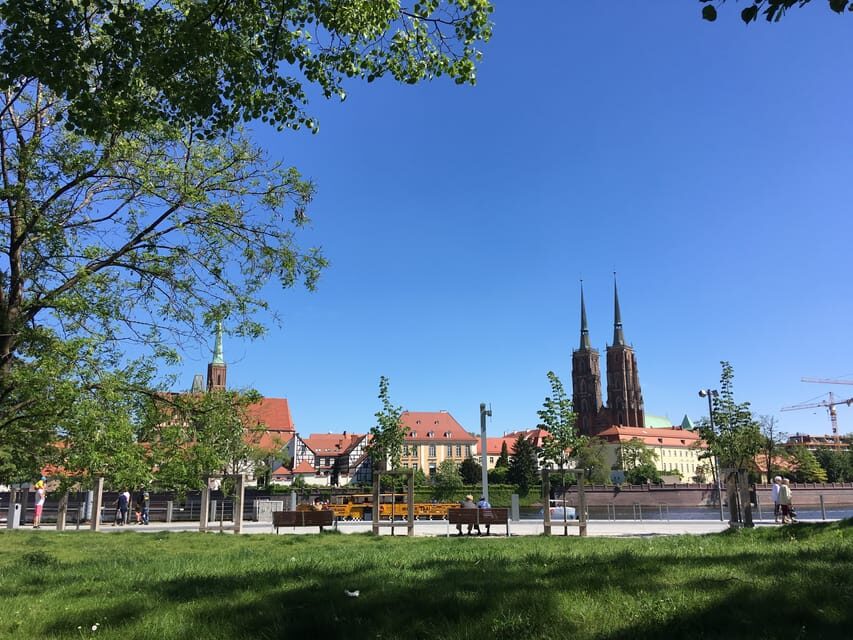
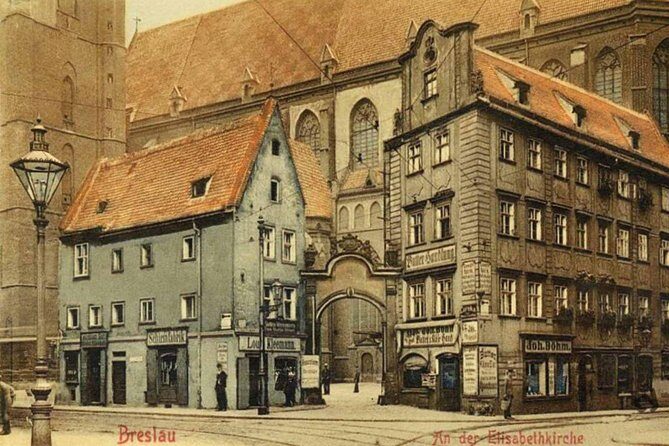
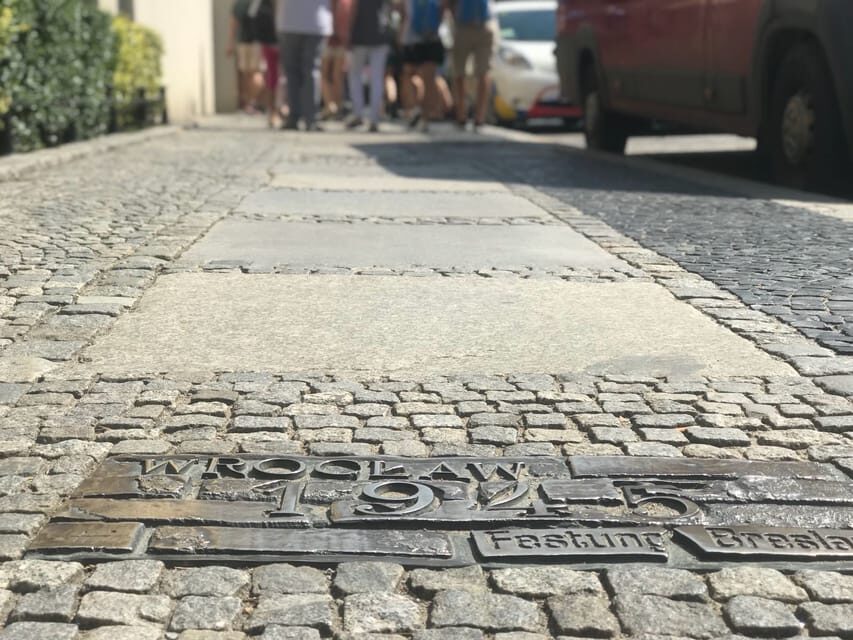
Between the major anchor sights, you’ll wander through medieval streets associated with merchants and craftsmen. This part of the walk is where Wrocław’s identity gets physical. Street patterns, building fronts, and the mix of styles become your timeline.
The tour explicitly calls out that you’ll admire a variety of architecture styles. That’s important because Wrocław isn’t a single-style destination. It’s a city where eras overlap. If you’re used to visiting places where everything is one dominant look, Wrocław can surprise you—in a good way.
Here’s how to turn this stretch into more than “walking and taking photos”:
- Keep your eyes moving between facades. Even when you can’t name the style, you can notice the mood shift from one building to another.
- Watch for contrasts in shapes and details around windows and entrances. Those are usually where eras reveal themselves.
- Let your guide’s stories lead your gaze. When the guide says a building hides a legend or a mysterious fact, it changes how you interpret what you’re seeing.
This is also the segment where the guide’s personality really does the heavy lifting. If you enjoy quirky history and enjoy laughing at a story that makes the city feel human, you’ll probably find yourself paying closer attention than you expected. The whole point of a guided walk is not speed—it’s having someone translate the city.
Ostrow Tumski: St. John the Baptist and the spiritual edge of old Wrocław
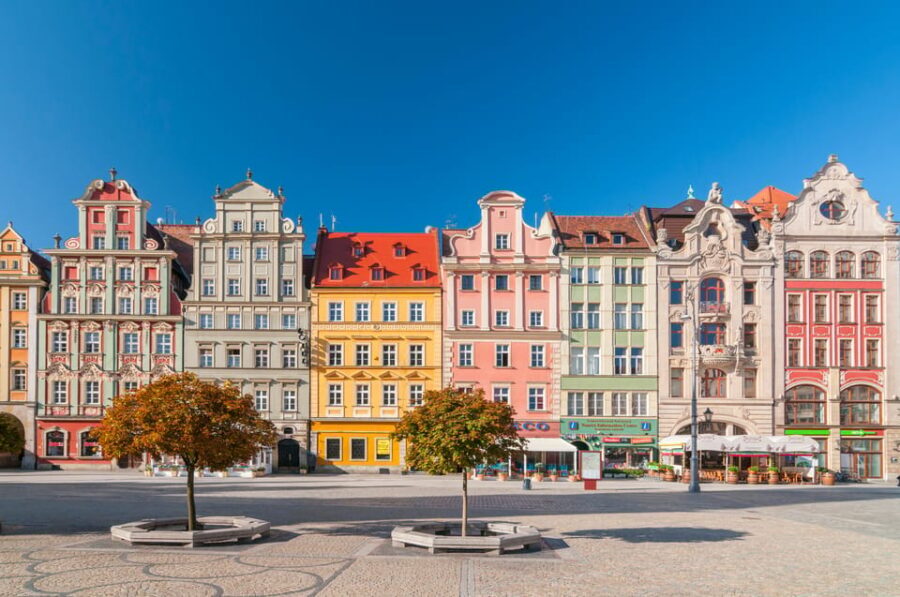
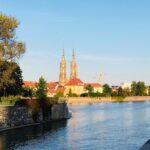
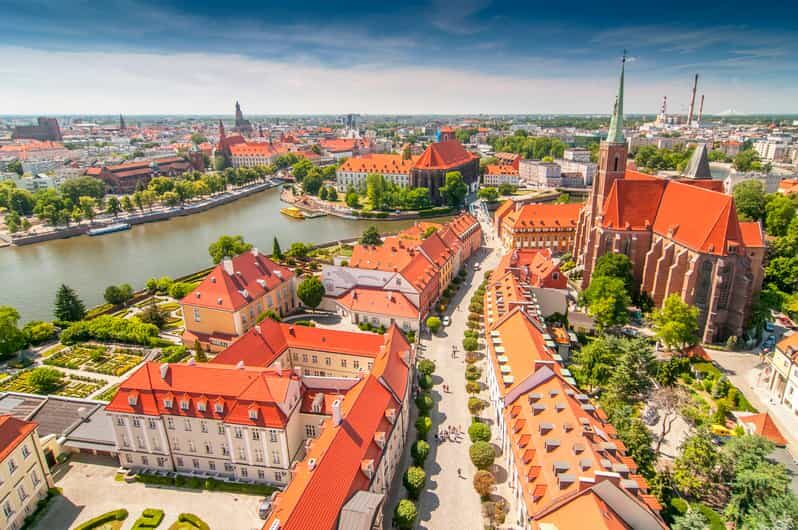
The tour ends in Ostrow Tumski, described as the oldest part of Wrocław. This is a smart ending, because the vibe shifts. After squares, streets, and layered architecture, Ostrow Tumski feels quieter and more ceremonial.
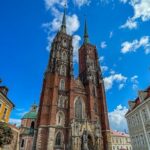
Your guide focuses on the Cathedral of St. John the Baptist, along with nearby churches and cloisters. The tour description also emphasizes the area’s extraordinarily spiritual atmosphere, and that’s exactly what you should expect: more calm, more reverence, more of a “pause” feeling compared with the commercial center.
This ending works especially well if you want closure to your day. You start with civic power at Rynek, you move through cultural and architectural history, and then you finish where religion and long-term tradition dominate the landscape. The cathedral gives you a strong visual focal point, but the real payoff is how the surrounding churches and cloisters reinforce the mood.
One more practical benefit: your guide doesn’t just drop you at a landmark. They’ll also suggest where to go next to complete your exploration. That matters because after a guided walk, you’re usually left with the question: okay, what should I do now? A bit of local guidance helps you keep momentum without wandering aimlessly.
You can also read our reviews of more guided tours in Wroclaw



Price and logistics: what $24 buys you (and when it’s a great deal)
At $24 per person for 150 minutes, this tour is positioned as solid value for a guided city orientation. The length is long enough to feel like you actually saw the city, not just checked a few boxes. And because it’s guided, you get context while you walk—time you’d otherwise spend piecing together yourself.
A key detail in the pricing is the pay as you wish setup. The amount you pay covers the reservation fee and the guide’s payment, and you still have the option to reward your guide based on how you felt the experience went. That’s a fair system when you want flexibility but still want the tour to be professionally run.
You should also consider who this is for in terms of language. The guide is Spanish, and the tour is clearly built around storytelling and explanation. If you’re comfortable in Spanish listening, you’ll get more out of the quirky legends, the mystery facts, and the “why” behind the city’s quirks like the gnomes. If your Spanish is beginner-level, you might still enjoy the sights, but the narrative layer will be harder to follow.
Finally, remember the basics: you’ll be walking. Bring comfortable shoes, and yes, an umbrella and a jacket make sense because you’re outside for a good chunk of time. This isn’t a sit-and-stare museum tour.
For what it’s worth, the overall rating sits at 4.8 with 88 reviews, which suggests most people feel they got what they paid for: clear guidance, enjoyable storytelling, and a route that makes sense.
Who this Wrocław city walk is best for
This walk is a strong match if you want:
- A guided orientation that connects Wrocław’s 1000-year development to what you see on the ground
- Architecture and city-lore, not just photos
- A playful angle through gnomes, legends, and little mysteries
- Practical help for the rest of your day, including where to eat and drink
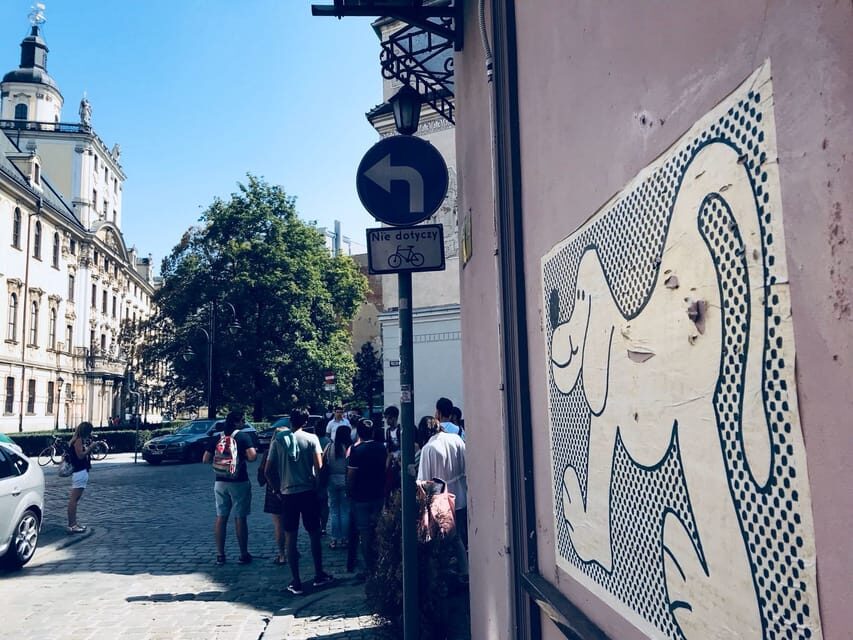
It also suits you if you like learning at a human pace. The tour is a shared walk, and it’s set up for meeting fellow travelers rather than isolating you with a private guide. If you enjoy casual conversation before and after stops, that shared format can be a plus.
If you’re the kind of traveler who wants total control, you might prefer a self-guided plan. But if you like your history delivered through stories and a steady walking route, this one fits.
Should you book this Spanish guided walk with Viadrina Tours?
I’d book it if you want a day in Wrocław that feels guided but not stiff. The combination of Rynek’s late Gothic City Hall, Wrocław University’s Habsburg-era Baroque presence, and the ending in Ostrow Tumski gives you a balanced arc from civic life to spiritual old-town atmosphere. Add the gnome lore—and the guide’s mix of funny and mysterious stories—and you get more than a checklist.
I wouldn’t book it if Spanish storytelling explanations are a struggle for you. You can still enjoy the walking route and sights, but you may miss part of what makes this tour special.
FAQ
What language is the guided city walk in?
The tour is guided in Spanish.
Where do I meet the guide?
Meet in front of McDonald’s at Rynek 30, 11-400 Wrocław. Look for your guide with a red umbrella.
How long is the walk?
The duration is 150 minutes.
What are the main stops during the tour?
You’ll start at Rynek Market Square with the late Gothic City Hall, visit the Wrocław University Baroque complex, explore medieval streets where gnomes appear, and finish in Ostrow Tumski with the Cathedral of St. John the Baptist and nearby churches and cloisters.
Is the tour private?
No. It’s a shared tour, with an opportunity to meet fellow travelers.
What is included in the price?
Included are a local Spanish-speaking expert guide, the shared tour format, and the Know before you go information.
How does the pay as you wish part work?
Booking this tour means you join a general pay as you wish format. In this case, the amount you pay covers the reservation fee and the guide’s payment, and it’s up to you how to reward the guide.
Is there free cancellation?
Yes. You can cancel up to 24 hours in advance for a full refund.
Can I reserve without paying right away?
Yes. There is a reserve now & pay later option, so you can book a spot and pay nothing today.
What should I bring for the walk?
Bring comfortable shoes, an umbrella, and a jacket.