REVIEW · WROCLAW
Wroclaw: 3-Hour Bike Tour in English
Book on Viator →Operated by Best City Tours · Bookable on Viator
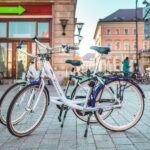
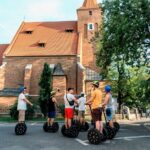
Wrocław’s dwarfs are easier by bike. This 3-hour English tour links major sights like the Centennial Hall and Wrocław Cathedral with smart pacing, and your guide keeps you on track so you don’t spend the ride map-searching. I especially like the no-getting-lost guiding and the fun of hunting for the small krasnale dwarfs along the route. One thing to plan for: you’ll be cycling for the full session, and admission tickets for the Cathedral and Centennial Hall aren’t included.
I’ve got a soft spot for tours where the guide can answer real questions, and one guide named Hubert stood out as a true city encyclopedia. With a maximum of 20 riders, the group stays manageable, and the bike format means you cover more ground than you would on foot.
In This Review
- Key things to know before you ride
- Why a 3-hour bike tour works so well in Wrocław
- Starting at Rynek 14, then rolling through the city’s core
- Krasnale dwarfs: the best way to spot Wrocław’s street-level magic
- The Market Square and Old Town Hall: where Wrocław’s public life shows up
- A quick University stop that adds context to the city
- St. John the Baptist Cathedral: what to focus on when you don’t have ticket time
- Centennial Hall: the signature stop for architecture lovers
- Price and value: does $102.35 make sense?
- What the guide style adds (and why it changes the tour)
- Who should book this English bike tour?
- Should you book it?
- FAQ
- FAQ
- How long is the Wrocław bike tour?
- Is the tour offered in English?
- Where does the tour start and end?
- Are entrance tickets included for the Cathedral and Centennial Hall?
- What is the group size limit?
- What’s the cancellation window?
Key things to know before you ride
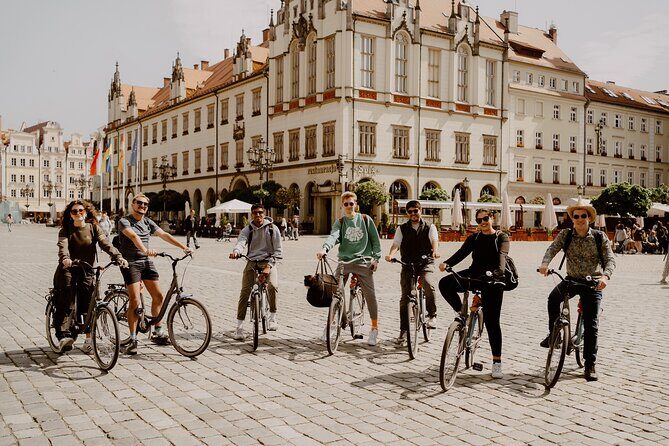
- A guide does the turns: you focus on sights, not navigation.
- Krasnale dwarf spotting is the fun hook: the route is built for noticing details.
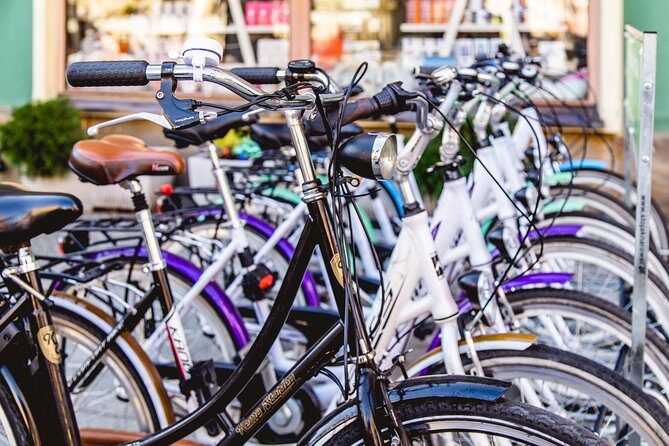
- Bike time beats walking time: in 3 hours, you hit more than a typical stroll.
- Central Wrocław landmarks are the backbone: Rynek, town hall, university area, Cathedral, Centennial Hall.
- Admission isn’t bundled for the big interiors: you’ll want to budget for entry where listed.
Why a 3-hour bike tour works so well in Wrocław
Wrocław is a city of walkable streets and big set pieces, but it’s also easy to lose time when you’re moving between them. A bike tour solves that. In a tight 3-hour window, you’re not just seeing one neighborhood. You’re threading together several of the most recognizable sights while still having moments to pause, look up, and take photos.
The real win is that the tour is built around rhythm. You ride, you stop, you learn, you ride again. That keeps the energy high without turning the experience into a rushed checklist. And because you’re not responsible for route-finding, the whole thing feels smoother and more relaxed. You can simply enjoy the city.
Also, there’s something about cycling in central Europe when the streets are designed for it. You get that steady flow where you’re always in motion, but you’re not stuck behind ticket lines or stuck in one crowded plaza for too long. It’s a practical way to see the essentials fast.
You can also read our reviews of more cycling tours in Wroclaw

Starting at Rynek 14, then rolling through the city’s core
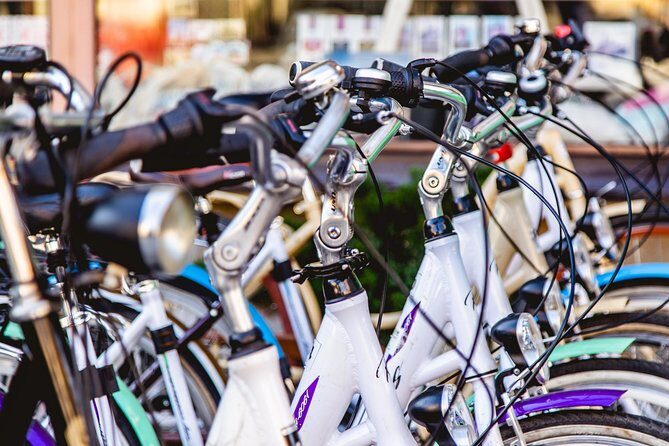
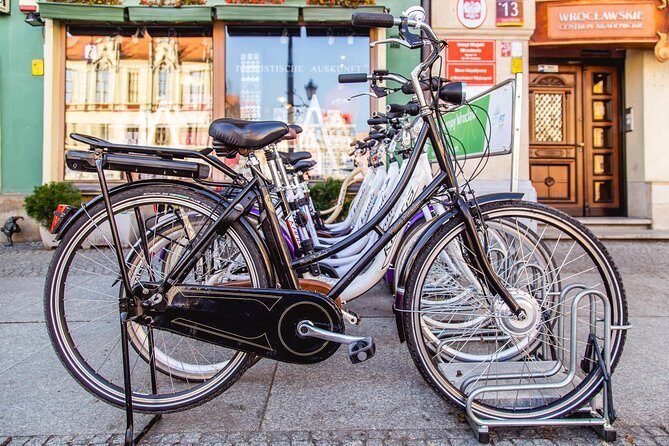
Your tour starts at the Cultural and Tourist Information on Rynek 14, right where the action is. Meeting at the Market Square area is a smart move, because it puts you in the middle of Wrocław’s historic heart from the first minutes of the ride. The start time is 10:00 am, and the activity loops back to the same meeting point at the end.
What I like about this setup for you: the location makes it easy to arrive without complicated transfers. And with the tour offered in English, you’re not stuck piecing together meaning from signs alone.
The small-group size matters too. With a maximum of 20 travelers, you’re less likely to feel like you’re watching the tour from the back of a crowd. You’ll be able to hear the guide’s explanations and also get your bike positioned for each stop without chaos.
Krasnale dwarfs: the best way to spot Wrocław’s street-level magic
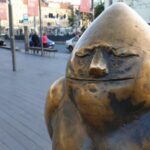
Let’s be honest: the most famous Wrocław detail is also the easiest to overlook when you’re not looking for it. The krasnale (small dwarf figurines, often around 20–30 cm tall) are scattered through the city, and they started as street figures back in 2005. Since then, the number of them has grown, and they’ve become a full-on attraction.
On a bike tour, this works beautifully because it turns an optional side quest into a planned part of your route. You don’t just pass by; you’re guided to look. You’ll start noticing patterns: where they appear, how they’re placed, and how the whole city embraces them. Even if you’re not usually into quirky street art, these little characters have a way of making the city feel personal.
There’s also a practical advantage. When the guide tells you to look for something specific, you’re less likely to waste time wandering aimlessly later. You can keep your eyes on the street details while still making steady progress through the main sights.
The Market Square and Old Town Hall: where Wrocław’s public life shows up
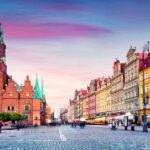
Wrocław’s Market Square, known as Rynek we Wrocławiu (also associated with the German name Großer Ring zu Breslau), is the city’s medieval core turned pedestrian-friendly heart. It’s rectangular, and it’s big enough that it can feel like a stage. This matters because you’re not just viewing buildings—you’re seeing the space they’ve always belonged to.
Around the square, you get the kind of architectural contrast that’s hard to appreciate from a quick snapshot. You’re close enough to notice how the facades and civic buildings relate to each other, and you’re moving enough that you don’t get trapped in one angle.
One of the main anchors here is the Old Town Hall (Stary Ratusz, Breslauer Rathaus). This Gothic landmark sits centrally in the square and dates back to the 13th century. The town hall isn’t only for looking. It’s historically tied to civic and cultural life—used for events such as concerts in the Great Hall. It also houses a museum and even a basement restaurant, which is a nice reminder that historic buildings still function as part of everyday city life.
Potential drawback for you: this kind of stop can be partly visual and partly informational. If you prefer very long interior time, you may wish you had a separate visit planned. But for a 3-hour cycling tour, it’s a good balance: enough context to make the place meaningful without chewing up your whole day.
A quick University stop that adds context to the city
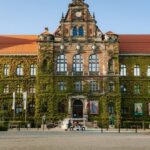
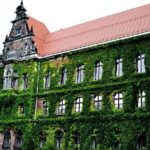
You’ll also pass through or near the University of Wrocław (Uniwersytet Wrocławski). The interesting piece here is its post-World War II history: founded in 1945, it replaced the former German University of Breslau after territorial changes. The university building had been heavily damaged in the Battle of Breslau (1945), and academics from Jan Kazimierz University of Lwów (now in Lviv, Ukraine) helped restore it.
Why this matters on a bike tour: it gives you a human timeline. You’re not just seeing old stone. You’re seeing how institutions survived, changed, and restarted. That context helps you understand why Wrocław’s identity is layered—Polish, German, and always evolving.
If you’re the type who likes to know why a city looks the way it does, this stop makes your later self-guided exploring easier. You’ll be able to look at places and think, What changed here, and what stayed?
A few more Wroclaw tours and experiences worth a look
St. John the Baptist Cathedral: what to focus on when you don’t have ticket time
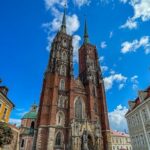
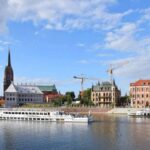
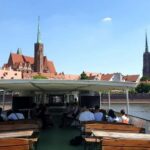
The tour includes Wrocław’s Cathedral of St. John the Baptist (Archikatedra św. Jana Chrzciciela). It’s the seat of the Roman Catholic Archdiocese of Wrocław and a major landmark in the Ostrów Tumski district. From the name alone, you might expect something purely Gothic. But what you’ll notice is the blend: it’s a Gothic church with Neo-Gothic additions. And according to the details shared on tour, the current standing cathedral is the fourth church built on the same site.
That detail is important, because it frames the cathedral as something alive through time, not just a single moment preserved in stone. If your guide points out what belongs to which era, you can start reading the building like a timeline.
Time-wise, you’re looking at around 20 minutes at this stop. That’s enough to get oriented, notice key features, and snap a few photos—especially if the weather cooperates. The catch is that admission tickets aren’t included for this stop. So if you want deeper interior time, plan on adding it later.
Centennial Hall: the signature stop for architecture lovers
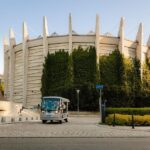
Next up is the Centennial Hall (Hala Stulecia, Jahrhunderthalle). This is one of Wrocław’s most distinctive landmarks, and the tour gives you a focused taste of it. It was constructed between 1911 and 1913 based on architect Max Berg’s plans. Back when it was built, Wrocław was part of the German Empire, and the hall was designed as a multifunctional venue for exhibitions, concerts, theatrical and opera performances, and sporting events.
So even if you’re not chasing history, this place makes sense visually. It has that “built for big moments” scale. And when you know it was meant to host everything from performances to events, you start to appreciate why the space feels the way it does.
You’ll typically get about 20 minutes here. As with the cathedral, admission is not included, so you’ll likely focus on exterior views and quick orientation unless you choose to purchase entry separately. If you do care about interiors, build that into your personal plan so you don’t feel short-changed.
Price and value: does $102.35 make sense?
At $102.35 per person for about 3 hours, this isn’t the cheapest way to see Wrocław. But the value comes from the combo: guided English explanations, bike transport, and a route that packs in multiple top landmarks without you paying your time cost through constant transit or route planning.
Here’s how I’d judge it for you:
- If you want to cover major highlights fast and don’t want to navigate, the bike format is doing real work for the price.
- If you care about “learn while you go” guidance (especially with a guide who can answer questions—like Hubert in the experiences people reported), you’ll likely feel it’s worth it.
- If you’re someone who hates being on a bike or you mostly want long museum or cathedral interior time, the experience might feel pricey for the amount of stop duration.
A key value detail: certain interiors require separate admission tickets (Cathedral and Centennial Hall are explicitly noted as not included). So treat the tour as the guided highlights package, not a full all-access museum day. That framing keeps your expectations lined up and your budget sane.
What the guide style adds (and why it changes the tour)
This type of tour lives or dies by guidance. When your guide knows the city well and can explain not just what you’re looking at but also what to notice, the bike stops turn from photo breaks into real understanding.
One standout point from the experiences associated with the tour: Hubert was praised as a walking city resource. The effect is simple. You don’t just hear facts. You get the context that lets you see deeper during your stops and still enjoy the ride between them.
There’s also an important practical ingredient: smooth biking. People often worry that a bike tour will feel stressful in traffic or too hectic for a short time window. The reported experience emphasized that it was easy to travel on the bike, helped by the general courtesy and civility people show. You still ride attentively, of course, but the vibe matters.
Who should book this English bike tour?
This tour is a strong fit if you:
- Want a structured, guided way to see central Wrocław in 3 hours
- Like mixing major landmarks with playful street details like the krasnale
- Prefer biking because it covers more ground than walking
- Value English explanations and a small group size (max 20)
You might want to skip or add a backup plan if you:
- Don’t feel comfortable cycling for the full duration
- Want lots of time inside churches or event halls without buying separate tickets
- Prefer a slower, wandering pace where you can pause whenever you feel like it
Should you book it?
If your goal is the highlights—Market Square, civic landmarks, the Cathedral area, and the Centennial Hall—without spending half your day figuring out logistics, then yes, I’d book this. The guided navigation removes friction, the bike format makes the timing work, and the krasnale stops give the tour its memorable personality.
Just be smart about the ticket part: because admission for the Cathedral and Centennial Hall isn’t included, plan to either purchase entry on your own or accept that you’ll mostly get the outdoor and quick-look version on this particular tour.
FAQ
FAQ
How long is the Wrocław bike tour?
It runs for about 3 hours.
Is the tour offered in English?
Yes, the tour is offered in English.
Where does the tour start and end?
It starts at Cultural and Tourist Information, Rynek 14, 52-007 Wrocław, Poland, and ends back at the same meeting point.
Are entrance tickets included for the Cathedral and Centennial Hall?
No. Admission tickets are not included for the Cathedral of St. John the Baptist and Centennial Hall.
What is the group size limit?
The tour has a maximum of 20 travelers.
What’s the cancellation window?
You can cancel for a full refund up to 24 hours before the experience starts.
###