REVIEW · WROCLAW
Wroclaw: City of 100 Bridges 4-Hour Private City Tour
Book on GetYourGuide →Operated by PT Team · Bookable on GetYourGuide
Wroclaw turns walking into a sport, especially around the bridges. This private 4-hour tour strings together the city’s best visual moments in a way that helps you really read Wroclaw, from the Oder River crossings to the Old Town’s clock-tower details. I especially like how you get both the grand set pieces (cathedral, Market Square, UNESCO hall) and the fun, instantly recognizable payoff at the end: the dwarf hunt.
Two highlights do a lot of work here. First, the University of Wroclaw stop, where the Aula Leopoldinum shines as a baroque showpiece. Second, the Centennial Hall visit, with its UNESCO status and the sense that modern culture still uses this space, not just stares at it. One drawback to plan for: entrance fees aren’t included, so your final cost may rise depending on what you choose to pay for.
If you like a tight route with the right context, this tour fits. You’ll cover big landmarks without feeling like you’re sprinting across town, and your guide helps you spot what to notice on your own after the tour.
In This Review
- Key Things That Make This Wroclaw Tour Worth Your Time
- Getting Oriented Fast: Private 4 Hours in Wroclaw
- Ostrow Tumski and St. John the Baptist’s Twin Towers
- Oder River Walk: Why Wroclaw Feels Like Bridge Country
- Racławice Panorama Museum and the 1794 Battle Scene
- Wroclaw University and Aula Leopoldinum: Baroque Beauty You Can Feel
- Market Square, Tenement Houses, and the Town Hall Bell from 1368
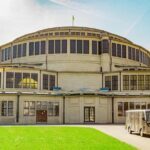
- Centennial Hall and UNESCO Status: Modern Design That Still Hosts Real Events
- The Dwarf Hunt Finale: Fun, Fast, and Surprisingly Memorable
- Price and Value: What $44 for Four Hours Gets You
- Language and Guide Style: Clarity Makes the City Click
- Should You Book This Wroclaw City Tour?
- FAQ
- How long is the Wroclaw 100 Bridges private city tour?
- Is this tour private or shared?
- What’s included in the price?
- Are entrance fees included?
- Where do we meet the guide?
- How many languages are available for the guide?
- What’s the main structure of the itinerary?
- Is there a cancellation option?
Key Things That Make This Wroclaw Tour Worth Your Time
- 100+ Bridges on the Oder: You’ll understand why Wroclaw gets compared to Venice and other bridge cities.
- St. John the Baptist on Ostrow Tumski Island: Twin-tower views from the oldest part of town.
- Racławice Panorama Museum: A huge 360-degree battle scene that’s easier to grasp in person.
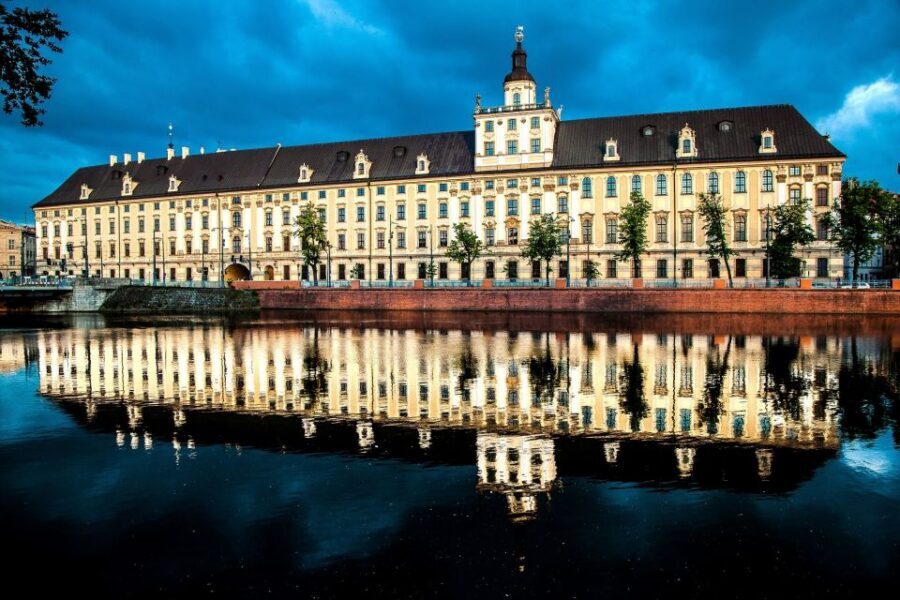
- Aula Leopoldinum: A baroque interior that turns a history stop into a visual one.
- Market Square + Town Hall Bell: Medieval details you’d miss without a guide.
- Dwarf hunting: A short scavenger moment that makes the city feel playful, not just historic.
Getting Oriented Fast: Private 4 Hours in Wroclaw
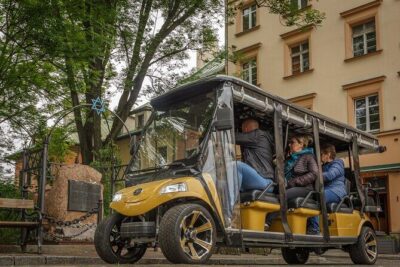
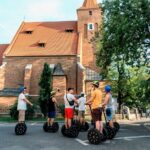
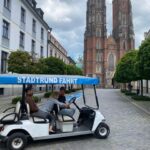
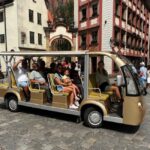
This tour is built for people who want to start strong in Wroclaw. You meet your guide at your hotel, with a sign waiting in the lobby, and then you head out for a fully private route. With transportation included, you don’t lose time figuring out where to go next.
At 4 hours, the pacing is the point. You’re not trying to cover every street corner; instead you’re getting a guided skeleton of the city. Afterward, you’ll know what you’re looking at if you wander on your own—where the Old Town energy lives, what makes the riverfront special, and which buildings are more than just pretty facades.
You can also read our reviews of more city tours in Wroclaw
Ostrow Tumski and St. John the Baptist’s Twin Towers
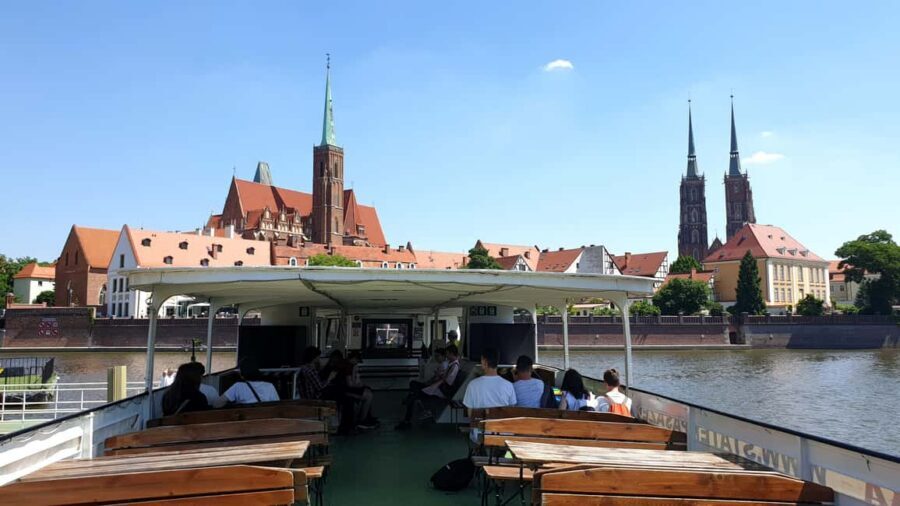
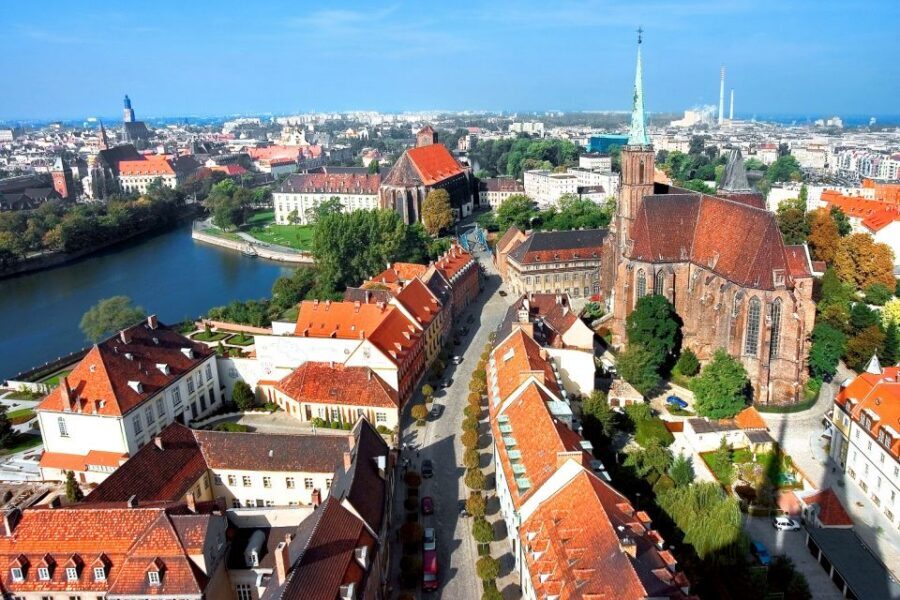
The tour begins on Ostrow Tumski Island, the oldest part of Wrocław. Even before you get the full “100 bridges” effect, this is where you get the medieval gravity—tighter streets, older character, and that feeling that the city grew in layers.
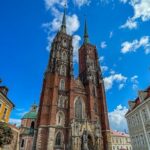
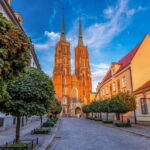
Your first major stop is the 13th-century Cathedral of St. John the Baptist with its distinctive twin towers. The big value here isn’t just architecture. It’s the location: being on the island helps you understand how Wrocław’s geography shaped its development. From here, the tour naturally expands into river crossings and the city’s later eras.
If you like seeing cities through their physical setting—not just dates—this is a smart first move.
Oder River Walk: Why Wroclaw Feels Like Bridge Country
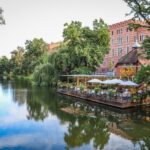
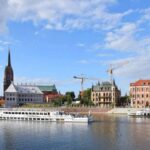
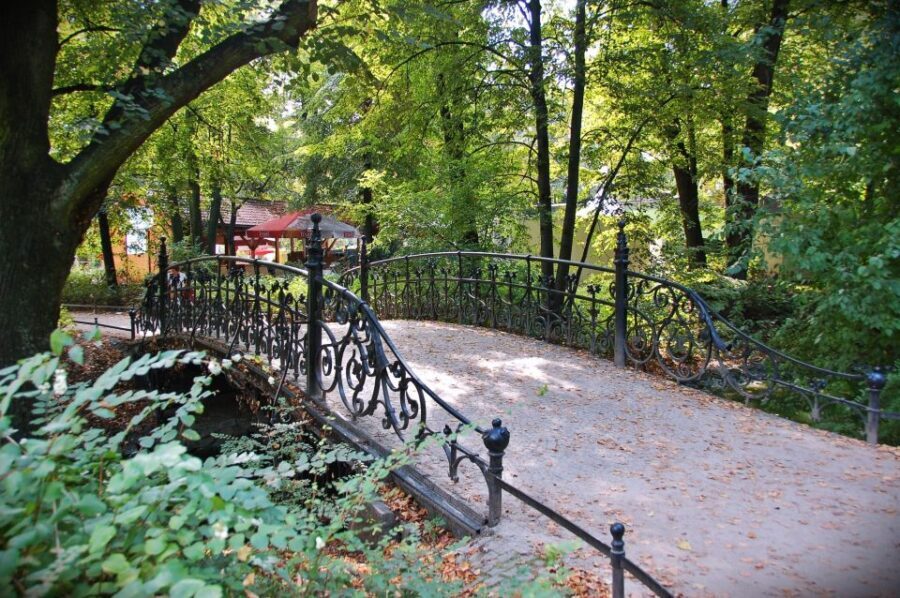
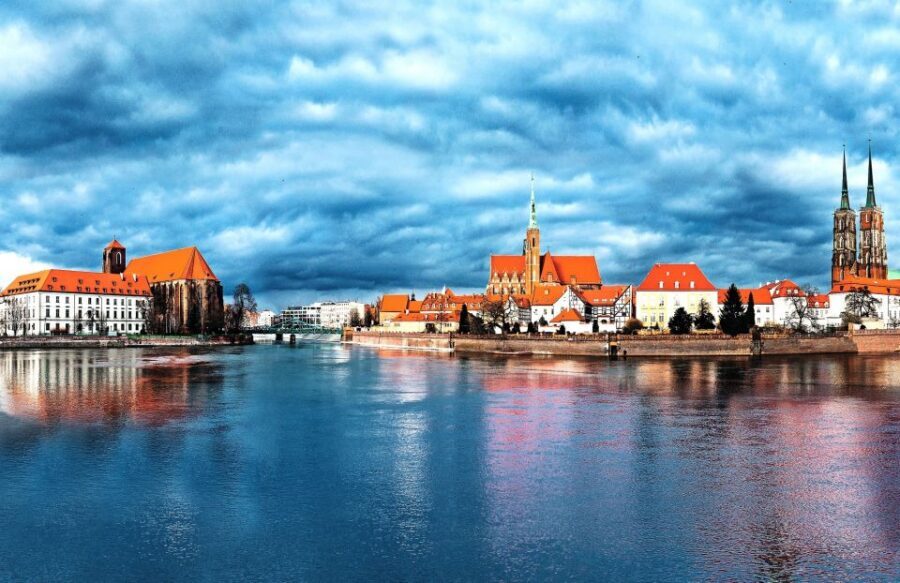
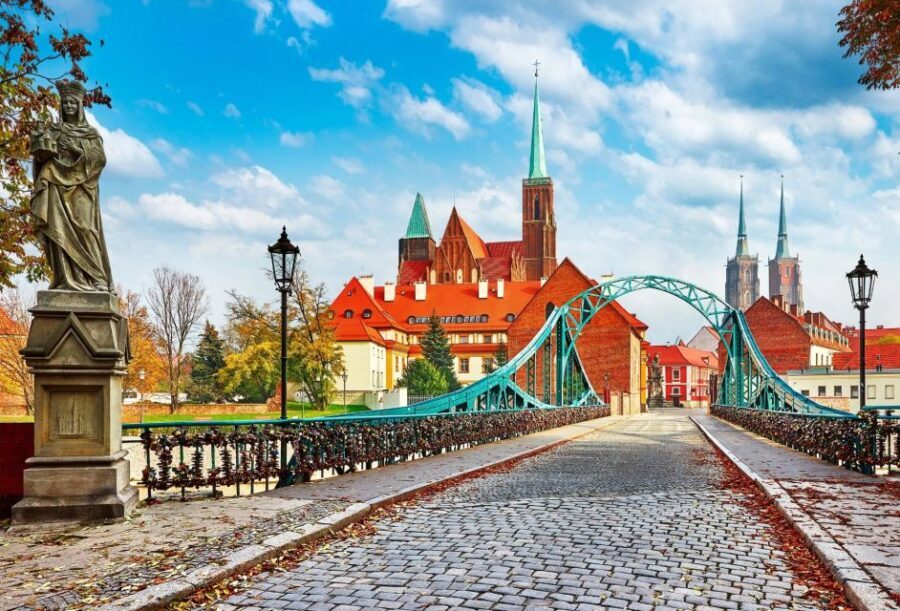
Next you cross over the Oder River and get a walk along the river embankment. This is where the tour earns its name in a practical way. The Oder is the thread that ties Wroclaw’s layout together, and bridges are how people move, meet, and view the city from different angles.
Wroclaw’s key statistic is hard to ignore: the city has more than 100 road bridges and footbridges. The tour doesn’t throw that number at you and move on. You’ll experience the repetition—views opening and closing, corridors of water and city—until it clicks why Wroclaw shares “bridge city” DNA with places like Venice and Amsterdam.
For photos, this area works well because you’re not just taking one postcard shot. You get multiple vantage points in a short time, which helps you build a mini photo story instead of one flat image.
Racławice Panorama Museum and the 1794 Battle Scene
A museum stop can sometimes feel like a detour on a walking tour. Here it works because the Racławice Panorama Museum is built around a single, unforgettable visual idea: a monumental panoramic painting, including a 360-degree battle scene of the Battle of Racławice in April 1794.
The story matters. This was a major moment where Polish forces won over Russians, and the battle has become a national symbol. You don’t need to be a military history buff to get value from the museum; the format is designed to make the scene readable.
The practical advantage: you get a “Wroclaw perspective” that’s not purely architectural. It gives you context for why the city and the region care about memory, identity, and dramatic turning points.
Wroclaw University and Aula Leopoldinum: Baroque Beauty You Can Feel
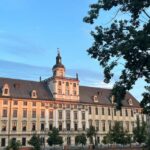
Then it’s back to the city’s elegance: the tour heads into the Old Town area and focuses on Wrocław University, especially its standout Aula Leopoldinum. This baroque hall is designed by Christophorus Tausch, and it’s the kind of interior that turns a quick stop into a real pause.
Why this stop deserves its place in a short tour: baroque buildings aren’t just “pretty ceilings.” The interior design is meant to impress and to guide your attention. In a guided format, you’ll know what to look for and what parts are doing the heavy lifting visually.
If you’re the type who likes architecture that feels theatrical but still grounded in craftsmanship, you’ll get a lot out of this one.
You can also read our reviews of more private tours in Wroclaw

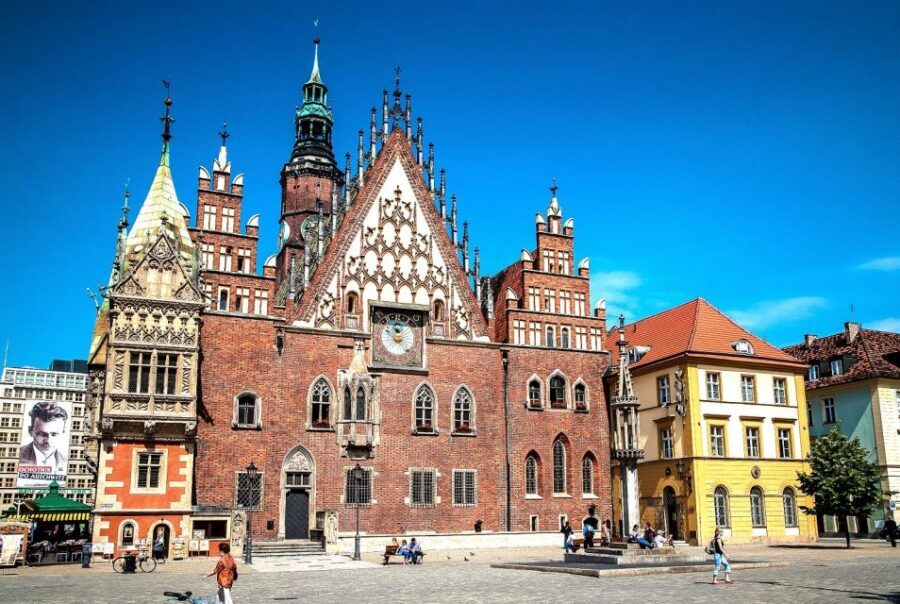
Market Square, Tenement Houses, and the Town Hall Bell from 1368
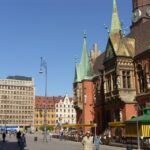
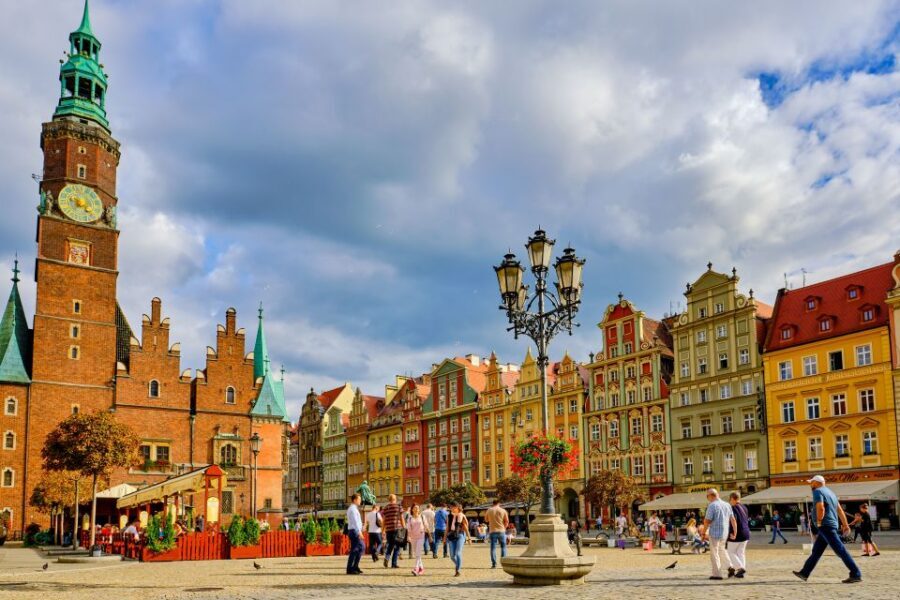
From the university area, you’ll walk down medieval cobblestone streets toward the Market Square, one of the largest in Europe. This is Wroclaw’s municipal and cultural center—where concerts, performances, and everyday life overlap. It’s also where you’ll see those colorful tenement houses that give the Old Town its distinctive character.
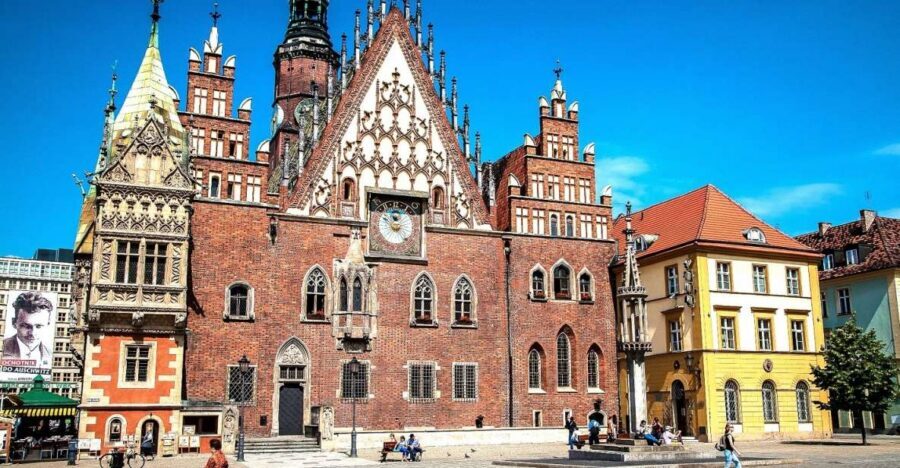
The tour’s Market Square highlight is the late Gothic Town Hall and especially its tower. The key detail is that the tower houses the oldest clock tower bell, installed in 1368. That’s the kind of fact that changes how you look at a building. You start seeing it as a long-running system of timekeeping and civic identity, not just a landmark.
Also on the same theme of “old things that still matter”: the Town Hall cellars include Piwnica Świdnicka, one of Europe’s oldest restaurants, dating back to 1273. Even if you don’t eat there today, it helps you understand why this area keeps pulling people back.
Centennial Hall and UNESCO Status: Modern Design That Still Hosts Real Events
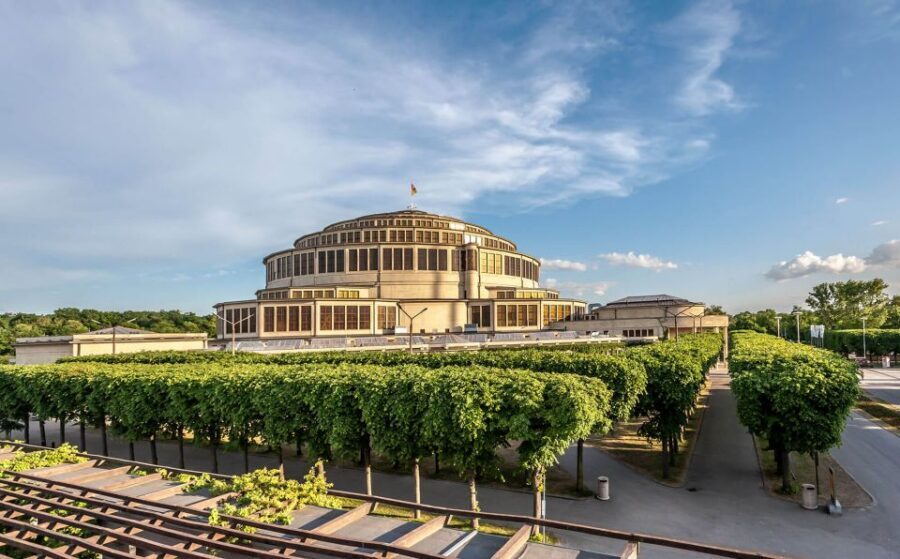
After the Old Town core, you move to Centennial Hall, a major 20th-century achievement and a UNESCO World Heritage part of a larger heritage complex. This is one of those stops where the value is both architectural and practical.
The architecture is impressive, but what makes it feel alive is that Centennial Hall isn’t stuck in a museum box. It’s currently used for exhibitions, conferences, congresses, and cultural and sporting events. When a landmark stays in active use, it doesn’t freeze into “just something to see.” It stays part of how the city functions.
If you’re trying to understand Wroclaw as modern European city—with visible Czech, German, and Polish layers—this stop helps connect the past to the present.
The Dwarf Hunt Finale: Fun, Fast, and Surprisingly Memorable
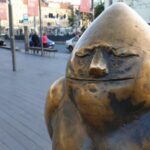
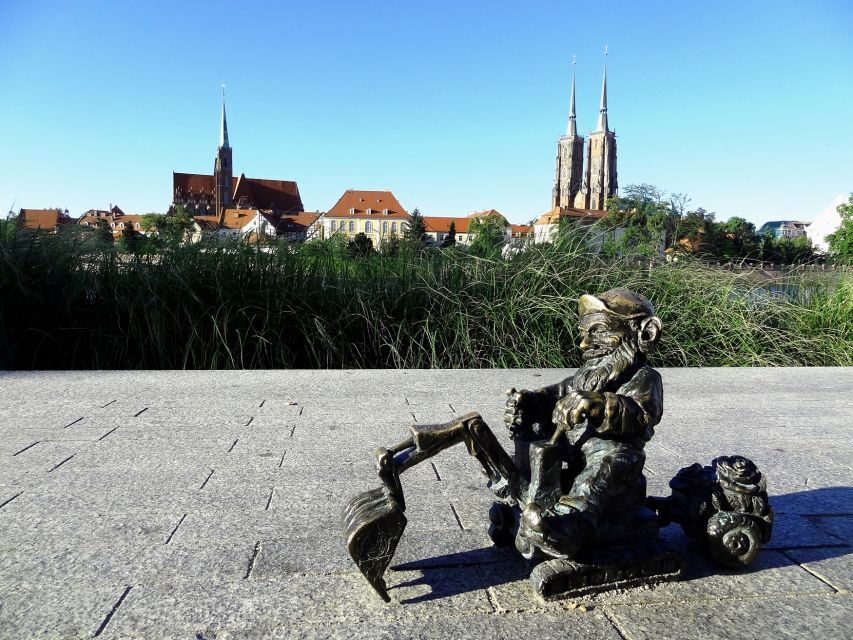
Then you end with the part many people actually remember when they think about Wroclaw later: dwarf hunting. These gnomes are scattered around the city center on doorways, alleyways, and corners. You’re looking for them, spotting their placement, and getting that playful surprise factor that makes a city feel warmer.
The tour includes the dwarf moment as a clear finale. It’s also easy to turn into an activity you can keep doing after the guide leaves. Once you start noticing dwarves, Wroclaw becomes a scavenger map. That’s why this ending works better than another “last photo at the big building” routine.
It’s the kind of experience where a guide can help you spot what you’d miss on your own—without turning the city into a classroom.
Price and Value: What $44 for Four Hours Gets You
At about $44 per person for 4 hours, the value comes from the combination, not any single line item. You’re paying for a private guide, plus transportation and hotel pickup and drop-off. That matters because time is the real currency on short trips. A guided route reduces wasted “where do we go next?” moments.
The biggest cost consideration is also the simplest: entrance fees are not included. Depending on what you choose to enter versus just view from outside, you may need to budget extra. I’d treat the tour price as the guided backbone, then expect to add the official ticket costs if you want to go inside everything.
If you’re traveling as a couple, friends, or solo, private formats tend to shine here. You can keep the pace comfortable, ask direct questions, and get tailored tips for what to do next.
Language and Guide Style: Clarity Makes the City Click
A private guide is most valuable when they help you interpret what you’re seeing. This tour is offered with guides in multiple languages: Spanish, English, German, Polish, Russian, French, Italian, and Portuguese.
The human side is clear from past bookings—guides like Mathias have been praised for delivering perfect Spanish and strong history context, while Robert has led in Italian with professionalism and friendly energy. Even when you pick a language you’re not fluent in, the real win is how clearly your guide explains what makes each spot worth your attention.
A practical tip: bring questions. Ask what to focus on outside the main stops. Your guide finishes by telling you what else you can discover on your own, and that’s where you convert a short tour into a longer, more confident city day.
Should You Book This Wroclaw City Tour?
Book it if you want a high-impact orientation to Wroclaw without spending your first day lost in decisions. This route is strongest for first-timers, architecture lovers, and anyone who wants a mix of the dramatic (cathedral towers, panoramic museum, UNESCO hall) and the playful (dwarf hunt).
Skip it only if you’re traveling on a tight budget where you don’t want to add entrance tickets, or if you already know Wroclaw well and only want a few very specific sites. Otherwise, this is a smart, efficient way to understand the city’s layout and get the best photo moments with context.
If you’re aiming to fall for Wroclaw fast, this tour gives you the springboard.
FAQ
How long is the Wroclaw 100 Bridges private city tour?
The tour lasts 4 hours.
Is this tour private or shared?
It’s a private group experience, meaning it’s just your group with the guide.
What’s included in the price?
The price includes a guide, transportation, and hotel pick-up and drop-off.
Are entrance fees included?
No. Entrance fees are not included.
Where do we meet the guide?
The guide meets you at your hotel and waits in the lobby with a sign with your name.
How many languages are available for the guide?
The tour offers live guiding in Spanish, English, German, Polish, Russian, French, Italian, and Portuguese.
What’s the main structure of the itinerary?
You’ll see the St. John the Baptist cathedral on Ostrow Tumski, walk by the Oder River and its bridges, visit the Racławice Panorama Museum, explore Old Town highlights like Wrocław University (Aula Leopoldinum) and Market Square, go to Centennial Hall, and finish with dwarf hunting.
Is there a cancellation option?
Yes. Free cancellation up to 24 hours in advance is offered for a full refund.