REVIEW · WROCLAW
Group city tour (walking tour) through Wroclaw in German
Book on GetYourGuide →Operated by Wroclaw View · Bookable on GetYourGuide
Wrocław reads like a story on foot. This German city tour strings together the key sights in a smart route, starting at the Pillory and moving through the oldest and most photo-worthy corners of town. I especially like how the guide keeps things organized and easy to follow, so you’re not just looking at buildings—you understand why they matter.
I like the value for $33: you get a 2-hour walk that hits major landmarks (town hall, churches, university, and Cathedral Island) without feeling rushed. One thing to consider is the pace: it’s a walking tour, so you’ll be on your feet for the whole 2 hours, and in cold or rainy weather you’ll want proper shoes and layers.
The tour also keeps practical touches in mind. It’s wheelchair accessible, runs in typical weather (with adjustments only in extremes), and includes skip-the-ticket-line time at the stops that require it, which helps you spend more time seeing and less time waiting.
In This Review
- Key things that make this Wrocław tour work
- Starting at the Pillory: your first clue about Wrocław
- Market Square and Wrocław Town Hall: Gothic drama, explained
- Salt Market Square: where trade shaped the city
- St. Elizabeth’s Church: the tower view is the reward
- Hansel and Gretel houses: fairy tales with real street texture
- University of Wrocław: why education is part of the city identity
- Fencer Fountain and market hall area: details you’d miss alone
- Sand Island and Tumski Bridge: the river views change the mood
- Cathedral Island and Wrocław Cathedral: the spiritual center of the story
- Wrocław’s gnomes: small-scale charm before you reach the finish
- Price and pace: is $33 worth it?
- Who this tour suits best
- Practical tips before you go
- Should you book this Wrocław German walking tour?
- FAQ
- Where does the tour start?
- How long is the Wrocław walking tour?
- What language is the live tour guide?
- How much does the tour cost?
- Which major sights are included?
- Is the tour wheelchair accessible?
- Does it include skip-the-ticket line?
- What happens if the weather is bad?
Key things that make this Wrocław tour work
- German guide with strong, clear explanations so you can actually track the history while walking
- A structured route that links Market Square to Cathedral Island without backtracking
- Skip-the-line access to keep the sightseeing flow moving
- Big-name stops in a short time: Town Hall, St. Elizabeth’s Church, University of Wrocław, Cathedral Island
- Story stops like the Hansel and Gretel houses and Wrocław’s gnomes for local color
- Built for real conditions: tours usually run in all weather, with contingency in extreme cases
Starting at the Pillory: your first clue about Wrocław
Most walking tours start with a landmark; this one starts with an idea. You meet at the Pillory, then you head toward Wrocław’s civic center. That matters because it sets the theme fast: this city isn’t just pretty—it has layers of law, trade, education, and faith stacked over centuries.
From there, you’ll move into the historic core at a steady human pace. You get time to look around at street level, notice how buildings sit against each other, and then hear the story that connects them. If you like tours that feel like they were planned—rather than random photo stops—this route usually delivers.
You can also read our reviews of more walking tours in Wroclaw
Market Square and Wrocław Town Hall: Gothic drama, explained
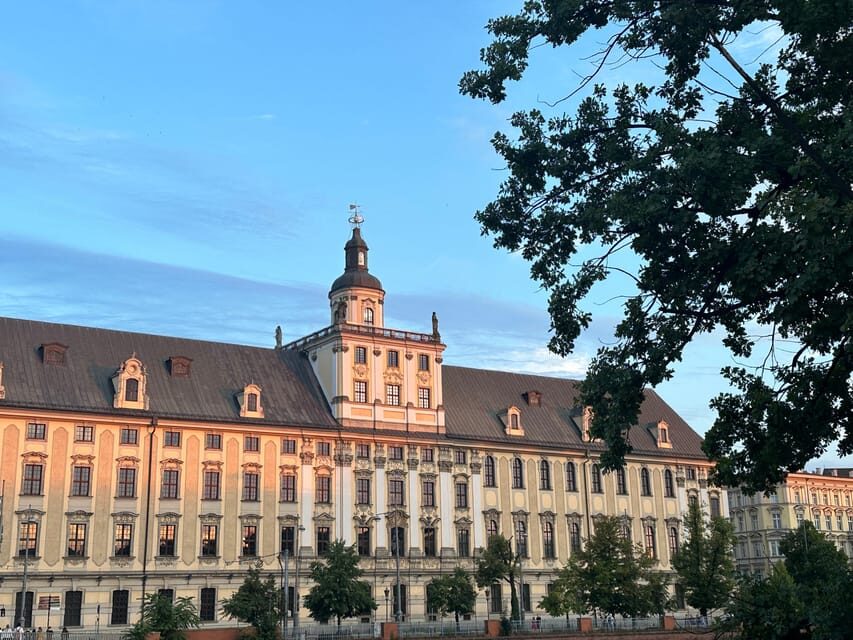
The Market Square is where you get your bearings fast. This is the heart of the city, and the tour spotlights the Town Hall as a centerpiece. You’ll admire the Gothic architecture and the way the town’s identity shows up in stone and design.
What I like here is that the Town Hall isn’t treated like a standalone postcard. The guide helps you connect it to how Wrocław functioned as a trading and civic hub. That gives you context for why the square looks the way it does and why it still feels important even today.
If you’re visiting in cooler months, this area can be chilly with wind off the open square. Bring a hat or something that blocks drafts, and you’ll stay comfortable longer while the group pauses for explanation.
Salt Market Square: where trade shaped the city
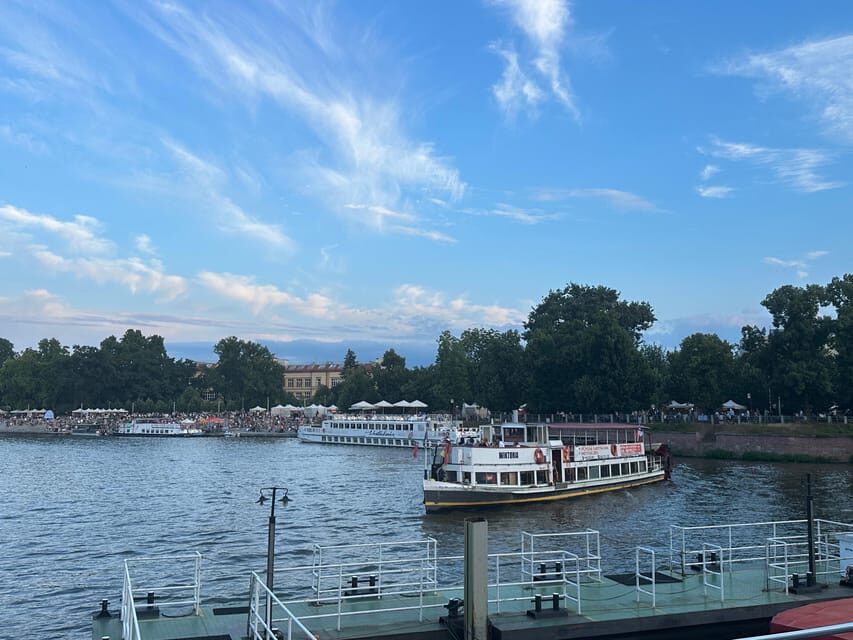
Next up is Salt Market Square. Even if you don’t know the exact details yet, the name alone tells you this wasn’t just a place to browse shops. Salt mattered historically for food preservation and commerce, and the square’s role fits that reality.
This stop is useful because it balances the more dramatic religious and architectural scenes later. It’s a reminder that Wrocław grew through practical business. You’ll walk away with a clearer sense of why the city has the mix of wealth, architecture, and “busy center” energy that you feel as soon as you arrive.
St. Elizabeth’s Church: the tower view is the reward
St. Elizabeth’s Church is one of the taller buildings you’ll notice right away. The tour includes it for a reason: the architecture is striking, and the guide points out features so you’re not just staring upward without a plan.
You’ll also get the promise of a fantastic view from the tower. That kind of perspective changes how you read Wrocław’s layout. Streets, islands, bridges, and the flow of the city start to make more sense, especially when the earlier stops (Market Square and town hall) are already giving you the “civic center” story.
Practical tip: tower visits often mean stairs and cold stone. If you’re sensitive to heights or stairs, consider arriving with comfortable footwear and be ready for short bursts of climbing.
Hansel and Gretel houses: fairy tales with real street texture
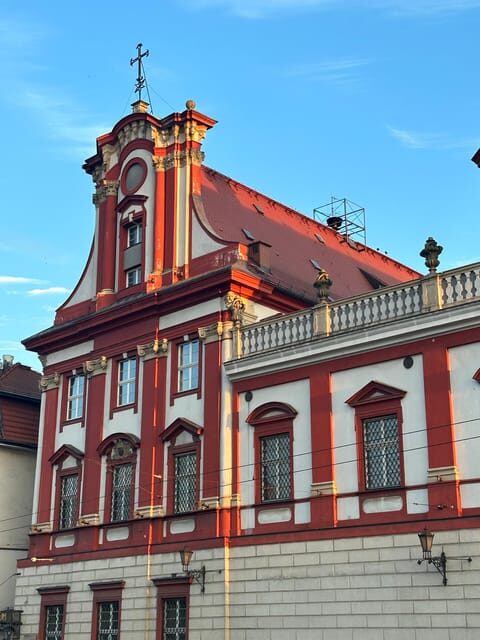
Then comes the Hansel and Gretel houses. They’re charming because they look like something straight out of a storybook, but the tour also ties them to local legend. That’s a nice balance: visually fun, but not empty.
This is the kind of stop that breaks up the heavier historical pacing. You get a few minutes to enjoy the look of the facades and the odd charm of the architecture, and you can ask questions if you’re curious about how the stories stuck around.
It’s also a great place for photos—just be mindful that the group moves as one, and you may need to wait your turn for the best angles.
You can also read our reviews of more city tours in Wroclaw
University of Wrocław: why education is part of the city identity
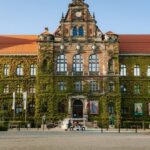
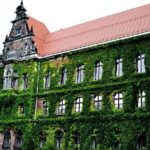
The University of Wrocław stop is about more than campus buildings. The tour frames it as one of the oldest universities in Central Europe, with importance that shows in the architecture and in the role the university plays in the city’s long timeline.
This is valuable if you like to understand cities as living systems. Civic life, trade, faith, and education all influence each other. When you hear the university’s place in that system, the city starts to feel less like a list of sights and more like a connected story.
Fencer Fountain and market hall area: details you’d miss alone
Between the bigger “anchor” stops, you’ll pass through smaller scenes that still matter. The Fencer Fountain is one of those points—quick, memorable, and very much part of the personality of Wrocław’s public spaces.
Then the route brings you to the Wrocław Market Hall. The idea here is to experience the lively hustle and bustle of the market scene. You’re not just looking at buildings from the outside; you’re seeing how the city’s daily rhythm fits into the historic setting.
If you like to travel like a local, this portion helps. Markets are where a place tells you how it lives now, not only how it used to live.
Sand Island and Tumski Bridge: the river views change the mood
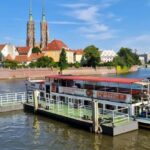
After the city center, the tour moves you toward the river areas—starting with Sand Island and then crossing Tumski Bridge. This shift matters because Wrocław’s best atmosphere often comes from mixing architecture with water and bridges.
On Sand Island you’ll likely get a different angle on the city and a break from the dense street wall feeling. Then Tumski Bridge gives you the “look both ways” moment that ties the route into the next big section: Cathedral Island.
If it’s windy or wet, these bridge segments can feel colder than the center streets. You don’t need heavy gear, but you do need weather-ready layers.
Cathedral Island and Wrocław Cathedral: the spiritual center of the story
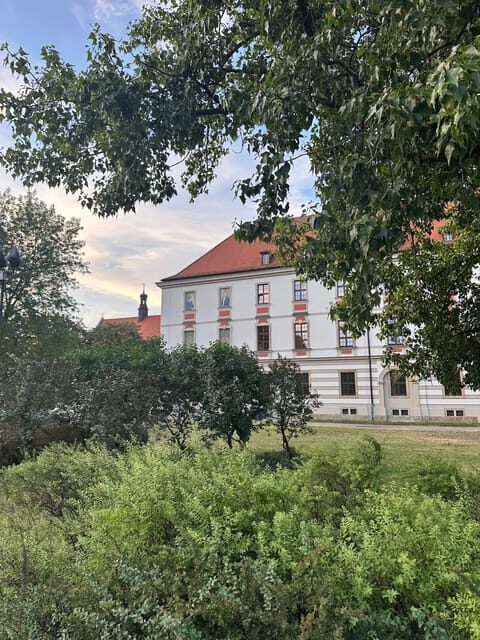
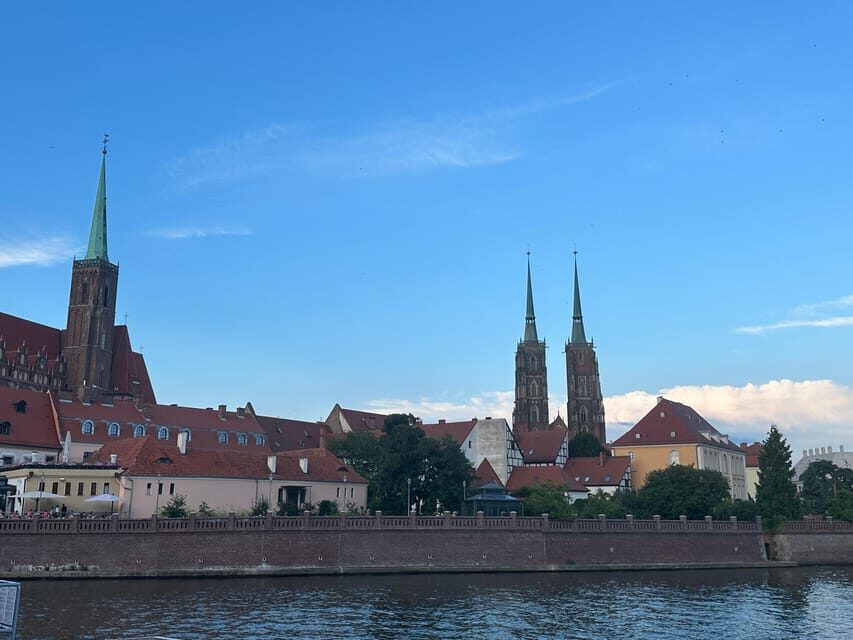
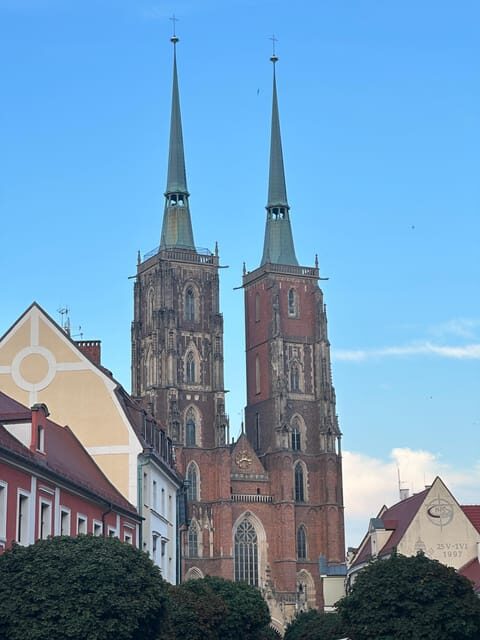
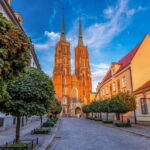
Cathedral Island is described as the oldest part of Wrocław, and the tour delivers that idea by walking you right into the spiritual core. This is where you see the majestic Wrocław Cathedral and understand it as more than just an impressive church.
The Cathedral stop tends to work well for group tours because it gives everyone the same reference point. You can compare what you saw earlier—town hall, markets, university—with the city’s religious heart. Together, it’s a full picture of how Wrocław organized itself over time.
You’ll finish here at the Cathedral of St. John the Baptist, so the day ends where the story feels like it naturally arrives.
Wrocław’s gnomes: small-scale charm before you reach the finish
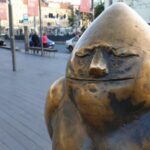
The tour includes Wrocław’s gnomes, which are perfect for a lighthearted moment after the heavier architecture stops. These are the kind of details that are easy to miss if you’re only scanning for the famous buildings.
They also help the tour feel less rigid. You get a chance to slow down, point things out, and keep your energy up as the walking continues. For many people, this is the stop that makes the whole experience feel more personal and less like a museum route.
Price and pace: is $33 worth it?
At $33 per person for about 2 hours, this sits in the “good deal” zone for a walking tour that touches major landmarks. The biggest reason it’s good value is the mix: you’re not paying just to see one famous place. You’re paying to move through a curated route that hits civic, trade, education, and religious sites in one go.
There’s also practical value in skip-the-ticket-line access. Even if you’re not thinking about tickets in advance, cutting down waiting time is how you actually protect your vacation hours.
The pace is the main trade-off. It’s a walking format with multiple guided stops, so you’ll get the best results if you’re comfortable standing, moving, and listening while the group stays together.
Who this tour suits best
This is a strong fit if you:
- Want a structured route through top Wrocław sights in a short time
- Speak German or prefer getting history in live German rather than relying on apps
- Like tours with plenty of factual context—places connected to why they exist and what they meant
- Prefer affordable group formats over private tours
It may be less ideal if you:
- Need lots of long rests (it’s paced for a 2-hour walking schedule)
- Want free time to wander independently for long stretches between stops
Practical tips before you go
- Wear shoes you can stand in comfortably for the full 2 hours.
- Bring a light rain layer or umbrella substitute if weather looks unsettled. The tour runs in typical conditions, but extreme weather can lead to cancellation or postponement.
- If you’re sensitive to stairs, remember that the church tower viewpoint is part of the experience.
- If you’re traveling with mobility needs, note that it’s listed as wheelchair accessible, but you should still plan around short walking segments between stops.
Should you book this Wrocław German walking tour?
Yes, if you want an easy, well-planned way to see the essentials of Wrocław with a German-speaking guide and a route that makes sense. The stops cover the city’s main identity markers—Market Square and Town Hall, St. Elizabeth’s Church, the University, market areas, and Cathedral Island—without turning the day into a rushed sprint.
If you’re confident walking for 2 hours and you’ll benefit from live interpretation in German, this is a great-value way to get your first-day bearings and learn what you’re looking at. If you prefer slow wandering or need frequent long breaks, you may want a more flexible option—but for most people, this one hits the sweet spot.
FAQ
Where does the tour start?
The tour starts at the Pillory.
How long is the Wrocław walking tour?
The duration is listed as 2 hours.
What language is the live tour guide?
The live tour guide language is German.
How much does the tour cost?
The price is $33 per person.
Which major sights are included?
The tour includes Market Square and Wrocław Town Hall, St. Elizabeth’s Church, the Hansel and Gretel houses, the University of Wrocław, the Wrocław Market Hall, Sand Island, Tumski Bridge, Cathedral Island, Wrocław’s gnomes, and Wrocław Cathedral.
Is the tour wheelchair accessible?
Yes, the tour is listed as wheelchair accessible.
Does it include skip-the-ticket line?
Yes, it includes skip the ticket line.
What happens if the weather is bad?
The tour usually takes place in all weather conditions. In extreme weather, the operator may cancel or postpone the tour and will inform you in good time with an alternative solution.