REVIEW · WROCLAW
Wrocław Dwarfs & Sightseeing Tour by Electric Mini Bus
Book on GetYourGuide →Operated by WrocEco Wheels · Bookable on GetYourGuide
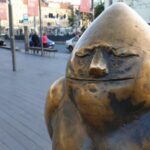
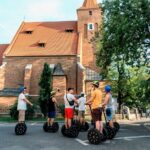
Dwarfs, fountains, and history in one electric ride. This Wrocław Dwarfs & Sightseeing Tour uses an electric mini bus to get you around fast, while a live guide strings together the city’s story from early beginnings to modern oddballs like the Orange Alternative.
I love the small-stop rhythm, because you’re not stuck staring out a window the whole time. I also love that guides like Timothy and Michal can shape the tour around your interests, and even take photos so you don’t have to juggle selfies with cold hands.
One possible drawback: with only 1 hour to 90 minutes on the clock, you’ll do best if you treat this as a smart sampler, not a deep dive into any one place.
In This Review
- Key things I’d prioritize on this tour
- Why this electric mini bus tour works for a first trip to Wrocław
- Getting around in real comfort: warm, electric, and easy to follow
- The core landmarks: Old Town, University of Wrocław, and Cathedral Island
- Centennial Hall and the Pergola Fountain Show: big moments on a tight schedule
- National Museum and Racławice Panorama: where the story gets visual
- The stories you’ll hear: founding, borders, war, communism, Orange Alternative, and the Great Flood
- Guide personalities that can make or break the tour
- Price and time value: is $18 worth it for 1 to 90 minutes?
- Should you book the Wrocław Dwarfs & Sightseeing Tour by WrocEco Wheels?
- FAQ
- How long is the Wrocław Dwarfs & Sightseeing Tour?
- What main places will we see during the tour?
- What languages are available for the guide and audio?
- Is the tour wheelchair accessible?
- Does the tour include skipping the ticket line?
- What’s the meeting point like?
- Is there free cancellation or a reserve-and-pay-later option?
Key things I’d prioritize on this tour
- Heated comfort on a winter route: people note the bus stays warm even when it’s snowing.
- A compact highlights loop: Old Town, the University of Wrocław, Cathedral Island, and more without long transfers.
- A dwarf trail plus real historical threads: you’ll hear about the city’s transitions between countries, war-era Festung Breslau, communism, and the Orange Alternative.
- Famous Wrocław stops you can actually plan around: Centennial Hall, the Pergola Fountain Show, the National Museum, and Racławice Panorama.
- Guides who actively answer you: multiple reviews call out hosts who listen carefully and adjust their explanations.
Why this electric mini bus tour works for a first trip to Wrocław
Wrocław is the kind of city where you can walk for hours and still feel like you missed half the story. This tour is built for the opposite approach: short time, clear route, and enough narration to help you connect landmarks to the bigger timeline. If you’re trying to get your bearings fast, it’s a strong way to do it.
The electric mini bus matters too. Even if you don’t love buses, the point here is easy viewing without traffic stress, plus it keeps the pace realistic for a 1 to 90 minute outing. You also get multilingual support: the live guide speaks English, German, and Polish, and there’s an included audio guide in a wider set of languages, which helps if you’re traveling as a mixed-language group.
Finally, the dwarf theme gives the tour an emotional hook. It’s not just facts and photos; it’s a playful thread that helps you remember where you’ve been and why the story mattered.
You can also read our reviews of more tours and experiences in Wroclaw.


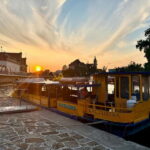
Getting around in real comfort: warm, electric, and easy to follow
This is one of the rare sightseeing products where comfort shows up in the reviews for a good reason. People explicitly mention the bus was warm during snow in winter, and that makes a big difference when you’re spending time outside at short stops. It’s also an easy format if you’re tired from walking in the Old Town before your tour starts.
Because it’s a mini bus, the route feels more human than a big coach. You tend to get quicker transitions between highlights, and the guide can keep everyone oriented as the skyline changes around you. And if you don’t want to stare at street corners like a tourist statue, you still get plenty of “look right, look left” moments.
You’ll also see the tour includes a live guide and an audio guide. That combo is helpful when you want to follow along closely, then switch to audio if you’re looking at a building detail or listening to someone’s question.
The core landmarks: Old Town, University of Wrocław, and Cathedral Island
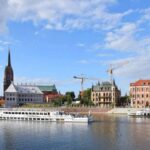
The tour’s backbone includes the Old Town, the University of Wrocław, and Cathedral Island. That trio is smart because it touches three different ways people experience a city: the postcard streets, the academic side, and the dramatic island setting.
In practice, this means you’ll be moving through areas where the guide can connect stories to what you’re seeing. The Old Town is where you’ll likely notice how the city’s layout and landmarks create a sense of place. The University area gives contrast, since it signals a long-term, civic identity beyond tourist sightseeing. Cathedral Island brings that feeling together in a more iconic, memorable setting.
A big plus is that multiple people mention the guide gives time to get out and explore certain spots. So you’re not just passing by. You can pause for photos, look around, and ask questions without the group feeling like it’s being rushed every five minutes.
If you’re traveling with someone who prefers variety, this loop is also a good compromise. History fans get a strong narrative thread; others get frequent visual payoffs.
Centennial Hall and the Pergola Fountain Show: big moments on a tight schedule
Centennial Hall and the Pergola Fountain Show are the kind of names that instantly anchor a trip. Even before you know the detailed story, they signal “this is Wrocław at full volume,” and the tour uses them as major waypoints.
Timing is the key here. You’re working inside 1 hour to 90 minutes total, so these stops function as highlights rather than slow museum days. That can be exactly what you want on day one: you see the main markers, you understand what the guide thinks is important, and you leave with a shortlist of where to return later.
The fountain show stop is also the sort of experience that benefits from context. Even though the listing doesn’t spell out technical details, the guide’s narration about Wrocław’s growth, hard times, and later rise helps make a modern-looking show feel connected to the city’s long arc. You’re not just watching water; you’re learning how Wrocław rebuilt and redefined itself through different eras.
If you have a photo-heavy day planned, this portion is where you’ll likely spend your energy. Consider timing this tour earlier in your stay so you can revisit the spots you care about most, not because this route is incomplete, but because your priorities will become clearer afterward.
National Museum and Racławice Panorama: where the story gets visual
Toward the museum side, the tour includes the National Museum and Racławice Panorama. This is a smart shift, because the earlier stops are more about seeing the city’s form. These are where storytelling can feel more concrete: you’re moving from architecture and city layout into curated interpretation.
The guide covers major themes like the war period and the Festung Breslau era, communism, and the Great Flood. When that kind of content hits alongside museum exhibits, it tends to stick better than a narration-only format. Even if you’re not the type to read every label, the setting supports faster comprehension through what you see in front of you.
There’s also an included benefit called skip the ticket line. The listing doesn’t specify which sites always have that, but the intent is clear: reduce waiting so your limited tour time stays useful. In a short tour, cutting down dead time is one of the best ways a “value” package earns its keep.
One practical tip: if you’re the kind of person who likes to soak in details, keep your expectations modest on this stop. You’ll want to treat museum time here as a guided orientation, then plan a longer follow-up on your own if something grabs you.
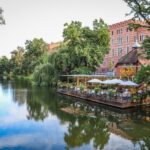



The stories you’ll hear: founding, borders, war, communism, Orange Alternative, and the Great Flood
What makes this tour feel more than a checklist is the way the guide connects landmarks to big turning points. You’ll learn about the founding of Wrocław, then its transition between countries. The tour also covers the period of greatest economic growth, the war period and Festung Breslau, communism, the founding of the Orange Alternative group, and the impact of the Great Flood.
That sequence matters because Wrocław didn’t become itself in one smooth timeline. It was shaped by borders shifting, prosperity rising, and then suffering during war and its aftermath. The Great Flood theme is especially memorable because it’s a reminder that history isn’t only made by politics; it’s made by events that change daily life.
The Orange Alternative part is a modern cultural anchor. It’s the kind of story that helps explain why a city can be both historical and quirky, which pairs perfectly with the dwarf concept of the tour. A dwarf trail feels fun, but it also becomes a way to remember that Wrocław has always had people pushing back, coping, and reshaping identity.
If you care about understanding a city’s character, this is the portion that does the heavy lifting. You’re not just seeing locations; you’re building a map in your head of what changed, who lived through it, and how Wrocław reinvented itself afterward.
Guide personalities that can make or break the tour
The tour’s rating is extremely high, and the reviews repeatedly point to one thing: the guides are doing more than reciting. People mention strong Q&A, patience, and an ability to match different tastes within the same group.
Timothy gets named a lot, with praise for being very knowledgeable and for tailoring his approach. One review specifically describes a situation where the same guide provided detailed historical depth for one person and more general entertainment and curious city stories for another. That’s a rare skill. It means you can ask deeper questions without the tour turning into a lecture, and you can keep things light if you prefer.
Michal, Nicholas, Niko, Simon, and Michael show up in other reviews too, with consistent comments about friendliness, charisma, and making the tour feel smooth even in winter. Many also mention photo moments, and even when you’re just standing still at a landmark, that can save you time later.
Also pay attention to pacing. Some reviews highlight the guide giving time to explore and providing photo opportunities while still keeping the overall route on track. That balance is what turns “sightseeing” into an experience you’ll actually remember.
Price and time value: is $18 worth it for 1 to 90 minutes?
At $18 per person, the value comes from packing several major stops into a short window and adding guided interpretation in multiple languages. In other words, you’re paying for transportation plus narrative guidance plus a set of named highlights that are easy to plan around once you’ve seen them once.
If you’re only in Wrocław briefly, this matters. Spending half a day figuring out where to go can cost more than the tour itself, especially when you want a coherent story, not random wandering. This format helps you get context fast, which often leads to smarter decisions later, like where to return for a longer visit.
The electric mini bus also reduces friction. You can move between areas without long walks in between stops, and that’s a big deal if your legs are already tired or if the weather turns. Add in the fact that multiple guides have been reported as warm, welcoming, and patient, and you’re not just buying logistics—you’re buying a friendly guide voice that keeps the tour moving at a human pace.
The one caveat is the “sampler” nature of a short tour. If you want to spend long stretches inside every museum or linger at every viewpoint, you’ll need to pair this with independent time afterward.
Should you book the Wrocław Dwarfs & Sightseeing Tour by WrocEco Wheels?
I think you should book if you fit one of these situations:
- You have a limited amount of time and want a route that hits the big names: Old Town, Cathedral Island, Centennial Hall, the Pergola Fountain Show, the National Museum, and Racławice Panorama.
- You like history, but you also want it told in a lively, question-friendly way by guides such as Timothy, Michal, Nicholas, Niko, and Simon.
- You’ll appreciate comfort, especially if you’re visiting during colder months and want a warm ride.
Skip it or plan differently if you’re the type who needs long stays at each site. This tour is designed to cover a lot, not to exhaust every detail. Your best strategy is to treat it as the first chapter of your Wrocław trip, then circle back to whatever connected most with you, whether that’s a museum topic, the fountain show, or the dwarf trail locations.
If you’re deciding today, I’d say this is a strong deal for orientation. It gives you the story threads plus the landmarks that help you remember them.
FAQ
How long is the Wrocław Dwarfs & Sightseeing Tour?
It runs for 1 hour to 90 minutes. Starting times depend on availability.
What main places will we see during the tour?
You’ll visit the Old Town, the University of Wrocław, Cathedral Island, Centennial Hall, the Pergola Fountain Show, the National Museum, and Racławice Panorama, with a trail connected to Wrocław’s dwarfs.
What languages are available for the guide and audio?
The live guide is available in English, German, and Polish. An audio guide is included in Czech, English, German, Italian, Polish, Russian, Spanish, and Ukrainian.
Is the tour wheelchair accessible?
Yes, the tour is wheelchair accessible.
Does the tour include skipping the ticket line?
The included details state skip the ticket line, though the listing does not specify which stops apply.
What’s the meeting point like?
The meeting point may vary depending on the option booked.
Is there free cancellation or a reserve-and-pay-later option?
Yes. Free cancellation is available up to 24 hours in advance for a full refund, and there’s also a reserve now & pay later option.