REVIEW · WROCLAW
From Wrocław: Full-Day Auschwitz-Birkenau Guided Tour
Book on GetYourGuide →Operated by Best City Tours sp. z o.o. · Bookable on GetYourGuide
One day like this can’t be put on a shelf. This full-day Auschwitz-Birkenau guided tour pairs hotel pickup with a small group of up to 8 so you get to the UNESCO memorial with less stress and more context. Once there, you’re guided through daily camp life, plus exhibitions that bring the stories of those imprisoned or killed into focus.
The main catch is physical: it’s a long day with lots of walking and stairs, and the experience can feel heavy. Also, inside the museum complex, you may be assigned to an English group format on-site rather than staying in a tiny bubble the whole time.
In This Review
- Key Things I’d Tell You Up Front
- Why This Auschwitz-Birkenau Trip From Wrocław Is Worth the Full Day
- The 10-Hour Rhythm: Pickup, Road Breaks, and Two Camp Visits
- Auschwitz I: A Museum Layout That Explains How Persecution Worked
- Birkenau: The Place Where Scale Becomes Unavoidable
- The English Guide and the Small-Group Comfort (Plus the On-Site Reality)
- What the Price Covers: Is $293 Good Value?
- Your Day Checklist: ID, Bag Limits, Shoes, and What Might Get You Turned Away
- Should You Book This Wrocław-to-Auschwitz-Birkenau Tour?
- FAQ
- How long is the Auschwitz-Birkenau tour from Wrocław?
- Is the tour guide available in English?
- What ID do I need, and do my name details have to match?
- Are there restrictions for children or minors?
- What should I bring or know about bags and comfort?
- Can I cancel and get a refund?
Key Things I’d Tell You Up Front
- Door-to-door Wrocław pickup and drop-off so you don’t fight schedules or transport
- Skip-the-ticket-line access that saves time at the gates
- Auschwitz I then Birkenau in the order that helps everything make sense
- Comfort breaks on the road with time for food, drinks, and toilets
- English live guide plus museum exhibitions that explain daily camp life and operations
- Strict ID/name matching rules at entry, with non-refundable tickets
Why This Auschwitz-Birkenau Trip From Wrocław Is Worth the Full Day
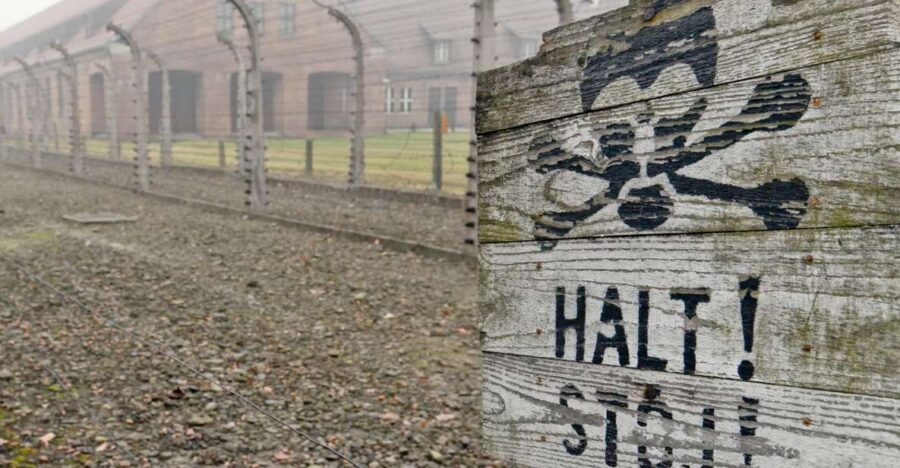
If you’re coming from Wrocław, the big decision is simple: do you want the day to feel manageable, or do you want to play transportation roulette while trying to stay mentally present for a difficult place. This tour is designed for the manageable option. You’re collected from your hotel, driven in a minibus, and then dropped back again after the camps—so your energy stays where it matters.
I also like that this isn’t just a drive-by photo stop. The focus is on meaning: daily camp life, special exhibitions about the people who were imprisoned or perished, and visits to key sites such as the former gas chambers and crematorium areas. That structure helps you connect the buildings and artifacts to the reality of what happened here, instead of getting lost in facts you can’t place.
One more reason it works well from Wrocław: the schedule is built around the expectation of a long, emotionally demanding visit. You’re not trying to squeeze everything into half a day, and that matters for understanding what you’re seeing.
You can also read our reviews of more guided tours in Wroclaw



The 10-Hour Rhythm: Pickup, Road Breaks, and Two Camp Visits
This is a full-day tour running about 10 hours. Starting times vary by availability, and your pickup time may be adjusted by the local operator, so don’t plan a tight second commitment right after. The day is paced to fit two camp sites without rushing you through everything in one frantic line.
You’ll start with hotel pickup in Wrocław and travel by minibus to the Auschwitz area. Several participants mention roughly three hours on the road each way, and you also get a proper stop for basics—think toilets and grabbing a snack or drink—rather than forcing yourself to “just wait it out.”
Once you arrive, the tour uses skip-the-ticket-line entry. That’s a real quality-of-life feature here, because waiting outside in a queue while you’re processing the significance of the place is not an enjoyable way to begin. Then the day turns into guided museum time in two parts.
After the Auschwitz-Birkenau sections, the driver handles the return. More than one experience notes that the driver stayed in the background of the day, then met the group again when the tour finished so you didn’t have to worry about timing. In other words: you show up, you’re guided, and you get brought home.
Auschwitz I: A Museum Layout That Explains How Persecution Worked
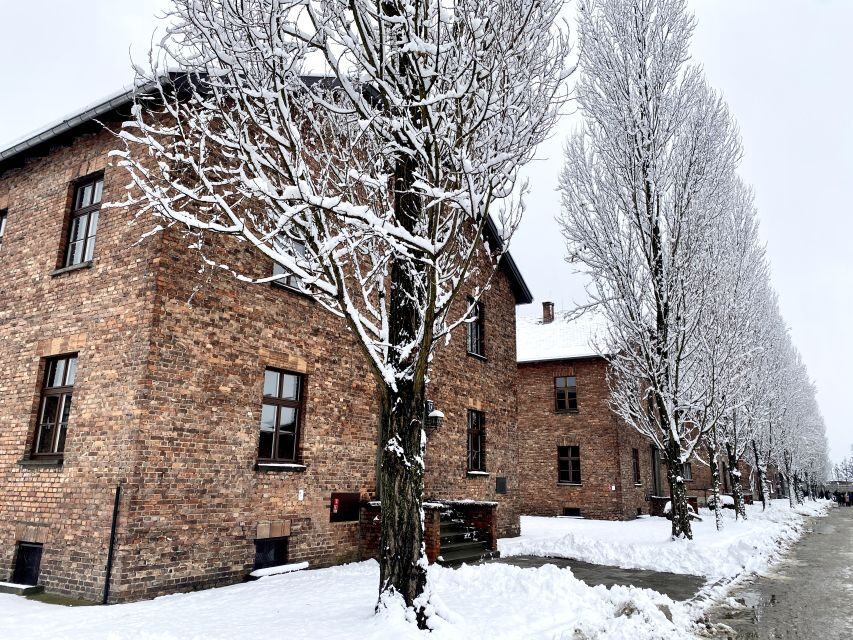
Auschwitz I is where the story becomes concrete. Even if you’ve read books or watched documentaries, being in the space changes the scale of what those words meant. In this tour, you don’t just pass by buildings—you get explanations of daily camp life and see museum displays that focus on the people who were imprisoned or perished.
A big value here is that you’re not trying to figure out what you’re looking at by yourself. The guide helps you connect details like the camp’s purpose, the system of control, and the everyday reality of incarceration. That’s especially important because Auschwitz I contains many sites tied to the camp’s functioning, not just general memorial symbolism.
You’ll also visit areas including the former gas chambers and crematorium. This is not comfortable sightseeing. The benefit of a guided format is that the guide provides context so you understand what you’re seeing and why it’s included in the museum route, rather than treating it like a set of tragic backdrops.
What to consider: the museum experience is emotionally heavy and mentally exhausting. If you’re the kind of traveler who needs constant motion to cope, you may feel uncomfortable with the pacing. But if you can handle quiet, reflective time, Auschwitz I is where a lot of understanding begins to lock into place.
Birkenau: The Place Where Scale Becomes Unavoidable
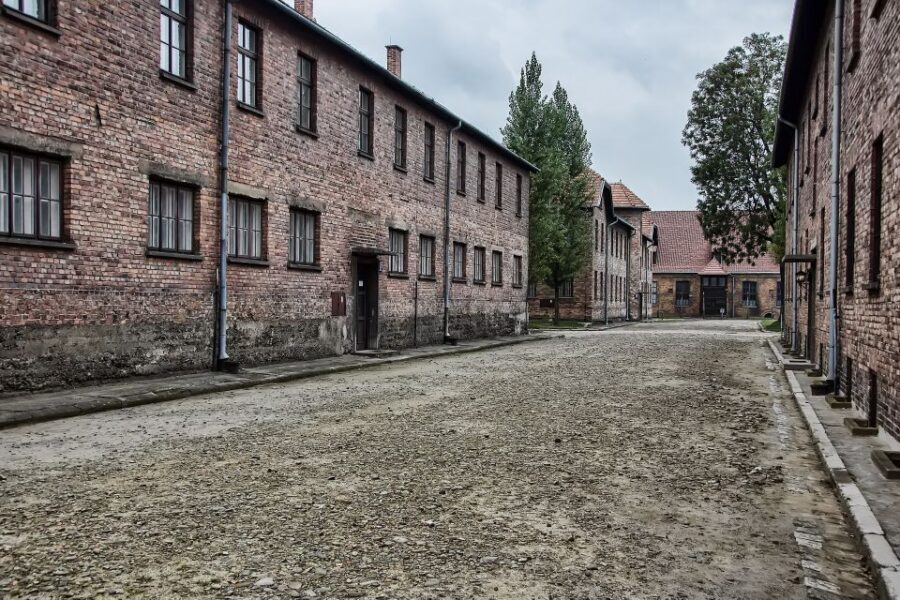
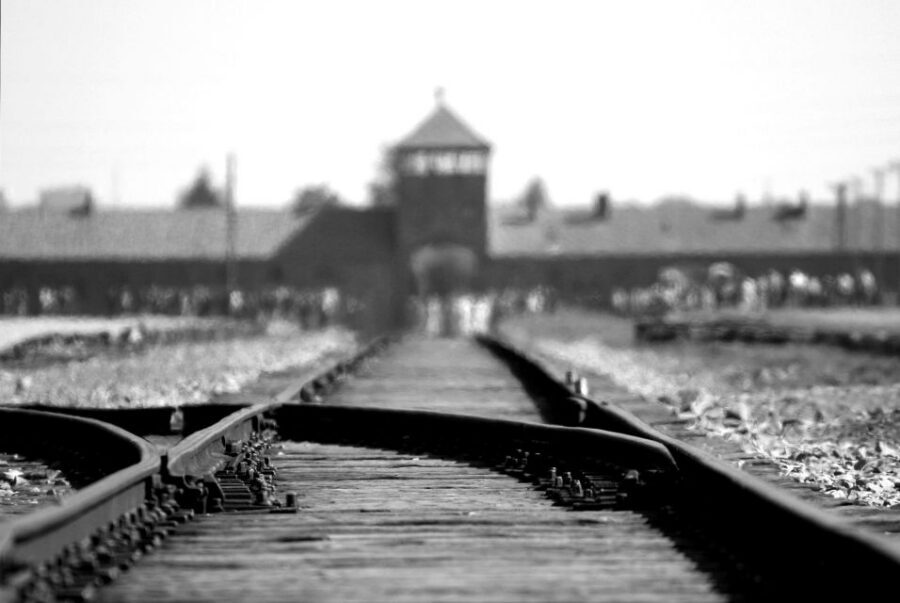
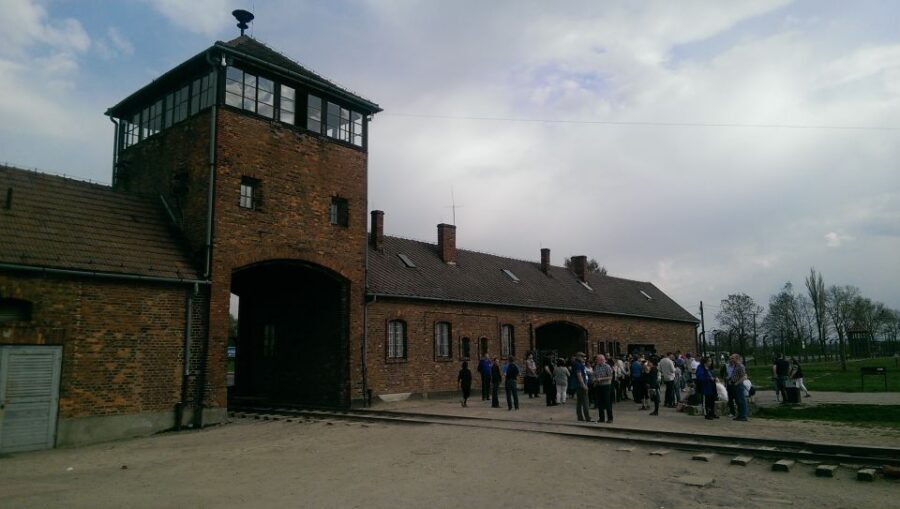
If Auschwitz I helps you understand the mechanism, Birkenau is where the sheer scale becomes unavoidable. You’re touring a memorial that shows how forced labor and extermination were carried out in practice, not just in theory. The layout is vast, and the distance between sites forces you to register the physical reality of the camp.
This portion of the tour is also where the visit can feel most difficult. Birkenau’s open spaces and long walking routes can be draining—again, not because it’s “hard for tourists,” but because it’s hard for humans to process. Still, the guided approach matters here. When a guide explains what you’re seeing and how the camp system worked on that ground level, you get a clearer picture of why the area is remembered the way it is.
Some participants highlight that the guide in this second camp helped them take in the larger setting and tie it back to what they learned earlier. That flow—Auschwitz I first, Birkenau second—is a smart way to structure the day, because it prevents you from getting stuck with only one piece of the story.
Practical point: wear shoes you’d happily walk in for hours. More than one review mentions stairs and lots of movement, so your feet will be part of the story, whether you like it or not.
The English Guide and the Small-Group Comfort (Plus the On-Site Reality)
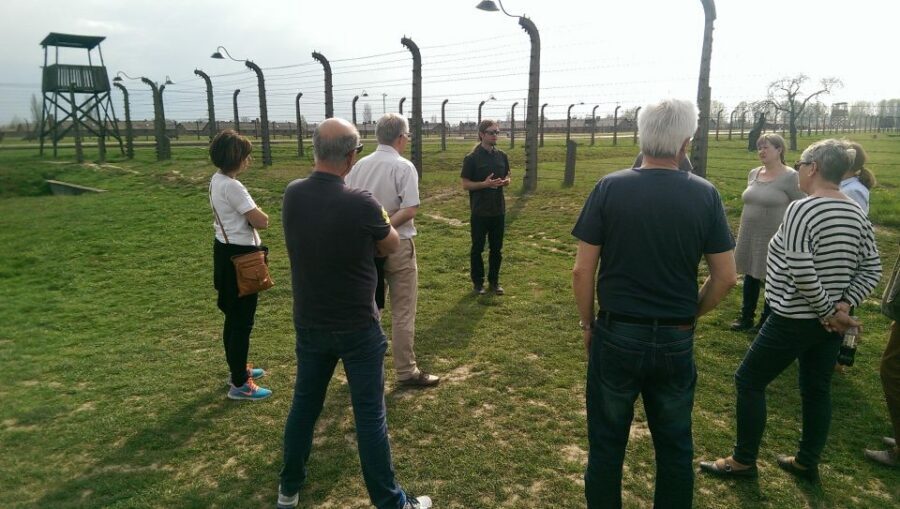
This tour advertises a small group capped at 8. That’s a good thing. It usually means less crowding during explanations and a better chance to hear the guide clearly.
However, one practical nuance showed up in feedback: once you’re inside the museum, you might join an English tour format with a larger group size as assigned on-site. The difference matters, because it affects how much personal attention you can expect while moving through exhibits. Still, the guide assignment process is common in places like this, and the value here is that you’re guided through the key points rather than wandering and guessing.
Another aspect I like is the pairing of the camp guides with the travel side handled by the driver/escort. You’re not just dropped at the entrance and left to figure it out. Multiple participants praised drivers by name for being friendly, punctual, and helpful with smooth transitions, including Jakub/Jakob, Paul, Bart/Bart(s), Bartek, and Eric, depending on the date.
Even the road part contributes to the day. Some drivers provided conversational historical and cultural context during the drive, and people mention having clear instructions for where to meet the group afterward. That sounds small, but it makes a difference when your head is already spinning.
A few more Wroclaw tours and experiences worth a look

What the Price Covers: Is $293 Good Value?
At $293 per person, it’s not a budget day trip. But the price lines up with what you’re actually buying: hotel pickup and drop-off, minibus transport, a live English tour guide, and entrance fees—plus the benefit of skip-the-ticket-line entry.
If you tried to cobble this together yourself, you’d spend time on figuring out transport, timing, and ticketing, and you’d still need a guided explanation to get real meaning out of the museum route. Here, you pay for a package that removes the logistics burden and keeps you on the structured path.
Where the value becomes most obvious is the time you save and the uncertainty you avoid. Waiting in lines, managing timing across two sites, and trying to interpret exhibits without a guide all add up. This tour shifts that burden away from you and puts it on the planning side.
The emotional “cost” is the same whether you book a tour or go independently: this place hits hard. The financial question is really whether you want to pay to reduce friction so you can focus.
Your Day Checklist: ID, Bag Limits, Shoes, and What Might Get You Turned Away
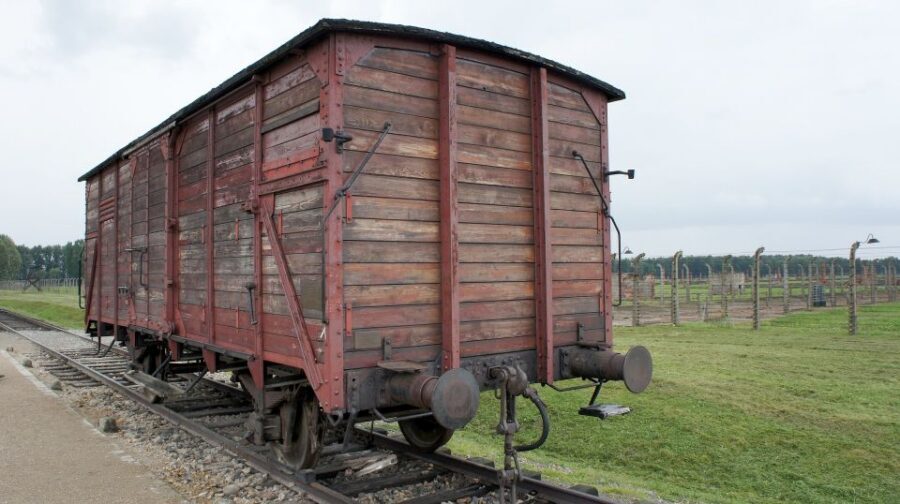
This experience has strict entry requirements, and it’s worth treating them like part of the itinerary. You need your passport or ID card. You also have to provide your full name and contact details as part of the booking, and entry may be refused if the name on your booking doesn’t match the name on your ID.
That name-check rule is one of the biggest practical reasons to book carefully. It’s not a “fine print” issue; it can directly affect whether you’re allowed in.
Also, don’t overpack. One review mentions a museum bag size limit of 30x20x10 cm. I can’t promise that every participant sees the same enforcement, but if you’re trying to avoid problems, keep your bag small.
Then there’s the comfort side. You’ll do a lot of walking and deal with stairs. Bring supportive shoes and dress for outdoor time between sites. Think practical, not cute.
Finally, if you’re traveling with kids, plan with care. Unaccompanied minors aren’t allowed. Children must be accompanied by an adult, and visits for children under 14 are not recommended.
Should You Book This Wrocław-to-Auschwitz-Birkenau Tour?
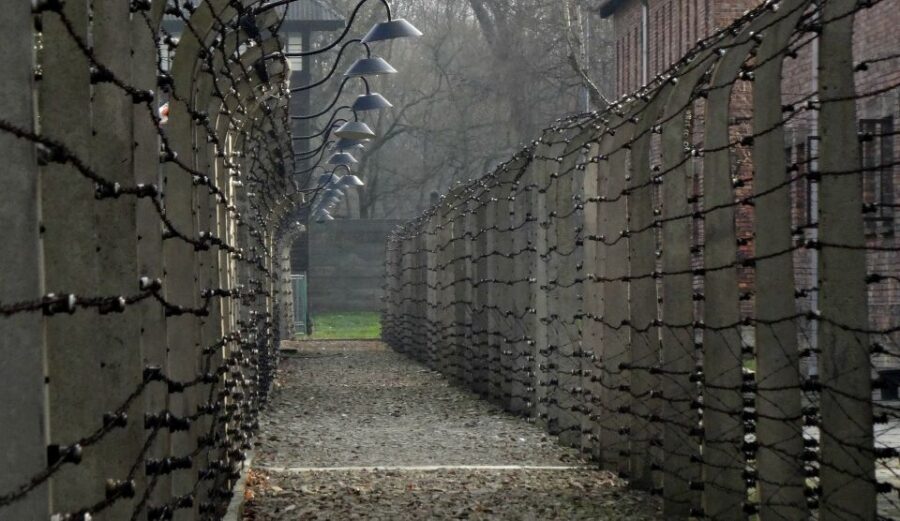
If you want a full-day, guided Auschwitz-Birkenau experience that handles transport, timing, and entry so you don’t lose mental focus, I think this is a strong fit. The biggest wins are the door-to-door pickup, skip-the-ticket-line, the English live guide, and the fact you’re taken to both camps in a guided sequence that supports understanding.
Book it if:
- you prefer structure and clarity over self-navigation
- you want a small group experience for the travel side
- you’re ready for a heavy history lesson and want context while you’re there
Skip or reconsider if:
- you’re not comfortable with long walking routes and stairs
- you can’t meet strict ID/name requirements
- you’re traveling with children and your group doesn’t fit the stated guidance for under-14 visits
For most people visiting Poland, the choice is not whether to come—it’s how to come. This tour is designed to keep the day organized so you can give your attention to what you came to learn.
FAQ
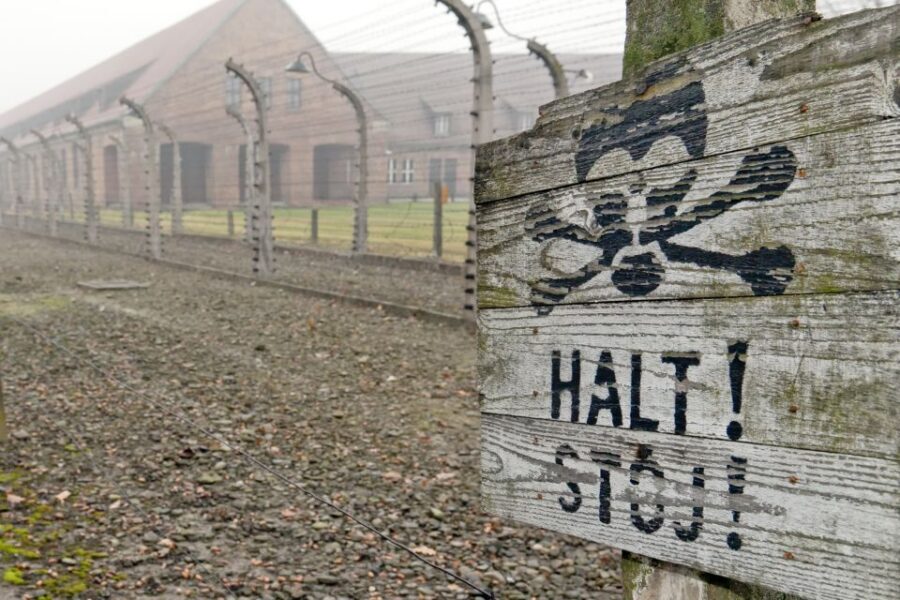
How long is the Auschwitz-Birkenau tour from Wrocław?
The tour runs for 10 hours. Starting times vary by availability, and pickup time may be modified by the local operator.
Is the tour guide available in English?
Yes. This experience includes a live tour guide in English, and you’ll also be guided through the museum areas as assigned on-site.
What ID do I need, and do my name details have to match?
Bring your passport or ID card. You also must provide your full name and contact details for the booking, and entrance may be refused if the name on your booking does not match the name on your ID.
Are there restrictions for children or minors?
Unaccompanied minors are not allowed. Children must be accompanied by an adult, and visits by children under 14 are not recommended.
What should I bring or know about bags and comfort?
You’ll need your passport or ID card. One review notes a museum bag size limit of 30x20x10 cm, and many participants mention lots of walking and stairs, so comfortable shoes are a must.
Can I cancel and get a refund?
No. This activity is listed as non-refundable.