REVIEW · GDANSK
Stutthof Concentration Camp Private Tour with Transport
Book on GetYourGuide →Operated by Rosotravel Poland · Bookable on GetYourGuide
Stutthof is one of Poland’s most sobering day trips. This private tour takes you from Gdańsk into the first Nazi concentration camp built on Polish soil, with a licensed guide turning museum facts into a clear, human story.
I like two things a lot. First, you get guaranteed 2 hours of guided time at Stutthof, so your visit doesn’t shrink if traffic gets weird. Second, the experience is truly door-to-door: pickup, air-conditioned car, and museum tickets handled for you.
One consideration: this is moderate walking on uneven ground and steps, and it’s a heavy subject. The tour covers gas chambers and prisoner barracks, so it’s not the best pick for kids under 13, and you’ll want comfortable shoes.
In This Review
- Key points before you go
- Why Stutthof makes this day trip different
- Private transport and guide quality from Gdańsk
- Inside the museum and camp grounds: what the schedule is really for
- Learning with context: numbers, countries, and what to listen for
- The survivor documentary after your tour (on request)
- The Baltic Sea stop: a small reset on the way back
- Your 7-hour choice in Gdańsk: Westerplatte vs WWII Museum vs Old Town
- Option A: Westerplatte (start of WWII on Polish soil)
- Option B: Museum of the Second World War
- Option C: Gdańsk Old Town (slower, more city-focused)
- 5 hours vs 7 hours: which length fits your travel style
- Comfort, walking, and timing tips you can actually use
- Price and value: why $281 can make sense here
- Who this tour is best for
- Should you book this Stutthof private tour?
- FAQ
- What’s included in the Stutthof part of the tour?
- How much walking should I expect?
- Can I add Westerplatte or other Gdańsk stops?
- Is pickup available from hotels and cruise ports?
- Do I need to buy museum tickets in advance?
- Is there any post-tour material included?
- Can I get a refund if my plans change?
Key points before you go
- Guaranteed 2 hours at Stutthof with a licensed private guide, even if the roads slow down
- Private, air-conditioned transport from Gdańsk, Sopot, or Gdynia, with hotel or cruise port pickup
- Museum movie included plus an optional survivor documentary sent after the tour
- Three Gdańsk add-on choices in the 7-hour option: Westerplatte, the Museum of WWII, or Old Town
- Skip-the-line entry for Stutthof museum access, so you start learning sooner
- Comfort matters: 2.5–3.5 km walking, rain or shine, on uneven surfaces
Why Stutthof makes this day trip different
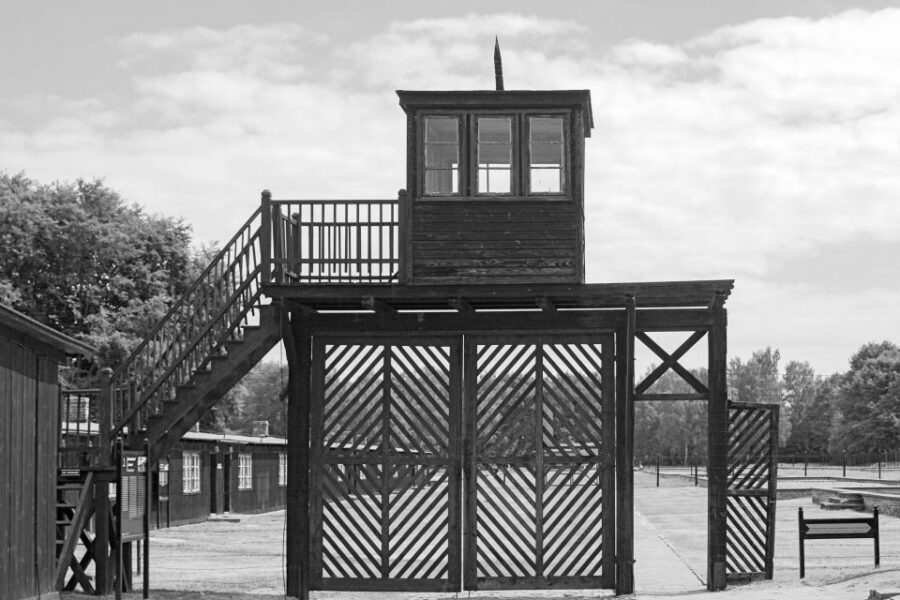
Stutthof wasn’t just another POW or forced-labor site. The camp became a symbol of Nazi terror, and it operated on Polish soil during the occupation, lasting five years. When you stand in the preserved areas and read the exhibits, the story feels less like textbook history and more like a lived system of cruelty.
What I find especially valuable is the way the guide frames the camp’s place in WWII. You’re not only seeing what’s left behind; you’re learning why it mattered, how it worked, and how it connected to the broader machinery of the war. Expect the tour to include the prisoner barracks and the gas chambers as part of the core visit.
You can also read our reviews of more private tours in Gdansk



Private transport and guide quality from Gdańsk
This is a private day trip, which changes the feel immediately. You’re not trying to herd yourself into a group timeline. Instead, you get pickup from your accommodation or the cruise port in Gdańsk, Sopot, or Gdynia, then a direct drive in an air-conditioned car.
The driver is listed as English-speaking, and your tour guide is a licensed private guide with multiple language options (English, German, Polish, Swedish, Norwegian, Russian, Spanish, Italian, French). If you’re taking the tour in German, here’s a useful detail from an actual experience: one guide named Drako was noted for very good German explanations and for adding lots of context while you’re traveling.
Even better, the guide adapts pacing. The walking isn’t laid out like a marching band, and your tour plan accounts for group needs. This matters at Stutthof, where you’ll want a little time to absorb what you’re seeing.
Inside the museum and camp grounds: what the schedule is really for
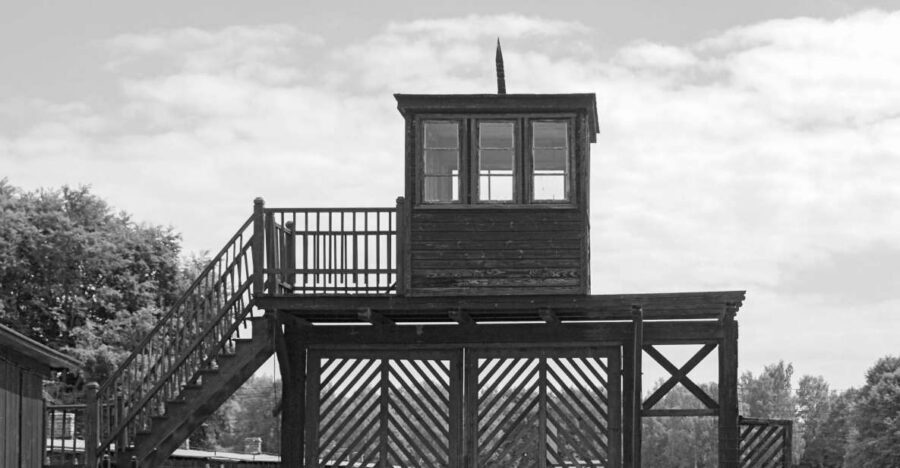
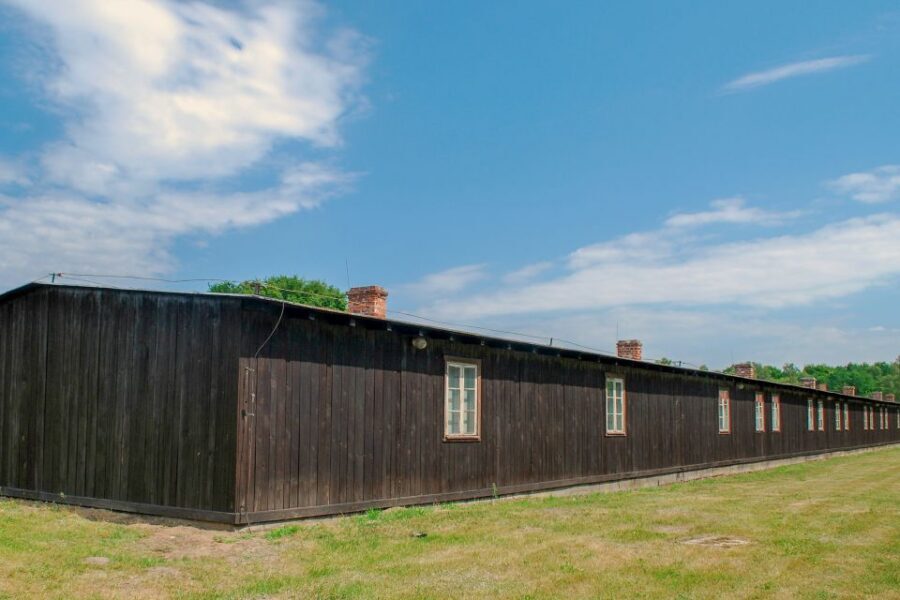
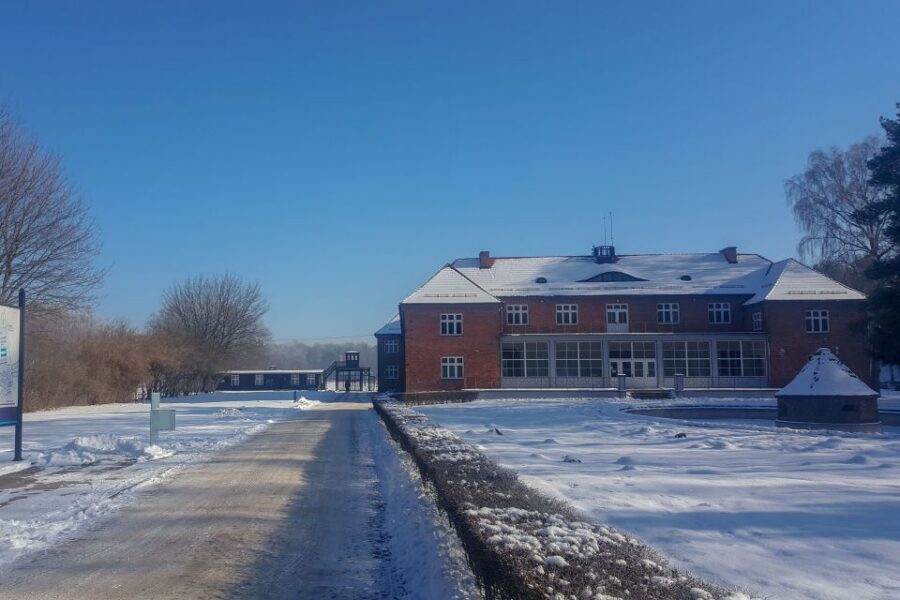
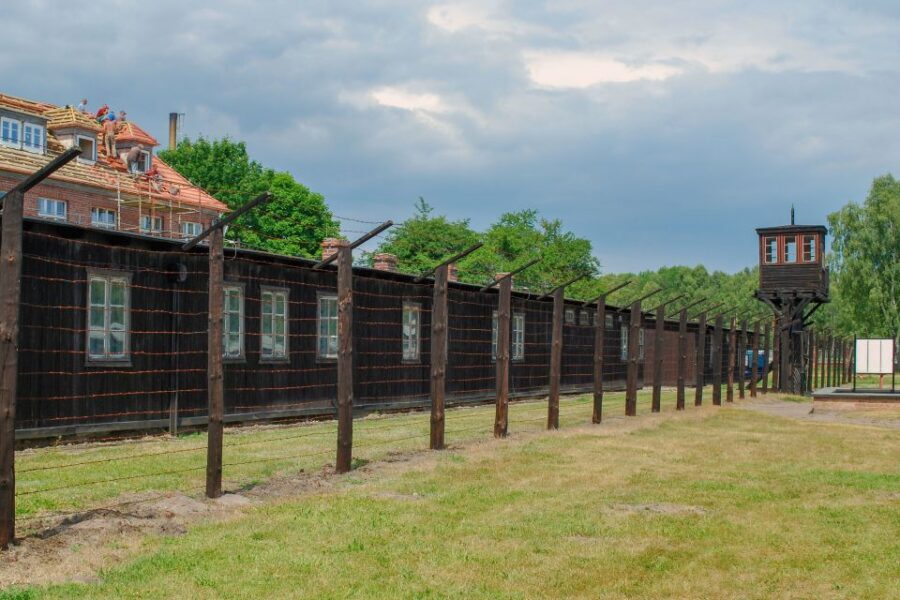
The heart of the day is the Stutthof museum and camp visit. You’re led through somber exhibitions and then into the camp areas themselves. You’ll see the prisoner barracks and the gas chambers, and your guide will connect the exhibits to the lived experience of prisoners.
The most practical part of the plan is time control. The tour includes guaranteed 2 hours of guided Stutthof sightseeing in your chosen language, regardless of traffic jams. That guarantee matters because Stutthof is often a long day. You don’t want a rushed walkthrough where you can barely read the captions.
Also included: a movie screening at the museum cinema. It’s a standard part of this experience, not an optional add-on. That helps set context before you move deeper into the camp material, and it gives you another way to process what you’re learning.
Learning with context: numbers, countries, and what to listen for
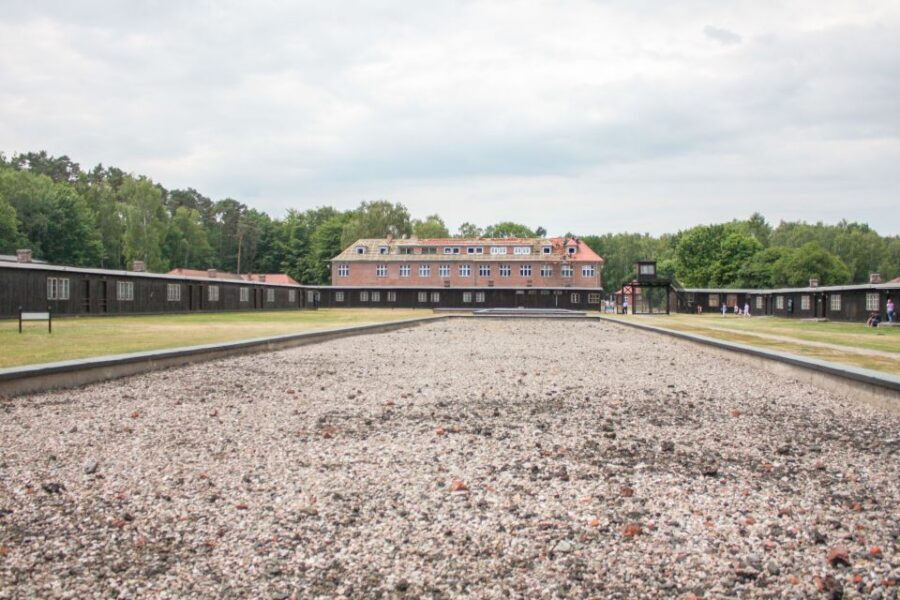
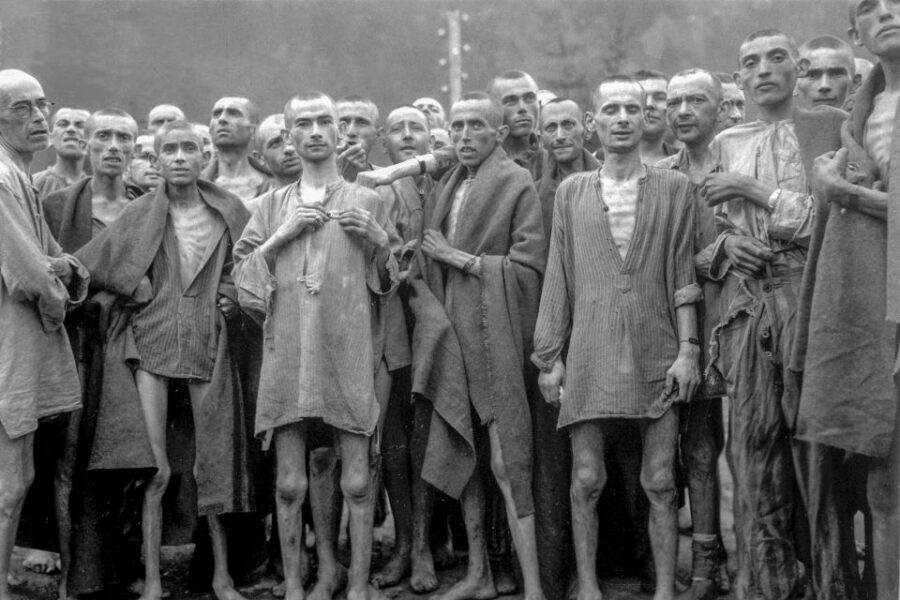
The tour includes clear historical context: during its operation, Stutthof held over 110,000 prisoners from 28 countries. That range is important. It’s a reminder that the camp’s victims weren’t limited to one group or one region.
As you listen, pay attention to how the guide explains camp life and the atrocities carried out there. The value of a licensed guide is the ability to move beyond dates and location facts and translate the museum’s material into something you can understand without getting lost.
If you’re the type who likes to know what you’re looking at before you step in, don’t worry—you’ll get commentary throughout. And if your group has questions, private guides usually handle that more naturally than a large-group format.
The survivor documentary after your tour (on request)
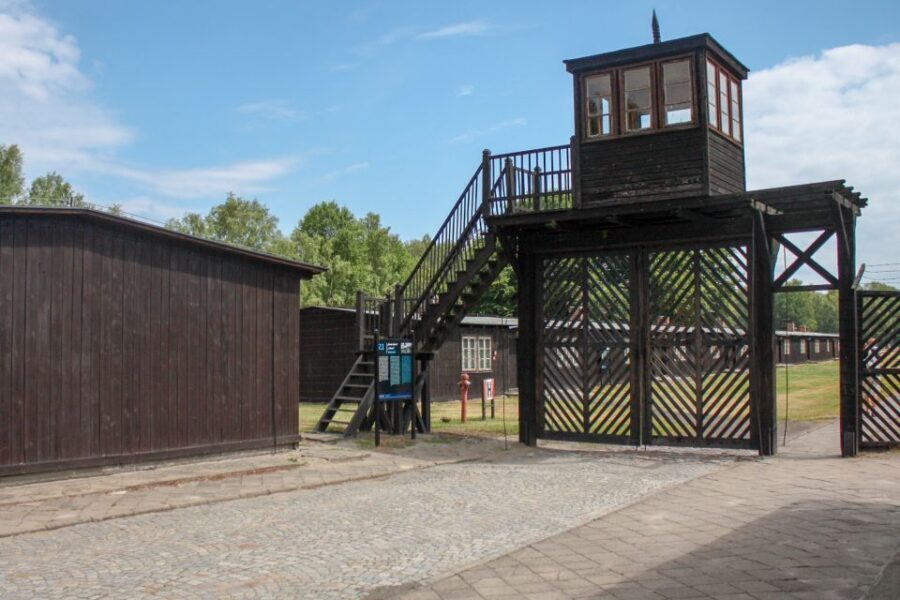
This is one of the quieter benefits that I think many people miss when they just scan the itinerary. You can request a full documentary movie about Stutthof survivors, sent after your tour. The information says it’s mailed after the tour, and you’ll receive it by email.
I like this approach because it lets you process at your own pace later. Stutthof is intense in real time. Having an additional documentary afterward helps connect the museum experience to stories that continue beyond the visit.





The Baltic Sea stop: a small reset on the way back
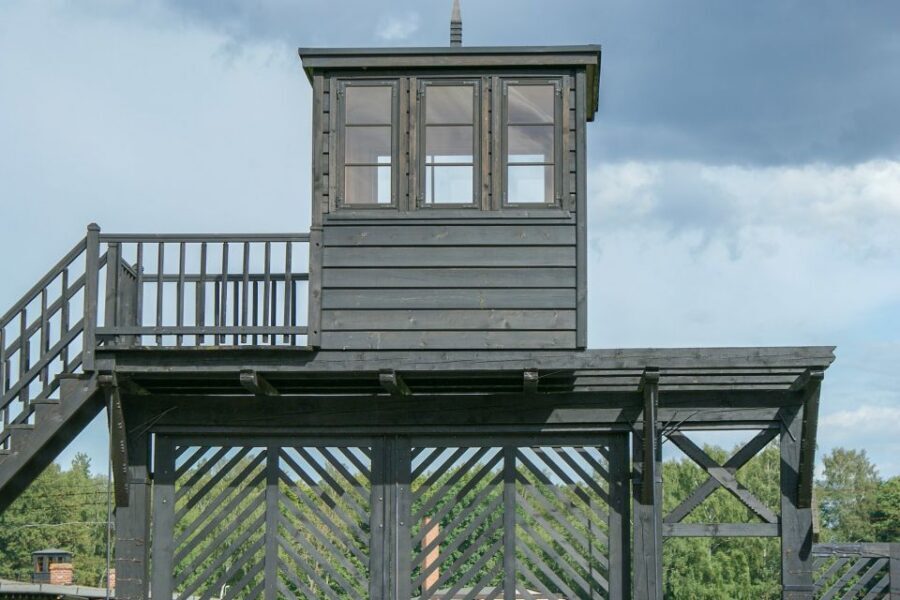
On the return drive, you get a short stop at the Baltic Sea coastline. It’s not a long sightseeing detour. Think of it as a chance to get outside, breathe, and reset your senses after a heavy museum day.
This stop is best used lightly: stretch your legs, take a quick look at the white-sand shoreline, and then get back in the car when it’s time. It’s the kind of break that makes the whole day feel less like a blur.
Your 7-hour choice in Gdańsk: Westerplatte vs WWII Museum vs Old Town
If you book the longer option, you get a meaningful add-on in Gdańsk. You’re basically choosing how you want to frame WWII and the city around it.
Option A: Westerplatte (start of WWII on Polish soil)
Westerplatte is where the first battle between Nazi Germany and Polish forces took place. The included sightseeing focuses on the military cemetery and the Monument to the Defenders of the Polish Coast. This is a strong choice if you want the war story to start earlier in your day and see a physical marker of Polish resistance.
Option B: Museum of the Second World War
If you prefer museum-first learning, the Museum of the Second World War is a great option. It’s included with tickets, and your expert guide provides context so you gain a nuanced understanding of the conflict. This works well if your brain wants structure: timelines, exhibits, and multiple perspectives.
Option C: Gdańsk Old Town (slower, more city-focused)
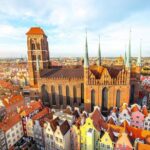
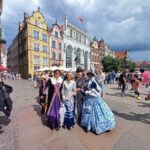
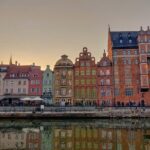
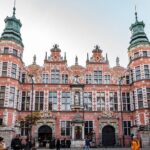
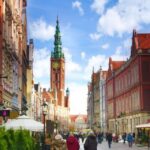
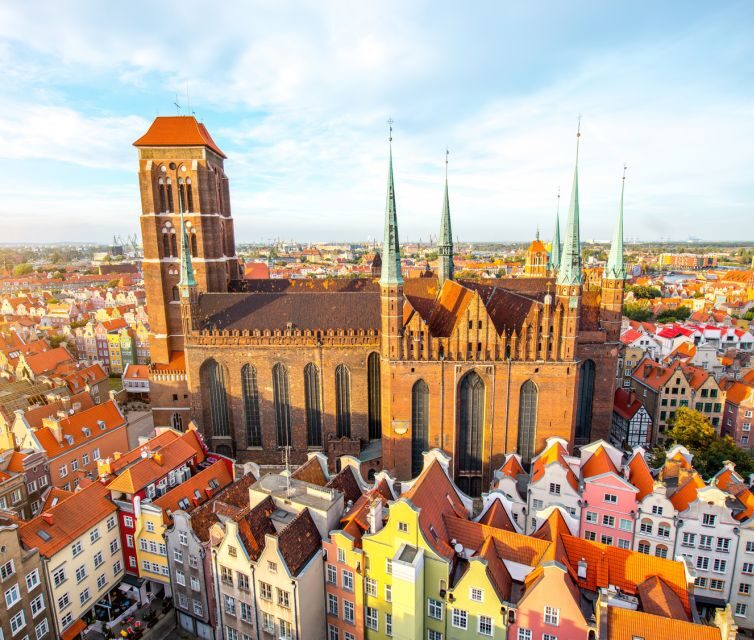
Want a gentler ending? The Old Town option includes a guided walk through major sights such as Neptune’s Fountain, St. Mary’s Church, and the Golden Gate. This is the choice when you want to end your day with architecture, symbolism, and a sense of place after the concentration camp visit.
Tip: If you’re unsure, think about your energy level. After Stutthof, not everyone wants another museum. But Old Town can feel like a release valve—still meaningful, just lighter in mood.
5 hours vs 7 hours: which length fits your travel style
The base option is designed as a focused Stutthof day trip, about 5 hours. That gives you enough time to get the core museum experience, guided camp viewing, and the return to Gdańsk.
The 7-hour option adds one extra layer in Gdańsk. It’s a better fit if you want to connect Stutthof to the wider WWII story and/or top off the day with a city walk. In practice, it also means you’ll be out longer, so build in mental stamina.
If you’re traveling with limited time in Gdańsk, the 7-hour plan is efficient. If this is your one big emotional stop, the 5-hour version is often the calmer choice.
Comfort, walking, and timing tips you can actually use
This tour is rated as a moderate walk: 2.5–3.5 km with uneven surfaces and some steps. The guide will adjust pace for your group, but you should still plan for traction and stamina.
Wear comfortable shoes and dress for weather. The tour runs rain or shine, and the camp and museum walkways don’t change just because the sky does.
Food isn’t included. That’s not a dealbreaker, but you should plan a meal before or after. If you arrive hungry, you’ll notice it during a visit where your brain needs attention and quiet.
Price and value: why $281 can make sense here
At $281 per person, this isn’t a budget “ticket only” excursion. The value comes from what’s bundled and what you’re buying in real terms:
- Private transport from your door to Stutthof and back (with air-conditioning)
- A licensed private guide with guaranteed guided time at the camp
- Entry tickets to the Stutthof museum and admission to the museum cinema
- Stutthof sightseeing built around that fixed 2-hour guided block
- In the 7-hour option, additional guided sightseeing and tickets for the WWII Museum when selected
If you compare this to piecing together transport, buying separate tickets, and trying to manage your own timing, the price can start to feel reasonable—especially if you want control, comfort, and clarity. You’re paying to avoid the friction.
Also, the documentary follow-up (on request) is a small bonus that can extend the learning after the day ends.
Who this tour is best for
This is a strong choice for adults and teens over 13 who want a structured, guided Stutthof experience without stress. It’s also ideal if you care about language options and want a guide who can explain the material clearly.
If you’re the kind of traveler who likes to ask questions, private format helps. The guide can handle your pace, your timing, and your curiosity in a way group tours often can’t.
Should you book this Stutthof private tour?
I’d book it if you want the camp visit to feel complete, not rushed. The guaranteed 2 hours of guided time, the licensed private guide, and the included museum cinema make it a well-built learning experience.
I’d think twice if you’re bringing a younger child, or if moderate walking and heavy subject matter will be tough for your group. Also, if you want to buy nothing, plan your own food since meals and drinks aren’t included.
If you want a day that’s respectful, organized, and guided by someone who can connect details into understanding, this private Stutthof trip from Gdańsk is a solid call.
FAQ
What’s included in the Stutthof part of the tour?
You’ll get transportation from your pickup location, entry tickets to the Stutthof museum, a guided visit with guaranteed 2 hours of sightseeing, and admission to watch the movie in the Stutthof museum cinema.
How much walking should I expect?
The tour includes a moderate walking route of about 2.5–3.5 km, with some uneven surfaces and steps. The guide adapts the pace to the group.
Can I add Westerplatte or other Gdańsk stops?
Yes. The 7-hour option lets you choose between Westerplatte, the Museum of the Second World War, or Gdańsk Old Town for guided sightseeing with tickets where applicable.
Is pickup available from hotels and cruise ports?
Yes. Pickup and drop-off are included from accommodation or the cruise port in Gdańsk, Sopot, and Gdynia.
Do I need to buy museum tickets in advance?
The Stutthof museum entry tickets are included, and skip-the-ticket-line access is noted, so you won’t be doing ticket handling on site.
Is there any post-tour material included?
On request, you can receive a full documentary about Stutthof survivors by email after the tour.
Can I get a refund if my plans change?
Free cancellation is offered up to 24 hours in advance for a full refund, and there’s also a reserve now & pay later option.