REVIEW · WARSAW
Warsaw: Museum of Life Under Communism Entry Ticket
Book on GetYourGuide →Operated by Muzeum Życia w PRL · Bookable on GetYourGuide
One look at a PRL room and time shifts. The Warsaw Museum of Life Under Communism turns daily life in Communist Poland into a hands-on walk through ordinary, memorable spaces. I especially love the chance to touch and handle selected items, and I also enjoy how the antiques-style cafe makes the whole visit feel like a period set, not just a display.
You’ll get a lot for an $8 ticket, but one thing to weigh: this museum is small-footprint and object-heavy, so if you want tons of wide-open space or a fast, casual stroll, it may feel packed.
In This Review
- PRL Museum key points to know before you go
- Warsaw’s PRL Museum: what you’re really buying with the $8 ticket
- Where to meet: KFC by Plac Konstytucji
- Start with solidarity: end of communism, then back through martial law
- Housing spaces, newspapers, and the joy of touching everyday objects
- 1970s propaganda cinema to street tech: moped, saturator, and period objects
- Kindergarten corner: toys and books that make the system human
- Phone booth and living-room photo sets: how to get great shots
- On-site stores and what to expect (without turning it into shopping)
- The museum café: 60-year-old coffee maker and typical Warsaw cake
- Daily surprises and the free smartphone audio guide in multiple languages
- Ticket planning: how long it takes and what order makes sense
- Who should book this Museum of Life Under Communism ticket?
- Price and value: is $8 really enough?
- Should you book? My practical take
- FAQ
- Where exactly is the Museum of Life Under Communism in Warsaw?
- How long does the visit take?
- Do I need to book a precise time?
- Is the audio guide included, and in which languages?
- What is included with the entry ticket?
- Can I bring food or drinks into the museum?
- Is the museum suitable for mobility impairments?
- Can I cancel if my plans change?
PRL Museum key points to know before you go
- Touch-friendly exhibits: you can feel real everyday objects from the era, not just read labels.
- A full-life storyline: you start with solidarity and the end of communism, then move backward through martial law and early communism.
- Period cinema from the 1970s: you’ll watch propaganda-style films as part of the journey.
- Phone-booth moments and living-room photo sets: you can call from a real telephone booth and take one-of-a-kind photos.
- A cafe that acts like a time machine: warm coffee from a long-running coffee maker plus typical Warsaw cake.
- Daily surprises: they add small changes to your visit, so two trips won’t feel identical.
Warsaw’s PRL Museum: what you’re really buying with the $8 ticket
This is one of those museums where the price makes sense. For about $8 per person and roughly a one-day visit, you’re not paying for a giant building or a big art collection. You’re paying for access to rooms staged like real life and for the feeling that someone took the time to recreate daily details you’d normally never see close up.
The best part is the museum’s approach: it doesn’t try to shock you with big headlines. It shows you the system through the stuff people used—newspapers, magazines, toys, books, household corners, and street-life objects. That approach helps you understand the period without needing a long lecture up front.
The visit also rewards curiosity. You’ll be encouraged to look closely, and in several spots you’ll be able to do more than just stand and read.
A few more Warsaw tours and experiences worth a look
Where to meet: KFC by Plac Konstytucji
Head to the meeting point and you’ll know you’re at the right place fast: the Museum of Life Under Communism is just beside the entrance to KFC by Plac Konstytucji (Constitution Square).
Because it’s near a major square, you can pair this museum with other central sights easily. It’s also a helpful anchor for navigation: you don’t need a hidden alley or tricky transit.
Once you arrive, show your voucher at the reception area. This is also where you can ask about the museum’s daily surprises, which can affect what you’ll notice during your walk.
Start with solidarity: end of communism, then back through martial law
I like that the museum doesn’t start in the distant past. You begin with a story about solidarity and the end of communism, which gives you a mental map before you go backward.
From there, the exhibits guide you toward earlier chapters: you’ll see original flyers and pictures as you move into the era of martial law and the beginnings of communism in Poland. This helps you connect cause and effect. You’re not just collecting dates; you’re seeing how people were living while politics tightened.
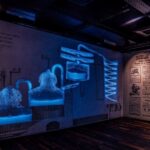
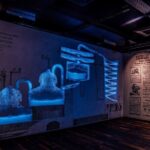
Then the museum shifts into the era’s messaging style. You’ll watch propaganda movies in the cinema from the 1970s. Even if you think you know what propaganda looks like, it lands differently when you’re sitting in a recreated cinema environment that matches the time period.
Practical tip: after the cinema, you’ll likely want to slow down. Give yourself a minute or two to look at nearby printed materials and displays before you move on. It makes the next rooms feel more personal.
Housing spaces, newspapers, and the joy of touching everyday objects
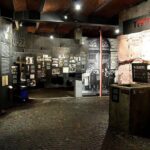
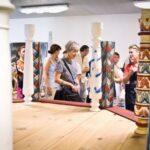
The heart of the museum for me is the way it turns a housing space into a timeline. You’ll step into a small living environment with typical items and take a close look through newspapers, magazines, and books.
This is where the museum’s hands-on philosophy really shows. In multiple areas you can touch and feel items of the past, and that physical interaction changes how you read the details. A headline on a page is one thing. Holding a familiar-feeling object is another.
What I found especially useful is how the museum stacks everyday media. Seeing old publications alongside household settings helps you imagine how information traveled and how people filled time. It’s one of the clearest ways to understand what “ordinary life” meant under that system.
You’ll also come across photo-friendly nooks with an “authentic set” feel. If you like taking pictures with context, slow down here and compose shots that include small details like printed materials, room layout, and object placement.
1970s propaganda cinema to street tech: moped, saturator, and period objects
After you’ve gotten your bearings with rooms and print, the museum shifts toward technology and public-life details.
You’ll see what a typical moped looked like—something simple that quickly tells you how transportation worked in the everyday world. And there’s a special object stop for anyone curious about old equipment: you can look at what is likely the only saturator of this type in Poland. (A saturator is the sort of machine tied to fizzy drinks, and seeing it in context is a fun change from the purely domestic rooms.)
This section works best if you go in with a “what did people really use” mindset. Don’t just scan for wow-factor. Ask yourself what this tells you about daily routines, budgets, and availability. Even small objects can hint at big life differences.
If you’re a photo person, this is another strong area. The objects have that period-specific look, and the museum’s staged lighting helps you capture it without fighting glare.
You can also read our reviews of more museum experiences in Warsaw
Kindergarten corner: toys and books that make the system human
One of the most memorable stops is the kindergarten area, built to show how childhood looked in that era. You’ll see original toys and books, and the mood is different here. Instead of propaganda and logistics, you’re faced with playthings—things that feel personal.
This part is valuable because it prevents history from becoming only political. When you see what children might have used and read, you get a grounded view of the time period’s everyday reality.
If you’re traveling with kids, this section can be a gentle entry into a heavy topic. For adults, it’s a reminder that political systems shape classrooms, games, and the objects people keep close.
Phone booth and living-room photo sets: how to get great shots
The museum gives you a rare type of photo opportunity: not just a backdrop, but real period elements arranged like rooms you could have stepped into.
You can take one-of-a-kind photos in an original telephone booth and in living rooms recreated to feel authentic. The telephone booth is more than set dressing: you can make a phone call from it. That alone makes it worth your time, because it turns a photo stop into an experience.
For better photos, treat the booth like a scene. Move your camera slightly to catch the booth frame and the surrounding room details rather than shooting only from dead center. If you’re traveling in a group, stagger your turns so you’re not rushing—waiting a few seconds for an empty angle makes a difference.
This section is also where the museum feels most playful. Even if you came for history, you’ll likely leave with images that feel fun and specific.
On-site stores and what to expect (without turning it into shopping)
The museum has three on-site stores with a variety of products. I’d treat them as part souvenir hunt, part extra layer of the theme, rather than a reason to speed through the exhibits.
Because the museum is set around daily-life details, store items tend to match the period vibe, which can help your visit feel more complete. If you buy something, you’ll often want it because it connects to a room you saw—not because it’s generic.
If you’re not into shopping, you can still use the stores strategically. They often function like a pause. Step in, browse for a few minutes, then return to exhibits with a fresh brain.
The museum café: 60-year-old coffee maker and typical Warsaw cake
Before you finish, plan for a proper break at the museum café. This is one of the best “value add” moments because it turns the museum’s theme into a taste and a smell experience.
The cafe is reminiscent of original cafes from the 1950s. You can sip warm coffee brewed using a 60-year-old coffee maker. That detail matters: it’s not just ambiance; it’s the idea that the act of serving coffee is part of the recreation.
You can also try typical Warsaw cake, but drinks and food are not included in your ticket. Prices aren’t listed here, so you’ll want to check the café menu when you get there. Still, this is where I’d consider spending a little extra, because the café ties the whole day together.
Practical: if you’re sensitive to strong coffee smells, plan your timing. The cafe sits at the end of the path, so you can choose when to take that sensory moment.
Daily surprises and the free smartphone audio guide in multiple languages
Two things help your visit feel less like a self-guided march: daily surprises and the smartphone audio guide.
You can count on daily surprises as part of your ticket. When you arrive at reception, ask what today’s surprises are. It’s an easy way to get more out of the rooms you’re already walking through.
For the audio, the museum offers a free smartphone guide. You can prepare in advance using the provided audio guide link, and languages listed include English, French, Italian, Spanish, and Polish. You’ll likely want the guide because it helps connect objects to story beats—especially in the earlier sections where the museum moves from solidarity to the martial law era and beyond.
One note from the ticket details: the free mobile audio guide is marked as included on Thursdays. The audio is still described as available, but if you’re visiting Thursday, it’s specifically called out as part of what you get.
How to use it well: don’t listen to everything start to finish. Use the audio at decision points—before entering a new room set, or while you’re looking at flyers, newspapers, and propaganda materials. That’s where it gives you the most payoff.
Ticket planning: how long it takes and what order makes sense
You’re looking at about a one-day visit. That doesn’t mean you have to rush. In fact, I’d plan for a slower pace with breaks, especially if you want photos at the telephone booth and living rooms plus time to browse the stores.
Start with the museum’s story sequence, because it gives you context for the rooms. After cinema and the earliest housing-space sections, you’ll get a natural rhythm as you move toward street-life objects, the moped, the saturator, and then the kindergarten area.
If you do it in order, you’ll notice the same theme shifting perspective: politics affecting media affecting housing affecting childhood. That’s the museum’s strength.
Who should book this Museum of Life Under Communism ticket?
This is a strong fit if you want history through daily objects, not through giant maps or abstract art. You’ll likely enjoy it if you like:
- photo-friendly sets like the telephone booth and living rooms
- hands-on museum moments
- a guided-feeling path, helped by the smartphone audio
- a café break that matches the theme
It’s less ideal if you need a lot of mobility support. The museum is not suitable for people with mobility impairments.
If you only have a few hours in Warsaw and want the lightest possible stop, you could still do it, but you’ll probably miss small details. This museum rewards people who can slow down.
Price and value: is $8 really enough?
I think the price-to-experience ratio is the museum’s best argument.
For $8, you get entry plus daily surprises and the audio guide perks described in the ticket info. Then you spend your time inside rooms staged with realistic everyday items, plus cinema time, plus areas designed for close viewing and touch.
What you’re really paying for is access to recreated environments that would take much more time and money to build for a single visit. And because the materials are period-specific—newspapers, toys, books, household objects—the museum feels dense in a good way.
If you’re the type of traveler who likes one memorable, focused museum day instead of three rushed sites, this one fits perfectly.
Should you book? My practical take
Book it if you want a Warsaw day that feels specific and human: a look at Communist Poland through the objects people lived with, plus real photo moments and a café that belongs to the story. If you’re curious about the PRL era and you like seeing history through everyday details, this is a smart spend.
Skip it or be cautious if you need a highly accessible space or if your ideal museum is mostly outdoors or mostly art-focused. Also, go with the right expectation: it’s not a passive lecture. It’s a room-to-room experience where close looking and a little patience pay off.
FAQ
Where exactly is the Museum of Life Under Communism in Warsaw?
It’s just beside the entrance to KFC by Plac Konstytucji (Constitution Square). Show your voucher at the reception area.
How long does the visit take?
The experience is listed as valid for 1 day, so you can plan a full museum visit within that timeframe.
Do I need to book a precise time?
In most cases, you do not have to book the precise time of your visit. You might briefly wait to enter if local restrictions apply.
Is the audio guide included, and in which languages?
A free smartphone audio guide is available, and languages listed include English, French, Italian, Spanish, and Polish. The details also state that a free mobile audio guide is included on Thursdays.
What is included with the entry ticket?
The ticket includes museum entry, daily surprises, and the free mobile audio guide (Thursdays).
Can I bring food or drinks into the museum?
No. Food, alcohol, and drugs are not allowed. Drinks and food are available to purchase at the museum cafe.
Is the museum suitable for mobility impairments?
No, it is not suitable for people with mobility impairments.
Can I cancel if my plans change?
Yes. Free cancellation is available up to 24 hours in advance for a full refund.