REVIEW · WARSAW
Warsaw: Jewish Heritage & Holocaust Walking Tour
Book on GetYourGuide →Operated by Orange Umbrella Tours Warsaw · Bookable on GetYourGuide
Warsaw’s Jewish history is heavy, but it’s also clear. This 150-minute walking tour traces about 600 years, from medieval life and expulsions to the Warsaw Ghetto and the Uprising locations. You’ll move at street level, with the city’s layers doing half the teaching for you.
I love how the tour doesn’t treat Warsaw as one straight line of dates. You get old photographs and comparisons to what’s still there now. I also like that guides such as Magda, Martin, Gawel, Albert, and Goska keep the tone human and organized, even when the subject turns brutal.
One consideration: it can get cold and dark, especially later in winter. On at least one winter run, the late portion felt very chilly, and the group size can run big (up to around 30), which may not feel cozy if you prefer small groups.
In This Review
- Key points before you go
- Meeting at Castle Square and starting with the right orientation
- From medieval Jewish quarter to jurydki: the 600-year story you can actually see
- Warsaw before the wall: learning what changed when the ghetto began
- Seeing the Big Ghetto area and understanding the fights there
- Old photos in hand: why the visual comparisons really help
- Guides you might meet, and how their style affects the experience
- Price and value: what $20 buys you in Warsaw time
- What to bring (and how not to suffer needlessly)
- Who should book, and who might not love it
- Should you book the Warsaw Jewish Heritage & Holocaust Walking Tour?
- FAQ
- How long is the Warsaw Jewish Heritage & Holocaust Walking Tour?
- Where do I meet the guide?
- Is the tour wheelchair accessible?
- What should I bring?
- Is smoking allowed during the tour?
- What ages is the tour suitable for?
Key points before you go

- Big Ghetto and Uprising geography: You’ll see the area tied to the fights, not just a textbook overview.
- 600-year timeline on foot: Medieval Jewish life, jurydki settlements, and the Haskalah are part of the route.
- Photos and maps for context: Visual aids help you understand what you’re looking at.
- Holocaust focus is more than half the tour: Expect sustained attention on the Warsaw Ghetto, deportations, and Treblinka.
- Guides are praised for clarity and compassion: Names you might encounter include Magda, Gawel, Martin, Albert, Goska, and Peter Hardy.
Meeting at Castle Square and starting with the right orientation
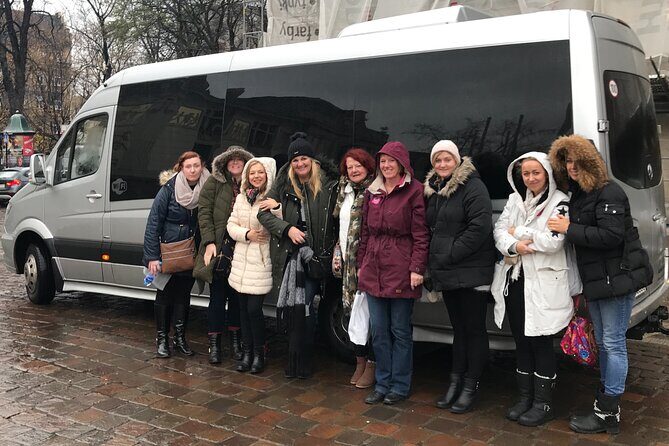
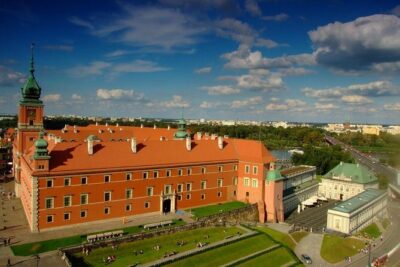
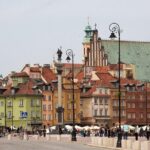
Your tour starts where many first-time visitors already have a baseline: Castle Square. Meet at Sigismund’s Column, the tall 20-meter landmark with the statue on top, and look for your guide holding an orange umbrella with a British flag.
That detail matters more than it sounds. When you begin at a major point people recognize, you waste less time hunting. And because the tour is 150 minutes, you don’t want to spend half of it trying to locate your group or the exact corner the guide expects.
Practical tip: aim to arrive a few minutes early, especially if you’re navigating from a tram or bus stop. Once the group starts walking, it moves like a walking tour should: steady, timed, and focused.
You can also read our reviews of more walking tours in Warsaw



From medieval Jewish quarter to jurydki: the 600-year story you can actually see
This isn’t just a Holocaust tour. More than half of the time is Holocaust-focused, yes, but the route is built to show you what came before—and that changes how you process everything after.
Early on, you’ll learn about the Warsaw Jewish community’s long arc, stretching from the Middle Ages into later centuries. The tour covers origins tied to Polish Jewish life, including what life could look like in a medieval Jewish quarter and the reality of the first expulsions.
Then you’ll shift into the 18th century and the idea of jurydki—settlement areas under the authority of Warsaw magnates. If you’ve never heard the term, don’t worry. The value here is simple: it gives you a mental map of how Jewish communities fit into Warsaw’s power structure, not as an abstract footnote, but as part of the city’s everyday governance.
You’ll also encounter the Haskalah, often described as the Jewish Enlightenment. That matters because it adds a layer beyond religion and persecution. It shows that Warsaw’s Jewish community wasn’t only defined by boundaries; it also had thinkers and changing ideas.
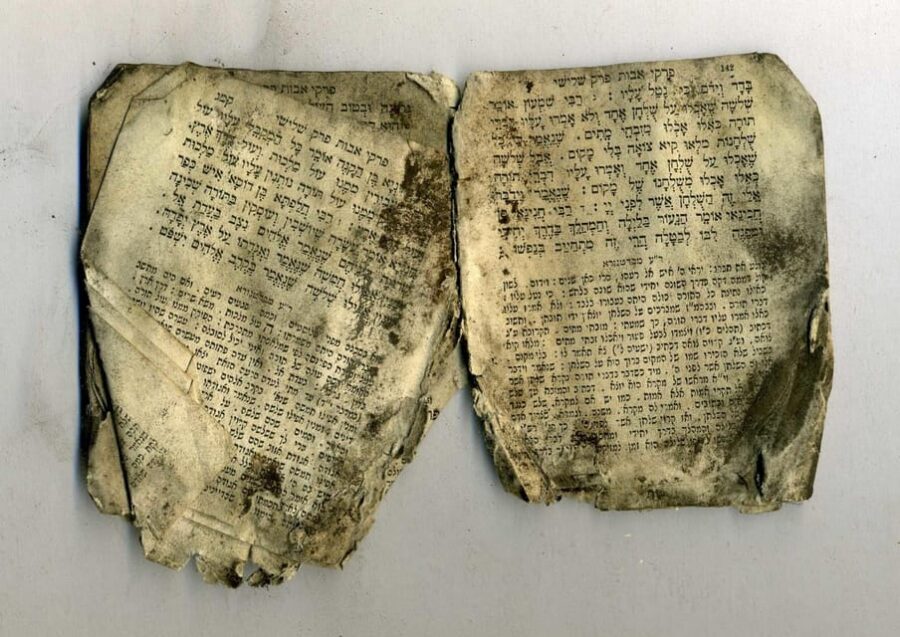
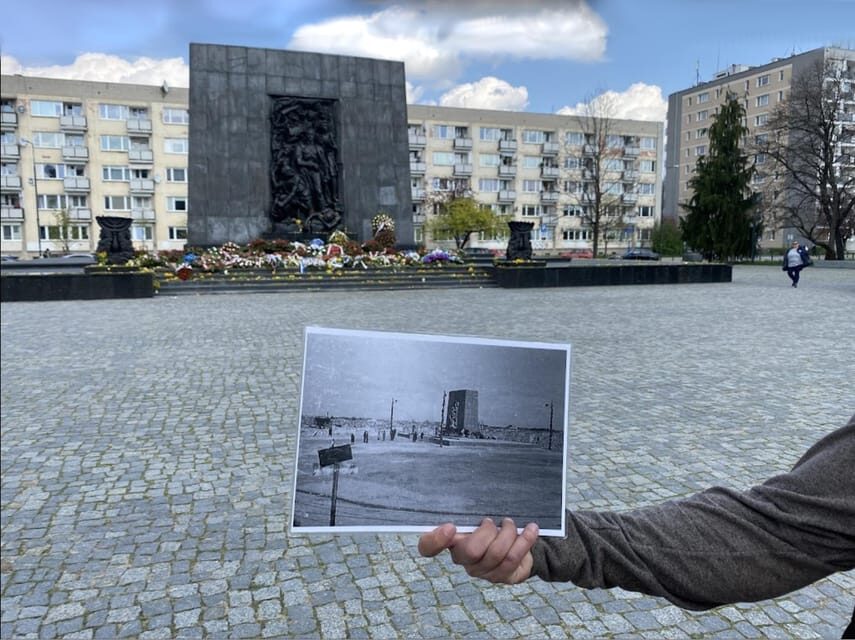
And then there’s the photo element. The guide uses historical images from the 19th century and pre-war period, so you can compare what life looked like then to what you see now. This is one of the tour’s biggest strengths: you don’t just memorize names; you start noticing continuity and disappearance at the same time.
What to watch for: don’t treat the early sections as a warm-up you can skim. The medieval quarter and jurydki context makes the later parts land harder and make more sense.
Warsaw before the wall: learning what changed when the ghetto began
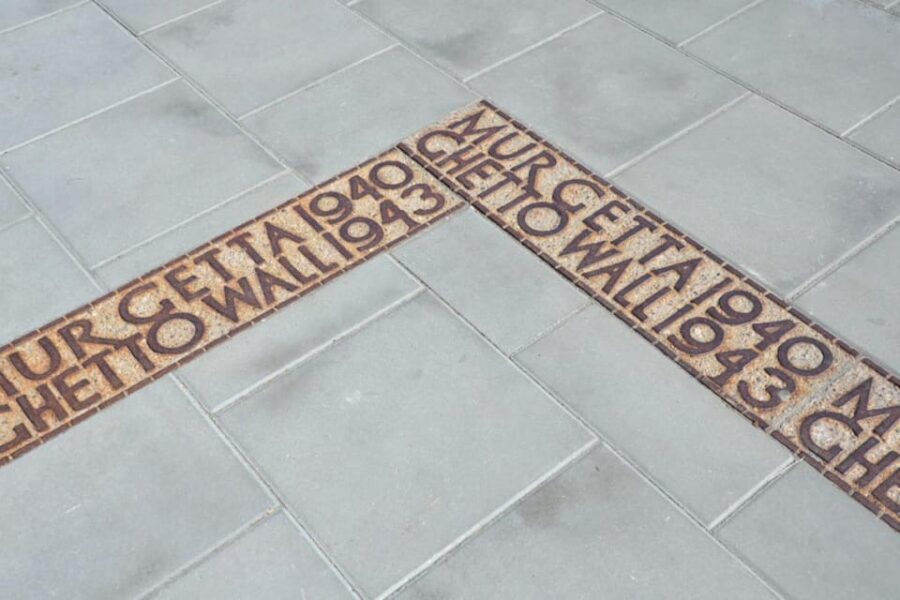
Once the tour moves into the Holocaust portion, it becomes more direct. You’ll learn how the Warsaw Ghetto was created and how it functioned as a system designed to isolate and crush. The guide explains conditions of life behind the wall, which is where the tour’s pacing becomes important.
The practical reason: you’re walking through a modern city that still doesn’t look like a sealed ghetto. That’s why the explanation has to do heavy lifting. When you understand the rules of confinement and daily survival, you’re better equipped to read the surrounding streets as evidence, not scenery.
The tour also covers deportations to Treblinka death camp. This part can feel emotionally overwhelming, and that is exactly why a good guide matters. Guides on this tour are repeatedly praised for presenting events factually and objectively while still keeping a compassionate tone. You can ask questions, and the guide is positioned to handle the material with care rather than rushing past it.
Small advice for your own brain: pace your attention. If you start zoning out, you’ll miss details like how the ghetto system changed life from week to week, and that’s what the tour is aiming for—understanding, not just exposure.
Seeing the Big Ghetto area and understanding the fights there
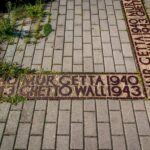
One of the clearest highlights is that you’ll see the Big Ghetto, including the area where the Ghetto Uprising took place. This is the difference between hearing about resistance in general and seeing the geography of it.
The tour’s approach helps you understand why certain locations mattered. It’s not just where people lived; it’s where movement, barricades, and escape possibilities were shaped by the street layout and surrounding blocks. Even when the modern city has changed, the area still carries logic—your guide points it out.
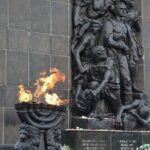
You’ll learn about major uprising locations connected to the fighting. The key is how the guide connects story to place, so the Uprising doesn’t become a single dramatic day you remember vaguely. It becomes a sequence with direction and stakes.
Be ready for the emotional weight. This is a tour where the information is serious, and the point is remembrance. If you’re the type who needs a minute to breathe, that’s normal—take it. You’re still moving, but you don’t have to force yourself to stay emotionally locked in every second.
Old photos in hand: why the visual comparisons really help
A standout theme in guide feedback is the use of many photos and maps to explain what you’re looking at. This is not just a nice extra. It’s a learning tool you’ll feel immediately.
When the guide shows images of pre-war Warsaw alongside what exists today, you get three benefits:
- You recognize patterns: where neighborhoods were denser, where major features used to be.
- You understand loss without guessing. The tour doesn’t ask you to imagine; it shows you.
- You avoid turning history into pure emotion. Emotion is there, but it’s anchored to visuals.
Even in the later Holocaust portion, photos and maps make the information easier to hold in your head. For a topic where details can blur, visual support helps you keep track of what’s happening when.
Tip: if you’re sensitive to graphic or extremely distressing material, tell yourself you can still absorb the route through the guide’s map work and context. The goal isn’t shock; it’s clarity and commemoration.
You can also read our reviews of more historical tours in Warsaw


Guides you might meet, and how their style affects the experience
This tour runs with different guides, and you can feel the difference in how history is delivered. Names that come up include Magda, Gawel, Martin, Albert, Goska, and Peter Hardy.
What gets praised most is not just content knowledge, but delivery:
- Enthusiastic, energetic guiding that keeps the pace steady
- Clear English for international groups
- A compassionate approach when discussing difficult events
- Willingness to answer questions
One small but very real advantage from the field: there can be a coffee stop when conditions are brutal. On a freezing day, your guide may pause so you can warm up. That’s not fluff. Walking for 150 minutes in winter is exhausting, and having a short break can make the second half far more manageable.
Also note: the group can be quite large (up to around 30). If you’re easily distracted by noise, you might prefer a smaller group departure. If you’re comfortable with crowds and you like meeting people from different places, larger groups can be fine too.
Price and value: what $20 buys you in Warsaw time
At about $20 per person for 150 minutes, this tour is priced like a smart way to buy orientation and context in a city where history is everywhere. You’re paying for:
- A professional guide
- A walking tour experience
- Time built around a structured story, not random landmarks
Entrance fees aren’t included, so your value comes from the guide’s explanations and the route itself. That’s actually good news. It means you’re not stuck lining up for tickets mid-story. You’re focused on streets, memorial areas, and the places tied to the Jewish community’s story.
Because the Holocaust portion takes up more than half the tour, you’re also paying for guided interpretation of a complex and emotionally heavy subject. For many people, that’s the real value: understanding what you’re seeing instead of just moving from site to site and hoping the meaning lands on its own.
What to bring (and how not to suffer needlessly)
This is a walking tour, so pack like it’s a walk, not a museum visit.
Bring:
- Comfortable shoes (you’ll want support)
- A head covering or kippah (the tour recommends this)
- Water
Also consider winter layers. Even when the tour content is powerful, you still have to physically get through it. One practical lesson from recent winter experiences: the later portion can get very cold. If you’re going in December or January, wear warm clothes and plan for a colder finish.
One thing you can do for your comfort: bring a small bottle you can actually drink from quickly. You’ll stay sharper if you’re not dehydrated, and you’ll concentrate better when the guide is moving into the most intense sections.
Smoking is not allowed, so if you smoke, use that as a reminder to step away from designated areas.
Who should book, and who might not love it
This tour is best for adults and older teens who want a structured history of Warsaw’s Jewish community, with a serious focus on the Holocaust and the Ghetto Uprising. The information is delivered factually and objectively, but the topic is undeniably heavy.
It’s not suitable for children under 10. If you’re traveling with a younger child, this is likely not the right fit.
If you’re curious about Jewish history beyond the Holocaust—medieval quarters, jurydki settlements, and the Haskalah—this route offers that foundation instead of skipping straight to 1940s Warsaw.
Wheelchair accessibility is listed, which is a positive point for mobility planning. If mobility is a concern, wear supportive shoes and be ready for street-level walking with guidance.
Should you book the Warsaw Jewish Heritage & Holocaust Walking Tour?
Yes, if you want a guided, chronological route that helps you see Warsaw as a place with layers—not just a backdrop. The tour’s biggest wins are the combination of a long timeline and strong visual support, plus the way guides handle the hardest material with clarity and compassion.
Book it if:
- You want both pre-war context and Holocaust detail
- You like learning with photos and maps
- You want to understand the Uprising locations in relation to the city’s layout
Skip it or think twice if:
- You get overwhelmed easily by long, serious historical content without breaks
- You strongly dislike larger groups (it can run up to around 30)
- You’re going in deep winter and you’re not dressed for cold walking in the later stages
If you decide to go, come prepared to walk, listen, and ask questions. This tour works best when you let the city’s changing streets do their job, while the guide ties the meaning together step by step.
FAQ
How long is the Warsaw Jewish Heritage & Holocaust Walking Tour?
It lasts about 150 minutes.
Where do I meet the guide?
Meet in Castle Square by Sigismund’s Column (the 20-meter-high column). Look for a guide holding an orange umbrella with a British flag.
Is the tour wheelchair accessible?
Yes, wheelchair accessibility is listed.
What should I bring?
Bring comfortable shoes, a head covering or kippah, and water.
Is smoking allowed during the tour?
No, smoking is not allowed.
What ages is the tour suitable for?
It is not suitable for children under 10.