REVIEW · OSWIECIM
Auschwitz-Birkenau: Guided Tour and Skip-The-Line Ticket
Book on GetYourGuide →Operated by Poland Booking S.C. · Bookable on GetYourGuide
Auschwitz needs a plan, not just courage. This guided skip-the-line visit is interesting because it’s structured in two parts, with a licensed guide walking you through Auschwitz I and then Auschwitz II Birkenau. You’ll also start with an efficient handoff outside Auschwitz I, so you can focus on what matters instead of standing around.
What I like most is the combination of a professional licensed guide and the way the day is paced: about 1 hour 20 to 1 hour 50 in Auschwitz I, then roughly an hour at Birkenau. One drawback to weigh: the schedule is tight and the site is overwhelming, and you’ll have short breaks while groups keep moving.
In This Review
- Key things to know before you go
- Entering Auschwitz I: where your day starts outside the gates
- Auschwitz I Museum: understanding the system behind the horror
- The lunch break and the 2 km transfer to Birkenau
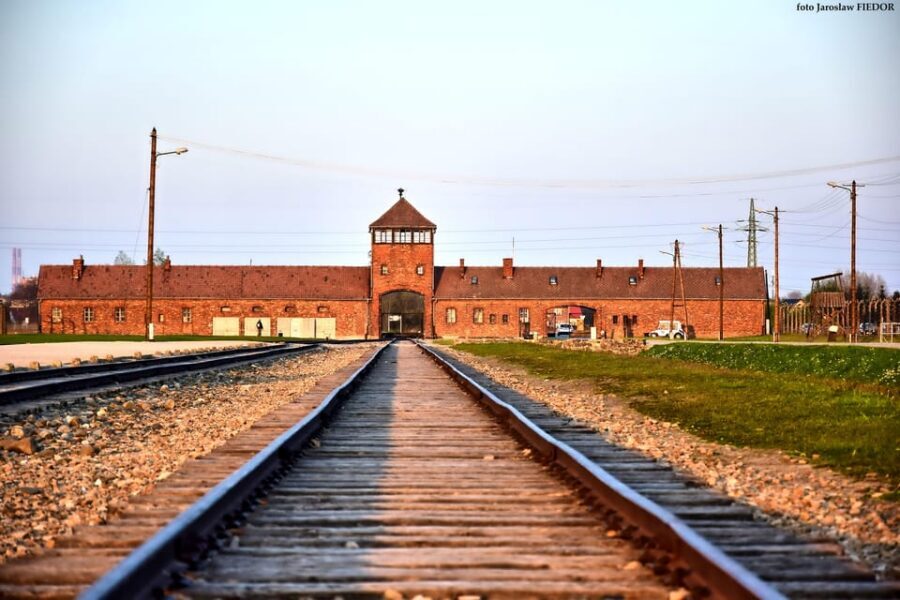
- Auschwitz II Birkenau: seeing the scale of mass murder
- Skip-the-line value: what you’re really paying for
- The pace: emotionally heavy, physically demanding, tightly scheduled
- Who this tour fits best (and who should think twice)
- Helpful tips so your visit goes smoothly
- Should you book this Auschwitz-Birkenau skip-the-line guided tour?
Key things to know before you go
- Skip-the-line entry helps you get into the museum right after security
- Licensed guide, live explanations across two major sites (Auschwitz I and Birkenau)
- Short breaks built in so you can manage lunch and the 2 km move to Birkenau parking
- Clear rules on bags and photos (no big bags/backpacks; flash photography not allowed)
- Time window flexibility with start times between 7:30 AM and 3:00 PM
- Not for everyone: children under 12, pregnancy, and mobility impairments are not recommended
Entering Auschwitz I: where your day starts outside the gates
You meet your host outside the Auschwitz I entrance, where you’re given your tickets before you go through security. Plan to arrive with your patience switched on. This is one of those places where the process is part of respect: you clear security, then get pulled into the museum flow with your guide.
The tour timing is designed for structure rather than lingering. The first chunk in Auschwitz I is roughly 1 hour 20 to 1 hour 50. That’s long enough to understand the basics of how the camp functioned, but not long enough to process everything in silence. If you tend to want to stop and re-read every label, know that your group pace may feel fast.
Also, bring a passport or ID card. Don’t show up with a bag you can’t bring in. Large luggage and backpacks are not allowed, and the maximum permitted size is 20 x 30 cm. Flash photography is also a no-go. It’s not complicated, just strict—like it should be here.
A few more Oswiecim tours and experiences worth a look


Auschwitz I Museum: understanding the system behind the horror
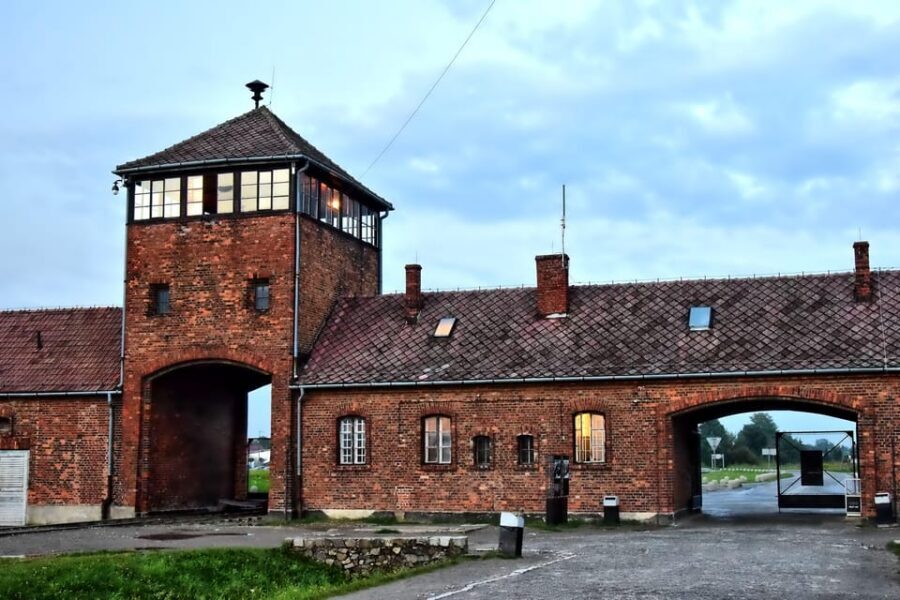
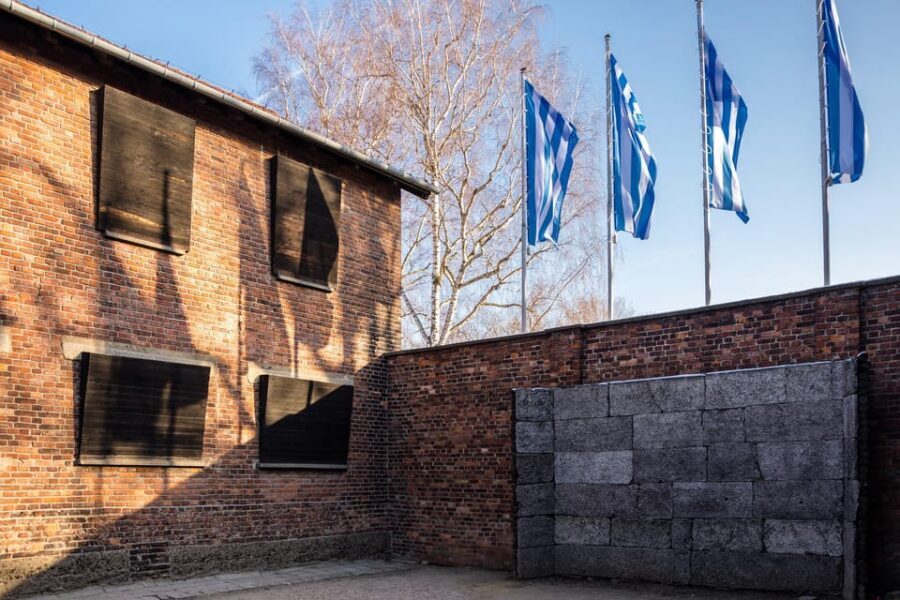
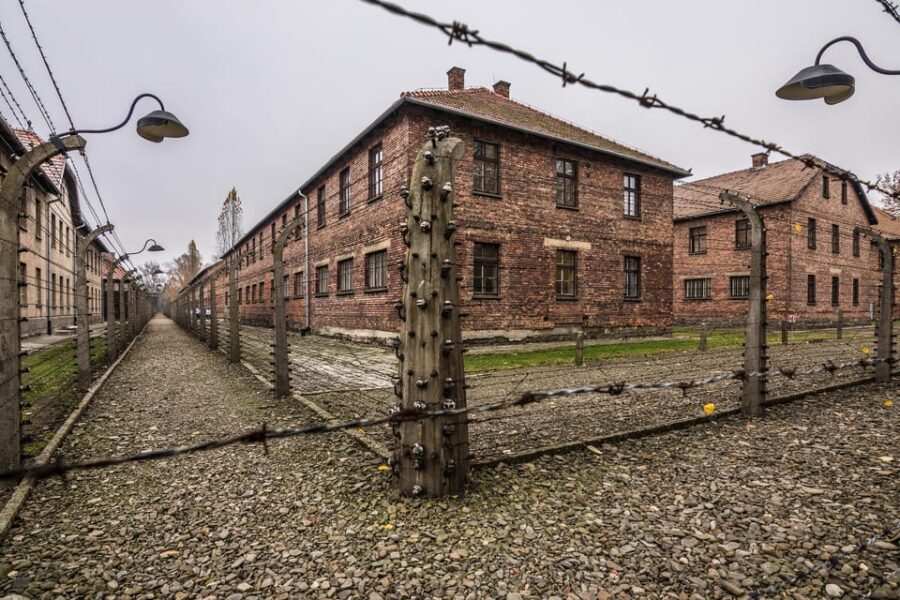
Auschwitz I is the part most people imagine when they say Auschwitz. With a licensed guide, you’re not just looking at buildings and artifacts—you’re learning the history of the largest concentration camp from WWII and how the site operated.
This is where the guided format can be especially valuable. Standing among the remains is powerful, but it’s also easy to get lost in details without a framework. A good guide gives you that framework: what you’re seeing, why it matters, and how the pieces connect. The tour is offered in English, Italian, French, Spanish, or German, so you can follow closely rather than piece things together.
One practical note: Auschwitz I is visited first, and you should expect that your attention will be tugged in multiple directions—documents, locations, and the overall story. The tour doesn’t promise unlimited time per stop. You’ll move with your group, and you may feel that some spots don’t fully settle in before you’re already heading to the next area.
The lunch break and the 2 km transfer to Birkenau
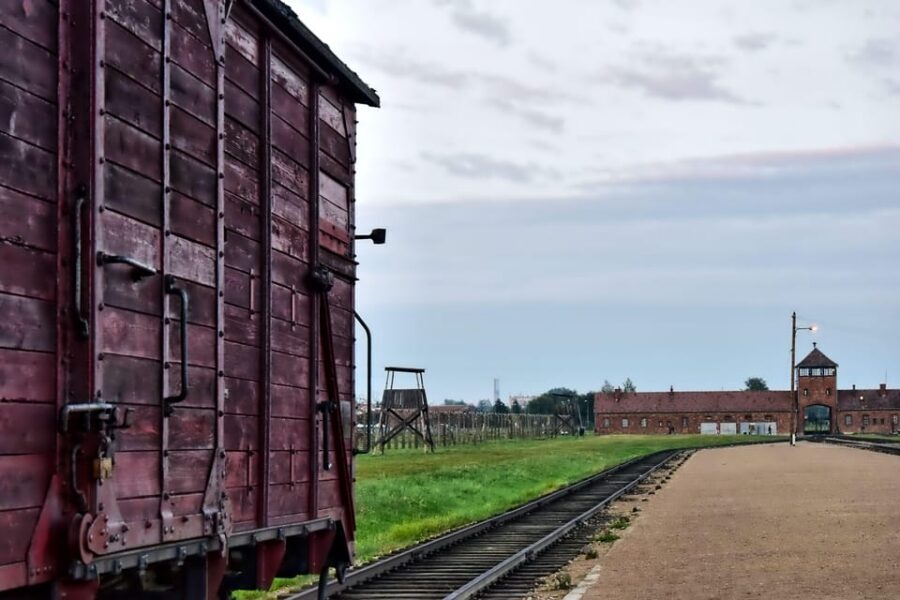
Between the first part and the second, there’s a short break—about 10 to 15 minutes—so you can eat lunch. The intent is simple: keep you fed enough to handle the second site without the day falling apart.
Then comes the logistical reality. After finishing Auschwitz I, you get a 15-minute break and should head to the car parking area in Brzezinka on your own transport, about 2 km away. This is easy if you’re prepared, and stressful if you’re not. The tour doesn’t include transportation to and from your accommodation, and it doesn’t describe any built-in shuttle between the areas. So think of this transfer as part of the itinerary.
If you’re using public transport to get there, tell your tour leader before you start. That helps you avoid arriving at Birkenau late or scrambling to find the right spot.
My best advice for the break: bring lunch and drinks. The tour doesn’t include food or beverages, and there’s no magic restaurant waiting for you mid-lesson. Pack something you can eat quickly and quietly.
Auschwitz II Birkenau: seeing the scale of mass murder
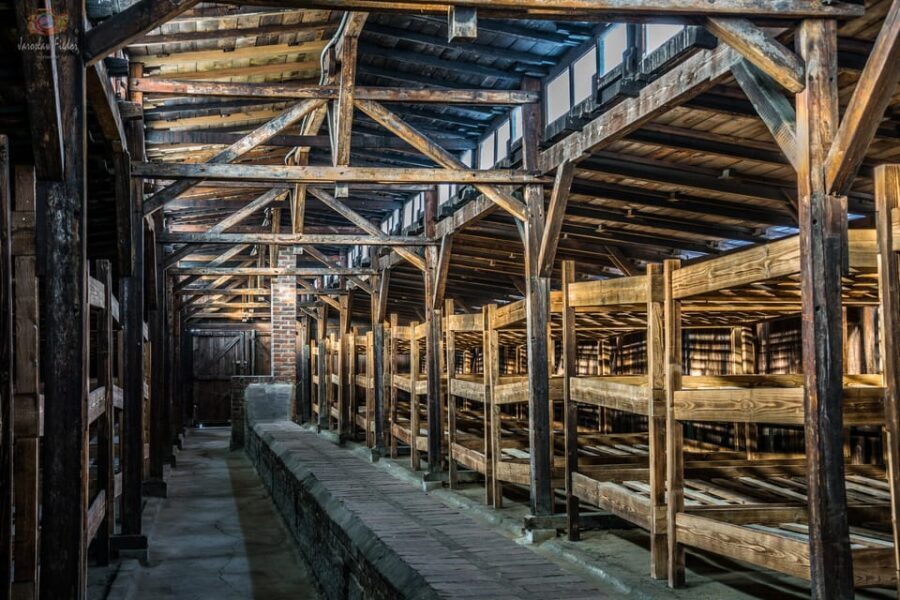
After the break, you visit Auschwitz II Birkenau, where you’ll spend around an hour with the same guide. Birkenau can feel bigger, emptier, and more difficult to grasp at first glance. That’s exactly why the guidance matters. You’ll need the “what am I looking at” layer to make sense of the layout and the scale.
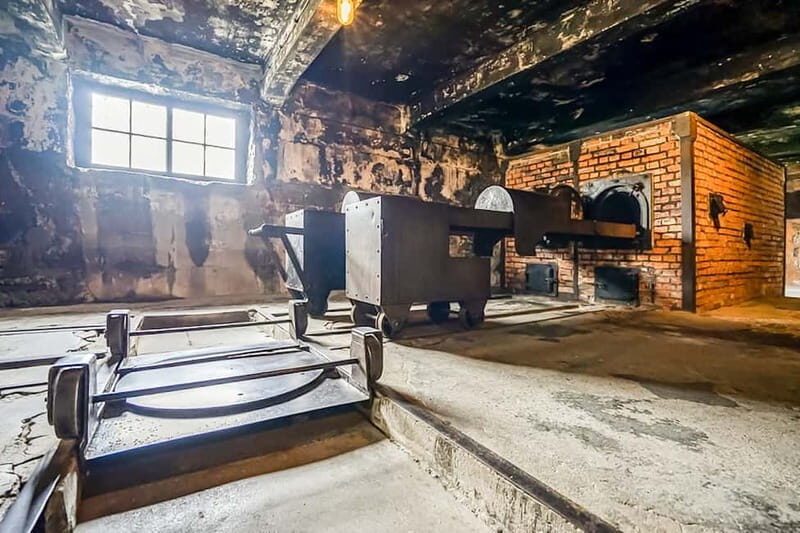
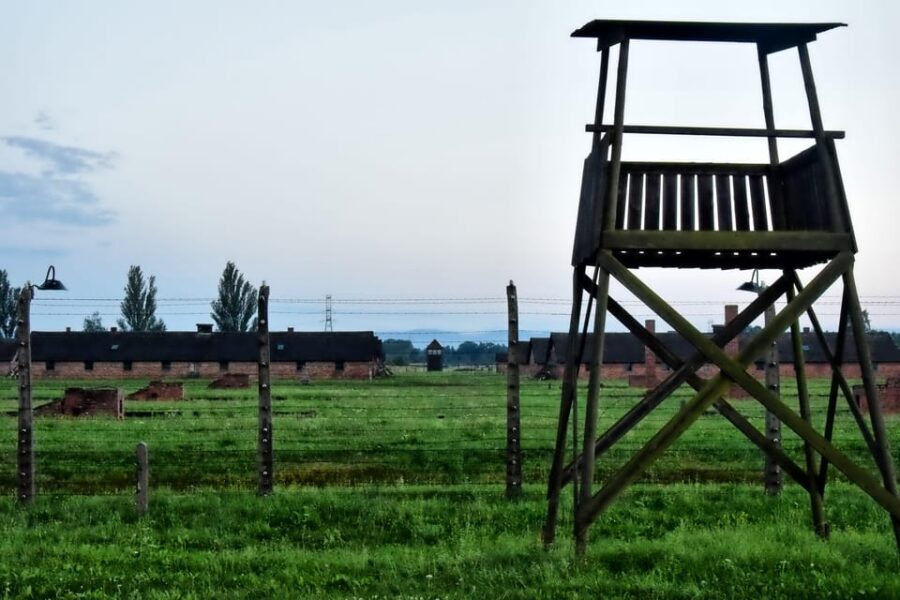
This is the site of the largest mass murder in the history of humanity. The tour doesn’t turn that into entertainment; it gives you historical context and the chance to pay your respects with structure. You’ll see gas chambers and crematoriums, plus the barracks of the camp. These are not abstract “exhibits.” They’re locations tied to systematic killing, and your brain will likely react before your education catches up. That’s normal. Just let the guide’s explanations keep you oriented while you absorb what you’re seeing.
Because Birkenau is visited after Auschwitz I, you get a clearer comparison. Auschwitz I helps explain the origin and structure; Birkenau shows the system at a larger operational level. One hour may sound short, but it’s probably the hardest hour of the day. You’re not rushing for convenience—you’re rushing because the memorial’s visitor service runs this as a controlled experience.
Skip-the-line value: what you’re really paying for
This tour is priced at $10 per person. That might sound surprisingly low for something that includes both the Auschwitz-Birkenau Museum entry ticket and a professional licensed guide. The skip-the-line part matters here. In high-demand settings, waiting can chew up the limited time you have and force you to start distracted.
So the value isn’t only the ticket. It’s the access plus the interpretation. Auschwitz isn’t a place where you should rely on a random audio app and hope for the best. A licensed guide helps you use your time well, especially if it’s your first visit or if you want the historical story connected to what you’re physically seeing.
One consideration: transportation is not included. You’ll need to arrange your own way to the meeting point and handle that 2 km move to Birkenau parking area during the short break. In other words, the price covers entry and guidance, not your whole day of moving around.
You can also read our reviews of more guided tours in Oswiecim

The pace: emotionally heavy, physically demanding, tightly scheduled
The tour duration is 210 minutes (about 3.5 hours). That’s a manageable window on paper, but the content is heavy and your body will still clock the walking. The schedule is also governed by the memorial’s visitor service, so your guide can’t slow down or linger longer at each station.
There’s also a built-in timing reality: the tour can take place between 7:30 AM and 3:00 PM. You choose a preferred start time, but the exact starting time is sent to you the day before. That means you should plan your day around a fixed block, not a loose “maybe I’ll go later” plan.
Given the emotional weight, the best way to make peace with the pace is to decide ahead of time what you want most. If you want a structured historical tour, this is built for that. If you want long quiet reflection at every stop, you might wish you had more time than a group route allows.
Who this tour fits best (and who should think twice)
This experience is not suitable for children under 12, pregnant women, or people with mobility impairments. That isn’t about judgment. It’s about what the sites require and how the visit is paced and managed.
It also tends to work best if you:
- want a guided, licensed explanation rather than DIY guessing
- prefer having timing and logistics handled for entry and museum access
- can handle a fast-moving schedule at a profoundly difficult place
If you have mobility challenges, or you need long rests to process what you’re seeing, you may need a different format. The data here is clear: this particular tour setup isn’t built for those needs.
Helpful tips so your visit goes smoothly
Auschwitz-Birkenau is strict about what you bring. Before you go, do a quick gear check:
- Bring your passport or ID card.
- Use only allowed bag size (maximum 20 x 30 cm). Avoid backpacks and large luggage.
- Skip flash photography.
- Bring lunch and drinks, since food isn’t included.
Language-wise, you can choose English, Italian, French, Spanish, or German. If your language ability is in-between, pick the closest match—you’ll get more out of the explanations that way.
Finally, respect the reality of group movement. One of the toughest parts of the day is the emotional friction of seeing something heavy while other groups are arriving and moving. A little mental preparation helps: you’re not failing if you can’t absorb everything. You’re doing what the format allows.
Should you book this Auschwitz-Birkenau skip-the-line guided tour?
Book it if you want a straightforward, guided Auschwitz-Birkenau experience with skip-the-line access, a licensed guide, and a realistic time block that covers both Auschwitz I and Auschwitz II Birkenau.
Think twice if you need a slower pace, longer pauses, or you fall into categories marked as not suitable (children under 12, pregnancy, mobility impairments). Also, plan your day around the 2 km move during the break, since transportation isn’t included.
If your priority is learning and being guided through the sites efficiently and respectfully, this is strong value for the money—and it keeps your time focused where it counts.