REVIEW · WARSAW
Warsaw: 2-Hour Praga Walking Tour
Book on GetYourGuide →Operated by PolinTours · Bookable on GetYourGuide
Praga can feel like a time machine. In just two hours, you’ll walk the right bank of Warsaw (across the Vistula) where trade, industry, and mixed communities shaped everyday life long before the postcard version of Warsaw was even a thing.
I like that this tour mixes gritty details with clear context. You’ll get pre-war architecture stories—tenement buildings marked by history—then move into later layers, from communist-era apartment blocks to the industrial sites that now host galleries and restaurants.
One thing to plan for: it’s a walking tour, and it runs as scheduled. If you’re tight on timing, keep a little flexibility, since start times can occasionally shift.
In This Review
- Key things to look forward to
- Why Praga feels like another Warsaw
- 2 hours, real streets: what the walk covers
- Getting your bearings at the start: Metropolitan Cathedral meeting point
- St. Florian Cathedral and the Orthodox church as time capsules
- Tenement houses with bullet holes, plus communist blocks
- Rozycki Bazaar: where the neighborhood still does business
- Roman Polanski’s The Pianist: seeing film streets in real life
- Koneser vodka factory: industrial past turned into modern space
- The Warsaw Zoo director’s story and the wife’s role
- Price reality check: is $69 worth it?
- What to bring (and what not to bring) for comfort
- Guide style: why Marzena is a strong reason to book
- Who should book this Praga walking tour
- Should you book this Warsaw: 2-Hour Praga Walking Tour?
- FAQ
- How long is the Warsaw Praga Walking Tour?
- How much does the tour cost?
- Where do we meet the guide?
- Is this tour private?
- What languages are available?
- What’s included in the price?
- Are lunch or drinks included?
- What’s the cancellation and payment flexibility?
Key things to look forward to
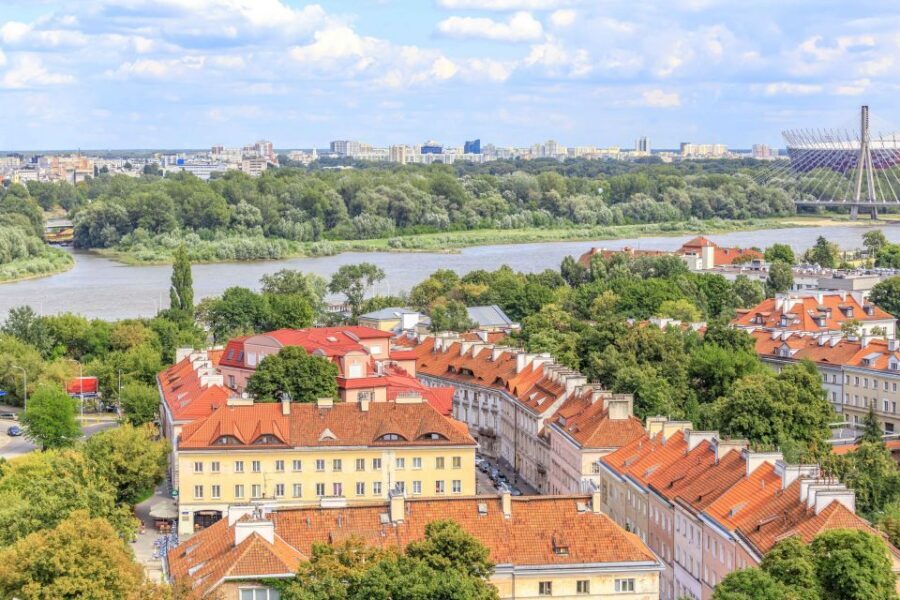
- Praga’s “real Warsaw” feel right across the Vistula from the Old Town
- Marzena-led storytelling with patience for questions and lots of street-level detail
- Film-location streets connected to Roman Polanski’s The Pianist
- Koneser vodka factory complex where industrial history meets modern use
- Religious landmarks (Catholic and Orthodox) that reflect older layers of community life
- A human-rights story about the Warsaw Zoo director and his wife during the Warsaw Ghetto period
Why Praga feels like another Warsaw
If Warsaw is a book, Praga is the chapter most visitors skip. The left bank gets the spotlight. Praga gets the texture: trade routes, workshops, factories, and neighborhoods where different communities lived side by side. Walking here, you’re not just seeing buildings—you’re reading how the city worked.
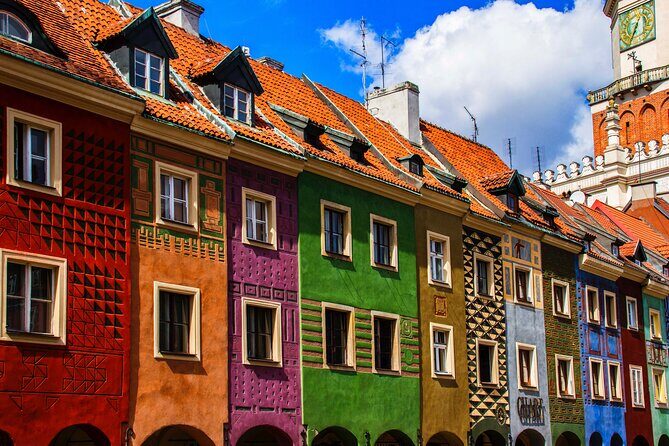
What makes this tour especially satisfying is its rhythm. You’re not stuck looking at one kind of building. You move through eras: pre-war tenements (including places with bullet holes), gray apartment blocks from the communist period, and post-industrial zones that have since been reworked for new uses. The result is a walk that feels grounded, not museum-y.
You can also read our reviews of more walking tours in Warsaw


2 hours, real streets: what the walk covers
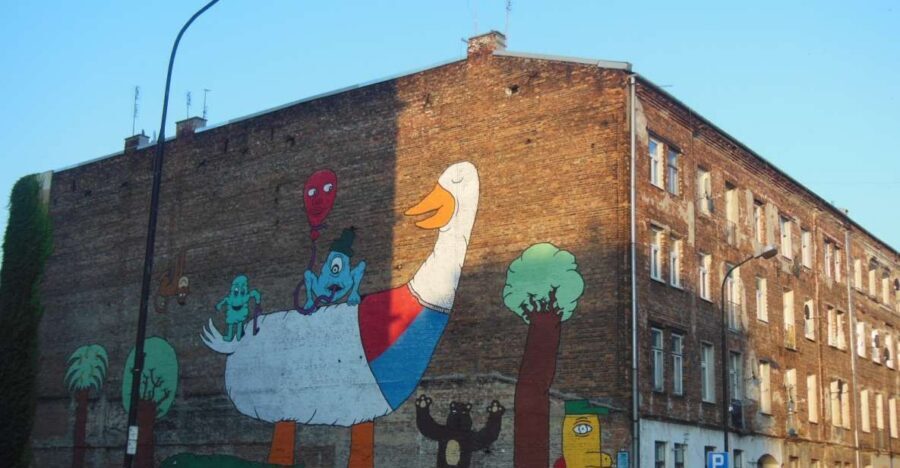
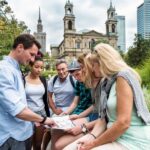
This is a compact 2-hour walking tour focused on Praga’s most layered streets and landmarks. You start at the Metropolitan Cathedral of Maria and Magdalena, right by the subway M2 exit—easy to reach, and an obvious place to regroup if someone is running late.
From there, the guide builds the story in layers:
- You’ll stroll through Praga streets tied to film history (more on that shortly).
- You’ll pass places that show older community life—Catholic and Orthodox landmarks, plus the shapes of everyday neighborhoods.
- You’ll see modern commercial corners like the Rozycki Bazaar area, where the old market tradition still matters.
- You’ll end up at the Koneser vodka factory complex, one of the district’s most recognizable industrial transformations.
And because it’s a private group with a certified guide, you can ask questions as they come up. If you’re the type who wants to know why one building looks different from the next, this format helps.
Getting your bearings at the start: Metropolitan Cathedral meeting point
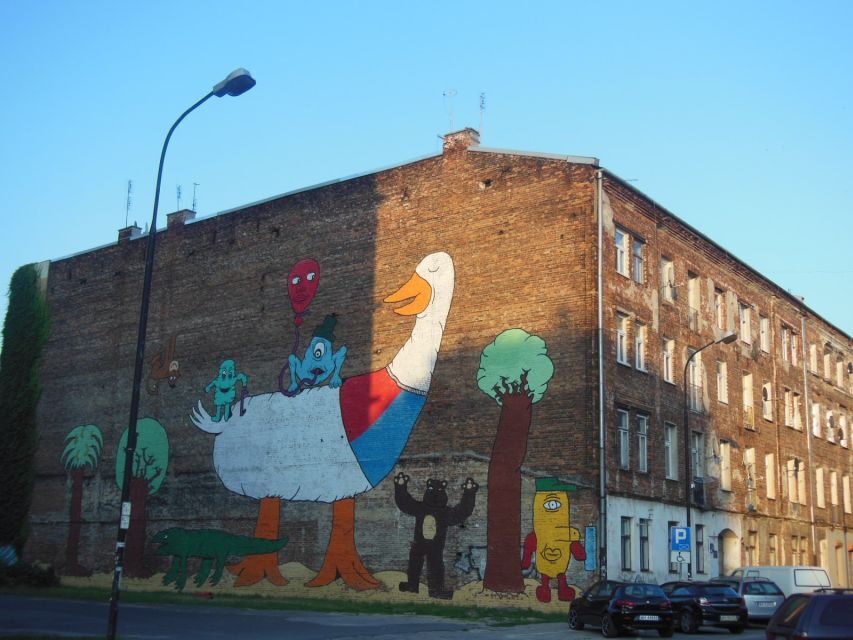
Your meeting point is simple and practical: in front of the Metropolitan Cathedral of Maria and Magdalena, at the exit from subway M2. The guide waits with a sign reading PolinTours.
This matters more than it sounds. Praga is easier to understand when you can get your bearings quickly, and the M2 stop puts you near the area where the tour can begin efficiently. Wear shoes that can handle uneven sidewalks, because this is city walking for the full two hours.
St. Florian Cathedral and the Orthodox church as time capsules
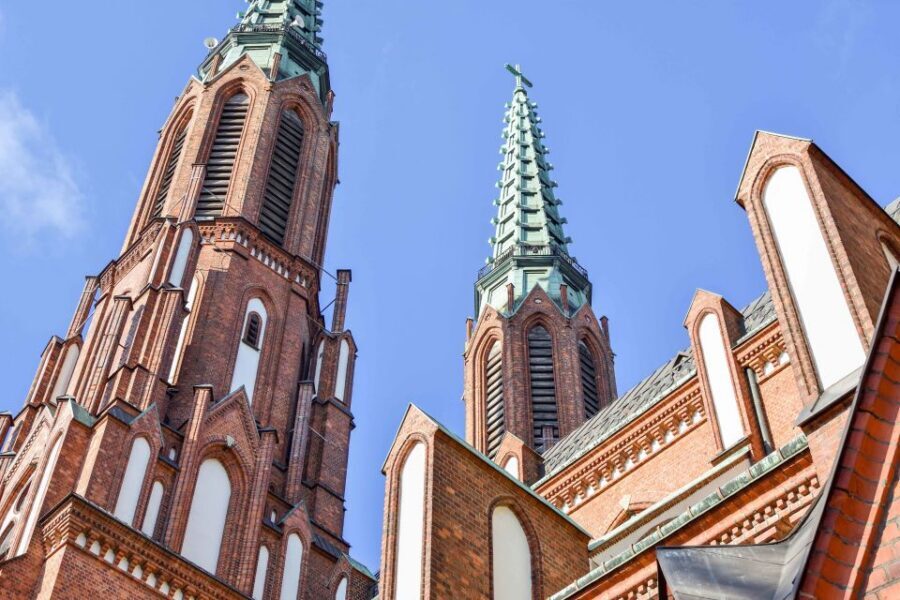
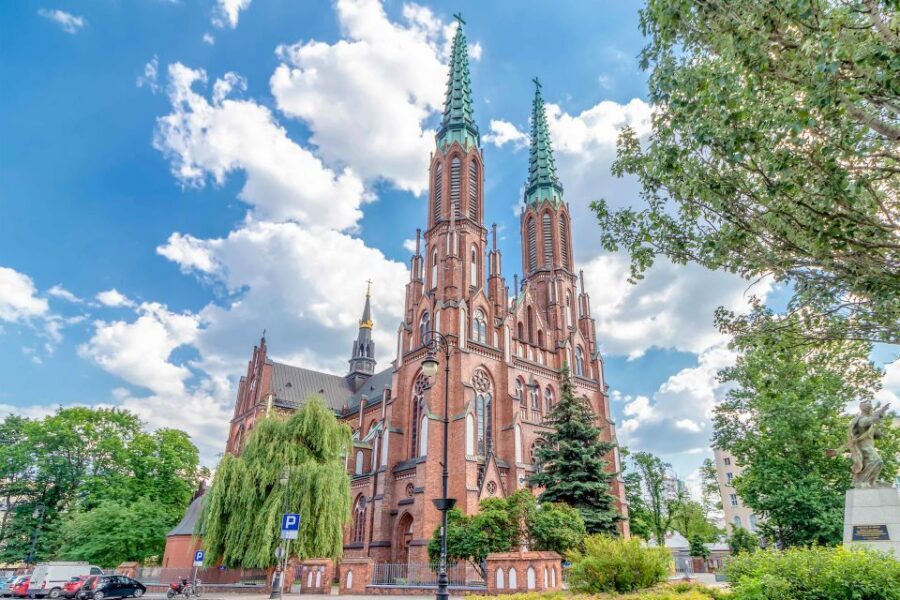
The tour includes St. Florian Cathedral, plus an Orthodox church that connects to older Jewish life in the area. The guide points out how places of worship changed over time and how buildings can carry evidence of earlier community needs.
You also get a former synagogue connection and a ritual bath reference tied to that Orthodox site. Even if you’ve visited other synagogues and churches in Poland, this stop gives you a different angle: how one location can hold shifting meanings across decades.
Why I think this works for you: it’s not just architecture. It’s about human geography—who lived where, what the neighborhood required, and how faith and daily life adapted when the city’s politics and population changed.
Tenement houses with bullet holes, plus communist blocks
One of the tour’s most striking promised elements is the chance to see pre-war Warsaw buildings with bullet holes. That’s the kind of detail that can make the past feel painfully close.
Then the walk doesn’t freeze in time. You also see the grey apartment blocks from the communist era. These aren’t shown as random “ugly buildings.” The guide frames them as part of the district’s later story, when housing and urban planning took a different direction than the pre-war trading city model.
If you’re a “buildings are history” kind of traveler, you’ll likely enjoy how the guide keeps tying structure to story: why Praga looked the way it did, who it served, and what survived.
A few more Warsaw tours and experiences worth a look



Rozycki Bazaar: where the neighborhood still does business
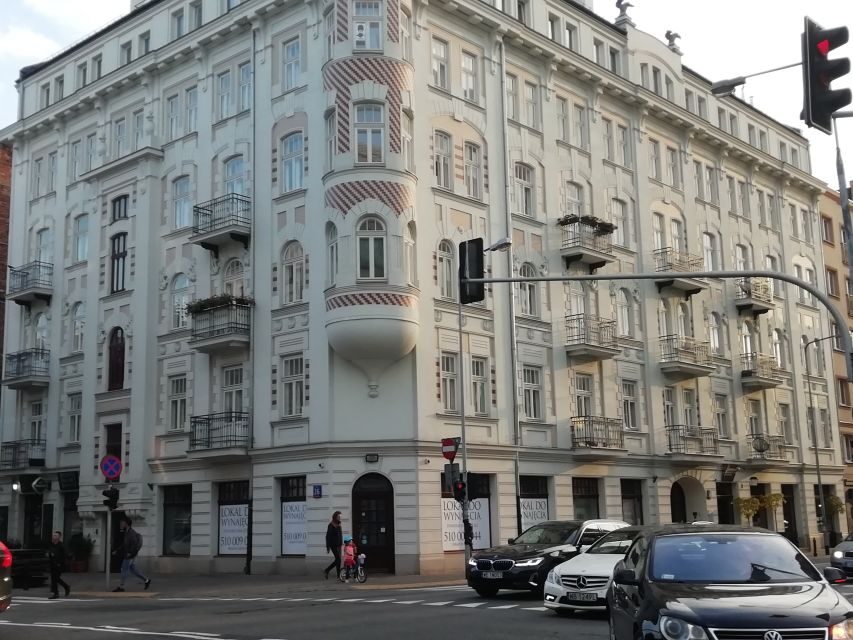
You’ll visit the Rozycki Bazaar area. Market culture is one of those things you can’t fully capture from photos, because it’s about flow—who buys, who sells, and how locals use the space.
On this tour, the bazaar gives you a practical break from “war and history mode.” It helps explain why Praga has long been a trading hub. Even when the district went through political transformations, commerce and community needs didn’t vanish.
If you want a Warsaw memory that feels like everyday life rather than just memorials, this stop helps you end the tour with something tangible.
Roman Polanski’s The Pianist: seeing film streets in real life
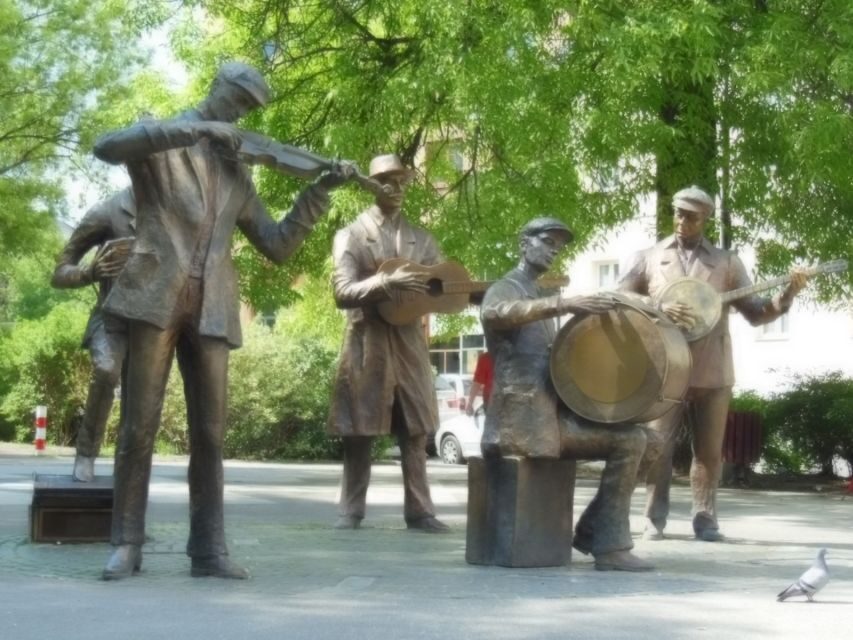
The tour takes you past streets tied to Roman Polanski’s Oscar-winning movie The Pianist. That’s a fun element, even for people who don’t consider themselves film buffs. Watching a movie is one thing. Seeing the same streets in daylight makes you understand the scale and grit of what’s depicted.
The point isn’t to play trivia. It’s to connect what you’ve seen on screen to the real city geography. Praga’s streets have a certain character—narrower rhythms, older textures—that can make film locations feel surprisingly accurate.
If you like your history with a pop-culture anchor, this is one of the better ways to do it.
Koneser vodka factory: industrial past turned into modern space
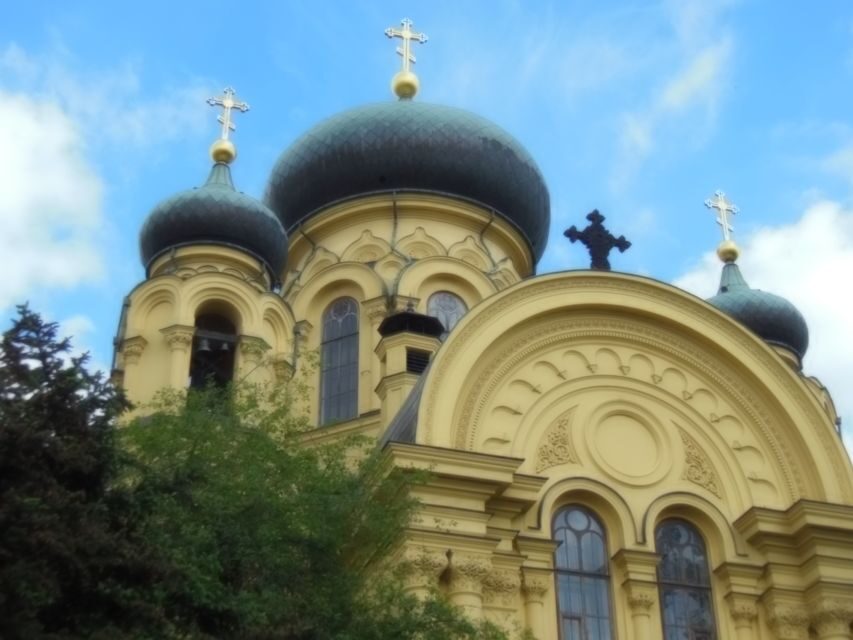
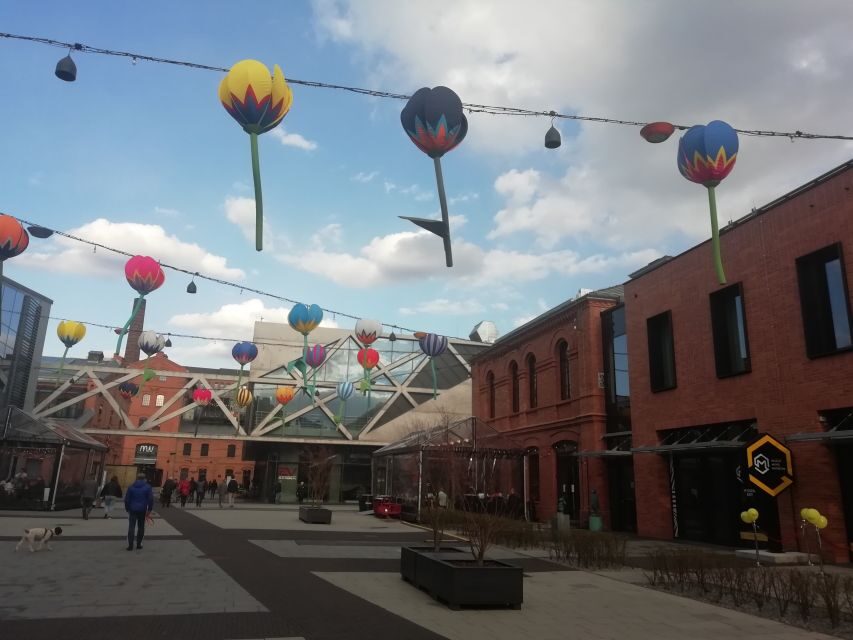
The tour includes the complex of the vodka factory Koneser. Industrial sites like this are where Praga’s “two wars and a makeover” story becomes visible.
Here’s what makes this stop valuable for you: you’ll see how an industrial landmark can be re-used without erasing its past. In many cities, factories get bulldozed or locked away. Koneser is part of Praga’s current identity—one reason people say the district is trendy now.
You don’t need to be a vodka person. The real attraction is the transformation: brick-and-steel industry, repurposed for galleries, shops, food, and city life. It’s an easy way to understand how Praga evolved from trade and industry into a district with a creative footprint.
The Warsaw Zoo director’s story and the wife’s role
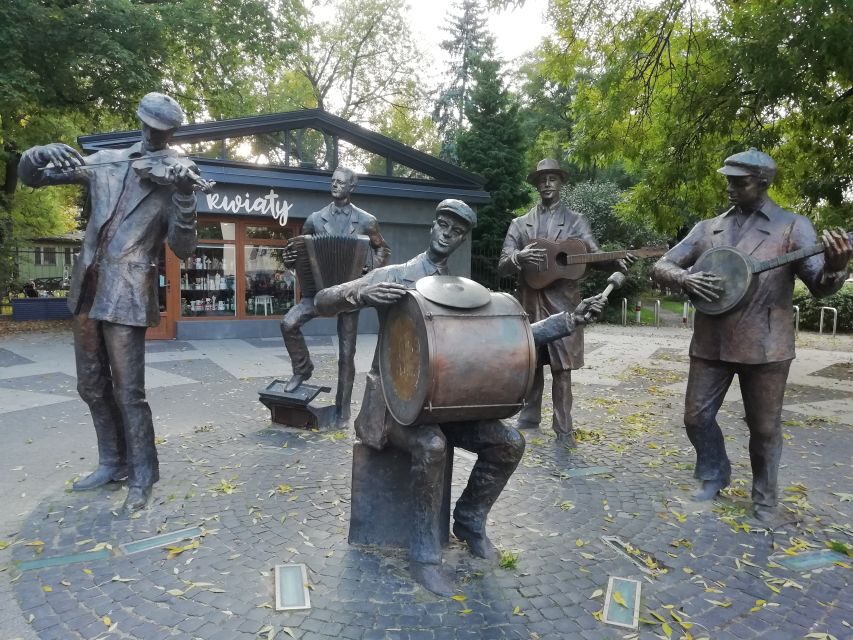
One of the most meaningful threads on the tour is the history of the Warsaw Zoo director and his wife, who helped save hundreds of Jews from the Warsaw Ghetto.
This is the kind of story that can sit heavy, but it also gives the walk a moral center. You’re not just collecting facts about buildings. You’re learning how individuals acted inside a terrifying system—and how courage and risk could coexist with ordinary life.
I like that the tour doesn’t treat this as a generic tragedy stop. It’s presented as part of Praga’s wider human story, which makes it feel less like a separate lecture and more like a piece of the neighborhood’s identity.
Price reality check: is $69 worth it?
At $69 per person for a 2-hour walking tour, you’re paying for a specific kind of experience: a licensed guide, a tight route, and a heavy emphasis on local context. This isn’t a “see the main sights fast” option, so the value depends on what you want.
If you’re the type who enjoys:
- street-level history,
- architecture with meaning,
- and stories tied to real neighborhoods (not just monuments),
then the price feels fair because the guide is doing the thinking for you—connecting building forms, political eras, and personal stories into something you can actually follow in two hours.
If you’re hoping for a long list of major landmarks or multiple major stops with free time, it may feel a bit compressed. Two hours is two hours. You’ll leave with clarity, not exhaustion—but also not with a full day’s worth of wandering.
What to bring (and what not to bring) for comfort
This tour is practical. Bring comfortable shoes, plus sunglasses, sun hat, and sunscreen if the weather’s bright. You’ll walk enough that you’ll feel the day on your feet.
Not allowed:
- pets
- oversize luggage or large bags
- smoking
- alcohol and drugs
Also, because food and drinks aren’t included, plan to eat before or after. You’ll be glad you did when your shoes start to complain.
Guide style: why Marzena is a strong reason to book
The strongest repeated theme is the guide. Marzena is described as patient with solo questions and able to explain history and architecture in a way that stays easy to follow.
That matters because Praga can be emotionally intense and historically complex. When the guide handles pacing well, you don’t get lost in dates. You remember what the places meant and how the district changed.
If you want your tour to feel like a guided conversation rather than a one-way lecture, this one fits.
Who should book this Praga walking tour
This is a great match if you:
- want a different side of Warsaw than the typical Old Town route,
- enjoy neighborhoods with visible layers (pre-war, communist, post-industrial),
- care about film-location context,
- and like history when it’s tied to real streets and real people.
You might skip it if you:
- want minimal walking,
- only want the most famous “must-see” sights,
- or don’t enjoy topic-heavy stories (this tour carries war, survival, and community history).
Should you book this Warsaw: 2-Hour Praga Walking Tour?
Yes, if Praga is on your list and you want it explained by someone who can connect the dots quickly. For two hours, you cover the essentials: the district’s identity, major landmarks like St. Florian Cathedral and Koneser, film streets from The Pianist, and the human story tied to the Warsaw Zoo director and his wife.
If you’re flexible on timing, wear good shoes, and show up curious, you’ll come away with a Warsaw you didn’t know you could understand in a short walk.
FAQ
How long is the Warsaw Praga Walking Tour?
It lasts 2 hours.
How much does the tour cost?
The price is $69 per person.
Where do we meet the guide?
You meet in front of the Metropolitan Cathedral of Maria and Magdalena (address: aleja Solidarności 52, 03-402 Warszawa). The guide waits at the exit from subway M2 with a sign reading PolinTours.
Is this tour private?
Yes. It’s listed as a private group tour.
What languages are available?
The live guide is available in English, German, and Polish.
What’s included in the price?
The tour includes a certified tour guide.
Are lunch or drinks included?
No. Lunch and food and drinks are not included.
What’s the cancellation and payment flexibility?
You can cancel up to 24 hours in advance for a full refund. The booking also offers reserve now & pay later.