REVIEW · WARSAW
From Warsaw: Auschwitz-Birkenau Tour with Premium Train Transportation
Book on Viator →Operated by Time4Poland · Bookable on Viator
Auschwitz is heavy, and the logistics matter. This day trip-style tour strings together premium train travel, van transfers, and an on-site licensed guide so you spend more energy listening than figuring out connections. You’ll see Auschwitz I and Auschwitz II-Birkenau, with headsets to help you follow the narration.
What I like most is the door-to-door feel: pickup from your accommodation in Warsaw, help at the station, a van ride to the museum, then return pickup/drop-off again in Warsaw. Second, the core experience is built around a guide who focuses tightly on the camp complex—original roads, fences, watch towers, and gas chambers—so the visit feels structured instead of random.
One thing to weigh before you book: it’s a long day with a lot of walking and uneven ground, and it’s not treated as wheelchair-friendly based on at least one guest’s experience. If you need a slower pace or more flexibility, this format may feel rushed.
In This Review
- Key things to know before you go
- Warsaw to Kraków fast: why this start is actually smart
- The rhythm of your travel day
- Getting to the museum: van ride, guided entry, and headset reality
- The pace: respectful, but brisk
- Auschwitz I: what you’ll actually see and why the guide matters
- Expect to notice the original features
- A short break to reset
- Auschwitz II-Birkenau: scale, walking, and listening in the open
- Why the guide route still helps
- Logistics and timing: a long day from Warsaw
- How to survive a long, somber day
- Price and value: what you’re buying for $224.76
- Group size and language: small enough to feel managed
- Who this tour suits best (and who might want a different plan)
- Should you book Auschwitz from Warsaw like this?
- FAQ
- What cities does this tour connect?
- How long is the tour?
- What time does the tour start?
- Is pickup from my accommodation included?
- Does the tour include entrance tickets?
- What sites will I visit?
- Is a guide included?
- Are headsets provided?
- Is the tour wheelchair or handicap accessible?
- Is tipping included?
- Is cancellation free?
Key things to know before you go
Premium fast train + van transfer reduces planning stress
Licensed Auschwitz guide covers Auschwitz I and Auschwitz II
Headsets are provided to help you hear the guide on-site
Small group size (max 15) keeps the day from feeling chaotic
A full schedule starting at 6:00 am means an early, long day
Not ideal for limited mobility due to heavy walking
Warsaw to Kraków fast: why this start is actually smart
The tour’s biggest practical win is that it stops you from having to manage rail timing, station confusion, and last-minute transit. You start at 6:00 am, and you’re picked up from your accommodation in Warsaw. From there, a host drives you to the train station and stays with the process just enough to make the first handoff painless.
Then comes the part that matters for value: a fast train gets you to Kraków quickly, so you arrive with time to focus on the sites rather than killing hours in transit. The itinerary also includes an English-speaking driver in Kraków who takes you by van toward the Auschwitz site area, where you join a local guided group in your chosen language.
This matters because Auschwitz visits work best when you’re not constantly checking your watch. The morning schedule is tight, but it’s tight on purpose—so you can do Auschwitz I and Auschwitz II in one packed day.
You can also read our reviews of more tours and experiences in Warsaw.


The rhythm of your travel day
Expect a long, continuous day. The plan lists travel time from Warsaw to Kraków as about 2 hours 20 minutes, plus the morning pickup and the station processes. After the guided portion, you head back to Kraków and then return by fast train to Warsaw, finishing with a host pickup/drop-off at your accommodation.
Even if you’re comfortable with rail travel, this “wrapped-up” format is appealing because you’re handed the plan end-to-end: train, van, guide, and return.
Getting to the museum: van ride, guided entry, and headset reality
Once you reach the Auschwitz museum area, your experience becomes more structured. A local group is formed in your chosen language, and you follow a licensed Auschwitz guide through the history of the camp complex and its role in the Holocaust.
You’ll be given headsets, which is a key detail. On a site with crowds and open outdoor spaces, a headset can make the difference between catching every point and missing half of the story. That said, one guest reported that reception and volume were difficult during parts of the talk. So if you’re picky about audio clarity, it helps to go in knowing that headsets improve things, but they’re not always perfect.
The pace: respectful, but brisk
The guide is included, but the day’s design is still efficient. One person flagged that the guide walked very fast and that staying too far from the microphone became a hearing problem. This isn’t unusual in a major museum-like environment where the group can’t stop every few meters—but it’s worth noting if you want a slower, more reflective pace.
If you’re someone who likes to linger at each exhibit or photo-worthy fence line, you might need to manage your expectations: you’ll get facts and structure, but not much wandering time.
Auschwitz I: what you’ll actually see and why the guide matters
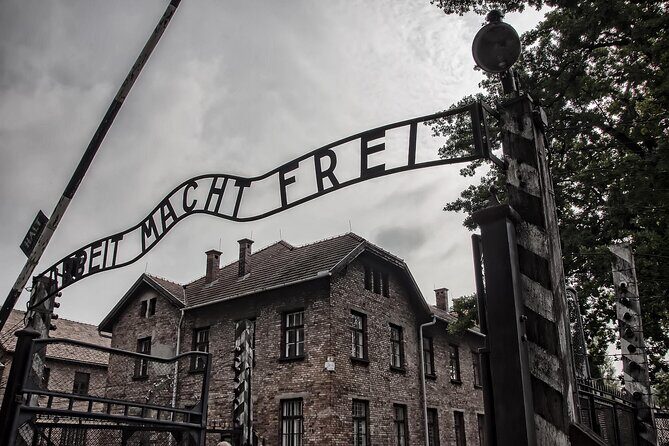
Auschwitz I is where the story gets its “from the ground up” clarity. Your guided program includes entrance to the Auschwitz I Museum and exhibits, then continues into the Auschwitz II-Birkenau portion of the day.
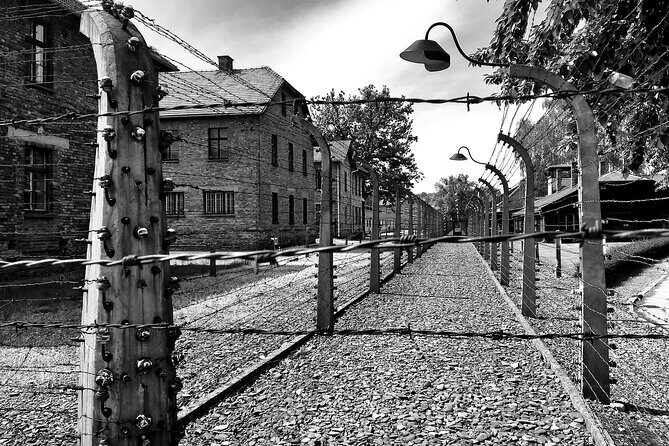
From the outside, it can be tempting to think of Auschwitz as one place. Here, the guide helps you see how the system worked as a complex—how different zones and functions fit together. On Auschwitz I, you’re not just looking at objects; you’re moving through the environment that preserved key elements of the camp’s infrastructure.



Expect to notice the original features
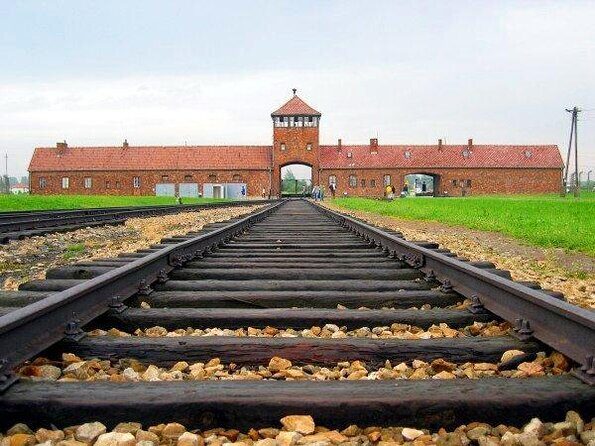
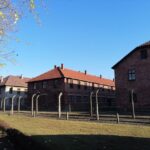
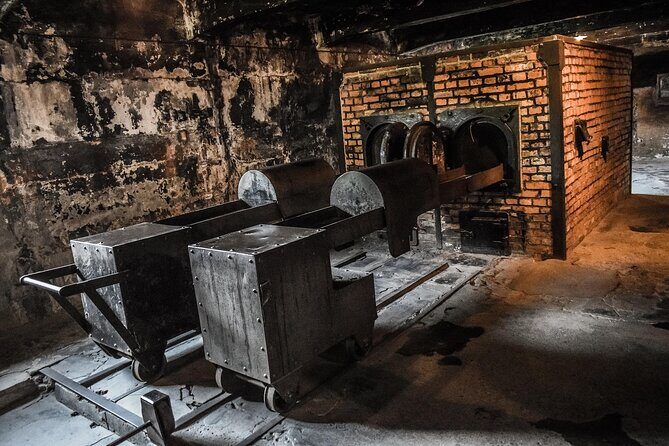
This tour specifically mentions seeing original roads, fences, watch towers, and gas chambers. That list matters because it signals you won’t be stuck with only modern displays or general descriptions. The guide’s job is to connect what you’re seeing with what happened there, in the broader historical context.
A big reason people recommend this type of guided visit is that a good Auschwitz guide can point out what your eyes might otherwise gloss over. Even if you’ve read about Auschwitz before, standing in the layout tends to sharpen the meaning—especially when the route is explained with care.
A short break to reset
Your museum plan includes a 15-minute break. It’s brief, but it’s enough to catch your breath, use facilities, and regroup before Birkenau, where the walking ramps up and the terrain changes.
Auschwitz II-Birkenau: scale, walking, and listening in the open
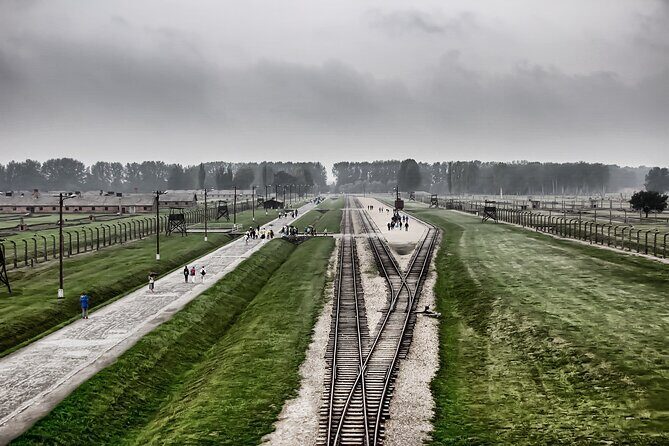
After Auschwitz I, you move to Auschwitz II-Birkenau. This is typically where visitors feel the scale most strongly—because it’s open, wide, and spread out in ways that make it harder to grasp everything at once.
Here’s the reality check: this portion involves a lot of walking and uneven terrain. One guest described the paths as very uneven and said they saw people struggling to navigate a wheelchair along the route. Another reported that portions of the narrative became hard to hear when they were farther back in the group.
So if you’re traveling with mobility limits, it’s not just the distance—it’s the ground conditions. Comfortable shoes help, but they won’t fix a schedule that keeps moving.
Why the guide route still helps
Even with the walking, a guided format matters at Birkenau. In this kind of landscape, it’s easy to focus only on the size and miss the operational story. A licensed guide can connect the terrain, the structures, and the layout to what happened there.
If you’re the type who wants to understand how the camp was organized, this part is where the explanation earns its keep.
Logistics and timing: a long day from Warsaw
The tour is listed at 15 hours (approx.) door-to-door. That number is important. This isn’t a quick morning-and-back trip; it’s an all-day commitment that starts early and runs late.
One review highlighted that doing this from Warsaw can feel like around 18 hours door-to-door, so it’s fair to think of it as a full travel day even if the official estimate says 15. The exact timing can shift slightly with station flow, boarding, and the on-site schedule.
How to survive a long, somber day
For a day like this, comfort is practical mercy. Bring layers: early mornings can feel cold, and outdoor sections can be breezy. Wear shoes you don’t mind getting worn-in by uneven ground. And plan for a mental tone shift—Auschwitz is emotionally intense, so you’ll want your body to be as comfortable as possible to help you focus on the facts.
Also, because the itinerary includes entrance fees and headsets, you don’t need to manage those details on-site. That reduces stress, which is a real quality-of-life win on days like this.
Price and value: what you’re buying for $224.76
At $224.76 per person, this tour isn’t cheap, but it’s built around convenience and guided access—not just transit.
Here’s what’s included:
- Pickup and drop-off at your accommodation
- Premium fast train and a high-standard van
- Licensed local guide (language selected; English offered)
- English-speaking driver
- Entrance fees
- Headset
Not included: gratuities.
When you compare this to cobbling together a one-way train, then finding local transport, then booking timed entry separately, the value is that your day is orchestrated. You pay for fewer moving parts.
Is it worth it? If you want to do Auschwitz while minimizing logistics, I’d say yes. If you’re an independent planner who already feels confident with train transfers and on-site ticketing and you don’t mind coordinating your own guide, the price may feel steep—especially given the long day and strict pace.
Group size and language: small enough to feel managed
The tour lists a maximum of 15 travelers, which is on the better end for large, high-demand sites. Smaller groups don’t automatically make the day slower, but they usually make it easier for staff to manage movement and for headsets to work as intended.
The experience is offered in English, and you join a local guided group in your chosen language once you reach the museum area. That matters at Auschwitz, where precise wording and historical framing can change how the visit lands.
Who this tour suits best (and who might want a different plan)
This works especially well if:
- You want door-to-door organization from Warsaw.
- You prefer a guided explanation with a licensed Auschwitz guide.
- You’d rather spend your energy on the history than on rail timing and station navigation.
- You’re okay with a long day and moving through both Auschwitz I and Birkenau.
It may be a mismatch if:
- You need minimal walking or step-free routing. Uneven terrain and heavy walking are a key concern.
- You’re sensitive to audio quality and being farther back from the guide’s microphone.
- You want lots of free time to stop and go at your own pace.
Should you book Auschwitz from Warsaw like this?
My take: book it if you want structure, comfort, and a guided route that covers both Auschwitz I and Auschwitz II in one trip. The premium train + van + licensed guide package is a practical way to make the day feel manageable—even though the subject is anything but light.
Skip or rethink it if mobility, pacing, or audio clarity are major issues for you. This itinerary is efficient by design, and Auschwitz’s walking terrain is part of the experience.
If you do book, come prepared for an early start, wear sturdy shoes, and treat the headsets as helpful support—not a guarantee of perfect clarity.
FAQ
What cities does this tour connect?
It runs between Warsaw and Kraków. You’re picked up in Warsaw, travel to Kraków by fast train, visit Auschwitz from Kraków, then return to Warsaw after the tour.
How long is the tour?
It’s listed as about 15 hours approximately.
What time does the tour start?
The start time is 6:00 am.
Is pickup from my accommodation included?
Yes. Pickup and drop-off at your accommodation are included.
Does the tour include entrance tickets?
Yes. Entrance fees are included.
What sites will I visit?
You will visit Auschwitz I Museum and Auschwitz II-Birkenau.
Is a guide included?
Yes. You get a licensed local guide who speaks in your chosen language, with English offered as an option.
Are headsets provided?
Yes. Headsets are included.
Is the tour wheelchair or handicap accessible?
It is not described as handicap accessible, and one guest explicitly flagged that it is not. The route involves a lot of walking and uneven terrain.
Is tipping included?
No. Gratuities are not included.
Is cancellation free?
Yes, you can cancel for a full refund up to 24 hours in advance.