REVIEW · KRAKOW
Auschwitz & Birkenau Small Group Live Guided Tour with Hotel Pick Up Transport
Book on Viator →Operated by GR8WAY · Bookable on Viator
Auschwitz demands logistics as much as respect. This small-group day in Krakow pairs hotel pickup with an English guide and admissions built in, so you spend less time figuring out transport and more time understanding what you’re seeing.
I especially like the air-conditioned minivan ride out of town and the fact that Auschwitz I and Birkenau tickets are included. That combo can make the day feel less chaotic, even when the start time is very early.
One big consideration: pickup timing and communication can be unpredictable, so I’d plan your morning with extra buffer and keep expectations flexible.
In This Review
- Key things I’d focus on before you go
- First Trip Out of Krakow: What Hotel Pickup Really Means
- Auschwitz I: Why This Stop Is the One You Should Pay Attention To
- Birkenau: The Open-Air Scale That Hits Hard
- Pace, Group Size, and the Part That Can Feel Rushed
- What You’re Paying For: Tickets, Guide Time, and Transport
- How to Plan Your Day Around Weather and Walking
- If the Pickup Goes Wrong: Your Best Safety Net
- So, Should You Book This Tour?
- FAQ
- What’s the duration of the tour?
- Is pickup from my hotel included?
- Where does the tour start and end?
- What are the pickup times?
- Is admission included for Auschwitz I and Birkenau?
- Do I need ID or my full name for entry?
- What’s the luggage limit?
- Is food included?
- Is the tour wheelchair or mobility friendly?
- What’s the cancellation window?
Key things I’d focus on before you go
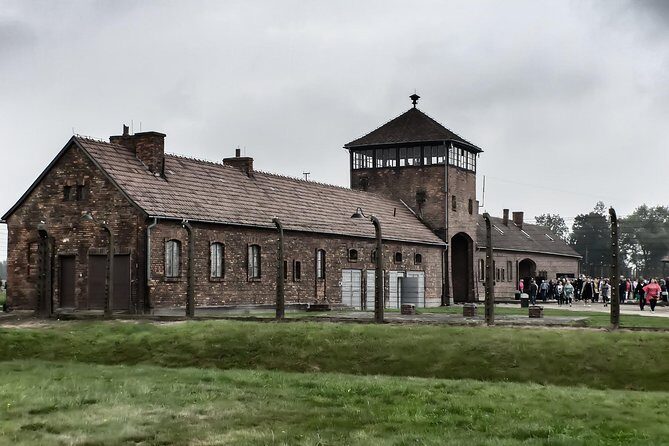
- Two sites, one day: Auschwitz I first, then Birkenau 3 km away by minibus
- Tickets included: admission for both stops is part of the tour cost
- Long outdoor stretch: you can spend up to 70% outdoors, mainly at Birkenau
- Small-group promise vs reality: the max is 22, but some people felt the pace still turned rushed
- Bring ID and names: full participant names are needed for entry, plus you’ll need an ID document
First Trip Out of Krakow: What Hotel Pickup Really Means
This tour is designed around an early start. Pickup can land anywhere from 2:00 am to 1:30 pm, depending on museum availability to start the tour, and you’re told the final pickup time at least 12 hours before. That means you’re not just booking a time slot—you’re agreeing to a schedule that can shift.
In theory, it’s easy: you get picked up from your accommodation in central Krakow, ride in an air-conditioned vehicle, then return to the same meeting point area at the end. The meeting point is Floriana Straszewskiego 14, and if you don’t send your accommodation address, you wait there instead.
Here’s what you should do to keep the day smooth. Confirm your pickup details promptly, double-check the pickup address you provided, and be ready earlier than you think. Several people ran into issues when pickup times moved late or the pickup point changed, and that’s the part that can ruin a trip to a site you planned around for months.
Also note the day is long. Plan on roughly 7–8 hours, and accept that there’s no “hang out” time. This is a structured visit where the pace is driven by museum access and group movement.
You can also read our reviews of more guided tours in Krakow

Auschwitz I: Why This Stop Is the One You Should Pay Attention To
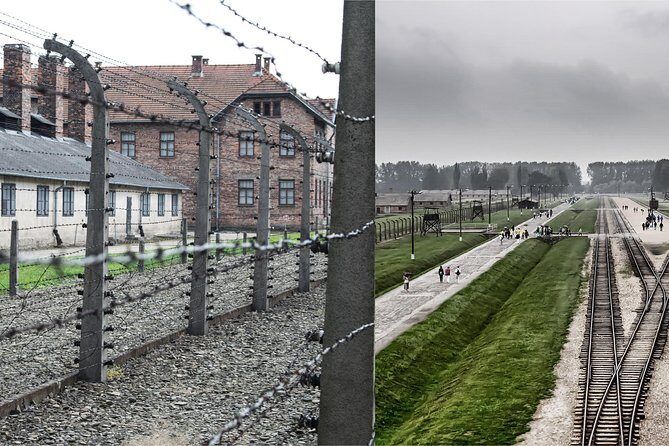
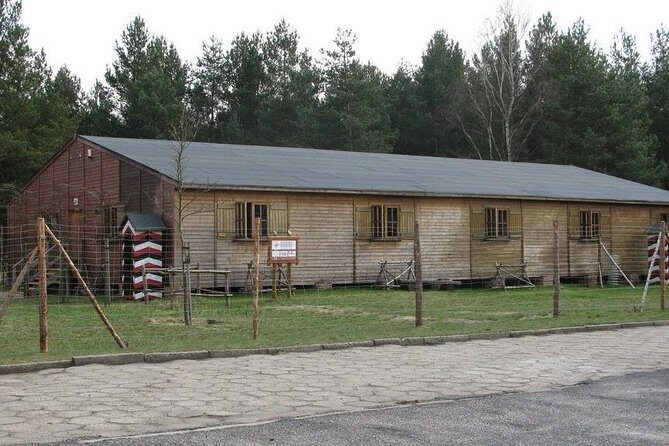
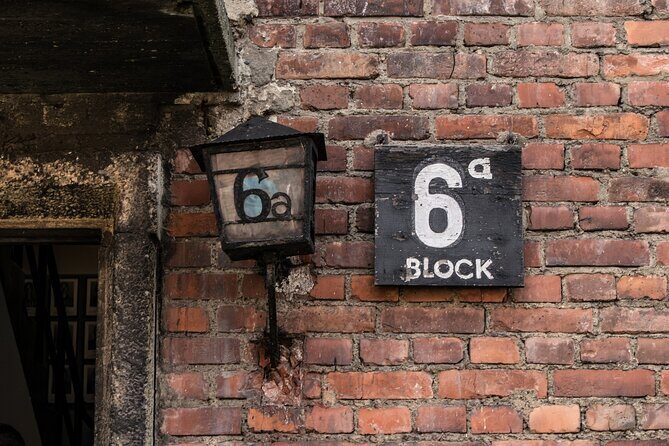
Auschwitz I is the first major stop, at the memorial and museum site for Auschwitz I. You get around 2 hours there, and admission is included. This camp portion is where your guide helps you connect dates, locations, and the systems behind the atrocities you’re seeing.
What I like about starting here is that it gives you a reference point. You’re not trying to understand everything from scratch while standing in the middle of a sprawling site. A good live guide can help you make sense of what you’re looking at—buildings, exhibits, and the logic of how the camp functioned.
Still, keep your own expectations realistic. Even with a guide, you won’t be lingering inside every room. One recurring theme with group formats is that you may have to move faster than you’d like, especially if the group is larger than promised or if multiple groups share the same time window. If you know you want quiet, slow reading, you might find the pace a little tight.
Comfort matters too. The tour lists “moderate physical fitness” as a requirement, and Auschwitz involves lots of standing and walking. If stairs or uneven surfaces are a deal-breaker for you, I’d take that seriously before booking, because the day isn’t built around slow mobility.
Birkenau: The Open-Air Scale That Hits Hard
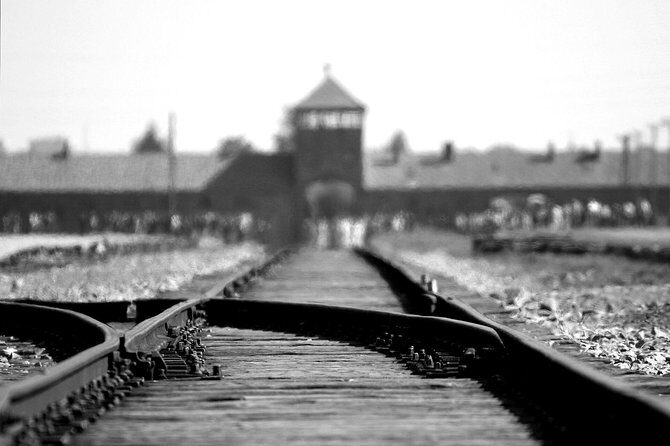
After Auschwitz I, you head to Auschwitz II-Birkenau, about 3 km away. You travel by minibus, and you get about 1 hour at Birkenau, again with admission included.
Birkenau is different. Auschwitz I can feel like a museum-shaped experience; Birkenau feels like an outdoor landscape you have to walk through. That’s why this tour warns you about weather and clothing: you can spend up to 70% of the time outdoors, particularly at Birkenau.
Here’s why one hour can feel short. Birkenau’s scale and the sheer number of key locations you’ll want to see are hard to fit into a single guided window. If you have a strong need to stop, absorb, and read everything at your own speed, you might leave feeling you saw only part of what matters. Some people also reported that they couldn’t get into all the buildings or areas they hoped for.
On the plus side, the value of the guided structure is still real. The guide’s job is to point out what’s easy to miss and to keep the story moving in a way that makes sense. A live explanation can help you avoid turning the visit into a simple photo tour, which is the last thing you want on a place like this.
The practical downside: Birkenau is also where mobility limits can show up fastest. One common concern is long walks on unimproved roads and repeated stair climbs. If you’re not comfortable with that kind of walking, consider a different format with less ground time or talk to your operator about what routes and accommodations are possible.
Pace, Group Size, and the Part That Can Feel Rushed
The tour advertises a small-group setup, with a max size of 22 travelers and an included small-group structure that says “up to 8 people.” Those numbers can matter because they affect how much time you have inside exhibits and how quickly you’ll be kept moving outside.
Even when a tour is “small,” Auschwitz isn’t a place where you slow down. You’re sharing space with other tours, timed entry, and security flow. If the group is larger than you expected—or if multiple groups are routed through tight interior areas—the visit can feel hurried. That’s exactly the kind of mismatch that turns a deeply important day into a stressful one.
Then there’s the timing flexibility. Pickup is availability-dependent, and you may get an updated pickup time close to departure. Some people ended up with very early pickup windows and noted it affected their ability to make plans the rest of the day. If you’re the type who hates last-minute changes, treat this tour as a “plan around the tour” day, not a “fit it into your schedule” day.
Finally, there’s the emotional pace. Auschwitz and Birkenau are heavy. It can be harder to process when you’re constantly moving and keeping up. I’d recommend choosing this tour when you don’t have tight connections or urgent commitments afterward.
What You’re Paying For: Tickets, Guide Time, and Transport
At $108.42 per person, you’re paying for several built-in pieces: round-trip pickup/drop-off in central Krakow, transport in an air-conditioned vehicle, a professional English guide, and admission tickets for both Auschwitz I and Birkenau.
That can be good value if you want less friction. You’re not coordinating cars, sorting out ticket timing, or worrying about whether you’ll arrive in time for guided entry. The ticket inclusion also matters because these visits can sell out and time windows can be strict.
Where the value can feel weaker is when the day becomes mostly “transport to a museum.” If the guide component is reduced or if communication breaks down, you might feel like you paid for logistics instead of a true guided experience. Some people described confusion about itinerary and expectations around whether they’d have a full guided program.
Also remember: food isn’t included. There are no promised meals or drinks stops in the tour details. One practical lesson from real-world experience with this format is to eat before you go and keep a small snack option ready. If you end up with limited breaks, you’ll be glad you planned ahead.
In a perfect world, you’d have a guide who helps you see connections and provides context throughout the walk. In a less perfect world, you still get admissions and a structured route, but the emotional impact can get blunted by rushed pacing or unclear scheduling.



How to Plan Your Day Around Weather and Walking
Even if the day feels “organized,” you should plan like it’s outdoors and active—because it is. The tour notes you’ll spend up to 70% outdoors, mainly at Birkenau. Bring weather-appropriate clothing and layers you can adjust.
Footwear is non-negotiable. You’re walking significant distances, and the route includes unimproved surfaces in Birkenau. If you use a cane or walker, check your limits carefully and don’t assume this is an easy day.
Also plan for a day where you may be waiting. Group schedules, museum entry rhythms, and transit logistics can create downtime. If you’re anxious in waiting situations, bring something simple for comfort: a bottle of water, a light snack, and something warm or rain-ready.
The other big “plan ahead” item is your paperwork. You must provide full participant names to the tour provider for entry into Auschwitz. You also need an ID document, because security may refuse entry if you can’t verify identity.
If the Pickup Goes Wrong: Your Best Safety Net
A small-group tour lives or dies by pickup reliability. This operator’s record is mixed, based on the issues that show up repeatedly in past experiences: late changes, pickup location confusion, and in worst cases, last-minute cancellations.
So here’s your practical approach:
- Keep your accommodation contact info ready so you can respond quickly if the pickup shifts.
- Stay flexible about your morning start time. Don’t schedule other time-sensitive plans immediately after pickup.
- If your pickup details change, treat it as urgent. Confirm the new pickup point and time as soon as you see the message.
And if you’re traveling from far away and Auschwitz is your one must-do site, consider building in a backup option. That could mean a Plan B tour for later in the day, or at least knowing a second provider you could book quickly.
So, Should You Book This Tour?
I’d book this tour if you want a guided, ticketed day with pickup from central Krakow and a clear structure: Auschwitz I first, then Birkenau by minibus, with an English guide and admission included. It’s a practical way to reduce stress, especially if you don’t want to coordinate transport and ticket timing yourself.
I’d think twice if your biggest priority is perfect punctuality and friction-free communication. The pickup window can shift from very early hours, and there are real risks around last-minute changes and unclear pickup execution. If that sounds like your nightmare scenario, you might feel safer choosing a provider with a stronger track record for communication—or plan your day so you can absorb delays without losing your whole schedule.
FAQ
What’s the duration of the tour?
It’s listed as about 7 to 8 hours.
Is pickup from my hotel included?
Yes. The tour includes pick up and drop-off at your accommodation in central Krakow. If you don’t provide your accommodation address, you will wait at the meeting point on Straszewskiego Street.
Where does the tour start and end?
The start meeting point is Floriana Straszewskiego 14, 33-332 Kraków, Poland. The activity ends back at the meeting point.
What are the pickup times?
You’ll be picked up from your selected location between 2:00 am and 1:30 pm, depending on museum availability to start the tour. The final pickup time is shared at least 12 hours before pickup.
Is admission included for Auschwitz I and Birkenau?
Yes. Admission tickets are included for Auschwitz I and for Auschwitz II-Birkenau.
Do I need ID or my full name for entry?
Yes. You must bring an ID document. The tour provider also needs the full names of all participants for entry, or you may be refused.
What’s the luggage limit?
You can bring baggage up to 30x20x10 cm (about an A4 sheet size). Larger items can be left in a locked bus parked next to the museum, and the driver will look after your luggage while you’re away.
Is food included?
No. Food or drink is not included.
Is the tour wheelchair or mobility friendly?
You should have at least moderate physical fitness. The tour involves long walking and many stairs, especially at Birkenau, so it may not be suitable if you have mobility limitations.
What’s the cancellation window?
Free cancellation is available up to 24 hours in advance for a full refund. Changes within 24 hours aren’t accepted.