REVIEW · WARSAW
Warsaw: 2-Hour Chopin’s Life Walking Tour
Book on GetYourGuide →Operated by PolinTours · Bookable on GetYourGuide
Chopin’s Warsaw feels close in two hours. This 2-hour walking tour ties together Frederick Chopin’s childhood, first performances, and lasting ties to the city, with stops that match his story. I like the way the guide keeps it human (not dusty), and I really like the interactive Chopin Museum angle—plus you’ll hear Chopin’s music along the way; one thing to consider is that the Chopin Museum is scheduled to close in 2026 for exhibition changes.
What makes this work is the format: a chill, focused route with a certified guide and a private-group feel, so questions don’t get swept aside. I also like that you’re not just looking at plaques—you’re walking through places tied to how Chopin lived, loved, and wrote, including the Church of the Holy Cross and the settings that shaped his musical personality.
The one practical drawback for some visitors is mobility: this tour is not recommended for people with limited mobility, so plan accordingly. If you’re traveling with a big bag or trying to bring pets, skip this one too—oversize luggage and pets aren’t allowed.
In This Review
- Key Highlights You’ll Actually Feel
- A Two-Hour Chopin Loop That Keeps Its Focus
- Where You Start: Old Town, a Private Guide, and a Clear Meet-Up
- Stop #1: The Places Chopin Lived and Performed Early
- Saxon Garden: A Mental Breather With Historical Weight
- Radziwił Palace: Warsaw’s Big-City Atmosphere in Mini Form
- Church of the Holy Cross: Religion, Routine, and 19th-Century Life
- Chopin Museum: The Interactive Finish (and the 2026 closure note)
- Listening to Chopin During the Walk
- Price and Value: Is $69 Fair for 2 Hours?
- What to Bring (So the Walk Stays Easy)
- Accessibility Reality Check
- Who Should Book This Chopin Tour
- Quick Decision: Should You Book This One?
- FAQ
- How long is the Warsaw Chopin walking tour?
- Where do I meet the guide?
- What’s included in the price?
- What stops will we see?
- What languages are available?
- Will the Chopin Museum be open in 2026?
- Is this tour suitable for people with limited mobility?
Key Highlights You’ll Actually Feel

- Private-group pace that lets you ask questions and keep the tour moving at your comfort level
- Old Town start that puts Chopin’s Warsaw in context fast, then builds toward the museum
- Church of the Holy Cross stop tied to Chopin’s world and 19th-century Warsaw life
- Saxon Garden and Radziwił Palace as real places that shaped the feel of the city he knew
- Music built into the route, not just a lecture at the end
A Two-Hour Chopin Loop That Keeps Its Focus
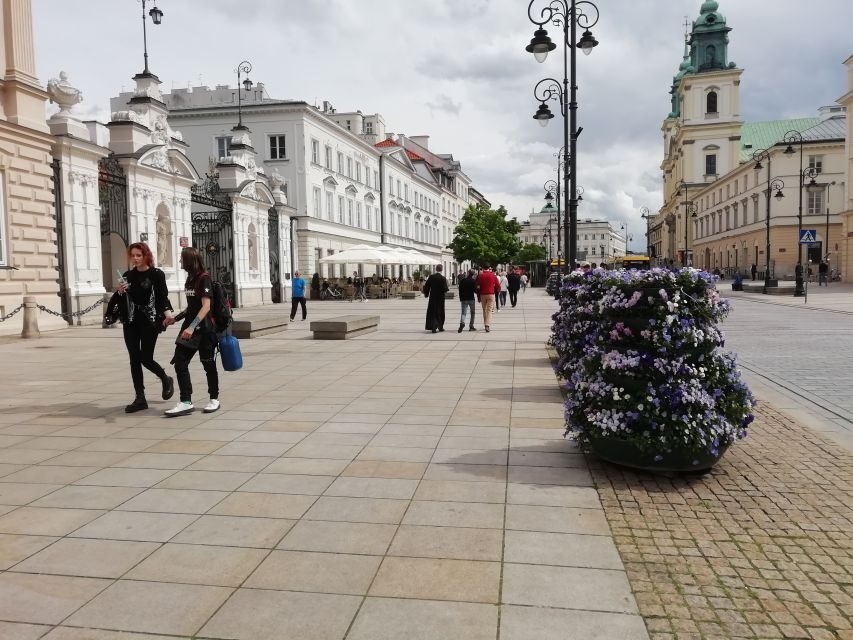
This tour compresses a lot of Chopin into a short walk: where he grew up, where he played early concerts, and the places that connect to major chapters of his life. It’s designed as a time travel trail, taking you back roughly 200 years to 19th-century Warsaw, so the city feels less like a postcard and more like a living scene.
The value here is the storytelling rhythm. Instead of dumping facts, the guide connects personality and creativity—what shaped Chopin and how that shows up in the music people still listen to today. If you like tours that feel like conversation, this one tends to land well.
You can also read our reviews of more walking tours in Warsaw



Where You Start: Old Town, a Private Guide, and a Clear Meet-Up
You meet your guide by looking for a sign that says PolinTours – Private Guide. Aim to arrive 10 minutes early—not because you’re “late” by default, but because this tour runs on a tight two-hour window.
This is a private group tour, and the language options are English, German, and Polish, so you can expect the guide to tailor explanations without switching gears every few minutes. Also note that the order of sightseeing may change based on where your hotel is—so don’t panic if the walk feels slightly different on your day.
Stop #1: The Places Chopin Lived and Performed Early
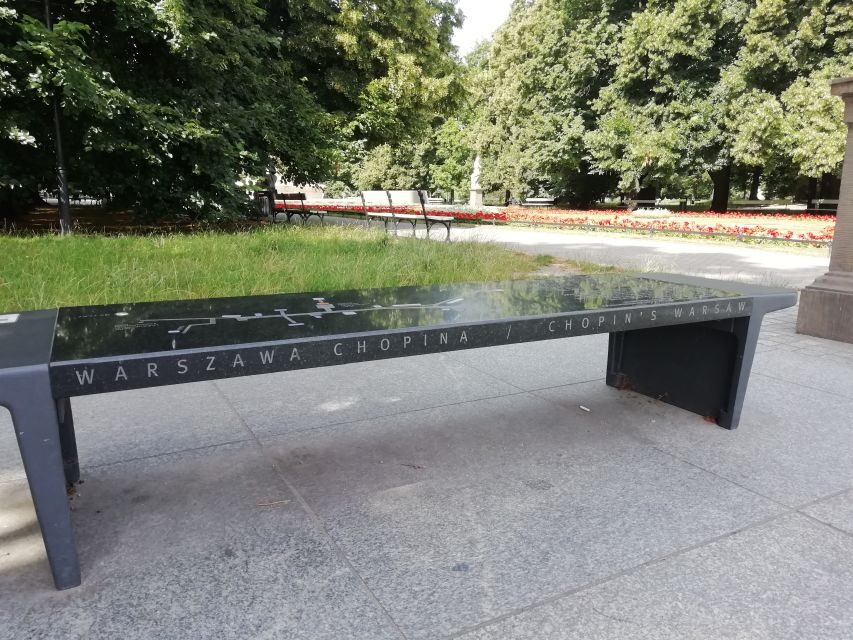
A big part of the point is simple: Chopin’s Warsaw wasn’t a vague backdrop. The tour guides you through the hometown settings tied to his early development—where he learned music, made friends, and gave his first concerts.
If you’ve ever felt like Chopin biographies jump around, this tour helps you anchor him in geography. Seeing the city’s spaces in walking order makes it easier to picture how a young musician moved through daily life, not just how he later became famous.
One small consideration: you’ll want comfortable shoes from the start. Warsaw Old Town walking can be full of uneven ground, and the tour expects you to keep going for the full two hours without stopping for long breaks.
Saxon Garden: A Mental Breather With Historical Weight
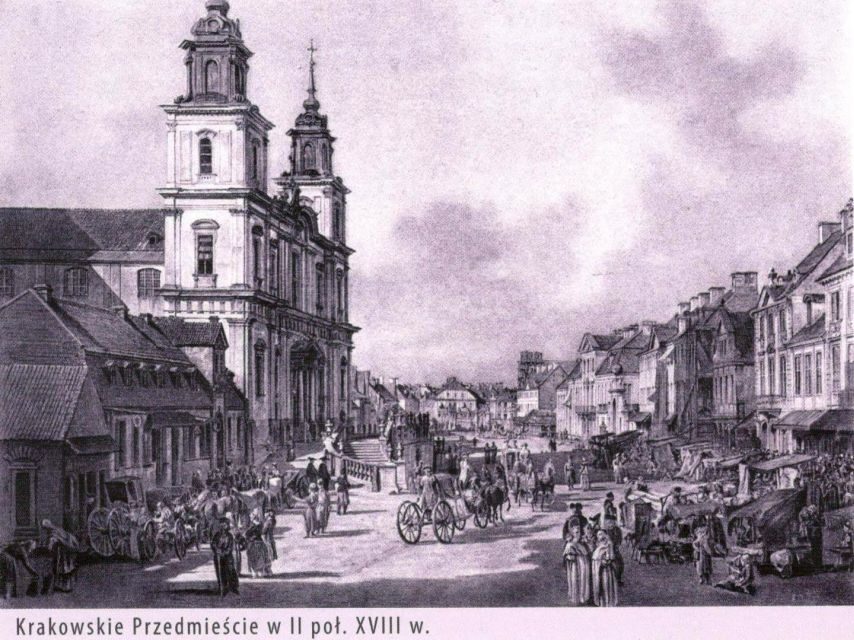
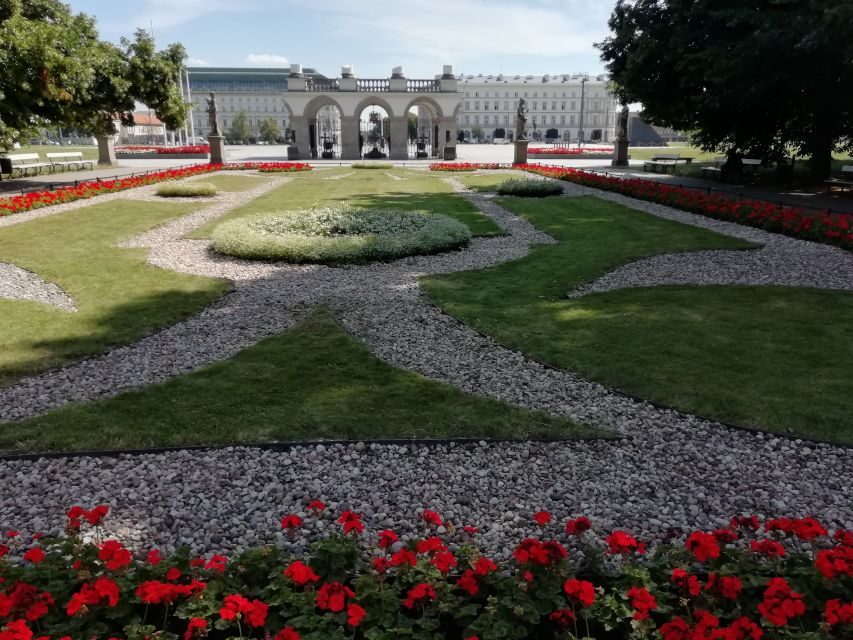
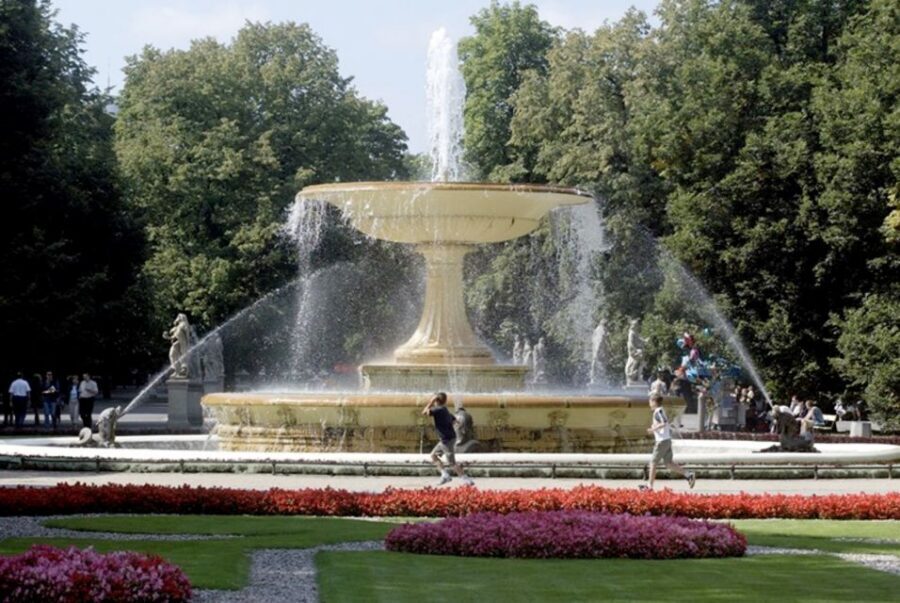
The Saxon Garden stop works like a reset button in the middle of your story. It’s one of those places where the city’s quieter edges help you process the earlier talk about Chopin’s character and creativity.
Even without getting lost in every detail, the garden setting matters. Chopin’s music carries emotional contrasts—reflective, tender, intense—and a calm outdoor space gives your brain room to connect what you’re hearing with where you are.
Radziwił Palace: Warsaw’s Big-City Atmosphere in Mini Form
Next comes Radziwił Palace, another strong stop for understanding Chopin’s world. This is where you get a sense of how Warsaw functioned socially and culturally around him—where art and influence met power and prestige.
For many visitors, this is where the tour shifts from “Here’s where Chopin was” to “Here’s what kind of city shaped him.” That’s a key reason the tour feels worthwhile: it helps you see Chopin as part of a larger social environment, not as a lone genius floating above it all.
A few more Warsaw tours and experiences worth a look






Church of the Holy Cross: Religion, Routine, and 19th-Century Life
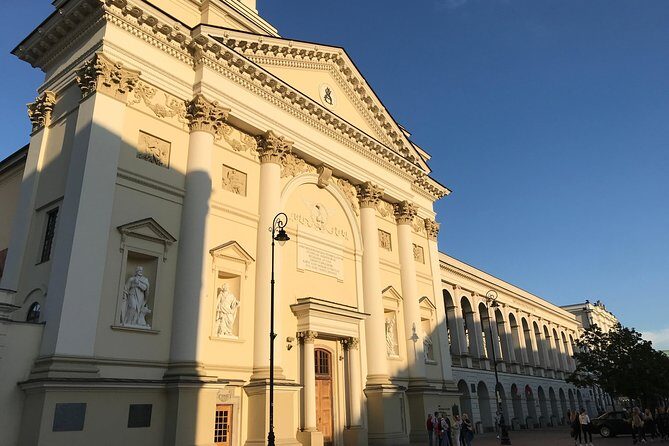
The Church of the Holy Cross visit adds a different tone. It gives you a chance to understand what daily Warsaw life could mean beyond salons and concert halls—faith, ceremony, and routine all matter when you’re trying to understand a person shaped by a specific era.
This stop also tends to clarify the emotional layer behind Chopin’s story. The tour frames him as marked by illness yet still driven by artistry and romantic passion—so you’re not just learning dates. You’re getting a sense of how complicated life could feel while he composed.
Chopin Museum: The Interactive Finish (and the 2026 closure note)
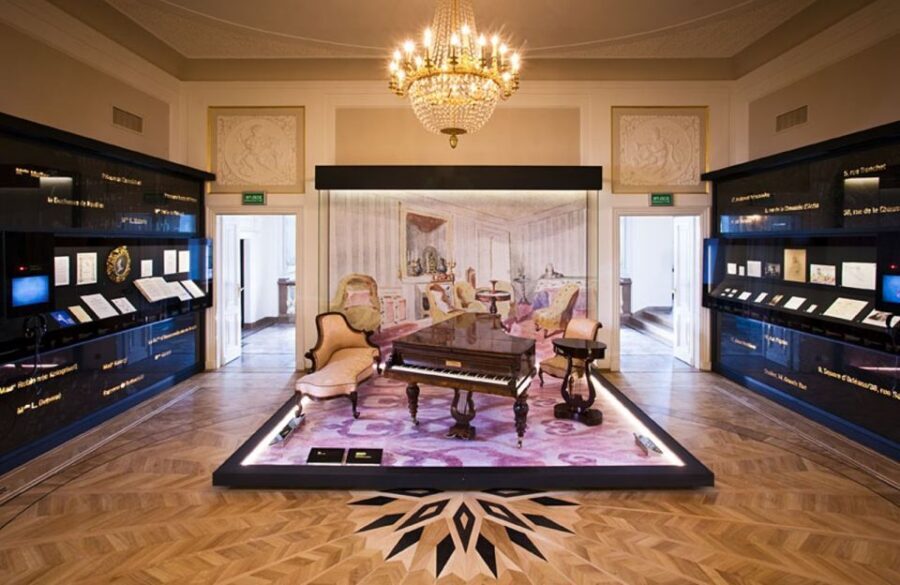
The walk leads to the interactive Chopin Museum, described as one of the most modern biographical museums in Europe. This is a smart place to end, because your head is already full of “where” and “why,” so you can focus on “how” the pieces connect.
The museum stop also fits the tour’s promise that you won’t just skim the story. The guide can help you understand how to explore the exhibits so your visit afterward isn’t random. That matters because interactive museums can be great—or confusing—depending on how you approach them. Having a route-and-story guide makes a difference.
Here’s the major planning note: the Chopin Museum is scheduled to close in 2026 due to changes in the core exhibition. If your dates fall in 2026, check the tour’s current format before you commit, because the end point may change in practice.
Also keep in mind: the tour includes visiting the museum, but the listing only guarantees a certified guide in the included items. I’d confirm whether museum entry is covered in your booking, especially if you’re comparing it to other Chopin experiences.
Listening to Chopin During the Walk

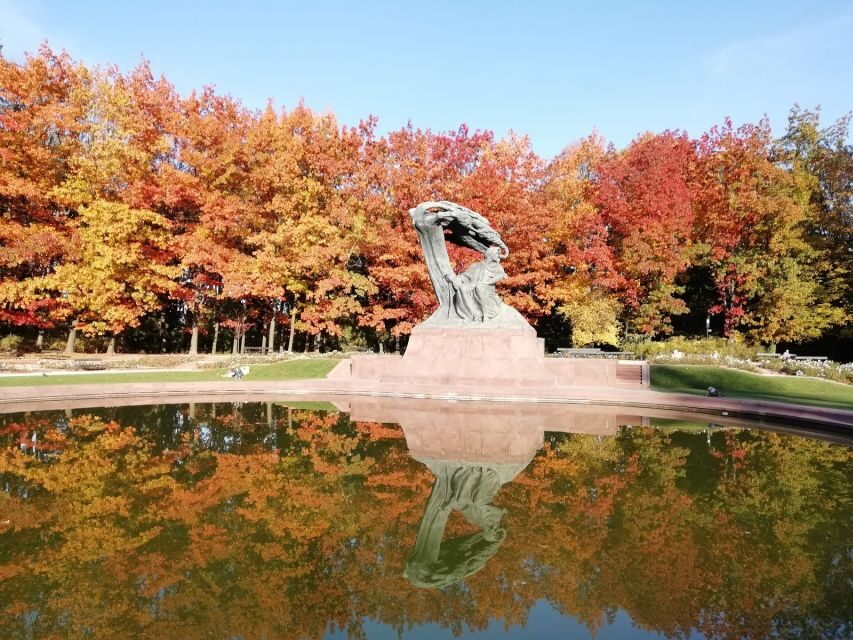
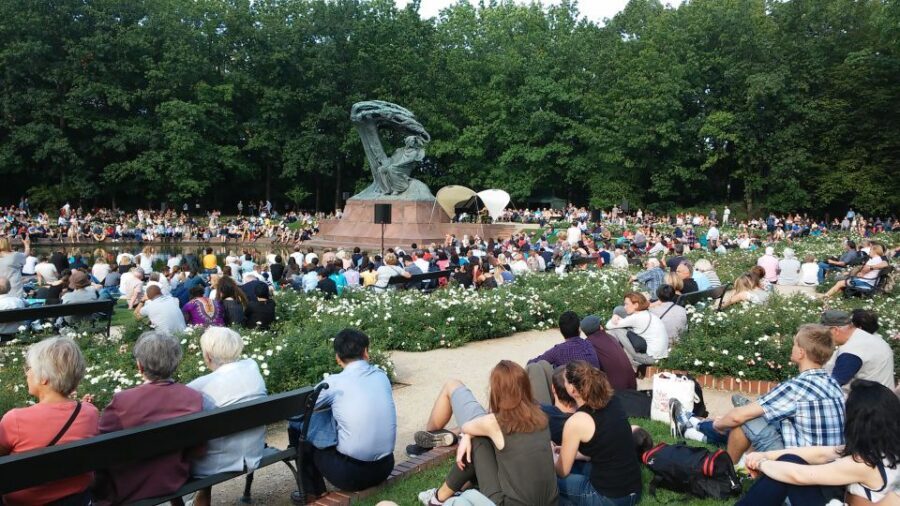
One of the most enjoyable elements is that you’ll listen to Chopin’s music as part of the tour. That’s more than a fun extra—it helps the story land. When music plays while you’re standing near places tied to his life, the city stops being background noise and starts acting like a stage.
If you’re not a hardcore classical fan, don’t worry. The tour frames the listening as part of learning what shaped Chopin’s personality and musical creativity. It’s a “meet him halfway” approach, and it usually works better than just hearing a long description without sound.
Price and Value: Is $69 Fair for 2 Hours?
At $69 per person for a 2-hour private walk, you’re paying mainly for two things: the guide and the time allocation. This isn’t a self-guided stroll where you figure it out alone, and that’s why the price can feel fair—especially if you like asking questions or you want clear context for multiple stops in one go.
The included item is straightforward: a certified tour guide. You also get the structure of a route built around Chopin’s life, plus stops at major landmarks and the Chopin Museum experience. If you’d otherwise spend time bouncing between locations with limited context, paying for a guided loop saves mental effort and planning stress.
The value gets even better if your group is small. A private group format can mean you won’t feel rushed or hidden behind other people’s attention spans—useful when the topic is personal and the guide is open to discussion.
What to Bring (So the Walk Stays Easy)
This is a short tour, but it’s still a walking tour. Bring comfortable shoes, plus sunglasses and sunscreen if you’re traveling in warmer months.
Think about your day: this experience doesn’t include food and drinks. If you want a smooth time, plan a light snack before you go or after you’re done—so you’re not negotiating energy levels while trying to follow Chopin’s story.
Also follow the rules to keep it simple for the guide and the group. Pets aren’t allowed, and there’s no room for oversize luggage or large bags. Smoking and alcohol/drugs are also not allowed.
Accessibility Reality Check
This tour is not recommended for people with mobility impairments. That’s important, because the route includes walking through historic areas and getting between stops without long breaks.
If you fall into that category, consider contacting the provider ahead of time to ask what accommodations might be possible on your specific route. Based on the stated suitability, you shouldn’t assume it can be adapted.
Who Should Book This Chopin Tour
This is a great choice if you want a focused Chopin experience without committing to a full day. You’ll likely enjoy it most if you like:
- walking tours that connect people and places,
- music tied to context (not just dates),
- and a private-group feel where questions are welcome.
It’s also a good fit if you’re visiting Warsaw for the first time and want to get oriented fast. Starting from Old Town and moving through Chopin landmarks gives you a meaningful route you can remember even after you leave.
Quick Decision: Should You Book This One?
I’d book it if you want a 2-hour Chopin overview with real landmarks, time-aware storytelling, and music playing during the walk. The museum ending is a strong reason on its own—just keep the 2026 closure in mind so you don’t plan around an endpoint that might not be operating the same way.
I’d skip it if mobility is a concern or if you need a tour designed for lots of stops with minimal walking. And if you’re expecting food included, plan on bringing your own strategy for snacks and water.
If your goal is to understand why Chopin’s personality and creativity were shaped by Warsaw—and to see the city’s role in his life in just a couple of hours—this is a solid bet.
FAQ
How long is the Warsaw Chopin walking tour?
The tour lasts 2 hours.
Where do I meet the guide?
Meet at the designated spot and look for a guide holding a sign that says PolinTours – Private Guide. Arrive 10 minutes early.
What’s included in the price?
The included item is a certified tour guide. Food and drinks are not included.
What stops will we see?
You’ll visit the Saxon Garden, Radziwił Palace, the Church of the Holy Cross, and the interactive Chopin Museum, plus you’ll listen to Chopin’s music during the tour.
What languages are available?
The live guide can run the tour in English, German, and Polish.
Will the Chopin Museum be open in 2026?
No. The tour notes that the Chopin Museum will be closed in 2026 due to changes to the core exhibition.
Is this tour suitable for people with limited mobility?
No. The tour is not recommended for people with limited mobility.
If you tell me your travel dates (especially if it’s around 2026) and your mobility needs, I can help you judge whether this route will still match your expectations.