REVIEW · WARSAW
Warsaw: 2-Hour Tour of Daily Life in the Ghetto Warsaw
Book on GetYourGuide →Operated by PolinTours · Bookable on GetYourGuide
Two hours can change how you see Warsaw. This short walk through the Warsaw Ghetto sites focuses on daily life, not just dates. You’ll move between the last preserved streets, remaining wall traces, and key places like Mila 18 and Umschlagplatz, all tied to real stories.
What I like most is the way the tour makes ordinary survival feel specific: how people solved daily problems under impossible pressure. I also like the storytelling style—often led by guides such as Marzena—which keeps the history clear and answers questions in a calm, professional way.
One thing to plan for: the subject matter is heavy. It’s also walking plus public transport, and it usually ends at the Jewish Museum, so you’ll want energy and time for what comes next.
In This Review
- Key takeaways before you go
- A 2-hour Warsaw Ghetto walk that feels human, not just historical
- Getting there: PolinTours meeting point, headsets, and the walking pace
- The preserved street, the wall remains, and the surviving synagogue
- Mila 18 and the Footbridge over Chłodna Street: where choices narrowed
- Umschlagplatz and the Monument to the Ghetto Heroes
- The Pianist connection: seeing reality behind the film’s main hero
- The Underground Archive and Oneg Shabbat: the story of remembering
- Ending at the Jewish Museum: plan time, budget for entrances
- Price and value: what $76 buys in two hours
- Who this tour suits best (and who might want to rethink it)
- Should you book the Warsaw Ghetto Daily Life tour?
- FAQ
- FAQ
- How long is the Warsaw Ghetto daily life tour?
- Where do I meet the guide?
- Is the tour walking only?
- What languages is the tour offered in?
- Are entrance fees included?
- Does the tour include time at the Jewish Museum?
- What rules should I follow during the tour?
Key takeaways before you go
- Daily life over slogans: you learn how routines worked inside a sealed world.
- Real remnants: last preserved street, ghetto wall traces, and the surviving synagogue.
- The key sites that explain the turning points: Mila 18, the Footbridge over Chłodna Street, and Umschlagplatz.
- Stories connected to the Pianist: places tied to the main hero from Roman Polanski’s film.
- How history was saved: the Underground Archive and Oneg Shabbat, preserved in metal cases and milk cans and recognized by UNESCO.
- Ends at the Jewish Museum: useful if you book follow-on time with audio guides.
A 2-hour Warsaw Ghetto walk that feels human, not just historical
Warsaw’s ghetto wasn’t a distant chapter. It sat in the middle of the city and swallowed everyday life. In 1940, the Nazis created a confined area of just four square kilometers, packing in 460,000 Jews from Warsaw and nearby communities. In that tight space, people faced exhaustion, hunger, and disease—conditions that led to huge losses. And when the liquidation attempt intensified, the ghetto’s 1943 uprising became the final crack in a system designed to erase people completely.
This tour helps you understand that scale without turning the story into a cold list. In two hours, you’re not just shown spots—you’re guided through why those spots mattered to daily life, to fear, to blackmail, to resistance, and to the moment the Nazis tried to end it all.
You’ll also get a sense of how documentation itself became resistance. The tour’s strongest threads link physical places with the secret work of recording what was happening—because if people could survive by hiding, they could also survive by remembering.
A few more Warsaw tours and experiences worth a look



Getting there: PolinTours meeting point, headsets, and the walking pace
The tour meets at a clear, simple spot: the guide is waiting with a PolinTours sign. From there, you’ll move mostly on foot, with some public transport included. That means you’ll want comfortable shoes and a bit of patience for the rhythm of city walking.
For sound quality, the experience provides head sets for groups up to 20 people. That’s a small thing, but it matters. You’re hearing sensitive details, and you want to catch every explanation rather than guessing what you missed.
You should also know what’s not allowed: no pets, no oversize luggage, and no smoking, alcohol, or drugs. If you’re traveling light (daypack only), you’ll feel more relaxed around tight spaces and stops.
The preserved street, the wall remains, and the surviving synagogue
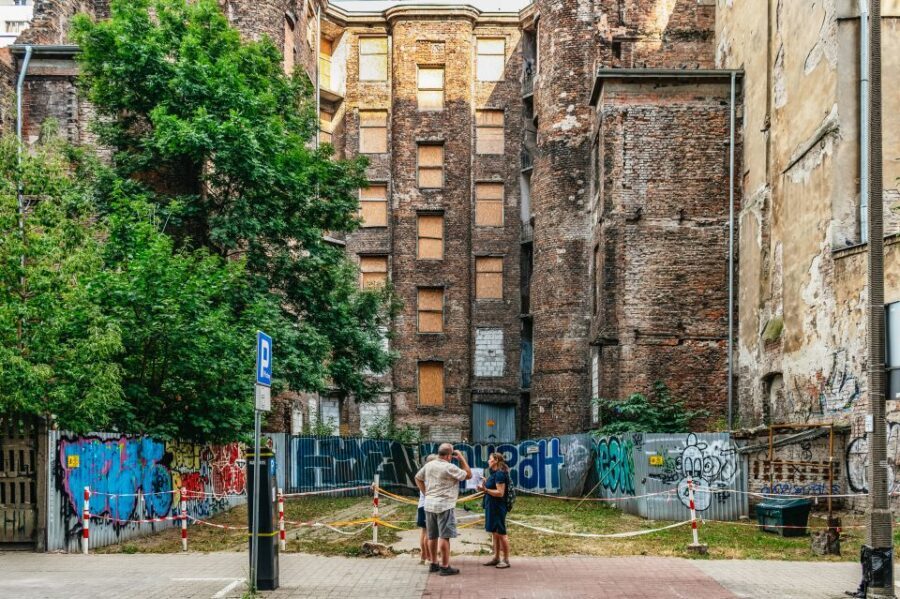
One of the best values of this tour is that it doesn’t just point at a plaque and move on. You’ll explore the last preserved street of the ghetto. Even when the city has changed around it, the survival of these traces helps your brain anchor the story in something physical.
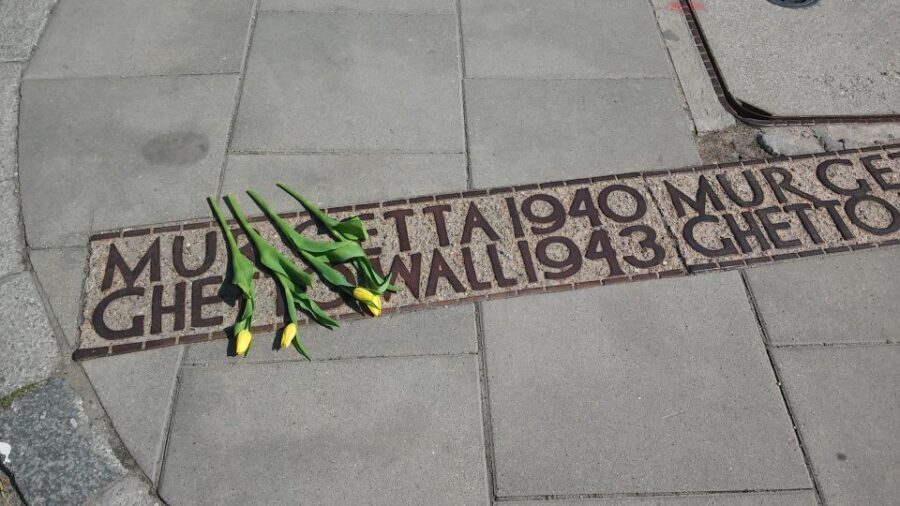
You’ll also see remains of the ghetto walls. This is important because the walls weren’t only barriers. They were daily boundaries—limits on where people could go, where families could breathe, and how control was maintained.
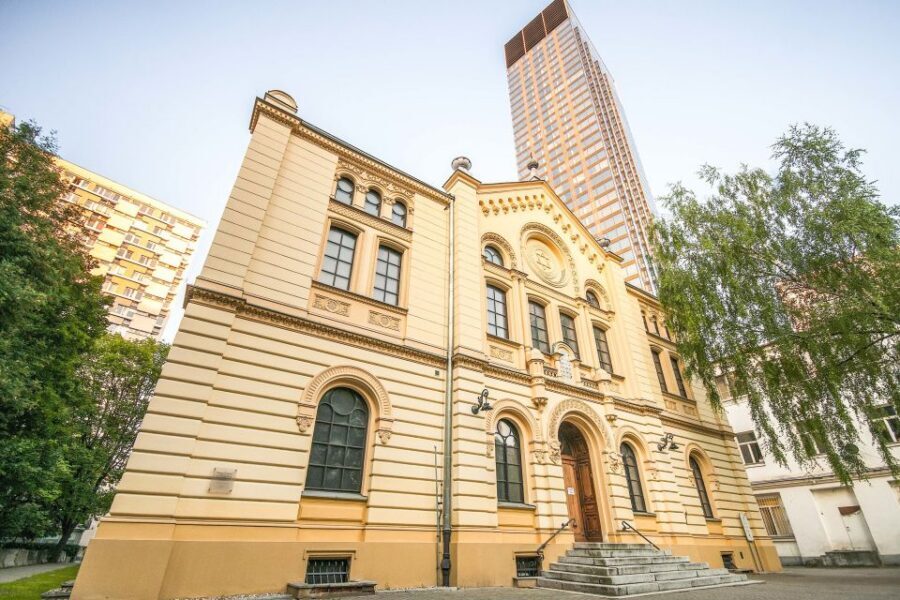
Then there’s the stop at the only synagogue that survived. That detail matters for two reasons. First, it shows how selective preservation can be—some religious spaces lived through what most could not. Second, it adds a human layer to the tour’s focus on daily life, because it reminds you that faith and community existed even in the worst conditions.
A possible drawback here is your expectations. If you’re hoping for a cheerful “architecture tour,” adjust early. You’re walking through the edge of a catastrophe, and the emotional weight comes through in the way guides frame what you’re seeing.
Mila 18 and the Footbridge over Chłodna Street: where choices narrowed
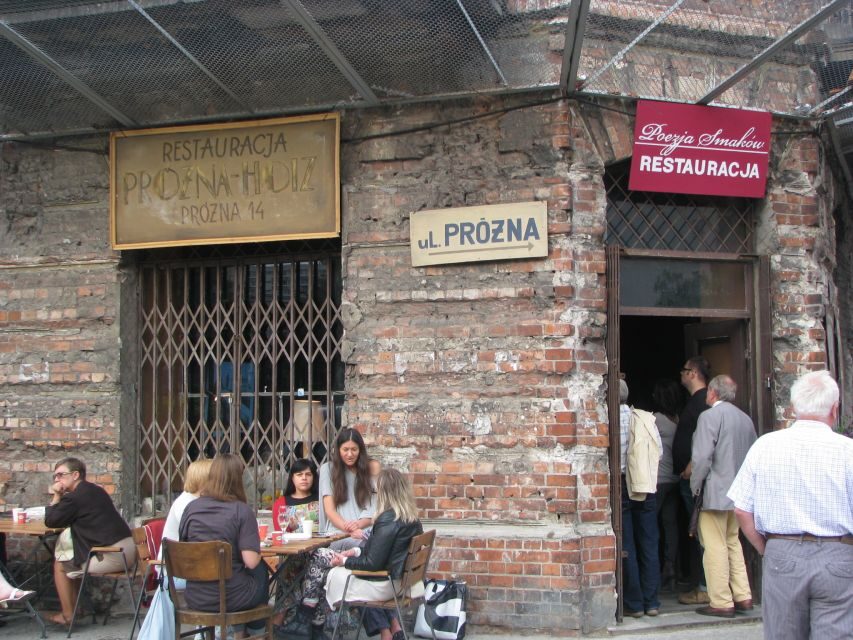
The tour places strong focus on turning points, and two stops do a lot of work: Mila 18 and the Footbridge over Chłodna Street.
At 18 Miła Street, you’ll stop at the bunker location. This isn’t a generic “here’s a historic building” moment. It connects to survival under direct threat—how resistance and hiding could happen in cramped Warsaw realities rather than in distant fantasies. The story line helps you understand that even when the system tightened, people still tried to create options.
The Footbridge over Chłodna Street helps you feel the geography of the ghetto. Bridges sound simple, but in a sealed-off area they become lifelines—routes, crossings, and control points all at once. By standing there, you’re better able to imagine movement, fear, and planning in a space that was designed to prevent freedom.
If you prefer history that explains cause and effect, these stops will suit you. If you prefer only broad context, you may want to keep a bit of mental distance—because the tour doesn’t treat these sites like trivia.
Umschlagplatz and the Monument to the Ghetto Heroes
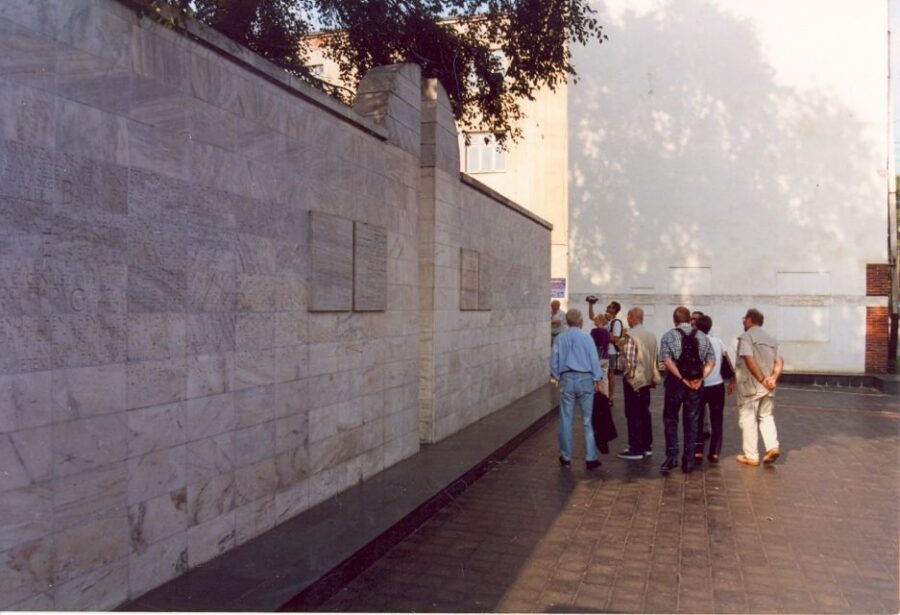
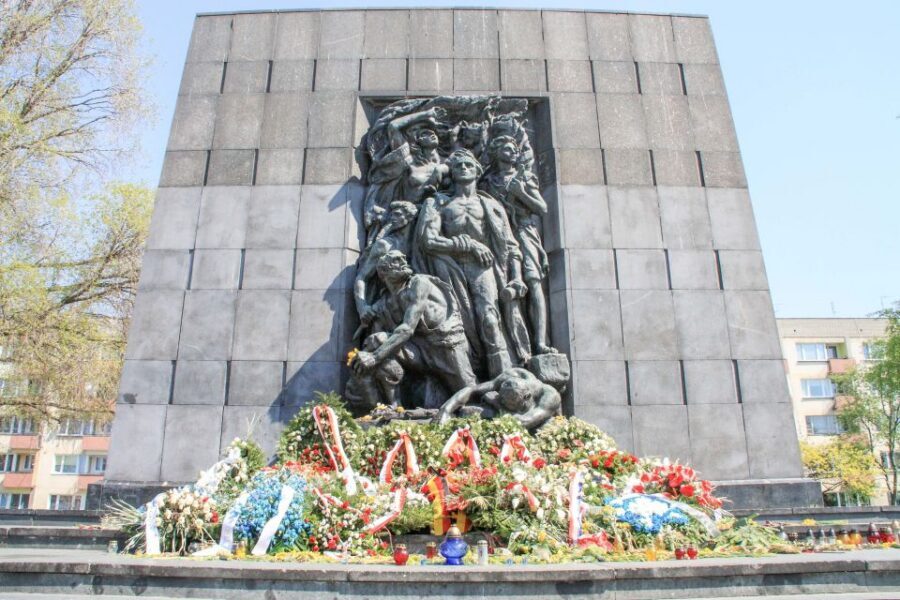
Few places in Warsaw carry the same emotional gravity as Umschlagplatz. In this tour, you’re not just seeing a location—you’re learning what it represented in the ghetto’s darkest phase: the system of removal that led so many people toward extermination.
Before you get there, the tour also addresses the symbolism behind the Monument to the Ghetto Heroes. That matters because it prevents the story from ending with tragedy alone. It pushes you to notice resistance and the effort to document—because the narrative isn’t only about suffering. It’s also about refusal to disappear.
Umschlagplatz is one of those stops where you’ll likely understand the whole tour differently afterward. Earlier, you learn about daily problems and coping. Then you see what “liquidation” looks like when you translate it from a word into a place.






The Pianist connection: seeing reality behind the film’s main hero
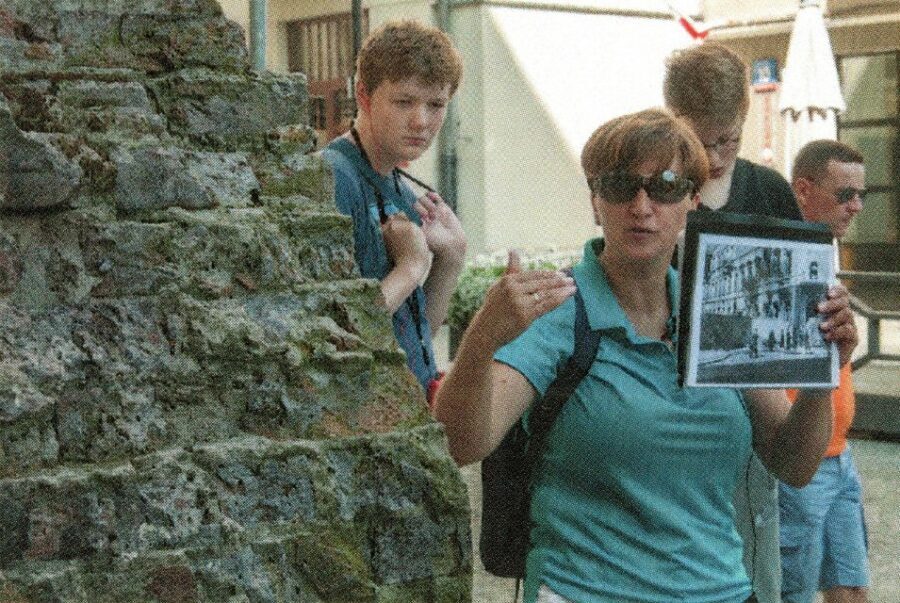
Roman Polanski’s The Pianist is one of those works people carry in their heads. This tour uses that connection carefully, pointing you to real places related to the main hero from the film.
This doesn’t mean you’re doing a “movie tour.” It’s more useful than that. When you connect film locations to physical geography, the emotions you felt watching the story gain a grounded sense of place. You’re not just thinking about a character. You’re thinking about Warsaw—about how streets, distances, and walls shaped choices.
It’s also a good way to keep your attention during tough sections. If you’ve seen the film, these stops act like a mental map. If you haven’t, you’ll still get the historical explanation because the guide frames it as part of real Warsaw wartime life.
The Underground Archive and Oneg Shabbat: the story of remembering
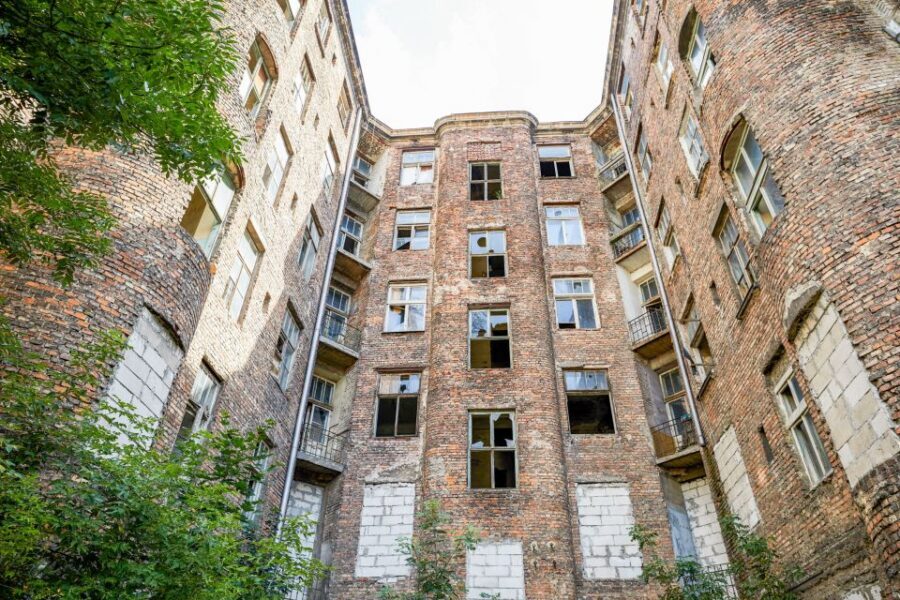
One of the most powerful parts of the tour is the discussion of the Underground Archive of the Warsaw Ghetto and Oneg Shabbat, the secret organization responsible for documenting life in the ghetto.
The tour emphasizes how the archive survived: hidden in metal cases and milk cans. That detail is more than a quirky survival fact. It’s a reminder that saving information was a form of resistance. When people expected death, they still tried to leave records that could outlive the killers.
You’ll also hear about recognition at the highest documentary level: the archive’s entry into UNESCO’s Memory of the World register. That’s useful for you as a traveler because it answers a common question: Why should I care about an archive? In this case, it’s not abstract. The archive is how the world learned what happened in day-to-day terms, not only through aftermath reports.
This is the section where you’ll likely feel the tour shift from “what happened” to “how we know.” That’s a big part of why this tour rate tends to be high with people who want more than a quick summary.
Ending at the Jewish Museum: plan time, budget for entrances
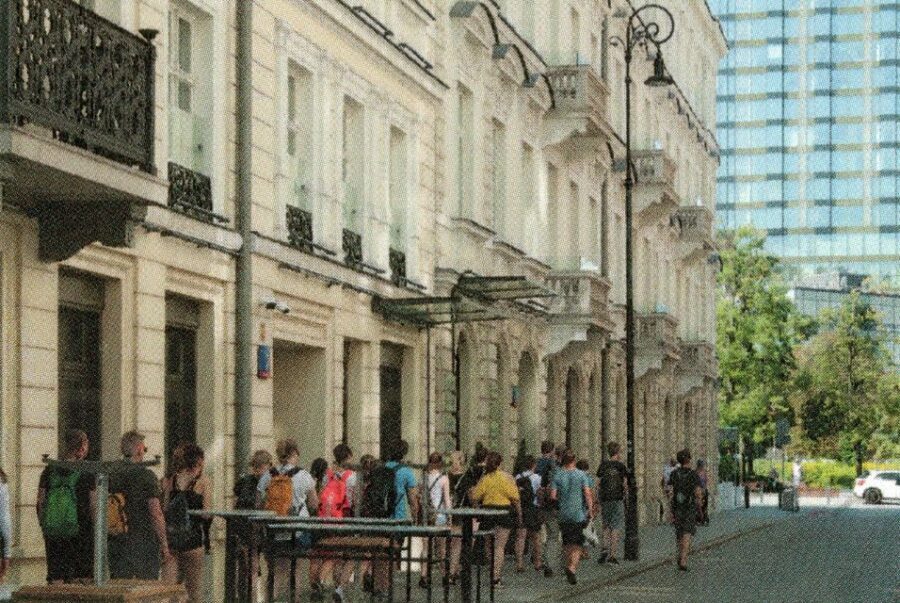
This tour usually ends at the Jewish Museum. That’s a smart design choice, because once you’ve walked through key ghetto places, the museum helps you zoom out into broader context.
Just know the timing reality: you’ll want at least 2.5 hours for the museum’s core exhibition, and it’s best to plan around opening hours:
- Monday, Wednesday, Thursday, Friday, Sunday: 10:00 am to 6:00 pm (last entrance 4:00 pm)
- Tuesday: closed
- Saturday: 10:00 am to 8:00 pm (last entrance 6:00 pm)
Audio guides are available in English and other languages, which is especially helpful when you want to go at your own pace after the guided portion.
One more practical note: entrance fees are not included. The tour may offer entrances to sites and a guided component inside the museum, but you should expect to pay museum-related entry costs separately.
Price and value: what $76 buys in two hours
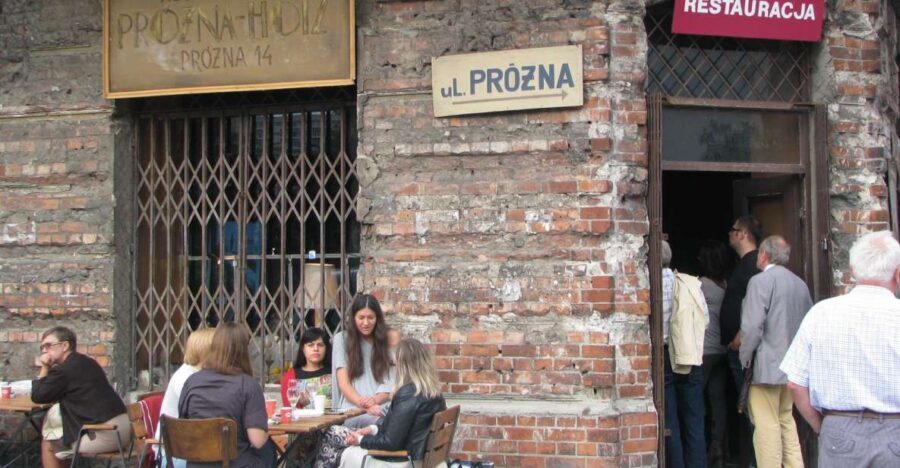
At $76 per person for a 2-hour experience, the price looks “not cheap” until you match it to what’s included. You’re getting a licensed guide, plus head sets for up to 20 people, and stops at multiple meaningful locations tied to the ghetto’s most important storylines.
The value here is less about how many streets you cover and more about interpretation. This kind of history is easy to get wrong—either too vague or too sensational. The tour is built to keep the explanation clear and structured, with guides like Marzena praised for professional, detailed answers and a warm, welcoming tone.
If you’re the type of traveler who likes to understand not only what happened but how people lived in those conditions, you’ll likely feel this is money well spent. If you only want a quick outline, you could find cheaper options—but you’d be trading depth and guided context.
Who this tour suits best (and who might want to rethink it)
This isn’t a casual “walk and chat.” It’s intense. It’s also not suitable for children under 12, which tells you the emotional and educational level the guide is aiming for.
It’s a great match for you if:
- You want a structured overview of daily life in the Warsaw Ghetto, not just major events.
- You appreciate guides who listen and answer questions clearly.
- You like linking physical sites to bigger themes—documentation, resistance, survival, and what remains today.
It may feel like too much if:
- You need a lighter tone while sightseeing.
- You prefer long museum-style time rather than a moving walking tour.
- You want a stop-by-stop “shopping schedule.” This is about places and meaning, not retail.
Should you book the Warsaw Ghetto Daily Life tour?
If you’re visiting Warsaw and you care about understanding the ghetto as a place where people tried to live, this tour is a strong booking. The combination of real-world locations—last preserved street, wall traces, the surviving synagogue, Mila 18, the Footbridge over Chłodna Street, and Umschlagplatz—gives you more than one perspective on how the system worked. Add the documentation story of Oneg Shabbat and the UNESCO-recognized archive, and you get an experience that explains not just tragedy, but evidence.
I’d book it if you also plan to continue into the Jewish Museum right after, with time to use audio guides. If you can’t handle heavy history or you’re trying to fit too many things into a single afternoon, consider choosing a calmer museum-focused day instead.
FAQ
FAQ
How long is the Warsaw Ghetto daily life tour?
It lasts 2 hours.
Where do I meet the guide?
Meet at the start point where the guide is waiting with a sign reading PolinTours.
Is the tour walking only?
No. It’s conducted by foot in combination with public transport.
What languages is the tour offered in?
The live tour guide is available in English and German.
Are entrance fees included?
No. Entrance fees are not included.
Does the tour include time at the Jewish Museum?
The tour usually ends at the Jewish Museum, and entrances to sites or a guided museum component may be offered. It’s recommended to plan at least 2.5 hours to visit the core exhibition.
What rules should I follow during the tour?
Pets are not allowed, oversize luggage is not allowed, and the tour prohibits smoking and alcohol or drugs.