REVIEW · KRAKOW
From Kraków: Wieliczka Salt Mine Guided Tour with Transport
Book on GetYourGuide →Operated by Zakopane City Tours · Bookable on GetYourGuide
Wieliczka Salt Mine turns geology into a real underground city. You’ll follow a 2-kilometer tourist route through carved chambers, salt lakes, and mining machinery, then ride up to the surface on the original lift.
Two things I really like: the tour focuses on how salt mining worked (not just what it looks like), and the underground climate stays cool and comfortable at 14–15°C year-round.
One thing to consider: it’s a big popular stop, and the return lift can take longer on very busy days, plus you’ll handle the steps down—about 800 steps on the tourist route.
In This Review
- Key highlights worth knowing
- Why Wieliczka feels like an underground city, not a museum
- From Kraków: the value of included transport and a guided day
- The 2-kilometer tourist route: 22 chambers, real working-mines vibes
- St. Kinga’s chapel and the mine’s best moments
- Guide quality: why Sebastian (and others) can make or break the day
- Steps down, lift up: how crowds affect your timing
- Temperature and comfort: 14–15°C all year means you pack smarter
- Photos cost extra: what to know before you bring your camera
- Lunch underground: what’s available and what your ticket covers
- Price and value: is $63 a fair deal?
- Who should book this tour (and who should rethink it)
- Should you book the Wieliczka Salt Mine guided tour from Kraków?
- FAQ
- How long is the Wieliczka Salt Mine guided tour with transport?
- What’s included in the price?
- Is lunch included?
- How long is the underground walking route?
- How many steps are involved?
- How do you get back to the surface?
- What temperature is it in the salt mine?
- What languages are available for the guided tour?
- Are photos allowed inside the mine?
- When is the mine closed?
Key highlights worth knowing
- A 2-kilometer route with 22 chambers connected by galleries
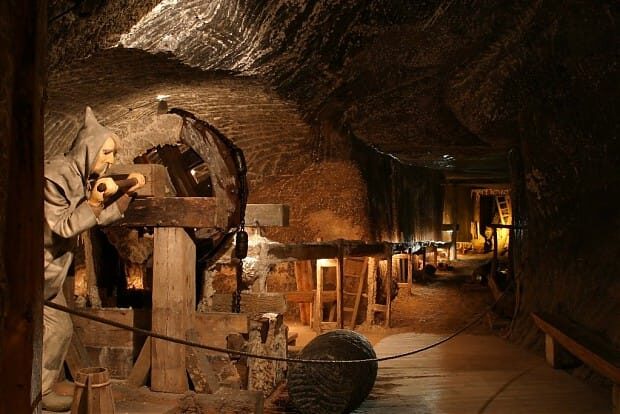
- Mining history in context, with examples of mining machines and equipment
- Salt lakes and underground artistry, including sculptures and bas-reliefs
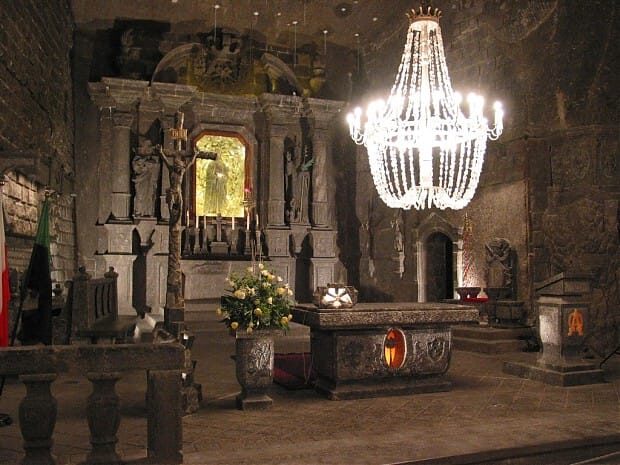
- St. Kinga’s chapel, one of the most opulent spaces in the mine
- Original lift back up (after the walk and guided route)
- Underground restaurant available for breaks and meals during your visit
Why Wieliczka feels like an underground city, not a museum
Wieliczka isn’t just a pretty cave tour. It’s a working-scale underground world that grew over centuries. The mine’s salt formations are naturally tied to deep time—formed around 15 million years ago—and then shaped into something human-made through almost nine centuries of salt exploitation.
That’s the big idea behind your visit: you’re not only looking at salt walls. You’re moving through a site that became an underground town with a steady temperature around 14°C, often described as having a therapeutic climate. Over time, the mine expanded into more than 300 kilometers of galleries and around 3,000 chambers across 9 floors, with the deepest parts reaching 327 meters underground.
And then there’s the UNESCO effect. Wieliczka became a UNESCO World Heritage site back in 1978—which matters because UNESCO status usually signals preservation and structure. In practice, you’ll feel that planning in the tourist route itself: a carefully connected walk through key chambers, designed so you experience the mine’s scale without wandering everywhere on your own.
You can also read our reviews of more guided tours in Krakow


From Kraków: the value of included transport and a guided day
This is built as a half-day excursion from Kraków. The experience runs about 150 minutes to 5 hours depending on the departure time and how your day lines up, and transportation is included. That’s not just a convenience perk. It also helps you avoid the extra stress of lining up tickets, timing buses, and coordinating arrival windows on a site that runs to scheduled entry groups.
A second value piece: the tour includes entrance and guidance. You get a licensed local guide and the ticket is handled as part of the package. The listing also notes skip-the-ticket-line, which matters here because this is one of the most eagerly visited attractions in Poland.
Language options are practical too. You’ll have a live guide in English or Spanish, so you’re not relying on a slow self-guided audio app when you want the story and details.
If you’re sensitive to timing, note the human factor: the mine can get busy. I’d treat your day as a “guided experience” with a little built-in flexibility, not a tight schedule you can plug into a perfect hour-by-hour plan.
The 2-kilometer tourist route: 22 chambers, real working-mines vibes
Your main event is the 2-kilometer tourist route. The route links 22 chambers through connected galleries, which is a sweet spot. You get enough variety to feel the mine’s different “rooms” and moods, without the visit turning into an all-day endurance test.
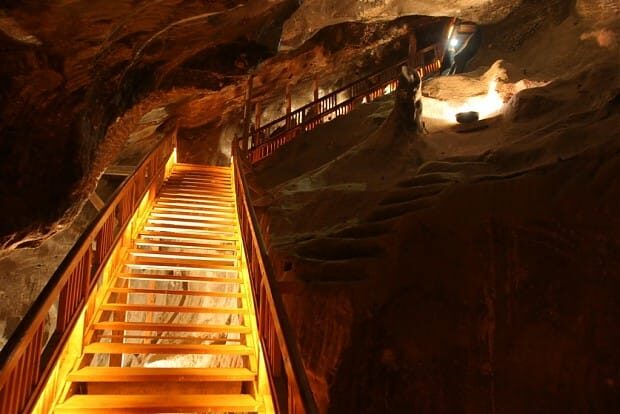
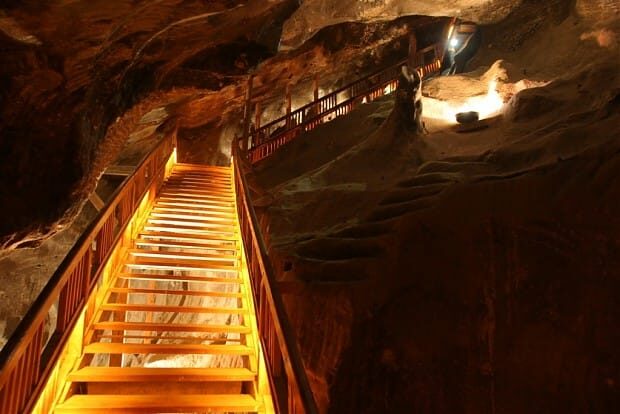
You start with the descent. The tour notes about 800 steps in total along the tourist route, including some up-and-down movement between underground levels. This isn’t a flat walking path, so if you’re someone who tires quickly on stairs, plan accordingly.
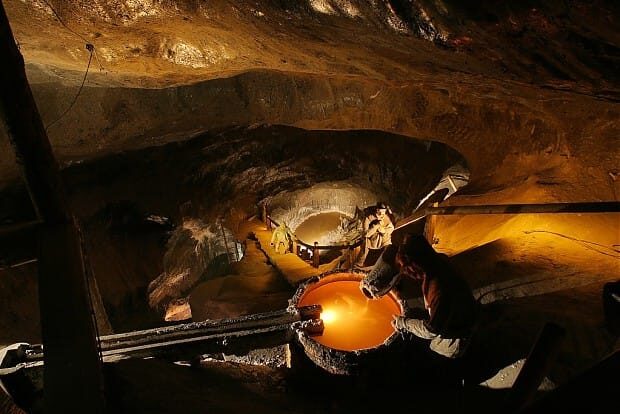
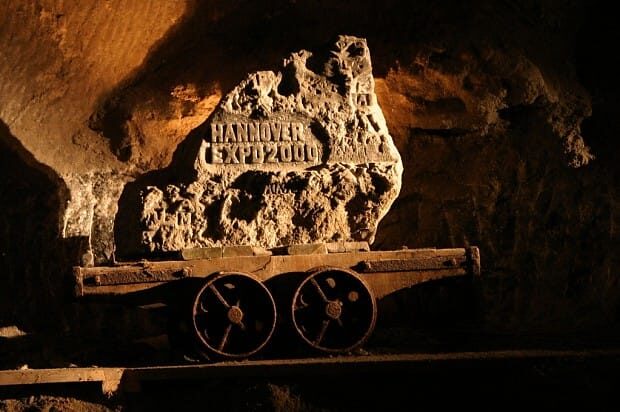
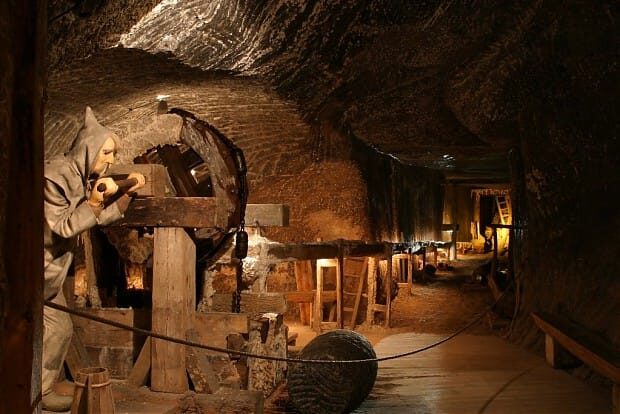
What makes the route special is that it doesn’t only chase the dramatic visuals. You also learn how miners operated. Your guide shows you examples of mining machines and equipment, and you’ll hear the development of mining alongside what you see carved into the salt.
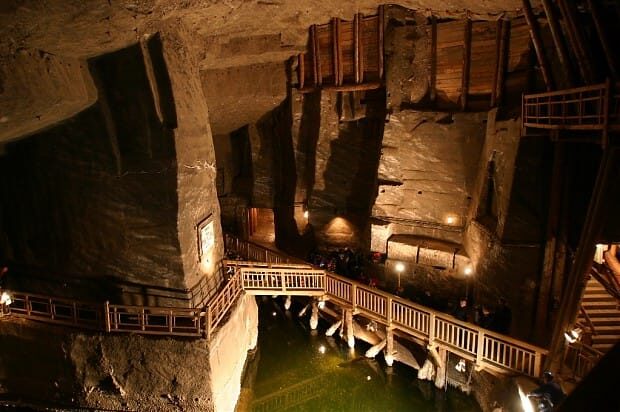
Along the way, the mine leans hard into atmosphere. Expect salt lakes, and don’t be surprised if you pause often—there are sculptures, bas-reliefs, and other crafted details that make it feel like you’re touring an underground workshop and gallery at the same time.
One extra detail to know: you’re also walking through a site that operates with real constraints. The route is managed, but it’s still a historical underground environment. So the pacing can depend on group flow inside chambers and around key photo spots.
St. Kinga’s chapel and the mine’s best moments
If you’re imagining the mine as one long corridor of salt, you’ll be pleasantly wrong. The underground chambers include both technical and artistic highlights, and one space gets repeated attention: St. Kinga’s chapel.
That chapel is the sort of stop that changes how you feel about the entire visit. You start by understanding mining as work—then you realize miners (and later caretakers) turned the mine into a place of design and symbolism. The tour info specifically calls out sculptures and bas-reliefs, and St. Kinga’s chapel is where that craftsmanship lands most dramatically.
You may also notice how the mine layers its storytelling. Instead of teaching history like a lecture, your guide ties the visuals to the evolution of the mine over time—mining methods, equipment, and the long timeline of exploitation. That connection helps the place feel coherent, not random.
Guide quality: why Sebastian (and others) can make or break the day
On a tour like this, the guide is more than narration. It’s the difference between watching “cool rooms” and understanding why those rooms exist.
A lot of the strongest impressions here came through guides who combined facts with humor. Names that show up in past tours include Sebastian, and you may also encounter guides like Vladimir or Jacob. People consistently describe the guides as funny and able to answer questions without turning the tour into a rigid script.
That matters for you because Wieliczka can overwhelm on visuals alone. The guide’s job is to help your brain organize what you’re seeing: the mine’s structure, the mining process, and the meaning behind the artistic chambers.
If you care about getting more than surface-level sightseeing, this is exactly the kind of tour where a strong guide pays off fast. You’ll feel it in how easily you follow the route and how much you remember afterward.



Steps down, lift up: how crowds affect your timing
The tour includes a lift back to the surface. That’s a huge relief after the descent, because the underground walking is real: roughly 800 steps are part of the tourist route.
But here’s the main consideration: Wieliczka is popular, and the return lift can get slower when many groups line up at once. One past experience mentioned a delay in getting back to the surface due to volume of visitors. It’s not something you can fully control, but you can plan for it.
My practical tip: treat your return time as flexible. Don’t schedule a critical appointment immediately after the mine tour. Give yourself a cushion for the lift wait and any time needed to regroup after the guided portion ends.
Temperature and comfort: 14–15°C all year means you pack smarter
The mine stays at 14–15°C year-round. That’s fantastic because it’s predictable, but it also means you’ll want actual layers—not just a light jacket you never end up using.
You’ll also be underground for long stretches while waiting at points along the route. Cool air plus stop-and-go pacing makes a big difference in comfort. Bring something easy to wear and remove if you overheat during the walking.
Also keep in mind you’ll be moving through stairs and uneven steps. Comfortable walking shoes matter more than fashion here.
Photos cost extra: what to know before you bring your camera
The tour information is clear: making pictures inside the mine may require permission. You can buy a photo permission on-site, and it costs 10 zloty.
So if photography is a priority, decide your approach early:
- If you care about lots of photos, plan on paying the fee.
- If you’re fine with just a few shots for memories, focus on the key chambers and St. Kinga’s chapel.
One good way to avoid frustration is to keep your plan simple: know you might be asked about permission, so you’re not scrambling mid-visit.
Lunch underground: what’s available and what your ticket covers
Lunch isn’t included in the tour price. Still, the mine has a cozy underground restaurant where you can rest and have lunch during your visit.
That’s a nice option because it keeps you from needing to escape the mine and then re-sync transport and entry. But since lunch is not included, budget for what you order once you’re underground.
My advice: if you’re the type who gets hungry fast, check with your guide on where the restaurant fits into your pacing. The route is structured, so you’ll likely have only a limited time window for browsing and eating.
Price and value: is $63 a fair deal?
At $63 per person, the headline question is whether this feels worth it compared to DIY plans.
From the details you get here, the value is fairly straightforward:
- Transportation is included from Kraków
- A local guide is included
- Your entrance ticket to the mine is included
- You also get skip-the-ticket-line
For many visitors, the cost isn’t just the entrance. It’s the time and coordination you save by having transport and entry handled as one bundle. Also, a guided tour helps you understand what you’re seeing in a place that’s essentially an underground labyrinth of rooms and meaning.
Could it be cheaper if you DIY? Maybe, depending on schedules and how you arrive. But for most people, $63 buys you a smoother half-day: less planning, less waiting at the start, and more interpretation from a guide.
Who should book this tour (and who should rethink it)
This is ideal for you if you want:
- a structured, guided experience in English or Spanish
- a “wow” mix of history, engineering, and art
- a half-day activity that’s different from standard museums
It’s also a strong choice if you like tours that explain how something works, not just what it looks like.
You might want to reconsider if:
- you don’t do well with steps (the tourist route includes about 800 steps)
- you’re very schedule-tight and can’t tolerate a possible lift wait on busy days
- you expect a quiet, low-crowd experience
Families often find it fascinating, but the walking and pacing are real. In past experiences, guides successfully keep groups moving, yet the mine is still built for movement down and through chambers, not for long slow sightseeing.
Should you book the Wieliczka Salt Mine guided tour from Kraków?
I think this is a strong yes for most visitors. It’s priced reasonably for what you get: transport + guided entry + a curated 2-kilometer route plus the original lift back. The underground setting is genuinely memorable, and St. Kinga’s chapel gives the whole day a clear peak moment.
Book it if you:
- want a guided explanation in English or Spanish
- like hands-on context, like mining machines and how salt extraction evolved
- can handle stairs and a cool underground temperature
Skip or swap plans if you:
- have trouble with lots of steps
- need an exact return time to the minute
- dislike crowded popular attractions
FAQ
How long is the Wieliczka Salt Mine guided tour with transport?
The tour duration is listed as 150 minutes up to 5 hours, depending on starting times and how the day runs.
What’s included in the price?
Included are transportation, a local guide, and the entrance ticket to the Salt Mine.
Is lunch included?
No. Lunch is not included, though there is an underground restaurant where you can take a rest and have lunch.
How long is the underground walking route?
The tourist route inside the mine is about 2 kilometers, covering 22 chambers connected by galleries.
How many steps are involved?
The tour notes that you walk down with about 800 steps in total on the tourist route.
How do you get back to the surface?
You return to the surface by lift, described as an original lift provided within the mine.
What temperature is it in the salt mine?
The mine temperature is constant at about 14–15°C all year.
What languages are available for the guided tour?
The guide is offered in Spanish and English.
Are photos allowed inside the mine?
Picture permission may cost extra. The tour indicates you can buy permission inside the mine for 10 zloty.
When is the mine closed?
The mines are closed on 1 November, 24 December, 25 December, 31 December, and 1 January.