REVIEW · KRAKOW
Guided Tour of Plaszow Concentration Camp, Kraków
Book on GetYourGuide →Operated by Hello Cracow · Bookable on GetYourGuide
Plaszow hits you because it has space to think. This guided tour is built for reflection pacing, with an expert guide helping you connect scattered remains into a clear story of what happened, and it also adds the extra hook of Schindler’s List filming location context so the history feels grounded in what you’ve likely seen on screen. The site is mostly open ground, so you won’t get the easy comfort of preserved buildings—just real memorials, quiet paths, and careful explanations.
One potential drawback: because the camp is remembered through memorials and traces rather than intact structures, you have to lean in mentally. If you’re expecting something visually similar to a museum, you may find the emptiness challenging—but that’s also why the tour works so well for honoring victims with the right tone.
In This Review
- Key points before you go
- Plaszow in context: why this tour feels different in Kraków
- The 2-hour walk: what you’ll cover stop by stop
- The Grey House: a camp node you can actually picture
- Pre-burial hall ruins: where people disappeared from sight
- Jewish cemetery traces: history layered under the camp
- Roll-call square: the routine of control
- Paths with gravestone fragments: a route made of broken memory
- Major memorials: honoring victims without rushing past
- Schindler’s List: why the film connection is more than a trivia hook
- How Plaszow evolved: learning the camp’s changing roles
- Why the pace and format matter (and who this tour suits)
- Great fit for
- Consider before booking
- Price and value: what $29 buys you
- Practicalities that help your day run smoothly
- Should you book Plaszow? My honest take
- FAQ
- FAQ
- How long is the Plaszow guided tour?
- How much does the guided tour cost?
- What is included in the price?
- Where do I meet the guide?
- Is the tour offered in English?
- Is the tour wheelchair accessible?
- What should I do about arriving on time?
- What kinds of topics will the guide cover?
Key points before you go
- A route designed for reflection, not speed, so the guide can pause at major memorials instead of sprinting between stops
- Schindler’s List connection through filming locations, tied to Oskar Schindler’s efforts to protect people registered through Plaszow
- Plaszow told in full evolution, from forced labor to concentration camp redesignation, and later transit for Hungarian Jews
- Stop-by-stop walk of the surviving footprint, from the Grey House to the roll-call square and paths marked by gravestone fragments
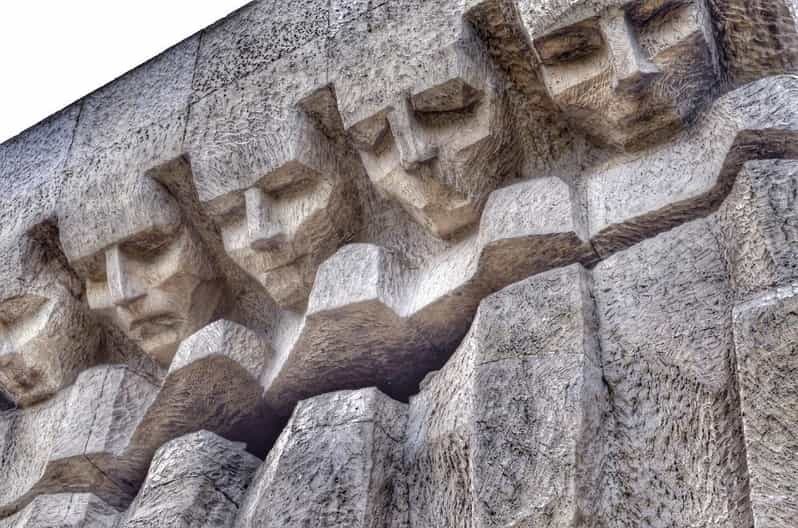
- Memorial focus over spectacle, including the Monument of Torn-Out Hearts and reminders of executions across the camp
- Small-group style moments happen, which is a big reason people praise how much time the guide has for questions
Plaszow in context: why this tour feels different in Kraków
Plaszow Concentration Camp sits in Lesser Poland, just outside the idea of a typical city attraction. The experience starts with an important reality: Plaszow was created by Nazi German occupiers in October 1942 on the grounds of two Jewish cemeteries in Kraków. That detail matters, because it shapes what you’ll see—memorials on open space where life was forcibly erased, and where traces carry weight.
This 2-hour guided walk focuses on turning what remains into something you can actually understand. The guide pieces together major areas: where prisoners were processed, where camp functions were organized, and where violence happened. With few intact buildings, Plaszow doesn’t try to recreate the past. Instead, it asks you to observe, absorb, and remember carefully.
If you’ve watched Schindler’s List, you’ll also appreciate why this tour ties film locations to history. It’s not just name-dropping. The story of Oskar Schindler is inseparable from Plaszow’s narrative: he used his enamelware business to obtain work permits for Jewish prisoners registered through Plaszow, which helped shield many people from further transports. Later, he arranged their transfer to his wartime plant in Brünnlitz, saving over a thousand lives. That thread gives the tour a human center without washing out the cruelty of what Plaszow was.
You can also read our reviews of more guided tours in Krakow
The 2-hour walk: what you’ll cover stop by stop
The tour is timed for a focused pace—long enough to connect the dots, short enough to keep your attention steady. You’ll move across key points within Plaszow and stop to reflect at major memorials. Here’s how the walk is structured in spirit, and what each portion is meant to help you understand.
The Grey House: a camp node you can actually picture
The route begins with the Grey House, one of the anchor points that helps the story feel concrete. Even when a place is mostly empty, certain remnants help your brain map functions. The guide uses these points to explain how the camp wasn’t just one thing. It operated like a controlled system with different areas and purposes.
You’ll get a sense of how daily camp administration worked and how prisoners were managed. This part of the tour sets the tone: this is not a vague “camp experience.” It’s an organized structure that ran on fear and force.
Pre-burial hall ruins: where people disappeared from sight
Next come the ruins of the pre-burial hall. This stop is likely the one that hits hardest, not because the guide performs emotion, but because the location speaks for itself. The camp’s cruelty included erasing human traces, and this area helps you understand the sequence of detention and death without turning it into spectacle.
The value here is clarity. You’re not left with general impressions. You’re shown how the system handled bodies and logistics, while also giving you memorial space to process what you’re learning.
Jewish cemetery traces: history layered under the camp
Plaszow was built on two Jewish cemeteries in Kraków. On the walk, you’ll encounter traces of those cemeteries, and the guide uses them to explain how the camp displaced a community’s sacred ground.
This is where the tour becomes especially meaningful for people who want more than a single timeline. You’ll see how history can be layered—cemeteries becoming targets, and memory being fought over as much as bodies were. It’s not comfortable, but it’s honest.

Roll-call square: the routine of control
The roll-call square is a key stop because it shows how the camp controlled people through repetition and public visibility. Roll call wasn’t only a headcount. It was also a method of power—keeping prisoners under constant observation and discipline.
Standing in that kind of open area helps you understand how the camp worked even when you don’t see walls or buildings. You’re forced to use imagination, but the guide keeps it grounded with concrete explanations.
Paths with gravestone fragments: a route made of broken memory
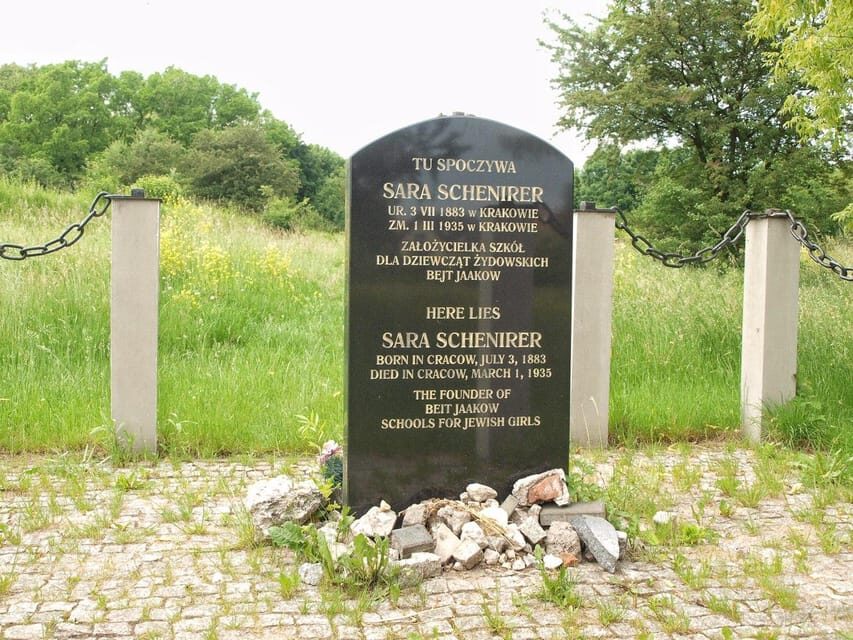
One of the tour’s most haunting details is the idea of paths once paved with fragments of gravestones. The guide points out how even the physical ground carried the camp’s violent takeover of cemetery space.
For me, the lesson is how “ordinary” details can become evidence. If you’re paying attention, you’ll realize this isn’t just about events in the abstract. It’s about the specific ways perpetrators tried to destroy identity—down to stone fragments.
Major memorials: honoring victims without rushing past
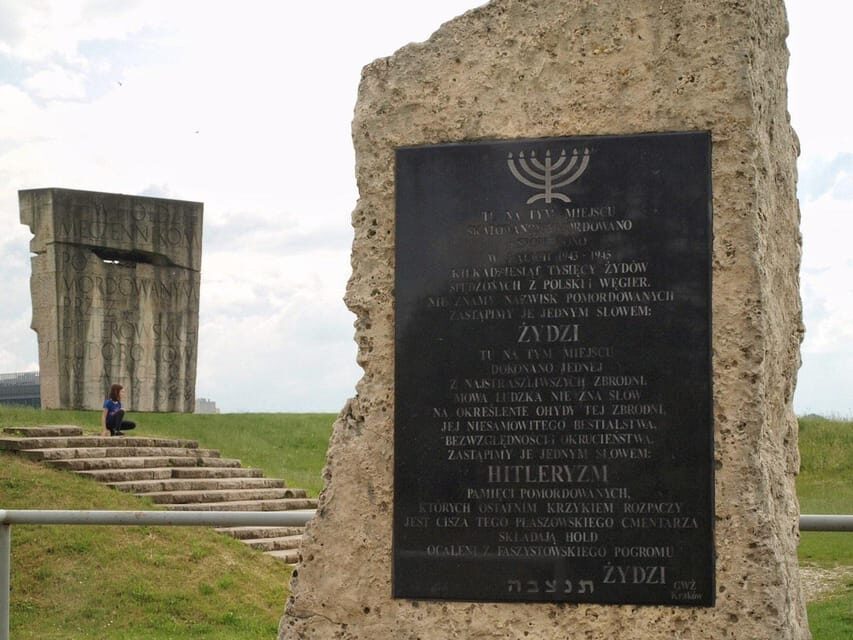
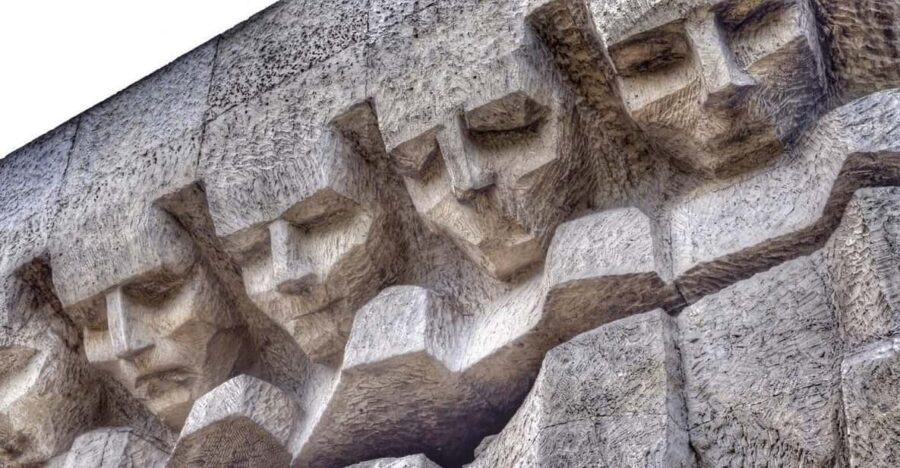
The tour’s reflection breaks at major memorials, including the Monument of Torn-Out Hearts. This kind of memorial is powerful because it doesn’t ask you to look away. It asks you to sit with what happened and honor the people whose lives were stolen.
Importantly, the route is paced for reflection, not rush. That matters. If your group just keeps moving, the mind never catches up. Here, you’re given time to absorb what the guide is connecting—history, site layout, and remembrance—so you leave with understanding rather than just facts.
Schindler’s List: why the film connection is more than a trivia hook
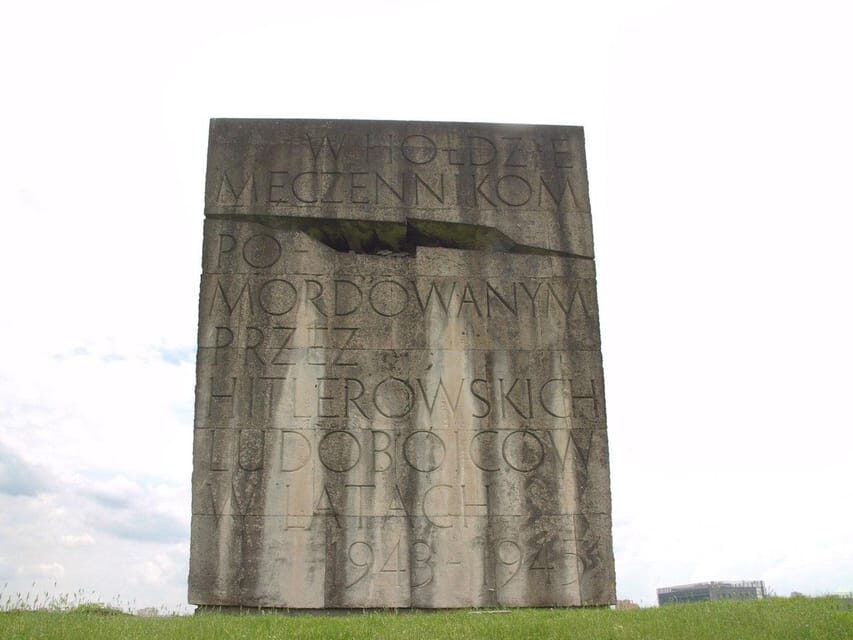
Many tours stop at the camp story. This one adds an extra layer by explaining filming locations from Schindler’s List in relation to Plaszow.
The reason this is valuable is that film can distort as easily as it informs. By tying specific locations to the real site, you get a check on your assumptions. The guide helps you separate cinematic impression from historical meaning.
But the Schindler material is more than screen connections. It’s also a moral counterpoint grounded in actions. Oskar Schindler’s work permits for Jewish prisoners registered through Plaszow were a deliberate attempt to interrupt transports. Later, moving many of those people to Brünnlitz preserved more than a thousand lives. That doesn’t make Plaszow any less horrific. It does make the story more human—and more specific about what saved people.
If you like history with named stakes and real choices, you’ll likely appreciate this section.
How Plaszow evolved: learning the camp’s changing roles
Plaszow didn’t stay the same. The guide walks you through its shifting function over time, and that’s one of the reasons the 2 hours feel worthwhile. It’s not a single-scene tragedy. It’s a machine that adapted.
Here’s what you’ll hear about, in plain language:
- It started as a forced-labor camp for Jews from the liquidated Kraków Ghetto.
- From July 1943, it also held Poles in a penal-labor section.
- In January 1944, it was redesignated as a concentration camp.
- It later functioned as a transit camp, including for Hungarian Jews sent toward Auschwitz.
- Over its existence, more than 35,000 people were imprisoned there, and around 6,000 were murdered.
- Executions took place at several sites within the camp, marked today by mass graves and memorials.
You might find it helpful to remember that “camp” can mean different things depending on the phase. This tour helps you see that progression, so you don’t leave with a generic label.
Why the pace and format matter (and who this tour suits)
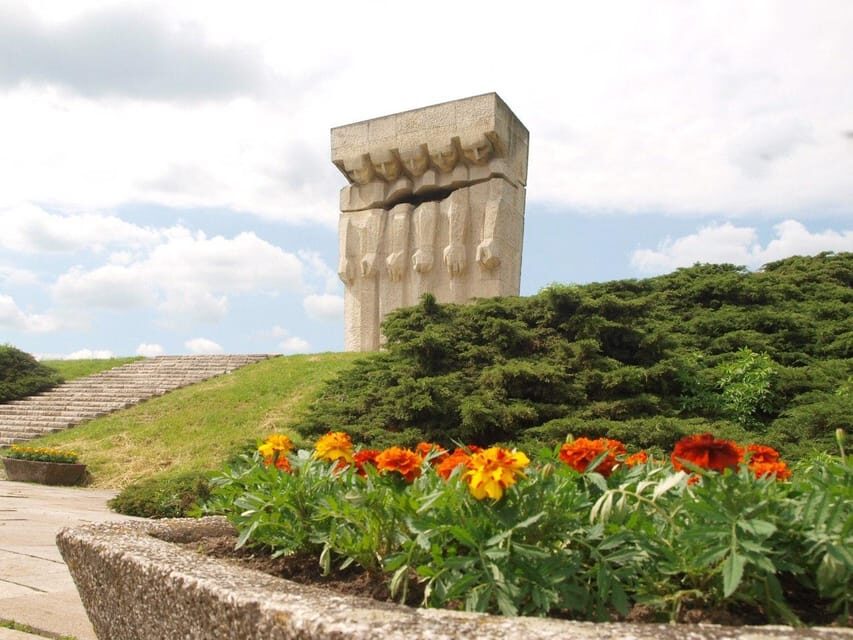
Plaszow offers open ground, silence, and space for reflection. That’s not just poetic—it affects how you process the information. When there are few preserved buildings, you rely on the guide to rebuild the layout through explanation. That takes a calm pace.
This is also why the tour works best when you show up mentally ready. Keep your phone away when the guide is speaking at memorials. Let the pauses do their job. If you’re the type who likes to rush photos, this is not the place to speed through.
Great fit for
- People who want history that respects the site and keeps emotion grounded
- Anyone who has seen Schindler’s List and wants to understand what’s behind the scenes
- Readers, students, and visitors who prefer guided context over self-guided wandering
- Anyone who values time for questions, especially in smaller groups
Consider before booking
If you prefer preserved buildings, reconstructed interiors, and lots of visual structure, you may feel the lack of physical remains. That’s not a failure of the tour. It’s the nature of Plaszow as a place of memory.
Price and value: what $29 buys you
At $29 per person for a 2-hour guided tour, you’re paying for more than walking access. You’re buying an expert licensed guide who can explain a complicated timeline, point out meaningful traces in the ground, and connect memorial stops to the camp’s organization.
This is one of those experiences where value comes from interpretation. The site is emotionally heavy, and the differences between “seeing the place” and “understanding the place” are huge. The guide’s role is what makes the open space readable.
Also included: a licensed guide and a single tram ticket. That small transport piece reduces friction on the day, especially if you’re using Kraków’s transit to reach the area.
Practicalities that help your day run smoothly
You’ll meet the guide by looking for the excursions.city sign. Plan to arrive about 10 minutes early. Once the group departs, latecomers can’t join, and tickets aren’t refundable, so give yourself a buffer.
The tour runs in English only and is described as wheelchair accessible. If that matters for you, it’s smart to consider the walk and the time on your feet, but the listing indicates accessibility support.
In terms of timing, the duration is 2 hours. That’s long enough for a guided arc, but short enough that you don’t feel dragged through a single long silence.
Should you book Plaszow? My honest take
Book it if you want a respectful, organized explanation of Plaszow that doesn’t turn the site into a photo stop. I like the way this tour uses open ground and memorials instead of pretending the past can be rebuilt. You’ll come away with a clearer camp timeline, a better understanding of how Schindler’s efforts related to people registered through Plaszow, and a sense that the pacing is built for remembrance.
Skip it only if you’re looking for preserved architecture and a lighter, casual sightseeing vibe. Plaszow is not that. It’s about confronting history, honoring victims, and letting silence and space do part of the work.
FAQ
FAQ
How long is the Plaszow guided tour?
The tour lasts 2 hours.
How much does the guided tour cost?
It costs $29 per person.
What is included in the price?
The tour includes a licensed guide and a single tram ticket.
Where do I meet the guide?
Meet at the start point by looking for the guide with the excursions.city sign.
Is the tour offered in English?
Yes. The tour is available in English.
Is the tour wheelchair accessible?
Yes, the tour is listed as wheelchair accessible.
What should I do about arriving on time?
Arrive about 10 minutes before the tour begins. Once the group departs, latecomers can’t join and tickets can’t be refunded.
What kinds of topics will the guide cover?
Expect an overview of Plaszow’s history, reflection at major memorials, and context about Schindler’s List filming locations and Oskar Schindler’s role through work permits and transfers.