REVIEW · GDANSK
Gdańsk: World War II Tour
Book on GetYourGuide →Operated by Poland By Locals · Bookable on GetYourGuide
Gdańsk kicks off the story of WWII. This tour strings together key sites like Westerplatte and the Free City era, with the focus on what the war meant for Poles, not just dates and headlines. I especially like the on-the-ground pacing and the way local guides bring Polish perspectives to each stop.
One thing to consider: it is not suitable for people with mobility impairments, and the route is easiest if you can handle walking in historic areas and getting in and out of a car.
In This Review
- Key things worth knowing before you go
- Why Gdańsk Starts the WWII Story
- Westerplatte: The Opening Shot You Can Still Walk
- The Museum of the Polish Post: A Short Stop With Real Emotional Weight
- The Main City Walk: Tracing the War Through Gdańsk Streets
- Gradowa Mountain: When the Story Shifts to Aftermath
- Price and Logistics: Does $195 Per Person Make Sense?
- Who This Tour Fits Best (and Who Should Rethink It)
- Should You Book the Gdańsk WWII Tour?
- FAQ
- How long is the Gdańsk WWII tour?
- What does the tour cost?
- Is pickup from my accommodation included?
- What’s included in the price?
- What languages are available?
- Is this a private group tour?
- Can I reserve and pay later?
- Is free cancellation available?
- Is the tour wheelchair accessible?
Key things worth knowing before you go
- Westerplatte focus: you get a guided, time-bounded visit that sets the war’s opening context fast.
- Polish Post Museum stop: a short but meaningful add-on that keeps the story human-sized.
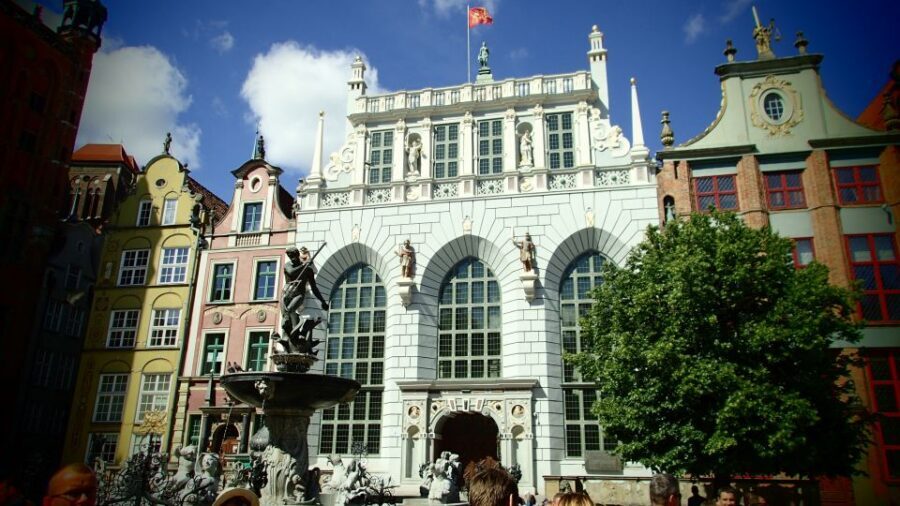
- Main City + wartime arc: you trace how the conflict spread through the city’s story from earlier events toward 1945.
- Small private group: you can adjust to your needs, depending on your guide and timing.
- Hotel pickup included: easier start, less time wrestling with transit on arrival.
Why Gdańsk Starts the WWII Story
Gdańsk is where the Second World War’s opening act hits close to home for Europe. Even though the city itself wasn’t the first target in the initial phase, the war’s momentum still dragged Gdańsk into the worst kind of ending by 1945. That contrast matters, and it’s what I like about this tour: it treats the city as more than a backdrop.
Instead of just listing facts, the guide frames the events as a chain of choices, fear, resistance, and consequence. You’re not only learning about battles. You’re also learning how a city and a country experienced them—through the eyes of Poles, with the strain of multiple nations and the weight of human tragedy.
You also get a clear time-and-place shape to the story: from the Free City of Gdańsk era to the period when Soviet forces advanced. If you’ve ever wondered how a local place becomes world history, this tour gives you the connecting tissue.
You can also read our reviews of more tours and experiences in Gdansk.


Westerplatte: The Opening Shot You Can Still Walk
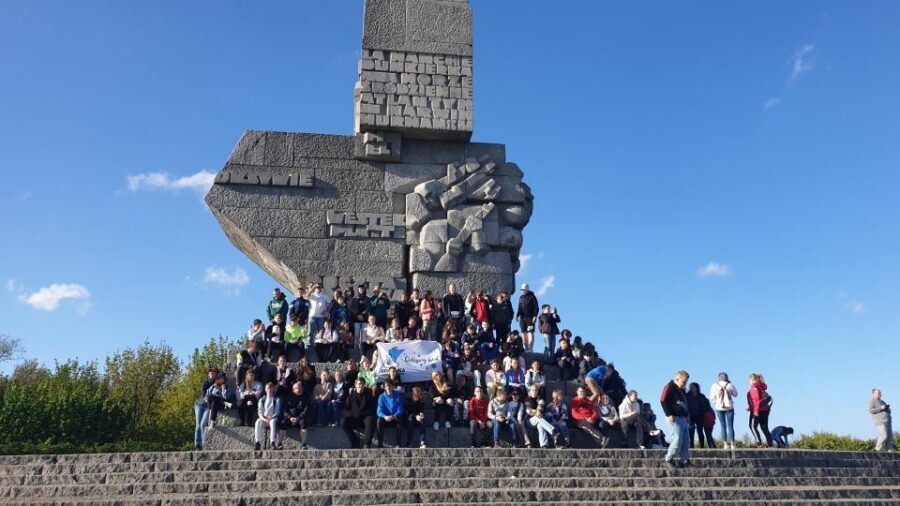
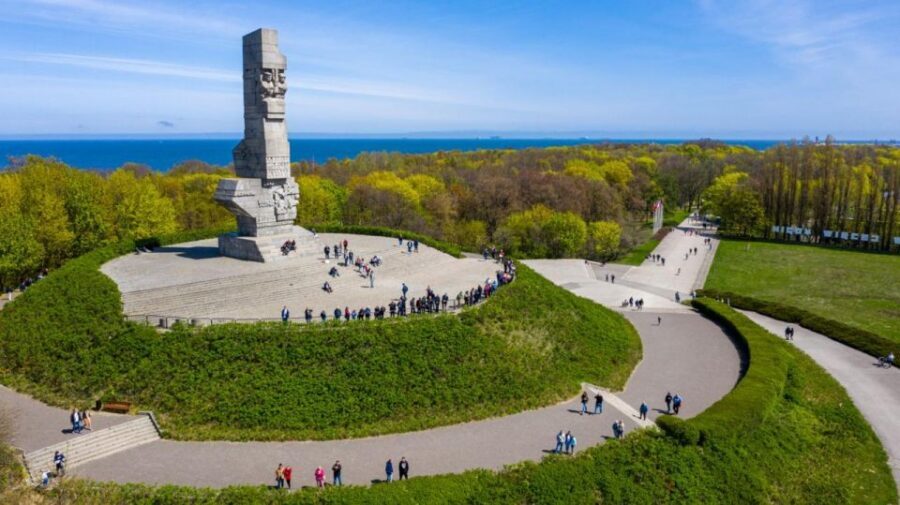
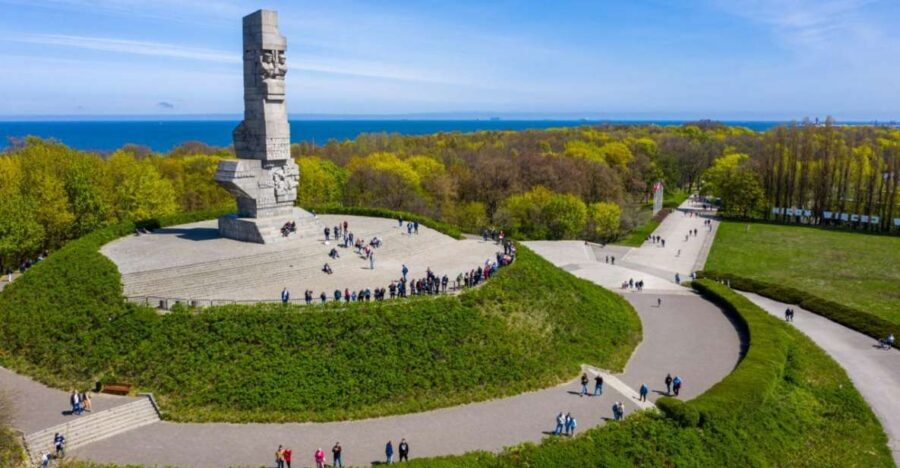
Westerplatte is the kind of place where history doesn’t sit behind glass. It sits in the ground you stand on. During the guided stop, you get about an hour to learn what happened there and why it mattered in the larger war.
This is one of the strongest parts of the experience because Westerplatte works on two levels at once. First, it’s a specific location with a specific role in the opening days. Second, it’s a symbol of stubbornness and cost—how quickly a normal rhythm can be broken and how long the damage can last.
A good guide can make the details click without turning the hour into a lecture. In particular, I’d pay attention to how your guide connects the site to the bigger arc: not just what happened first, but how that starting point echoed forward through Poland’s wartime experience.
Tip: wear shoes you trust. Even when a tour feels short on paper, you still spend real time walking and looking closely at spots that reward slow attention.
The Museum of the Polish Post: A Short Stop With Real Emotional Weight
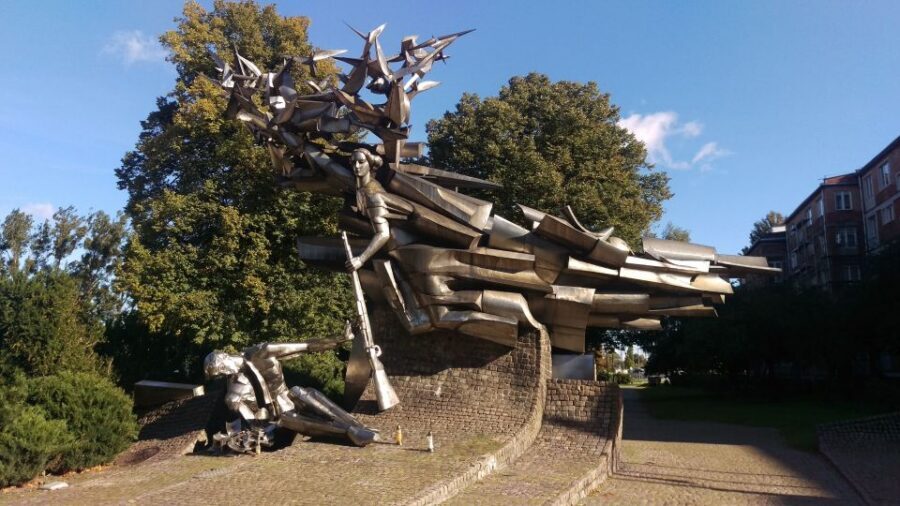
After Westerplatte, the Museum of the Polish Post adds an important change of tone. Instead of keeping everything at the level of military action, you shift to communications, orders, and the way people tried to hold on to normal functions while chaos spread.
This stop is guided and time-limited—around half an hour—but that can be a benefit if you want your day to keep flowing without running out of energy. It also helps the tour avoid the common mistake of turning into only battlefield sightseeing.
Even in a brief visit, the museum stop works because it reminds you that war isn’t only tanks and uniforms. It’s also messages that arrive too late, information people fight to preserve, and the tension of knowing that a single interruption can change everything.
If you’re the type who likes history in “small, specific” units—letters, roles, and everyday systems—this part often lands harder than you expect. It’s also a smart way to break up the more intense outdoor setting.
The Main City Walk: Tracing the War Through Gdańsk Streets
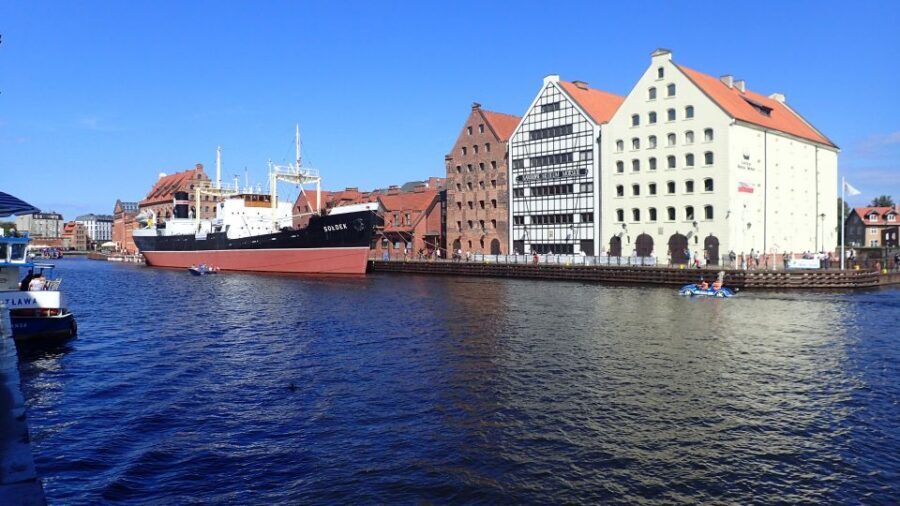
The main city portion is where the tour earns its full value. It’s one thing to see one historic site. It’s another to understand how a city carries layers of meaning—especially when the war’s story doesn’t end neatly.
In roughly an hour of guided touring, you connect earlier events and local context to what followed as the war intensified. The guide’s job here is to help you read the city like a timeline: where you are, why it matters, and how it fits into the bigger progression of events.
This is also where a great guide can turn the experience from “I saw places” into “I understand the sequence.” I’ve found that guides with a genuine love for Gdańsk often do this naturally—pointing out details that make you feel oriented fast and giving you a sense of pride without glossing over the damage.
If you care about authenticity, this is the stage that often feels the most like a real local walk. You’re not just hopping between monuments. You’re moving through the city’s shape and context while the guide explains what the war meant for Gdańsk as it unfolded.
Gradowa Mountain: When the Story Shifts to Aftermath
The tour highlights Gradowa Mountain as part of its WWII storyline, and that matters because it shifts your attention from the opening shock to the lingering consequences. Even without you needing a long detour, this kind of stop gives you a chance to step back and see the bigger pattern: destruction, survival, and rebuilding under extreme pressure.
This is where the experience helps you make sense of the “why” behind the history. You start to understand that the war’s end wasn’t just a date on a calendar. For Gdańsk, the finale came with deep tragedy in 1945, and the story you hear here reinforces that.
If you’ve visited Gdańsk before and thought you already knew it, this kind of viewpoint can still surprise you. It changes how the city feels from the ground up, and it makes the wartime story feel tied to real geography rather than distant textbook images.
Bring layers. If the weather shifts on you, an overlook or higher spot can feel colder than the city core.



Price and Logistics: Does $195 Per Person Make Sense?
At $195 per person for a 210-minute private tour, the value depends on what you want out of the day. If you like guided context and want someone to connect the sites into one storyline, this price can feel fair because you’re paying for organization, transportation, and interpretation—not just entry-level sightseeing.
Here’s what you’re getting that supports the cost:
- Pickup and drop-off at your accommodation or a central location in Gdańsk
- Transportation in a car or minivan
- A tour guide (English or Polish)
- Water
- A private group setup, which usually makes it easier to ask questions and adapt to your pace
For a WWII tour, that matters. These places are meaningful, but they can also be confusing if you go unguided. A good guide helps you avoid the “I saw a sign, now what?” problem.
Also, because it’s private, you’re less likely to feel rushed. One of the real-world strengths from guides like Bożena and Roxana is that they’re comfortable setting a friendly tone early and adjusting to your needs, which is a big deal when you’re trying to fit this into a short trip to the city.
Small practical note: you’re on the move for a few hours. If you’re expecting a long, slow, museum-style day, you might wish you had more time at each stop. But if you want a structured, high-impact WWII overview, the timing is built for that.
Who This Tour Fits Best (and Who Should Rethink It)
This tour is best for you if you:
- Want a guided WWII narrative that links multiple sites instead of jumping randomly between them
- Appreciate local perspectives and want the war explained through what it meant for Poles
- Prefer private guiding so you can ask questions and go at a comfortable pace
It may be the wrong choice if:
- You need accessibility accommodations for mobility issues, since it is not suitable for people with mobility impairments
- You dislike weather changes and aren’t willing to dress for the outdoors, since it’s recommended to bring clothes appropriate for bad weather
Language is another factor. The guide can work in English or Polish, so if you’re choosing this for language comfort, you’ll want to confirm your starting language with the provider when you book.
Should You Book the Gdańsk WWII Tour?
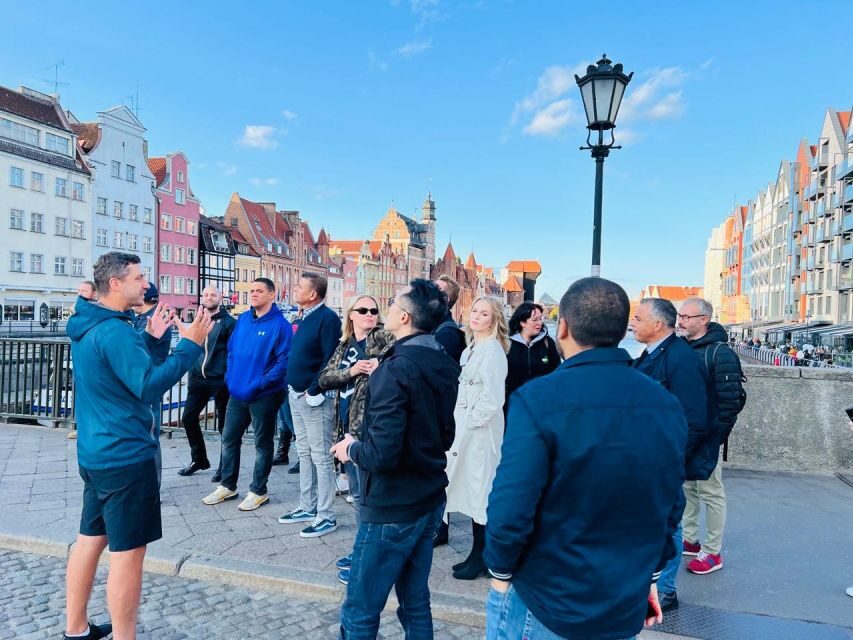
I’d book this if you want an efficient, guided way to understand why Gdańsk is so important to WWII history—and you want it explained clearly rather than guessed from plaques. The strong pairing of Westerplatte with the Polish Post museum and the city walk gives you both the opening conflict and the broader impact.
You should pause if you’re expecting a long, sit-down, slow museum day. This tour is paced for about 3.5 hours, with shorter guided segments at key stops. For many people, that’s a feature, not a bug. For others, it feels like a fast first contact that leaves you wanting more time at one site.
If you’ve never been to Gdańsk’s WWII sites, this tour is a smart starting point. If you’ve been before, it can still work because the guided framework changes how the city reads in your head.
FAQ
How long is the Gdańsk WWII tour?
The tour lasts 210 minutes.
What does the tour cost?
The price is $195 per person.
Is pickup from my accommodation included?
Yes. Pickup and drop-off are included at your accommodation or a central location in Gdańsk.
What’s included in the price?
You get transportation in a car or minivan, a tour guide, and water.
What languages are available?
The live tour guide is available in English and Polish.
Is this a private group tour?
Yes, it’s a private group.
Can I reserve and pay later?
Yes. The option is reserve now and pay later.
Is free cancellation available?
Yes. You can cancel up to 24 hours in advance for a full refund.
Is the tour wheelchair accessible?
It’s not suitable for people with mobility impairments.