REVIEW · KRAKOW
Wawel Castle and Cathedral Guided Tour
Book on GetYourGuide →Operated by EVENTS MANAGEMENT Sp z o.o. · Bookable on GetYourGuide
Wawel is where Poland’s kings left fingerprints. From the limestone hill above the Vistula, this guided walk gives you the royal setting first, then the rooms and sacred spaces that explain why Wawel mattered for centuries. You’ll see why this complex has been both a seat of power and a stage for national ceremony, not just a museum stop.
I especially like two things. First, the tour treats the Wawel Cathedral as more than a pretty church, focusing on how different chapels and tombs tell the story of rulers, poets, and national heroes. Second, I love the way the castle visit connects you to artistry, with highlights such as Flemish tapestries and a decorative ceiling shown inside the State-area rooms.
One thing to consider: with only 2 hours, the pacing is brisk. If you want extra time in every chapel or a longer climb up to the towers, you may wish you had more hours (or added time on your own outside the tour).
In This Review
- Key highlights you’ll care about
- Wawel Hill: Why This Spot Feels Like Krakow’s Power Center
- A Tight 2-Hour Plan That Still Hits the Main Meaning
- Inside the Castle Courtyard and Chambers: Arcades, Tapestries, and Italian Craft
- The Castle’s Royal Story: From Polish Rulers to Ongoing Ceremonies
- Wawel Cathedral in One Visit: Gothic to Renaissance to Baroque
- Underground Crypts and Tombs: Kings, Poets, and National Heroes
- The Royal Sigismund Bell and a Tower Stop If You Want One
- What You Pay for: $58 Value, Built Around Real Tickets and Real Time
- Guides Matter: Multilingual Support That Shows Up in the Details
- Castle Exhibition Ticket: One of Three Options (and Why That’s Not a Problem)
- Practical Tips for Seeing Wawel With a Clear Game Plan
- Who Should Book This Wawel Castle and Cathedral Tour
- Should You Book It? My Decision Rule
- FAQ
- How long is the Wawel Castle and Cathedral guided tour?
- What is included in the price?
- Which permanent exhibition will I visit in the castle?
- Do I need a separate ticket for the cathedral?
- Is the tour available in multiple languages?
- Can I see the Royal Sigismund Bell?
- Is the tour 2 hours no matter what?
- Where do I meet the guide?
- What is the cancellation window?
Key highlights you’ll care about
- Royal Wawel setting first: hill panorama over the bend of the Vistula, plus the idea of being fortified by nature
- Castle courtyard impact: slender arcades that make the complex feel lighter than you’d expect
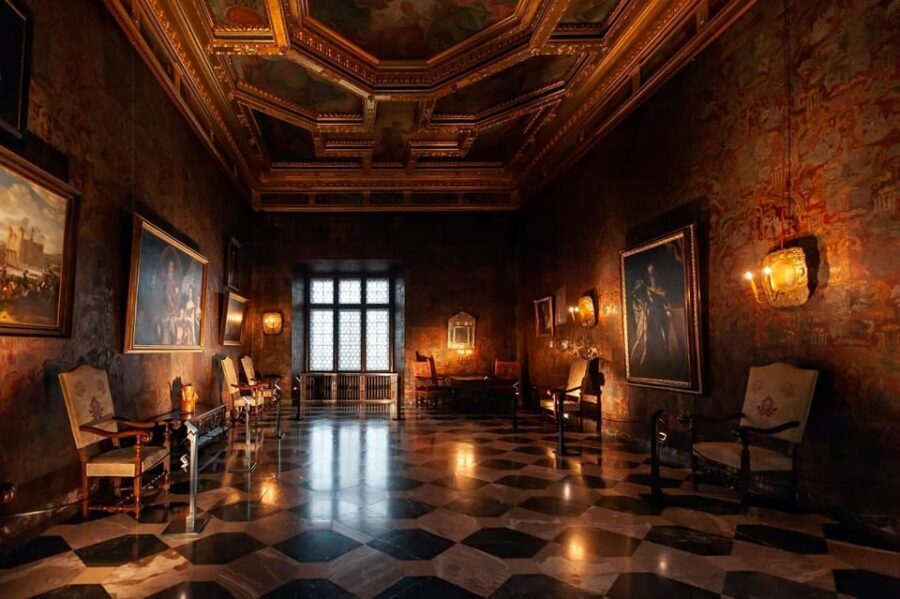
- Art you can actually picture: famous Flemish tapestries and a decorative ceiling in the castle chambers
- Cathedral “faces”: a guided tour through Gothic, Renaissance, and Baroque chapels
- Sigismund Chapel focus: treated as the crown jewel among the chapels
- Royal Sigismund Bell: learn when it’s rung, and how a tower stop works if you want the view
Wawel Hill: Why This Spot Feels Like Krakow’s Power Center
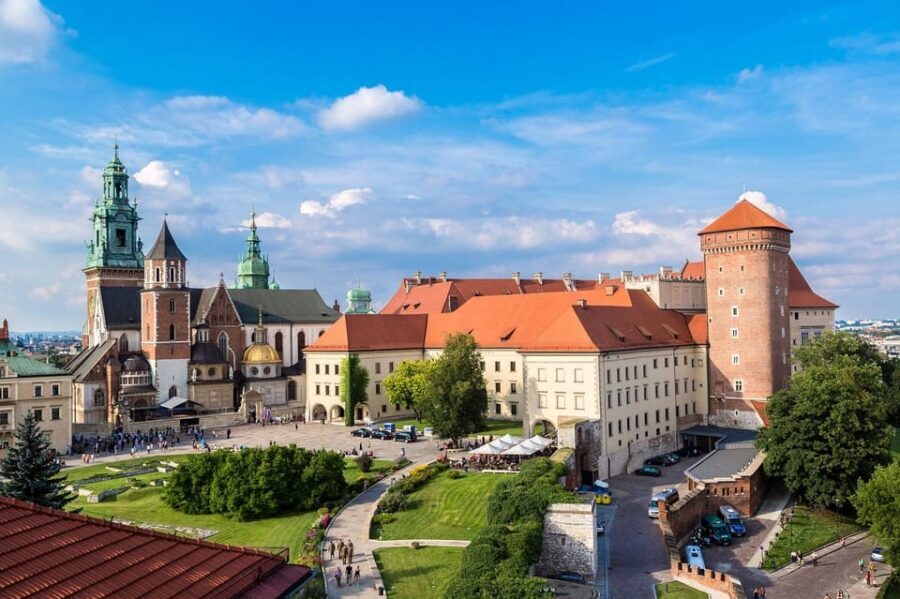
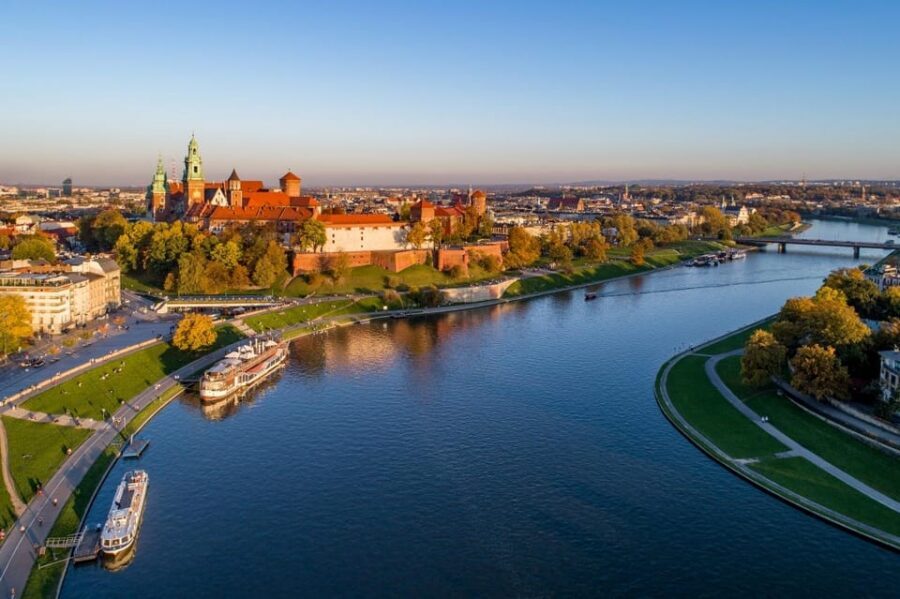
Wawel sits on a limestone hill above the bend of the Vistula, in a spot that feels defended without even trying. Before you step inside, I like that the tour starts by giving you the big-picture setting: fortifications shaped by geography, not only walls. That moment matters because Wawel wasn’t built for convenience. It was built to signal authority.
Once you see the hill’s panorama, the rest makes more sense. The castle isn’t just “a building in Krakow.” It’s a visual claim to power—high ground, controlled approach, and a skyline presence that tells people who belongs on top.
You can also read our reviews of more guided tours in Krakow


A Tight 2-Hour Plan That Still Hits the Main Meaning
This tour runs for 2 hours, so you’re not doing a slow wander. What’s smart is that the time is spent where interpretation helps most: the castle interiors and the cathedral’s most story-driven spaces. You’ll get professional guidance, plus planned access to a permanent exhibition ticket for the castle side (depending on what’s available that day).
In practice, that means you leave with clear mental anchors. You’ll know what to look for in the cathedral chapels, you’ll connect the castle rooms to royal life, and you’ll understand why Wawel remained important even after the king moved to Warsaw at the end of the 16th century.
Inside the Castle Courtyard and Chambers: Arcades, Tapestries, and Italian Craft
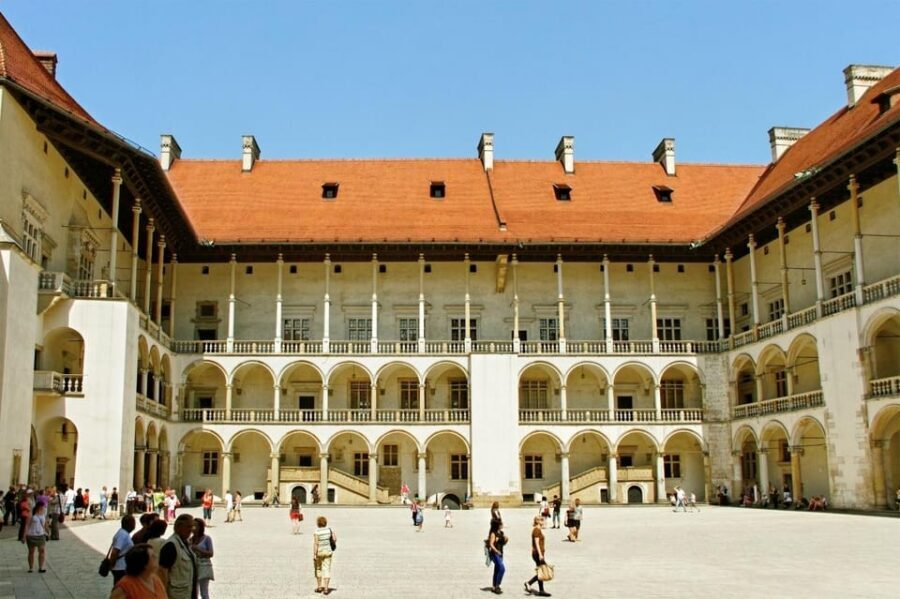
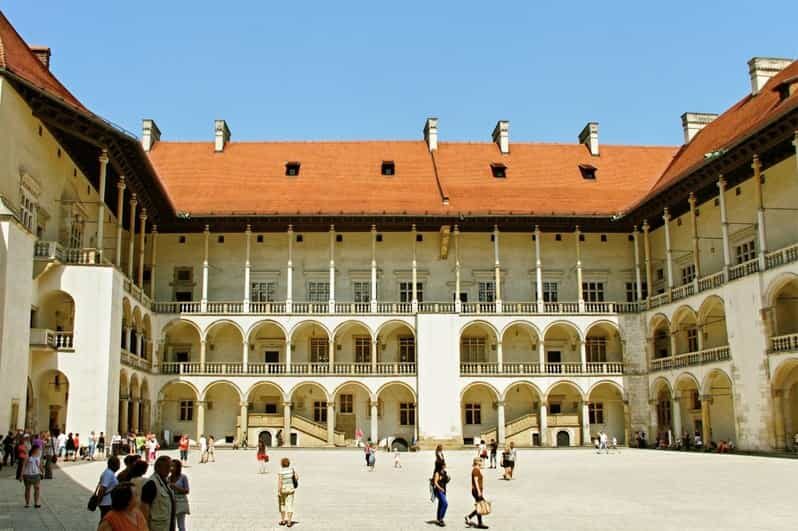
Step into the castle courtyard and you quickly feel the scale. The tour description focuses on the courtyard’s size and the lightness of the slender arcades, and that’s the right vibe to expect: big space, elegant structure, and geometry that makes the area feel airy.
From there, you go into chambers where you’ll see standout decorative features. The highlights I’m most drawn to here are the Flemish tapestries and a decorative ceiling. Even if you’re not a specialist in baroque or Renaissance art, the guide’s job is to make these details legible—what they are, why they were displayed, and what they were meant to communicate in a royal setting.
And the castle isn’t only pretty objects. It’s the former seat of Polish rulers for centuries. That’s the point: you’re not just looking at rooms; you’re walking through the social machinery of power—who lived here, how ceremony worked, and how the castle’s status carried on.
The Castle’s Royal Story: From Polish Rulers to Ongoing Ceremonies
A key detail you’ll hear is that Wawel stayed central even when the political center shifted. When the king moved to Warsaw at the end of the 16th century, the importance of Wawel didn’t vanish. Wawel remained tied to major national rituals—especially coronations and royal burials.
That timeline gives you a lens while you’re inside. You’ll understand why the complex didn’t get replaced. It evolved as a symbolic home for legitimacy, memory, and state tradition. The castle and the cathedral reinforce each other in that way, so the tour works best when you keep that connection in your head.
Wawel Cathedral in One Visit: Gothic to Renaissance to Baroque
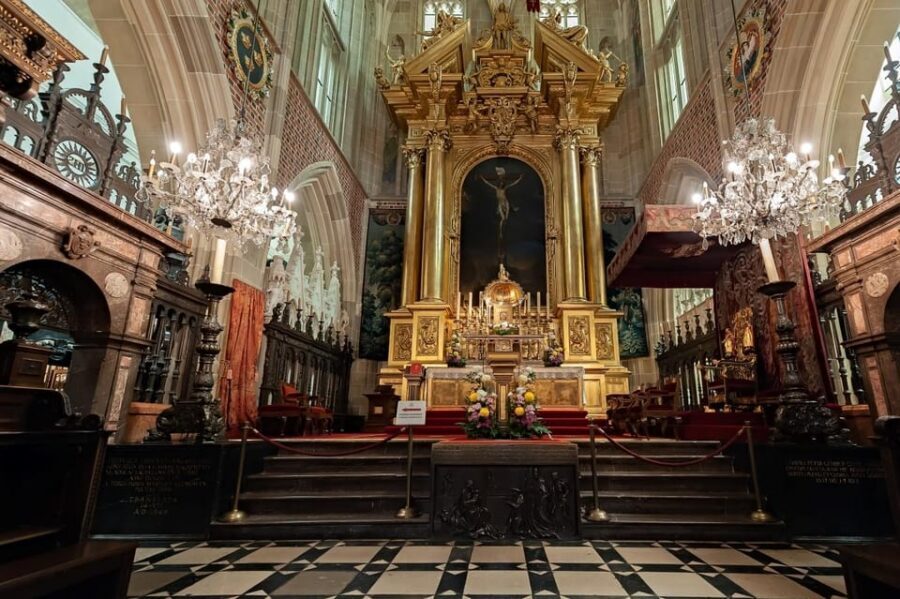
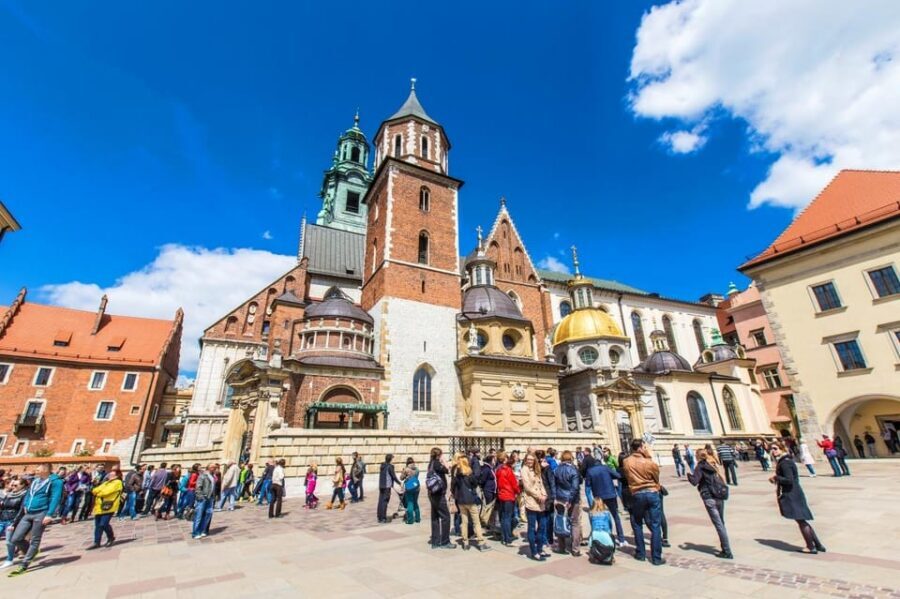
The cathedral is surrounded by a crown of chapels in multiple styles—Gothic, Renaissance, and Baroque. The tour’s approach is useful here. Instead of treating the building as one big room, it guides you to see how each chapel adds a different layer to the story.
The centerpiece is the Sigismund Chapel. If you only remember one sacred room, make it this one. It’s singled out as the most beautiful among the chapels, and the way the guide frames it helps you understand why it’s treated as a highlight rather than just another stop.
You’ll also get the “different faces” of the cathedral idea. Gothic, Renaissance, and Baroque aren’t just labels. They’re different artistic languages for different moments in time—different tastes, different power expressions, and different ways to stage faith and authority.



Underground Crypts and Tombs: Kings, Poets, and National Heroes
Wawel is famous for its royal connections, but the cathedral and its underground areas widen the story beyond kings. The tour includes access to the cathedral with attention to the underground crypts and the tombs there.
You’ll learn that the crypts hold tombs not only of Polish kings, but also poets and national heroes. That’s one of the best ways to understand what Wawel represents. This isn’t only a family mausoleum. It’s a national memory site—where leadership, culture, and sacrifice get honored in the same physical space.
So when you’re standing in the cathedral areas linked to these tombs, focus on what the guide highlights: the connection between political power and cultural identity. That helps you read the place instead of just photographing it.
The Royal Sigismund Bell and a Tower Stop If You Want One
If you’re interested in more than just interior decoration, the tour offers an optional-style moment: climbing the cathedral towers to look closer at the Royal Sigismund Bell.
Here’s what makes that bell special in the tour story: it’s only rung on very important state ceremonies. Even if you don’t get to see it from every angle, you’ll come away with the key context—this isn’t a casual church bell. It’s a ceremonial instrument tied to state milestones.
Timing can matter with tower access since the tour is only 2 hours total. If you care most about the bell, ask your guide how the tower stop fits for your group and day.
What You Pay for: $58 Value, Built Around Real Tickets and Real Time
At about $58 per person, this isn’t the cheapest way to see Wawel. But it’s also not just paying for a doorway. Your ticket value includes a professional guide, entrance to one permanent exhibition inside the castle complex (one of: State Rooms, Royal Private Apartments, or Crown Treasury depending on availability), and a ticket to the cathedral itself.
It also includes skip-the-ticket-line entry, which can be a big deal at Wawel. When you’re working with only two hours, saving time at the start matters. You don’t want to lose the best parts of the visit to queue friction.
So if your goal is to understand Wawel fast—without spending your limited first-day energy figuring things out—this price is easier to justify. You’re buying guided interpretation plus the right set of entrances, not just access to rooms.
Guides Matter: Multilingual Support That Shows Up in the Details
The tour includes a live guide in multiple languages: German, Polish, English, French, Spanish, Italian. That matters because the whole point of a guided Wawel visit is interpretation: what you’re seeing, why it exists, and how it links to Polish royal life.
The reviews attached real praise to specific guide personalities. For example, Annette earned high marks for being prepared, fluent in Italian, and friendly and helpful. Another guide mentioned by name, Pani Barbara, also received strong compliments for being excellent and for how smoothly everything was organized.
You’ll do best if you choose the language you’re most comfortable asking questions in. Short questions work well here: ask what to look for in the chapel, ask how the crypt story connects to the castle story, and ask which objects are the main “worth your time” highlights in your exhibition selection.
Castle Exhibition Ticket: One of Three Options (and Why That’s Not a Problem)
The castle entrance includes one permanent exhibition ticket, but which one you get can vary based on availability: State Rooms, Royal Private Apartments, or Crown Treasury.
This flexibility can be practical rather than annoying. All three are tied to royal life and display the castle as a living symbol, but each emphasizes a different angle:
- State Rooms tend to help you imagine formal power and ceremony.
- Royal Private Apartments lean toward the personal side of rule.
- Crown Treasury can shift the focus toward objects of authority and tradition.
Even if your preference leans one way, the key is that your guided tour keeps you anchored to the bigger story: Wawel as a seat of rulers and a place of ongoing coronation and burial significance.
Practical Tips for Seeing Wawel With a Clear Game Plan
Because the time is tight, I recommend you treat the tour like a guided storyline rather than a photo sprint. If you want the best experience, stand where your guide can see you too—so you get the points made about interiors, chapels, and tomb connections.
Also, remember what the tour description already sets up: you’ll start with the panoramic view from the hill area, then move into courtyard and chambers, and then continue into the cathedral spaces. If you arrive early enough to get your bearings, you’ll understand the complex layout faster and feel less rushed.
Finally, if tower climbing is on your wish list, don’t assume it will happen automatically at every session. It’s offered for those interested, so bring that energy and follow your guide’s lead on whether the timing works.
Who Should Book This Wawel Castle and Cathedral Tour
This is a great fit if you’re visiting Krakow for the first time and want the “why” behind the main sights. You’ll enjoy it most if you like historic places where art, ceremony, and political symbolism get explained in plain language.
I’d also suggest it for couples and friends who don’t want to split up. Wawel can be big, and the tour’s guided structure helps you cover the essential spaces in one go. If you’re traveling with kids who are old enough to handle a guided explanation, the two-hour length can work well too, as long as they’re interested in stories and not only rooms.
If you’re the type who loves ultra-slow museum time, you might want to add additional free time after the tour. But as a “high value, fast comprehension” experience, this one is easy to recommend.
Should You Book It? My Decision Rule
Book it if you want a guided explanation that connects Wawel Castle and Wawel Cathedral into one clear story, and you value time efficiency as much as you value access to key areas. The mix of castle interiors (including highlights like Flemish tapestries and the ceiling) plus cathedral chapels (especially the Sigismund Chapel) plus crypt context is exactly the kind of payoff that works well in two hours.
Skip it only if you’re the rare visitor who doesn’t want interpretation at all. If you plan to wander on your own and you’re comfortable working out the story beats without a guide, you could do it independently. Otherwise, for most people, this tour gives strong value: real tickets, real access, and a guide who can turn stone, chapels, and tombs into something you understand fast.
FAQ
How long is the Wawel Castle and Cathedral guided tour?
The tour lasts 2 hours.
What is included in the price?
You get a professional guide, a castle permanent exhibition entrance ticket (State Rooms, Royal Private Apartments, or Crown Treasury subject to availability), and a ticket to the Wawel Cathedral. It also includes skip-the-ticket-line access.
Which permanent exhibition will I visit in the castle?
One permanent exhibition is included, and it depends on availability: State Rooms, Royal Private Apartments, or Crown Treasury.
Do I need a separate ticket for the cathedral?
No. A ticket to the Wawel Cathedral is included.
Is the tour available in multiple languages?
Yes. The live guide can be German, Polish, English, French, Spanish, Italian.
Can I see the Royal Sigismund Bell?
The tour includes information about the Royal Sigismund Bell, and there is an option for those interested to climb the cathedral towers for a closer look.
Is the tour 2 hours no matter what?
Yes, the duration is listed as 2 hours. Starting times depend on availability.
Where do I meet the guide?
The meeting point may vary depending on the option booked.
What is the cancellation window?
You can cancel up to 24 hours in advance for a full refund.