REVIEW · KRAKOW
Krakow: Jewish Museum Galicja – Skip the line Ticket
Book on Viator →Operated by DISCOVER CRACOW · Bookable on Viator
A museum built around photos can hit harder than you expect. At Krakow’s Galicia Jewish Museum Galicja, you get Holocaust remembrance and Jewish heritage themes in a way that’s calm, focused, and easy to take at your own pace.
I especially liked the permanent exhibition Traces of memory, where the story is carried through photographs and careful presentation. The other big plus for me is the generous, unhurried feel—this is a place where you can slow down and reflect without needing to race. One thing to consider: there’s no guide included, so you’ll either read labels as you go or bring your own questions.
In This Review
- Key Things To Know Before You Go
- Galicia Jewish Museum Galicja: Why This Place Works for Honest Remembrance
- Traces of Memory: What You’ll See in the Permanent Exhibition
- A Comfortable 2-Hour Flow (Without a Guide)
- How to Read the Photos Like You Mean It
- Temporary Exhibits and the Chance of Unexpected Variety
- Price and Value: Is $8.52 Worth It?
- Practical Comfort: Mobile Ticket, Transit Access, and Timing
- Who Should Book This Ticket?
- Should You Book? My Practical Take
- FAQ
- How long does the Galicia Jewish Museum ticket take?
- What does skip the line mean for this museum entry?
- Is a guided tour included?
- Do I need a paper ticket?
- What are the museum opening hours?
- When will I receive confirmation after booking?
- Can I bring a service animal?
- What is the cancellation policy?
Key Things To Know Before You Go
- Skip-the-line entry: you go straight in and spend your time inside, not waiting outside.
- Traces of memory: a permanent photo-based exhibition tied to 800 years of Jewish life in Poland.
- A quiet, time-friendly visit: the space works well for reflection, not a checklist sprint.
- Short-term exhibits may add variety: one temporary show I noticed references painted skateboards.
- Mobile ticket: you’ll use your ticket on your phone rather than a paper voucher.
- No guide service: you’re responsible for your own pace and interpretation.
Galicia Jewish Museum Galicja: Why This Place Works for Honest Remembrance
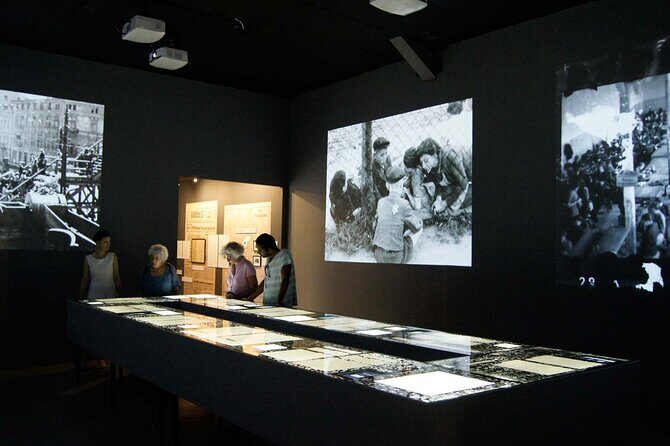
If you’re looking for a Holocaust museum that doesn’t feel like it’s trying to overwhelm you with spectacle, Galicia Jewish Museum Galicja is a smart choice. It leans on documentation and presentation, with exhibitions designed to honor victims while also cultivating Jewish heritage—specifically in the region of Galicia. That combination matters. It gives the material a sense of continuity, not just a single tragic endpoint.
The museum’s permanent exhibition, Traces of memory, is the heart of the experience. It’s presented as the result of twelve years of artistic work, and it’s built to commemorate 800 years of Jewish culture in Poland. In practice, that means you’re not only looking at aftermath. You’re seeing how memory is constructed: how images, context, and layout help you understand what was lost and what shaped the communities before.
There’s also an important tone to the way the exhibits are arranged. From what I experienced, it’s not the kind of museum where you feel forced into a loud, guided rush. You can stay with a panel longer than you planned. That’s a real quality for sensitive topics.
A few more Krakow tours and experiences worth a look



Traces of Memory: What You’ll See in the Permanent Exhibition
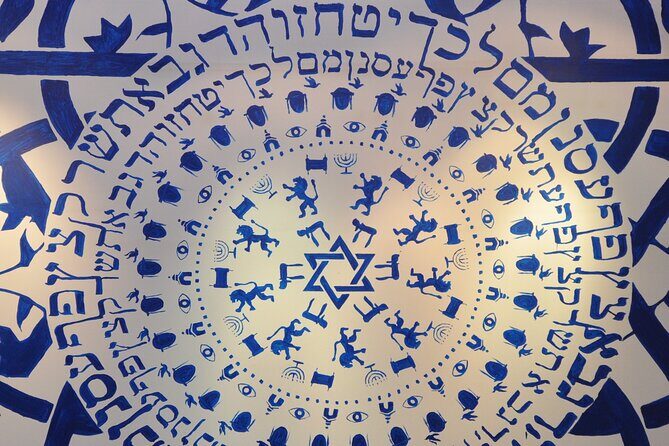
The permanent exhibition is built around photographs and visual storytelling. That’s the big thing to know going in: this is very much a photo museum in spirit. The images aren’t just decorative. They act like evidence, anchors, and reminders—each photograph contributing a piece to the larger story.
What I found most powerful is how the exhibition charts the destruction of whole Jewish communities over time. The presentation connects the idea of memory with real documentation. You’re guided through layers—how communities existed, how life changed, and how annihilation affected countless families and towns. It’s emotionally heavy, but it’s structured in a way that helps your brain keep up, even when your heart slows down.
You’ll also see that the museum’s mission is explicitly two-sided: honoring the victims of the Holocaust while cultivating Jewish heritage of Galicia. So the exhibition doesn’t only point to loss. It frames why remembering matters—especially when you’re visiting in Krakow, a city with a deep, complicated history of cultures meeting and colliding.
If you prefer to read first and look second, you’ll still be fine. If you prefer to look first and read as you go, you’ll also be fine. The exhibition format supports both styles.
A Comfortable 2-Hour Flow (Without a Guide)
This ticket is designed for a self-paced visit of about 2 hours. That timing feels realistic. It’s long enough to move through the permanent exhibition carefully and spend time with the images that slow you down. It’s short enough that you won’t feel stuck if you arrive late or need a breather.
Because there’s no guide service included, your experience will depend on how you like to travel. If you enjoy museums on your own—reading labels, taking your time, and letting the material speak—this fits well. If you need spoken context to understand timelines, local terms, and historical background, you might want to plan for that by bringing a small amount of prior knowledge or pairing your visit with another Krakow stop where you can get a guided overview.
Also, since the entrance is labeled as skip the line, you’re not stuck waiting for entry time. You can keep your day moving. That’s a practical advantage when Krakow museums get busy, especially during peak seasons.
A small but helpful note: the museum hours are posted as 11:00 AM to 6:00 PM, Monday through Sunday. So you can slot this into a broad window and still find time for lunch or a walk afterward.
How to Read the Photos Like You Mean It
In a photo-heavy museum, your pace becomes part of the message. I recommend you treat the first half differently from the second half.
In the first segment, focus on orientation. See how the exhibition organizes images and how captions guide you. Don’t try to absorb everything at once. Let one or two sections land before you move on.
In the second segment, slow down on the photographs that feel most specific—names, places, small details, and recurring visual themes. That’s where the documentation stops being abstract and starts feeling personal. It’s also where you often get the strongest emotional impact, because you’re no longer reading about communities in general. You’re looking at evidence.
If you want a simple trick, try this: pick one photograph and stay with it long enough that you can explain it back to yourself in plain words. What does it show? What context does it come with? What changes when you compare it to the next image? That turns a passive visit into a more meaningful one, without needing a guide.
The museum also works well if you prefer quiet reflection. The overall feel is calm, and you’ll likely have enough room to think.
Temporary Exhibits and the Chance of Unexpected Variety

Even though the permanent exhibition is the centerpiece, the museum can include short-term exhibitions alongside it. One temporary display I paid attention to features painted skateboards. That might sound unusual at first, but that kind of choice can make sense in a museum environment: it shows how memory and identity don’t only live in archives. They also show up in contemporary art and personal expression.
So if you’re the type who likes a mix—main exhibition plus a little surprise—this works. You’re not guaranteed a specific temporary show from the information provided here, but you should expect the schedule to sometimes add extra angles to the museum experience.
You can also read our reviews of more museum experiences in Krakow


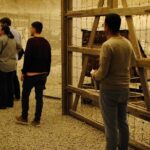


Price and Value: Is $8.52 Worth It?
At $8.52 per person, this skip-the-line ticket is priced in a way that feels fair for Krakow. The value comes from two things:
- You’re paying for entry you can use immediately—skip-the-line admission reduces wasted time.
- The experience centers on a carefully built permanent exhibition (Traces of memory) designed to commemorate 800 years of Jewish culture in Poland through long-form visual storytelling.
What you’re not paying for is a guide. That can be either good or bad, depending on your style. If you’re comfortable reading museum texts and interpreting photographs yourself, this ticket is a strong deal. If you want a person to walk you through context and connect dots, you may end up wanting to add a guide elsewhere.
In other words: the ticket is best when you’re ready to do the museum work yourself—quietly, thoughtfully, and at your pace.
Practical Comfort: Mobile Ticket, Transit Access, and Timing
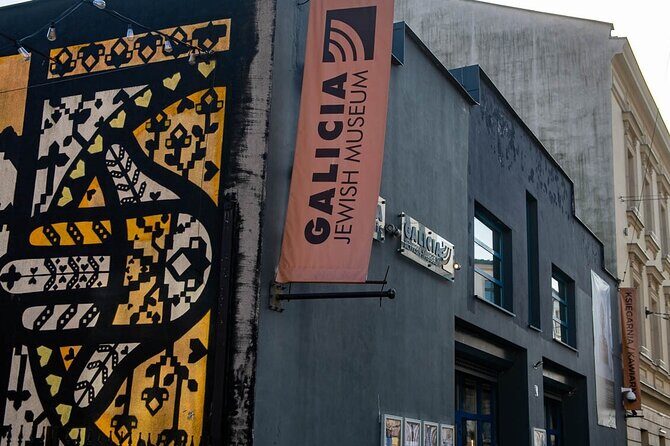
The ticket is delivered as a mobile ticket, so plan on having your phone ready at the museum entrance. It’s also described as near public transportation, which matters in Krakow where getting between neighborhoods is usually easiest by tram and walking.
Service animals are allowed. Most visitors can participate, which is good news for a museum experience like this where you’ll mostly be standing and walking through galleries.
On timing, aim to arrive with enough buffer to settle in. Even with skip-the-line entry, you’ll want a few minutes to orient yourself once you’re inside. If you’re sensitive to overwhelming topics, consider visiting earlier in the day within the 11:00 AM to 6:00 PM window.
Who Should Book This Ticket?
I think this ticket suits you best if you want a self-paced museum visit focused on photographs and documented remembrance. It’s also a good choice if you prefer quiet spaces where you can linger.
You’ll likely enjoy it if:
- You like museum visits where reading and looking matter more than hearing a narration.
- You want the permanent exhibition experience without committing to a longer tour.
- You’re planning a Krakow itinerary that includes other historical sites and want a more reflective, visual stop.
You might want a different format if you strongly prefer a live guide to explain context, or if you need a lot of spoken background to fully connect the timeline and regional details.
Should You Book? My Practical Take
Book it if you want skip-the-line convenience and a focused 2-hour visit centered on Traces of memory. The price is reasonable, and the museum format supports calm attention. It’s a solid pick for travelers who respect the material and are comfortable reading at their own pace.
Skip it—or pair it with something else—if you know you’ll struggle without a guide. Because there’s no guide service included, your experience will rely on your willingness to slow down and read the captions.
Either way, go in expecting photographs to do real work: they don’t just illustrate history here. They carry the story.
FAQ
How long does the Galicia Jewish Museum ticket take?
The experience is listed at approximately 2 hours.
What does skip the line mean for this museum entry?
Your ticket includes skip the line entrance, so you can enter without waiting in a regular queue.
Is a guided tour included?
No. Guide service is not included with this ticket.
Do I need a paper ticket?
No. The ticket is a mobile ticket.
What are the museum opening hours?
The posted opening hours are Monday through Sunday, 11:00 AM to 6:00 PM.
When will I receive confirmation after booking?
Confirmation is received at the time of booking.
Can I bring a service animal?
Yes. Service animals are allowed.
What is the cancellation policy?
Free cancellation is available. You can cancel up to 24 hours in advance for a full refund; if you cancel less than 24 hours before the start time, the amount paid is not refunded.