REVIEW · KRAKOW
From Krakow: Auschwitz-Birkenau Memorial Private Tour
Book on GetYourGuide →Operated by ExploreCracow.com · Bookable on GetYourGuide
Auschwitz is heavy, plan it smart. This private Auschwitz-Birkenau Memorial trip from Krakow removes the hassle of transport and timing, with hotel pickup and the chance to skip the ticket line so you can get into the experience faster. The site visit is guided in the way the museum requires, with a live guide and English-speaking driver support outside the grounds.
I also like how the day is structured for the real rhythm of the memorial: Auschwitz I first, then Auschwitz II-Birkenau, with a 1-hour lunch stop in Oswiecim so you can reset before the return drive. The main drawback is that this is still a solemn, rules-based museum visit with a lot of walking and dress/behavior limits you must follow, plus it is not a one-on-one guide the whole time.
In This Review
- Key things to know before you go
- Krakow to Auschwitz-Birkenau: comfort helps you get there on time
- Auschwitz I: where the system becomes visible
- Auschwitz II-Birkenau: understanding the scale (and the cruelty)
- The Oswiecim lunch break: a reset, not a delay
- Rules you must follow (so you don’t lose time inside)
- The tour format: private transport, museum-guided visit
- Price and value: what $295 buys you in real terms
- Who this tour fits best
- Practical packing checklist for your Auschwitz-Birkenau day
- Should you book this private Auschwitz-Birkenau day trip from Krakow?
- FAQ
- How long is the Auschwitz-Birkenau private tour from Krakow?
- Is hotel pickup and drop-off included?
- What’s included in the Auschwitz-Birkenau visit?
- Is lunch included, and where do we eat?
- Can I take photos during the visit?
- What should I bring or wear for the memorial?
- Who should not book this tour?
Key things to know before you go
- Door-to-door pickup and return: You start from your Krakow location and get brought back at the end of the day.
- A museum-guided visit, not a private lecture: The site tour runs in museum groups (5 to 20), even though your transport is private.
- Two distinct camp experiences: Auschwitz I focuses on the camp system; Birkenau shows the industrial scale of extermination.
- Oswiecim lunch window: You get about an hour to eat before heading back toward Krakow.
- Rules that affect your day: No flash inside buildings, big bags are restricted, and clothing like sleeveless tops or short skirts is not allowed.
- Strong value if you hate waiting: Paying more buys time and stress reduction—especially if you want a clean, organized day.
Krakow to Auschwitz-Birkenau: comfort helps you get there on time
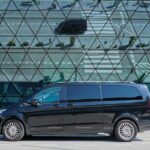
The practical win here is the travel setup. You meet your driver in Krakow and move in a private vehicle toward the memorial, which matters more than it sounds when you’re dealing with a place that demands focus and respect. The total tour time is listed as 390 minutes, and the day includes significant travel plus two guided museum segments.
On the road, you’re not stuck figuring out trains, transfers, or where exactly to stand when everything is busy. And once you arrive, having things arranged so you can get through quickly is a big deal. In one example, a driver named Patrick handled the booking steps so the group could go straight in, which is exactly the kind of friction you want to avoid on an emotionally intense visit. Another driver, Adam, was described as on time and clear about next steps, which also helps you settle in instead of worrying.
One more reality check: the Auschwitz area has a serious time structure. Even if you’re private in transport, the memorial visit follows museum timing and rules, so plan for a day that runs on the schedule—not your personal pace.
You can also read our reviews of more private tours in Krakow

Auschwitz I: where the system becomes visible
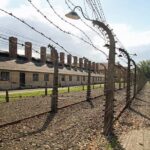
Auschim I is the starting point of this tour, with a guided visit of about 2 hours. This section is often easier to understand emotionally because it’s closer to the early camp structure: the preserved grounds, buildings, and exhibits that show how the Nazi regime operated.
Here’s what makes Auschwitz I essential for your visit: it sets context. You can look at barracks and surviving features, then connect what you see to the way prisoners were processed and controlled. The memorial also presents personal belongings and documented material that turns abstract facts into something you can actually grasp—without turning it into entertainment.
The tour format is built around a live guide, and the languages offered include English, French, Russian, German, and Polish. That matters because clarity is respectful here. If you choose a language you truly understand, you’ll spend less energy translating in your head and more time absorbing what the memorial is trying to teach.
Logistically, Auschwitz I is also where you’ll notice the walking. Comfortable shoes are a must. Even when paths are manageable, you’ll be on the move for long stretches, and the site asks for your full attention.
Auschwitz II-Birkenau: understanding the scale (and the cruelty)
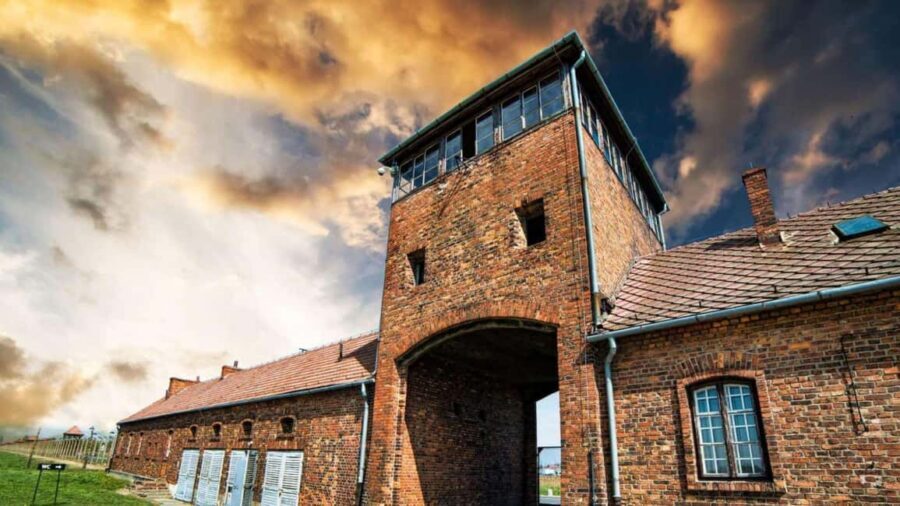
After Auschwitz I, the tour continues to Auschwitz II-Birkenau for about 75 minutes guided. This is the extermination site, and it changes the feeling of the day fast.
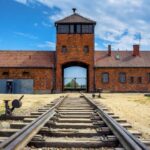
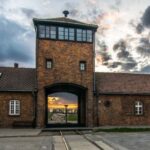
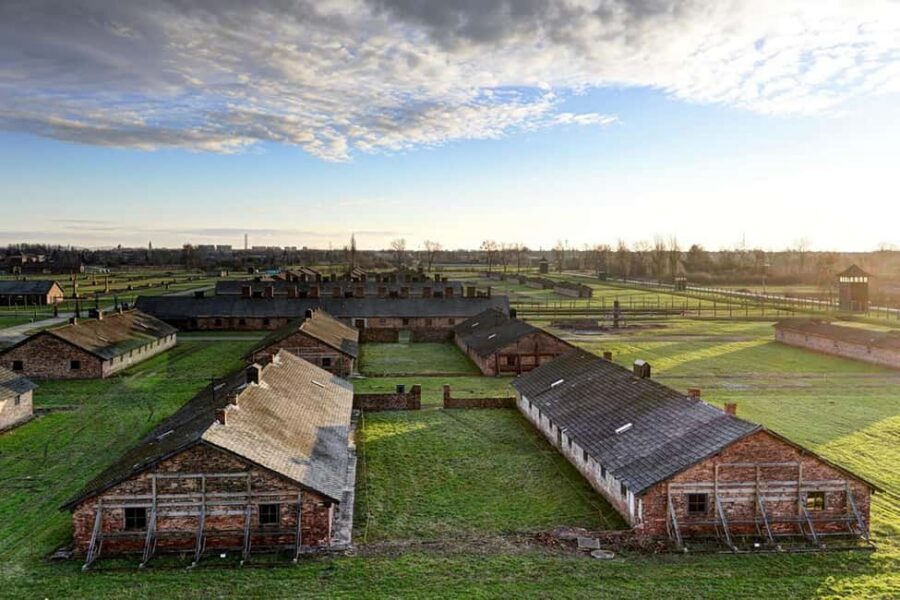
Birkenau is where the sheer scale becomes the lesson. You see remnants connected to gas chambers and crematoria, along with the wide camp grounds where tens of thousands were imprisoned and processed. The railway tracks are a striking symbol of systematic genocide—built for logistics, not mercy. Your guide’s job here is crucial: they help you connect what you see with the stories of victims, survival, and loss, so you don’t just walk through a “big open space” with facts that never quite land.
A practical note: flash photography is not permitted inside buildings. Photography is allowed, but you’ll want to think twice before using your camera at all. When a site is this serious, it helps to mix viewing with silent time. You’re not on a photo mission. You’re there to understand.
Also keep expectations realistic: Birkenau is often windier and more exposed depending on the season. Wear something that can handle a change in weather, and plan for the fact that you’ll be moving between structures and open areas.
The Oswiecim lunch break: a reset, not a delay
Between the two camp visits and the return drive, you get about an hour for lunch in Oswiecim. Food and drinks aren’t included, so you’ll want to budget for a meal and keep water in mind. This is one of the only truly “normal” parts of the day, and it’s valuable.
Why do I like this structure? Because it gives your brain a pause after the hardest sections. You’ll likely leave both Auschwitz I and Birkenau mentally drained. A scheduled lunch break helps you keep from running on empty and getting stressed trying to find something quickly.
That said, keep it simple. Don’t plan a big culinary adventure. Think practical: a sit-down meal or quick bite, then back on track.
Rules you must follow (so you don’t lose time inside)
This is not the kind of museum visit where you can show up casually. The memorial has specific requirements and restrictions, and they affect what you wear and what you bring.
From the tour details, here are the key limits:
- Bring a passport or ID card.
- Wear something that respects the dress rules. Short skirts and sleeveless shirts are not allowed.
- Bring comfortable shoes—you’ll do a significant amount of walking.
- No flash photography inside buildings. Regular photography is allowed.
- Large bags and backpacks are not allowed inside the memorial.
There’s also a behind-the-scenes rule that people sometimes overlook: you need to include the full names of all participants in your reservation because of museum requirements. This isn’t just admin. It’s part of how your entry is handled.
One more “be ready” point: this tour is described as not recommended for children under 12, and it’s not set up for everyone with accessibility needs. If someone in your group has heart problems or needs wheelchair access, you should consider alternatives that are safer and more suitable.

The tour format: private transport, museum-guided visit
One of the biggest value elements here is what’s actually private.
Your transportation is private—pickup and drop-off included, driven by an English-speaking driver. But the memorial tour itself follows the museum’s rules and takes place in groups of 5 to 20 people. That’s not a flaw; it’s how the site organizes the experience. The included live guide is part of the museum visit, not a fully customized private lecture.
This format can be a relief for you. You don’t have to worry about coordinating timing with your guide inside the grounds. The memorial runs its own flow. Your driver’s job is to get you there, keep the logistics tight, and help with what happens before and after your visit.
If you want an example of what that support looks like in real life, Patrick’s described behavior included arranging things so the group could go straight in at arrival and also handling a smooth return. Another driver like Adam was praised for clear communication and for being helpful with extra Krakow ideas, which can make the rest of your trip more enjoyable once the serious part of the day is over.
Price and value: what $295 buys you in real terms
At $295 per person, this isn’t a budget day trip. So it helps to ask: what exactly are you paying for?
Here’s the honest value equation:
- You’re buying private round-trip transport from Krakow with hotel pickup and drop-off.
- You’re buying less stress, with a plan that reduces uncertainty about timing and entry.
- You’re buying time. Even with museum-managed entry, the “skip the ticket line” angle is designed to prevent wasted minutes.
If you’re traveling with limited patience, this value makes sense. Time matters at Auschwitz. Waiting around in a stressful moment is not what you want. A private vehicle also means you’re not doing split schedules with random tour pickups.
On the other hand, if your priority is maximizing spending on Krakow experiences rather than transport, you might question whether private adds enough comfort. Since the museum guided portions run under the memorial’s group rules anyway, the biggest upgrade isn’t that you get a private museum guide. The upgrade is the door-to-door convenience and reduced friction around entry and return.
Who this tour fits best
This is a strong fit if you:
- Want structured, respectful guidance at both Auschwitz I and Auschwitz II-Birkenau.
- Prefer not to hunt for transit solutions on your own on a hard day.
- Care about straightforward logistics like hotel pickup and a planned lunch stop.
It may not be the best fit if you:
- Need wheelchair access or have significant health constraints like heart problems.
- Are traveling with children under 12, since the tour is not recommended for them.
- Expect a completely customized private guide experience inside the memorial. The museum group format still applies.
Also, consider your emotional stamina. This is described as solemn and respectful for a reason. The day is designed to teach and remember, not to “see and move on.”
Practical packing checklist for your Auschwitz-Birkenau day
Before you go, think like you’re packing for a disciplined day, not a sightseeing day.
- ID: passport or ID card
- Clothing: something that fits no sleeveless shirts and no short skirts
- Shoes: comfortable, because you’ll be walking a lot
- Bags: avoid large backpacks since large bags and backpacks are not allowed inside
- Photos: plan to take pictures without flash inside buildings
- Names: double-check full names in your reservation, since the museum requires it
If you can travel light, do it. You’ll feel better once you’re already inside the flow.
Should you book this private Auschwitz-Birkenau day trip from Krakow?
Book it if you want a well-organized day with private transport, hotel pickup and drop-off, and a guided visit that runs the way the memorial intends. The $295 price feels more reasonable when you factor in the hassle you’re avoiding and the time you’re saving.
Skip it or rethink if your budget is tight and you’re comfortable handling transport and scheduling yourself, or if your group has restrictions related to accessibility, age, or health. Remember: the museum experience is non-negotiably rules-based, and this tour follows those rules.
If you’re planning your Krakow trip around meaningful history, this is one of the most direct ways to do it with fewer logistics headaches and more time focused on understanding what happened.
FAQ
How long is the Auschwitz-Birkenau private tour from Krakow?
The total duration is listed as 390 minutes, including travel time, the guided visits, and the lunch stop.
Is hotel pickup and drop-off included?
Yes. Hotel pickup and drop-off in Krakow are included.
What’s included in the Auschwitz-Birkenau visit?
You get private transportation plus entry for a visit with a live tour guide at Auschwitz-Birkenau Memorial. The tour is conducted according to the museum’s group rules.
Is lunch included, and where do we eat?
Lunch is included as a 1-hour stop in Oswiecim, but food and drinks are not included in the tour price.
Can I take photos during the visit?
Photography is allowed, but flash photography is not permitted inside the buildings.
What should I bring or wear for the memorial?
Bring a passport or ID card and wear comfortable shoes. Short skirts and sleeveless shirts are not allowed.
Who should not book this tour?
It’s not recommended for children under 12. It’s also not suitable for people with heart problems and wheelchair users.