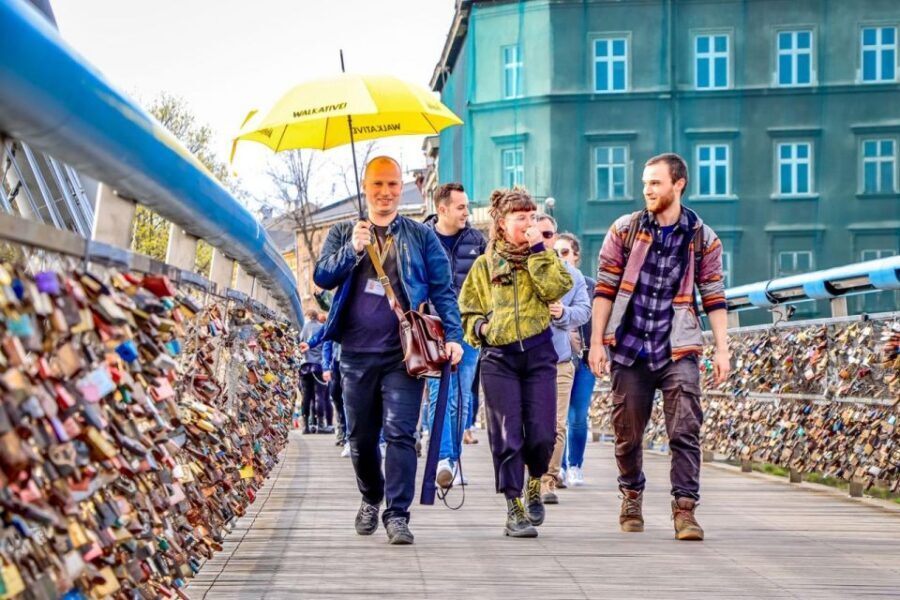
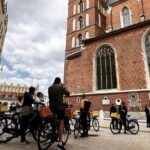
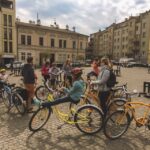
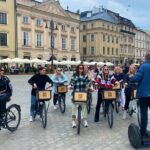
A WWII bike tour that actually feels personal. The Hidden Krakow Bike Tour uses World War II stories to steer you away from the usual sightseeing, and it pairs that with top-notch bikes and an unhurried pace. I also love how your guide makes the history feel human, not like a lecture. One thing to plan for: you’ll cycle at a relaxed speed, but there’s a hill you climb on foot for the best viewpoint—and it can be a dealbreaker if you have mobility limits.
You’ll spend your afternoon hearing about Polish heroes and victims in places many visitors miss. You won’t just hear dates; you’ll learn how people in Krakow were shaped by what happened before, during, and after the war, with plenty of emotion and hope along the way. The bike format matters here: it keeps the experience moving and helps the stories stick without rushing you.
This tour also plays nicely with the big hitters. If you’re pairing it with Auschwitz, this is a strong follow-up because it adds Polish culture and local consequences—without duplicating the usual Old Town + Kazimierz highlights.
In This Review
- Key things you should know before you go
- WWII in Krakow: why this bike tour feels different than a museum day
- The bikes, pace, and the practical comfort stuff you’ll appreciate
- Your guide’s energy (Brian/Bryan) is half the experience
- The park with statues of Polish heroes: memory in public space
- Podgórze district: the ride turns solemn at the former ghetto and Jewish cemetery
- Schindler’s factory area: what you should listen for
- The hill viewpoint: the only physical challenge you need to plan for
- How to get the timing right in a 3-hour format
- Who this tour suits best (and who should skip it)
- Price and value: what $41 buys you in real terms
- Quick planning notes that can save you hassle
- Should you book the Hidden Krakow Bike Tour?
- FAQ
- How long is the Krakow Hidden Bike Tour?
- What is the tour mainly about?
- Where does the tour go?
- Do I need to be able to walk?
- Is it available in English?
- Is food or drinks included?
- Is a helmet provided?
- Is the tour suitable for people with mobility impairments?
- Is there a cancellation option if plans change?
Key things you should know before you go
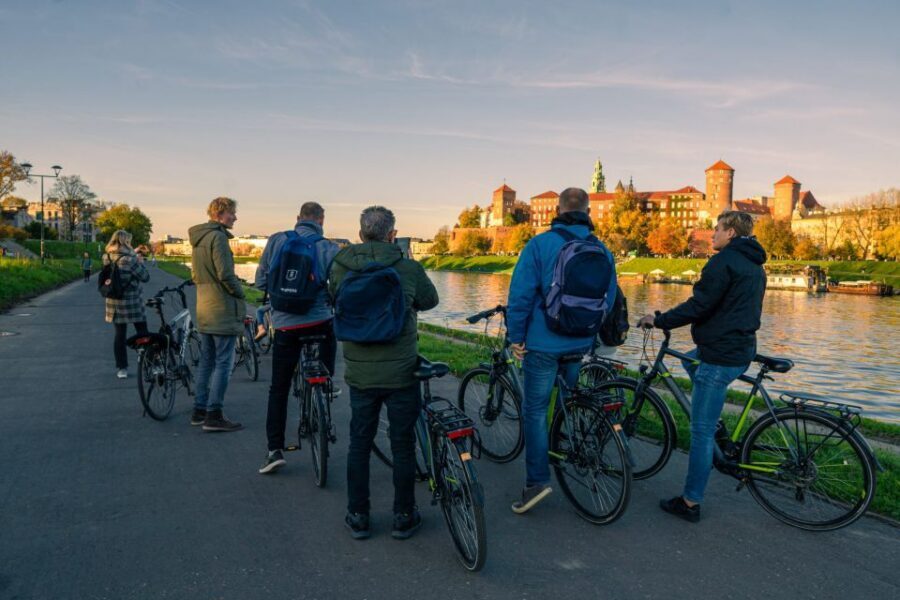
- Dutch guide storytelling focused on WWII and Poland afterward, with a lot of feeling and clarity
- Quality bicycles on a slow, relaxed ride, designed for an easy 3-hour pace
- Podgórze sites including the Jewish cemetery, Schindler’s factory area, and the former Jewish ghetto
- A beautiful park of statues tied to Polish heroes and wartime memory (and it’s outside the center)
- One viewpoint moment that includes a short climb on foot—plan accordingly
WWII in Krakow: why this bike tour feels different than a museum day
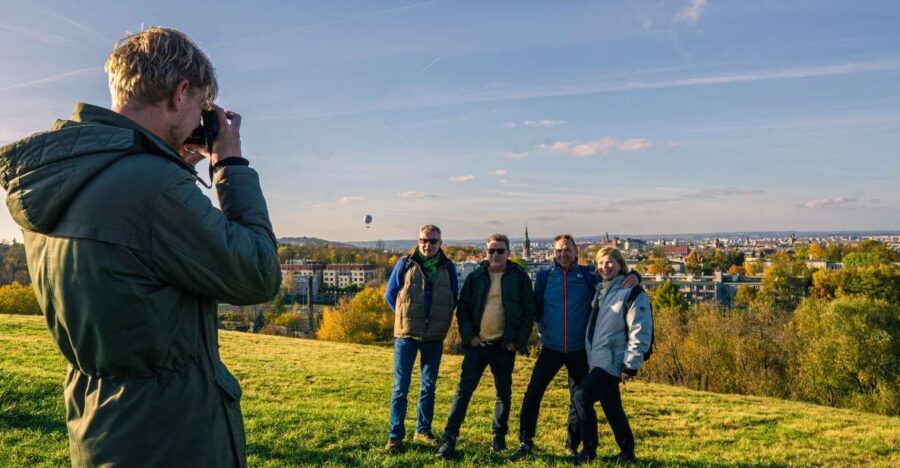
The best part of the Hidden Krakow Bike Tour is that it treats history like something that lives in the streets. You move through the city on a bicycle, but the real “route” is the story. The tour focuses on what happened in Poland during the war and what followed afterward, with Polish heroes and victims at the center of the narrative.
I like that it’s not trying to cover everything. Instead, you get a guided thread: how the war shaped Polish people, and how those ripple effects showed up later. That makes the experience easier to follow than a long list of monuments, especially when you’re only out for 3 hours.
The other difference is location. This ride leans into places outside the city center, including a park you probably wouldn’t stumble onto as a first-time visitor. That matters because Krakow’s quieter corners often tell more interesting history than the most photographed squares.
You can also read our reviews of more cycling tours in Krakow
The bikes, pace, and the practical comfort stuff you’ll appreciate
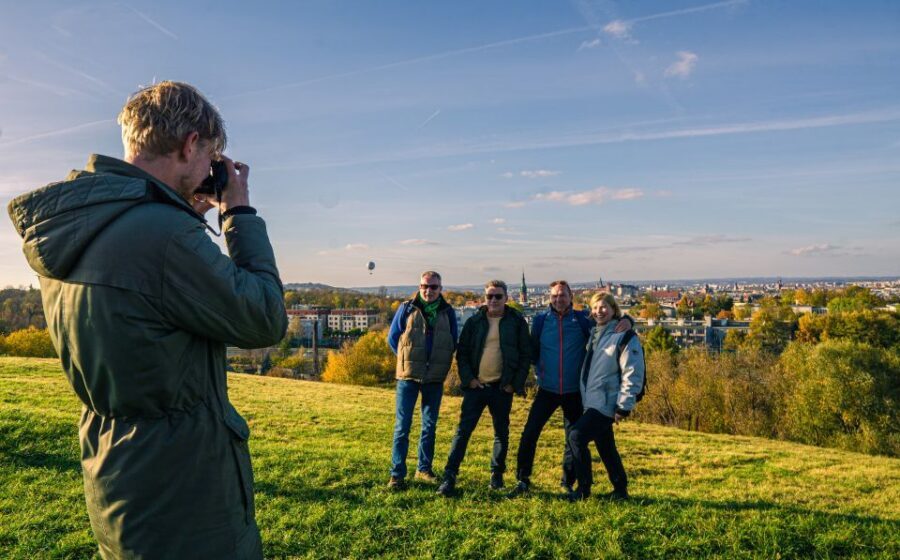
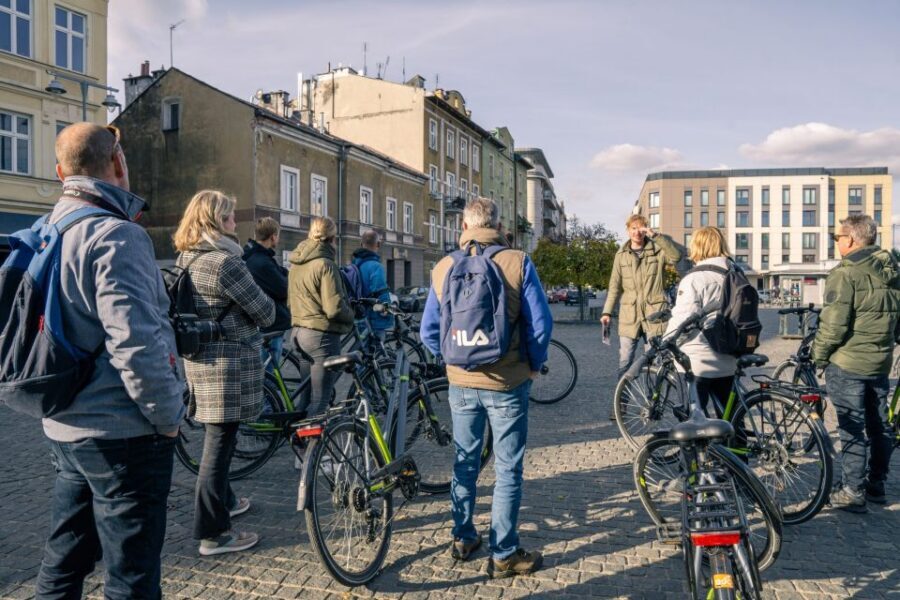
You’re on quality bicycles, and the tour is described as relaxed and slow paced. That’s not just marketing language. It means you can actually pay attention to what your guide is saying without feeling like you’re fighting traffic or sprinting between stops.
There’s also basic comfort built in:
- Helmet is available if you request it
- Poncho is provided if weather calls for it
- No e-bike option is included, so standard biking is part of the plan
The one practical wrinkle is the hill. You’ll climb it by foot to reach a viewpoint. Even if you’re an average cyclist, that foot climb is what you should mentally rehearse. If your legs or knees get sore quickly, this is worth factoring in before you book.
Your guide’s energy (Brian/Bryan) is half the experience
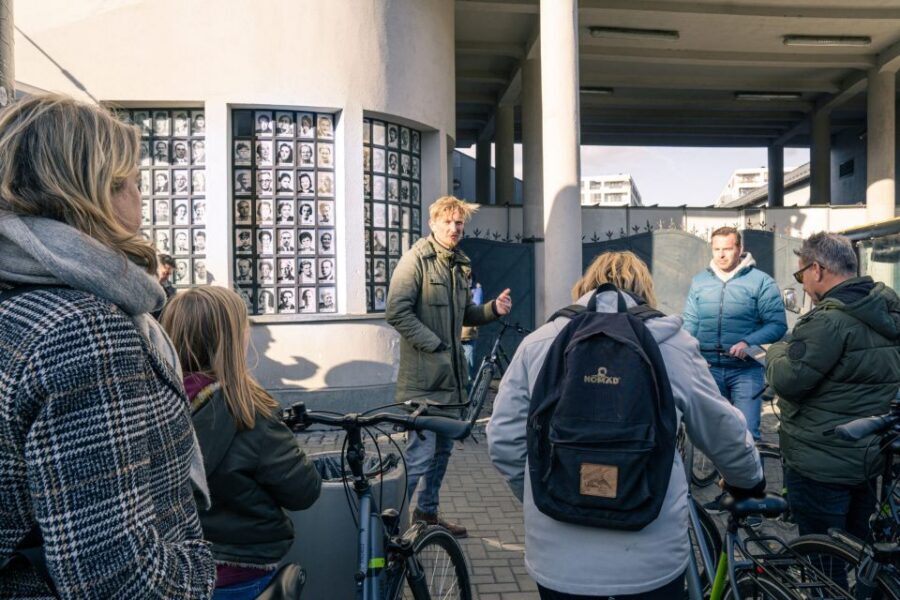
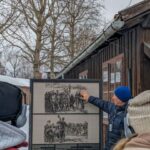
This is the kind of tour where the guide matters a lot, and the reviews back that up. A recurring theme is how Brian/Bryan takes time at each stop and explains with genuine enthusiasm. People highlight that he doesn’t just rattle off facts—he builds a story, then gives you breathing room to absorb it.
I think that’s crucial for WWII content. When a tour stays respectful and clear, you’re more likely to understand what you’re seeing—like why a site matters, or what a name or location implies about the people who lived there.
You also get flexibility on language. The tour can be guided in English, Dutch, or German, depending on what you choose. And the guide is described as Dutch in the experience info, which often means a particular storytelling style: structured, factual, but still emotional in a controlled way.
The park with statues of Polish heroes: memory in public space
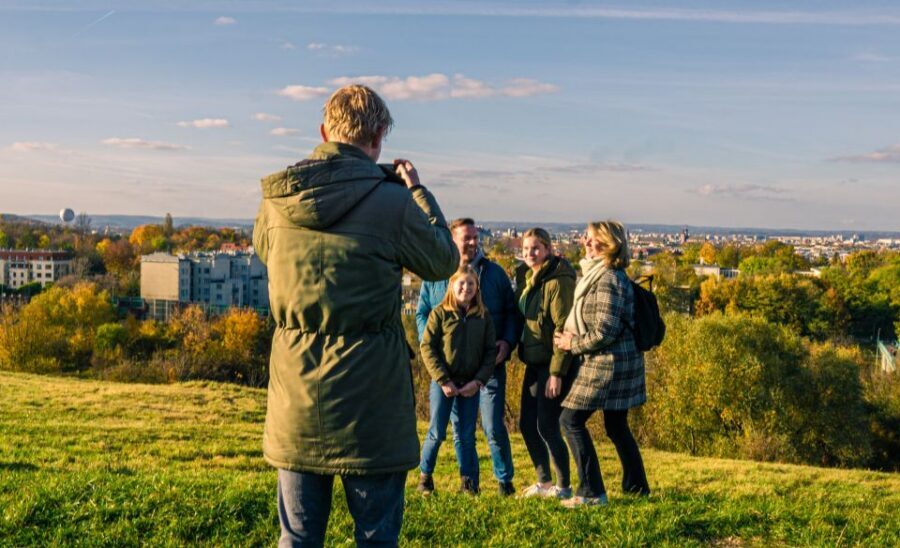
One of the most compelling parts of the Hidden Krakow Bike Tour happens away from the obvious streets. The tour includes a beautiful park where you’ll find statues connected to Polish heroes and WWII stories. The point isn’t just to look at sculptures—it’s to understand why these figures were honored, and what their presence says about remembrance in Poland.
This park stop is also a good example of why this tour feels “hidden” without needing to chase off-the-map weirdness. You’re seeing something meaningful, but it’s not the type of site most people organize their day around. That gives you a calmer pace and more space to think about what you’re being told.
One detail that makes this park connection especially interesting: the tour notes that Poland played a major role in the liberation of the Netherlands and Italy. That’s a reminder that WWII wasn’t only fought in one country or one front line—and it helps widen your mental map beyond what you might learn from a straight itinerary of famous sites.
Podgórze district: the ride turns solemn at the former ghetto and Jewish cemetery
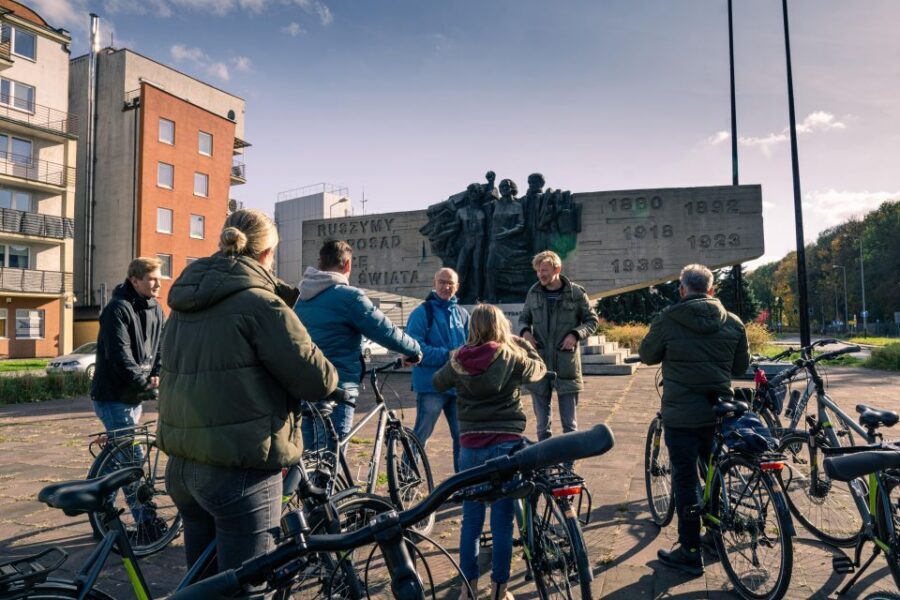
After the park, the emotional weight shifts. The tour heads to Podgórze, where WWII history isn’t “background”—it’s directly tied to real communities.
Here’s what you can expect in this area:
- A Jewish cemetery stop
- A visit connected to Schindler’s factory
- A look at the former Jewish ghetto
These are heavy locations. A good bike tour works here because it prevents the experience from becoming one long, standing-only museum session. You still get moments of stillness and listening, but the bicycle format keeps you moving through context: you can connect what your guide is saying to the space around you.
I also like that the tour frames these stops as part of Poland’s story, not just famous names. That helps if you’re tired of tours that mention a site but don’t explain the human reality behind it.
There’s a lot of potential for the “history machine” feeling—where you become a passive spectator. The guide-led approach helps avoid that by focusing on people: Polish heroes and victims, and how their actions and fates connected to what happened afterward.
Schindler’s factory area: what you should listen for
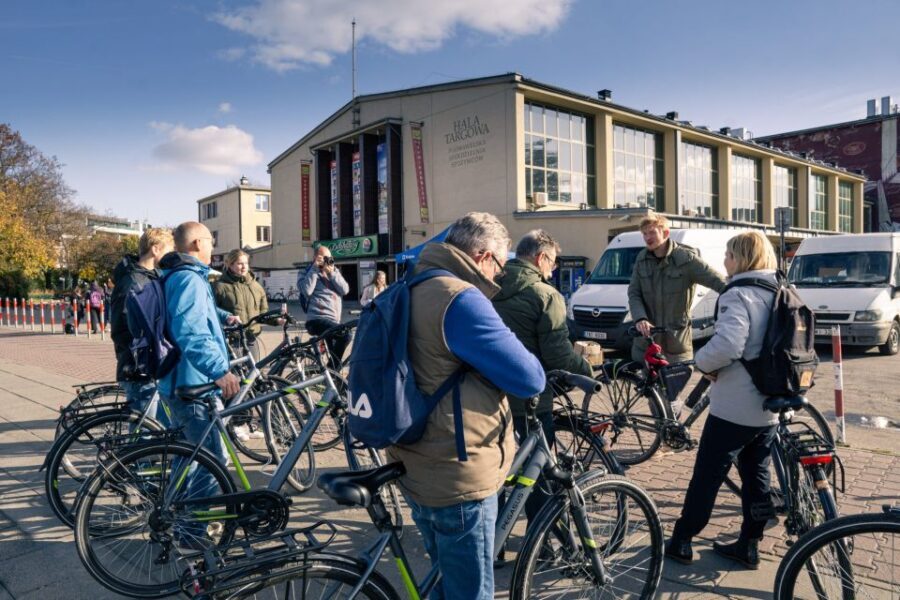
Schindler’s factory is one of those names that draws people in. But the value of this tour is how it uses that familiar reference as a starting point for deeper context about Polish experiences during and after the war.
You’re not just visiting a location; you’re hearing it threaded into the wider story the guide is building across the tour. That means you should pay attention to the “why” being explained, not only the “what.” Ask yourself what your guide is emphasizing:
- the people involved
- the consequences for Jewish residents
- the meaning of the site in Krakow after the war
Even if you’ve read a little about Schindler, the tour’s WWII focus centered on Poland helps keep the discussion grounded in local impact.
The hill viewpoint: the only physical challenge you need to plan for
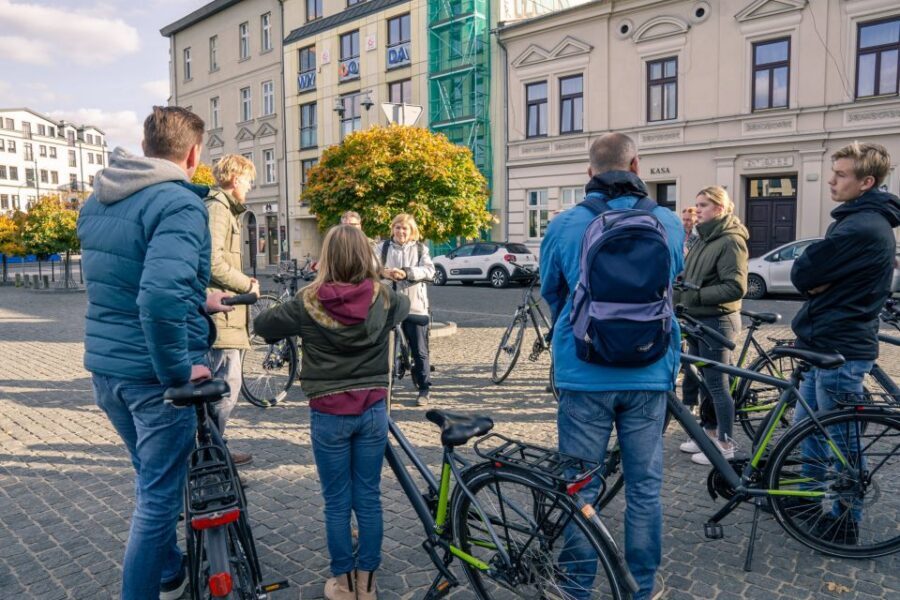
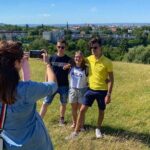
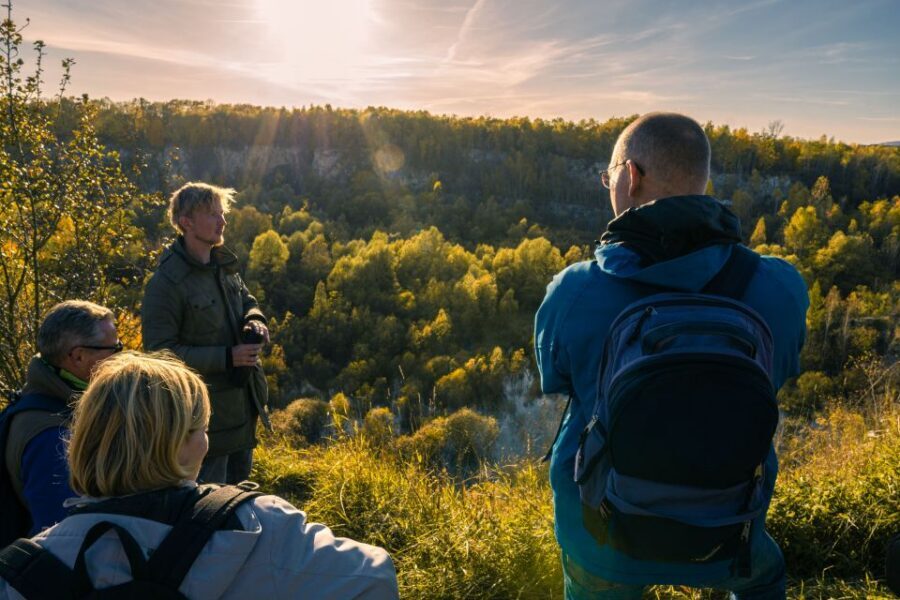
This tour includes a hill you climb on foot to reach a viewpoint. It’s not described as extreme, but it is clearly the one physical effort you should anticipate.
Here’s how I’d plan for it:
- Wear shoes that are comfortable for short walking
- Bring water if it’s warm (food and drinks aren’t included)
- Take it steady on the climb; the payoff is the viewpoint moment
Because it’s included in the info as a foot climb, it’s not something you can ignore. If you have mobility impairments, the tour is stated as not suitable, so don’t try to “tough it out.” For everyone else, the viewpoint adds real payoff because the city’s layout suddenly makes sense after hearing the WWII connections.
How to get the timing right in a 3-hour format
A great 3-hour tour needs structure: enough stops to matter, enough explanation to stick, and enough breaks so you don’t feel rushed.
The descriptions and reviews point to a guide who takes time at each stop, with pauses built into the flow. That’s a big deal for a WWII-focused tour. You don’t want to speed through emotional locations and end up numb.
Also, the tour doesn’t overlap with the more standard bike route that covers Old Town (Stare Miasto) and Kazimierz. So if you’re building a Krakow plan, you can treat this as the “WWII and aftermath” half of your city day. It complements a classic history-heavy itinerary without repeating the same visual highlights.
Who this tour suits best (and who should skip it)
This is a smart choice if:
- You want WWII context tied to specific Krakow locations
- You enjoy slow, story-first travel
- You plan to visit Auschwitz and want a Poland-focused follow-up
- You like guided explanations that connect people and places
It’s less suitable if:
- You have mobility impairments (the hill climb by foot is part of the deal)
- You’re expecting a food-and-drink tour (nothing is included)
- You prefer light topics over emotionally heavy history
If you’re sensitive to WWII subjects, you can still go—you just need to accept that the tour includes heroic and sorrowful stories. The guide-led approach should help it feel respectful, not exploitative.
Price and value: what $41 buys you in real terms
At $41 per person for 3 hours, this tour is priced to be accessible, especially for what you get: a bike, a live guide, and a focused WWII route that’s not the same as the standard Old Town circuit.
To judge value, I look at three things:
- Cost vs. instruction: You’re paying for expert storytelling, not just transportation.
- Cost vs. personalization: The guide takes time at stops, which matters when history needs clarity.
- Cost vs. uniqueness: The locations are outside the most obvious tourist center, including the park of statues and the Podgórze sites.
Also, it’s not described as a cramped, race-between-squares experience. The slow pace and the quality bicycles make that time feel usable.
If you’re trying to build an efficient Krakow day without eating up an entire afternoon, this is one of those “high return” options. It gives you strong context, plus a satisfying physical activity that keeps your brain engaged.
Quick planning notes that can save you hassle
A few practical things to keep in mind so your experience stays smooth:
- Bring comfortable shoes for the hill climb on foot
- Plan on no food included; have a snack earlier or later if you need one
- Use standard biking energy—no e-bike is included
- Expect serious topics, especially around the Jewish cemetery and former ghetto area
If weather is wet, you’ll be set with a poncho if required, which is a small comfort that prevents the tour from feeling miserable.
Should you book the Hidden Krakow Bike Tour?
I’d book it if you want a WWII-focused Krakow experience that feels guided, human, and tied to specific places—especially if you’re also planning Auschwitz.
Skip it if you need step-free touring or you can’t handle the hill climb by foot. And don’t book it expecting a fun, carefree sightseeing loop; it’s built around stories of hope, pride, and sorrow, and that emotional content is part of the value.
If that matches your travel style, this is a strong way to see Krakow with context you won’t easily invent on your own.
FAQ
How long is the Krakow Hidden Bike Tour?
The tour lasts 3 hours.
What is the tour mainly about?
It focuses on World War II and what happened in Poland afterward, with stories about Polish heroes and victims.
Where does the tour go?
It includes places outside the city center, such as a park with statues of Polish heroes, and it visits Podgórze, including the Jewish cemetery, Schindler’s factory, and the former Jewish ghetto.
Do I need to be able to walk?
You should be prepared for a hill you climb on foot during the tour.
Is it available in English?
Yes. The tour guide can be English, Dutch, or German depending on your preference.
Is food or drinks included?
No. Food and drinks are not included.
Is a helmet provided?
A helmet is included if requested.
Is the tour suitable for people with mobility impairments?
No. The tour is not suitable for people with mobility impairments.
Is there a cancellation option if plans change?
Yes. You can cancel up to 24 hours in advance for a full refund.