REVIEW · KRAKOW
Krakow: Auschwitz-Birkenau and Salt Mine Guided Tour
Book on GetYourGuide →Operated by SuperCracow.com · Bookable on GetYourGuide
One morning, history meets hard steel and salt. This full-day tour pairs Auschwitz-Birkenau with the Wieliczka Salt Mine, so you get two very different kinds of storytelling—one heartbreaking, one oddly beautiful—without having to plan the logistics yourself.
I like the way this day is built around expert guidance and clear communication. Headsets help you catch every detail, and you also get a local guide in the salt mine who points out the mine’s rooms and original sculptures underground.
The biggest drawback is time. You’re looking at a long day with an early start and lots of walking, and the Auschwitz route follows the memorial’s schedule, so it can feel a bit fast if you like to read every sign slowly.
In This Review
- Key highlights to clock before you go
- A long day done right: how this Auschwitz plus Salt Mine combo works
- Pickup, bus ride, and the early-start reality in Krakow
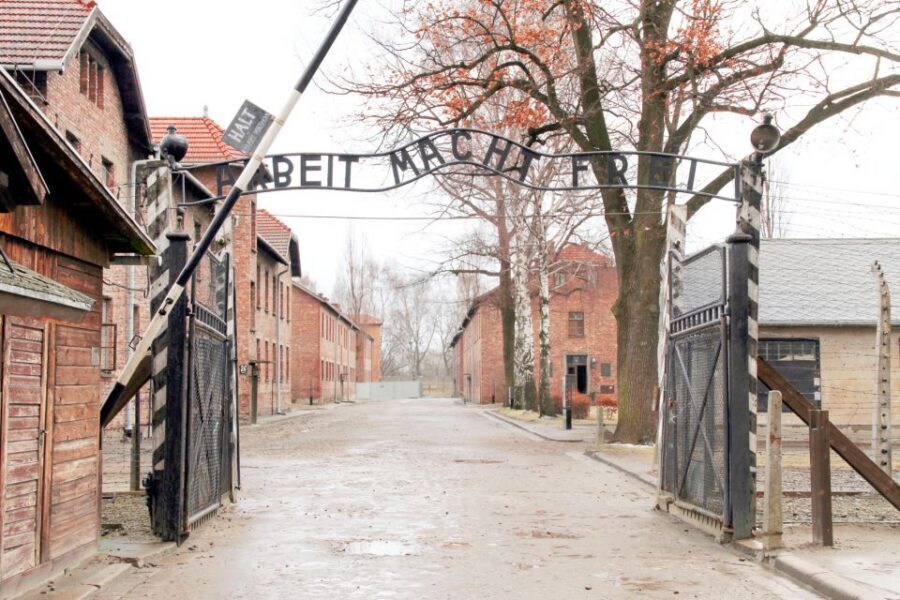
- Auschwitz I: why the guided route helps more than you expect
- Auschwitz II-Birkenau: being outdoors changes everything
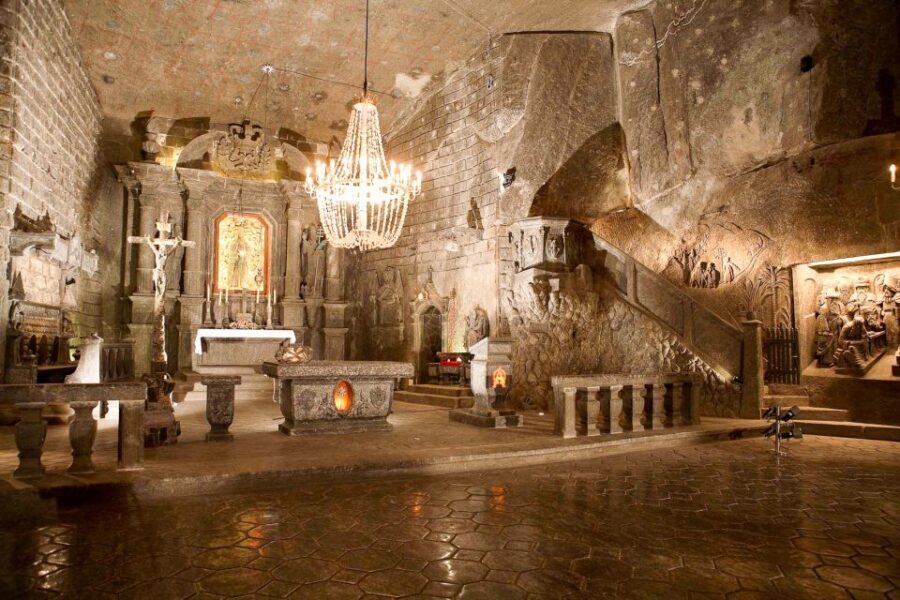
- Wieliczka Salt Mine: sculptures and chambers that feel unreal
- Timing, breaks, and how to survive 11 hours without melting
- Price and value: is $54 a fair deal?
- Who this tour fits best (and who should reconsider)
- What to bring so you’re not stressed on the day
- Should you book this Auschwitz and Wieliczka combo tour?
- FAQ
- How long is the Krakow Auschwitz-Birkenau and Salt Mine guided tour?
- What time does pickup usually happen in Krakow?
- Is the tour guided in English?
- Is entry to Auschwitz and the salt mine included in the price?
- Do I need to bring food or drinks?
- Are backpacks or large bags allowed at Auschwitz?
- Is free cancellation available?
Key highlights to clock before you go
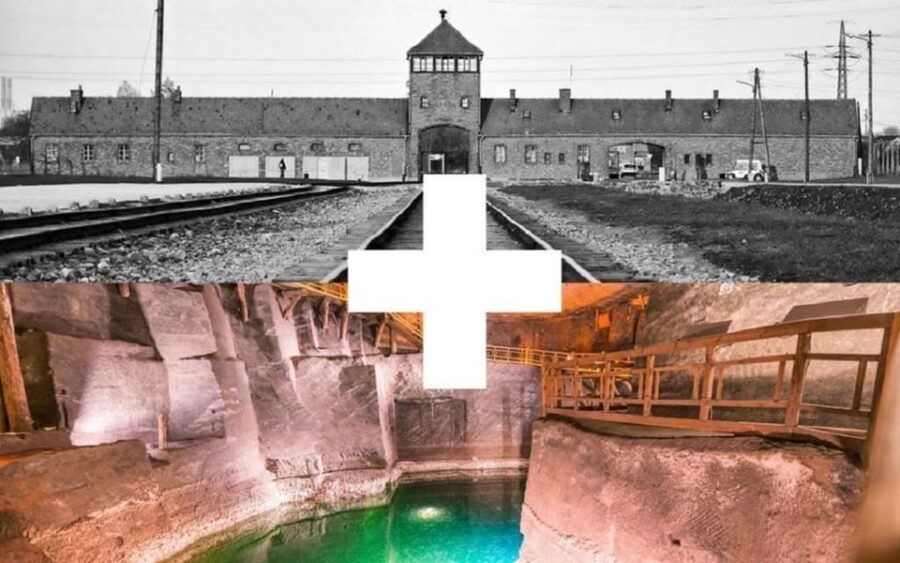
- Two guided memorial experiences: Auschwitz I plus Auschwitz II-Birkenau, with a professional guide for the memorial part of the day
- Headsets included so you can hear clearly while moving through crowded areas
- Salt mine chambers and sculptures that feel like a completely different world
- Early bus transfer from Krakow with pickup options, which matters because you’ll be traveling before the day gets busy
- Short breaks built in, but the day is still long—plan food and energy like it’s a hike day
A long day done right: how this Auschwitz plus Salt Mine combo works
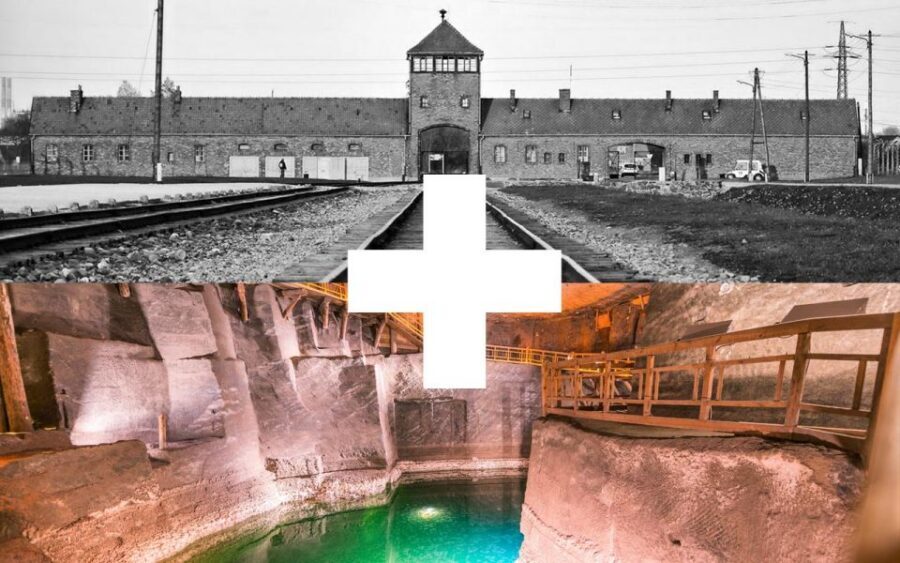
This is the kind of tour that makes sense in Krakow if you want a one-ticket solution. You don’t just ride out and wander. The day is structured around guided time at Auschwitz-Birkenau, then a guided visit to the Wieliczka Salt Mine, with transportation in between.
The full schedule runs for about 11 hours, and it’s paced according to the memorial’s visitor service and the flow of the sites. That means you can’t treat this like a flexible road trip. You’ll be moving in set segments: bus transfer, guided memorial blocks, a bit of buffer time, then the underground mine visit.
If you’re the type who appreciates clear guidance—someone who can explain what you’re seeing and why it matters—this format is a win. If you prefer total freedom, you might find the memorial timing and the group movement a little structured.
You can also read our reviews of more guided tours in Krakow

Pickup, bus ride, and the early-start reality in Krakow
The tour starts very early. The usual pickup window is between 5:00 AM and 10:00 AM, and the exact start time is communicated by email the day before. Some departures run especially early from hotels—one experience I reviewed had a pickup around 5:20 AM—so treat that window as real, not hypothetical.
That early timing does two useful things for you:
- It helps you arrive while the sites are operating smoothly.
- You lose less time sitting in traffic once the day heats up.
On the bus, you’re in an air-conditioned vehicle with a driver and a tour leader to keep the day organized. You’ll also have headsets, which is a big deal for long explanations while people are walking and the group isn’t standing still. The tour leader’s role matters because the day has two very different modes—memorial visiting and underground sightseeing—so you want someone to keep the transitions clear.
Also plan for the basics: you’ll be out all day, and food isn’t included. Pack snacks and think of lunch as something you’ll handle yourself.
Auschwitz I: why the guided route helps more than you expect
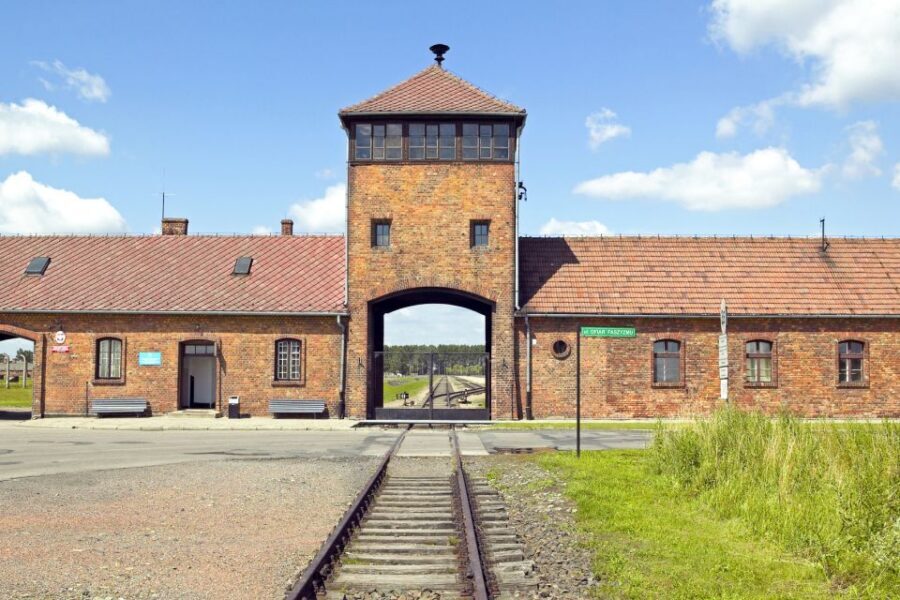
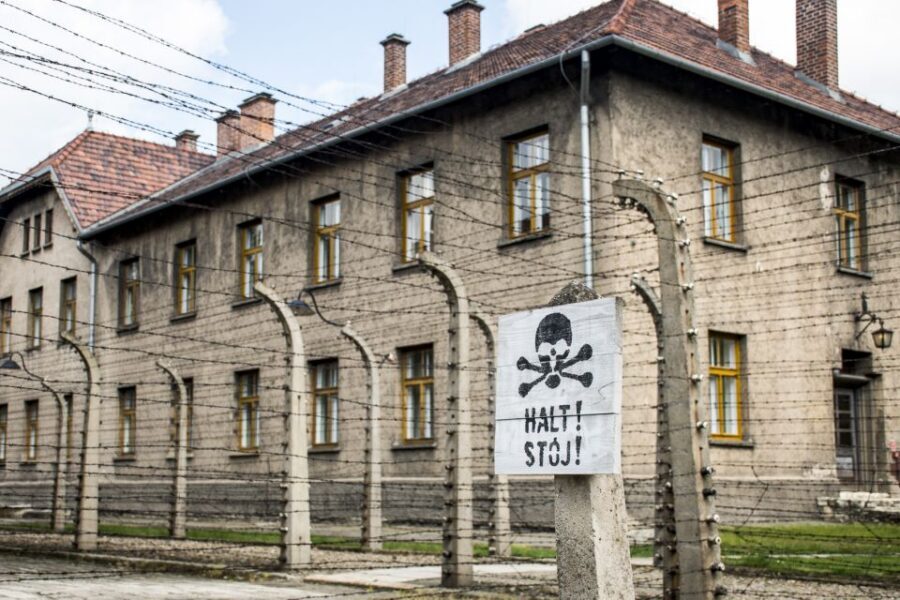
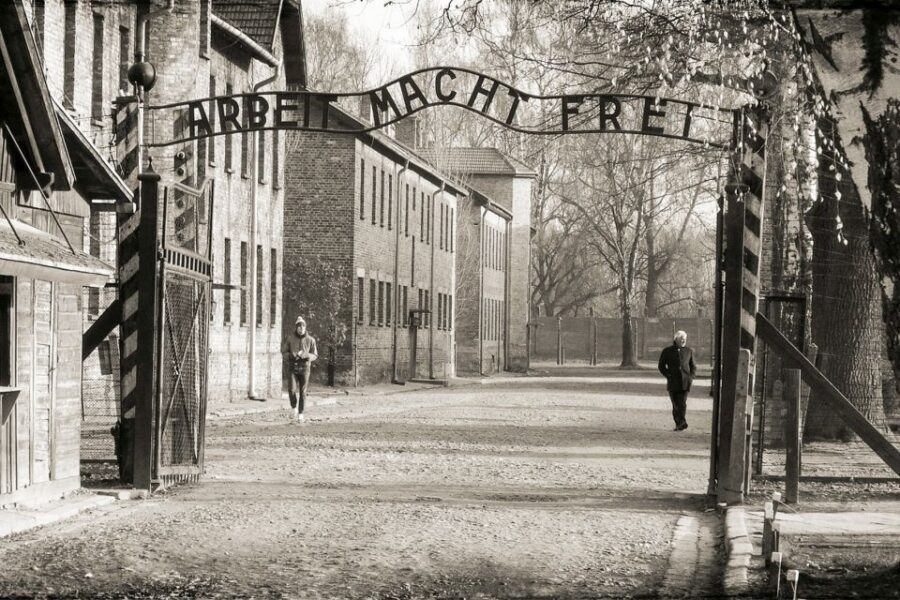
Auschwitz is emotionally heavy. What makes this stop work is the way the visit is guided through Auschwitz I, the main part of the former camp complex. You’ll spend about 2 hours here with a professional guide who introduces the history of the memorial sites and helps you connect details to the larger story.
This is where a guide is more than a convenience. The museum grounds are extensive, and without context it’s easy to miss what’s most important. With a guided route, you’re more likely to notice the patterns—what was built, how the camp functioned, and what the memorial is trying to communicate now.
There’s also typically a short break period in the middle of the day. One schedule includes a brief break before the Birkenau portion, and you’ll want that time for restrooms and quick regrouping—because once you’re back outside, the pace can feel tighter.
One practical note: there’s a lot to look at, and you may wish you could slow down to read everything. But the memorial schedule and group flow set the rhythm. If you’re the kind of person who stops to study every label, expect that you’ll have to accept a more guided, stop-and-move style.
Auschwitz II-Birkenau: being outdoors changes everything
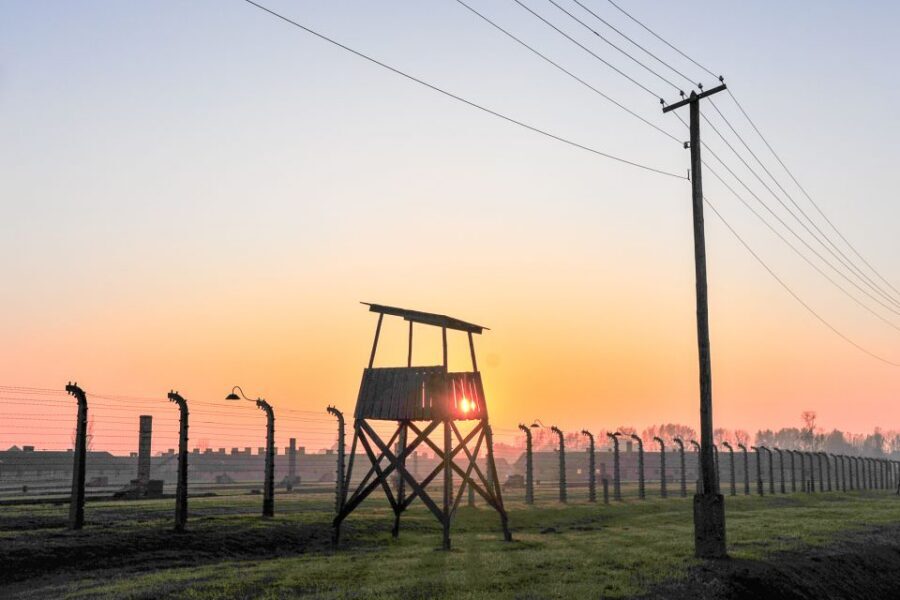
After Auschwitz I, you head to Auschwitz II-Birkenau, which is more open-air and spread out. The stop is about 1 hour with the group, following the memorial’s visitor-service pacing.
Birkenau tends to hit different. Auschwitz I includes structures and indoor explanations; Birkenau is wider, outdoors, and visually stark. Even if you already know the facts, the physical scale has a way of resetting your sense of what you’re standing in.
Weather matters here. If you’re going in winter, dress warm. In one winter experience I read about, it was snowing and the guide and group handled it carefully; routes were kept safe and passable. Even if conditions vary by day, you should assume you’ll be outside enough for cold to matter.
You’ll also have a short transfer time between the two sites, and then there’s usually a small segment of free time later on before you move toward the salt mine. That buffer is helpful. You can use it for a quick break, water, or catching up on anything you want to take in before the underground part of the day.
Wieliczka Salt Mine: sculptures and chambers that feel unreal
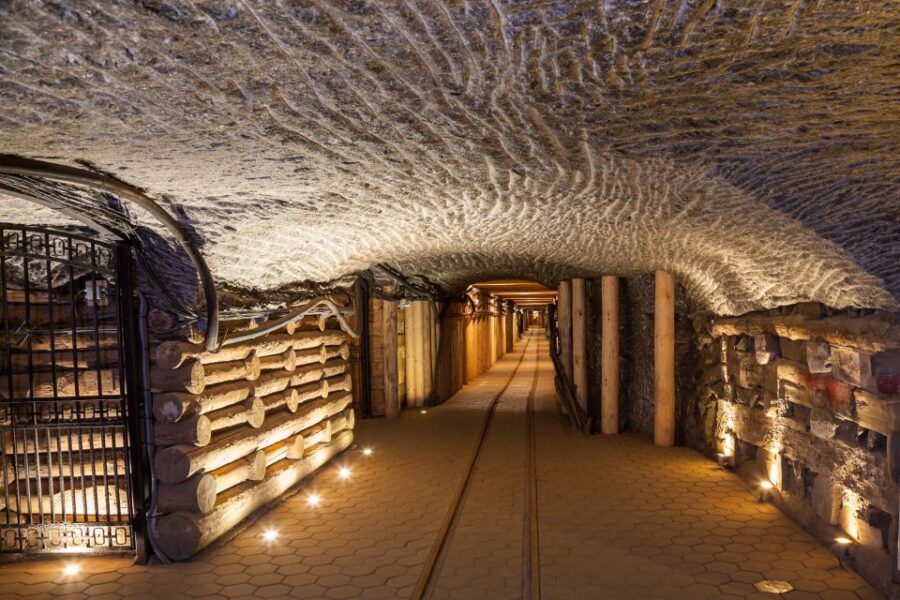
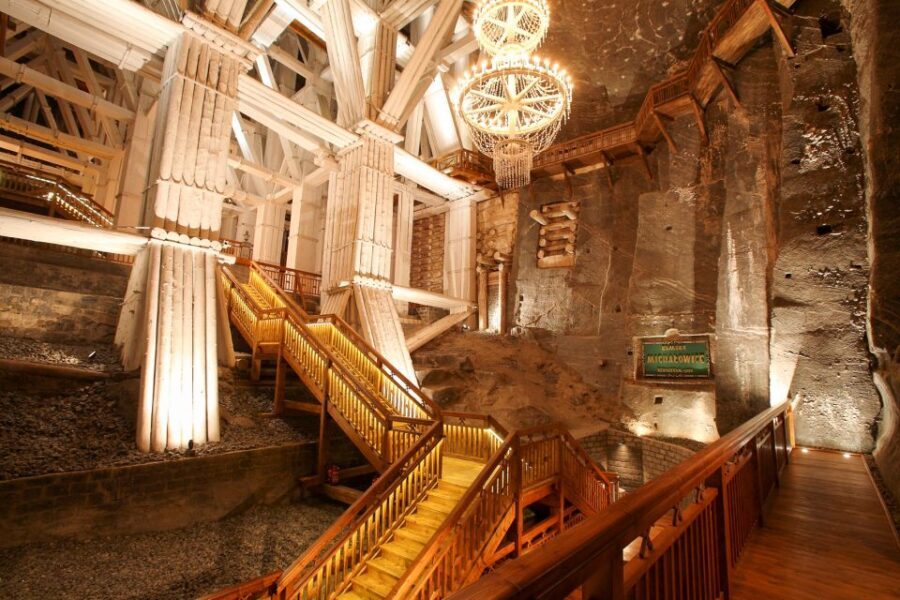
Then comes the curveball: the Wieliczka Salt Mine. You visit for about 2.5 hours, and it’s guided by a local guide who explains the mine’s history and what you’re seeing underground.
The reason this stop works after Auschwitz is contrast. The mine is not about tragedy. It’s about craft, labor, and human ingenuity carved into salt. You’ll see chambers, and you’ll also see original sculptures—not just decorative displays. One guide named Dorothy was noted as funny and excellent at explaining the salt mine experience, which is exactly what you want down there when the setting is already unusual.
A practical heads-up: the mine can feel warm in some chambers even when it’s cold outside. Wear layers you can manage. And because you’re underground, it helps to pack snacks if you’re hungry between breaks—food and drinks aren’t included, and you’ll be using that lunch window strategically.
Also, bring your sense of wonder. The mine is the kind of place where photos are tempting, but the real value is how the guide helps you read the space—what the rooms are, how they’re connected, and why people were drawn to it.


Timing, breaks, and how to survive 11 hours without melting
This is not a quick half-day. It’s a full, intense 11-hour day with travel time and guided time at two major sites.
From a logistics point of view, here’s what matters most:
- You’re getting transportation by air-conditioned bus and pickup/drop-off in central Krakow locations.
- You’ll move through memorial parts on a structured schedule set by the sites.
- You’ll have at least one break for lunch (and the tour format includes a short break earlier as well), but you’ll want snacks because food isn’t included.
One thing that comes through clearly: the day is well organized, and people appreciated the flow and the lack of chaos. The tradeoff is that you won’t always have unlimited time to linger. That can be okay, even good, if you’re there for the guide’s interpretation and you want to cover both Auschwitz and Birkenau thoroughly.
If you like a slower pace, counterbalance it by planning how you’ll use your attention:
- Focus on the key exhibits and the sections your guide highlights most.
- Take photos when you can, but don’t let the camera steal your main attention.
- Treat the breaks like part of the experience, not like wasted time—use them to reset.
Price and value: is $54 a fair deal?
At $54 per person, this tour is priced like a real all-in package: pickup, bus transport, guided time at Auschwitz-Birkenau, guided time at the salt mine, admission to both, and headsets for clear audio.
The main thing not included is also simple: food and drinks.
So where does the value come from?
- You’re paying for two separate ticketed attractions.
- You’re getting guided interpretation at Auschwitz-Birkenau and a guided mine tour.
- You’re not dealing with separate transport planning on your own.
If you were trying to combine these independently, you’d likely spend similar money once you account for transportation time and entry logistics. What you really buy with this price is a managed day: less friction, more structure, and fewer decisions.
Who this tour fits best (and who should reconsider)
This experience is a strong fit for you if:
- You want Auschwitz and Birkenau covered with a guide, not self-guided.
- You’re traveling from Krakow and want a single, organized day plan.
- You like having interpretation that connects what you’re seeing to the bigger story.
It’s less of a fit if:
- You have mobility challenges, because it’s listed as not suitable for people with mobility impairments and wheelchair users.
- You don’t handle early mornings well, because pickup is very early and you’ll be on the move for most of the day.
- You want unlimited time inside exhibits. The pace follows the memorial’s visitor-service plan.
It’s also worth knowing what you can bring. Luggage and large bags aren’t allowed, and the maximum permitted size for bags is 20×30 cm. You’ll want to travel light.
What to bring so you’re not stressed on the day
For this tour, the practical checklist is straightforward:
- Passport or ID card (full name must match what you booked)
- Snacks and a packed lunch
- If you’re eligible, a student card
- Dress for cold and outdoor time, then plan for warmth underground
There’s also a key administrative detail: you’ll be required to provide your full name and contact details, and entry can be refused if the name on your booking doesn’t match your ID. That’s not the place to experiment—double-check spelling before you go.
And if you’re thinking about packing a big day bag: don’t. Stick to the allowed size and keep essentials easy to access.
Should you book this Auschwitz and Wieliczka combo tour?
Yes, you should book if you want an organized, guided way to do both sites in one day from Krakow. The structure is efficient: guided Auschwitz I, guided Birkenau, then the salt mine with its chambers and original sculptures—plus the comfort of bus pickup and headsets.
You should think twice if you need accessibility support, hate very early mornings, or have a strict preference for slow, fully self-directed visits at memorial sites. In those cases, the day’s pacing may feel too compressed.
If you can handle a long day with clear rules, this is a solid value way to turn two major Krakow-region destinations into one managed experience—without losing time to coordination.
FAQ
How long is the Krakow Auschwitz-Birkenau and Salt Mine guided tour?
The tour lasts 11 hours.
What time does pickup usually happen in Krakow?
Pickup usually starts between 5:00 AM and 10:00 AM, and the exact start time is sent by email the day before the tour. Pickup time may change.
Is the tour guided in English?
Yes. The live tour guide is English, and you’ll have guided tours at both Auschwitz-Birkenau and the Wieliczka Salt Mine.
Is entry to Auschwitz and the salt mine included in the price?
Yes. Entry tickets to Auschwitz-Birkenau and the Wieliczka Salt Mine are included on the full tour option (ticket-only for Auschwitz is not mentioned; this is the combo format).
Do I need to bring food or drinks?
Food and drinks are not included. It’s recommended that you bring snacks and a packed lunch.
Are backpacks or large bags allowed at Auschwitz?
No. Luggage or large bags aren’t allowed, and the maximum permitted size for a bag is 20×30 cm.
Is free cancellation available?
Yes. You can cancel up to 24 hours in advance for a full refund.