REVIEW · KRAKOW
From Krakow: Auschwitz & Wieliczka Salt Mine Guided Tour
Book on Viator →Operated by Super Cracow - Tours Shuttle · Bookable on Viator
Two UNESCO sites. One intense day. I love that admission fees and skip-the-line entry are handled for you, so you spend less time sorting paperwork. I also love the small-group feel with headsets for clear English. The main drawback to plan around is simple: this is a long, early day where timing can shift.
You’re looking at about 12 hours total, with hotel or city-center pickup depending on where you stay. You choose a preferred pickup window between 6:00 AM and 10:00 AM, but the exact departure time is confirmed the day before and it’s not guaranteed. Between the two sites there’s a short reset, then a longer lunch break—though lunch itself isn’t included.
The structure is straightforward: about 3 hours at Auschwitz-Birkenau, about 3 hours at the Wieliczka Salt Mine, plus travel and group timing. There are a few practical limits, like a backpack size rule for the Auschwitz museum (30x20x10 cm max) and the expectation that you’ll do a lot of walking in all weather.
In This Review
- Key things to know before you go
- Two UNESCO sites in one day: Auschwitz-Birkenau + Wieliczka Salt Mine
- Price and what you actually get for it
- Pickup windows, bus time, and how to avoid early-day stress
- Auschwitz-Birkenau: what the guided route is designed to show
- Backpack size rules and what to wear when the schedule gets tight
- The short reset between sites: breaks, lunch timing, and step count reality
- Wieliczka Salt Mine: why it feels different from every museum day
- Guides, headsets, and group size: when a big day still feels personal
- When timing shifts: the realistic downside of doing two major sites
- Who should book this tour—and who should skip the combined day
- Should you book this tour? My decision checklist
- FAQ
- How long is the Auschwitz & Wieliczka guided day trip from Krakow?
- What’s included in the price?
- Are admission tickets to Auschwitz and the Salt Mine included?
- Is lunch included?
- What are the backpack size rules for Auschwitz-Birkenau?
- What time will I be picked up from my hotel?
- How many people are in the group?
Key things to know before you go
- All admission handled: Your price covers entry to Auschwitz-Birkenau and the Wieliczka Salt Mine.
- Pickup + comfort basics: Air-conditioned bus, hotel or meeting point pickup/drop-off, and headsets for guide clarity.
- A strict Auschwitz setup: Original barracks and the main gate are part of the guided route, with a security-style backpack limit.
- Short breaks, then real sightseeing: About a 10-minute break during the Auschwitz visit and roughly a 1-hour break between sites.
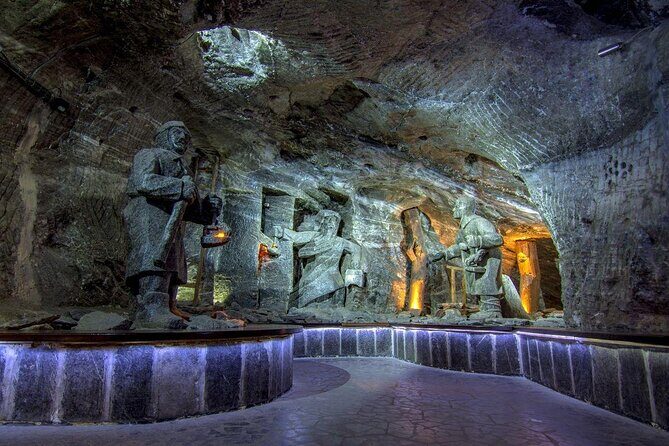
- Wieliczka’s underground route is the show: Galleries, ramps, lakes, chambers, and shafts on the prepared tourist itinerary.
- Expect a long day rhythm: No lunch is included, so snack planning matters more than you’d think.
Two UNESCO sites in one day: Auschwitz-Birkenau + Wieliczka Salt Mine
This is the classic “do the big two” day from Krakow. You’ll go from one of the most important Holocaust memorial sites on earth to an underground salt world that has been operating since the Middle Ages—both UNESCO, both unforgettable, and both very different in tone.
What makes this day workable is the guided format. You’re not just dropped at the entrances; you’re taken through a structured route with a professional local guide at Auschwitz-Birkenau and another guide at Wieliczka.
Still, you should go in knowing it’s not a relaxed day. Even with a bus and headsets, you’re managing crowds, walking, and tight schedule windows.
You can also read our reviews of more guided tours in Krakow

Price and what you actually get for it
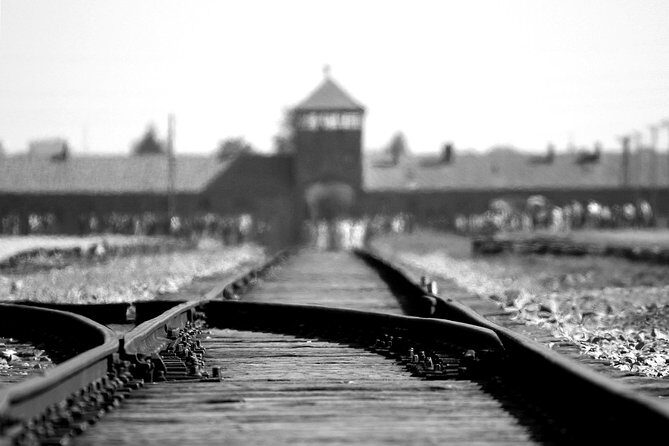
At $143.64 per person for a roughly 12-hour day, the value comes from the “you don’t have to think” parts.
Your tour includes:
- hotel or meeting point pickup and drop-off
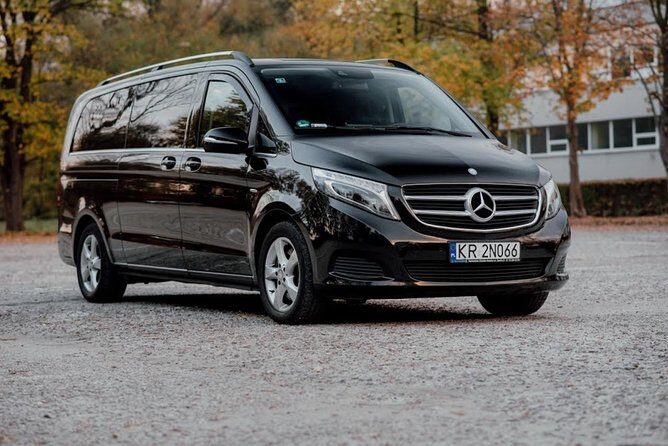
- air-conditioned transport by bus
- English-speaking licensed driver
- professional local guides at both Auschwitz-Birkenau and Wieliczka
- headsets so you can hear the guide clearly
- skip-the-line admission for both sites
That combination matters. Auschwitz in particular is not a place you want to spend time figuring out entry logistics. Here, your admission ticket is managed as part of the tour price, and you’re also meant to use skip-the-line entry access.
On the flip side, a day-trip bundle only feels like good value if the timing matches what you expect. In the less-positive experiences, the complaints often weren’t about the sites—they were about waiting, late starts, and communication confusion. If you’re the type who hates schedule changes, build a little slack into your plans for the day and keep your expectations realistic.
Pickup windows, bus time, and how to avoid early-day stress
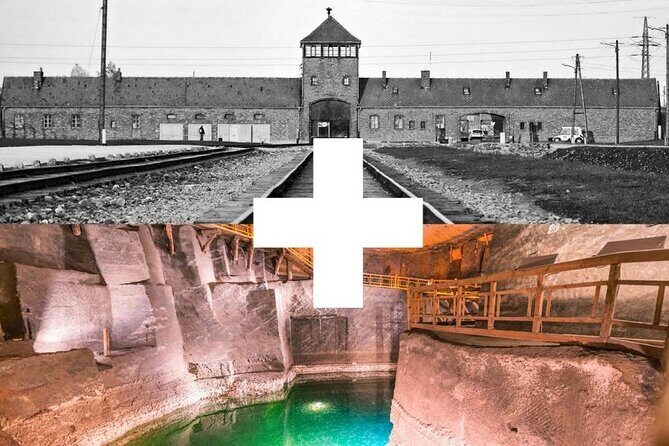
Pickup is where your day starts to feel either smooth—or stressful.
You pick your preferred pickup time, but departure can be anywhere between 6:00 AM and 10:00 AM, and your exact pickup time is confirmed the day before. The operator also notes that your chosen time isn’t guaranteed. That’s not unusual for a day built around fixed visiting hours at major attractions, but you should treat it as real.
If you’re staying outside easy pickup areas, you might be routed to a city-center meeting point instead of a direct hotel pickup—especially if your address details aren’t usable for the bus route. The tour includes pickup and drop-off, but the meeting-point option exists, so check your instructions carefully when you receive confirmation.
Practical tip: keep ID accessible. You’ll be asked to have your ID during the tour, and the operator needs participant names exactly as in your ID or passports.
Auschwitz-Birkenau: what the guided route is designed to show
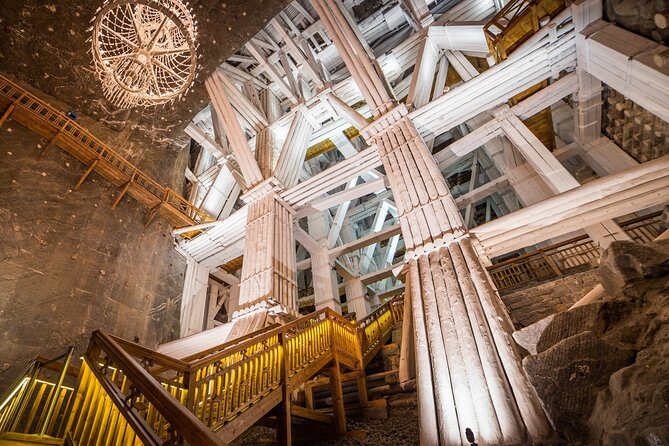
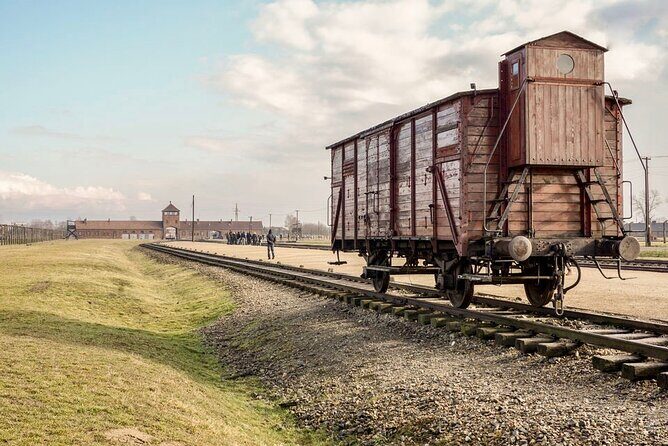
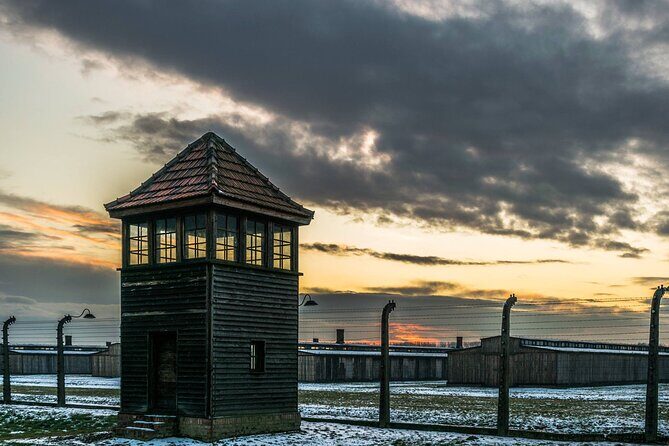
Auschwitz-Birkenau is allotted about 3 hours on this schedule, and the guided route is the core of the experience.
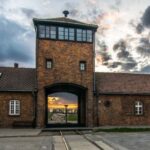
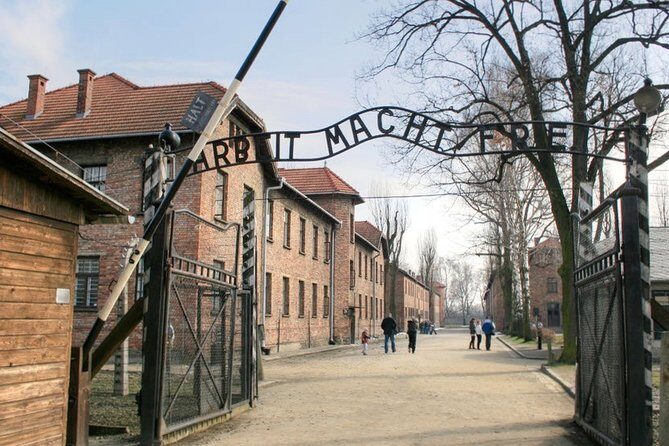
You’ll see the main gate to Auschwitz and visit the original barracks—exactly the kind of landmark moments that are hard to connect without a guide. The tour framing also emphasizes the historical context: the camp as a Nazi genocide and terror symbol, with over one million deaths (mostly Jews) and the postwar conversion into a museum dedicated to memory.
This is one of those places where the guide’s role isn’t just “interesting facts.” It’s also about pacing and respectful distance. With headsets and a planned group route, you’re less likely to drift into the wrong spot at the wrong time.
One more thing: there’s an about 10-minute break during the Auschwitz-Birkenau visit. That sounds small, but it’s useful if you’re sensitive to heat, waiting, or long stretches of indoor viewing rules. Plan to use it, not to scroll your phone for 20 minutes.
Backpack size rules and what to wear when the schedule gets tight
Auschwitz has museum-style limits, and this tour includes a specific one: the maximum backpack size is 30x20x10 cm.
If your bag is larger, you’ll need to rethink what you bring. Keep essentials: water, a light layer, and your camera if permitted. Leave the bulky stuff at your hotel so you don’t lose time near the entry process.
Dress for the day you’ll actually be in. The tour runs in all weather, and you’ll be outside at times, including long gaps that can happen when crowding shifts visiting slots. Some people also find it easier if they bring something small like a folding poncho for sudden rain, since umbrellas can be awkward in crowds.


The short reset between sites: breaks, lunch timing, and step count reality
Between Auschwitz-Birkenau and the Wieliczka Salt Mine, you get about 1 hour for the lunch break. The tour is clear that lunch itself is not included.
So you’re managing hunger the way locals do: with what you can buy on the go, what you packed, or what you can grab during the break. In practice, the timing can feel like you’re eating later than expected. If you know you get shaky or cranky when you skip meals, bring snacks and small drinks with you.
Also, remember this is a combined day. Even when each stop is “only” three hours, travel time and walking add up fast. Your best strategy is to treat the itinerary as continuous work: comfortable shoes, minimal bag weight, and a “plan to keep moving” mindset.
Wieliczka Salt Mine: why it feels different from every museum day
The Wieliczka Salt Mine is also about 3 hours in this schedule, and it’s the tonal counterweight to Auschwitz.
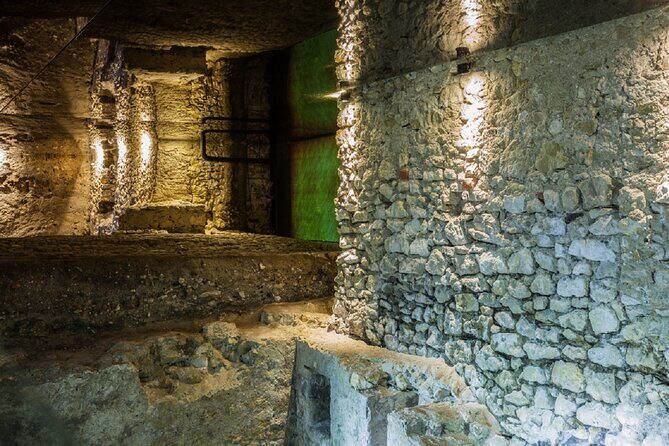
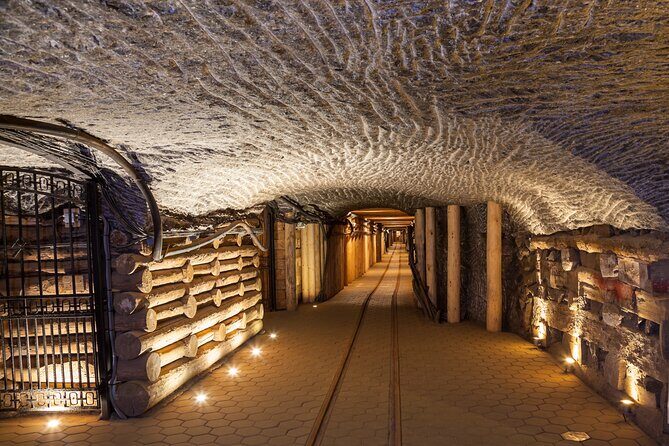
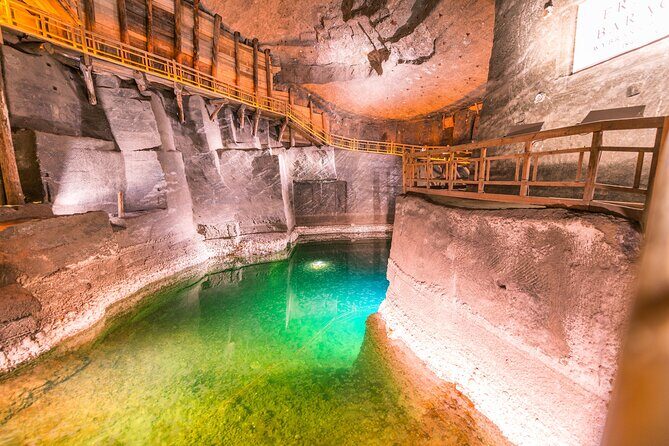
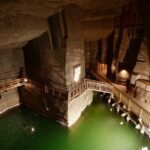
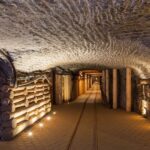
Here, the UNESCO draw isn’t a single building—it’s the working mine world. You’ll visit an itinerary that includes original excavated holes, galleries, ramps, lakes, chambers, and shafts. That’s why Wieliczka doesn’t feel like a typical museum stop. You move through a space that is literally shaped by mining over centuries.
If you like sights you can’t fully imagine from photos, Wieliczka is built for that. People often come for the novelty of being underground and leave thinking about engineering, labor, and how people lived and worked around the mine long before modern tourism existed.
This day also helps because you’re not rushed the whole time. After the Auschwitz intensity, the mine gives you moments to look, walk, and take in the scale.
Guides, headsets, and group size: when a big day still feels personal
This tour has a maximum group size of 30 travelers. That matters because both Auschwitz and Wieliczka can handle crowds—but they still feel better when your group is manageable.
Headsets are included, so you can hear your English-speaking guide without leaning forward or trying to read lips in a noisy crowd. On top of that, the tour uses licensed drivers and local guides, so you’re not relying on an unassisted audio guide loop.
In real-world operations, guide quality tends to be the make-or-break factor. I’ve seen strong praise attached to guides such as Michael (noted on the coach) and guides named Sylvia and Phillip in the same overall day structure. There are also mentions of Karolina, Dominik, and Łukasz as part of the guiding team. You shouldn’t count on the exact names for your own day, but it’s a good sign that the tour often assigns real local professionals rather than generic staffing.
When timing shifts: the realistic downside of doing two major sites
The biggest downside isn’t the content. It’s the choreography.
Auschwitz visiting hours can get crowded, and some operating days shift pickup or rearrange the order of the stops. The tour notes that the time you choose is not guaranteed and that the Auschwitz visit may be affected by museum limits. That’s exactly the kind of thing that can create late starts, waiting around, and frustration.
There are also complaints that the day can feel long and exhausting, sometimes with uncomfortable transport conditions (crowded seats, tight vans/buses) when the schedule is running behind. There are even cases where participants reported waiting for long stretches before tours started.
Here’s the practical fix: don’t schedule anything important right before or right after this day. Plan a calm evening in Krakow. And consider this tour as “a big commitment” rather than “a quick day out.”
Who should book this tour—and who should skip the combined day
I’d book this if you want:
- a guided visit to Auschwitz-Birkenau with a structured route
- a guided Wieliczka Salt Mine route that hits the main underground features
- a setup that includes pickup, transport, and admission all in one purchase
- headsets so the guide is audible and easy to follow
I’d think twice if you:
- hate early mornings and schedule changes
- prefer long sit-down breaks during tours
- get uncomfortable with lots of walking in heat or poor weather
- want a more flexible pace for photography, questions, or bathroom stops
A combined day is efficient, but it’s also intense. If you’re traveling with mobility limits or you want a slower pace, you may be happier with a private or single-site option instead of cramming both into one day.
Should you book this tour? My decision checklist
Book it if your priorities are guided access and time-saving admissions. This is one of the more straightforward ways to handle two UNESCO sites without doing homework on ticketing and entry flow.
I’d take a little caution if timing changes would ruin your day. Since pickup time and start timing can shift, plan for early departure and potential waiting. Bring a small snack kit, water, and pack to the Auschwitz backpack size limit (30x20x10 cm max).
Finally, keep your expectations balanced: even when the organization isn’t perfect, the sites themselves are powerful and worth the effort. If you can handle a long day and you’re okay with schedule adjustments, this is a solid value buy for doing Auschwitz and Wieliczka together.
FAQ
How long is the Auschwitz & Wieliczka guided day trip from Krakow?
The tour runs about 12 hours (approx.), including travel time between Auschwitz-Birkenau and the Wieliczka Salt Mine.
What’s included in the price?
Your price includes hotel or meeting point pickup and drop-off, transport by air-conditioned bus, an English-speaking licensed driver, professional local guides at both sites, headsets, and skip-the-line entry tickets for Auschwitz-Birkenau and the Wieliczka Salt Mine.
Are admission tickets to Auschwitz and the Salt Mine included?
Yes. Admission tickets for both Auschwitz-Birkenau and the Wieliczka Salt Mine are included, with skip-the-line access as part of the tour.
Is lunch included?
No. A lunch break is scheduled (about 1 hour between Auschwitz and the Salt Mine), but you’ll need to buy food yourself.
What are the backpack size rules for Auschwitz-Birkenau?
The maximum backpack size allowed into the Auschwitz Museum cannot exceed 30x20x10 cm.
What time will I be picked up from my hotel?
Pickup is offered between 6:00 AM and 10:00 AM. You choose a preferred time when booking, but the exact departure time is confirmed the day before and your preferred time isn’t guaranteed.
How many people are in the group?
This tour has a maximum group size of 30 travelers.
If you tell me your travel dates and where you’re staying in Krakow (near Main Square, Kazimierz, etc.), I can help you think through the morning pickup risk and what to pack for the Auschwitz backpack limit.