REVIEW · GDANSK
Stutthof Concentration Camp Regular Tour from Gdansk
Book on Viator →Operated by GdanskShuttle.com - Regular Tours and Private Airport Transfers in Gdansk · Bookable on Viator
A quiet lesson in human cruelty. A half-day trip from Gdansk to Stutthof Concentration Camp turns heavy facts into a clear, guided route, with a small group cap of 16 that keeps the atmosphere focused.
You get door-to-door pickup and drop-off, so you spend less time figuring out transport and more time learning on site.
What I like most is the mix of structure and breathing space: 2 to 2.5 hours with a museum guide, then a short break to look, reflect, and take photos. The only real drawback to plan for is pacing. You’ll cover a lot of ground, so if you want to linger over every caption and exhibit, you may feel a bit rushed.
In This Review
- Key things to know before you go
- Door-to-door pickup from Gdansk: timing and what to expect
- The drive to Stutthof: using the journey time well
- Entering Muzeum Stutthof w Sztutowie: how the guided time is set up
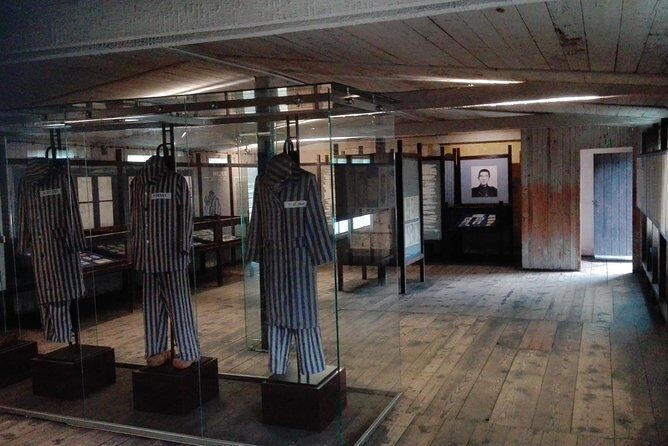
- The camp route: old and new quarters, villa, gas chambers, crematorium
- Old and new camp quarters
- The commander’s villa
- Gas chambers and crematorium
- The camp victims’ monument
- Persecution and occupation of Pomerania
- First Nazi concentration camp outside German territory
- Group size (16 max) and why it changes the feeling
- Price and value: is $140.43 worth a half-day camp visit?
- What to pack and how to pace yourself on the site
- Who should book this Stutthof tour from Gdansk
- Should you book this Stutthof tour?
- FAQ
- What time does the Stutthof tour start?
- How long is the tour?
- Do they pick you up from your hotel?
- Is the tour offered in English?
- How big is the group?
- Is admission to Stutthof included?
- Is it suitable for children?
- Can I get picked up from the Gdynia port?
- What is the cancellation policy?
Key things to know before you go

- Hotel pickup in Gdansk (and Sopot) with a confirmed time by text
- Max 16 people, which helps the guide keep a calm, respectful tone
- English-speaking licensed guide with a guided museum visit
- Included admission to Stutthof
- A set route: old and new camp quarters, commander’s villa, gas chambers, crematorium, and the victims’ monument
- A short self-guided window (15 minutes) for photos, reflection, and quiet thinking
Door-to-door pickup from Gdansk: timing and what to expect
This is one of those tours where logistics matter, because the site is not in central Gdansk. The day starts at 8:00 am, and you’ll be picked up from your hotel or apartment in Gdansk or Sopot. The exact pickup time is sent by text about 12 hours before, but your pickup window may vary between 7:30 and 9:30.
The drive to Stutthof is typically 45 to 60 minutes, depending on traffic. After the visit, you’ll be brought back the same way. In practice, that means your day is built around the route time plus a fixed on-site program, not a flexible explore-forever schedule.
What to do with this info: I recommend planning on a calm morning. If you’re coming from elsewhere, build in buffer time so you are ready when the message arrives. Also, remember that a half-day tour still includes real walking on uneven ground—comfortable shoes aren’t optional.
You can also read our reviews of more tours and experiences in Gdansk.



The drive to Stutthof: using the journey time well
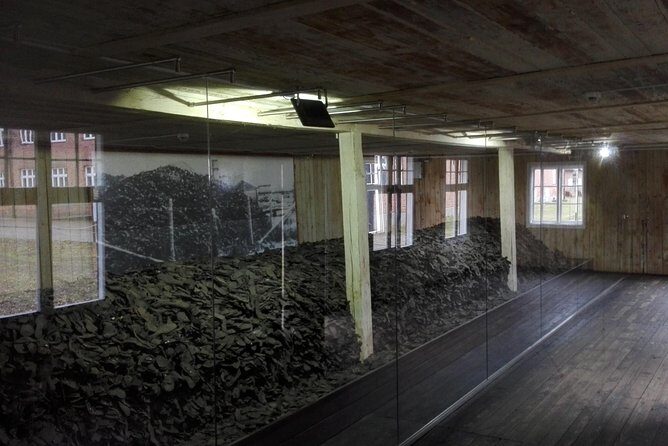
The ride gives you a chance to get oriented before you enter the museum space. You’ll hear context in the lead-up, and that helps when the site starts laying out the timeline. One reason this tour works is that it doesn’t treat the camp like a single stop; it frames it as part of a broader system and a specific place in Pomerania.
If you’re interested in the historical “why this matters” angle, keep an eye on what your guide emphasizes. Several guides connected with this kind of route are noted for connecting Stutthof to the larger war picture in Poland, not just listing dates.
Small-group math: Because the group is capped at 16, your guide can control volume and pacing better than in a huge bus group. That matters here. You’ll be listening a lot, and you’ll want it quiet enough to actually take the information in.
Entering Muzeum Stutthof w Sztutowie: how the guided time is set up
Once you arrive, your English-speaking guide leads you through the camp area and museum context. The program includes prolonged time of 2 to 2.5 hours with the museum guide. That’s the heart of the tour, and it’s also where the tone matters.
What I find valuable in this structure is that the guide time is long enough for explanation, not just a quick walk-by. The route covers both the old and new camp quarters, plus major installations that help you understand how the system operated. Guides are also described as kind and sensitive with their delivery, aiming to be honest without turning the experience into spectacle.
After the guided portion, there’s 15 minutes of free time. That short break is easy to underestimate, but it’s useful. It gives you a chance to:
- look at captions at your own pace
- step back for a moment to absorb what you just learned
- take photos if you want them
Practical note: 15 minutes goes fast, especially if it’s cold. If you can, do a quick mental checklist before your free time: what do you want to photograph, and what do you want to reread?
The camp route: old and new quarters, villa, gas chambers, crematorium
The tour follows a clear sequence of sites inside Stutthof. Here’s what you can expect to see as the program moves from general context to specific locations.
Old and new camp quarters
You’ll walk through areas associated with both earlier and later phases of the camp. Seeing these sections matters because it shows the scale and the evolution over time. The biggest lesson here tends to be spatial: how large the camp footprint is and how tightly the areas were organized.



The commander’s villa
The commander’s villa is one of the starkest contrasts on the route. It highlights how power and comfort sat beside confinement and mass violence. Even if you already know the general facts, this stop tends to make them feel immediate.
Gas chambers and crematorium
This is the portion that most people remember most vividly, and for good reason. The tour includes the gas chambers and crematorium, along with what you’re told about mass murder. Expect the guide to handle it with care and to stay focused on meaning, not shock value.
Be ready for this emotionally. The setting is heavy. If you need breaks, use them. You can’t pause the group forever, but you can step aside briefly if you feel overwhelmed.
The camp victims’ monument
The end of the route includes a moment for remembrance at the camp victims’ monument. The tour’s stated purpose is to pay tribute to more than 60,000 people who died at the site. This isn’t an add-on. It’s part of how the tour returns you from the mechanics of atrocity back to human loss.
Persecution and occupation of Pomerania
Another valuable aspect is that the guide also connects the camp to the persecution and occupation of Pomerania. That context helps you place Stutthof in the real geography of Poland and the wider Nazi occupation system. It turns the site from isolated horror into a documented part of a larger plan.
First Nazi concentration camp outside German territory
Stutthof is described as the first Nazi concentration camp outside German territory. That detail matters because it changes the frame: it’s not only about what happened inside the camp walls; it’s about how the system spread outward.
Group size (16 max) and why it changes the feeling
A cap of 16 people is not just a comfort detail. Here, it affects your ability to ask questions, hear explanations clearly, and absorb the material without constant interruptions.
This is also where the guides shine. Names that come up often for this style of route include Simon and Michael, along with others such as Thomas and Mikey. They’re repeatedly described as smart and careful with their delivery—giving information with an emotional awareness that keeps the tour respectful.
What you’ll want to watch for is whether the guide slows down at the places you care about. With a small group, the guide can often adjust. With larger groups, everything tends to move faster, and captions become optional.
Price and value: is $140.43 worth a half-day camp visit?
The price is $140.43 per person, and the tour runs about 4 to 5 hours total. On paper, that can feel steep compared to “half-day sightseeing.” But here’s the real value calculation.
You’re paying for:
- Hotel pickup and drop-off (Gdansk and Sopot)
- A licensed English-speaking guide for deep, on-site interpretation
- Included admission to Stutthof
- A small-group setup that makes listening possible
For a concentration camp visit, the guide time is the main product. The admission fee alone doesn’t create understanding. The structure of a guided route, plus context about Pomerania and WWII, is what helps the visit land in your brain as more than just photos and ruins.
Book early if you can. This tour is described as commonly booked about 20 days in advance, so peak times can fill.
What to pack and how to pace yourself on the site
Nothing is listed as required, but the reality is simple: this is outdoors and it can feel raw. Plan for weather and walking time, even if the tour doesn’t mention strenuous terrain. Wear shoes you can stand and walk in for stretches.
Also, mentally plan your pacing. The format includes guided time, then a short break. If your goal is to read slowly, take notes, or revisit exhibits, choose the moments you care about most. One good strategy is to let the guide explain the route first, then use the 15-minute free time to do your own reading.
Who should book this Stutthof tour from Gdansk

This tour is a strong fit if you want:
- a structured, respectful visit with an English-speaking guide
- hotel pickup to remove friction from your day
- a small group size that keeps things calm
- a route that covers major sites without you having to plan every turn
It may not be ideal if you’re traveling with kids. It’s not recommended for children under 13. It’s also best for people who can handle a serious subject. This is not a light stop between museums.
Should you book this Stutthof tour?
If you’re coming from Gdansk and you want a guided, small-group camp visit that includes admission and avoids complicated transport, I think it’s a smart booking. The combination of door-to-door convenience, 2 to 2.5 hours of guided time, and a short reflection break hits a practical sweet spot.
The decision comes down to your preferred pace. If you want to read every caption slowly and stay longer in select areas, you might feel constrained by the set program. If you want a clear route with context and a guide who handles the subject with care, this is the kind of tour that fits well.
FAQ
What time does the Stutthof tour start?
The tour starts at 8:00 am. Your exact pickup time may vary between 7:30 and 9:30 and is confirmed by text the day before.
How long is the tour?
Plan on 4 to 5 hours total, including the drive time between Gdansk (or Sopot) and Stutthof.
Do they pick you up from your hotel?
Yes. Pickup is available from any location in Gdansk (hotel, apartment, etc.) or Sopot, and you’ll also be dropped back after the tour.
Is the tour offered in English?
Yes. The tour includes a licensed English-speaking guide.
How big is the group?
The tour has a maximum of 16 travelers, which keeps it small-group focused.
Is admission to Stutthof included?
Yes. Admission ticket is included for the Stutthof visiting portion.
Is it suitable for children?
It is not recommended for children under 13.
Can I get picked up from the Gdynia port?
You can, but you need to contact the provider first. There is an additional payment mentioned for port pickup/drop-off (from 219 PLN).
What is the cancellation policy?
You can cancel for free up to 24 hours in advance for a full refund.
If you want, tell me your travel dates and whether you’re staying in Gdansk or Sopot, and I’ll help you think through timing and what to prioritize on the site.