REVIEW · WARSAW
Warsaw: Old and New Town Private Walking Tour
Book on GetYourGuide →Operated by PT Team · Bookable on GetYourGuide
Warsaw history starts on Castle Square. I love the Old Town color and the way the Royal Route links royal power, street life, and wartime rebuilding in one focused 4-hour private walk; my other favorite part is seeing how one landmark leads to the next, from Sigismund’s Column to the Warsaw Mermaid. One consideration: if you want to go inside the Royal Castle, admission fees aren’t included.
I also like that this isn’t a canned slideshow. Guides such as Karla, Magda, Meggy, and Carolina are often praised for making the story feel human—through clear explanations, good pacing, and adapting to what you care about most.
Plan for a lot of ground covered on foot, because it’s a walking route through dense central Warsaw. Also, you’ll be choosing your focus: you can go interior at some major stops, or keep moving and save time for the rest of the route.
In This Review
- Key things to know before you go
- Old Town plus New Town in 4 hours: the smart value of a private walk
- Sigismund’s Column to Royal Castle: starting Warsaw’s timeline correctly
- Royal Castle: art you can spot and politics you can picture
- Old Town Square, tenement houses, and the Warsaw Mermaid
- Barbican, Kanonia Street, and the city wall route to Gnojna Góra
- Cathedral tombs, Krasinski Palace, and the Warsaw Uprising monument
- Grand Theatre, National Opera, and the Tomb of the Unknown Soldier
- Finishing with the Royal Route: Presidential Palace and Warsaw University
- Price and value: what $16 gets you (and what it doesn’t)
- Who this tour suits best
- Should you book this private walking tour?
- FAQ
- FAQ
- How long is the Warsaw Old and New Town private walking tour?
- Where do I meet the guide?
- Is it a private group?
- What’s included in the price?
- What languages are available?
- Do I pay upfront, and can I cancel?
Key things to know before you go
- Old Town highlights plus Royal Route logic: you’re not just taking photos; you’re learning how the city’s main sights connect.
- Royal Castle context without rushing you: you’ll see the sites tied to Poland’s 3 May Constitution, with optional time inside.
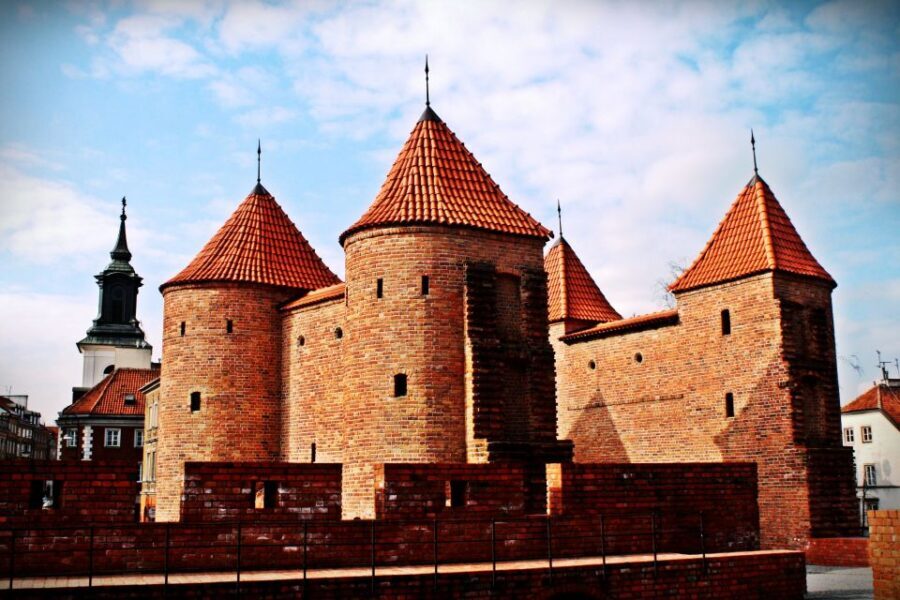
- Barbican and the city walls for real atmosphere: you get the “defense” side of Warsaw’s Old Town, plus Vistula viewpoints.
- Cathedral tombs across centuries: from medieval Mazovian princes to Stanisław August Poniatowski and Ignacy Jan Paderewski.
- WWII devastation explained on the walk: you’ll connect postwar reconstruction with specific memorials and streets.
- Private pacing and support materials: some guides use maps/photos to help you understand what you’re looking at.
Old Town plus New Town in 4 hours: the smart value of a private walk
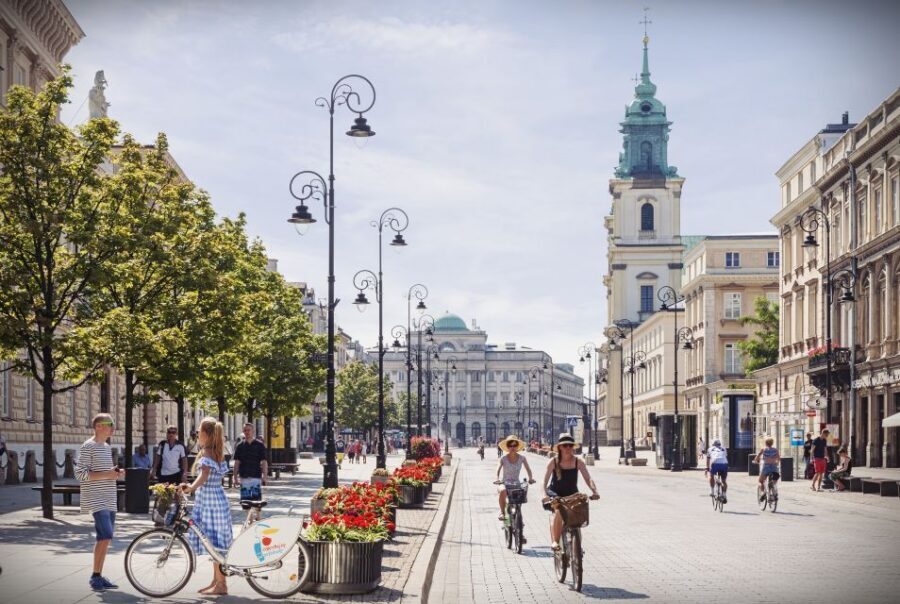
Warsaw can feel like two cities sharing the same map: the rebuilt Old Town core and the more modern government, opera, and memorial areas stretching outward. This private route works because it keeps changing pace—pretty streets and royal symbols, then heavier sites that explain why the city looks the way it does today.
At $16 per person for 4 hours, the value is mostly in the guide. What you’re really buying is orientation and context: why each place matters, how it ties to Polish political life, and what to notice when you’re walking past it later on your own.
Private format matters, too. When your group is just you (or you plus a few people), the guide can slow down for the questions you actually have—something that shows up in guide feedback like flexibility and a friendly, conversation-ready approach.
You can also read our reviews of more walking tours in Warsaw



Sigismund’s Column to Royal Castle: starting Warsaw’s timeline correctly
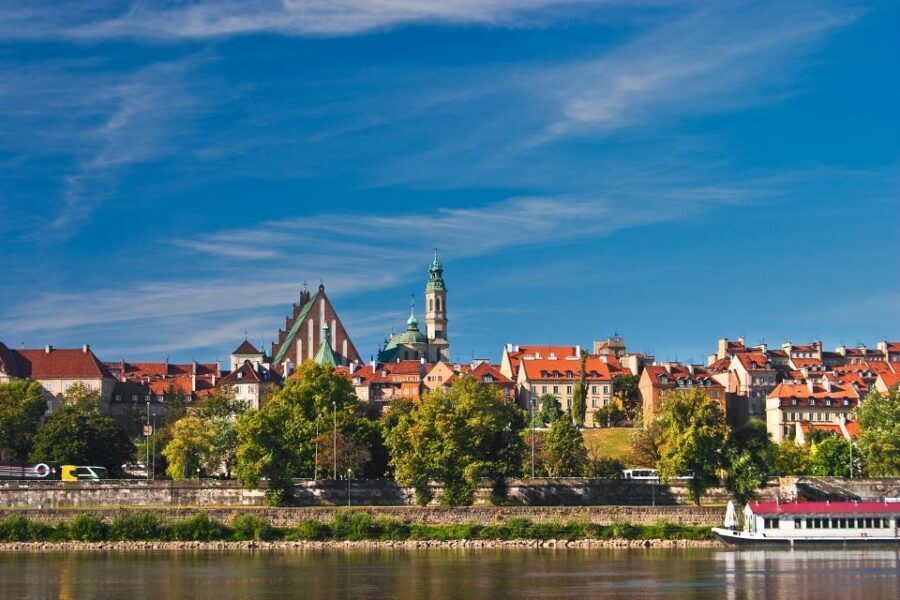
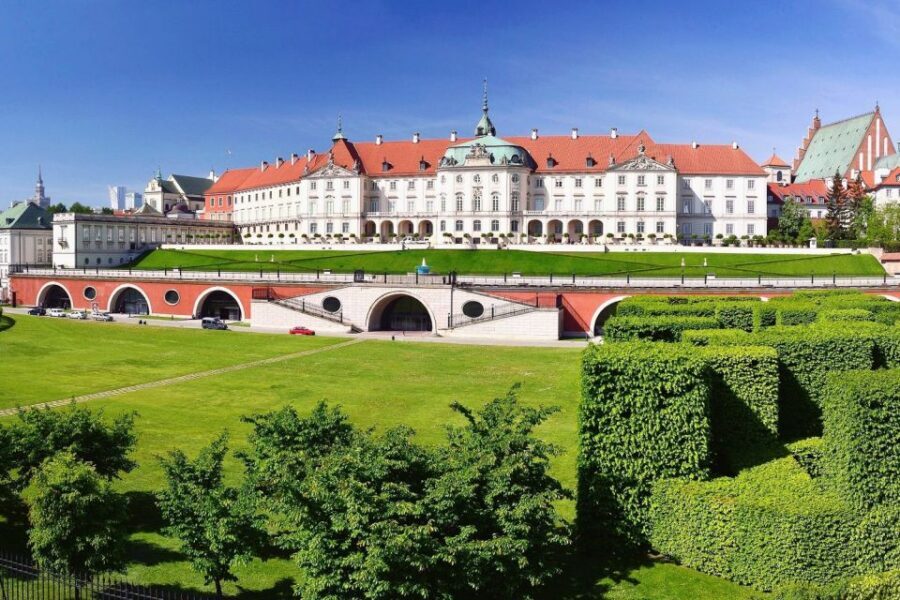
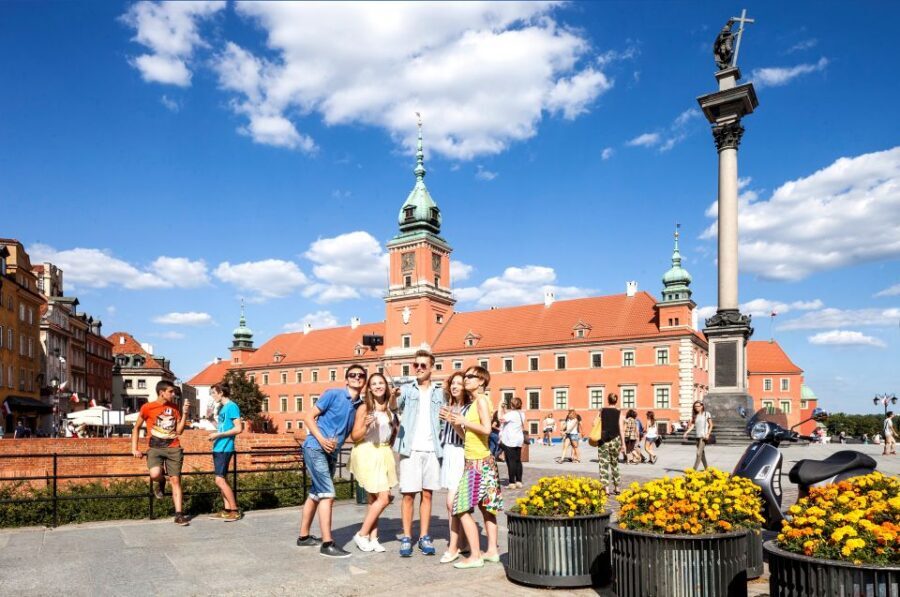
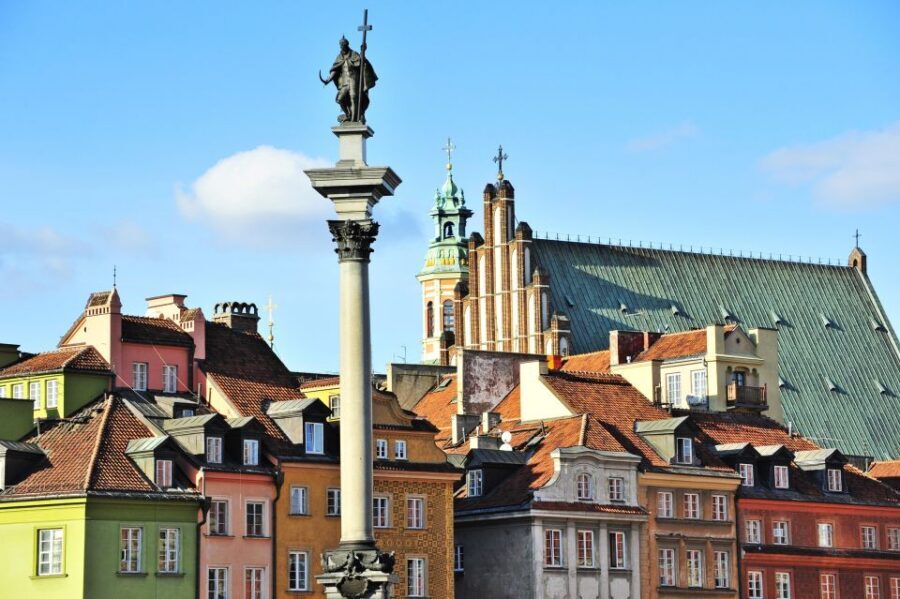
You meet at Sigismund’s Column on Castle Square, with your guide holding your name. This is a strong starting point because it anchors the early story: the Polish king Sigismund moved the capital from Kraków to Warsaw in the 16th century, and that shift shaped everything that followed.
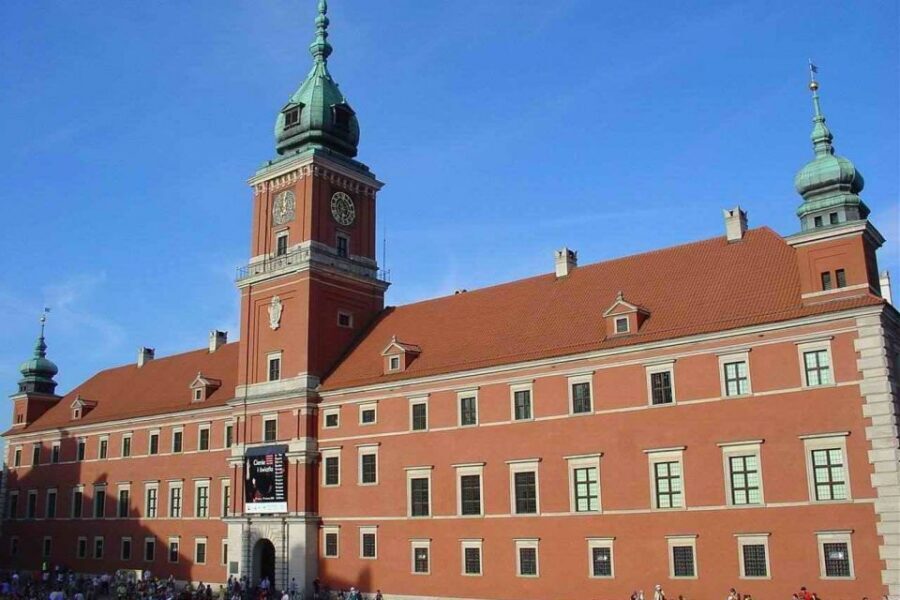
From there, you move toward the Royal Castle, which is more than a pretty landmark. It’s tied to key moments of Polish statehood—especially the Constitution of 3 May, often described as the first in Europe and the second in the world.
A small but useful detail: you’ll likely start with what you can see from outside, then decide about the interior. That choice is practical because interior time can change your pacing. If you’re the type who likes art and documents, plan to go in; if you prefer the whole street-by-street route, keep moving.
Royal Castle: art you can spot and politics you can picture
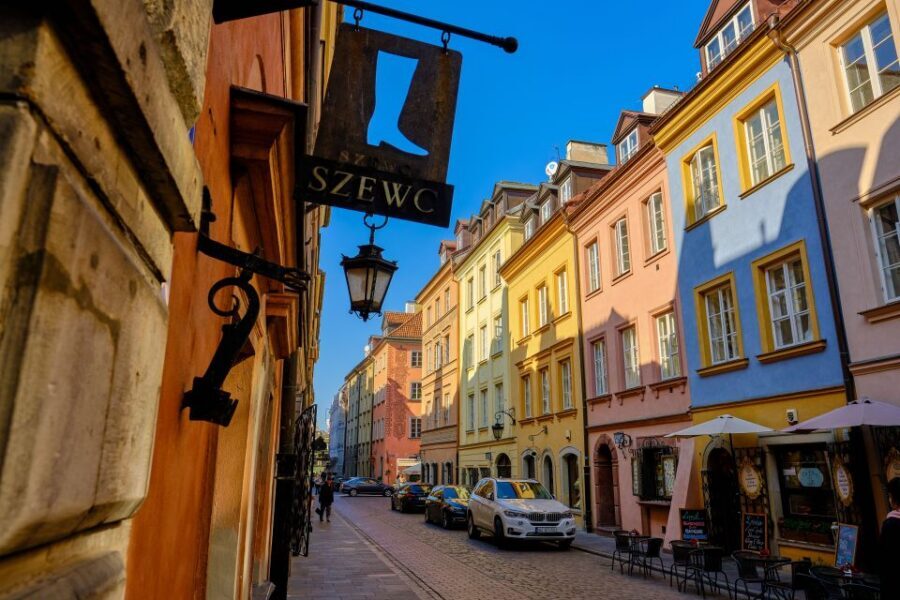
If you collect your ticket and step inside the Royal Castle, you’ll get a clearer sense of how the building functioned as a seat of power. The route highlights not just rooms and history in general terms, but specific cultural touchstones tied to the collections.
Look for the references to major artists, including works attributed to Rembrandt and paintings by Bernardo Bellotto, who is also known as Canaletto. Even if you’re not an art expert, these names give you handles—something to connect when you see similar styles or cityscapes later.
The key takeaway for you: the castle story isn’t abstract. It’s about how governance and culture were fused in Warsaw’s self-image, long before WWII shattered much of the city.
Old Town Square, tenement houses, and the Warsaw Mermaid
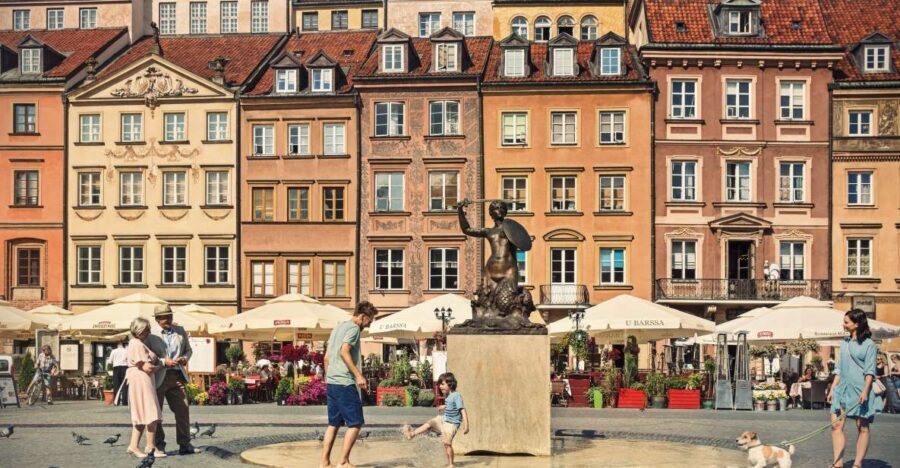
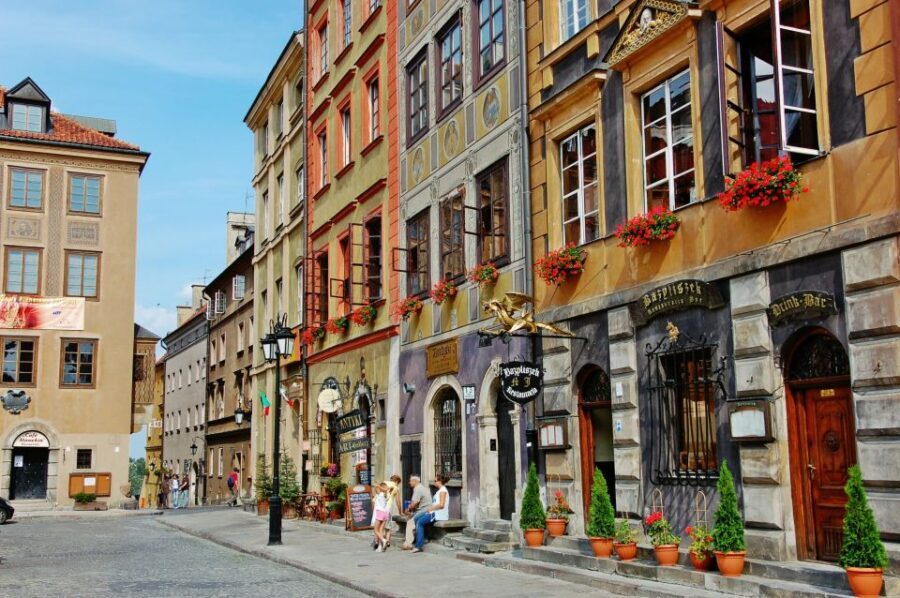
The walk into the Old Town Square area is where Warsaw’s character hits you fast. The colorful tenement houses aren’t just decorative; they show how the city lived day to day—markets, celebrations, and public life.
The tour also points out a darker truth connected to the same streets: the area was used for events, but also for executions of convicts. That contrast can make the Old Town feel more real, not just postcard-perfect.
Then comes a moment that’s both fun and meaningful: the Warsaw Mermaid statue. It’s the emblem and guardian of the city, and getting a photo here is an easy way to remember you’re looking at symbols that locals still identify with.
If you’re short on attention span, this is where a good guide helps most. You’ll move through narrow lanes and notable facades while understanding what to notice, rather than getting lost in the scenery.
Barbican, Kanonia Street, and the city wall route to Gnojna Góra
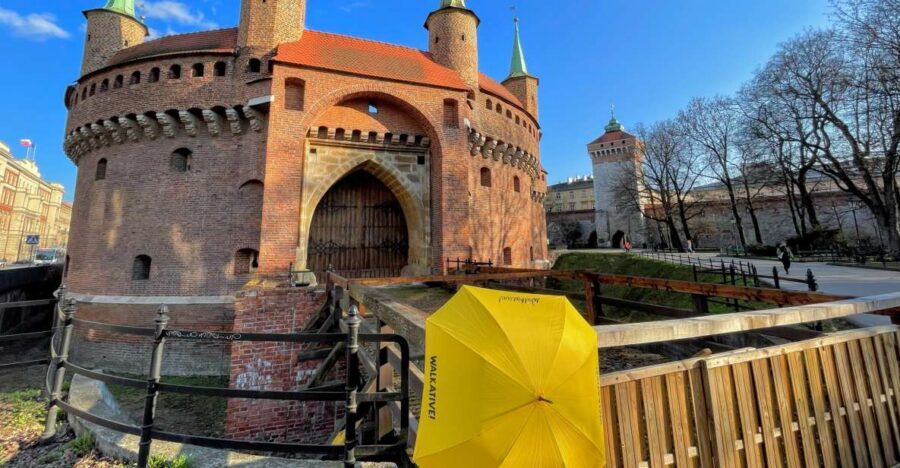
One of the best sections is the shift into defensive architecture and outer-city views. You’ll see the imposing Barbican, part of the old city walls system, and the tour places it in the larger story of how Warsaw guarded itself.
You’ll also pass the bell on Kanonia Street—a detail that’s easy to miss on your own. It’s the kind of small landmark that helps you feel like the guide is paying attention to more than the big-ticket items.
From there, the route emphasizes the walk along the old city walls. If you like viewpoints, this is where you’ll get a photo moment looking toward the Vistula River from an observation point at Gnojna Góra.
Practical note: wall walks can be uneven and exposed in places. If it’s even slightly slick out, take your time. This is one of those “don’t rush, enjoy” segments where good shoes matter more than you think.
You can also read our reviews of more private tours in Warsaw



Cathedral tombs, Krasinski Palace, and the Warsaw Uprising monument
The mood shifts again at the cathedral. It’s not only a stop for architecture—it’s a stop for memory. The tour highlights that the cathedral houses tombs of the medieval Mazovian princes, plus the last king of Poland Stanisław August Poniatowski and pianist-politician Ignacy Jan Paderewski.
That range of names across centuries makes one point clear: Warsaw keeps layering political and cultural identities on top of each other. For you, this is the difference between a list of sights and an understanding of why people still reference these figures.
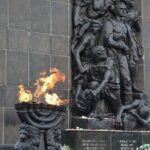
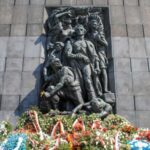
Next, you’ll continue to Krasinski Palace, the Supreme Court building, and the monument to the Warsaw Uprising. The guide connects these places to WWII devastation and the city’s reconstruction after the war—how a city rebuilds while still carrying scars in stone and street plans.
If you’re sensitive to heavy topics, this is still a good match because the tour doesn’t treat memorials like background. It explains why they’re placed where they are, so the story sticks.
Grand Theatre, National Opera, and the Tomb of the Unknown Soldier
After the memorial intensity, the route returns to Warsaw’s cultural and civic identity. You’ll pass important landmarks like the Grand Theatre and the National Opera—institutions that reflect how the city has tried to rebuild not only buildings, but also public life.
Then there’s the Tomb of the Unknown Soldier, another stop where the guide’s job is to translate solemn space into something you can actually understand while standing there.
The “value” here is in comparison. You’ll have already seen defensive walls, royal power, and WWII scars. These civic and cultural sites round out the picture so Warsaw doesn’t just feel like a war story or a rebuilt theme park.
Finishing with the Royal Route: Presidential Palace and Warsaw University
Toward the end, you’ll walk part of the Royal Route, described as connecting former residences of Polish rulers—Royal Castle, Royal Łazienki, and Wilanów Palace. Even if you don’t visit every residence during the tour, you’ll leave with the route logic so it’s easier to plan on your own.
You’ll also stop by the Presidential Palace and the Warsaw University campus. This is a smart addition because it breaks the pattern of “palaces and memorials only.” Higher education and civic institutions help explain how modern Warsaw fits into the older political storyline.
Before you part ways, you’ll pass additional churches and townhouses, finishing with a sense of where to go next depending on your interests—more museums, more churches, or more architecture.
Price and value: what $16 gets you (and what it doesn’t)
At $16 per person for a 4-hour private walking tour, the price looks low enough that it’s worth checking what’s included. The tour includes a guide and the walking tour itself.
Admission fees are not included, so if you want interior time—especially at the Royal Castle—you’ll need to add those costs and factor in time. In other words, you’re paying for expert navigation and interpretation, not for entry tickets.
For most people, that’s still excellent value. Warsaw’s top sights are packed close together, and a good guide helps you avoid two common problems on your own:
- walking past meaningful details without noticing them
- spending extra time later trying to figure out what you just saw
If your priority is learning and efficient orientation, this format tends to make the money feel well spent.
Who this tour suits best
This is a great fit if you want Warsaw’s story in one coherent walk. It suits you if you’re curious about royal politics, major monuments, and the WWII reconstruction narrative without needing a full-day museum schedule.
It also works well for mixed interest groups because the route alternates tone. You’ll get the Old Town atmosphere, royal art references, memorial sites, and major civic/cultural buildings in the same stretch of time.
If you only want a quick photo spree with no background, a private guided walk may feel like too much talking. But if you like understanding what you’re looking at, this one is built for that.
Should you book this private walking tour?
If you’re arriving in Warsaw and want the fastest path to confidence—where you are, why it matters, and what to do next—this is a strong booking choice. The guide-driven value is the point: you’re guided through Old Town, the Royal Castle area, Barbican and walls, cathedral tombs, WWII memorials, and then the Royal Route logic that helps you plan follow-up visits.
I’d book it if:
- you want a structured orientation walk in 4 hours
- you plan to spend more time in Warsaw later and want context first
- you like your history explained with specific landmarks tied to the story
Skip it if:
- your main goal is purely visual and you dislike guided interpretation
- you’re likely to skip interior visits and want to pay as little as possible for just the exterior walk
FAQ
FAQ
How long is the Warsaw Old and New Town private walking tour?
The tour lasts 4 hours.
Where do I meet the guide?
Meet your guide at Sigismund’s Column on Castle Square in Warsaw, with your name.
Is it a private group?
Yes. It’s a private group walking tour.
What’s included in the price?
You get a walking tour with a guide. Admission fees are not included.
What languages are available?
The live guide is available in English, German, Russian, Spanish, Polish, French, Italian, and Portuguese.
Do I pay upfront, and can I cancel?
You can reserve now and pay later, and you can cancel up to 24 hours in advance for a full refund.