REVIEW · GDANSK
Stutthof Concentration Camp: Private Guided Tour with Transport
Book on Viator →Operated by Rosotravel Tours Gdansk · Bookable on Viator
Some places need a guide, not just an audio app. This private Stutthof outing from Gdańsk gives you prebooked admission and real human context as you walk the grounds. I like that it pairs solemn history with practical logistics.
Two things really land here: the guaranteed guided time at Stutthof (including the museum cinema documentary), and the convenience of round-trip pickup and drop-off in Gdańsk, Sopot, or Gdynia. The optional full-day route adds Westerplatte and the Museum of the Second World War without you doing the organizing.
One consideration: the tour is timed tightly, especially in the 7-hour option. If you want to linger at every exhibit, you may feel pushed—this is built for a full agenda, not slow wandering.
In This Review
- Key things I’d lock in before you go
- Why a private Stutthof guide changes the whole experience
- Getting from Gdańsk to Stutthof: air-conditioned and timed for real life
- Stutthof Museum and Memorial: what your guided time is really for
- The 7-hour add-on: Westerplatte and the WWII story arc
- Westerplatte: a coastal WWII symbol you can walk through
- Museum of the Second World War: multiple angles in one building
- Old Town with your guide: the city between the serious stops
- Timing, pacing, and when the day feels rushed
- Price and value: what you’re paying for with this private day
- Who should book this, and who should consider another plan
- Should you book this Stutthof private guided tour?
- FAQ
- How long is the tour?
- Does the tour include pickup from hotels and the cruise port?
- Is admission to Stutthof Museum included?
- What languages are available?
- Will we have time for the Stutthof documentary?
- What’s added in the 7-hour option?
- Are meals included?
- Can I cancel for a full refund?
- Is there a minimum number of travelers?
Key things I’d lock in before you go
- Prebooked entry for Stutthof so you don’t waste time hunting tickets on site
- Minimum 2-hour guided Stutthof experience plus movie time in the museum cinema
- Pickup from hotels and the cruise port across Gdańsk, Sopot, and Gdynia
- Private group setup so your questions don’t get swallowed by a crowd
- Optional WWII add-ons: Westerplatte and the Museum of the Second World War
- A documentary follow-up: Stutthof Survivors is mailed to you after the tour on request
Why a private Stutthof guide changes the whole experience
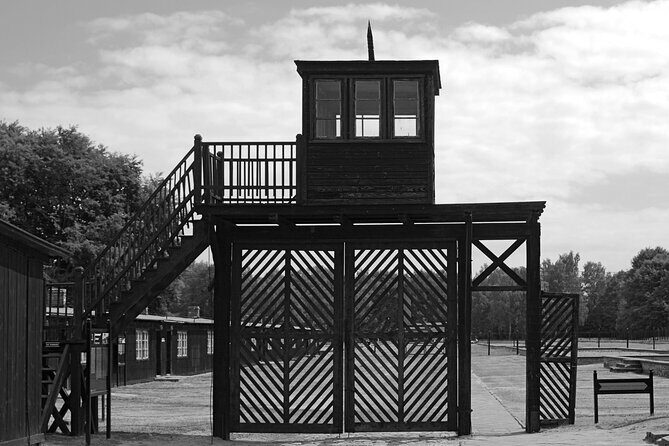
Stutthof is not the kind of place where you benefit from speed. You benefit from explanation—simple, steady, and grounded in what you’re seeing right now. A private guide matters because the questions you’ll naturally have are personal: why prisoners were brought from certain places, how the camp functioned, what specific buildings were used for, and how the memorial tells the story today.
This tour builds that structure in. You get a private guided walk at the concentration camp with time allocated for Q&A as you move through the site. That turns your visit from seeing “objects in a museum” into understanding a system—one that held prisoners from 28 countries, with more than 110,000 people tortured, forced to work, or killed in the gas chambers during the camp’s five-year operation.
A nice detail is that the Stutthof portion is designed with an on-site documentary component. You’ll spend at least 2 hours at the camp area, including watching a film in the Stutthof museum cinema. That movie time helps you reset your head between outdoor spaces and indoor exhibits.
And in real-world terms: people who start their day already stressed (cruise arrivals, hotel timing, getting lost) will feel the relief of having transport and timing handled up front.
You can also read our reviews of more guided tours in Gdansk



Getting from Gdańsk to Stutthof: air-conditioned and timed for real life
This is one of those trips where logistics can quietly ruin your mood—traffic, parking, unclear schedules, and ticket lines. Here, the tour swaps that stress for a simple plan.
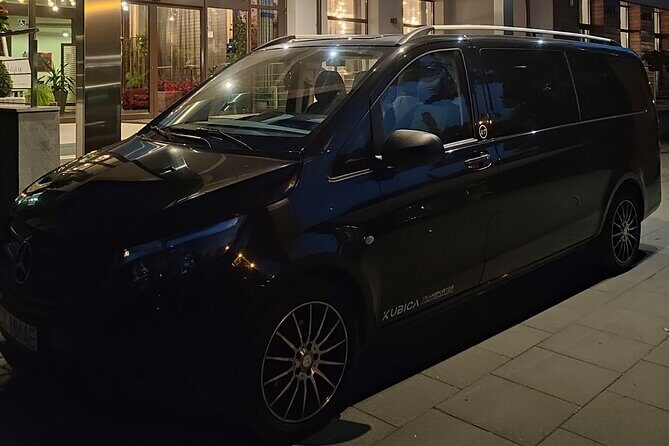
You’re picked up and dropped off at your accommodation or the Gdańsk cruise port (and also across Sopot and Gdynia). The car is air-conditioned, and the driver is listed as English-speaking. That’s a small thing until you’re tired and need clarity fast.
There’s also an explicit promise around timing at Stutthof: the guided component is guaranteed regardless of traffic jams. In practice, this means you can plan your day with confidence. You’re not gambling on making it all work if the drive runs long.
If you choose the longer 7-hour option, the same transport day structure still applies—you’re not hopping between companies. That matters because you’ll spend less energy switching gears and more energy actually taking in the places.
One more practical point: meals aren’t included. In winter, in summer, or during a cruise day, that can matter. I’d plan a snack strategy or eat before pickup if you’re going straight from travel.
Stutthof Museum and Memorial: what your guided time is really for
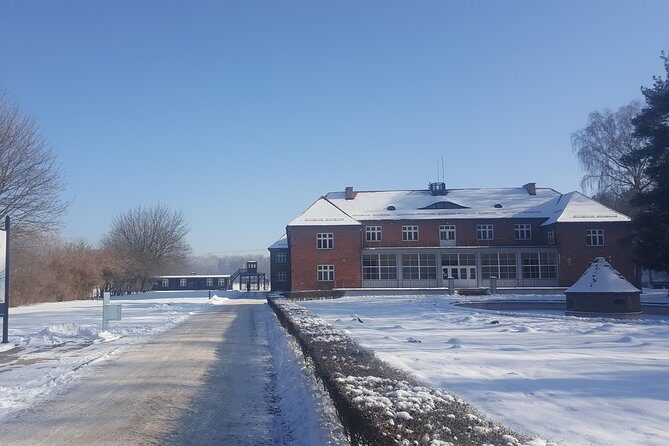
Stutthof was the first concentration camp built in Poland by the Nazis. It’s also a memorial site that tries to make the history readable without turning it into something casual. Your guide’s job is to help you connect the dots as you walk.
Here’s what you can expect on the Stutthof portion:
- You’ll travel to the camp and then start with a guided tour focused on the main site areas.
- The tour is structured to cover the camp grounds with a private guide who answers questions as you go.
- You’ll also have dedicated museum time, including a documentary showing inside the Stutthof Museum Cinema.
The outline you’re given indicates the overall Stutthof visit is designed around about 5 hours of total camp exploration, with a minimum 2 hours of guided time that includes the cinema documentary. You’ll see moving exhibitions, and you’ll be able to enter the museum cinema area for the film portion. That mix is important: outdoor and indoor sections hit differently, and the film helps you process before the next room.
The tour also includes admission tickets to the Stutthof Museum, plus the ticket to watch the documentary in the cinema. That removes one of the most common frustrations on solemn visits: arriving, trying to figure out tickets, and losing precious time.
A detail I really like: you can request a full documentary titled Stutthof Survivors, and it’s mailed to you after the tour. It’s not necessary for the visit itself, but it gives your memory a place to land later at home, when you have quiet time to reflect.
Because this is private, you should feel more comfortable asking questions if you’re unsure about dates, terminology, or what you’re looking at. One guide named Dariusz is noted for explaining both camp details and the impact of World War II on Gdańsk. Another guide, Patrick/Patryk, is described as arriving on time for cruise pickup, then coordinating camp walking with careful history framing before continuing the day.
The 7-hour add-on: Westerplatte and the WWII story arc
If you only have time for the camp, do the camp. If you can handle more history in one day, the 7-hour option builds a logical follow-up.
Westerplatte: a coastal WWII symbol you can walk through
Westerplatte was a military base for different armies and is now known as a key symbol for the start of World War II. Your visit includes sightseeing of Westerplatte, and you’ll see:
- a small military cemetery
- a large Monument to the defenders of the Polish Coast
This stop is short—about 2 hours—but it’s the kind of place where the ground feels connected to the larger story you’ll see in the museum later. If the Stutthof visit shakes your sense of the era’s reality, Westerplatte can help rebuild the wider timeline: war doesn’t just happen in camps; it begins in places like this, too.
You can also read our reviews of more private tours in Gdansk


Museum of the Second World War: multiple angles in one building
Then comes the Museum of the Second World War. It’s described as one of the best museums in Poland, and what matters for your experience is how it handles interpretation. The museum is built around details of WWII, and your guide aims to provide clear context while letting you form your own opinion based on different viewpoints.
Tickets are included for this stop, and it’s about 2 hours. That’s enough time to hit major sections without turning it into a marathon, though it can still feel intense given the subject matter.
What I’d watch for: in a single day, both Stutthof and the WWII museum require mental energy. If you’re prone to tiring quickly, consider doing just Stutthof (the shorter option). If you’re the type who wants the full storyline from war to its consequences, the 7-hour route is a strong match.
Old Town with your guide: the city between the serious stops
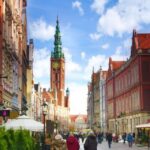
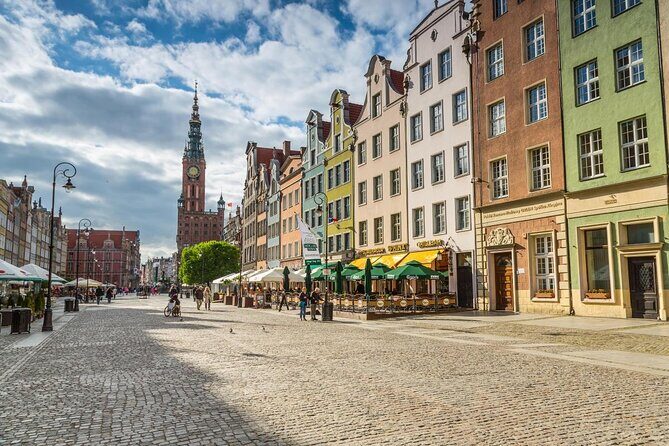
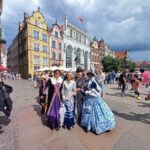
The longer day can also include Old Town sightseeing. This isn’t random sightseeing. It helps you understand where you are—Gdańsk as a living city with maritime identity, civic power, and layers of history, not just a point on a map.
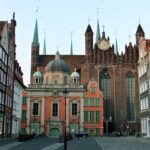
You may see some of the most recognizable spots, including:
- Fountain of Neptune: a 17th-century interpretation of classical antiquity and a symbol of Gdańsk’s link to the sea
- Main City Hall: seat of city authorities, with multicultural references
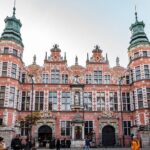
- Artus Court: historic merchant meeting place, with a famous renaissance tiled stove dating to 1546
- Long market-area vibes and Hanseatic-era spirit: old port reflections and architectural forms that feel maritime and old-school
- Piwna Street: associated with beer brewers, plus the House of Albert Forster, a Nazi politician and war criminal
That last item is heavy, and it’s also factually part of the city’s WWII-era history. A good guide won’t gloss over it, but will place it in context so it doesn’t feel like shock-for-shock’s sake.
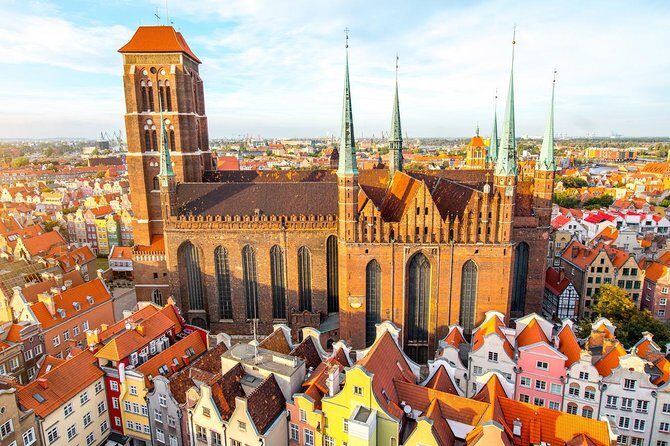
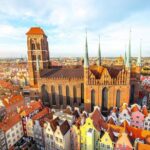
Your tour package also mentions St. Mary’s Basilica on the Old Town walking route, described as one of Gdańsk’s most visible places of worship and believed to be the largest brick church in the world. The interior includes vaults with 37 windows, plus tombstones and chapels. If you like Gothic brick architecture and want a break from museum darkness, this church stop can help you breathe.
One practical note: this part of the day is sightseeing on foot. Wear real walking shoes.
Timing, pacing, and when the day feels rushed
This is where you should be honest with your own pace. The camp is solemn and detailed. The WWII museum is also information-heavy. Add a full Old Town walk and you have multiple high-density stops.
The tour is built to fit within 5 to 7 hours. That’s generally workable, but the longer option can feel rushed if you’re the sort of person who reads every label and wants time to sit with a specific exhibit.
The good news: the Stutthof portion includes a structured guided element and cinema time. That means you aren’t left to manage the pacing yourself. One account described a guide, Dariusz, as keeping the schedule tightly but doing it well—meaning you don’t just get a time squeeze; you get help staying oriented inside it.
My advice: if you want maximum emotional and intellectual space, choose Stutthof only. If you’re comfortable with intensity and want a fuller WWII context in the same day, pick the 7-hour option. Both can be worth it; the difference is how much you want the day to weigh on you.
Price and value: what you’re paying for with this private day
At $315.65 per person, this isn’t a budget option. But it also isn’t just a ticket and a ride.
You’re paying for:
- Private guided touring at Stutthof (with Q&A and guaranteed guided time)
- Entry tickets to the Stutthof Museum and the cinema documentary
- Round-trip transport in an air-conditioned vehicle with an English driver
- In the longer option, tickets and guiding for the WWII Museum, plus sightseeing stops in Westerplatte and Old Town
- Pickup and drop-off from hotels/apartments and the cruise port across the wider area
If you’ve ever tried to stitch together transport + tickets + a good guide at Stutthof, you know how quickly costs add up in time and frustration. Here, the value comes from “fewer moving parts.” A private setup also tends to keep your questions from being delayed until your group catches up—important at a site where details matter.
Another value signal: the tour is confirmed at booking, and you’re instructed to check your email the day before for important information. That level of communication helps your day start clean.
If you’re traveling with a group of friends or family, private pricing can feel more reasonable because you can share the day rather than split up.
Who should book this, and who should consider another plan
This tour fits best if you:
- want one strong guide-led day instead of a DIY plan
- care about understanding what you’re seeing at Stutthof, not just taking photos
- appreciate pickup from the cruise port or door-to-door convenience
- can handle history that is hard to process but important to witness
- want optional WWII context via Westerplatte and the Museum of the Second World War
It may not be the best fit if:
- you need lots of unscheduled time at the museum or outdoors
- you’re sensitive to fast pacing during heavy subjects
- you prefer meal breaks built in (meals aren’t included)
Also, the tour notes that most travelers can participate. That said, you should still plan for walking—especially if you add Old Town.
Should you book this Stutthof private guided tour?
I’d book it if you want the safest bet for a meaningful Stutthof visit: prebooked entry, private guiding, and transport that starts where you actually are in the city. The Stutthof part is built around not wasting time, and the cinema documentary plus guided interpretation helps you leave with a clearer picture, not just a blur of exhibits.
Choose the 7-hour option only if you want to extend into Westerplatte and the Museum of the Second World War in the same day. If you’re unsure, start with Stutthof alone. You’ll get a more spacious experience.
If you like the idea of a door-to-door, guided history day with smart pacing, this one is a strong pick.
FAQ
How long is the tour?
It runs about 5 to 7 hours depending on the option you choose. The Stutthof experience includes a minimum of 2 hours of guided time at the camp, including the documentary movie.
Does the tour include pickup from hotels and the cruise port?
Yes. Pickup and drop-off are provided from hotels/apartments and the cruise port in Gdańsk, and also from areas in Sopot and Gdynia.
Is admission to Stutthof Museum included?
Yes. The tour includes entry tickets to the Stutthof Museum, plus a ticket to watch the documentary in the Stutthof Museum Cinema.
What languages are available?
The tour is offered in English. It also notes that the guided Stutthof tour is in your chosen foreign language.
Will we have time for the Stutthof documentary?
Yes. You’ll spend minimum 2 hours at Stutthof including watching the documentary movie in the museum cinema.
What’s added in the 7-hour option?
The longer option can include Westerplatte, the Museum of the Second World War (tickets included), and Gdansk Old Town sightseeing, plus St. Mary’s Church on the walking route.
Are meals included?
No. Meals and drinks are not included.
Can I cancel for a full refund?
Yes. You can cancel up to 24 hours in advance for a full refund. After that window, the amount paid is not refunded.
Is there a minimum number of travelers?
Yes. The experience requires a minimum number of travelers. If it’s canceled for not meeting that minimum, you’ll be offered a different date/experience or a full refund.