History hits hardest at Gdańsk shipyard gates. This Solidarity Tour focuses on the places and stories behind Poland’s struggle for freedom, with a timed route that mixes museum time and walking through the city’s working past. You’ll also see major landmarks along the way, including Lenin Gates, and the European Solidarity Center admission is built in.
What I especially like is how the guide connects the dots for you without drowning you in dates. The European Solidarity Center stop gives you a clear view of how Poles coped during communism and how Solidarity shaped the fight for free Poland. I also like that you don’t just stick to the postcard streets; you get time in the shipyard zone, where the old industrial character still shows up in the docks and warehouses.
One thing to plan for: this is weather-sensitive. It runs in all conditions and you’ll do moderate walking, so wear layers and solid shoes—even if it’s just drizzly and gray.
In This Review
- Key things you’ll notice on this Solidarity Tour
- European Solidarity Center: the museum stop that sets the tone
- Sala BHP: the short stop that packs real emotional weight
- Gdansk Shipyard: walking through the past while the present changes
- The route’s real value: you see famous sites, but with context
- Guide energy makes or breaks this kind of tour
- Timing, walking, and weather: what to plan for in real life
- Price and what you get for $114.45
- Who this tour fits best (and who might want something else)
- Should you book the Solidarity Tour in Gdansk?
- FAQ
- What is the duration of the Solidarity Tour in Gdansk?
- Where does the tour start?
- Does the tour include admission to the European Solidarity Center?
- Is Sala BHP admission included?
- Is the shipyard stop included with any admission fees?
- What language is the tour offered in?
- Are beverages included, and is alcohol included?
- How does cancellation work?
Key things you’ll notice on this Solidarity Tour
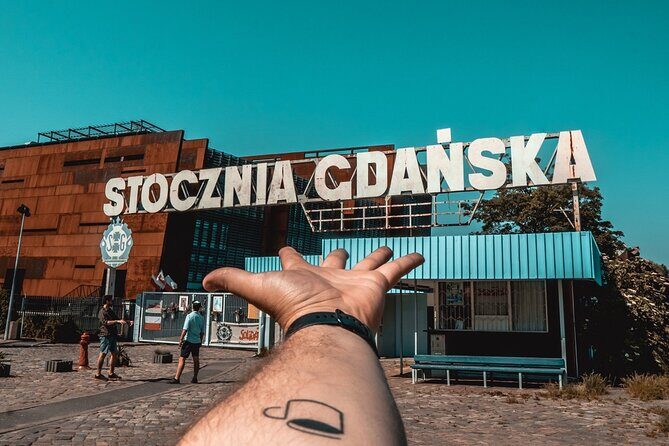
- European Solidarity Center admission included so you can focus on the story, not the ticket line
- Sala BHP in only 20 minutes, right at the moment tied to Lech Wałęsa and the Gdańsk Agreement
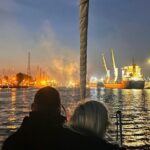
- Gdansk Shipyard walk (40 minutes) through former shipyard areas where the mood is changing
- English private guide with time to ask questions as you move between sites
- Beverages included, while alcohol isn’t (it’s available to purchase)
European Solidarity Center: the museum stop that sets the tone
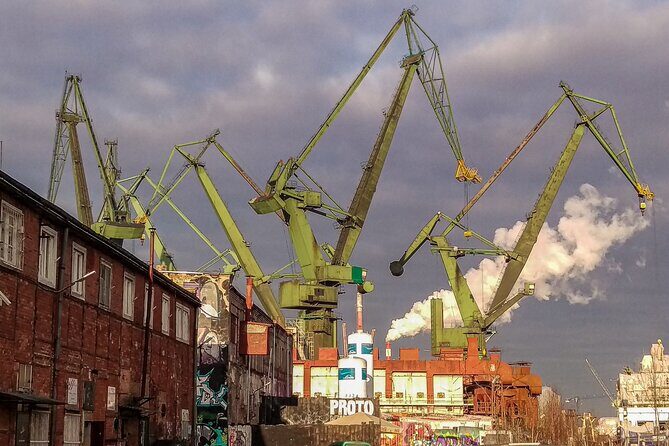
The tour’s anchor is the European Solidarity Center, and it’s scheduled for about 2 hours. This is the kind of museum that turns background noise into something you can actually place in your mind: the struggle for free Poland and how people lived through uneasy communist times.
If you’re trying to understand why Solidarity mattered beyond Poland, this is where you start getting the structure. The exhibits are built to show the human side of political tension—what daily life felt like, and why collective action gained power. It’s also the easiest stop to slow down in. You don’t have to rush; it’s long enough to read and absorb, especially if your guide pauses to explain what you’re seeing.
Practical tip: give yourself a bit of mental space here. This isn’t a quick photo stop. Bring a calm pace, and don’t feel bad about spending an extra minute near the exhibits your guide points out.
You can also read our reviews of more tours and experiences in Gdansk.



Sala BHP: the short stop that packs real emotional weight
After the museum, you’ll head to Sala BHP, where the tour spends about 20 minutes. This site is famous because it connects directly to a specific turning point in Gdańsk—when Lech Wałęsa signed the Gdańsk Agreement with the contemporary authorities of the People’s Republic of Poland.
Even in a short window, your guide can make this moment land. Instead of treating Sala BHP like a statue on a square, you’ll understand why the location matters and how it fits into the bigger story you just started at the European Solidarity Center. It’s also a good “reset” stop: you go from museum walls to a physical place linked to the negotiations.
What to watch for: since the time is tight, it helps to be ready with one or two questions. If you’re curious about how the Agreement relates to what you saw in the museum, ask while you’re there—this is the stop where the connection is most direct.
Gdansk Shipyard: walking through the past while the present changes
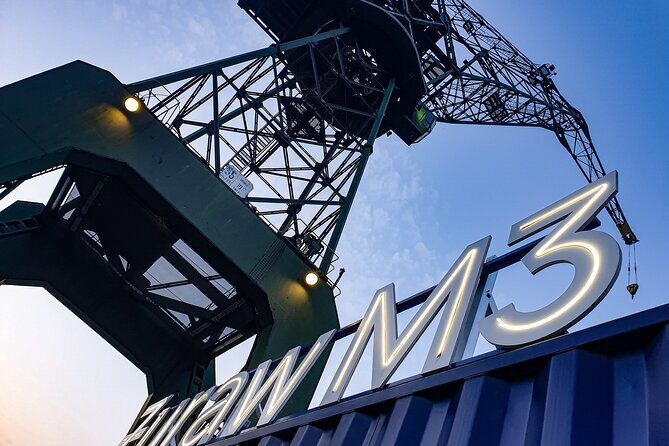
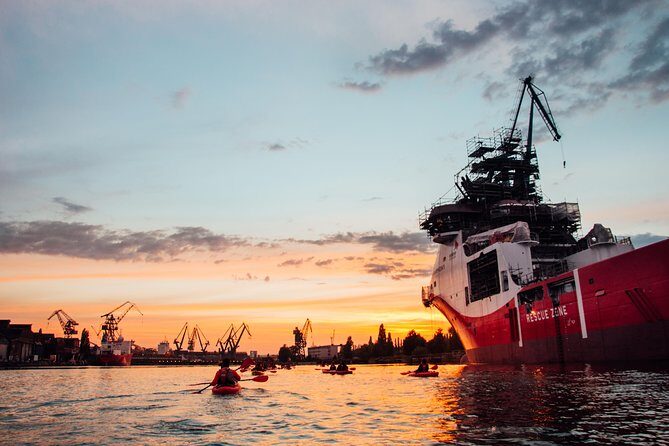
The final major stop is the Gdansk Shipyard area, scheduled for about 40 minutes. This isn’t an “airport layover” visit. You’ll walk through the former shipyard zone to get the feel of the place, including parts that aren’t the busiest tourist circuits.
What makes this stop valuable is the contrast: the shipyard is still functioning, yet it’s changing. Your guide will point out how new uses are appearing—trendy clubs, galleries, and entertainment centers—alongside the working industrial atmosphere. That blend helps you see how history doesn’t freeze in amber. It keeps moving, and you’re standing in the layers.
A small drawback: because this is active, evolving space, the vibe can depend on what’s going on that day. You might feel more of the working mood in one season than another. Still, the guided storytelling is designed to tie what you’re seeing back to Solidarity’s roots in Gdańsk’s identity.
Footwear matters here. Even if the walking time isn’t long, you’ll be better off in shoes you trust.
The route’s real value: you see famous sites, but with context
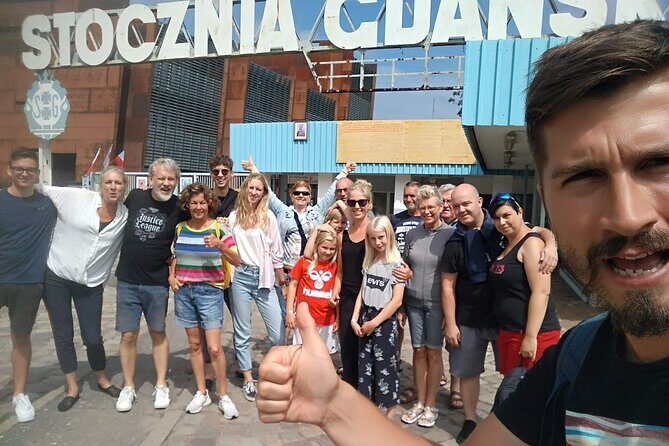
Yes, you’ll hit big landmarks in the day, including Lenin Gates. But the real win is how the guide uses those sights as stepping-stones instead of checklist items. You’re not just collecting names; you’re building a mental map of why those places were important.
I like tours that don’t treat the city like a set. This one avoids that. You spend time where the story actually lives—museum exhibits first, then places tied to agreements and the shipyard’s role—so the tour feels less like a history lecture and more like walking through cause-and-effect.
The emotional tone also matters. The period covered by Solidarity can feel complicated, even when you’ve read a bit before. The best part of this tour style is that the guide explains it in a way that connects people, choices, and outcomes without turning it into a textbook marathon.
Guide energy makes or breaks this kind of tour
This is where the reviews strongly point the finger: the guides bring the story to life. Two names come up again and again—Bozena and Sebastian—and both are described as energetic and strongly connected to the human side of the movement.
In practical terms, that means you’re more likely to leave understanding not only what happened, but how it affected the people of Gdańsk and Poland. It also helps if you want to ask questions. The tone isn’t stiff. It’s personal.
There’s another benefit worth noting: when things don’t go perfectly, the guide is still focused on the learning goal. One experience described a booking-related mistake that required an itinerary change, yet the guide adjusted and added supplementary stops around the shipyard area to keep the picture whole. That tells you something important: you’re not stuck with a rigid script.



Timing, walking, and weather: what to plan for in real life
The full tour is about 3 hours and it’s designed to flow across the city without dragging. Stop lengths are clearly paced: 2 hours at the museum, 20 minutes at Sala BHP, then 40 minutes at the shipyard area, with time for moving between.
Because it runs in all weather conditions, plan to dress for Gdańsk reality. Bring layers you can adjust, and don’t rely on luck for comfort. If it’s rainy, your outdoor time still happens—just less fun unless you’re prepared.
Also consider your stamina. The tour calls for moderate physical fitness, which usually means you can handle some walking, standing around, and moving between sites without it turning into a struggle. If that sounds like you, you’ll be fine.
If you’re unsure, choose lighter layers over heavy clothing that traps sweat. Museum time is indoor, outdoor time is not.
Price and what you get for $114.45
At $114.45 per person for about 3 hours, this isn’t the cheapest way to see Gdańsk history. But you’re paying for several real-value elements working together.
You get an English local guide, beverages included, and—most importantly—admission to the European Solidarity Center. That one included ticket matters because it removes a common friction point in museum-based tours: figuring out entry timing and ticket logistics while trying to focus on the story.
It’s also listed as private, meaning it’s just your group, not a crowded shuffle. That tends to make questions easier and the pace less chaotic. If you’ve ever tried to ask something in a large group tour, you already know why that’s valuable.
Two extras to keep in mind:
- Alcoholic drinks are not included, though you can buy them.
- You might see group discount pricing if you book with more people.
Who this tour fits best (and who might want something else)
This Solidarity Tour is a strong fit if you want history with a point of view. You’ll enjoy it most if you care about how ordinary people and organized movements shaped politics—especially in a city where Solidarity’s story isn’t abstract.
It’s also a good choice if you like structure. The stops are timed so you get both explanation (the museum) and place-based meaning (Sala BHP and the shipyard zone).
You might consider a different style of tour if you want long wandering free time, or if you prefer purely visual sightseeing with minimal guided interpretation. This tour is about learning the story behind specific sites.
Should you book the Solidarity Tour in Gdansk?
I’d book it if you want to understand Solidarity in a way that sticks. The combination of European Solidarity Center admission, a direct connection to Sala BHP and the Gdańsk Agreement, and a guided walk through the shipyard area gives you a solid framework for what Solidarity meant and why Gdańsk matters.
Do it if you like asking questions and if you’re comfortable with moderate walking in variable weather. Skip it only if museum-based history isn’t your thing, or if you want lots of unstructured time.
FAQ
What is the duration of the Solidarity Tour in Gdansk?
It runs for about 3 hours.
Where does the tour start?
The meeting point is Europejskie Centrum Solidarności, Plac Solidarności 1, 80-863 Gdańsk, Poland.
Does the tour include admission to the European Solidarity Center?
Yes. Admission ticket to the European Solidarity Center is included.
Is Sala BHP admission included?
Yes. Admission is free at Sala BHP on this tour.
Is the shipyard stop included with any admission fees?
Admission is free for the Gdansk Shipyard stop.
What language is the tour offered in?
The tour is offered in English.
Are beverages included, and is alcohol included?
Beverages are included. Alcoholic drinks are not included, though they’re available to purchase.
How does cancellation work?
You can cancel for a full refund up to 24 hours in advance of the experience’s start time.
If you want, tell me your travel month and your walking comfort level, and I’ll help you judge whether this timing and weather mix will feel easy for your day.