REVIEW · GDANSK
Museum of the Second World War Gdansk Private Tour & Tickets
Book on Viator →Operated by Rosotravel Tours Gdansk · Bookable on Viator
History hits hard here, with expert pacing. This private Gdansk tour pairs skip-the-line Museum of the Second World War entry with a guided walk through sites tied to Poland’s fight for freedom before and after WWII. You also get undivided attention from a licensed English-speaking guide, so you can ask questions and move at a human pace.
I especially like two things. First, the tour is built around a licensed guide and the kind of careful, on-your-feet explanations that make heavy topics easier to follow; Małgorzata, for example, has been praised for being punctual, thorough, and good at answering questions. Second, you get museum access that’s time-slotted, with skip-the-line tickets that save you time at the ticket office so you can start inside the permanent exhibition faster.
One consideration: logistics are part of the deal. If you want hotel pickup, it only works in the extended version and only within 1.5 km of the meeting point in Gdansk Old Town, and the ticket-office skip does not mean you’ll skip the entrance.
In This Review
- Key highlights you’ll feel on the ground
- A private WWII and Solidarity route that actually makes sense
- Starting at Witold Pilecki’s monument: orientation before the museum
- Skip-the-line Museum of the Second World War: what 2 hours can cover
- Skip-the-line, but read this part carefully
- What you can realistically expect
- Gdansk’s resistance story continues at the Polish post office memorial
- The human pace advantage
- European Solidarity Centre and BHP Hall: August Agreements and a preserved shelter
- Price and value: what you’re really paying for
- Timing, walking effort, and the small logistics that matter
- Short option (2 hours)
- Extended option (4 hours)
- Pickup rules and meeting details
- Tickets and timing
- Who this tour fits best
- Should you book the Museum of the Second World War private tour in Gdansk?
- FAQ
- How long is the tour?
- Is the Museum of the Second World War admission included?
- What does skip-the-line mean for this museum visit?
- Where does the tour start and end?
- Is hotel pickup available?
- Is this a private tour?
- What stops are included in the longer option?
- Can I cancel for free?
- Can the tour accommodate disabilities?
Key highlights you’ll feel on the ground
- Skip-the-line ticket office entry to start the Museum of the Second World War efficiently (for a pre-booked time)
- Licensed private guide in English, with room for questions and pace control
- Museum focus on Poland, while still showing WWII’s global impact through artifacts, documents, photos, and interactive displays
- Post-war memory trail, linking WWII resistance to the later communist era through key memorial sites
- European Solidarity Centre stop, including the BHP Hall and the August Agreements site
- An extra walking option (4 hours) that includes some uneven ground and steps, so shoes matter
A private WWII and Solidarity route that actually makes sense
Gdansk can feel like it has layers piled on layers—medieval streets, shipyard history, WWII scars, and the later story of Poland’s path to independence. This tour is designed to help you connect those layers without getting lost, which is a big deal when the topics are heavy and the streets are full of clues.
You’ll choose between a shorter and a longer format. The shorter option centers on the Museum of the Second World War, while the longer option adds a walking sequence that reaches into post-war communist history and the Solidarity era. Either way, you’re not wandering around solo trying to piece together what you’re seeing.
A few more Gdansk tours and experiences worth a look


Starting at Witold Pilecki’s monument: orientation before the museum
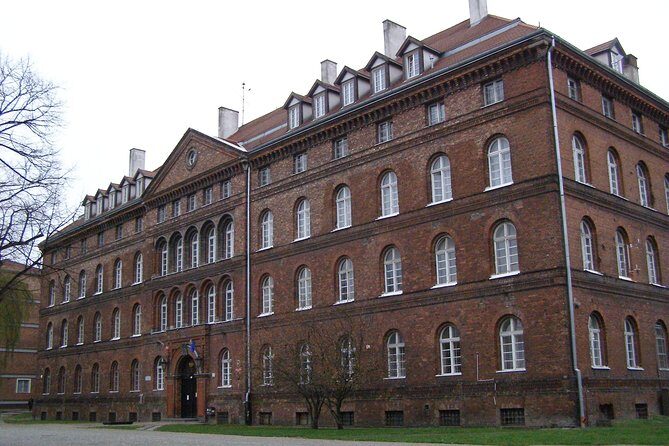
Your meeting point is Plac Władysława Bartoszewskiego 1, right in front of the Museum of the Second World War, at Pomnik Rotmistrza Witolda Pileckiego. This is a smart setup because you get the historical framing before you step inside the museum. Even a short start moment helps you understand why certain people and events matter in the larger story.
Expect a brief meetup period. You’ll be with your guide, and the group stays private (just your party), which means you can ask quick clarification questions without the tour feeling rushed or crowded.
Practical tip: the guided route begins right at the museum area, so if you’re on foot, it’s easy to locate. If you’re using public transport, the meeting point is also near transit, which makes “no hotel pickup” less stressful.
Skip-the-line Museum of the Second World War: what 2 hours can cover
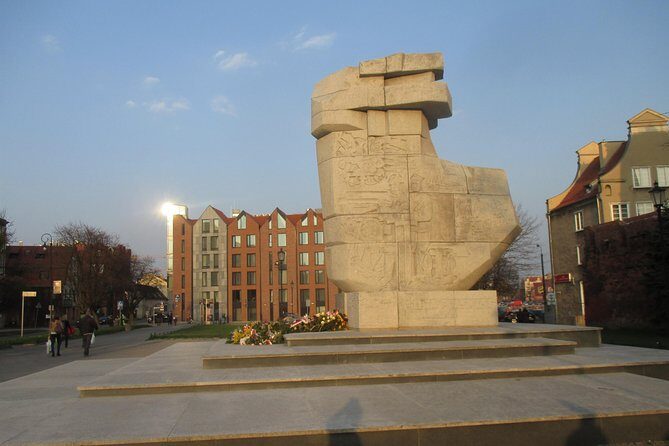
The core of this experience is a private tour inside the Museum of the Second World War. You’ll have skip-the-line tickets for the museum’s permanent exhibition, and you’ll follow your licensed guide through the exhibits with time to ask questions.
Here’s what makes the museum visit worth your attention: it’s not only about dates and battles. The exhibition uses artifacts, documents, photographs, and interactive displays to show both the global impact of WWII and the tragic and heroic experiences tied to Poland. That balance is useful in a city like Gdansk, where the story can otherwise feel too local or too broad depending on what you’ve read beforehand.
Skip-the-line, but read this part carefully
This is important: skip-the-line is for the ticket office process, and your tickets are valid for a pre-booked date and time. You’ll still need to go through the museum entrance. So arrive on time for your timed entry, not just on the right day.
What you can realistically expect
The museum portion runs about 2 hours. That’s enough time for a guided overview that gives context, without pretending you’ll read everything at a museum of this size. If you’re the type who wants to skim and still understand what matters, this timing is a strong match. If you’re the type who wants to read every label, you may want extra solo time afterward—but the guided segment gives you a solid backbone.
You can also read our reviews of more private tours in Gdansk



Gdansk’s resistance story continues at the Polish post office memorial
If you book the longer (4-hour) option, the tour doesn’t stop when the museum ends. Instead, you continue on a walking tour built around WWII and post-war communist history in Gdansk’s historical sites.
One of the standout stops is the Defenders of the Polish Post Office memorial. This is tied to an early WWII battle, so the tone shifts from museum context to a physical place where the story becomes more immediate. Your guide will connect what happened then to the larger pattern of resistance and occupation.
From there, you’ll walk to additional significant sites, including the Church of St. James and the Monument to the Fallen Shipyard Workers. The tour frames these places as part of the ongoing struggle against Nazi occupation, and then later ties them to resistance after the war, including the fight against communism. That through-line matters: it helps you see that the WWII era didn’t simply end in 1945; in Poland, history moved into a new chapter with new pressures.
The human pace advantage
A private guide changes how a memorial walk feels. Instead of keeping up with a big group, you can pause, ask a question, and take in the meanings at a tempo that works for you. If you’re traveling with someone who needs more time to process what they’re reading, this format helps.
European Solidarity Centre and BHP Hall: August Agreements and a preserved shelter
The final major stop in the extended version is the European Solidarity Centre, plus the historic BHP Hall area. This is the part of the tour that translates the WWII story into the long road toward independence.
You’ll learn about Poland’s path to independence and visit BHP Hall, where the August Agreements were signed. Even if you know the name, seeing the location conceptually matters—it gives you a sense of place for political change, not just an abstract timeline.
Other notable elements included on this stop are the Obrońca mural, a tribute connected to those who defended Poland, and a preserved WWII air raid shelter. That shelter is a good example of why a guide helps: it turns a structure you might otherwise walk past into a meaningful piece of the era’s lived reality.
The stop ends at the Imperial Shipyard area, where you can still feel the lingering connection between wartime industry and later identity. It’s also a helpful way to wrap the tour, because it brings the story back to what Gdansk is physically known for.
Price and value: what you’re really paying for
At $153.49 per person, you’re not buying a cheap add-on. You’re paying for a private, licensed guide and included museum tickets, plus additional guided walking stops in the longer option. The value comes from time savings and guided interpretation working together.
Here’s how the math plays out in a practical way:
- Museum tickets are included, and the skip-the-line ticket office process reduces wasted waiting.
- You’re getting a private format, meaning your guide isn’t constantly herding a group.
- The longer option adds multiple significant sites tied to WWII and the post-war communist era, plus the European Solidarity Centre and BHP Hall context.
If you’re a solo traveler, the per-person cost can feel high, but private guiding is still often the best option when the topic is emotionally intense and you want clear answers. If you’re traveling with a partner or small group, the cost becomes easier to justify because you’re paying for shared time, not just shared seats.
One more factor: this tour is often booked about 65 days in advance on average, so if you want a specific day and time—especially during peak travel season—don’t wait until the last minute.
Timing, walking effort, and the small logistics that matter
The tour runs about 2 to 4 hours depending on the option you choose.
Short option (2 hours)
This centers on the Museum of the Second World War guided experience. It’s ideal if you want the main event without additional walking.
Extended option (4 hours)
You’ll add the memorial and Solidarity-era stops. This option includes a moderate walking pace with some uneven surfaces or steps. Your guide will adapt the pace to your group, but you should still wear comfortable shoes and dress for weather since the tour runs rain or shine.
Pickup rules and meeting details
Pickup is offered only in the extended version, and only from accommodations located in Gdansk Old Town within 1.5 km of the meeting point. If you’re staying outside that range, you’ll need to meet at the start location instead. The good news is the meeting point is near public transportation, so you’re not stuck.
Tickets and timing
Because the museum tickets are tied to a pre-booked time, arriving late can mess with your schedule. The skip-the-line ticket office helps, but your arrival still needs to be on time.
Also, you’ll receive important information by email the day before the tour from the operator. Check it. It’s the easiest way to avoid surprises.
Who this tour fits best
This is a great match if:
- You want a private guide to explain WWII and Poland’s later post-war history without feeling rushed.
- You care about how events connect across decades, not only one snapshot of time.
- You prefer a structured route that keeps your attention on meaningful places, rather than wandering.
It may be less ideal if:
- You only want a museum visit and don’t want walking between sites.
- You’re very sensitive to the emotional weight of WWII history and prefer a lighter itinerary (this is heavy subject matter, even when presented clearly).
- You need guaranteed step-free routes. The operator says they’ll accommodate disabilities whenever possible, but the extended walking route includes uneven surfaces and steps, so it’s worth reaching out in advance with your needs.
Should you book the Museum of the Second World War private tour in Gdansk?
If you’re choosing between DIY museum time and a guided format, I’d lean guided—especially for your first visit. This tour gives you time-efficient museum entry, then adds context through a carefully chosen sequence of memorial and Solidarity-related sites.
Also, the guide quality looks consistently strong. The tour has a 4.9/5 rating across 24 reviews, with 100% recommendation noted in the summary. The feedback pattern centers on guide professionalism, clear explanations, and doing what you need with the time you have.
One last decision check: pick the option that matches your energy. If you want the museum as the main event, choose the shorter format. If you want the bigger story—WWII resistance carrying into post-war struggle and then the Solidarity-era push—go with the extended 4-hour walk.
FAQ
How long is the tour?
It runs about 2 to 4 hours depending on the option you choose.
Is the Museum of the Second World War admission included?
Yes. Skip-the-line tickets to the Museum of the Second World War for the permanent exhibition are included.
What does skip-the-line mean for this museum visit?
Your tickets skip the line at the ticket office, but you will still go through the museum entrance. Tickets are valid for a pre-booked date and time, so arrive on time.
Where does the tour start and end?
It starts at Plac Władysława Bartoszewskiego 1 in front of the museum area, and it ends back at the meeting point.
Is hotel pickup available?
Pickup is possible only in the extended version, only from accommodations in Gdansk Old Town, and only within 1.5 km of the designated meeting point.
Is this a private tour?
Yes. It’s a private tour/activity, and only your group participates.
What stops are included in the longer option?
In addition to the Museum of the Second World War, the longer option includes WWII and post-war communist history sites such as the Defenders of the Polish Post Office memorial, the Church of St. James, the Monument to the Fallen Shipyard Workers, and the European Solidarity Centre with BHP Hall and related stops.
Can I cancel for free?
Yes, free cancellation is available. You can cancel up to 24 hours in advance for a full refund.
Can the tour accommodate disabilities?
The operator says they’re happy to accommodate individuals with disabilities whenever possible. You should contact them in advance with your needs.