REVIEW · GDANSK
Gdańsk City Sights & History Guided Walking Tour in English
Book on GetYourGuide →Operated by Walkative Tours · Bookable on GetYourGuide
WWII began here, and the stories stick. This 150-minute English walk connects Gdańsk’s WWII turning points to the later Solidarity movement, with major photo stops from Long Market to St. Mary’s Basilica. I love that the guide ties events to places you can still see, so the city feels like more than postcards.
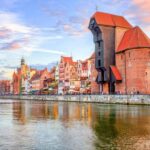
I also love the sight sequence: Long Market’s rebuilt merchant houses, Neptune’s Fountain, and the medieval Zuraw crane, which still reads like the harbor’s industrial logo. One thing to consider is that the tour leans into history and political context, so it can feel packed if you prefer a lighter, more casual walk.
In This Review
- Key Highlights You’ll Actually Care About
- Golden Gate Start: Finding the Yellow Umbrella and Gear Up
- Long Market and Neptune’s Fountain: Rebuilt Merchant Power on Display
- St. Mary’s Basilica: Brick Gothic, Scale, and a Possible Noon Moment
- Zuraw Treadwheel Crane: The Harbor’s Mechanical Symbol
- Rivers, Canals, and the Gdańsk Walk That Makes Sense
- WWII in Gdańsk: How the Guide Turns History into Street-Level Context
- From Cold War to Solidarity: Independence Stories That Still Matter
- Price and Value Check: Why $26 Makes Sense for 150 Minutes
- Guide Quality: The Difference Between Facts and Storytelling
- Who This Tour Fits Best (and Who Might Prefer Something Else)
- Should You Book This Gdańsk Walking Tour?
- FAQ
- Where is the meeting point?
- How long is the tour?
- Is the tour in English?
- Does the tour run in bad weather?
- What’s included in the price?
- Is hotel pickup provided?
Key Highlights You’ll Actually Care About
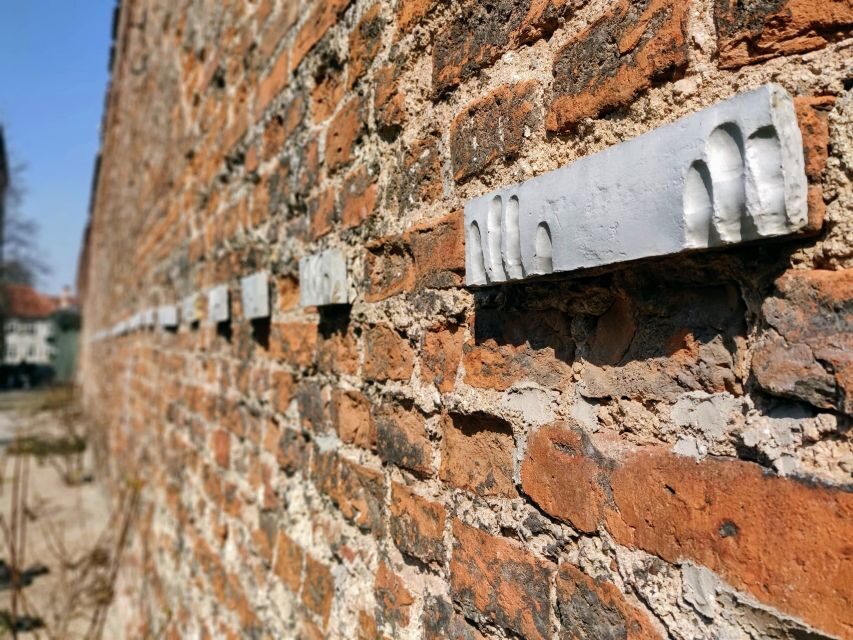
- WWII origins explained on the ground, not as a textbook lecture
- Long Market + Neptune Fountain as your quick win for classic Gdańsk photos
- St. Mary’s Basilica (brick Gothic) for scale, detail, and that skyline impact
- Zuraw treadwheel crane at the harbor, the largest of its type and a real symbol
- Solidarity and independence stories that connect Gdańsk to the fall of communism
- Rain or shine walking plan with a route that keeps moving between sights
Golden Gate Start: Finding the Yellow Umbrella and Gear Up
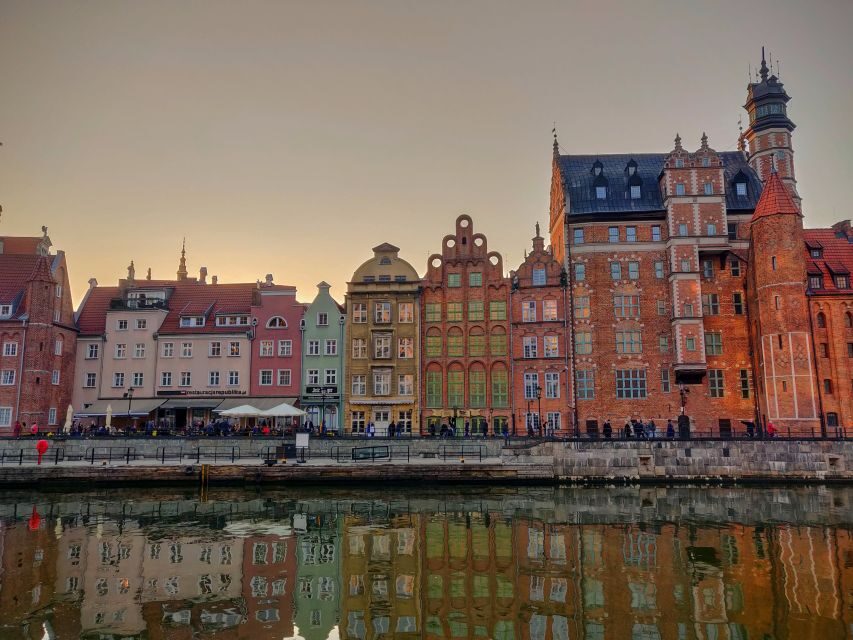
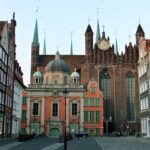
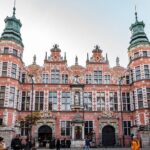
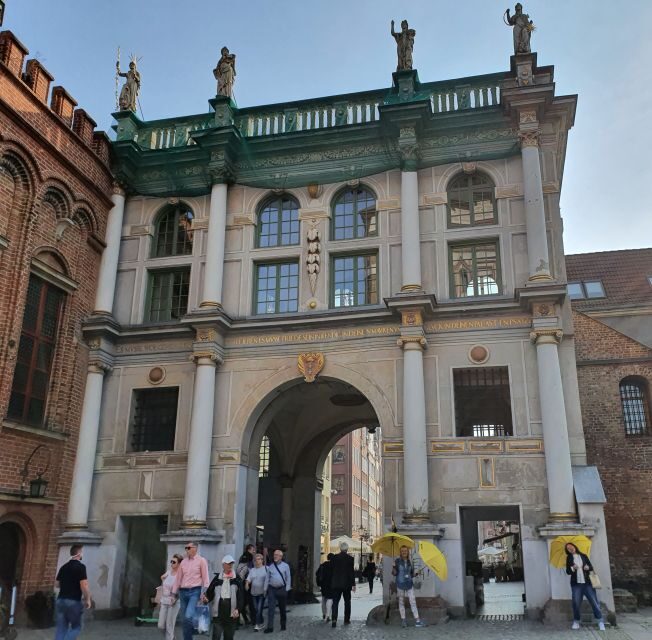
Your tour meets at the Golden Gate, Złota Brama. Look for the guide holding a yellow umbrella. This matters because the old town streets can look similar fast, and you do not want to waste your first five minutes hunting.
This is a straightforward walking tour: you get a live English guide and a route designed for seeing the core of Gdańsk without needing tickets or transit. The total time is 150 minutes, so think of it as a proper old-town introduction you can build the rest of your trip around.
Come dressed for the weather. The tour runs rain or shine, so bring a jacket you can actually stand in for a while. If you’re visiting in winter, plan on cold hands and cold ears, and keep your hat and gloves in the same place each morning so you can move quickly.
You can also read our reviews of more walking tours in Gdansk

Long Market and Neptune’s Fountain: Rebuilt Merchant Power on Display
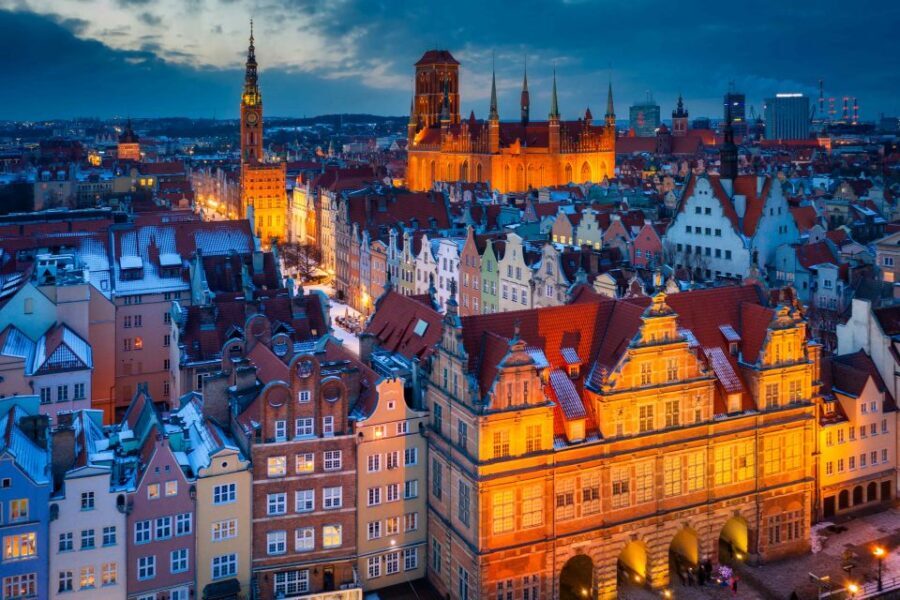
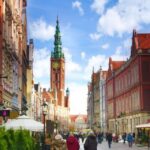
One of the first things I like about this walk is how it starts with a place people come to even when they know nothing about history. Long Market gives you that classic Gdańsk feel: bright facades, old-town energy, and the sense of a trading city that knew how to show off.
Your guide walks you through the merchant townhouses that were destroyed during the war and then rebuilt. That reconstruction detail is key. You’re not just looking at pretty buildings. You’re seeing how a city reassembled its identity piece by piece.
Then you hit Neptune’s Fountain, a stop that works for both first-time visitors and repeat wanderers. It’s the kind of landmark you recognize from photos, but the guide’s context helps you understand why it sits in this particular public space. Instead of feeling random, it feels like a statement about maritime wealth and confidence.
Tip for your photo planning: if the light is harsh, Neptune’s Fountain is easier to frame when you step slightly back and include the street lines behind it.
St. Mary’s Basilica: Brick Gothic, Scale, and a Possible Noon Moment
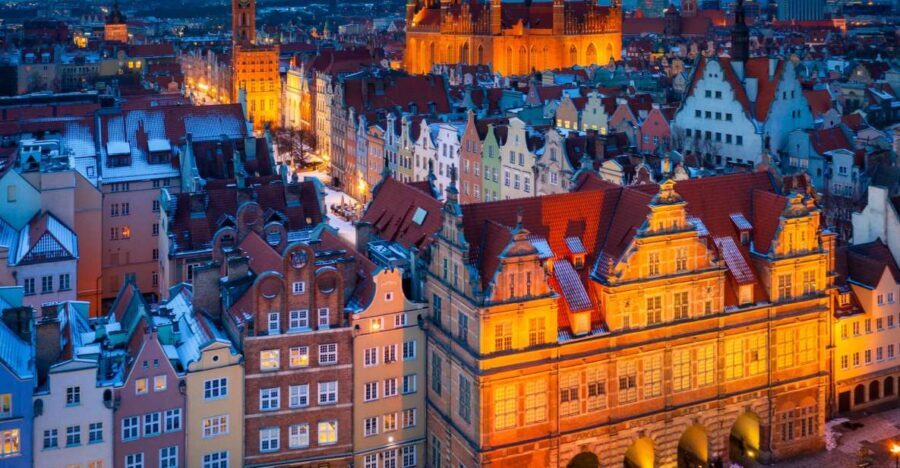
When you reach St. Mary’s Basilica, you’re stepping into one of the most impressive brick Gothic statements in Europe. This isn’t just a church stop. It’s a design lesson you can see and measure with your eyes: the scale, the brickwork, and how the structure dominates the old-town skyline.
The tour highlights what makes it special: it’s described as the largest brick Gothic church in the world. Even if you do not memorize that detail, you’ll feel it when you stand near it and notice how much the building pulls attention at street level.
Timing can add a nice extra here. One guide reportedly brought their group to St. Mary’s just as the clock struck noon, and that kind of moment turns a stop into a memory. You can’t count on the exact timing every day, but it’s a good reminder to keep your camera ready when you arrive.
If you’re the type who likes to understand what you’re looking at, this is where the guide’s story matters most. You’ll get explanations that help the architecture click as more than decoration.
Zuraw Treadwheel Crane: The Harbor’s Mechanical Symbol
Next comes the Zuraw crane in the harbor. This is one of those sights that can surprise you, because it’s not “ornate” in the way many attractions are. It’s machinery. It looks purposeful. It looks like it meant business.
Your guide points out the big selling point: it’s the largest medieval treadwheel crane of its kind and a symbol of Gdańsk. Once you hear that framing, you start noticing the logic of the crane as a working tool tied to the port economy.
What I like about including Zuraw on this route is that it balances the old-town grandeur with the city’s practical side. Gdańsk was a trading and shipping powerhouse long before it became a WWII story or a political symbol. The crane makes that industrial past feel real.
If you want photos, this is a good place to slow down and look from multiple angles. The harbor setting gives you lines and scale that are harder to appreciate from one spot.
Rivers, Canals, and the Gdańsk Walk That Makes Sense
A lot of city tours feel like you’re bouncing between monuments. This one has a more purposeful flow. As you move through the old town, you also get views of the rivers and canals, which helps you understand why Gdańsk developed the way it did.
The water connections matter because they explain the city’s economy and its ability to attract merchants. It also makes the WWII and independence stories feel less abstract. When a place depends on trade routes and port access, conflict and politics hit it hard and early.
This section also helps you with navigation for the rest of your trip. After the walk, you’ll have a mental map: where the main sights cluster, how the old town connects to the harbor area, and where you can return for a longer self-guided wander.
If you’re visiting with limited time, this “walk-with-context” structure is a big value. You leave with orientation, not just facts.
You can also read our reviews of more guided tours in Gdansk




WWII in Gdańsk: How the Guide Turns History into Street-Level Context
One of the tour’s central promises is that your guide tells you how WWII began in the city. This is not presented like a distant timeline. It’s connected to the places you’re standing on and the way the city’s fortunes rose and fell.
That’s the part I appreciate most. Gdańsk is one of those cities where history is visible in layers. You can’t walk five minutes without seeing how power changed hands, how buildings were damaged or rebuilt, and how public spaces carry memory.
A strong guide makes this click quickly. If the story is told well, you stop thinking of the war as something that happened elsewhere. You feel it as something the city lived through, fought over, and rebuilt after.
In the same story arc, you’ll also hear how merchants made Gdańsk the richest city on the Baltic Sea. That contrast is important. The WWII part hits harder when you understand what was at stake economically and strategically.
From Cold War to Solidarity: Independence Stories That Still Matter
After WWII, the tour shifts into the long arc of political change, including Gdańsk’s continual push toward independence. The highlight here is the Solidarity movement and how it heralded the fall of communism in the Eastern bloc.
This is where a guided walk earns its place. You’re not just learning a slogan. You’re hearing how a city became a focal point for labor, rights, and resistance. That makes Gdańsk feel current, not stuck in the past.
I also like that the guide frames the story as a sequence rather than a single “big event.” When you understand the buildup, independence stops looking sudden. It looks earned.
If you plan to visit any other Polish historical sites during your trip, this stop acts like a foundation. It gives you a lens for interpreting what you see later.
Price and Value Check: Why $26 Makes Sense for 150 Minutes
At $26 per person for 150 minutes with a live English guide, the value comes from three things.
First, you’re getting a route that hits major landmarks without you needing to plan the sequence. That saves mental energy and time, especially if it’s your first day in Gdańsk.
Second, the tour doesn’t just list buildings. It gives context that helps you understand what you’re looking at, like why Neptune’s Fountain fits this merchant city and why Zuraw matters beyond being a photo stop.
Third, the price structure is built around a reservation-style model for joining the general walking tour. That means your payment primarily covers the reservation and the guide. If you want a smaller, private tour, you’d need to contact the supplier after booking.
The bottom line: if you like guided context and you want to get your bearings fast, this is a solid deal. If you only want to stroll at your own pace with no stories, you’ll probably do fine skipping it.
Guide Quality: The Difference Between Facts and Storytelling
This kind of history-heavy walk depends on the guide’s delivery. In this tour’s case, there’s a clear pattern of praise for guides who keep energy high, explain in clear English, and welcome questions.
I’ve seen specific names come up strongly, including Sandra, Tufi, Marcin, and Philip. The common thread is how they tell the story: funny when appropriate, clear about complex events, and good about pacing you through colder conditions by using indoor spots when possible.
That’s more than just entertainment. Good guidance makes architecture easier to remember and political history easier to place in your head. You walk away thinking, I can now connect what I see to what happened.
If your English comfort level is basic to intermediate, you’ll still likely manage. Several guides have been noted for being easy to follow and for timing key moments well, like lining people up for the St. Mary’s clock.
Who This Tour Fits Best (and Who Might Prefer Something Else)
You’ll probably love this tour if you’re:
- In Gdańsk for a short time and want the old town essentials
- Interested in WWII and the broader independence arc that follows
- The type who enjoys learning why a city’s buildings and public spaces exist
- Traveling with someone who appreciates context as much as scenery
You might want to choose another option if:
- You hate dense storytelling and want mostly free time
- You’re walking-averse and need very short outings
- You prefer to pick sights without any historical framing
Even then, there’s still value in the set-piece stops like Long Market, St. Mary’s Basilica, and Zuraw. You just might find the full narrative length more than you want.
Should You Book This Gdańsk Walking Tour?
Yes, if you want a high-value introduction that connects Gdańsk’s architecture to its major historical turning points. For $26 and 150 minutes, you’re buying orientation, key landmarks, and a guided thread from merchants to WWII to Solidarity.
Book it early in your trip. A guided first pass makes it easier to return later for photos, slower walking, and deeper self-guided exploring.
Skip it only if your priority is minimal history and maximum free roaming. This tour is built for people who like stories, and it will give you plenty of them.
If the weather is miserable, do it anyway. The tour runs rain or shine, and that matters because you can plan your day around something instead of losing your entire itinerary to clouds.
FAQ
Where is the meeting point?
Meet at the Golden Gate (Złota Brama). Please look for the guide there with a yellow umbrella.
How long is the tour?
The tour duration is 150 minutes.
Is the tour in English?
Yes, it has a live guide speaking English.
Does the tour run in bad weather?
Yes. The tour takes place rain or shine.
What’s included in the price?
The price includes the walking tour and the guide.
Is hotel pickup provided?
No, hotel pickup and drop-off are not included.