REVIEW · GDANSK
Gdansk: Private Communism Tour with Solidarity Center Museum
Book on GetYourGuide →Operated by Rosotravel Poland · Bookable on GetYourGuide
A single walk from the 1970 monument leads straight into Poland’s political turning point. This private Communism Tour pairs a skip-the-line visit to the European Solidarity Centre with street-level history at the Gdańsk Shipyard sites that shaped Solidarity. I especially love how the tour connects the museum’s documents to the real places in the city, and I like that your guide keeps the big political story human and clear.
One thing to plan around: Gdańsk Shipyard is closed on Saturdays and Sundays, so your schedule can feel different depending on when you go. Also, pickup in the Old Town works only if your accommodation is within 1.5 km of the meeting point.
In This Review
- Key highlights you’ll actually feel during the tour
- Meeting at Plac Solidarności: where the story gets grounded
- European Solidarity Centre skip-the-line: how the exhibits connect the dots
- Solidarity Square and the 1970 tragedy: why this stop matters
- Sala BHP: the room where the agreement became real
- Gdańsk Shipyard (Stocznia Gdańsk): where resistance started
- The vodka shot and the PRL vibe: small, but memorable
- Price and value for a private 4-hour guide
- When this tour is the best fit (and when it might not be)
- Should you book this Private Communism Tour with Solidarity Centre Museum?
- FAQ
- How long is the Gdańsk Private Communism Tour?
- Where do I meet the guide?
- Is hotel pickup included?
- What sites are included on the 4-hour option?
- Does the tour include skip-the-line tickets?
- What is the European Solidarity Centre visit focused on?
- Which languages are available?
- Is Gdańsk Shipyard open every day?
Key highlights you’ll actually feel during the tour
- Skip-the-line entry to the European Solidarity Centre (ESC) so you can spend more time with the exhibits, not waiting outside
- Tables of 21 Postulates and other original-style documents that explain what workers demanded in 1980
- Solidarity Square plus the Monument to the Fallen Shipyard Workers of 1970 for the earlier tragedy that set the stage
- Sala BHP (the Gdańsk Agreement signing site) tied directly to the 31 August 1980 breakthrough
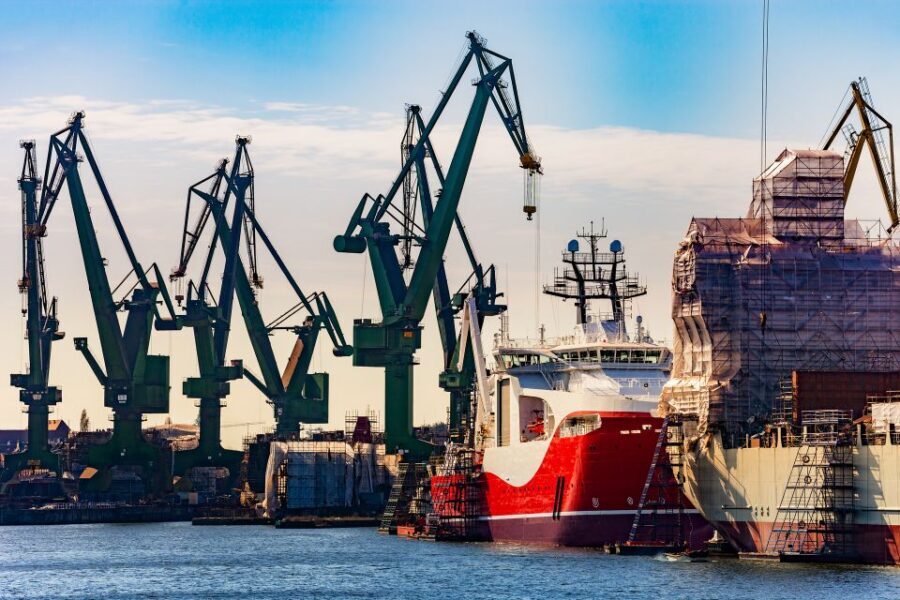
- Gdańsk Shipyard Stocznia Gdańsk, including the story of 17,000 shipbuilders starting civil resistance in 1980
- A traditional vodka shot in the PRL spirit on the 4-hour option
Meeting at Plac Solidarności: where the story gets grounded
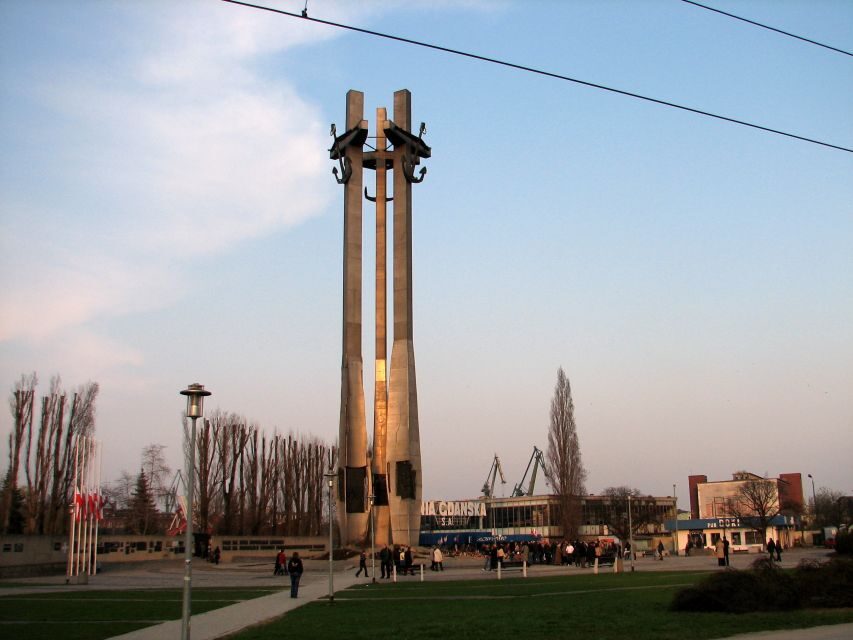
The tour starts at a place with instant context: the Monument to the Fallen Shipyard Workers of 1970, at Plac Solidarności, 80-001 Gdańsk. Even before you enter any museum, you’re in the right emotional geography—Gdańsk isn’t just a backdrop here. It’s part of the message.
If you booked pickup, you’ll get a car transport plan for the Old Town area. The important practical detail is the radius: pickup is available only within 1.5 km of the meeting point, so if your hotel is farther out, the guide will adjust how you meet. Either way, you’ll be routing your day around major Solidarity-era sites in a sensible order, without wasting time crisscrossing on your own.
Your guide is licensed and comes in multiple languages (English, German, Polish, Russian), which matters because this is not a “quick overview” kind of topic. You want someone who can explain the political stakes without turning it into a lecture. In one real example, the guide Małgorzata was praised for showing the essential points clearly and for knowing the shipyard history and layout well—exactly the skill set you want for this kind of route.
You can also read our reviews of more private tours in Gdansk


European Solidarity Centre skip-the-line: how the exhibits connect the dots

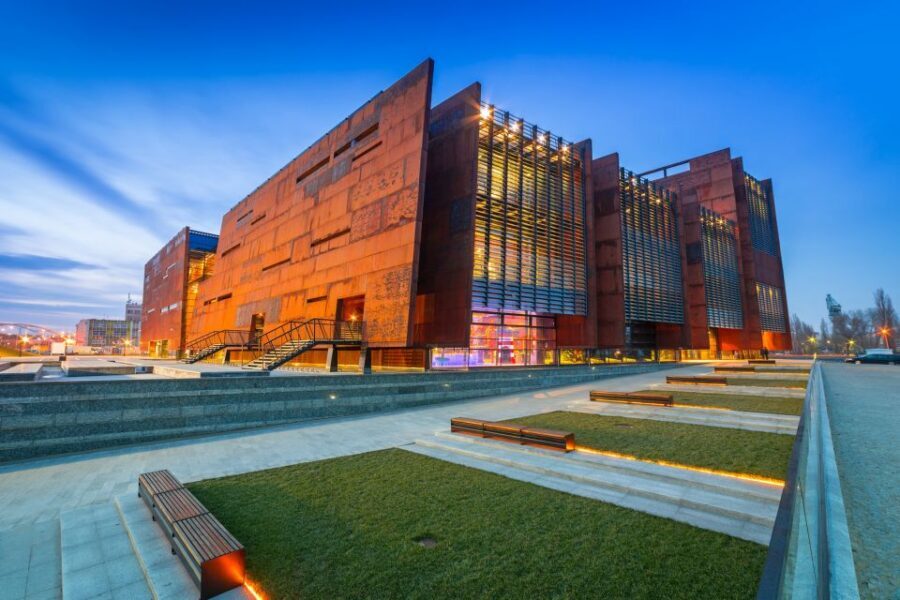
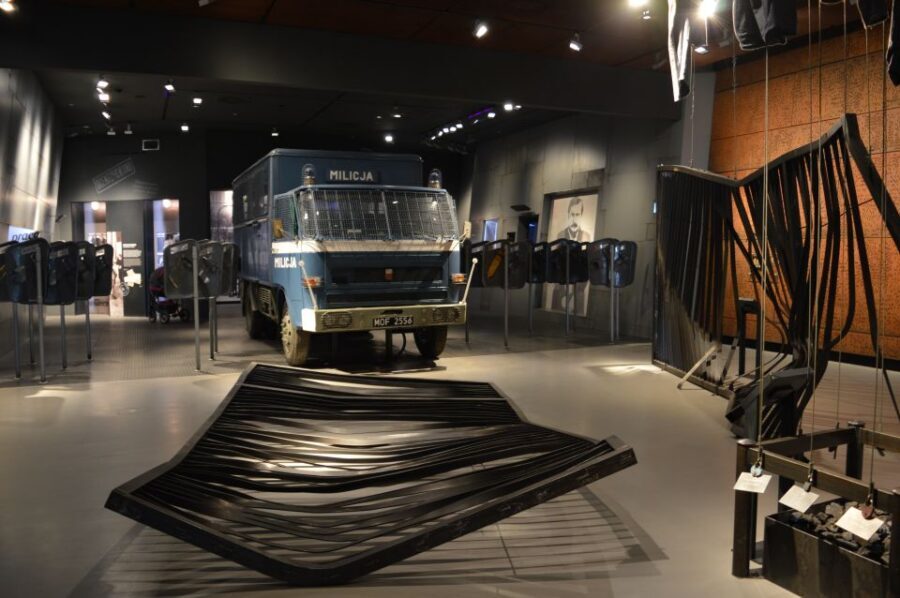
The European Solidarity Centre, often shortened to ESC, is where the story gains structure. The museum is modern and exhibition-driven, and the tour walks you step by step through how Solidarity developed from protest into a movement that changed the political future of Poland and beyond.
The best practical win is the skip-the-line entry. Even on days when you’d rather be wandering, this kind of ticket saves time and energy—so you can focus on the exhibits instead of waiting at the entrance.
Inside, you’ll follow the narrative through key moments and tangible evidence. One highlight is seeing the original Tables of 21 Postulates—the written demands that the strikers at the Lenin Shipyard (now Gdańsk Shipyard) made against the authorities in 1980. That detail changes the tone of the visit. It’s not only about speeches and symbols; it’s about specific demands, backed by records and photographs that show the stakes of the strikes and the pressure that built over time.
Your guide also ties the exhibit timeline to the wider arc: the 1989 round table talks and the first pluralistic election in Poland since 1947. If you’ve heard those events before, the value here is understanding why they happened in this order—and why the Solidarity movement mattered to the broader Eastern Bloc story. You’ll also meet the named figures behind the movement: Lech Wałęsa and Anna Walentynowicz, along with other heroes who led the revolution.
If you care about history, this museum can feel emotional—but the tour keeps it grounded. You don’t just see outcomes; you learn what workers were responding to, what they refused to accept, and how the movement built momentum.
Solidarity Square and the 1970 tragedy: why this stop matters
On the 4-hour option, you add a crucial earlier layer: Solidarity Square and the Monument to the Fallen Shipyard Workers of 1970. This matters because Solidarity in 1980 didn’t come out of nowhere. The earlier violence and the memory of those shipyard workers shape the political atmosphere and the meaning of resistance in Gdańsk.
The tour explains the tragic story behind the monument, which gives you a clearer emotional lens before you jump back into the 1980 timeline at the ESC. Standing by the memorial, you can feel how the city treats these events: not as distant history, but as part of identity.
This stop also gives you a good reset point in the day. If the museum’s documents feel intense, the monuments let you step back into place-based history—where names and dates aren’t abstract.
Sala BHP: the room where the agreement became real
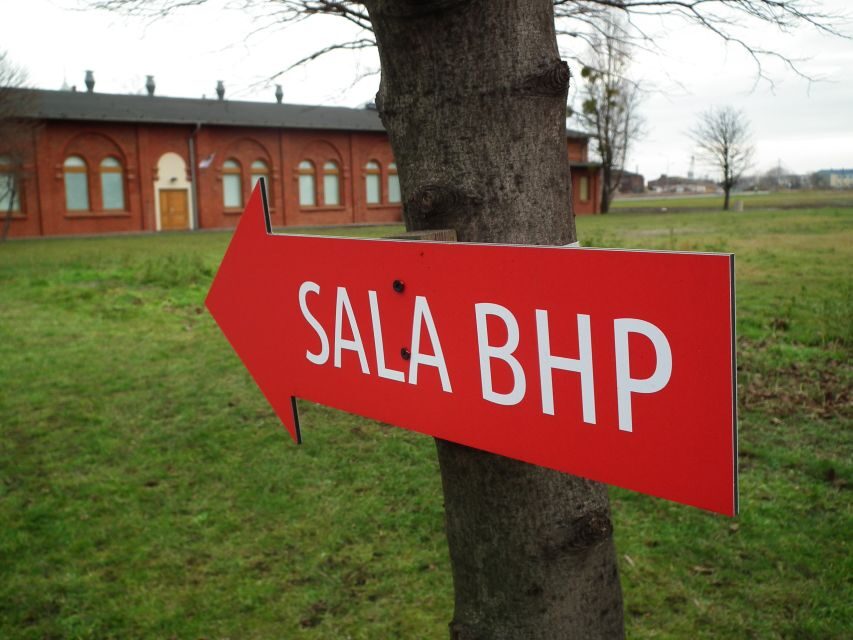
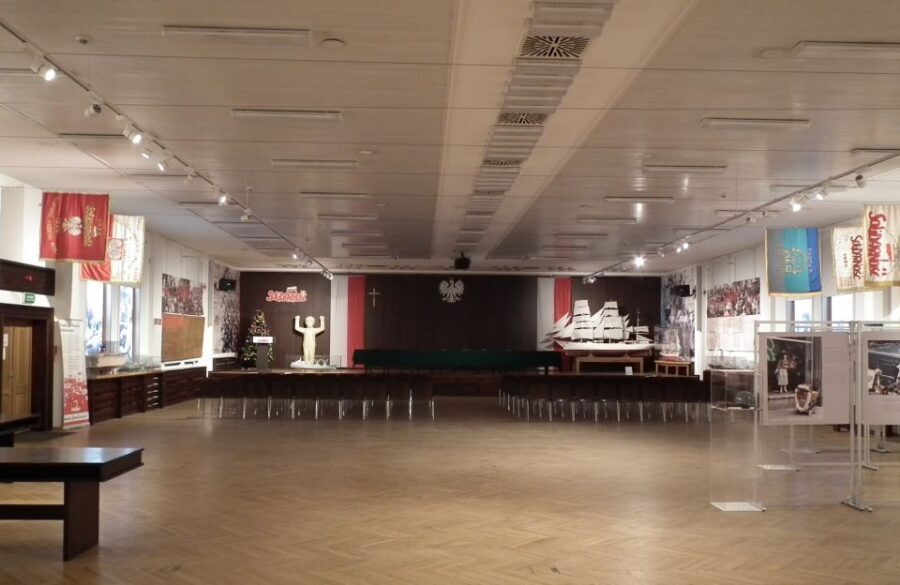
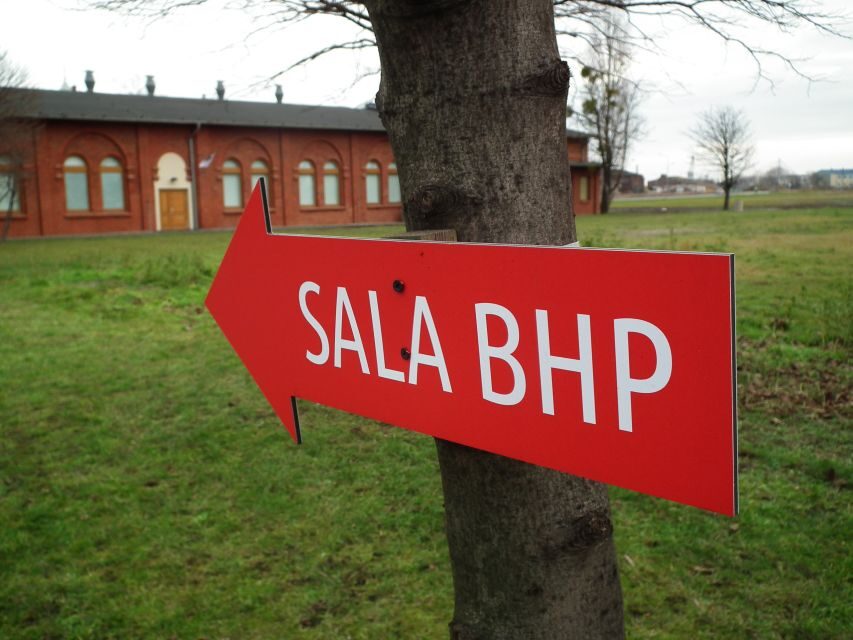
The next big anchor is Sala BHP, the historic site associated with the Gdańsk Agreement of 31 August 1980. This is the kind of stop you’ll remember because it turns the story into a specific location with a specific date.
Your tour frames it in the language of worker power and negotiation. The Sala BHP is described as the center of worker protection of the Gdańsk shipyard, and the visit helps connect what workers demanded to how they forced change. In other words, it’s not just a museum stop—it’s a place where the political story became actionable.
The value here is that it’s tangible. You’re not only learning about the agreement as a concept; you’re standing at a site tied to the moment. That makes the later story at the shipyard feel more logical, because you’ve already seen how resistance translated into results.
Gdańsk Shipyard (Stocznia Gdańsk): where resistance started
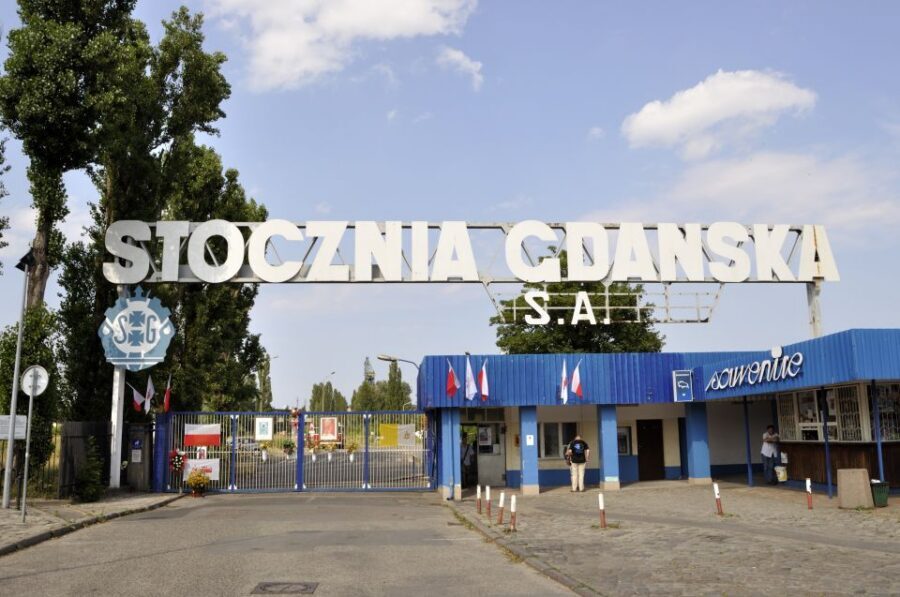
The tour’s final stop is Gdańsk Shipyard (Stocznia Gdańsk). You’ll see why this place sits at the heart of modern Polish history: it’s where 17,000 ship builders began civil resistance against the communist regime in 1980.
It’s also the same industrial world reflected in the ESC exhibits. The tour links the workers’ documents and demands from 1980 to the physical environment where those events unfolded. The highlight route includes walking through the area and viewing monuments to the Solidarity Movement, so you’re not stuck with just one view angle or one room.
One practical note that really matters: Gdańsk Shipyard is closed on Saturdays and Sundays. If your dates fall on a weekend, you should expect timing or access to be affected. This is worth checking before you plan the rest of your day around shipyard photography and long outdoor time.
You can also read our reviews of more museum experiences in Gdansk

The vodka shot and the PRL vibe: small, but memorable
On the 4-hour option, the tour includes a traditional shot of Polish vodka. That might sound like a gimmick until you place it in context: the tour frames it as part of PRL tradition. You get a quick taste of how everyday rituals sat alongside the political reality of the time.
I treat this as a bonus, not the main event. It’s short. It doesn’t replace the history stops. But if you enjoy small cultural moments that connect to the themes of the tour, it gives the final stretch a memorable flavor.
Price and value for a private 4-hour guide
The price is $184 per person for a 4-hour private experience. That sounds like a splurge until you break down what you’re actually getting: a private history-expert licensed guide, hotel pickup and drop-off in the Old Town area (within the 1.5 km limit), European Solidarity Centre skip-the-line entry, plus Sala BHP and Gdańsk Shipyard entry on the 4-hour option.
It’s also not just “entry tickets and leave.” The tour is built around interpretation—explaining what you’re seeing in the ESC exhibits and how those documents connect back to the shipyard and agreements. Private guiding is often worth it here because the subject is layered: documents, negotiations, strikes, elections, and the personalities behind the movement.
Who gets the best value? People who:
- want a guided narrative rather than reading wall panels alone
- care about the specific steps from protest in 1980 to political transformation later
- prefer to keep their day efficient (pickup + skip-the-line helps)
- like history with real locations, not just museum rooms
There’s also a strong language advantage. Tours are offered in English, German, Polish, and Russian, so you can match the day to your comfort level and actually absorb the details.
And yes, groups can be sizable. One reported group size was 18 people, and the guide handled it with praise for the flow and clarity. If you’re traveling with friends or a larger party, you’re not stuck with a tiny-scale experience.
When this tour is the best fit (and when it might not be)
This private route is ideal if you want the Solidarity story in a way that links documents to place. It’s also a good match if you’re trying to understand how communism-era Poland led to democratic change, without turning the topic into a blur of dates.
It might be less ideal if you only want the broadest overview. The tour is built for people who want the key names, the specific postulates, and the physical sites tied to the agreement and shipyard resistance. If you prefer a lighter approach, you might feel the schedule is intense—especially with museum time plus outdoor monument walking.
The timing is also a factor. Because the shipyard is closed on weekends, your day could shift depending on your travel dates. If you’re visiting on Saturday or Sunday, plan around that reality.
Should you book this Private Communism Tour with Solidarity Centre Museum?
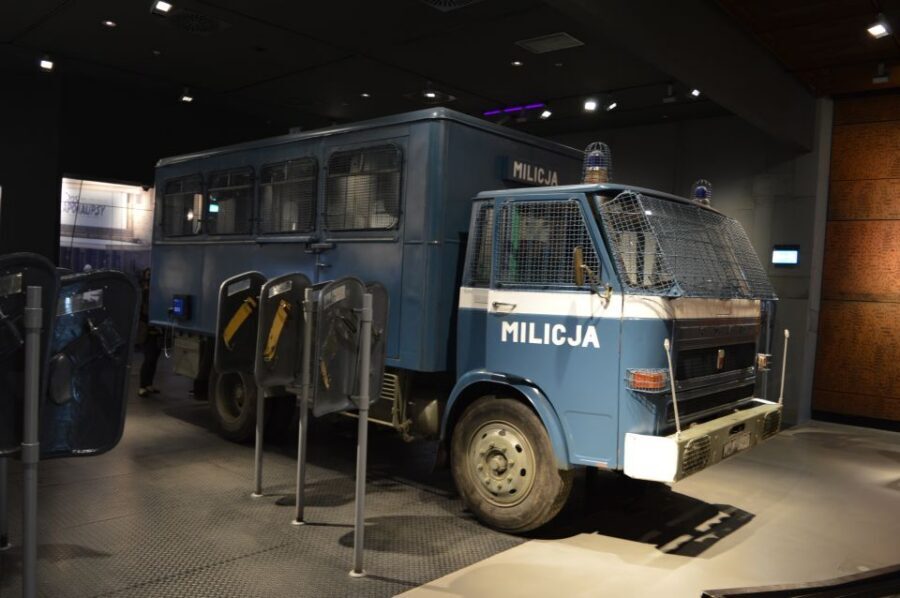
Yes, I think you should book it if you want a focused, high-impact way to understand Solidarity’s turning points without getting lost in guidebook fragments. The combo of ESC skip-the-line, the Gdańsk Agreement at Sala BHP, and the Gdańsk Shipyard resistance story is a strong triangle of meaning. You’ll leave with a clearer timeline and a better feel for why Gdańsk matters far beyond local pride.
I’d skip—or at least reconsider—only if your dates fall on a weekend and you’re specifically counting on shipyard access, or if you want a short, casual walk-through rather than a narrated political story. If your schedule is flexible and you appreciate guided context, this private tour is a smart way to make Gdańsk feel real.
FAQ
How long is the Gdańsk Private Communism Tour?
The duration is 4 hours for the option described here.
Where do I meet the guide?
Meet your guide under the Monument to the Fallen Shipyard Workers of 1970, Plac Solidarności, 80-001 Gdańsk.
Is hotel pickup included?
Yes. Pickup and drop-off are included, but pickup is available only in the Gdańsk Old Town area within 1.5 km from the meeting point.
What sites are included on the 4-hour option?
You’ll visit the European Solidarity Centre, plus Solidarity Square, the Monument to the Fallen Shipyard Workers of 1970, Sala BHP, and the Gdańsk Shipyard. The 4-hour option also includes the vodka shot.
Does the tour include skip-the-line tickets?
Yes. The European Solidarity Centre entry includes skip-the-line tickets.
What is the European Solidarity Centre visit focused on?
You’ll walk step by step through the history of Solidarity, including items like the Tables of 21 Postulates, as well as strikes, the 1989 round table talks, and the first pluralistic election in Poland since 1947.
Which languages are available?
The live guide is available in English, German, Polish, and Russian.
Is Gdańsk Shipyard open every day?
No. Gdańsk Shipyard is closed on Saturdays and Sundays.